BETA nonprofit public democratic european moderated

Search

#klimatickaKrize

The article addresses the growing pressure of mass tourism on the locations we travel to, highlighting the negative impacts on housing, wages, quality of life, and nature, and pointing out the protests of local residents who are trying to express their disagreement with unsustainable tourism development. (translated)
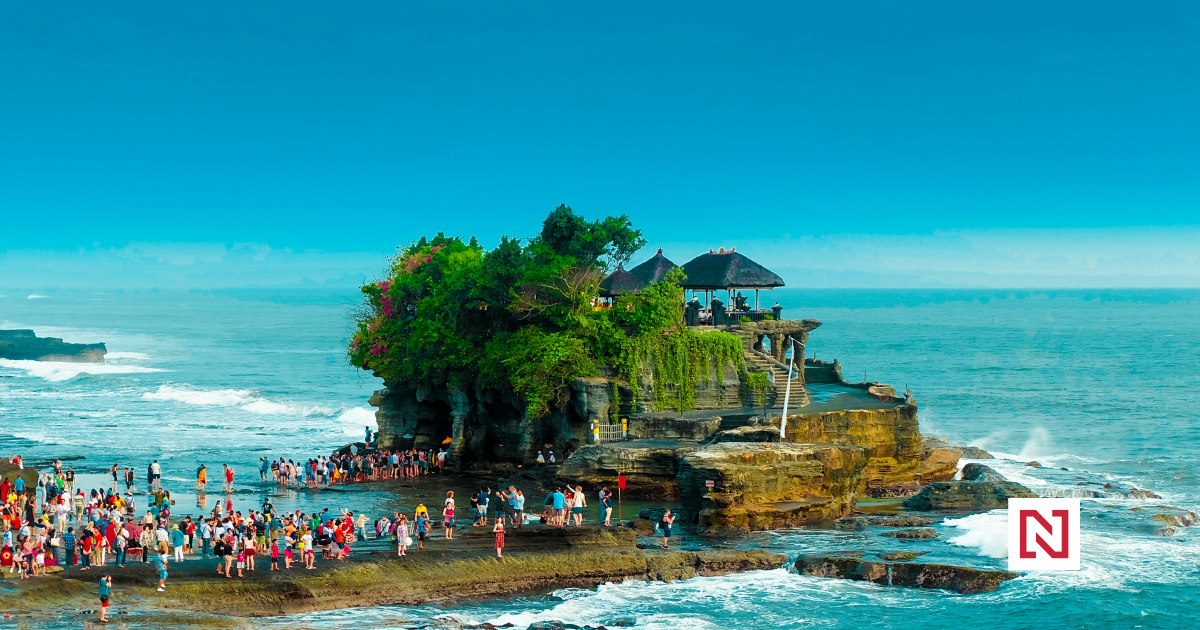
Masový turismus roste. Co naše dovolená dělá místům, kam jezdíme?
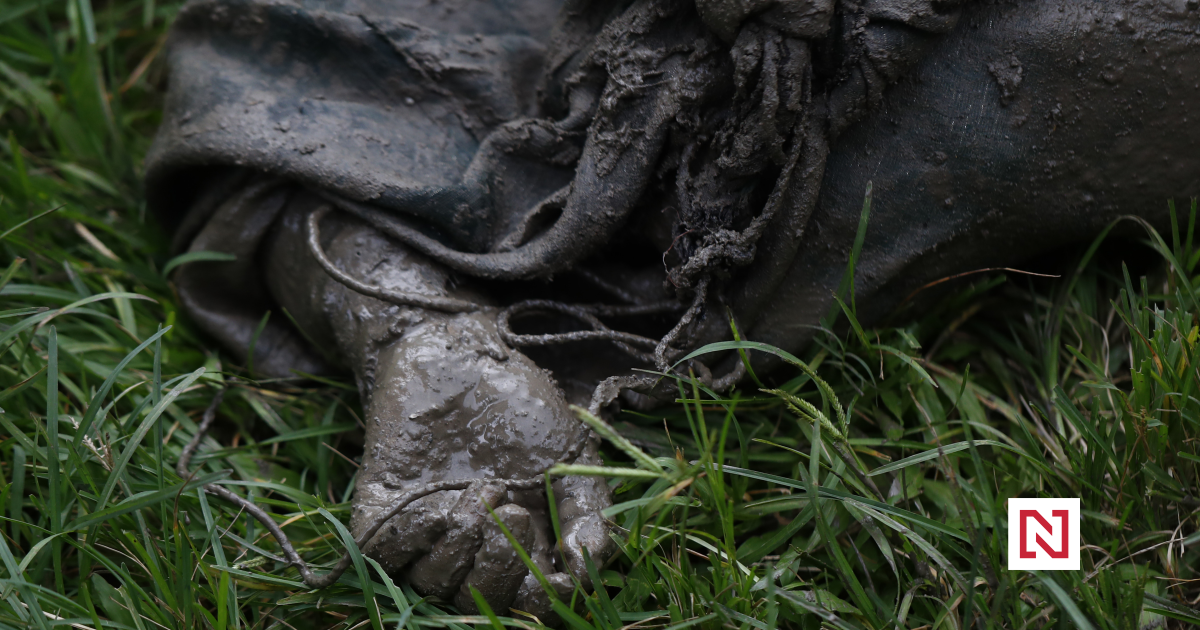

As a result of a glacier collapse, a catastrophic flood has struck the region of Tibet and Nepal, which has so far claimed at least 165 lives and threatens the lives of about 1500 other people, including many tourists. (translated)

Katastrofu v Tibetu a Nepálu zavinil sesuv ledovce. Bojuje se o život asi 1500 lidí včetně stovek turistů

While our government politicians scream something about the end of the climate crisis, China has taken the opportunity in recent years. They have initiated investments in renewable sources and new technologies because they can profit from them. (translated)

The idea that a few rain showers will solve the drought is probably as rational as the belief that the Earth is flat. The government should say what specifically it is doing to retain water in the landscape, instead of promising castles in the air. Those will not retain water. Not a drop. (translated)

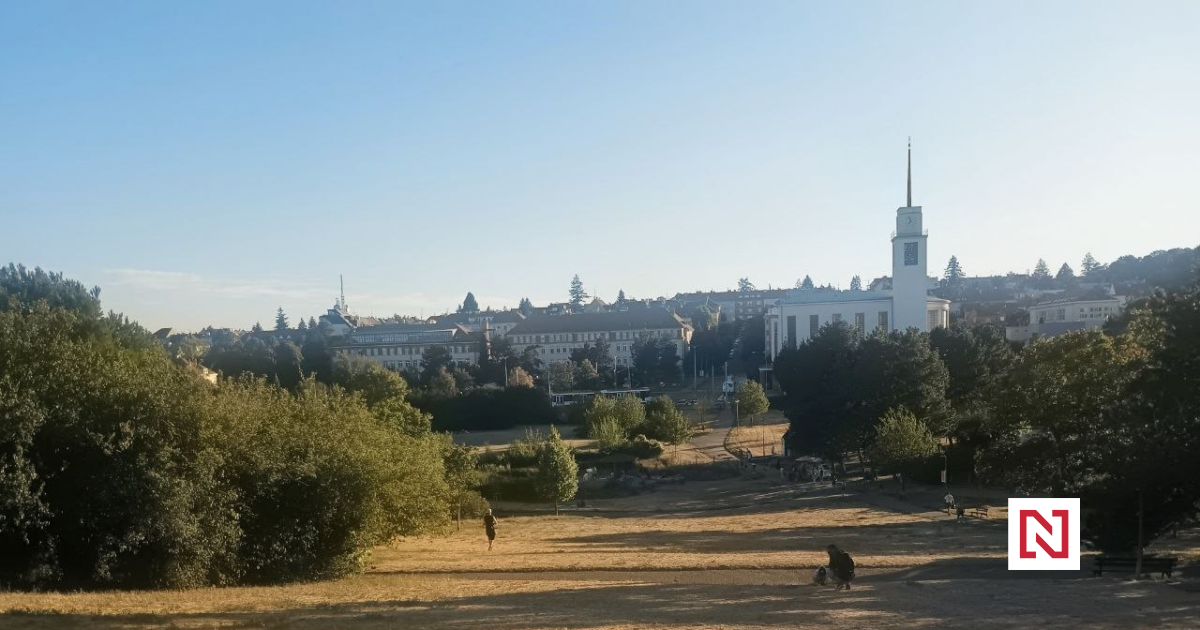
The article analyzes the financial resources allocated by Brno for environmental protection and points out that although the city is investing more than in the past, the statistics may not fully reflect the actual needs and effectiveness of environmental policy, especially in the context of extreme drought and the deteriorating state of public greenery. (translated)

Méně než za Onderky, více než za Vokřála. Kolik dává Brno na životní prostředí a proč čísla neříkají vše

French President Emmanuel Macron warned that the era of prosperity and carefree living is over, in the context of current political and climate crises, emphasizing the need for a realistic approach to addressing the dramatic changes and challenges we face. (translated)

Potvrzeno z nejvyšších míst: Bezstarostné časy skončily suchem
Novinky 6d

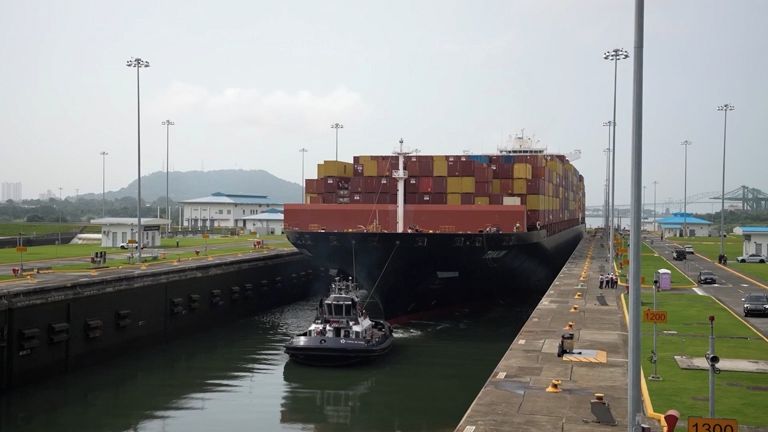
The Panama Canal Authority announced operational restrictions due to a water shortage caused by the El Niño phenomenon, which will reduce the number of ships passing through the canal from 34 to 32 daily and may have far-reaching impacts on the global economy and commodity prices. (translated)

Panamský průplav omezuje provoz kvůli El Niñu

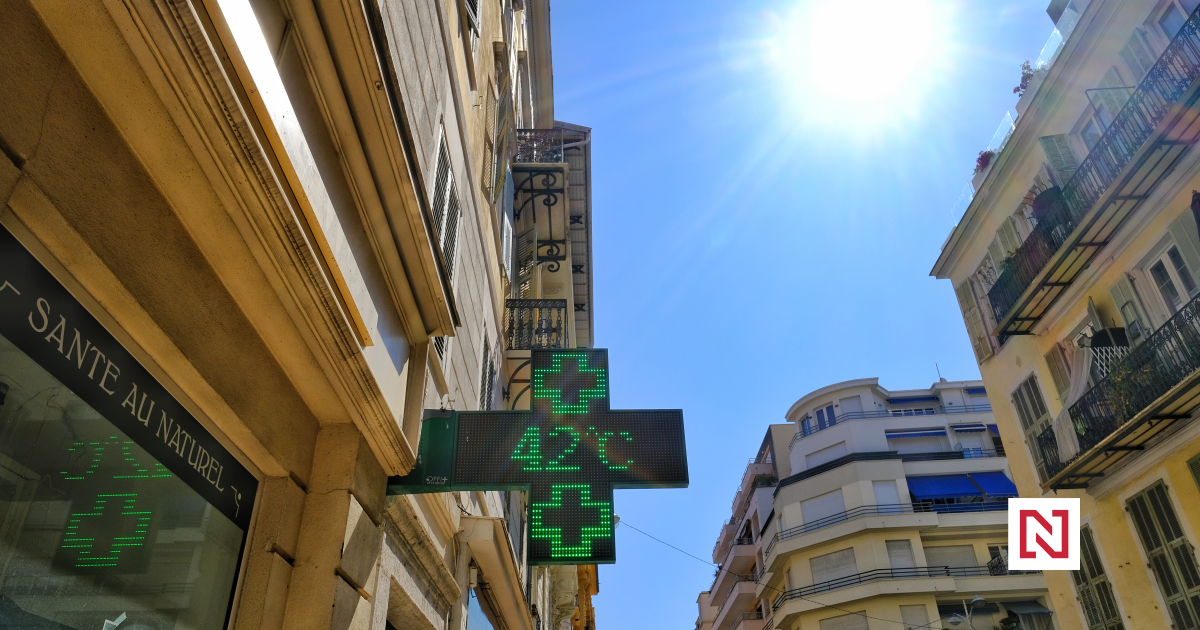
Summer 2026 in Europe brought extreme heat waves and drought, leading to debates and disputes among politicians instead of the expected unity, with France recording a record number of deaths due to high temperatures and evaluating the situation as "unprecedented." (translated)

Evropa toto léto hořela. Politiky to místo jednoty vedlo ke sporům

The article deals with the current measures of the Czech government led by Andrej Babiš in response to the extreme drought affecting the country, and critically points to the previous ignorance of the climate crisis by the opposition and some political groups. (translated)

Vrtěti psem: Macinka dříve klimatickou krizi rušil, teď se Babiš modlí za déšť. Jak vláda řeší extrémní sucho

While wells are drying up for the Czechs and farmers are calculating damages, Petr Macinka mocks real drought from his couch because "it just rained at night." This cynical trolling and ignoring of the climate crisis is pure political irresponsibility. People in the countryside are dealing with missing water, but for (translated)

J

This is not a joke. This is the raw arrogance of a person who, with a glass of sparkling wine, mocks people whose country is dying. Macinka returned from vacation, sat down in the studio XTV, and with a smirk stated that "galactic intersucco" is just hysteria because he was easily doing fine every other day on vacation. (translated)

Meteorologist Martin Adamovský from the Czech Hydrometeorological Institute warns that even in September, a heatwave may arrive, the consequences of which could be even more pronounced due to extreme weather and related storms, and emphasizes the institute's efforts for more accurate forecasts and innovations in the warning system. (translated)

Vlna veder může dorazit i v září. Nemusí být silnější, ale důsledky budou ještě větší, říká meteorolog

The article discusses the ironic and mocking comments of Transport Minister Petr Macinka regarding the current drought in the Czech Republic, downplaying the seriousness of the situation and criticizing efforts to address the climate crisis, raising concerns about the real needs of citizens affected by natural problems. (translated)

„Vždyť teď zapršelo, tak co,“ vzkázal vysušenému Česku Macinka

Já to nechápu. Babišova vláda bojuje proti EU a greendealu, který mnoho opatření proti suchu řeší, pak zruší na MŽP klimatickou krizi, vyhází odborníky a když už teda sucho ohrozí byznys velkostatkáře, zadotujou ty zemědělce, kteří na opatření proti suchu serou. ... zoufalost. #klimatickaKrize #sucho #politika

The article explores how small initiatives, such as book discussions in a small bookstore, can inspire hope and positive change in the context of growing frustration and helplessness regarding the climate crisis and social development. (translated)

Velké změny začínají u malých věcí. Co nás o naději učí jedno malé knihkupectví

Babišova koalice proti suchu je marketingový trik na oblbnutí voličů. Schopnost krajiny zadržovat vodu souvisí především s tím, jak v ní hospodaříme. Máme problém s erozí, k níž přispívá intenzivní zemědělství, obrovská pole a pěstování monokultur. Svou roli hraje i nastavení dotací, které zvýhodňuje velké zemědělské podniky. Babiš je součástí problému, nelze předpokládat, že by byl zároveň řešením. Politikou, kterou realizujeme v zemědělství, bohužel opět podporujeme něco, co má nežádoucí dopady na zadržování vody v krajině. Musíme upřednostnit skutečně retenční opatření před betonovými zábranami a zdmi podél vodních toků. Boj se suchem nemůžeme vyhrát. Klimatická krize tady je a horka i záplavy budou v dalších letech jenom horší. Česko proto musí změnit způsob hospodaření s krajinou, podobu měst i přístup k městské zeleni. Současná iniciativa vlády je jak ze seriálu jistě pane ministře. Na pozadí jde vláda opačným směrem. Pravidla rozvolňuje, podporuje finančně agromamuty, ve stavebním zákoně umožňuje kácet zeleň či zastavovat zemědělskou půdu podél dálnic. Marketingem to nezakryjeS Pan ministr Šebestyán měl zástupce krajů a další svolat už dávno. Máme přece komisi, která má dlouhodobě řešit sucho. Ta měla být aktivována včas a měla přijít s konkrétními opatřeními. A jestli něco stavět, tak hlavně hráz babišizaci české, moravské a slezské krajiny. Nikoliv ji napomáhat. https://t.co/9HcZkCdtai #sucho #klimatickakrize #zemědělství

The article criticizes André Babiš as an inappropriate leader in the fight against drought, pointing out his inadequate responses to the climate crisis and parodying his attempts to address this issue by creating national coalitions and praying, while the situation in Europe continues to worsen. (translated)

Jak se kozel Babiš stal zahradníkem a bojoval proti suchu

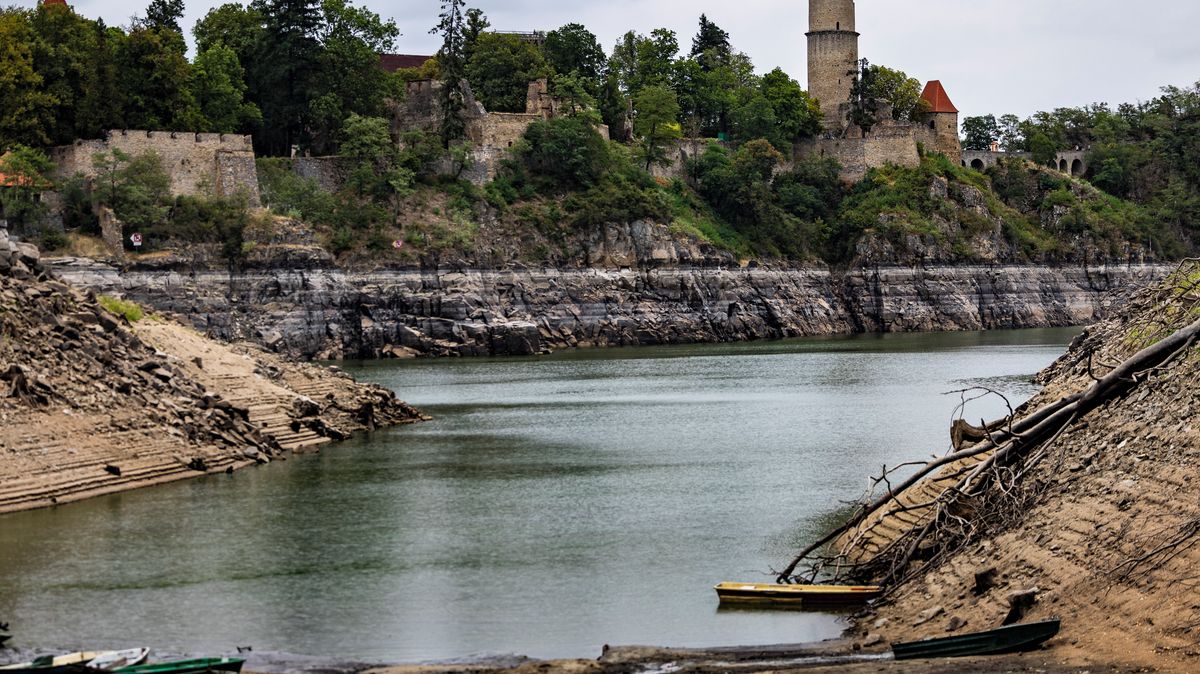
According to the director of the Vltava River Authority, Petr Kubala, this year's extreme drought affecting the Vltava River and its tributaries corresponds to scenarios expected only by 2050, with some streams having completely dried up. (translated)

Co zažíváme letos, se podle scénářů čekalo v roce 2050, říká šéf Povodí Vltavy. Některé toky jsou úplně bez vody

We need to address drought now and in the future. The government is reestablishing the National Coalition for the Fight Against Drought and is continuing the work that we started years ago. Tens of thousands of measures and billions in investments from the previous Babiš government. Czechia is experiencing an exceptionally dry period. We need to hold back even more. (translated)

Before politicians discredit themselves by saying "after all, it's been raining for a week" like "I am a lawyer," Rajchl: a few rain showers won't solve the problem of drought! It's not about the fact that it was hot now. It was sometimes like that even a hundred years ago. It's about the trend. There are more hot days, drought is longer, and the landscape has a low ability to retain water. (translated)