BETA nonprofit public democratic european moderated

Search

#morning

yesterday morning, I didn't have time to publish this post when, unfortunately, it came out that an #Italian Eurofighter fighter had been hit in a #SaudiMilitaryBase in one of the #SecretWars that the #Meloni government has entagled #Italy https://t.co/DRJgFhvRL9 #Eurofighter #SaudiMilitaryBase #Meloni #IT #SA
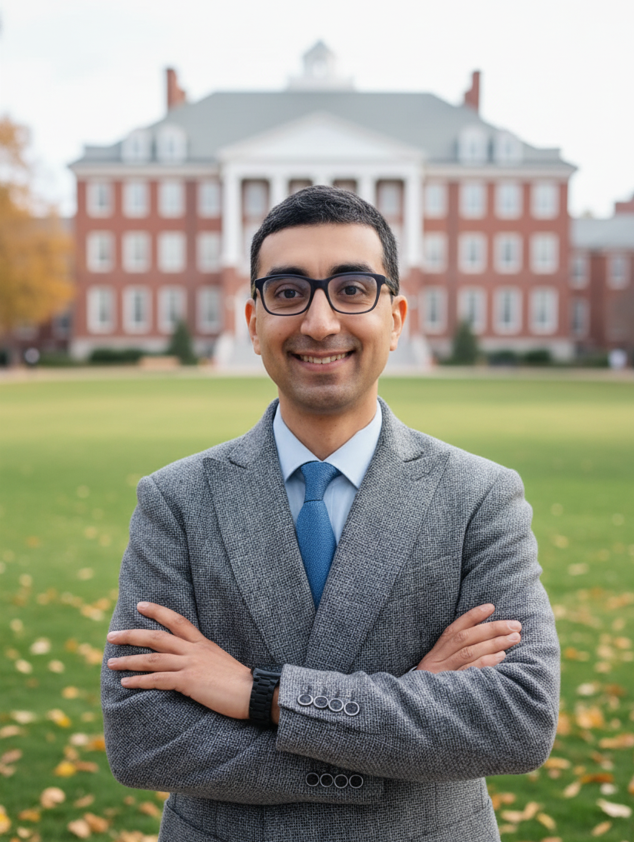
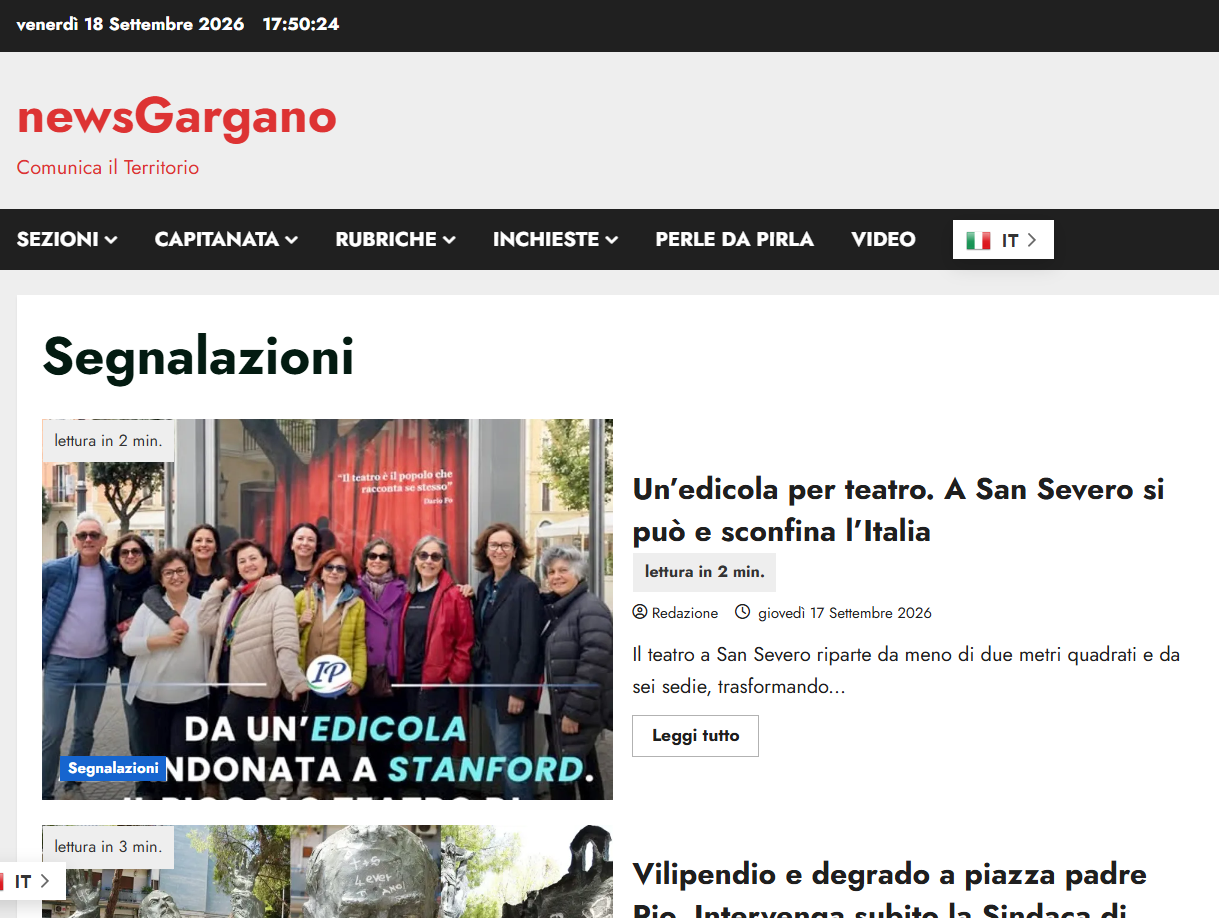
"CIVICO 93": FROM SAN SEVERO TO STANFORD UNIVERSITY: THE 'SIX-SEAT REVOLUTION' OF TEATRO EDICOLA" SOURCE: https://www.civico93.it/da-san-severo-alla-stanford-university-la-rivoluzione-a-sei-posti-del-teatro-edicola/ SAN SEVERO (FG) - The scholarly reportage by Luciano Magaldi Sardella on the micro-theatre of Francesco Gravino has appeared in the most authoritative journal in the world in the field of social innovation: six chairs and four square metres that are transforming the manner in which we conceive theatre and the city. The "Stanford Social Innovation Review (SSIR)", the academic review published by the Stanford Center on Philanthropy and Civil Society of the prestigious Stanford University, ranked second in the world in the Shanghai Ranking of World Universities, constitutes the global point of reference for researchers, policy-makers and practitioners of innovative enterprise and philanthropy. It has published the reportage "The Six-Seat Revolution" on the Teatro Edicola of San Severo, the smallest theatre in the world by dimension and capacity, born from the intuition of Francesco Gravino, artistic director of the company Foyer '97. Its author is Luciano Magaldi Sardella, an independent researcher and international journalist, a native of Orta Nova with maternal roots in San Severo, already the author of studies published in international academic journals. The piece appeared in the autumnal edition [Fall 2026] of the academic review, within the section dedicated to Arts and Culture. A presence that projects San Severo, and more generally the Capitanata, into the international élite of research on cultural and urban innovation. The theatre originates from a disused newsstand It all began on 27th March 2026, World Theatre Day, in the Piazza Municipio in San Severo. A newsstand disused for years in Via Matteo Tondi raised its shutter to reveal, in place of newspapers and cigarettes, an actor upon the stage. Within: six chairs. Every fifteen minutes, a new audience takes its place. Taking inspiration from the televisual format of Edicola Fiore by the well-known Sicilian radio and television presenter, there was born the Teatro Edicola, a structure now recognised in the media as the smallest theatre in the world by dimension and capacity: four square metres in total, with a stage area of less than two metres. Gravino has led Foyer '97 for almost thirty years, constructing a rigorous artistic trajectory within a context, that of southern Italy, historically penalised from the standpoint of public funding for culture. And yet, when he beheld that empty newsstand, he chose the path of provocation: to transform the bare minimum into a manifesto on the very meaning of theatre. Gravino has led Foyer '97 for almost thirty years, constructing a rigorous artistic trajectory within a context, that of southern Italy, historically penalised from the standpoint of public funding for culture. And yet, when he beheld that empty newsstand, he chose the path of provocation: to transform the bare minimum into a manifesto on the very meaning of theatre. The model and its measurable effects The inaugural season lasted three days. All performances were sold out. In a single afternoon, more than sixty persons attended the representations. The cost of the entire pilot operation was less than three thousand dollars. The formula is radical in its constitutive elements: ● performances of five to twelve minutes' duration, conceived expressly for the space ● rotation of the audience every fifteen minutes ● direct and ineluctable visual contact between actor and spectator ● no architectural or psychological distance between stage and auditorium ● ticket offered at five euros per person, with a hybrid economic model providing for municipal support, local sponsors, and box-office receipts. According to the analysis published in the "Stanford Social Innovation Review", the Teatro Edicola represents a replicable model of urban regeneration at low cost and high impact, capable of reactivating abandoned commercial spaces [newsstands, tobacconists, telephone boxes] without the necessity for major infrastructural investment. The voice of him who built it all Francesco Gravino has no doubt as to the meaning of the undertaking: "One does not need grand theatres to change a fragment of a city. What is needed is a good idea and the courage to restore to the community a space that has lost its function." And on the import of the international recognition: "Teatro Edicola was born to demonstrate that a place of encounter and culture may come into being anywhere, even in two square metres. That today this work should be studied at an international level and that requests for information should arrive from cities such as Lucca and Rome is confirmation that we are upon the right path." The director has also explicated the symbolic choice of the site: the newsstand was the point at which each morning one would pause, catch up on news, recognise oneself as a community. Its disappearance lacerated a precise social fabric. To restore to it a cultural function is to mend that tissue at the very point where it was torn. The challenges: scalability, institutional recognition, rootedness The SSIR reportage does not confine itself to celebrating the project but analyses also the critical nodes. The first is sustainability over time: an activation of three days, however successful, does not yet constitute a stable programme, a veritable seasonal programme (at weekends from spring to autumn) with a rotating roster of local and regional companies. The second node concerns replicability without loss of identity: the Teatro Edicola functions also by virtue of the profound roots of Foyer '97 in the territory of San Severo. To transplant the model elsewhere requires not merely a physical kit, but an entire process of community building. The third obstacle is institutional: in a system of public funding that rewards organisations with consolidated premises and predictable output metrics, a project deliberately experimental, hyper-localist and by its very nature impermanent struggles to gain access to the ordinary channels of the National Fund for Live Performance (Fondo Nazionale per lo Spettacolo dal Vivo - FNSV) of the Ministry of Culture. A lesson that travels beyond Puglia In the Stanford Social Innovation Review the author concludes that the intuitions of the Teatro Edicola transcend the context of San Severo: in any community wherein cultural institutions struggle to reach youthful, diverse, or economically marginal publics, the principle of proximity proves disruptive: to meet people where they already are, in the spaces they inhabit daily. From the populous centre of Daunia to the pages of Stanford University: San Severo and its newsstand demonstrate that six chairs, four square metres, and a vision are sufficient to alter the way in which a city conceives itself. And to offer the world a model that costs less than one might suppose but is worth a great deal more than one might imagine.

DA SAN SEVERO ALLA STANFORD UNIVERSITY: LA “RIVOLUZIONE A SEI POSTI” DEL TEATRO EDICOLA - Civico93 | Be original
BBC 1d

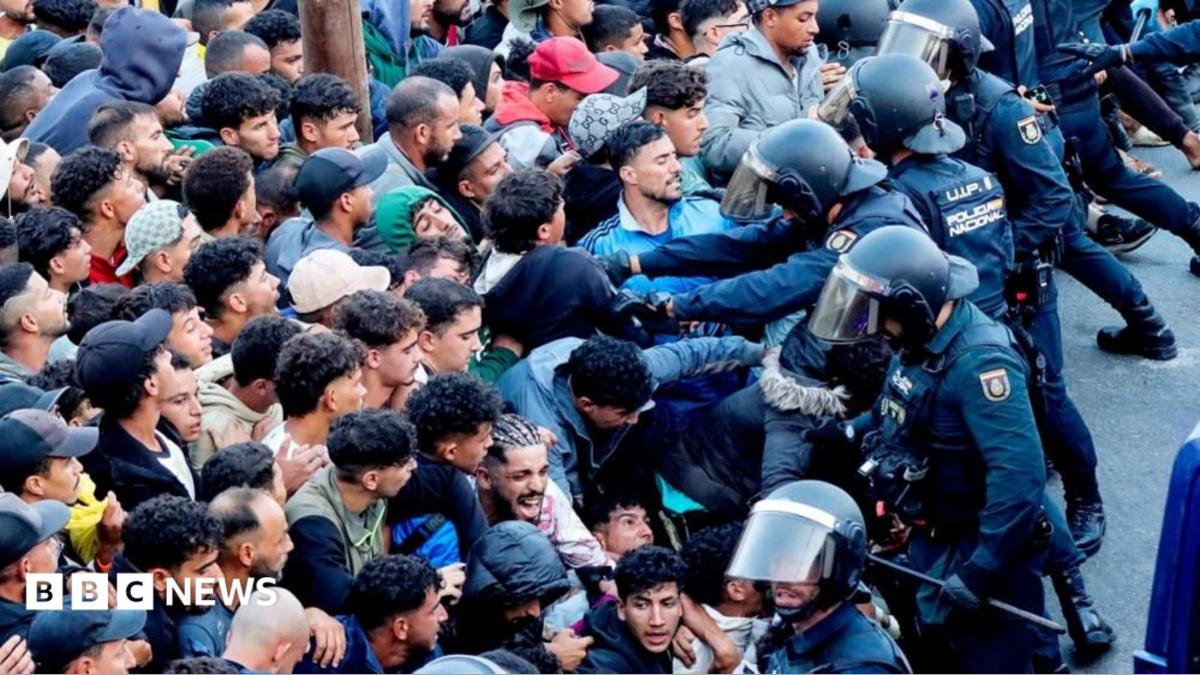
Police reportedly fired into the air on Friday morning as they struggled to contain crowds jostling to secure a place at the tented site. #CeutaCrisis #MigrantTransfer #HumanitarianChallenge

Shots heard as police start moving migrants from Ceuta beaches
BBC 2d

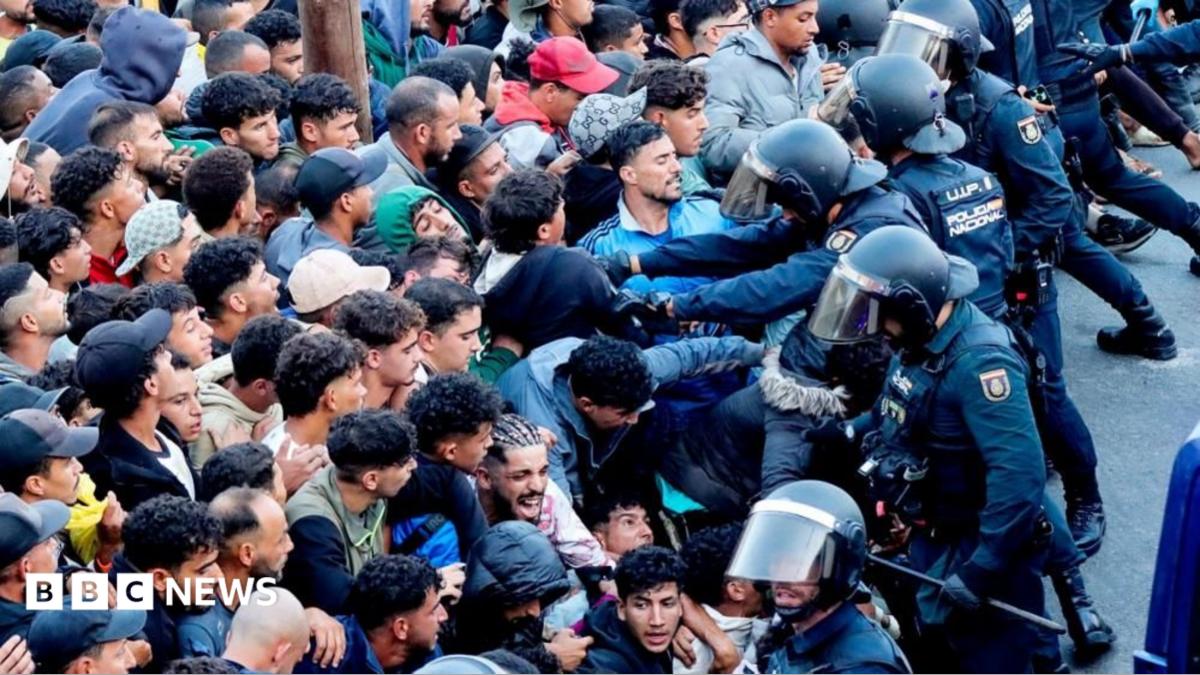
Police reportedly fired into the air on Friday morning as they struggled to contain crowds jostling to secure a place at the tented site. #Migrants #Ceuta #BorderCrisis

Police begin operation to move migrants from Ceuta beaches

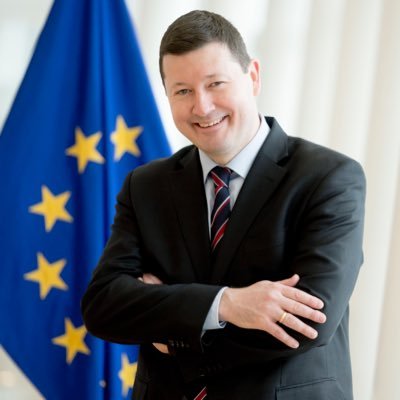
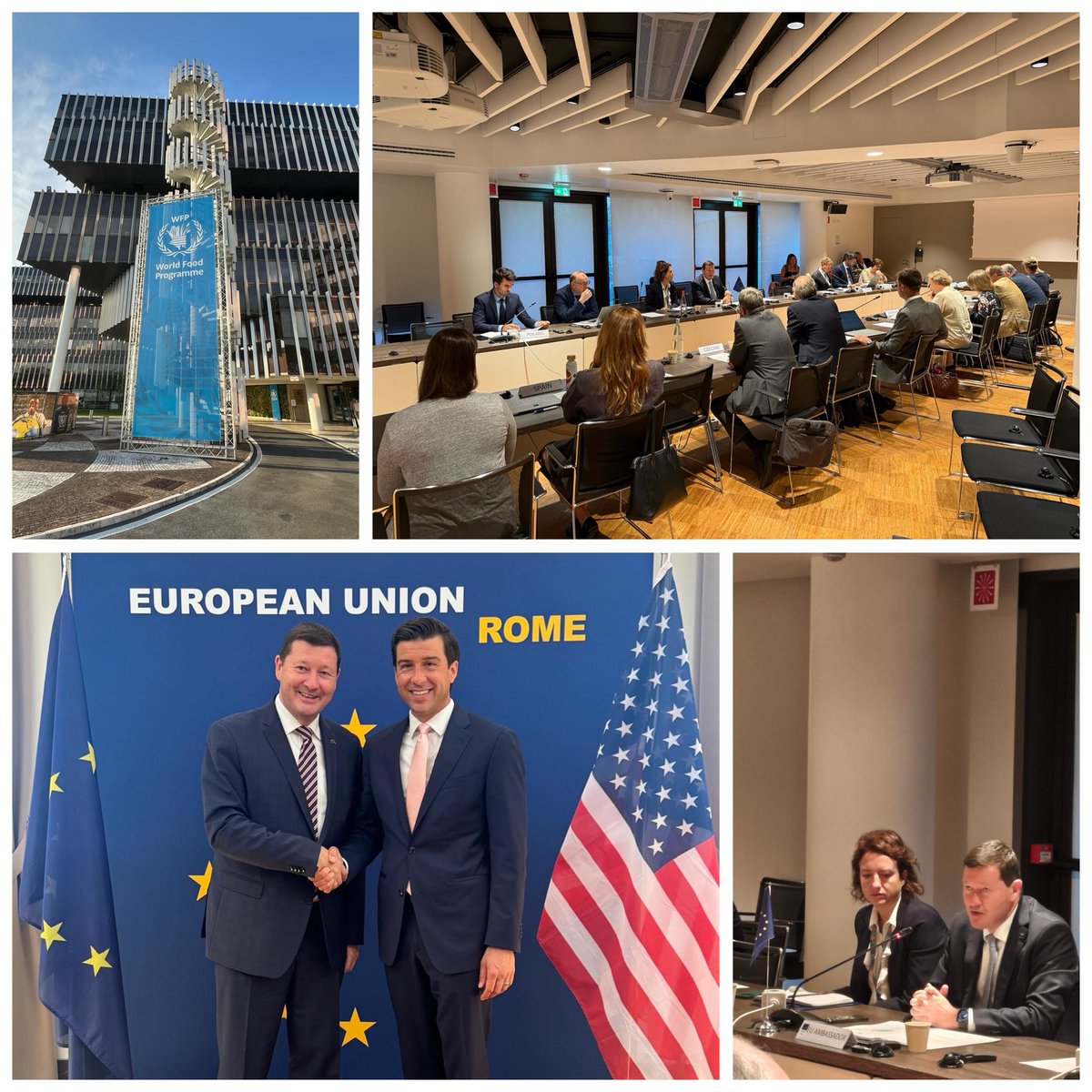
This morning in Rome, the 🇪🇺European Union gave its support to the proposal of 🇺🇳UN Secretary General @antonioguterres and @FAODG QU Dongyu to appoint @LukeJLindberg as new Executive Director of the UN’s World Food Programme @WFP. His personality, his constructive approach and https://t.co/Dk32OQbrqh #EU #UN #WorldFoodProgramme #IT #EU #UN

Yeah. Listened the interview of Alex Carp pitching the government bailout, due to "liability issues", from @CNBC this morning. He did even mention the possibility of the AI trade collapsing. #AlexCarp #AIBailout #CNBC #US

In a morning interview with the Ukrainian TV channel FREEDOM, the central topic was Russia’s growing campaign of terror against Western countries. I reminded viewers that Russia’s strategic objectives are to eliminate Ukraine’s sovereignty and weaken NATO to the point of https://t.co/hBXRb0l4qc #Russia #Ukraine #NATO #UA #RU #NATO

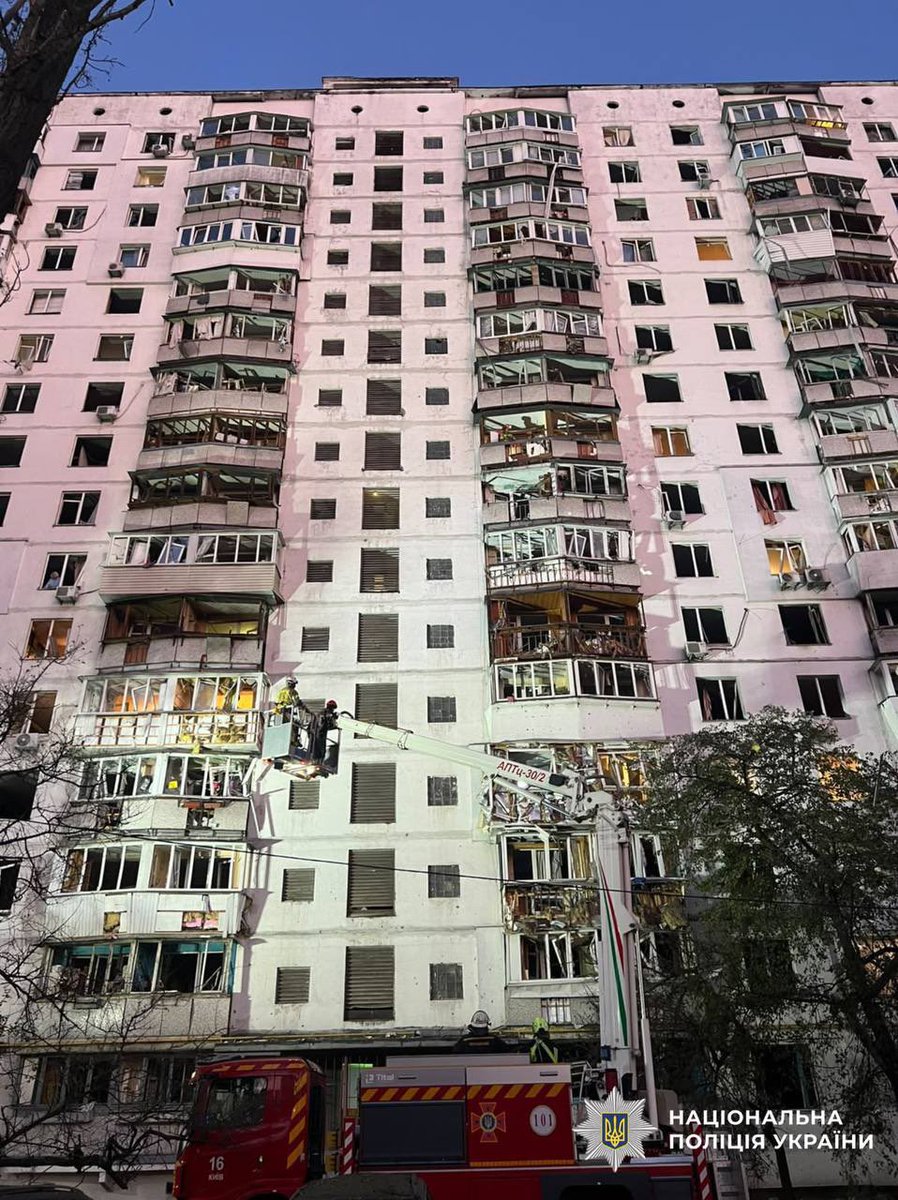
Night of fear. Night of relentless attacks. Night that never ended. At least 18 people are injured in Kyiv, including two children. russia keeps attacking 🇺🇦 capital. Strikes continue throughout the morning. How many more nights of terror must Ukrainians endure. https://t.co/MTgkmF3sdT #StandWithUkraine #Kyiv #EndTheWar #UA #RU

SEI MINUTI PER IMPRESSIONARE L’Inter ha giocato centinaia di amichevoli, ma poche sono rimaste nella memoria Real Madrid-Inter, Trofeo Santiago Bernabéu del 2001. A sei minuti dalla fine entra un brasiliano di 19 anni. Si chiama Adriano Leite Ribeiro. Qualche settimana dopo arriva anche il primo gol ufficiale. Inter-Venezia, Adriano è entrato dalla panchina, la partita sembra destinata a finire 1-1. Poi un corner, un colpo di testa respinto e quel sinistro che torna a fare male: 2-1. E chi c’era, quel primo gol, se lo ricorda ancora. Ascolta la puntata di oggi di Internazionale Morning Club 👉 https://t.co/b7IEjCtoFm #Inter #Adriano #Calcio

SEI MINUTI PER IMPRESSIONARE L’Inter ha giocato centinaia di amichevoli, ma poche sono rimaste nella memoria Real Madrid-Inter, Trofeo Santiago Bernabéu del 2001. A sei minuti dalla fine entra un brasiliano di 19 anni. Si chiama Adriano Leite Ribeiro. Qualche settimana dopo arriva anche il primo gol ufficiale. Inter-Venezia, Adriano è entrato dalla panchina, la partita sembra destinata a finire 1-1. Poi un corner, un colpo di testa respinto e quel sinistro che torna a fare male: 2-1. E chi c’era, quel primo gol, se lo ricorda ancora. Ascolta la puntata di oggi di Internazionale Morning Club 👉 https://t.co/b7IEjCtoFm #Inter #Adriano #Calcio

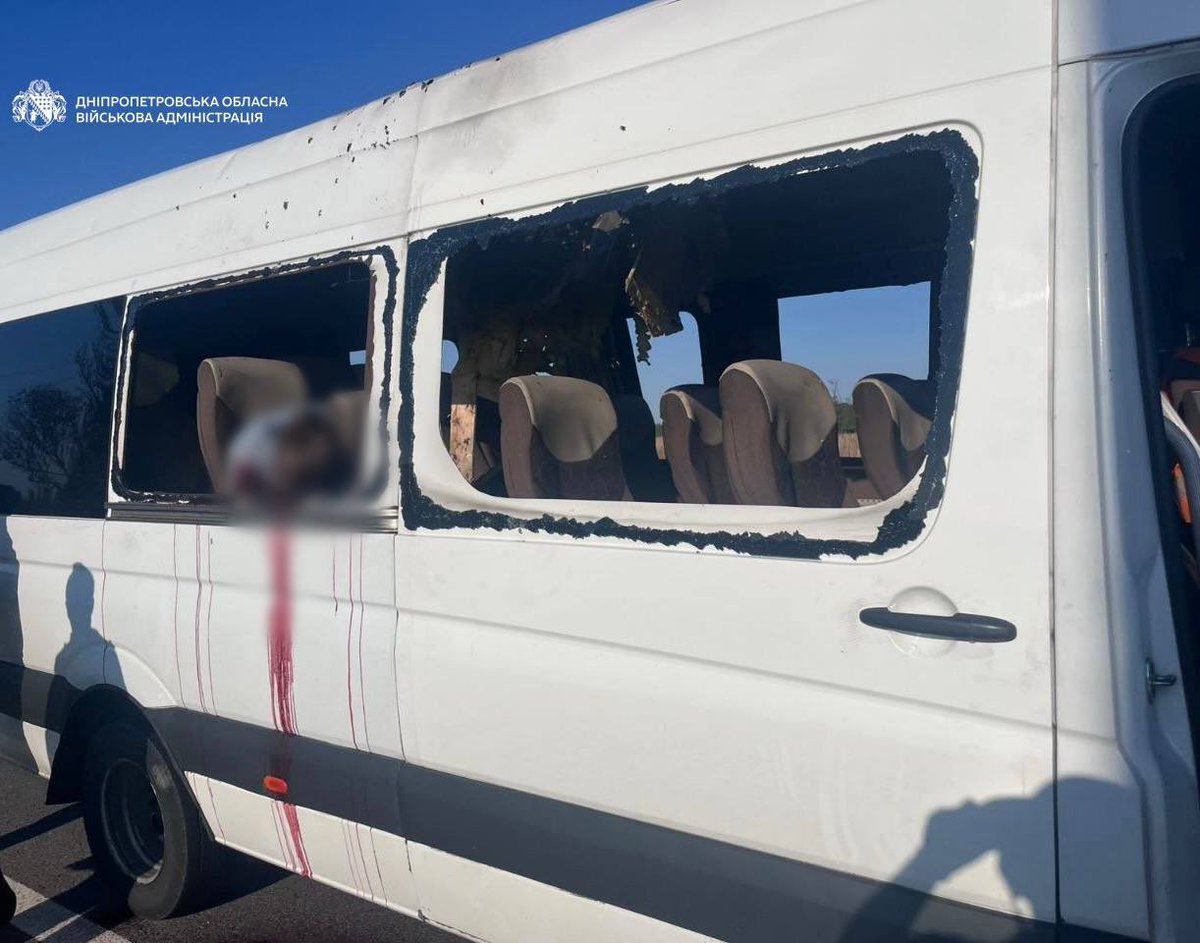
💔 Five people were killed & seven injured after a Russian drone struck a bus in Nikopol this morning. Just a bus with civilians. Ordinary people whose lives were cut short in the middle of an ordinary day. The world must not look away!!🕯️ https://t.co/VzOLuUDmp4 #Nikopol #Russia #CivilianCasualties #RU

💔BREAKING: A russian FPV drone struck a regular intercity minibus near Nikopol this morning. Five people have been reported killed and seven others injured and receiving medical care. 📍Another deadly attack on civilians in Ukraine. #Ukraine #Nikopol #StopRussia #WarCrimes

UNA NOTTE DA DENNIS BERGKAMP È l’estate del 1993, all’Inter di Osvaldo Bagnoli serve un colpo. Arriva dall’Ajax, insieme al connazionale Jonk, Dennis Bergkamp. Ascolta la puntata di oggi di Internazionale Morning Club 👉 https://t.co/PzCmGoVM0l https://t.co/1Kdb1HhnJT #DennisBergkamp #Inter #Calcio

Il Post 5d

In episode 1284 of Morning, the complexity behind calls to regulate artificial intelligence is discussed, along with the geopolitical developments related to Trump and Netanyahu, and an investigation into the Carabinieri following the death of Ramy Elgaml in Milan. (translated)

Ep. 1284 – L’apocalisse spiegata un po’ meglio e le altre storie di oggi

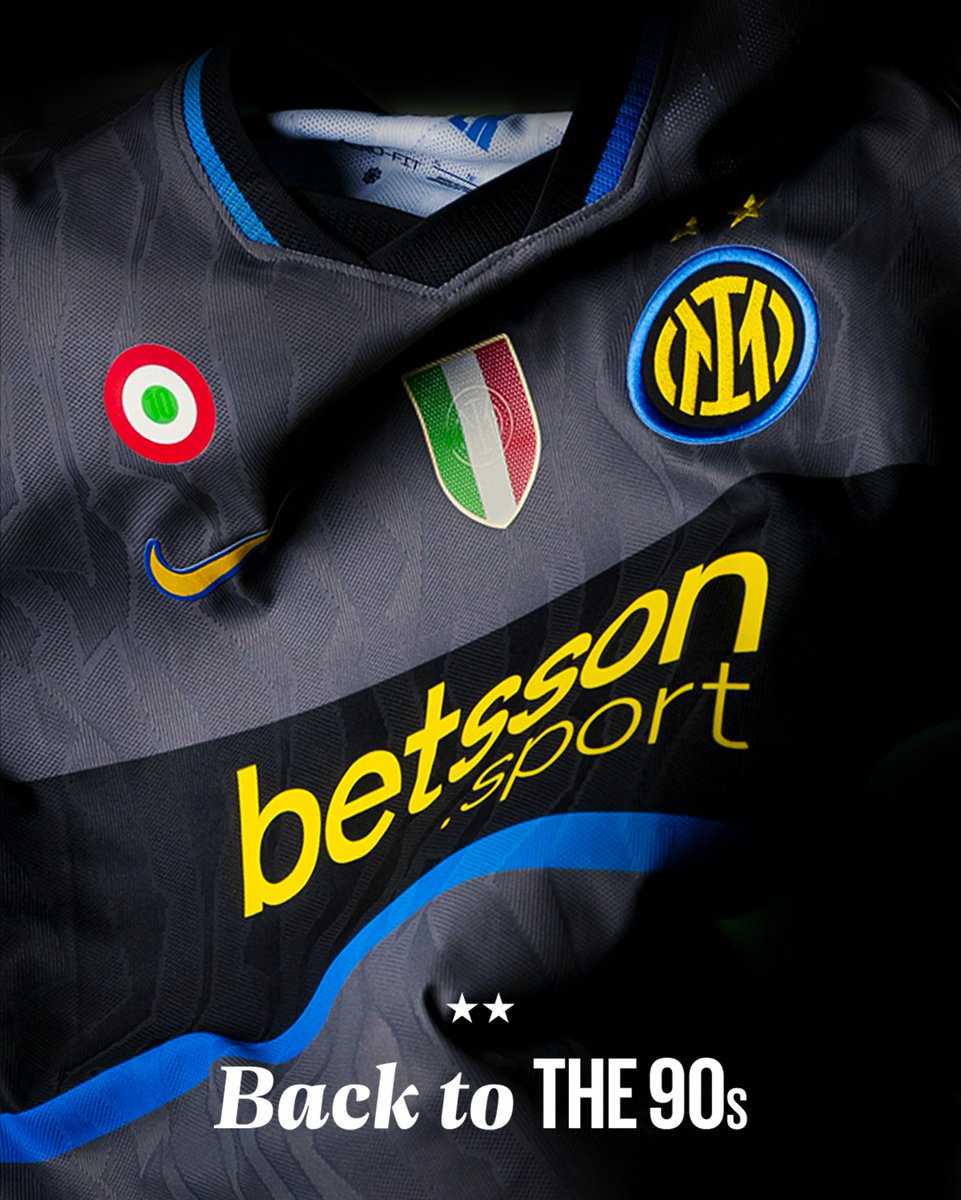
La retromania viene spesso associata alla nostalgia. Ma quando si parla di maglie da calcio, il passato è più attuale che mai. Negli anni Venti del nuovo millennio, le jersey sono diventate simboli di cultura e stile, ben oltre il terreno di gioco. È in questo contesto che nasce la nuova Third Kit dell’Inter firmata Nike. Ascolta la puntata di Internazionale Morning Club 👉 https://t.co/EsMQkHv3wM #Calcio #Nostalgia #Inter

Il Post 6d

In episode 1283 of Morning, significant events are reported such as a drone striking a train near the border between Ukraine and Poland, Giuseppe Conte's statements about the primaries and a possible plan for the 5 Star Movement, the slight victory of the center-left in the elections in Sweden, and the controversies surrounding the directors of the documentary NAZA. (translated)

Ep. 1283 – Tuoni e fulmini, opere e omissioni e le altre storie di oggi

Ukraine has amazing situational awareness and tracks orc drones exceptionally well. The train carrying the Europeans was only a few minutes ahead of the train hit this morning. We were alerted to the threat and rerouted in time. The Kyiv–Warsaw train that was struck was evacuated #Ukraine #SituationalAwareness #DroneTracking #UA #PL

Horrific attack on a train crossing from 🇺🇦 to Poland this morning. Attacked by russian drone just 2 km from Polish border. Also another gasoline station destroyed. This is a 6th attack on or near border crossing point in the last few weeks! #Ukraine #Poland #RussianAggression #UA #PL #RU

My interview @cnni this morning on President #Trump’s visit to Ireland and his comments on Irish unity. https://t.co/C5bI6lDJon #Trump #Ireland #IrishUnity #IE

Goldman Sachs, Rystad Energy, and Morningstar analysts warn that if aggressive LNG purchasing is necessary, winter prices could exceed even 100 euros per MWh. (translated)