Europe has approved the bionic eye, which may give hope to those suffering from severe vision loss, allowing them to regain functional vision through a new retinal implant. (translated)
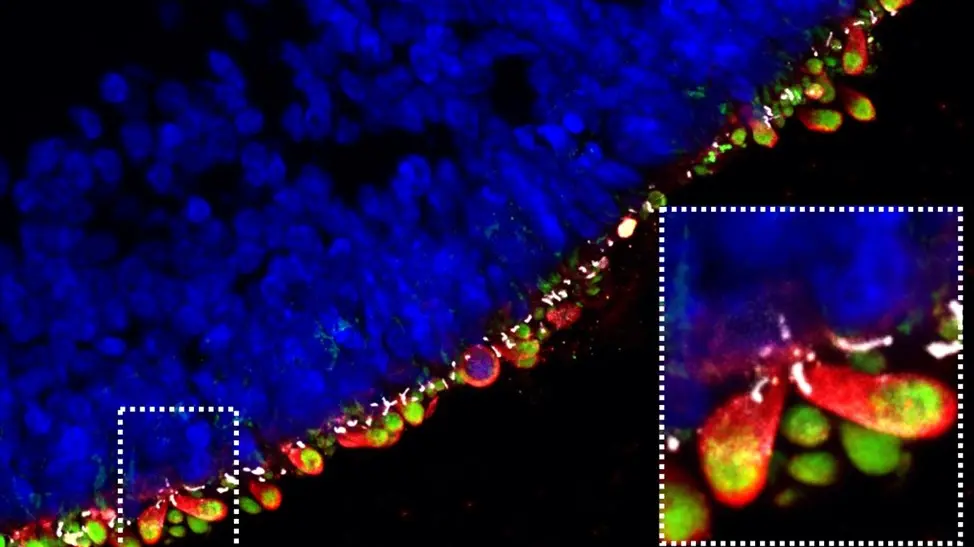
Scientists have found that exposure to light during the development of retinal organoids fundamentally supports the maturation of photoreceptors and improves their functionality, thereby aiding further research on the human eye and retinal diseases. (translated)

Researchers at the Institute for Bioengineering in Catalonia have developed a light-activated molecular prosthesis that could help blind people regain some visual function by stimulating the remaining nerve cells in the retina. (translated)
Dopo aver letto sta notizia mi son pentito di non essermi bruciato la retina con l'eclissi https://t.co/fvDdWdR0hZ #Eclissi #Notizia #Ritina
El Atlético de Madrid homenajeará a la selección española campeona del mundo en los minutos previos al partido de este miércoles ante el Málaga. Invitamos a los aficionados a que anticipen su llegada para no perderse ni un instante de un momento que permanecerá en la retina de todos los presentes en el Riyadh Air Metropolitano. ℹ️ https://t.co/XUvx25BZ4G #AtleticoDeMadrid #SeleccionEspañola #Homenaje
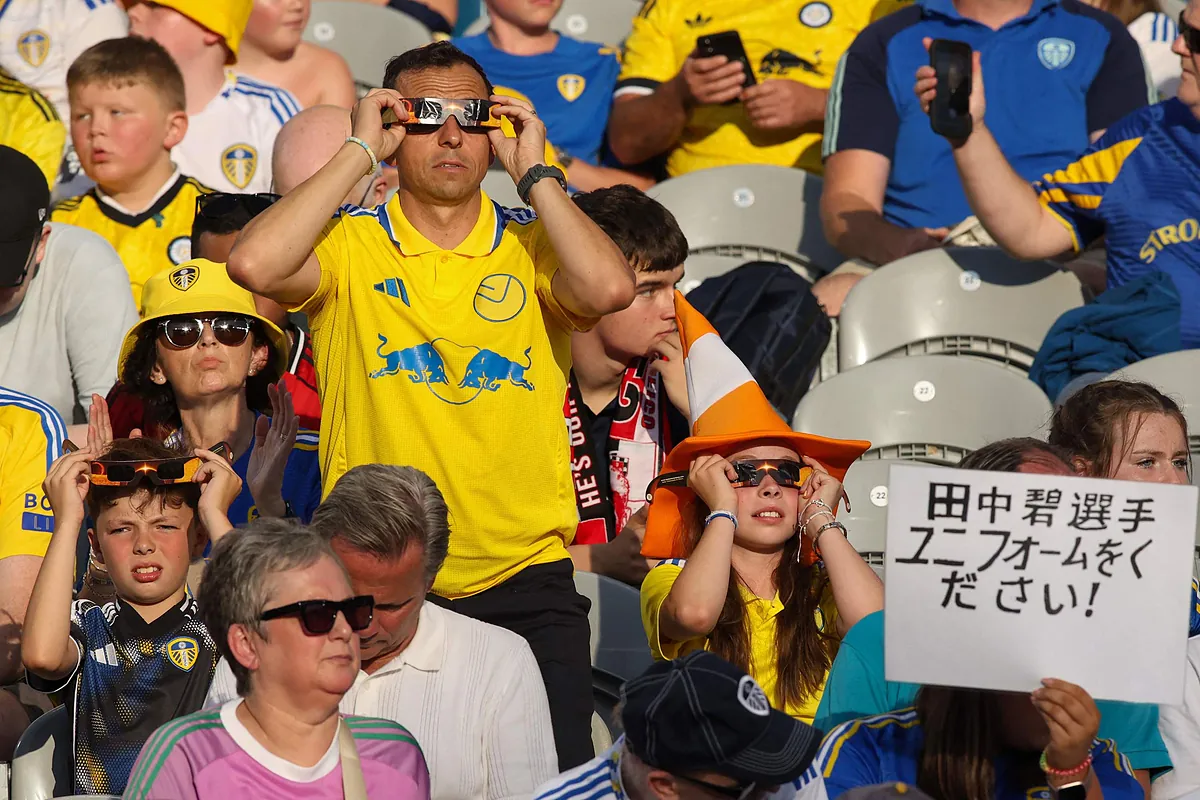
During the solar eclipse of August 12, 2026, dozens of people in Italy and Germany showed up at hospitals with eye problems after viewing the Sun without adequate protection, with cases of fear of retinal injuries and various symptoms such as headaches and dizziness, although no serious retinal injuries have been reported so far. (translated)

The article addresses the risks of damaging the retina by observing a solar eclipse without protection, highlighting that symptoms may take up to 12 hours to appear and that it is crucial to consult an ophthalmologist at any sign of damage, as the injuries can be irreversible. (translated)

«Si miramos el sol durante el eclipse, puede quemar nuestra retina en segundos»
The solar eclipse of August 12, 2026, expected to be visible from Italy as well, requires special attention as direct observation without adequate protection can cause permanent damage to the retina, and the use of ordinary sunglasses is not sufficient to ensure eye safety. (translated)

Looking at a solar eclipse without proper protection can cause irreversible damage to the eyes, including retinal injuries and vision loss, according to ophthalmologists, who recommend using specific approved filters for these astronomical events. (translated)

Astronomy expert Luigi Bignami warns about the total solar eclipse on August 12, 2026, urging not to use unsuitable sunglasses to observe the phenomenon, as it could cause permanent damage to the retina. He emphasizes the importance of proper equipment to fully enjoy this rare astronomical event, which will be visible in much of Europe, with solar flares and the sun's corona visible to the naked eye. (translated)

Doctor Monica Varano warns that observing the Sun without adequate protection can cause permanent damage to the retina, emphasizing the importance of using ISO 12312-2 certified glasses and being cautious even with the use of binoculars, telescopes, and smartphones, as even traditional sunglasses do not offer sufficient protection. (translated)

Six models of glasses for viewing the solar eclipse have been recalled due to risks of eye injuries, as they do not comply with safety regulations and can cause damage to the retina if used incorrectly. (translated)

On August 12, 2026, Spain will experience a total solar eclipse which, although it may seem like a safe event, poses a serious risk to vision if observed without protection, as warns the ophthalmologist Nicolás Toledano, who highlights that looking at the Sun under any circumstances is harmful due to the ultraviolet radiation that can cause irreversible damage to the retina. (translated)

Ophthalmologists warn about the risk of irreversible damage to the retina when observing the solar eclipse without approved glasses, emphasizing that there is no treatment for these injuries that can be disabling. (translated)

Medicii din Torino au realizat în premieră mondială un transplant al maculei, restabilind vederea unei femei de 67 de ani ce era nevăzătoare timp de cinci ani din cauza unui accident rutier, utilizând țesuturi sănătoase din ochiul stâng pentru a reconstrui retina ochiului drept, rezultatele inițiale fiind promițătoare. #transplant #retina #medicina

Uma mulher de 67 anos recuperou a visão após um transplante inédito da parte central da retina em um hospital de Turim, onde médicos utilizaram tecidos saudáveis de um olho danificado para reconstruir o outro, permitindo que ela visse novamente após cinco anos de cegueira. #transplante #retina #visão

L'équipe della Clinica Oculistica universitaria delle Molinette a Torino ha effettuato con successo il primo autotrapianto al mondo della retina, permettendo a Elena, 67 anni, di recuperare la vista persa a causa di un grave incidente stradale dopo oltre 5 anni di cecità. #ChirurgiaOculistica #Innovazione #TrapiantoRetina

A Torino si è svolto per la prima volta al mondo un eccezionale intervento di autotrapianto della retina da un occhio all'altro, che ha permesso a Elena, una donna di 67 anni, di riacquistare la vista dopo oltre cinque anni di cecità totale, grazie alla rimozione e al trasferimento di tessuti oculari sani dall'occhio sinistro a quello destro. #TrapiantoRetina #ChirurgiaOculistica #Cecità