According to provisional estimates from the Robert Koch Institute, Germany recorded around 14,000 heat-related deaths this summer due to intense heatwaves, marking the highest number to date, caused by climate change leading to record temperatures. (translated)
This summer, the European seas reached record temperatures, primarily due to climate change, with warnings from scientists about the consequences for ecosystems and fisheries, including an unusual increase in the number of octopuses from warmer waters around northern Africa in England. (translated)
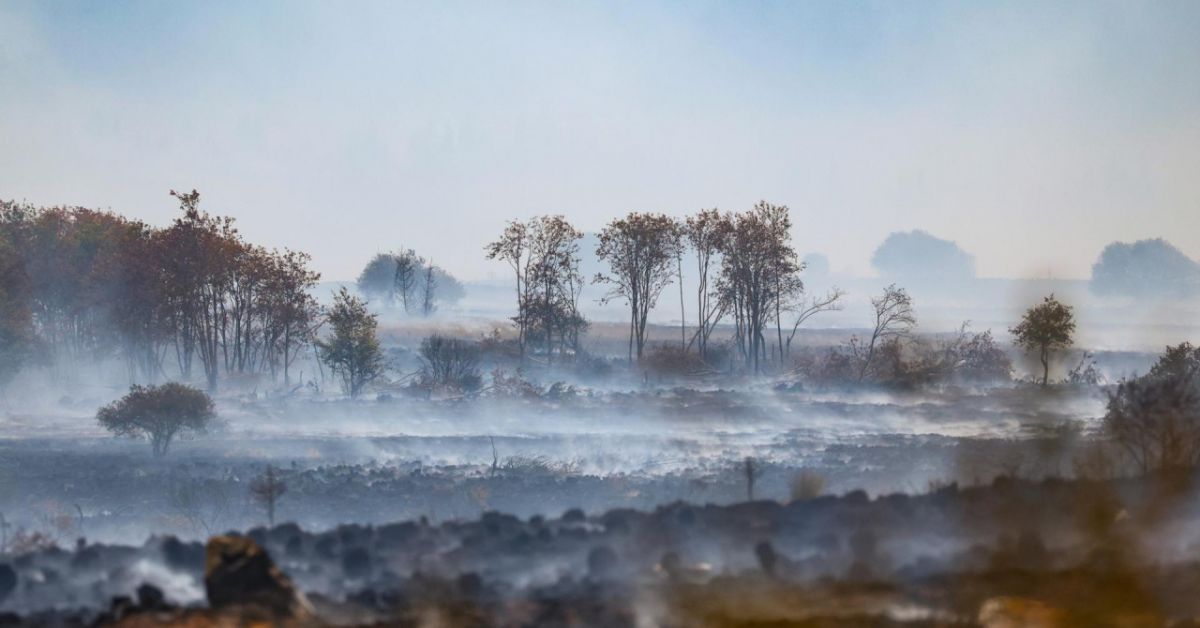
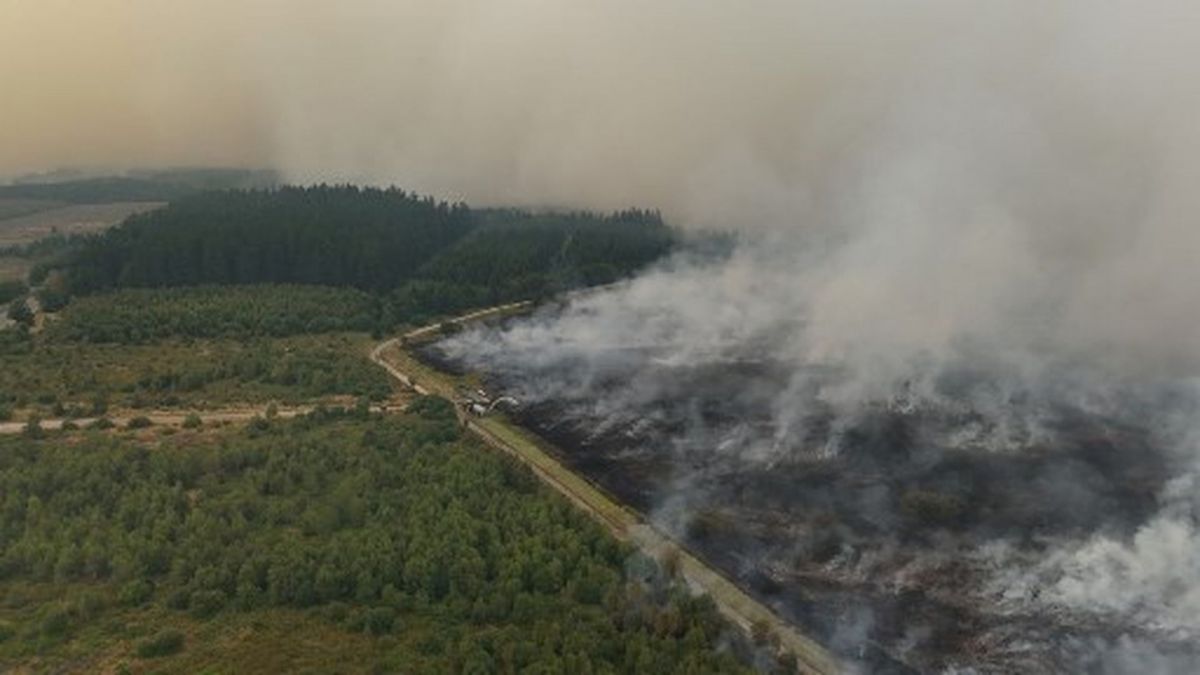
In Belgium, there is currently a battle against the largest forest fire ever recorded in the country, which has so far affected 3,000 hectares of the Hautes Fagnes nature reserve, caused by climate change and extreme heat, and evacuated residents are still unable to return to their homes until the fire is brought under control. (translated)

Scientists warn that the danger from heat for older people, exacerbated by climate change, is seriously underestimated, as the number of older individuals exposed to dangerous temperature conditions could dramatically increase by 2100, especially in low economic development countries. (translated)
In Belgium, a struggle is underway against one of the worst fires in history, which has engulfed nearly 3000 hectares of natural reserve, and apartments have been evacuated as international aid and firefighting personnel arrived amidst extreme heat. (translated)

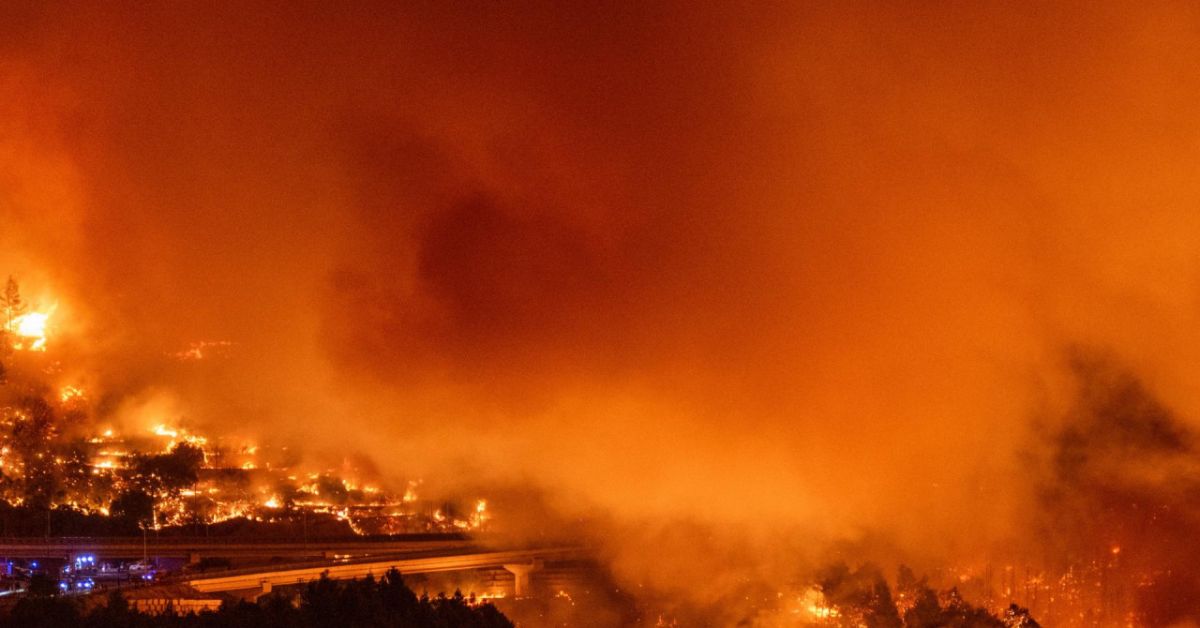
A catastrophic fire broke out in Omiš, affecting homes and seriously injuring 40 people, while one person's detached body was found, and the EU has warned of extremely dangerous fire conditions across the continent caused by record heat and drought. (translated)

The Istrian police issued a warning to parents after passersby noticed a minor child left unattended in a locked car during the heat, emphasizing the risks and serious consequences of such behavior. (translated)

The European Union recognizes the seriousness of the water shortage caused by record heat, excessive consumption, and poor management, and has launched a Water Resilience Strategy that includes more than 50 measures to preserve and improve water resources to ensure a stable supply of clean water. (translated)
The article warns about the danger of food poisoning during the summer heat, emphasizing how high temperatures create ideal conditions for the growth of bacteria such as salmonella and E. coli in certain foods, and stresses the importance of proper food handling and checking the internal temperature of meat to avoid serious health consequences. (translated)

Extreme heat paralyzes Europe, with high temperatures exceeding 40 degrees Celsius and protective measures such as the highest level of alert in Italy, turning off lights in Hungary and Romania, while the economic damage from wildfires is expected to exceed 15 billion euros. (translated)

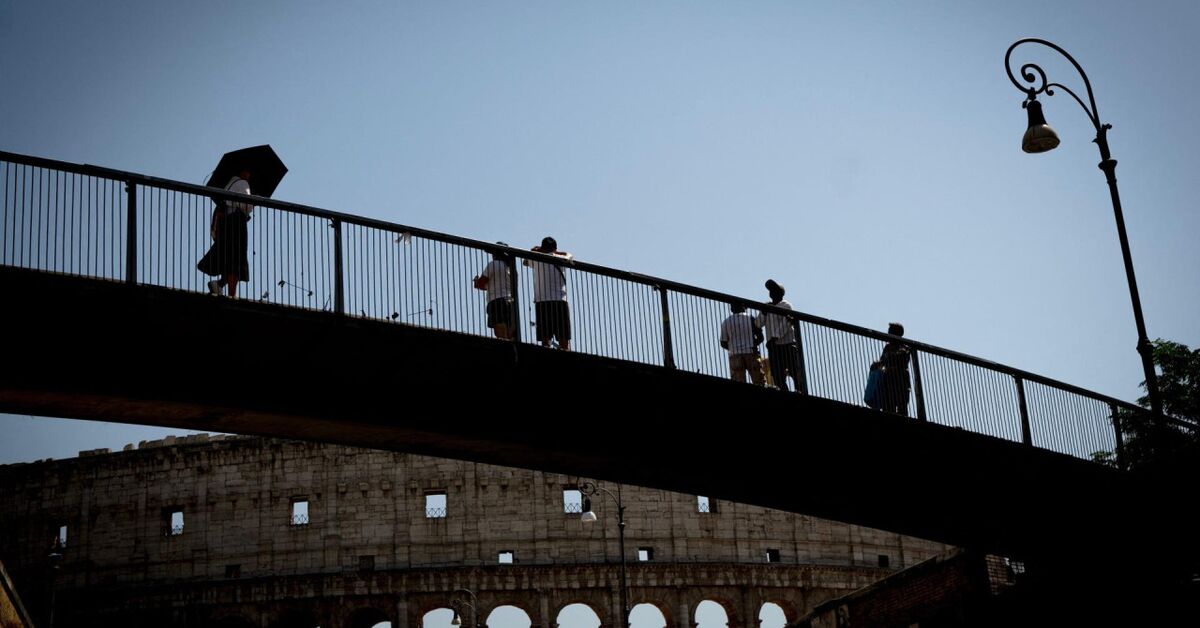
Due to record heat and devastating wildfires, Italy has declared the highest level of health warning for larger cities, while Hungary turned off the lights on famous buildings to save energy, as all of Europe faces the consequences of the heatwave. (translated)

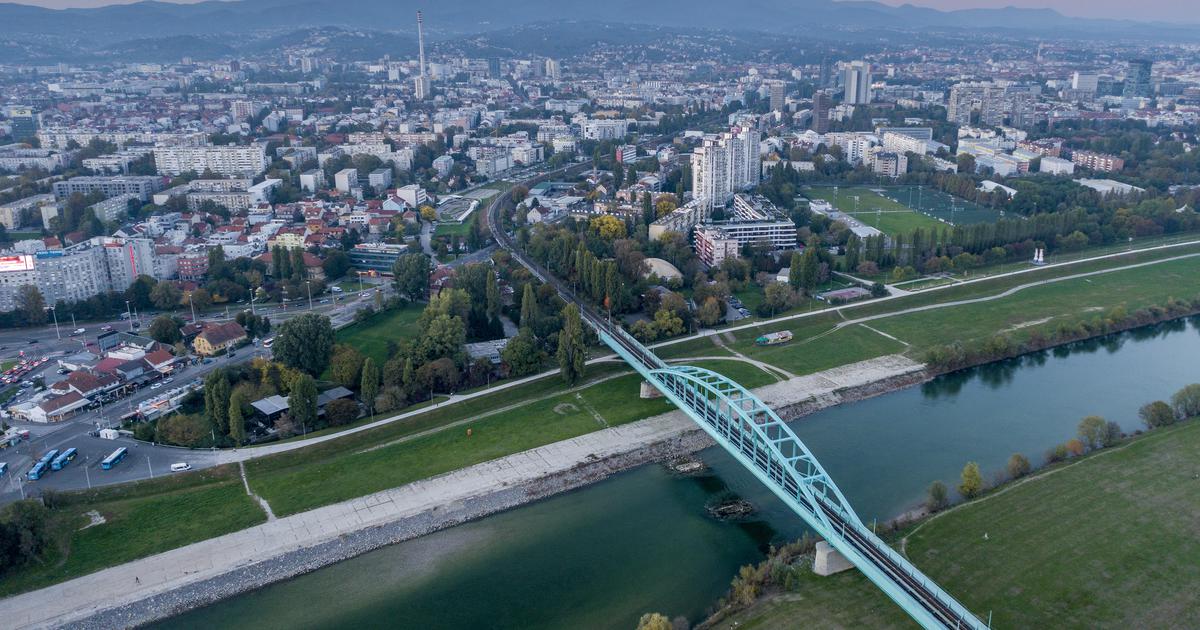
Croatia is facing alarming consequences of climate change, as rivers like the Danube and Drava reach historically low levels, while extreme conditions with heat and the warming of the Adriatic Sea become a new reality. (translated)

South Korean President Lee Jae Myung has called the record heatwave a national disaster and urged authorities to strengthen protective measures for the population, as the number of heat-related deaths has risen to 19. (translated)
A strong heat dome is spreading across Eastern Europe, bringing extreme temperatures above 40 degrees in Central Europe and the Balkans, along with warnings of dangerous heat, tropical nights, and an increased risk of drought and wildfires. (translated)

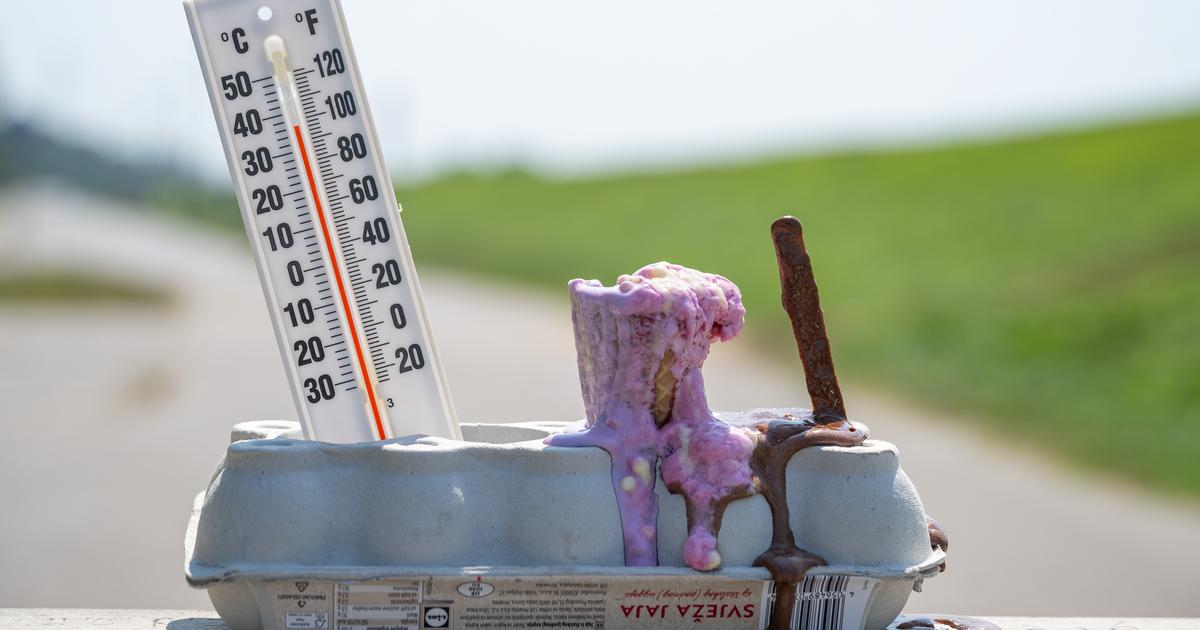
Croatia will face extreme heat with temperatures reaching up to 43 °C during the first week of August, due to a strong high-pressure system over Central Europe and dry air contributing to the risk of drought and health problems. (translated)
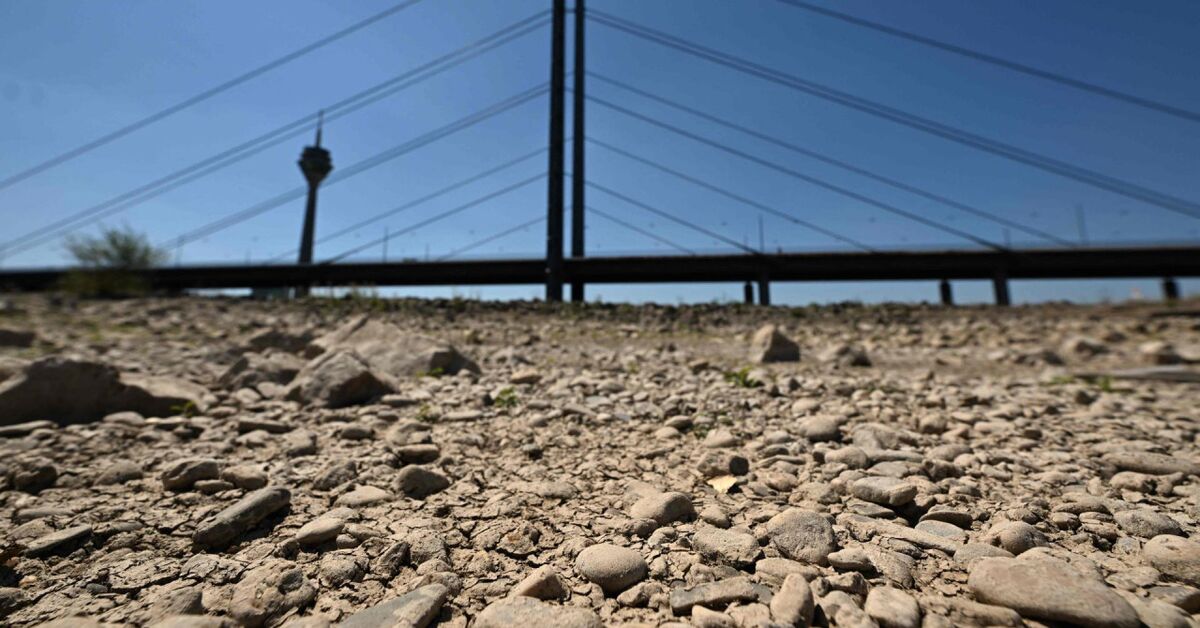
Europe is facing one of the most severe droughts in recent years this summer, with estimates that the damage from dried-up rivers, such as the Rhine and Danube, and extreme heat could reach as much as 126 billion euros annually by 2029, further worsening the already existing climate changes. (translated)

Austrian Health Minister Korinna Schumann stated that 395 deaths related to extreme heat in June is a shocking number that highlights the seriousness of the effects of climate change on human health. (translated)

Scientists warn that air conditioning is not a sustainable solution for combating the extreme heat caused by increasingly frequent climate changes, but they propose passive cooling methods for buildings that could significantly reduce the need for energy and protect human health, especially in poorer regions. (translated)
Serbian President Aleksandar Vučić warned of serious problems caused by extreme heat and low water levels of the Danube, emphasizing that further declines in the river's level could have catastrophic consequences, particularly in Vojvodina, while increased electricity consumption is expected due to high temperatures. (translated)
In Austria, around 300 deaths were recorded in June of this year due to extreme heat, while a new heatwave is exceeding temperatures close to 40 degrees Celsius, prompting Greenpeace to criticize the climate protection minister for the lack of protective measures and urgent population protection. (translated)