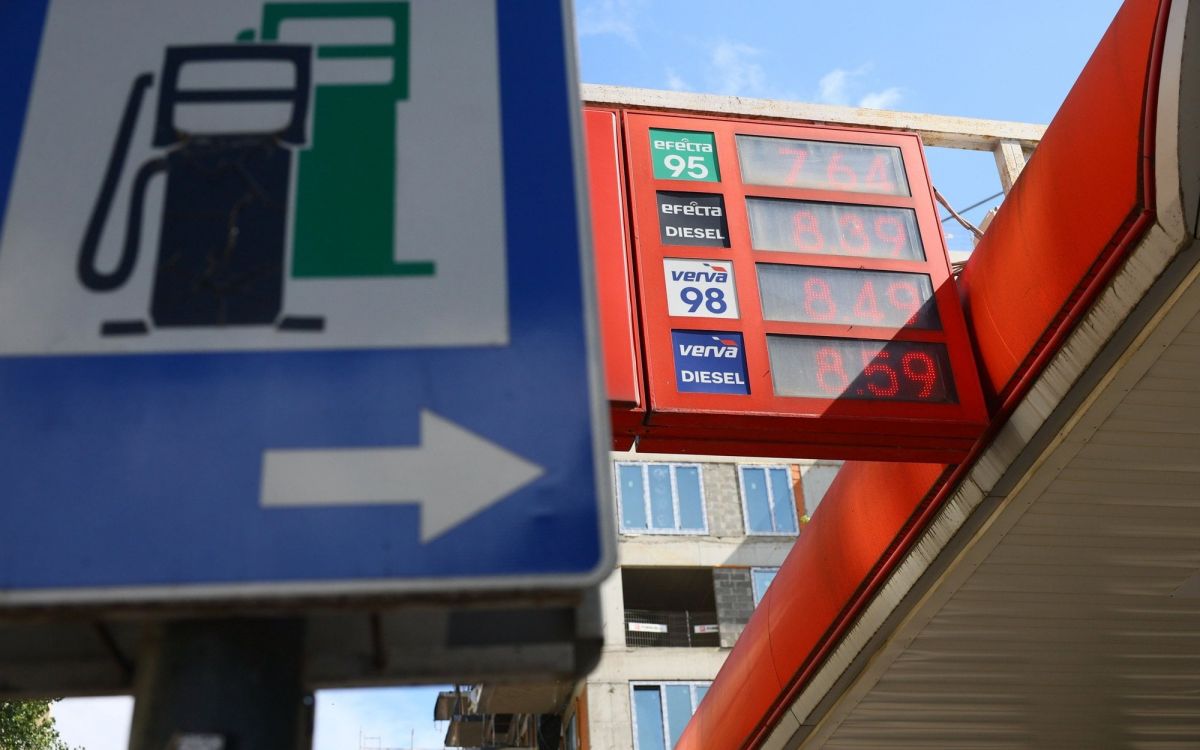
The ORLEN Press Office reported that Poland was among the cheapest EU countries in terms of fuel prices: diesel was said to cost 2.7 PLN less than in Germany and 1.5 PLN less than the EU average. However, it noted that fuels were significantly more expensive than a year earlier. According to the office, the global fuel crisis, record-low reserves in Europe, the shutdown of additional refining installations, and supply disruptions are driving prices up on the markets. The office claimed that fuel companies and governments can mitigate the effects of the crisis but cannot completely eliminate them. It also accused the authors of false information of spreading AI-generated graphics suggesting fuel shortages and false reports about exports to Ukraine. In response to calls for reducing margins, ORLEN pointed out that over 1/3 of the fuels sold in Poland come from abroad, and prices depend on the global market. As a way to lower prices, the office mentioned reducing VAT and excise duties, referring to this as CPN. It also explained that, in its opinion, current fuel prices resulted not only from oil prices but also from the limited availability of refineries. Over the year, oil prices were expected to rise by 56%, and global diesel prices by 100%. Regarding supplies to Ukraine, the office stated that fuels were sold there at a higher profit than in Poland, and recipients paid in advance. It added that trains did not leave the terminal before recording payment, and the export prices compared by critics did not take into account local taxes. It also accused them of comparing last year's pre-war prices with current ones and attempting to undermine confidence in the state. (translated)