Michal Sadílek

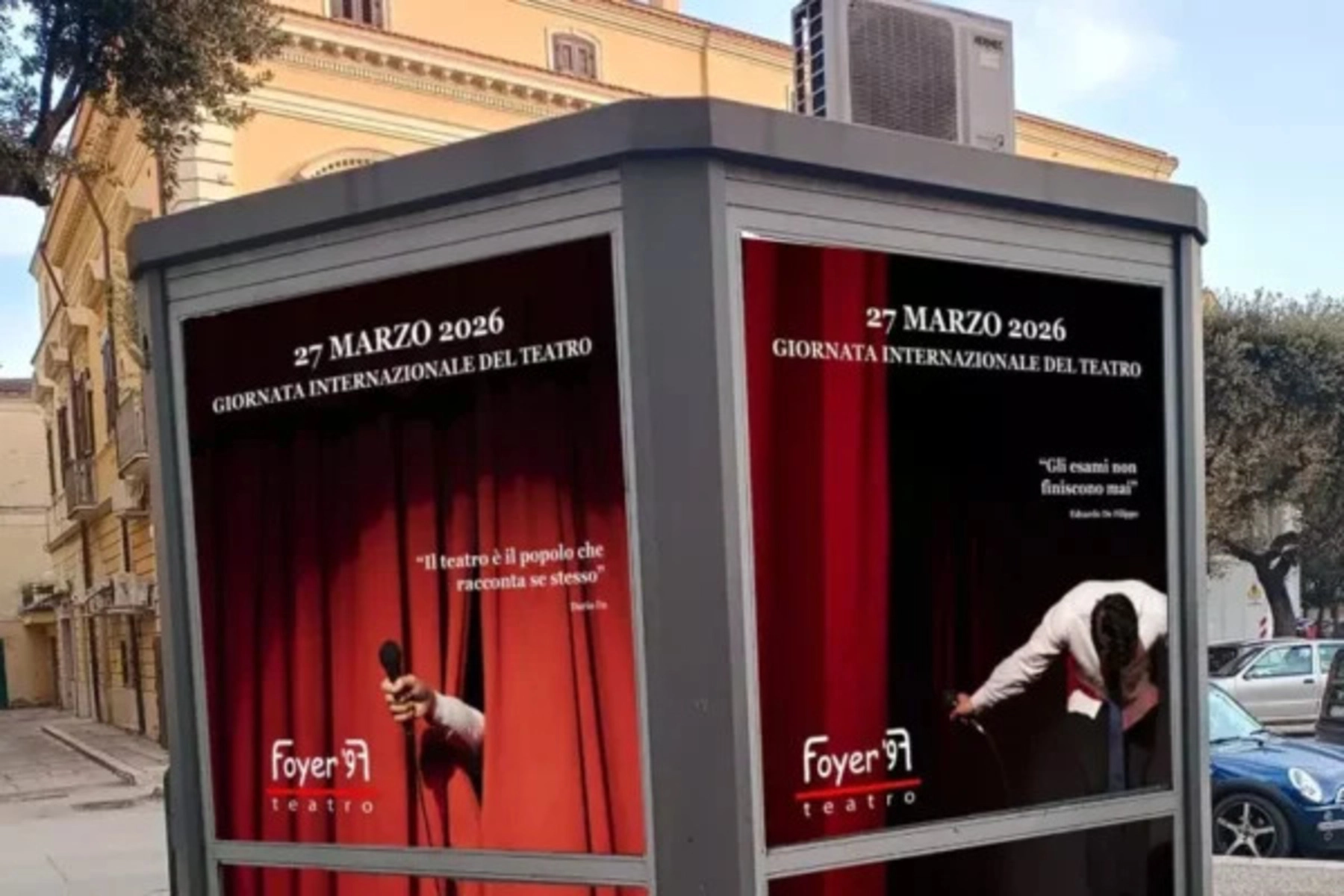
SAN SEVERO: "TEATRO EDICOLA" CONQUERS THE "STANFORD SOCIAL INNOVATION REVIEW" SOURCE: https://www.statoquotidiano.it/17/09/2026/il-teatro-edicola-conquista-la-stanford-social-innovation-review/1350500/ The initiative is promoted by the company Foyer '97, under the artistic direction of Francesco Gravino, protagonist of a project of urban and cultural regeneration. The theatre in San Severo is reborn from less than two square metres and a mere six chairs, transforming a disused newsstand in Via Tondi into a singular cultural space capable of attracting attention well beyond the confines of the Province of Foggia. The undertaking is promoted by the company Foyer '97, artistically directed by Francesco Gravino, protagonist of a project of urban and cultural regeneration that has restored a new purpose to a space left unutilised for years. Where once there stood a lowered shutter, today theatre itself is staged. Performances accommodate a maximum of six spectators, with actors in the closest proximity to the audience and productions of brief duration, thereby constructing a direct relationship between the stage and the urban space. The experiment, inaugurated on 27th March, yielded significant results from its earliest days. More than 60 persons attended the performances in a single afternoon, whilst the three days of the inaugural season were fully booked. Figures which attest to the interest aroused by a model founded upon proximity, upon the quality of the cultural offering, and upon the capacity to transform a residual space into a place of encounter. The San Severo experience has thus attained international attention. In September 2026, the Stanford Social Innovation Review devoted to the project the reportage “The Six-Seat Revolution”, authored by Luciano Magaldi Sardella, researcher, academic and international journalist, native of Orta Nova and of maternal San Severo origin. The project is analysed not merely for its distinctive theatrical formula, but also as a potential model of low-cost social innovation and urban regeneration, capable of mobilising resources and cultural capital without the necessity of erecting grand structures or sustaining substantial investment. Francesco Gravino, artistic director of the project, underscores the significance of the experience: “One does not require grand theatres in order to transform a fragment of a city. What is required is a sound idea and the courage to restore to the community a space that has lost its function.” And he adds: “Teatro Edicola was born to demonstrate that a place of encounter and culture may arise anywhere, even within two square metres. That this work should now be studied at an international level and that enquiries should arrive from cities such as Lucca and Rome is confirmation that we are pursuing the right course.” The story of the Teatro Edicola thus inscribes itself within the broader theme of the valorisation of the urban patrimony through the creative reclamation of abandoned spaces. A disused kiosk, six seats and a cultural proposition have sufficed to transform a forgotten corner of the city into a place capable of attracting both public and international attention. An example of regeneration commencing from the bare minimum: not to construct a new space, but to return to inhabiting that which already exists.