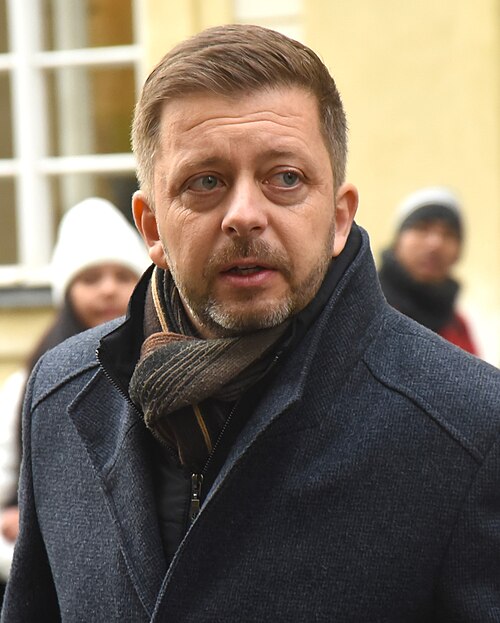
Vít Rakušan wrote that his generation, including himself and his friends, liked Václav Havel and associated him with the wild nineties, travel, cultural diversity, and joy of life. After the death of Havel's wife Olga, he said he went to her funeral. When Havel died, he was a young mayor and displayed his portrait in front of the town hall and lit a candle. Rakušan stated that he still missed Havel. He described him as a complex and imperfect person who was authentic and wise and had a clear moral and political compass. According to Rakušan, totalitarians, former members of the StB, Communists, and Nazis breathed more easily in Havel's presence. After his departure, he said, society became coarser, the effort to come to terms with its own past diminished, and values lost their emphasis. Rakušan wrote that he did not wish Havel’s legacy to be remembered with pathos, sadness, or an artificial cult. He wanted, he said, to create the country that Havel desired: vibrant, civic, self-confident, free, and firmly anchored in the West, without self-justification and moral compromises. In conclusion, he wished Havel a happy birthday. #VáclavHavel #politika #českáhistorie (translated)