The French government has decided to modify the energy performance diagnosis (DPE) of homes to reduce the advantage of gas in favor of electricity, with a lowering of the conversion factor that should decrease the number of energy sieves by 14% by 2027. (translated)

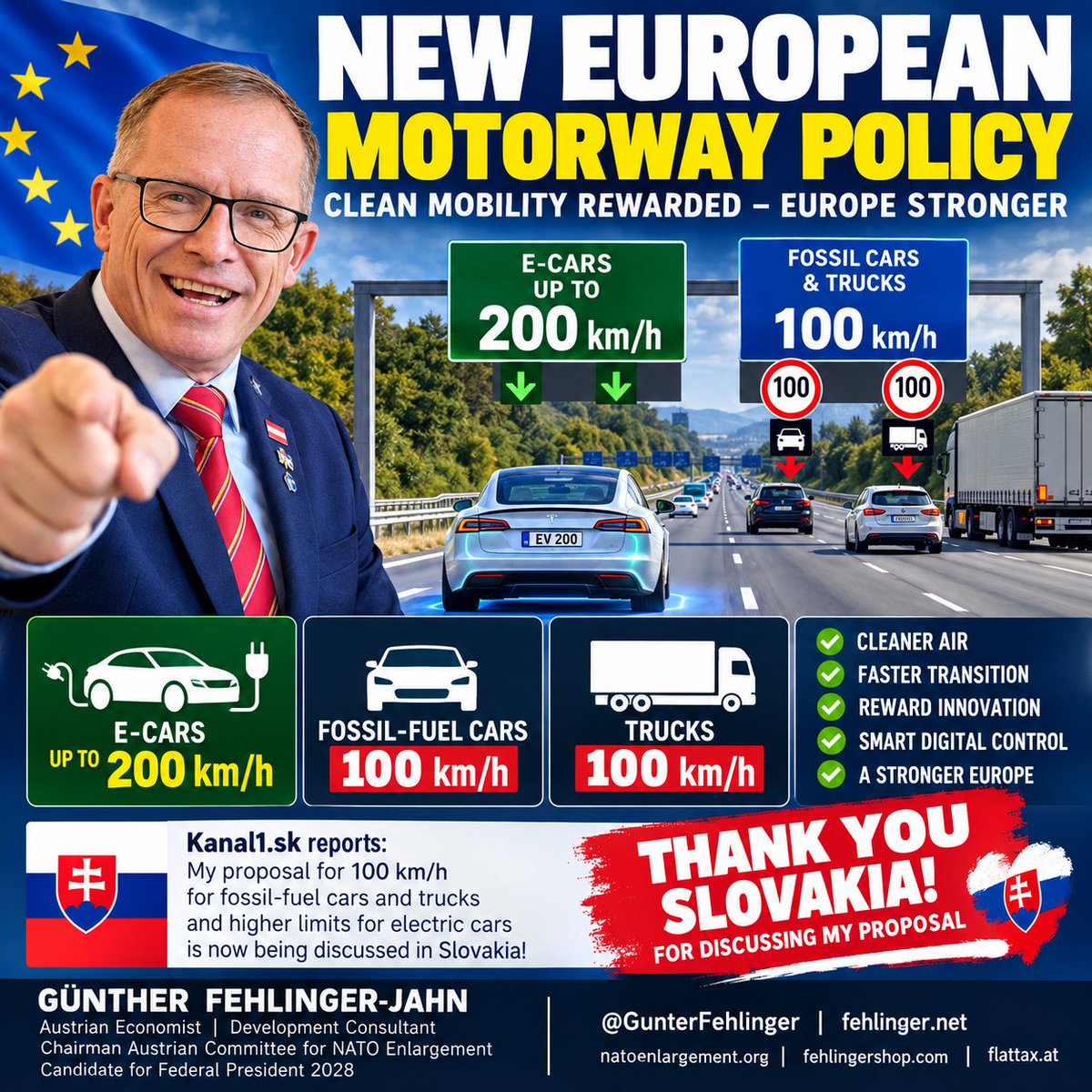
YES TO ELECTRIFICATION — NO TO DEINDUSTRIALISATION! I support the electrification of transport and heating. Europe should invest massively in electric mobility, modern railways, heat pumps, stronger electricity grids, nuclear power, renewables, storage and clean industrial https://t.co/fFpNlqOG6w #Electrification #SustainableEnergy #CleanTransport #EU
Cold Beer and Hot Showers - Not Kilowatt-Hours All That Consumers Want The energy sector spends an extraordinary amount of time talking about generation, transmission, storage, flexibility, markets, tariffs, balancing, ancillary services, carbon emissions, batteries, hydrogen, demand response, electrification pathways, system costs, capacity mechanisms, investment signals, market design and regulation. All of these things matter. Some of them matter enormously. But there is a simple question that often disappears somewhere between the conference room, the policy paper and the technical model: What does the customer actually want? The answer is surprisingly simple. Most people do not wake up in the morning thinking about kilowatt-hours. They do not dream about capacity markets. They do not worry about frequency stability. They do not spend their evenings comparing balancing mechanisms. They want cold beer and hot showers. They want a warm home in winter and a cool home in summer. They want the lights to turn on when they press the switch. They want their phone charged, their food refrigerated and their car ready when they need it. In other words, they do not want energy. They want what energy allows them to do. That distinction may sound trivial, but it changes almost everything. For more than a century, the energy industry has been organized around the production, transportation and sale of energy itself. Electricity became measured in kilowatt-hours. Gas became measured in cubic meters. Fuel became measured in litres or tonnes. Markets, regulations and business models were built around those units. The customer, however, never experienced life in kilowatt-hours. The customer experienced comfort. Convenience. Mobility. Reliability. Security. The units used by the industry and the outcomes desired by the customer were never the same thing. For a long time, this mismatch was not particularly important. Energy was relatively scarce, flexibility was limited, and the dominant challenge was supplying enough fuel to satisfy demand. The system could afford to focus on production because production was the central problem. Today the situation is changing. Electrification is transforming energy systems around the world. Renewable generation is increasing rapidly. Batteries are appearing in homes, businesses and vehicles. Buildings are becoming smarter. Heat pumps are replacing boilers. Electric vehicles are becoming mobile storage assets. Customers are increasingly able not only to consume energy but also to store it, shift it, manage it and sometimes even sell it. As this happens, the most valuable question is no longer simply how much energy is produced. The more important question becomes: How well is energy aligned with what people actually need? A family does not care whether its water heater operates at noon or at two in the afternoon if hot water is available when someone steps into the shower. A homeowner does not care whether a battery charges at 1 p.m. or 3 p.m. if electricity costs less and reliability improves. An electric vehicle owner does not care when charging occurs as long as the vehicle is ready when needed. The objective is not the kilowatt-hour. The objective is the service. This is why many of the most important developments in modern energy systems are not really about producing more energy. They are about matching energy to the service required, at the right time, in the right place and in the right form. The technical term for this is often hidden behind complicated language. Experts discuss flexibility, demand management, dynamic pricing, distributed energy resources and system optimization. Consumers experience something much simpler. They experience agency. They experience the ability to save money without sacrificing comfort. They experience the ability to make choices. They experience the ability to benefit from technologies that work for them rather than asking them to work for the technology. This is where many debates become confused. Consumers do not want to be coordinated. They want agency. Good energy systems do not force people to behave differently. They make beneficial behaviour easier, more natural and more rewarding. The best systems do not rely on control. They rely on alignment. When the customer’s interest aligns with the system’s interest, remarkable things become possible. Demand shifts naturally. Storage becomes useful. Flexibility appears. Costs decline. Reliability improves. The customer does not need to understand the complexity underneath. Just as nobody needs to understand how the internet routes packets around the globe in order to send a message, nobody should need to understand wholesale electricity markets in order to enjoy affordable energy services. Success is not measured by how much complexity consumers are asked to absorb. Success is measured by how much complexity the system absorbs on their behalf. The future energy system will undoubtedly involve more digital technology, more electrification, more storage, more automation and more coordination. But none of those are the destination. They are merely tools. The destination remains exactly what it has always been. Cold beer. Hot showers. Comfortable homes. Reliable mobility. Affordable bills. Everything else is infrastructure. And perhaps that is the simplest way to understand the energy transition. People do not want kilowatt-hours. They want the life that kilowatt-hours make possible.
The article emphasizes that the current climate crisis and the paradox of the domestic energy situation highlight the necessary shift in perspective, without which the transition away from fossil fuels and the establishment of sustainable infrastructure cannot be realized, while the European Commission's Electrification Action Plan aims to increase electricity in final energy consumption by 2040. (translated)

Starting September 1, the purchase or rental of second-hand electric vehicles will be eligible for funding through energy savings certificates (CEE), providing modest assistance of 337 euros for the general public and up to 2,360 euros for professionals in home care and personal services, as part of a new government initiative aimed at promoting electrification and decarbonization. (translated)

#Review #1YearOfAction: There will be no French sovereignty without energy sovereignty. Reducing our dependence on imported fossil fuels is an ecological, economic, and geostrategic imperative. With the electrification plan, we have initiated a transformation (translated)
Porsche is facing a major crisis with a significant drop in its sales, particularly in China, the elimination of 5,000 jobs, and strategic errors in electrification, raising concerns about the brand's sustainability. (translated)

Ce lundi 27 juillet 2026, nous avons signé, avec 𝐌. 𝐑𝐨𝐦𝐚𝐢𝐧 𝐂𝐇𝐀𝐑𝐋𝐎𝐓, Directeur Afrique de GAUFF, le contrat commercial d'un montant global de 𝟏𝟐𝟎 𝐦𝐢𝐥𝐥𝐢𝐨𝐧𝐬 𝐝'𝐞𝐮𝐫𝐨𝐬 (𝟕𝟖 𝐦𝐢𝐥𝐥𝐢𝐚𝐫𝐝𝐬 𝐝𝐞 𝐅𝐂𝐅𝐀) marquant le lancement de la deuxième phase du projet 𝐀𝐒𝐄𝐑-𝐆𝐀𝐔𝐅𝐅. Cette nouvelle phase témoigne de la vitalité de la coopération 𝐬𝐞́𝐧𝐞́𝐠𝐚𝐥𝐨-𝐚𝐥𝐥𝐞𝐦𝐚𝐧𝐝𝐞 et s’inscrit dans le prolongement d’une première phase entièrement achevée, dont les 𝐫𝐞́𝐬𝐮𝐥𝐭𝐚𝐭𝐬 𝐨𝐧𝐭 𝐥𝐚𝐫𝐠𝐞𝐦𝐞𝐧𝐭 𝐝𝐞́𝐩𝐚𝐬𝐬𝐞́ 𝐥𝐞𝐬 𝐨𝐛𝐣𝐞𝐜𝐭𝐢𝐟𝐬 𝐢𝐧𝐢𝐭𝐢𝐚𝐥𝐞𝐦𝐞𝐧𝐭 𝐟𝐢𝐱𝐞́𝐬. Elle traduit l’engagement du gouvernement du Sénégal en faveur de l’accès universel à l’électricité à l’horizon 2029 et prévoit : - l’électrification d’au moins 𝟕𝟓𝟑 𝐯𝐢𝐥𝐥𝐚𝐠𝐞𝐬; - l’installation de 𝟏𝟖𝟑 𝐦𝐢𝐧𝐢-𝐜𝐞𝐧𝐭𝐫𝐚𝐥𝐞𝐬 𝐬𝐨𝐥𝐚𝐢𝐫𝐞𝐬; - le 𝐫𝐚𝐜𝐜𝐨𝐫𝐝𝐞𝐦𝐞𝐧𝐭 𝐝𝐞𝐬 𝐦𝐞́𝐧𝐚𝐠𝐞𝐬 et la réalisation des 𝐢𝐧𝐬𝐭𝐚𝐥𝐥𝐚𝐭𝐢𝐨𝐧𝐬 𝐢𝐧𝐭𝐞́𝐫𝐢𝐞𝐮𝐫𝐞𝐬; - l’allocation de 5 % du financement soit 𝟒 𝐦𝐢𝐥𝐥𝐢𝐚𝐫𝐝𝐬 𝐝𝐞 𝐅 𝐂𝐅𝐀, en faveur des 𝐚𝐜𝐭𝐢𝐯𝐢𝐭𝐞́𝐬 𝐠𝐞́𝐧𝐞́𝐫𝐚𝐭𝐫𝐢𝐜𝐞𝐬 𝐝𝐞 𝐫𝐞𝐯𝐞𝐧𝐮𝐬, afin que l’électricité soit également un levier d’opportunités économiques. Notre mission est de 𝐟𝐚𝐢𝐫𝐞 𝐝𝐞 𝐥'𝐞́𝐥𝐞𝐜𝐭𝐫𝐢𝐟𝐢𝐜𝐚𝐭𝐢𝐨𝐧 𝐫𝐮𝐫𝐚𝐥𝐞 𝐮𝐧 𝐯𝐞́𝐫𝐢𝐭𝐚𝐛𝐥𝐞 𝐦𝐨𝐭𝐞𝐮𝐫 𝐝'𝐢𝐧𝐜𝐥𝐮𝐬𝐢𝐨𝐧 𝐬𝐨𝐜𝐢𝐚𝐥𝐞 𝐞𝐭 𝐝𝐞 𝐝𝐞́𝐯𝐞𝐥𝐨𝐩𝐩𝐞𝐦𝐞𝐧𝐭 économique pour nos territoires. Merci à nos partenaires allemands ainsi qu’aux équipes de l’ASER pour le travail remarquable qui a rendu possible la signature de ce contrat. #Électricité #Coopération #Développement
Europes electric future is a test of nerve. My response to the European Commission’s publication of the Electrification Action Plan and revisions to the Emissions Trading Scheme today. https://t.co/ZStTFjN2iL https://t.co/Cj5NsCD8Pl #Electrification #EUCleanEnergy #EmissionsReduction
From lowering electricity prices. To adapting our carbon market to global realities. Our Electrification Action Plan is also our investment and independence plan. To decarbonise, innovate and lead by example. #Electrification #Decarbonization #Sustainability #Thetweetdoesnotmentionanyspecificcountries.Therefore #therearenocountrycodestoreturn.
"In 2000, only about 7% of Tanzanians had access to electricity. Today, that figure has grown to nearly 80%." How did it get there? @ThEnergyPioneer looks at how government investment accelerated electrification in #Tanzania. Read more 🔽 https://t.co/Mm3KYkK5CN #Tanzania #Electrification #RenewableEnergy #TZ
"The grid is really the bottleneck we are facing right now for industry and for households." 🔌 Reinier Koppelaar, @Ministerie_EZK, on why electrification only works if renewables & grid expansion move together. Watch more on @WeDontHaveTime: https://t.co/nAp7jH6Ciu https://t.co/wp8w87RLjn #Electrification #Renewables #GridExpansion #Nospecificcountriesarementionedinthetweet.
Electrification is accelerating the energy transition, but energy efficiency is what unlocks its full impact. ⚡️ @Alfa_Laval joined 100+ organizations in signing the Seizing the Electrification Advantage statement at @london_climate 2026. Read more https://t.co/kvCR0ZmOCb https://t.co/ClbmVPE0Wy #Electrification #EnergyEfficiency #ClimateAction #GB
Lors de la table ronde des Rencontres économiques d'Aix-en-Provence, les PDG d'EDF et TotalEnergies ont souligné la nécessité de collaborer avec les industriels chinois dans l'électrification décarbonée, mettant en avant leur capacité à réaliser rapidement des projets, tout en insistant sur l'importance d’établir des conditions favorables pour cette coopération. #électrification #collaboration #chinois

"Heat pumps & EVs use 3 to 4 times less energy than their fossil counterparts." ⚡ Jérôme Bilodeau, @IEA, on why 30 countries are accelerating efficiency & electrification to improve energy security & affordability 📺 Watch more from the IEA Conference, July 6 & 7 @WeDontHaveTime https://t.co/rha8IQ7OAo #HeatPumps #ElectricVehicles #EnergyEfficiency #Thetweetdoesnotmentionspecificcountrycodes.Therefore #theresultis:
"90% of businesses said that electrification would deliver energy security." ⚡ Molly Walton, Director of Energy at @WMBtweets shared findings from polling across 18 markets, conducted during the height of the Strait of Hormuz crisis. 72% of those executives said government https://t.co/tmzFdvp1Rz #Electrification #EnergySecurity #BusinessInsights #Nospecificcountriesarementionedinthetweet.
"Over 90% of global leaders want electrification and energy efficiency in their portfolios — because of the savings it provides." 💡 Julia Souder, CEO at @LDESCouncil, joined us to discuss how energy storage and efficiency aren't just climate tools — they're economic ones. https://t.co/fRqVsF4XU4 #EnergyEfficiency #Electrification #Sustainability #Nospecificcountriesarementionedinthetweet.