France records the hottest and sunniest summer since systematic meteorological observations began in 1900, with record temperatures and prolonged heat, accompanied by significant drought and numerous wildfires. (translated)

France records the hottest and sunniest summer since systematic meteorological observations began in 1900, with record temperatures and prolonged heat, accompanied by significant drought and numerous wildfires. (translated)

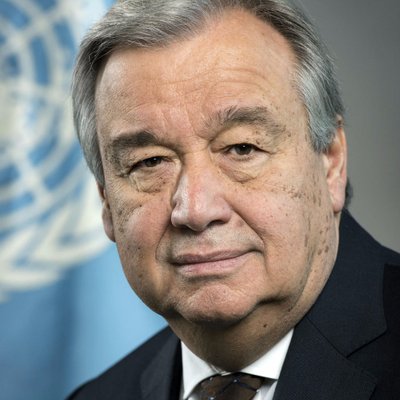
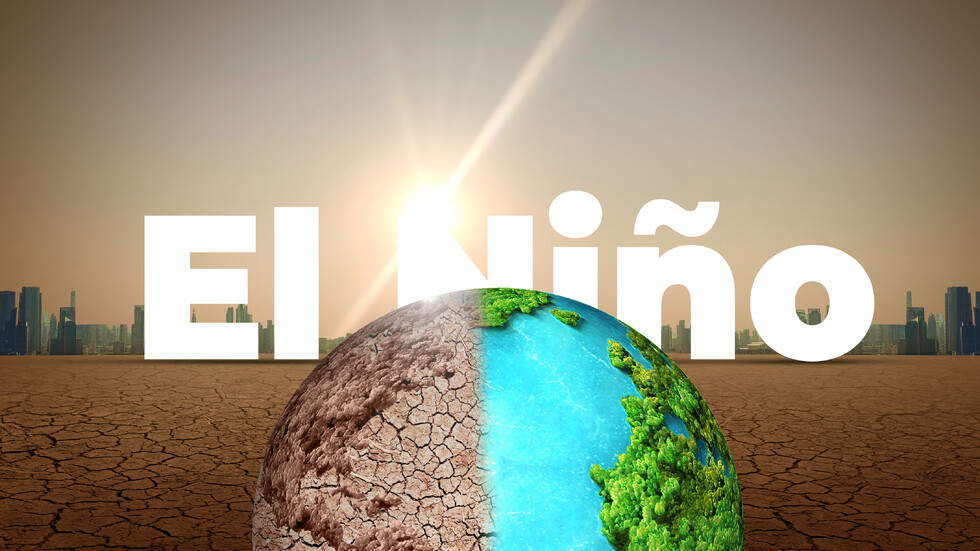
UN Secretary-General António Guterres warns that the world is facing extreme weather changes and new risks of natural disasters due to the emergence of Super El Niño, which could be the strongest in the last 70 years, causing droughts and floods in various parts of the world. (translated)

Europe is expecting extreme heat with temperatures reaching up to +44°C in early September, primarily affecting the south and southwest of the continent, followed by a cooling down by the middle of the next week. (translated)

A powerful El Niño, according to forecasts from the UN climate agency, will last until February 2027 and will significantly impact the climate in Estonia. (translated)

The UN Secretary-General Antonio Guterres warned that "El Niño" could be the strongest natural phenomenon in over 70 years, pushing the world towards extreme weather conditions and increasing temperatures globally. (translated)

The World Meteorological Organization warns that the current El Niño could be the strongest in over 70 years, with the potential to lead to droughts, floods, and extreme heat in various regions around the world. (translated)

Climate change in Europe, particularly heat and drought, negatively affects the operation of nuclear power plants, forcing governments and companies to take climate risks into account and adapt their nuclear projects. (translated)

Sydney recorded the hottest winter since meteorological observations began, with the average temperature in Australia being 1.45 degrees Celsius above the average for the period 1961-1990. (translated)

Global warming disrupts the historical relationship between the Pacific and Indian Oceans, affecting climate conditions in different regions of the Earth. (translated)

Preliminary studies show that the deadly floods at the border between Nepal and Tibet, which killed at least 177 people, were likely caused by a glacier collapse, highlighting the increasing risk from climate change and the rapid melting of the Himalayan glaciers. (translated)

In a fire at the maternity ward of the largest state hospital in Islamabad, Pakistan, at least 14 newborn babies died, while the health minister expressed suspicions that the fire may have originated from an air conditioner, and the prime minister ordered an immediate investigation into the incident. (translated)

According to preliminary data, over 35,000 people died in Europe this summer due to record heat, with the actual number of victims likely to be significantly higher, especially in Germany, France, and Spain, where temperatures reached historic levels and the existing health problems of the population contributed to the increased mortality. (translated)

The world's oceans set a new temperature record of 21.1 degrees Celsius on their surface, exceeding the previous record of 21.09 degrees, recorded in March 2024, which is a signal of the increasing pressure on marine ecosystems due to long-term warming and the phenomenon of "El Niño." (translated)

The average daily temperature of the surface of the World Ocean has reached a new record of 21.1 degrees Celsius, reports the Copernicus Climate Change Service, which is the result of the ongoing warming of ocean waters caused by climate change and the intensifying phenomenon of "El Niño." (translated)

A new study shows that the aggravation of climate change leads to an increase in extreme weather events, such as severe storms and floods, which necessitates the development of more accurate predictive models and solutions. (translated)

Spain reports nearly 4,500 deaths related to heat between June and August 2026, which is a 45% increase compared to the previous year and the highest figure since the summer of 2022, according to data from the Carlos III Health Institute. (translated)

Climate change could increase the area of forest fires in Europe by up to 192 percent by the end of the century, as the risk of fires will depend not only on climatic conditions but also on the effectiveness of fire management measures. (translated)

Climate change could double or triple the area affected by wildfires in Europe by the end of the century, with the increase depending on the level of global warming, with potential consequences for Central and Western Europe, as well as the Mediterranean. (translated)

According to a report by "Copernicus," Europe is warming at an accelerating pace, leading to extreme heat, insufficient rainfall, and significant consequences for the economy, agriculture, and ecosystems, while the upcoming winter is likely to be warmer than usual. (translated)

The low water level in the rivers of Germany, caused by the heat, threatens commercial shipping and the economy, prompting the government to seek temporary solutions such as using trucks and deepening the fairways, while environmentalists advocate for river restoration and fighting climate change. (translated)