
The Senate approved the electoral law reform with 113 votes in favor, 71 against, and 2 abstentions; now the text returns to the Chamber for a third reading. (translated)
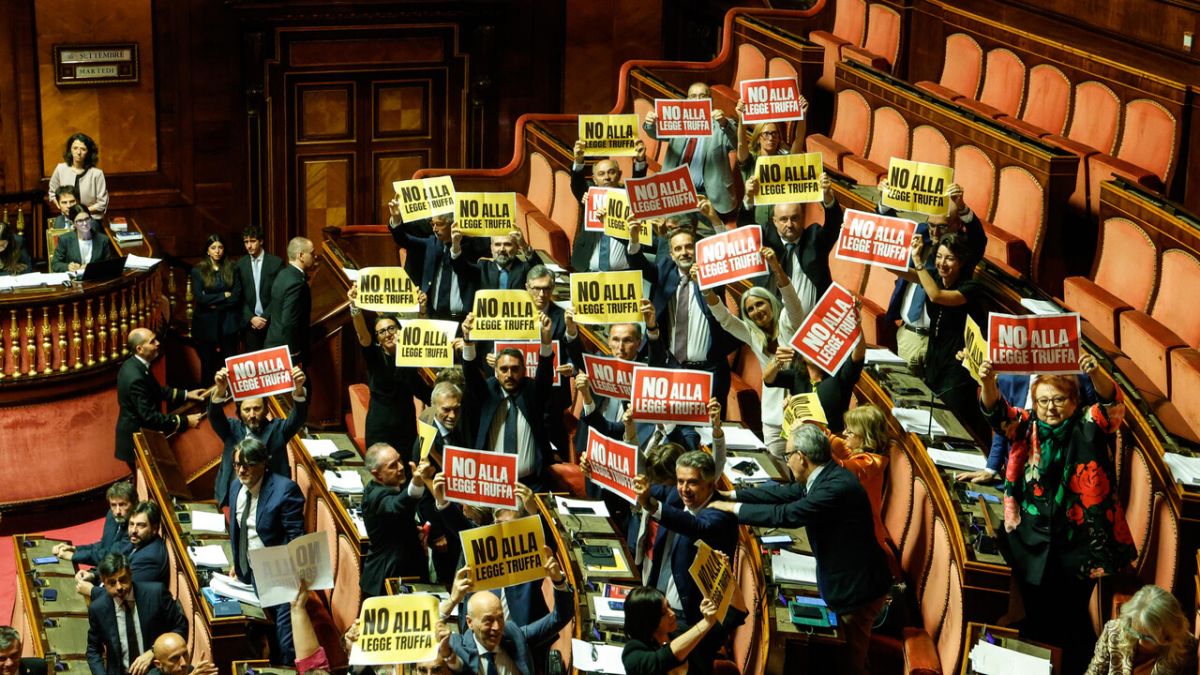
Via libera del Senato alla legge elettorale, ora torna alla Camera
The Senate approved the electoral law reform with 113 votes in favor, 71 against, and 2 abstentions; now the text returns to the Chamber for a third reading. (translated)
Who Kills Whom? There is no single international database that directly compares “women who kill children” with “men who kill women.” I therefore used a triangulation method: systematic research on child homicide, international homicide statistics from UNODC, and detailed national homicide data from the FBI. The figures are not merged into one artificial global statistic; instead, they are used to see whether the same pattern appears across different sources. A systematic review of 126 studies from 44 countries found that parents were responsible for a median 56.5% of child homicides. For children under one year, parents were responsible for approximately 77.8%. Mothers were particularly prominent among perpetrators of killings of infants (Stöckl et al., 2017). That is remarkable. Women are relatively strongly represented when the homicide victim is a very young child. But this is where the sensational version of the story falls apart. It does not mean that women kill more children than men kill women. Men commit the overwhelming majority of homicides. In the FBI’s 2019 data, there were 1,647 male offenders who killed female victims in single-victim/single-offender cases. By comparison, female-perpetrated child homicide was far smaller. (Federal Bureau of Investigation [FBI], 2019). UNODC similarly reports that men and boys accounted for 81% of global homicide victims in 2021, while women and girls accounted for 19%. Yet women and girls were disproportionately killed by intimate partners or family members: such killings accounted for 56% of female homicide victims (UNODC, 2023). So what does the evidence actually tell us? Men dominate homicide statistics. But female homicide has a strikingly different pattern: women are disproportionately represented among perpetrators when the victim is an infant, while men account for vastly more homicide overall and for a much broader range of victims. Perhaps the real lesson is uncomfortable for both sides: statistics do not support a simple “men are killers, women are victims” story. Nor do they support reversing that story. Reality is considerably more complicated — and considerably more interesting. References — APA 7th edition Federal Bureau of Investigation. (2019). Expanded homicide data table 6: Murder—race, sex, and ethnicity of victim by race, sex, and ethnicity of offender. U.S. Department of Justice. Stöckl, H., Dekel, B., Morris-Gehring, A., Watts, C., & Abrahams, N. (2017). Child homicide perpetrators worldwide: A systematic review. BMJ Paediatrics Open, 1(1), e000112. https://doi.org/10.1136/bmjpo-2017-000112 United Nations Office on Drugs and Crime. (2023). Global study on homicide 2023. United Nations.

🇫🇷 FLASH - Santé, énergie, transports, logement, voiture, impôts, banque, abonnements… les hausses se sont MULTIPLIÉES depuis le début de l’année. AlertesInfos a répertorié pour vous ce qui a réellement augmenté, ou va augmenter, pour les Français en 2026 : Franchises médicales : à partir du 1er octobre, le plafond annuel passe de 100€ à 140€, soit +40%. Les deux sous-plafonds passent également de 50€ à 70€. Hôpital : depuis le 1er mars, le forfait hospitalier est passé de 20€ à 23€ par jour, soit +15%. En psychiatrie, il est passé de 15€ à 17€. Urgences : le forfait payé lors d’un passage aux urgences sans hospitalisation est passé de 19,61€ à 23€, soit +17,3%. Actes médicaux lourds : le forfait restant à charge pour certains actes est passé de 24€ à 32€, soit +33,3%. Consultations médicales : plusieurs tarifs ont augmenté. Une consultation pour un enfant de moins de 2 ans passe de 39€ à 40€. Certains examens obligatoires passent de 45€ à 50€, ou de 54€ à 60€. La psychiatrie coordonnée passe de 55€ à 57€, la gériatrie de 37€ à 42€, la gynécologie de 37€ à 40€, le dépistage du mélanome de 54€ à 60€, certaines consultations d’endocrinologie de 58€ à 62€, la neurologie de 55€ à 57€ et la médecine physique et de réadaptation de 36€ à 40€. Psychiatrie des moins de 25 ans : la majoration passe de 12€ à 18€. Une consultation concernée peut ainsi atteindre 75€, contre 67€ auparavant. Mutuelles : dans une enquête menée auprès de 3.067 personnes, 98,52% des répondants déclaraient avoir subi une hausse en 2026. L’augmentation moyenne déclarée atteint 106,21€ par an. Électricité : le tarif réglementé a augmenté en moyenne de 2,5% au 1er août. Pour un foyer consommant 4.500 kWh par an, la facture annuelle type passe d’environ 1.046€ à 1.072€, soit 26€ supplémentaires. Gaz : le prix moyen de référence a augmenté de 15,4% en mai, soit environ 6,19€ supplémentaires par mois pour un profil type en offre indexée. Une nouvelle hausse de 7,4% est intervenue en juillet. Gaz en septembre : le prix repère est passé de 162,89€ à 172,05€ par MWh TTC, soit +5,6%. Gaz au 1er octobre : une nouvelle hausse de 6,3% est annoncée, avec un prix repère qui doit atteindre 182,88€ par MWh TTC. Pour un profil moyen en offre indexée, l’impact est estimé à environ 5,28€ supplémentaires par mois. Navigo : le forfait mensuel toutes zones est passé de 88,80€ à 90,80€. Métro, train et RER en Île-de-France : le ticket est passé de 2,20€ à 2,55€, soit +15,9%. Bus et tram en Île-de-France : le ticket est passé de 2€ à 2,05€. Ticket aéroport en Île-de-France : il est passé de 13€ à 14€. Navigo Liberté+ : le trajet métro, train ou RER passe de 1,99€ à 2,04€ et le trajet bus ou tram de 1,60€ à 1,64€. Imagine R : l’abonnement annuel scolaire passe de 384,30€ à 393,30€. Imagine R Junior passe de 16,80€ à 17,20€. SNCF : les tarifs TGV INOUI et OUIGO ont augmenté en moyenne de 1%. Junior & Cie : le forfait coûte 3€ de plus sur toutes les destinations. Animaux dans les trains : voyager avec un animal en TGV INOUI ou Intercités coûte désormais 10€, contre 7€ auparavant, soit +42,9%. Transports à Toulouse : le ticket unitaire est passé de 1,80€ à 1,90€, l’abonnement mensuel de 50,50€ à 52,10€ et l’abonnement annuel de 606,10€ à 625,40€. Le ticket aéroport passe de 9€ à 9,50€, le pass 7 jours de 17,50€ à 17,90€ et le pass 31 jours de 58€ à 59€. Transports à Nantes : l’abonnement annuel des 26-59 ans est passé de 549€ à 565€, celui des moins de 26 ans de 249€ à 255€ et celui des 60 ans et plus de 300€ à 306€. Le mensuel des 26-59 ans passe de 64€ à 67€. Transports à Lyon : les tarifs ont augmenté en moyenne de 1,72%. Le City Pass 26-64 ans sur les zones 1 et 2 passe notamment de 74,10€ à 75,90€. Transports à Rennes : la recharge d’un ticket rechargeable passe de 0,10€ à 0,20€, soit +100%. L’abonnement des 12-17 ans passe de 22,30€ à 23,60€ et celui des 18-26 ans de 25,20€ à 26,60€. Transports à Lille : le ticket unitaire est passé de 1,80€ à 1,90€, le ticket SMS de 2€ à 2,10€, le carnet de 10 de 15,80€ à 16,60€, le pass journée de 5,50€ à 5,70€ et le mensuel tout public de 65€ à 67€. Péages : les tarifs autoroutiers ont augmenté en moyenne de 0,86%. La hausse atteint notamment 0,94% sur APRR, 0,95% sur AREA, 0,62% sur ASF, 1,21% sur Cofiroute, 0,62% sur Escota, 0,70% sur Sanef et 1% sur SAPN. Taxis : les tarifs maxima ont augmenté de 1,38%. Billets d’avion : la taxe de solidarité intégrée au prix des billets passe de 5,14€ à 5,21€ par passager pour les destinations européennes et de 9,25€ à 9,37€ pour certaines destinations plus lointaines. Prix des billets d’avion : en juillet, ils étaient en moyenne 3,2% plus élevés qu’un an auparavant. La hausse atteignait 4,3% sur l’international et 5,2% sur le long-courrier. Loyers : l’indice de référence des loyers a progressé de 1,15%. Un loyer de 600€ hors charges peut ainsi passer à 606,91€ lorsqu’une révision est prévue dans le bail. Frais d’agence immobilière : les plafonds facturables aux locataires ont augmenté de 0,87%. Ils passent à 12,10€/m² en zone très tendue, 10,09€/m² en zone tendue, 8,07€/m² ailleurs et 3,03€/m² pour l’état des lieux. Taxe foncière : les valeurs locatives cadastrales utilisées pour son calcul augmentent de 0,8%. Des taux ont également augmenté dans 4.731 communes. Eau à Grenoble : le prix est passé de 3,41€ à 3,42€/m³. Taxe de séjour à Paris : pour un palace, le total maximal passe de 15,60€ à 15,93€. Pour un hôtel 5 étoiles, il passe de 11,38€ à 11,70€. Carte grise en Île-de-France : le cheval fiscal est passé de 54,95€ à 68,95€, soit +25,5%. Carte grise en Corse : le cheval fiscal est passé de 43€ à 53€, soit +23,3%. Carte grise en Nouvelle-Aquitaine : il passe de 53€ à 58€. Carte grise en Provence-Alpes-Côte d’Azur : il passe de 59€ à 60€. Carte grise à La Réunion : il passe de 57€ à 60€. Carte grise dans les Hauts-de-France : il passe de 42€ à 43€. L’exonération des véhicules électriques y est également passée de 100% à 50%. Malus CO₂ : le seuil de déclenchement est passé de 113 à 108g/km. À 130g/km, le malus passe de 540€ à 983€, soit +82%. Malus CO₂ maximal : le plafond passe de 70.000€ à 80.000€. Malus au poids : il s’applique désormais dès 1.500kg, contre 1.600kg auparavant. Le barème atteint jusqu’à 30€/kg à partir de 2.000kg. Stationnement à Rennes : le forfait post-stationnement en zone rouge est passé de 40,60€ à 41,60€. En zone verte, il atteint 26,20€, soit 0,80€ de plus. Plusieurs tarifs résidents ont également augmenté. Stationnement à Honfleur : le parking du Bassin Est est passé de 6€ à 8€ la journée, soit +33,3%. Revenus du capital : pour les Français concernés, les prélèvements sociaux passent de 17,2% à 18,6%. Le prélèvement forfaitaire unique passe ainsi de 30% à 31,4% sur les revenus concernés. Micro-entrepreneurs en BNC hors Cipav : le taux de cotisations sociales passe de 24,6% à 25,6% du chiffre d’affaires. Sur 1.000€ encaissés, cela représente 10€ de cotisations supplémentaires. ACRE : pour les nouveaux micro-entrepreneurs bénéficiaires concernés, le taux aidé passe de 12,8% à 19,2% en BNC, de 10,6% à 15,9% pour certaines prestations BIC et de 6,2% à 9,2% pour la vente. CPF : la participation obligatoire est passée de 102,23€ à 103,20€ en janvier, puis à 150€ depuis avril. Justice civile : certaines démarches devant le tribunal judiciaire ou le conseil de prud’hommes sont désormais soumises à une contribution de 50€. Frais bancaires : les frais de tenue de compte augmentent en moyenne de 3,71%, les cartes internationales d’environ 1,6%, les virements effectués en agence de 5,37% et les packages de services de 2,37%. Tenue de compte : la moyenne recensée passe de 22,39€ à 23,33€ par an. Opposition sur chèque : elle passe en moyenne de 16,66€ à 18,12€. Envoi d’un chéquier à domicile : le tarif moyen passe de 22,30€ à 23,16€. Chèque de banque : il passe en moyenne de 14,56€ à 15,08€. Retrait de 100€ à l’étranger : les frais moyens passent de 5,75€ à 5,83€. Paiement de 100€ à l’étranger : les frais moyens passent de 2,88€ à 2,93€. Lucky Strike Original : le paquet est passé de 12,50€ à 13€. Camel classique : le paquet est passé de 12,50€ à 13€. Marlboro Gold et Red : le paquet est passé de 13€ à 13,50€. American Spirit et Peter Stuyvesant argent : le paquet est passé de 13€ à 13,50€. Camel XL 25 : il est passé de 15,65€ à 16,25€. Camel XL 30 : il est passé de 18,75€ à 19,50€. Camel à rouler : il est passé de 23,10€ à 23,60€. Lucky Ice : il est passé de 12,40€ à 12,60€. Ajja 30g : il est passé de 18,10€ à 18,60€. Ajja 50g : il est passé de 30,15€ à 31€. Lucky à rouler : il est passé de 17,50€ à 18€. Gauloises blondes : elles sont passées de 12,60€ à 13€. Gauloises brunes : elles sont passées de 13,80€ à 14,20€. Gitanes : elles sont passées de 14,20€ à 14,60€. Alimentation : en juillet, les prix étaient en moyenne 1% plus élevés qu’un an auparavant. Produits frais : +3,8% sur un an. Viande : +2,3%. Boissons non alcoolisées : +1,5%. Tomates et courgettes : +13,1%. Certains légumes-feuilles : +8%. Certains fruits frais : +6,1%. Agrumes : +3,6%. Chocolat : entre décembre 2025 et juillet 2026, l’indice a progressé de 2,55%. Certaines box Orange : +2€ par mois. Un exemple passe de 23,96€ à 25,96€. B&You Pure Fibre : l’offre est passée de 23,99€ à 24,99€ par mois. RED by SFR : une offre box est passée de 20,99€ à 22,99€, soit +9,5%. Certaines offres Orange Open Up Fibre : +2€ par mois. HBO Max Basic : l’abonnement est passé de 5,99€ à 6,99€ par mois. HBO Max Standard : il est passé de 9,99€ à 10,99€. HBO Max Premium : il est passé de 13,99€ à 15,99€. PS5 avec lecteur : le prix est passé de 549,99€ à 649,99€, soit 100€ de plus. PS5 Digital : elle est passée de 499,99€ à 599,99€. PS5 Pro : elle est passée de 799,99€ à 899,99€. PlayStation Portal : il est passé de 219,99€ à 249,99€. PlayStation Plus : l’abonnement d’un mois passe de 8,99€ à 9,99€ et celui de 3 mois de 24,99€ à 27,99€. Lettre verte : le timbre jusqu’à 20g est passé de 1,39€ à 1,52€, soit +9,4%. Lettre recommandée : elle est passée de 5,74€ à 6,11€ jusqu’à 20g. Lettre Services Plus : elle passe de 3,15€ à 3,47€. E-lettre rouge : elle passe de 1,49€ à 1,60€. Lettre internationale : elle passe de 2,10€ à 2,25€ jusqu’à 20g. Colissimo : les tarifs augmentent en moyenne de 3,4%. Université : le master passe de 254€ à 255€, le doctorat de 397€ à 398€ et le diplôme d’ingénieur de 628€ à 630€. Cantines scolaires : à Orléans, le tarif minimal recensé passe de 0,60€ à 1€, soit +66,7%. À Lambersart, plusieurs tarifs ont également augmenté. Assistantes maternelles : le minimum brut horaire passe de 3,64€ à 4,20€, soit +15,4%. Un autre minimum conventionnel concerné passe de 3,79€ à 4,37€. L’indemnité minimale d’entretien passe de 3,83€ à 3,92€, ce qui peut augmenter le coût supporté par les parents employeurs. Salariés à domicile : le minimum horaire brut passe de 12,24€ à 12,61€. Avec les congés payés inclus, l’exemple passe de 13,46€ à 13,87€. Dépôts sauvages : pour les personnes verbalisées, l’amende minorée passe de 22€ à 45€, l’amende forfaitaire de 35€ à 68€, l’amende majorée de 75€ à 180€ et le maximum légal de 150€ à 450€. Piscines de Vallée Sud Grand Paris : au centre des Blagis, l’entrée passe de 4,90€ à 5,50€, soit +12,2%, et l’abonnement annuel de 224€ à 360€. Dans certaines autres piscines du réseau, l’abonnement annuel passe de 122€ à 360€. #France #Augmentations #Inflation


LAS EXPORTACIONES DE LAS PYMES ALCANZARON EL MAYOR VALOR DESDE 2013 ✅ Entre enero y agosto de 2026 las exportaciones de las PyMEs sumaron USD7.360 millones, creciendo 24% en relación al mismo período de 2025 y alcanzando un récord para los últimos 13 años ✅ En el período, 6.721 PyMEs realizaron exportaciones, un 3% más que el año pasado y 6,2% por encima de 2023 ✅ En términos de tamaño de empresa, las exportaciones de Micro empresas aumentaron 26%, las de Pequeñas empresas 24,8% y las de Medianas empresas 22,8% ✅ A nivel de grandes rubros se destacó el crecimiento de 33,1% en Manufacturas de Origen Agropecuario (MOA), 24,1% en Manufacturas de Origen Industrial (MOI) y 21,7% en Productos Primarios ✅ Entre los capítulos con mayor crecimiento exportador pueden mencionarse Alimentos preparados para animales (+277,2%), Productos a base de almidón o fécula (+113,6%), Grasas, aceites y sus derivados (+96,5%), Carbón, madera y sus manufacturas (+72%) y Jabones, velas y otros productos similares (+56%) #Exportaciones #PYMES #CrecimientoEconómico

Copa Federación | 113’ | 1-2 | ¡GOOOOOOOOOOOOOOOOOOL DE MECAAAAA! ¡DISPARO POTENTE DESDE EL LATERAL DEL ÁREA QUE SORPRENDE AL PORTERO RIVAL! ⚽️ ¡Gol Victoria Crea! #MensajeroRealMurcia | #CopaFederación https://t.co/lPh17ZduWF #Fútbol #CopaFederación #Gol


Adlercreutz kommentoi laskevia Pisa-tuloksia näin: "Asiaa kommentoi IS:n haastattelussa myös opetusministeri Anders Adlercreutz – Laskevien Pisa-tulosten syynä eivät ole maahanmuuttajaoppilaat, Adlercreutz kuitenkin painottaa" Totuus on kuitenkin täysin erilainen mitä opetusministeri Adlercreutz väittää sen olevan "Pisa-tutkimuksen kansallinen tutkimusjohtaja Arto Ahonen sanoo suoraan, mikä maahanmuuttajataustaisten rooli Suomen Pisa-katastrofissa on. Tilastot ovat karua luettavaa. Kolmella keskeisimmällä osa-alueella maahanmuuttajataustaisten nuorten oppimistulokset olivat kantaväestöä heikompia. Esimerkiksi lukutaitopisteissä ensimmäisen polven maahanmuuttajataustaisten ero kantaväestöön oli peräti 113 pistettä. Toisenkin polven maahanmuuttajataustaisten ero on 66 pistettä kantaväestöön verrattuna" Miten opetusministeri voi olla näin pihalla todellisuudesta ja miksi tämä tyyppi toimii edelleen opetusministerinä? #Pisa #opetus #maahanmuutto


Ich habe Claude mal die Wahlbezirke auf Auffälligkeiten prüfen lassen, die KI hat drei Auffälligkeiten gefunden: Erstens: eine exakte Dublette. In Gräfenhainichen sind zwei Briefwahlbezirke in allen 46 Zahlenfeldern identisch. Gleiche Wählerzahl, gleiche gültige Stimmen, jede der 15 Parteien auf die Stimme gleich. Zwei getrennte Wahlvorstände können das nicht zufällig produzieren. Das ist praktisch sicher eine Doppelerfassung in der Übertragung, kein Vorgang an der Urne. Die Beteiligung der Stadt sinkt dadurch rechnerisch von 78,8 auf 68,7 Prozent, landesweit sind es 0,05 Punkte. Zweitens: fünf Bezirke mit vertauscht wirkenden BSW-Werten. Dort stehen auffällig wenige BSW-Zweitstimmen auffällig vielen BSW-Erststimmen gegenüber. In einem Briefwahlbezirk im Wahlkreis Oschersleben-Wanzleben etwa 15 Zweit- gegen 113 Erststimmen, erwartbar wären ungefähr 68 zu 21. Das Muster sieht nach einer Spaltenverwechslung oder einer falsch übertragenen Zählliste aus. Das ist deshalb relevant, weil das BSW landesweit bei 5,27 Prozent liegt, also nur rund 3.500 Stimmen über der Sperrklausel. Zur Klarheit: Die von mir gefundene Lücke beträgt etwa 220 Stimmen und kippt gar nichts. Aber sie zeigt, wo die Fehlertoleranz am kleinsten ist, und genau dort gehört sorgfältig nachgezählt. Drittens: einseitige Häufungen ungültiger Stimmen. Elf Bezirke liegen auch nach strenger Korrektur signifikant über der Basisrate. Interessant sind die Fälle, in denen nur eine Stimmenart betroffen ist. In einem Bezirk in Sülzetal etwa 47 ungültige Erststimmen bei einer Erwartung von 12, während die ungültigen Zweitstimmen exakt im Normalbereich liegen. Wenn nur die Erststimmen aus dem Rahmen fallen, liegt das selten am Wählerverhalten und meistens an einer abweichenden Bewertungspraxis. Ansonsten sieht für Claude alles sauber aus. #Wahlen #Wahlbeobachtung #Transparenz

Artilheiros do Flamengo na temporada 2026: 25 - Pedro [14] - Samuel Lino 10 - Lucas Paquetá 9 - Bruno Henrique 8 - Arrascaeta 6 - Carrascal 4 - Luiz Araújo 3 - Erick Pulgar 3 - Lorran 3 - Jorginho 3 - Everton Cebolinha 2 - Léo Pereira 2 - Wallace Yan 2 - Gonzalo Plata 1 - Evertton Araújo 1 - Léo Ortiz 1 - De La Cruz 1 - Douglas Telles 1 - Iago 1 - Guilherme Mais assistências pelo Flamengo em 2026: 15 - Samuel Lino 9 - Carrascal 9 - Pedro 8 - Bruno Henrique 5 - Emerson Royal [4] - Arrascaeta 4 - Ayrton Lucas 4 - Gonzalo Plata 3 - Jorginho 3 - Varela 2 - Everton Cebolinha 2 - Wallace Yan 2 - Evertton Araújo 2 - Luiz Araújo 1 - Léo Pereira 1 - Lorran 1 - De La Cruz 1 - Saúl 1 - Alex Sandro 1 - Léo Ortiz 1 - Vitão 1 - Daniel Sales Mais assistências pelo Flamengo (1971-2026): 204 - Zico 152 - Júnior [113] - Arrascaeta 102 - Adílio 78 - Léo Moura 69 - Iranildo 62 - Bruno Henrique 58 - Everton Ribeiro 51 - Petkovic 49 - Juan 46 - Pedro #Flamengo #Futebol #Artilheiros

Freeman della City di Londra: Onoreficenza Ordinaria per Tutti, Onoraria per Pochi. SOURCE: https://www.linkedin.com/pulse/freeman-della-city-di-londra-dal-1996-unonoreficenza-sardella-ph-d--qlt0f/ Abstract La Freedom della City of Londra è un'istituzione di origini medievali documentata fin dal 1237, originariamente concepita per garantire ai cittadini liberi protezione dai vincoli feudali, diritto al commercio e proprietà fondiaria entro le mura della Square Mile (la denominazione del territorio della City londinese). Progressivamente trasformatasi da privilegio economico concreto a riconoscimento civico e simbolico, essa ha mantenuto nel tempo la propria rilevanza attraverso successive riforme normative (notevolmente l'apertura a tutte le nazionalità nel 1996) e conta oggi circa 1.800-2.000 nuove ammissioni annue. Il presente articolo esamina l'evoluzione storico-giuridica del titolo, illustra le molteplici vie di accesso previste dalla normativa vigente (servitù per apprendistato, patrimonio, riscatto per nomina diretta, presentazione tramite le Livery Company (o Compagnie di Livrea) e iscrizione al registro elettorale), e analizza il profilo contemporaneo dei Freemen alla luce di ammissioni recenti a figure di spicco dei mondi della finanza, della cultura, dello sport e delle istituzioni. Contrariamente all'immagine elitaria che circonda molte onorificenze britanniche, la Freedom ordinaria si rivela accessibile a qualsiasi persona, indipendentemente da nazionalità o condizione economica, a fronte di requisiti minimi e di una quota amministrativa di £180-185. Il contributo conclude riflettendo sul significato contemporaneo dell'istituzione: non nei privilegi residuali ormai perlopiù simbolici, ma nella sua funzione identitaria, civico-partecipativa e di connessione con la lunga storia della città più antica e autorevole d'Europa. Parole chiave: Freedom of the City of London; Livery Companies; City of London Corporation; onorificenze britanniche; identità civica urbana. Contenuto dell’articolo Introduzione Nel panorama delle onorificenze storiche britanniche, poche istituzioni evocano un immaginario così ricco come la Freedom della City di Londra. Menzionata in film, romanzi e articoli di costume con toni di esclusività e mistero, essa appare frequentemente associata a figure di altissimo profilo: sovrani, capi di Stato, comandanti militari di ritorno dalle guerre. Eppure, a uno sguardo più ravvicinato e metodicamente documentato, emerge un quadro assai diverso: quello di un titolo che, nella sua dimensione ordinaria e non onorifica, è oggi accessibile a un numero considerevole di persone ogni anno, senza che siano richiesti meriti straordinari né mezzi economici elevati. Il presente contributo si propone di esaminare l'istituzione nella sua duplice valenza, storica e contemporanea, con l'obiettivo di sfatare l'equivoco più diffuso: quello che confonde la Freedom ordinaria con la Honorary Freedom (o Freeedom onoraria) quest'ultima effettivamente rara e riservata a figure di standing internazionale. L'articolo ripercorre le origini medievali e l'evoluzione normativa (§ 2), illustra le vie di accesso vigenti (§ 3), discute requisiti, costi e procedimento (§ 4), analizza la composizione contemporanea del corpo dei Freemen (§ 5), esamina diritti, privilegi e obblighi (§ 6), passa in rassegna i destinatari più illustri degli ultimi decenni (§ 7), e conclude con alcune riflessioni sul significato odierno dell'istituto (§ 8). Origini e Sviluppo Storico dell'Istituzione La Freedom della City di London è documentata fin dal 1237, durante il regno di Enrico III, come forma di status civico che designava gli individui non soggetti a un signore feudale e quindi titolari delle protezioni garantite dalle carte della City. In questa accezione originaria, il termine freeman indicava l'uomo libero in senso pieno: colui che poteva commerciare liberamente nel perimetro della Square Mile, il Miglio Quadrato, possedere beni e aderire alle corporazioni di mestiere senza interferenze esterne. I privilegi pratici erano di portata concreta e direttamente funzionali all'economia medievale: esenzione da determinati pedaggi, tra cui il celebre diritto di condurre greggi di pecore attraverso il London Bridge senza pagamento, concessione radicata nel commercio della lana che dominava l'economia inglese, protezione contro l'arresto arbitrario fuori dalla giurisdizione della City, e accesso ai mercati regolamentati dalle corporazioni. Come confermato dalle successive riemissioni della Magna Carta da parte di Enrico III nel 1225, tali libertà erano intrinsecamente legate all'autogoverno della City, che le difendeva dall'ingerenza regia e baronale. La progressiva codificazione dell'istituzione avvenne attraverso ordinanze regie a partire dal XIV secolo: nel 1319 Edoardo II emanò costituzioni che limitavano l'accesso alla Freedom ai membri delle corporazioni di mestiere, vietando l'ammissione di estranei non affiliati e formalizzando così la "servitù per apprendistato" come via principale per i nuovi entrati, mentre la via patrimoniale garantiva la continuità per le famiglie già stabilite. I monarchi successivi , da Edoardo III in poi, confermarono ripetutamente le libertà cittadine attraverso carte concesse spesso in cambio di prestiti finanziari, consolidando l'autonomia della City e il suo ruolo di creditore della Corona. Nel XIX secolo, con l'industrializzazione e l'espansione demografica di Londra, il controllo corporativo sul commercio si rivelò sempre meno applicabile: il Municipal Corporations Act del 1835 ampliò l'eligibilità a chiunque vivesse, lavorasse o avesse un legame significativo con Londra, sganciando parzialmente il titolo dall'appartenenza corporativa e trasformandolo progressivamente in una distinzione onorifica a carattere civico. Nel corso del Novecento ulteriori riforme inclusivizzarono l'accesso: le donne, già ammesse informalmente come vedove ereditiere in epoche precedenti, ma formalmente escluse dalle vie standard, videro riconosciuto il diritto all'ammissione ordinaria, con Angela Burdett-Coutts che aveva già ricevuto la Honorary Freedom (Freeedom Onoraria) nel 1872 e Florence Nightingale nel 1908, mentre la parità formale si consolidò nel XX secolo. Infine, nel 1996, fu abolito il requisito della cittadinanza britannica o del Commonwealth, aprendo il titolo a qualsiasi nazionalità. Le Vie di Accesso: Quadro Normativo Vigente La normativa vigente, gestita dalla Corte del Ciambellano della City of London Corporation, prevede cinque principali modalità di accesso alla Freedom della City londinese, che riflettono i diversi legami storici tra l'individuo e le istituzioni cittadine. Per servitù (by servitude) conferisce il titolo al completamento di un apprendistato formale secondo la Consuetudine di Londra, tradizionalmente della durata di sette anni, presso un maestro freeman di una Compagnia di Livrea (Livery Company). Questa via, la più antica e di maggior portata storica, verifica il merito attraverso la competenza pratica e la lealtà alla corporazione; gli apprendisti finali vengono ammessi senza necessità di approvazione della Court of Common Council qualora iscritti al registro elettorale della City da almeno un anno, e in tal caso non è previsto alcun contributo economico. Per patrimonio (by patrimony) conferisce l'eligibilità automatica ai figli di Freemen, purché il genitore detenesse questo titolo al momento della nascita del candidato e sia fornita adeguata documentazione. Storicamente limitato ai figli maschi, fu esteso alle figlie con il Municipal Corporations Act del 1835. Il candidato doveva aver compiuto il diciottesimo anno di età, non essere un "fallito non riabilitato" e non avere condanne penali rilevanti. Per riscatto (by redemption) costituisce la via aperta a chiunque: il candidato presenta domanda alla Corte del Ciambellano, supportato da due garanti, i Consiglieri Comunali, Aldermen o Liverymen con almeno un anno di atttvità che attestano la sua reputazione, e la pratica è esaminata dal Vicecomitato delle Ammissioni alla Freedom (Freedom Applications Sub-Committee) e approvata dalla Corte del Consiglio Comunale. La quota amministrativa (Freedom Fine) ammonta a £180 dalla revisione tariffaria del 1° aprile 2024 (£185 nella modalità per nomina diretta). Per i candidati iscritti al Ward List, il registro elettorale della City, la procedura è gratuita. La presentazione tramite Compagnia di Livrea (Livery Company) è la via più frequentemente percorsa nella prassi contemporanea: il candidato diviene dapprima membro della propria corporazione di riferimento, a sèguito di una procedura variabile per ciascuna delle 113 Compagnie di Livrea attualmente attive, e successivamente invia la domanda online alla Corte del Ciambellano per il passaggio alla Freedom della City, con approvazione nella quasi totalità dei casi di carattere routinario. Requisiti, Costi e Procedimento I requisiti per l'accesso alla Freedom ordinaria sono di una semplicità sorprendente rispetto all'aura di esclusività del titolo. Il candidato deve aver compiuto diciotto anni, non essere un "fallito non ristabilito" e non avere condanne penali non ancora estinte ai sensi del Rehabilitation of Offenders Act del 1974. Non è previsto alcun requisito di nazionalità, residenza, livello di istruzione o stato patrimoniale. La documentazione richiesta è di carattere anagrafico standard: certificato di nascita integrale, eventuale certificato di matrimonio o documento attestante il cambio di nome, e se mediante presentazione, il certificato di appartenenza della corporazione di riferimento. La domanda viene inoltrata online tramite il portale della City of London Corporation. La cerimonia di ammissione si svolge alla Guildhall di Londra, nell'Aula Tribunalizia del Ciambellano, ogni giorno feriale tra le 10:30 e le 12:00 e tra le 14:00 e le 15:30. Il neo-Freeman è invitato a leggere ad alta voce la Dichiarazione di un Freeman (Declaration of a Freeman) e a firmare il Registro delle Ammissioni, ricevendo al termine il certificato calligrafato su pergamena e una copia delle Regole di Condotta di Vita (Rules for the Conduct of Life), il documento settecentesco di orientamento morale che invita il titolare a condurre una vita retta, compassionevole e socialmente attiva. Per chi non possa recarsi fisicamente a Londra, la City Corporation ha mantenuto la possibilità di svolgere la cerimonia in modalità virtuale, introdotta durante la pandemia e successivamente conservata. Composizione Contemporanea del Corpo dei Freemen Un dato empirico significativo contribuisce a ridimensionare la dimensione elitaria del titolo: ogni anno vengono ammesse tra le 1.800 e le 2.000 nuove persone, in un corpo complessivo che conta oltre 300.000 ammissioni documentate nel corso dei secoli. Come rileva la stessa City of London Corporation, i Freemen contemporanei comprendono "un'ampia sezione trasversale della popolazione", includendo professionisti, studenti, artigiani, imprenditori, personale militare e cittadini stranieri. Il crescente apporto di studenti universitari, spesso presentati in gruppi dalle proprie istituzioni accademiche e di professionisti internazionali, ha ulteriormente ampliato la base demografica. La cerimonia di gruppo del 2024, in cui 40 individui provenienti da settori che spaziano dalla scienza alla medicina, dall'imprenditoria alle iniziative per la diversità, hanno ricevuto il titolo simultaneamente, esemplifica questa apertura. Va ribadita, tuttavia, una distinzione fondamentale: la Freedom Onoraria della City di Londra costituisce un'istituzione del tutto separata e di portata radicalmente diversa. Concessa dalla Corte of Consiglio Comunale con una risoluzione speciale, è riservata a figure di eccezionale statura internazionalte tipicamente meno di una dozzina di concessioni annue e rappresenta, nelle parole della stessa City Corporation, il massimo onore che essa possa conferire. È questa la Freedom di cui hanno goduto Winston Churchill, la regina Elisabetta II e, più di recente, la presentatrice televisiva Rachel Riley (ottobre 2025) per il suo impegno nell'educazione alla Shoah e nella lotta all'antisemitismo. La confusione tra le due forme è la principale responsabile della percezione distorta dell'istituto nel dibattito pubblico. Il Significato Contemporaneo: tra Identità e Partecipazione Se la quasi totalità dei privilegi pratici un tempo associati alla condizione di Freeman è oggi scomparsa o ridotta a forma cerimoniale solenne, ciò che persiste è il potente valore simbolico e identitario del titolo. La cerimonia conserva elementi di solennità rituale la lettura della Dichiarazione, la firma sullo storico Registro delle Ammissioni, il ricevimento del certificato calligrafato su pergamena, che inscrivono il nuovo Freeman in una catena di continuità di quasi otto secoli, collegando figure eterogenee attraverso un legame condiviso con la storia del Miglio Quadrato (o Square Mile). La nobile istituzione londinese svolge altresì una funzione di coesione nell'ecosistema della City e delle Compagnie di Livrea: le 113 corporazioni attive hanno erogato collettivamente oltre 81 milioni di sterline in attività benefiche nel 2024, con programmi di formazione professionale, borse di studio e apprendistati tecnici che preservano competenze specializzate in settori economicamente rilevanti. Essere Freeman costituisce un prerequisito formale per l'avanzamento a Liveryman, e quindi per l'esercizio dei diritti elettorali nella governance della City: un residuo di democrazia corporativa che, per quanto distante dai modelli di suffragio universale, mantiene una sua logica istituzionale nell'architettura giuridica unica del Miglio Quadrato londinese. Critici di orientamento progressista hanno rilevato che il sistema favorisce reti consolidate e accessi per via ereditaria o professionale, potenzialmente escludendo strati più ampi della popolazione londinese con un bacino di Freemen viventi ben inferiore all'1% dei nove milioni di residenti nella Grande Londra (Great London). Tuttavia, i dati sulle ammissioni recenti, con riconoscimenti che spaziano dall'imprenditoria africana allo sport comunitario, dalla radiofonia alla medicina, suggeriscono una traiettoria di apertura progressiva che, pur senza raggiungere la piena rappresentatività demografica, testimonia la volontà istituzionale di mantenere l'istituto come tradizione viva piuttosto che reliquia esclusiva. Conclusioni L'analisi condotta permette di formulare alcune considerazioni conclusive. La Freedom della City, quella ordinaria, è oggi un'onorificenza accessibile a una platea ben più ampia di quanto l'immaginario collettivo suggerisca: i requisiti di ammissione sono minimi, i costi contenuti, le procedure relativamente snelle e aperte a qualsiasi nazionalità. La persistente confusione con la Freedom Onoraria, riservata a figure di eccezionaleelevatura internazionale, è la principale responsabile di una percezione distorta che merita di essere corretta. Il valore contemporaneo del titolo non risiede nei privilegi residuali, ormai perlopiù solenni e cerimoniali, ma in tre dimensioni complementari: quella identitaria, che connette il titolare a quasi otto secoli di storia istituzionale; quella civico-partecipativa, che attraverso l'accesso alle Livery Companies e al sistema elettorale della City inserisce il Freeman in reti realmente operative; e quella comunitaria, che attraverso i meccanismi di riconoscimento onorifico celebra contributi di portata e provenienza sempre più eterogenee. In questo senso, la Freedom rappresenta un caso di studio istruttivo su come le istituzioni storiche possano reinventarsi senza perdere autenticità, mantenendo vivo il proprio significato attraverso l'inclusione piuttosto che l'esclusione. Riferimenti e Fonti: City of London Corporation. (2024). Freedom of the City of London. https://www.cityoflondon.gov.uk/about-us/law-historic-governance/freedom-of-the-city Guild of Freemen of the City of London. (2025). Freedom of the City. https://www.guild-freemen-london.co.uk/freedom-of-the-city Livery Committee. (2025). Freedom of the City. https://liverycommittee.org/about/membership-freedom-and-livery-clothing/freedom-of-the-city/ Municipal Corporations Act 1835. UK Parliament. Rehabilitation of Offenders Act 1974. UK Parliament. Grokipedia. (2025). Freedom of the City of London. https://grokipedia.com/page/Freedom_of_the_City_of_London City Solicitors' Educational Trust. (2025). Applying for the Freedom of the City of London. LondradaVivere.com. (2025). La "Freedom of the City of London": un'antica libertà ancora viva. City of London Corporation. (2023). Livery Companies: Charitable Activities Report 2024. ONS / City of London Corporation. (2023). Financial Services Contribution to UK GDP.

Freeman of the City of London: An Ordinary Honour for All, an Honorary One for Few SOURCE: https://www.linkedin.com/pulse/freeman-city-london-ordinary-honour-all-honorary-one-sardella-ph-d--m1alf/ Abstract The Freedom of the City of London is an institution of mediaeval origin, attested as far back as 1237, originally conceived to afford freeborn citizens protection from feudal obligations, the right to trade, and the ownership of property within the bounds of the Square Mile — the territory of the City of London proper. Having evolved progressively from a concrete economic privilege into a civic and symbolic distinction, it has preserved its relevance over the centuries through successive legislative reforms — most notably the extension of eligibility to all nationalities in 1996 — and today records approximately 1,800 to 2,000 new admissions annually. The present article examines the historical and juridical evolution of the title, sets out the several routes of access provided by current regulation (by servitude through apprenticeship, by patrimony, by redemption through direct nomination, by presentation through the Livery Companies, and by registration on the electoral roll), and analyses the contemporary profile of the Freemen in the light of recent admissions of prominent figures from the worlds of finance, culture, sport, and public life. Contrary to the elitist image surrounding many British honours, the ordinary Freedom proves accessible to any person whatsoever, regardless of nationality or financial standing, upon the satisfaction of minimal requirements and the payment of an administrative fee of £180–185. The article concludes by reflecting upon the contemporary significance of the institution: not in the residual privileges, now largely ceremonial, but in its identity-forming, civic-participatory function and its connection to the long history of the oldest and most venerable city in Europe. Keywords: Freedom of the City of London; Livery Companies; City of London Corporation; British honours; urban civic identity. Contenuto dell’articolo Introduction Amongst the historic honours of Britain, few institutions evoke an imaginative world as rich as the Freedom of the City of London. Cited in films, novels, and articles on manners and custom with tones of exclusivity and mystery, it is frequently associated with figures of the very highest standing: sovereigns, heads of state, military commanders returning from the wars. Yet, upon closer and more methodical scrutiny, a markedly different picture emerges: that of a title which, in its ordinary and non-honorary dimension, is today accessible to a considerable number of persons each year, without the requirement of extraordinary merit or elevated financial means. The present contribution aims to examine the institution in its twofold aspect, historical and contemporary, with the object of dispelling the most prevalent misconception: that which confounds the ordinary Freedom with the Honorary Freedom — the latter genuinely rare and reserved for figures of international standing. This article traces the mediaeval origins and legislative evolution (§ 2), sets out the current routes of access (§ 3), discusses requirements, costs, and procedure (§ 4), analyses the contemporary composition of the body of Freemen (§ 5), examines rights, privileges, and obligations (§ 6), reviews the most distinguished recipients of recent decades (§ 7), and concludes with some reflections upon the contemporary significance of the institution (§ 8). Origins and Historical Development of the Institution The Freedom of the City of London is attested from 1237, during the reign of Henry III, as a form of civic status designating individuals not subject to a feudal lord, and therefore entitled to the protections guaranteed by the City's charters. In this original sense, the term freeman denoted the free man in the fullest sense of the word: one who might trade freely within the perimeter of the Square Mile, hold property, and join the trade guilds without external interference. The practical privileges were of concrete scope and directly functional to the mediaeval economy: exemption from certain tolls, including the celebrated right to drive flocks of sheep across London Bridge without payment — a concession rooted in the wool trade that dominated the English economy — protection against arbitrary arrest beyond the jurisdiction of the City, and access to the markets regulated by the guilds. As confirmed by the subsequent reissues of Magna Carta by Henry III in 1225, such liberties were intrinsically bound to the self-governance of the City, which defended them against royal and baronial interference. The progressive codification of the institution took place through royal ordinances from the fourteenth century onwards. In 1319, Edward II issued constitutions restricting access to the Freedom to members of the trade guilds, prohibiting the admission of unaffiliated outsiders, and thereby formalising servitude through apprenticeship as the principal route for new entrants, whilst the patrimonial route ensured continuity for established families. Subsequent monarchs, from Edward III onwards, repeatedly confirmed the civic liberties through charters granted often in exchange for financial loans, consolidating the City's autonomy and its role as creditor to the Crown. In the nineteenth century, with industrialisation and the demographic expansion of London, corporate control over trade proved increasingly unenforceable. The Municipal Corporations Act of 1835 extended eligibility to any person living, working in, or having a significant connection with London, partially detaching the title from corporate membership and progressively transforming it into an honorary distinction of a civic character. During the twentieth century, further reforms rendered access more inclusive. Women, already admitted informally as widows by inheritance in earlier periods but formally excluded from the standard routes, saw their right to ordinary admission recognised — Angela Burdett-Coutts having already received the Honorary Freedom in 1872, and Florence Nightingale in 1908 — while formal equality was consolidated in the twentieth century. Finally, in 1996, the requirement of British or Commonwealth citizenship was abolished, opening the title to any nationality whatsoever. Routes of Access: The Current Regulatory Framework The current regulations, administered by the Court of the Lord Chamberlain of the City of London Corporation, provide for five principal modes of access to the Freedom of the City of London, each reflecting different historical ties between the individual and the City's institutions. By servitude confers the title upon the completion of a formal apprenticeship under the Custom of London, traditionally of seven years' duration, under a master freeman of a Livery Company. This route, the oldest and of the greatest historical significance, verifies merit through practical competence and loyalty to the guild. Completing apprentices are admitted without the need for approval by the Court of Common Council, provided they have been registered on the City's electoral roll for at least one year, and in such cases no financial contribution is required. By patrimony confers automatic eligibility upon the children of Freemen, provided the parent held the title at the time of the candidate's birth and appropriate documentation is furnished. Historically restricted to sons, it was extended to daughters by the Municipal Corporations Act of 1835. The candidate must have attained the age of eighteen, must not be an undischarged bankrupt, and must not have relevant unspent criminal convictions. By redemption constitutes the route open to any person whatsoever. The candidate submits an application to the Court of the Lord Chamberlain, supported by two sponsors — Common Councillors, Aldermen, or Liverymen of at least one year's standing who attest to their reputation — and the matter is examined by the Freedom Applications Sub-Committee and approved by the Court of Common Council. The administrative fee (the Freedom Fine) amounts to £180 following the tariff revision of 1 April 2024 (£185 in the case of direct nomination). For candidates registered on the Ward List, the City's electoral roll, the procedure is free of charge. By presentation through a Livery Company is the route most frequently taken in contemporary practice. The candidate first becomes a member of their relevant guild, following a procedure that varies amongst each of the 113 Livery Companies currently active, and subsequently submits an online application to the Court of the Lord Chamberlain for admission to the Freedom of the City, with approval in the vast majority of cases being a matter of routine. Requirements, Costs, and Procedure The requirements for access to the ordinary Freedom are of a simplicity that may well surprise, given the aura of exclusivity surrounding the title. The candidate must have attained the age of eighteen, must not be an undischarged bankrupt, and must not have unspent criminal convictions within the meaning of the Rehabilitation of Offenders Act of 1974. No requirement of nationality, residence, educational attainment, or financial standing is imposed. The documentation required is of a standard biographical character: a full birth certificate, a marriage certificate or name-change document where applicable, and, where admission is by presentation, the certificate of membership issued by the relevant Livery Company. The application is submitted online through the City of London Corporation's portal. The admission ceremony is held at the Guildhall in London, in the Court Room of the Lord Chamberlain, on every working day between 10.30 and 12.00, and between 14.00 and 15.30. The newly admitted Freeman is invited to read aloud the Declaration of a Freeman and to sign the Admissions' Book, receiving upon its conclusion a calligraphed certificate on vellum and a copy of the Rules for the Conduct of Life — the eighteenth-century document of moral guidance that enjoins the holder to lead a life of rectitude, compassion, and social engagement. For those unable to attend in person, the City Corporation has retained the option of conducting the ceremony virtually, a facility introduced during the pandemic and subsequently preserved. The Contemporary Composition of the Body of Freemen One significant empirical datum serves to diminish the elitist dimension of the title: between 1,800 and 2,000 new persons are admitted each year, within a body that counts over 300,000 documented admissions across the centuries. As the City of London Corporation itself observes, contemporary Freemen comprise 'a broad cross-section of the population', encompassing professionals, students, craftspeople, entrepreneurs, military personnel, and foreign nationals. The growing contribution of university students, frequently presented in groups by their academic institutions, and of international professionals, has further broadened the demographic base. The group ceremony of 2024, in which 40 individuals drawn from fields ranging from science and medicine to entrepreneurship and diversity initiatives received the title simultaneously, is illustrative of this openness. A fundamental distinction must, however, be emphasised. The Honorary Freedom of the City of London constitutes an entirely separate institution of radically different scope. Granted by the Court of Common Council by special resolution, it is reserved for figures of exceptional international stature — typically fewer than a dozen conferred annually — and represents, in the words of the City Corporation itself, the highest honour it is able to bestow. It is this Freedom that has been enjoyed by Winston Churchill, Her Majesty Queen Elizabeth II, and, more recently, the television presenter Rachel Riley (October 2025), in recognition of her commitment to Holocaust education and the combating of antisemitism. The confusion between the two forms is the principal source of the distorted public perception of the institution. The Contemporary Significance: Between Identity and Participation While the great majority of the practical privileges once associated with the condition of Freeman have today disappeared or been reduced to solemn ceremonial form, what persists is the powerful symbolic and identity-forming value of the title. The ceremony retains elements of ritual solemnity — the reading of the Declaration, the signing of the historic Admission Register, the receipt of the calligraphed certificate on vellum — which inscribe the new Freeman within a chain of continuity of nearly eight centuries, linking diverse figures through a shared bond with the history of the Square Mile. This venerable London institution also performs a cohesive function within the ecosystem of the City and the Livery Companies. The 113 active guilds collectively disbursed over £81 million in charitable activities in 2024, through programmes of vocational training, scholarships, and technical apprenticeships that preserve specialist skills in economically significant sectors. Being a Freeman constitutes a formal prerequisite for advancement to Liveryman, and therefore for the exercise of voting rights in the governance of the City: a vestige of corporate democracy which, however distant from the models of universal suffrage, retains its own institutional logic within the unique legal architecture of the London Square Mile. Critics of a progressive persuasion have observed that the system favours established networks and access by hereditary or professional routes, potentially excluding broader strata of the London population, with the pool of living Freemen well below one per cent of the nine million residents of Greater London. Nevertheless, the data on recent admissions — encompassing recognition spanning African entrepreneurship, community sport, broadcasting, and medicine — suggest a trajectory of progressive opening which, whilst falling short of full demographic representativeness, attests to the institutional will to maintain the institution as a living tradition rather than an exclusive relic. Conclusions The foregoing analysis permits the formulation of several concluding observations. The Freedom of the City — the ordinary Freedom — is today an honour accessible to a far wider audience than the collective imagination suggests. The admission requirements are minimal, the costs modest, the procedures relatively streamlined and open to any nationality. The persistent confusion with the Honorary Freedom, reserved for figures of exceptional international eminence, is the principal source of a distorted perception that merits correction. The contemporary value of the title resides not in the residual privileges, now largely solemn and ceremonial, but in three complementary dimensions: the identity-forming, which connects the holder to nearly eight centuries of institutional history; the civic-participatory, which through access to the Livery Companies and the City's electoral system inserts the Freeman into genuinely operative networks; and the communitarian, which through the mechanisms of honorary recognition celebrates contributions of an ever more varied scope and provenance. In this respect, the Freedom represents an instructive case study in how historic institutions may reinvent themselves without losing authenticity, preserving their significance through inclusion rather than exclusion. References and Sources: City of London Corporation. (2024). Freedom of the City of London. https://www.cityoflondon.gov.uk/about-us/law-historic-governance/freedom-of-the-city Guild of Freemen of the City of London. (2025). Freedom of the City. https://www.guild-freemen-london.co.uk/freedom-of-the-city Livery Committee. (2025). Freedom of the City. https://liverycommittee.org/about/membership-freedom-and-livery-clothing/freedom-of-the-city/ Municipal Corporations Act 1835. UK Parliament. Rehabilitation of Offenders Act 1974. UK Parliament. Grokipedia. (2025). Freedom of the City of London. https://grokipedia.com/page/Freedom_of_the_City_of_London City Solicitors' Educational Trust. (2025). Applying for the Freedom of the City of London. LondradaVivere.com. (2025). La 'Freedom of the City of London': un'antica libertà ancora viva. City of London Corporation. (2023). Livery Companies: Charitable Activities Report 2024. ONS / City of London Corporation. (2023). Financial Services Contribution to UK GDP.


🇵🇱 ❗️ W Brzesku sformujemy 87. Pułk Przeciwlotniczy, docelowo liczący ponad 1000 żołnierzy. Rozlokujemy tu również kompanię 113. Tarnowskiego Batalionu Lekkiej Piechoty @terytorialsi. NAREW, PILICA+ i SAN to systemy na których między innymi pułk będzie budował swoje zdolności. To kolejne warstwy ochrony polskiego nieba - przed rakietami, samolotami i dronami - poinformował @KosiniakKamysz @MON_GOV_PL #WojskoPolskie #Bezpieczeństwo #ObronaNarodowa


SKANDAL był blisko - tak chcieli oszukać Knybę❗ Karty punktowe walki Damiana Knyby z Andym Ruizem Jr nie pozostawiają wątpliwości, kto miał zejść z ringu jako zwycięzca. Mimo jednostronnego przebiegu pojedynku na korzyść Polaka dwóch z trzech sędziów punktowych wypunktowało walkę 114-113, przyznając obu zawodnikom dokładnie po sześć rund. Zwycięstwo Knybie uratował fakt, że w 7. rundzie posłał rywala na deski, przez co tamten stracił 1 punkt. Przekręt był o włos!!! #Boxing #DamianKnyba #Skandal


Dwie ważne decyzje dla Brzeska i regionu🇵🇱 W Brzesku sformujemy 87. Pułk Przeciwlotniczy, docelowo liczący ponad 1000 żołnierzy. Rozlokujemy tu również kompanię 113. Tarnowskiego Batalionu Lekkiej Piechoty WOT. NAREW, PILICA+ i SAN to systemy na których między innymi pułk będzie budował swoje zdolności. To kolejne warstwy ochrony polskiego nieba - przed rakietami, samolotami i dronami. Dla mieszkańców oznacza to jedno: więcej wojska bliżej Was i większe bezpieczeństwo nad Waszymi głowami 🇵🇱 #Brzesko #Bezpieczeństwo #Wojsko


In the first half of 2026, Chinese shipyards secured 1,131 ship orders with a total capacity of 31 million CGT, which is about 72% of the global market for new orders. South Korean shipyards obtained 195 units with a total value of 7.97 million CGT, accounting for 19% of the market. (translated)

Floods in Nepal and Tibet have so far claimed at least 1130 lives, with the government now focusing on the recovery of affected areas, while hopes of finding more survivors are fading. (translated)


The number of flood victims in Nepal and Tibet has risen to at least 1130, with hopes of finding more survivors fading each day. (translated)


As a result of a massive mudslide in Nepal, caused by the breaking of a glacier, at least 1,130 people have died, and many workers trapped in the tunnels of the power plant are still waiting for rescue. (translated)


In the Himalayan disaster that occurred on the border between China and Nepal, the death toll has risen to 1,130, and 4,462 people are missing. (translated)
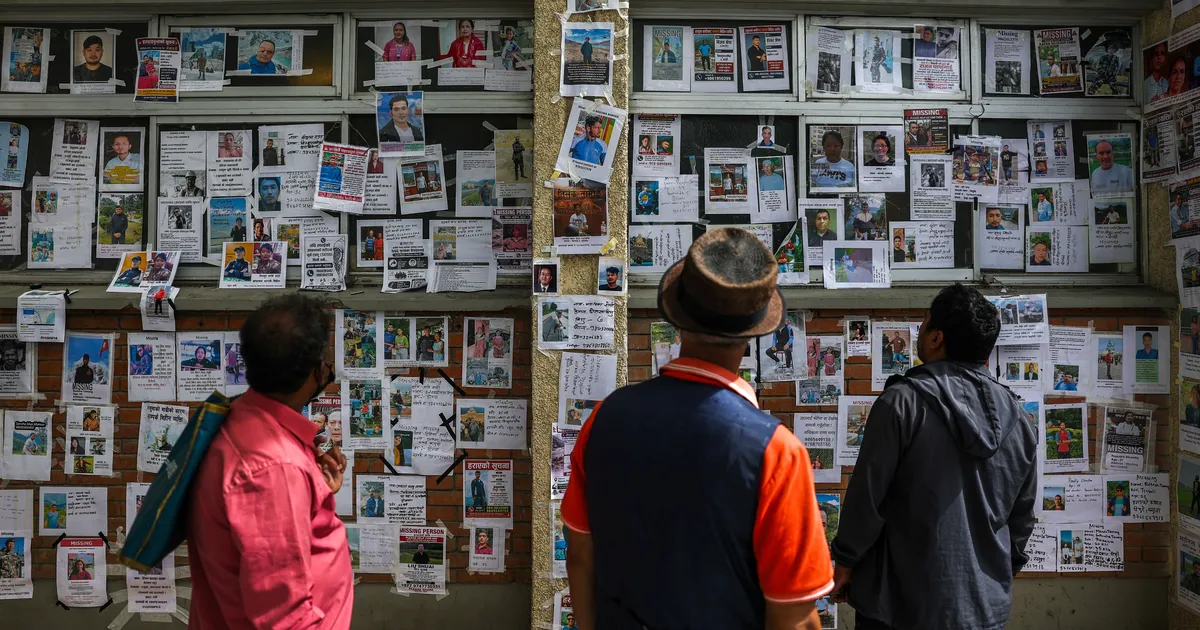

Russians are fleeing the country in fear of a new mobilization announced by the Kremlin, resulting in a sharp increase in the number of departures across the border to Georgia, where over 113,000 people have arrived in recent days. (translated)

More than 113,000 Russians have fled to Georgia in just one week in fear of a new wave of military mobilization, leading to a massive exodus and increased demand for housing in the region. (translated)





