Former astronomer from Cambridge, Martin Rees, emphasizes in his opinion that the Universe is dominated by mysterious dark matter, the study of which could shed new light on its structure and evolution. (translated)
The spectrograph Moons, a new instrument installed at the VLT telescope in Chile with Portuguese contribution, has made its first observation, being considered essential for understanding the formation and evolution of galaxies, including the Milky Way. (translated)

Nancy Grace Roman, born in 1925, stood out from her childhood as a pioneer in astronomy by founding an astronomy club and later becoming an executive at NASA, being recognized as the mother of the Hubble telescope, despite facing severe gender barriers in the academic field. (translated)

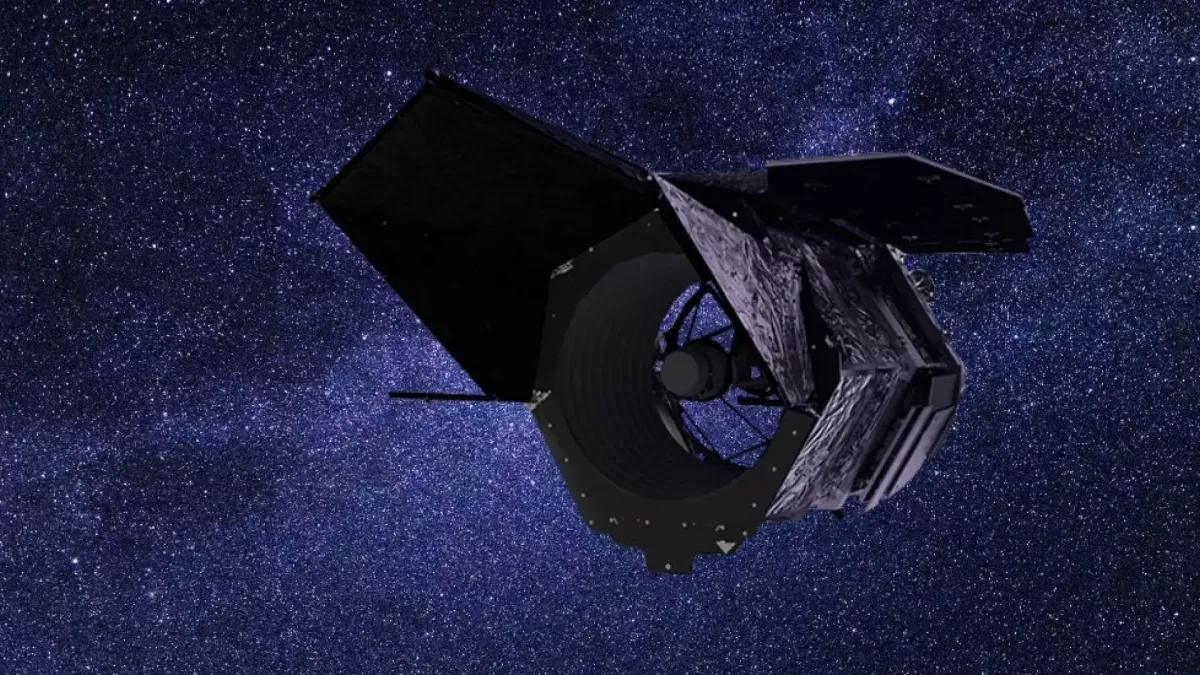
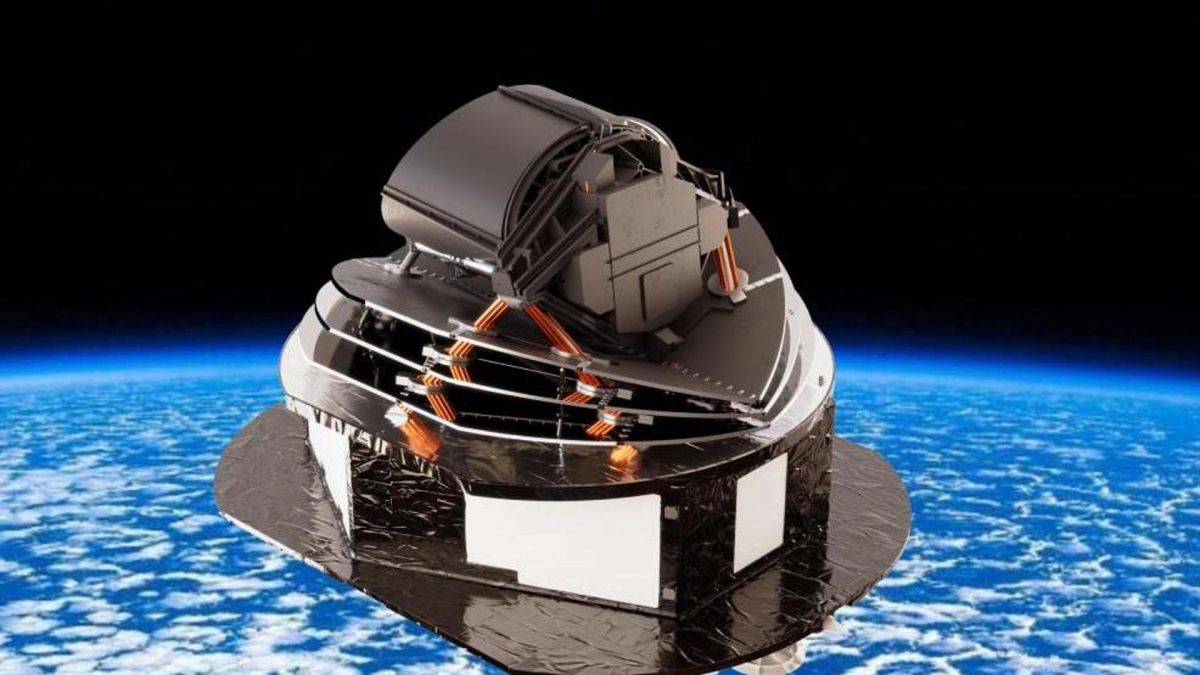
NASA has launched the Nancy Grace Roman Space Telescope, a $4.3 billion observatory that will study billions of galaxies and search for new planets from a point located 1.6 million kilometers from Earth. (translated)

Nancy Grace Roman, known as the mother of Hubble, was a pioneer in astronomy and became the first woman to hold an executive position at NASA, where she played a crucial role in the development of large space observatories such as the space telescope that bears her name. (translated)

The planetary system TOI-1752, located 337 light-years from Earth, harbors two planets with radically different characteristics: one, TOI-1752 b, is a lava world due to its proximity to the star, while the other, TOI-1752 c, is located in the optimistic habitable zone, where liquid water could exist under certain conditions. (translated)

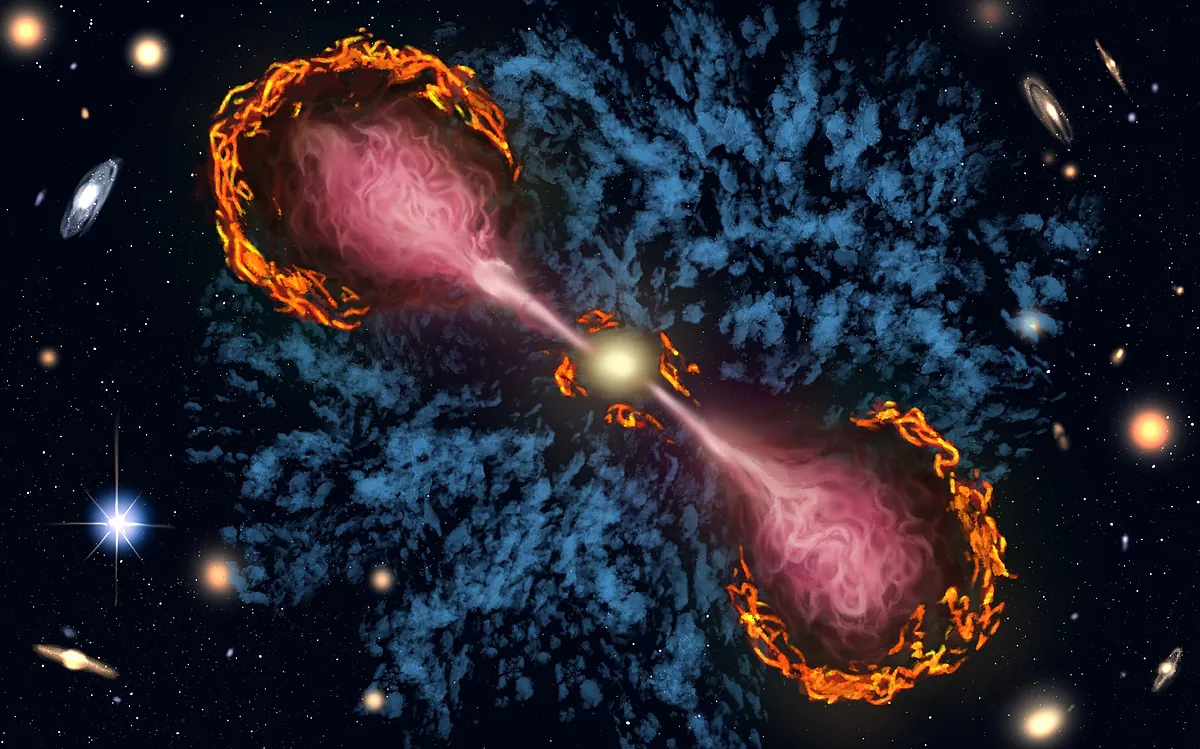
The most distant blazar ever observed, OP 313, at eight billion light-years from Earth, thanks to the Magic and Lst-1 telescopes, providing new information on extragalactic background radiation and the evolution of the universe. (translated)

The new NASA Roman Telescope, launched today, has a field of view one hundred times greater than the Hubble telescope and will be used to explore dark energy and dark matter, as well as search for new exoplanets. (translated)

The Nancy Grace Roman telescope, which will be launched by NASA with the aim of investigating exoplanets, dark matter, and mapping millions of galaxies, represents an important technological advance in astronomy and honors the legacy of its first director, Nancy Grace Roman. (translated)

The largest 2D map of the universe has been created, cataloging almost 4 billion celestial objects, providing a basis for the creation of a high-resolution 3D map and allowing astronomers to deepen their understanding of rare phenomena and mysteries such as dark matter and dark energy. (translated)

NASA is ready to launch this afternoon the Nancy Grace Roman space telescope, which has a field of view at least one hundred times greater than that of Hubble and will be sent to explore the universe from a position 1.5 million kilometers from Earth. (translated)

The Nancy Grace Roman Space Telescope is ready for launch, marking a new era of Universe research, and the first live transmission from the planned mission will begin in 60% favorable weather conditions, with a potential backup window on August 31. (translated)

Everything is ready for the launch of the Nancy Grace Roman Space Telescope, which is expected to lift off tomorrow to map the universe at an unprecedented speed, surpassing the capabilities of Hubble and James Webb. (translated)

A partial lunar eclipse was visible in the early hours of Friday in Portugal and in various parts of the world, with 96.3% of the Moon obscured by the Earth's shadow, presenting a reddish hue during the phenomenon. (translated)

At dawn, over 96% of the Moon was covered by the shadow of the Earth, turning red during the partial eclipse visible throughout Italy, with the peak occurring at 6:12. (translated)

The Earth has almost completely darkened the lunar disc during an impressive partial lunar eclipse visible from all over Spain, which took place in the early morning on Friday and adds to the recent total solar eclipse of August 12. (translated)

▶️ #Ahora | 🌕 #EclipseLunar2026 (Parcial) ¡𝗙𝗮𝘀𝗲 𝗺á𝘅𝗶𝗺𝗮 𝗱𝗲𝗹 𝗘𝗰𝗹𝗶𝗽𝘀𝗲 𝗟𝘂𝗻𝗮𝗿! 22:14 h [centro de México] Aproximadamente, el 96% del plano lunar visible es cubierto por la región principal de la sombra terrestre (umbra). Nuestro satélite natural adquiere una sutil tonalidad rojiza - ámbar. 📸 Así se aprecia desde San Pedro Benito Juárez, Puebla .: Diego Vázquez G. [https://t.co/cT7T5RlSX0] #SASSLA • #EclipseLunar2026 #EclipseLunar #Astronomía #Ciencia
como que ninguém tá ligando pra um eclipse lunar acontecendo diante dos nosso olhos? eu estou assim: https://t.co/zBHId6gVCb #EclipseLunar #Astronomia #Natureza
Time of the #partialmoon eclipse this NEXT MORNING ‼️ Start: approximately 4:30am MAXIMUM: around 6:10am End: approximately 7:40am In the eastern half of Spain, the #moon will set before the eclipse ends. More data and graphics at @IGNSpain (translated)