BETA nonprofit public democratic european moderated

Search

#AfterLife

La película de Resident Evil ahora apunta a superar los $80 millones de dólares en su estreno mundial. De conseguirlo, superaría a Afterlife y Retribution para convertirse en el mejor estreno de toda la franquicia. Además, sería uno de los mayores estrenos en la historia del cine de terror. Una auténtica locura, veremos qué tan lejos llegará hasta el final de su recorrido. #ResidentEvil #CineDeTerror #Estreno

E
EL MUNDO Aug 30

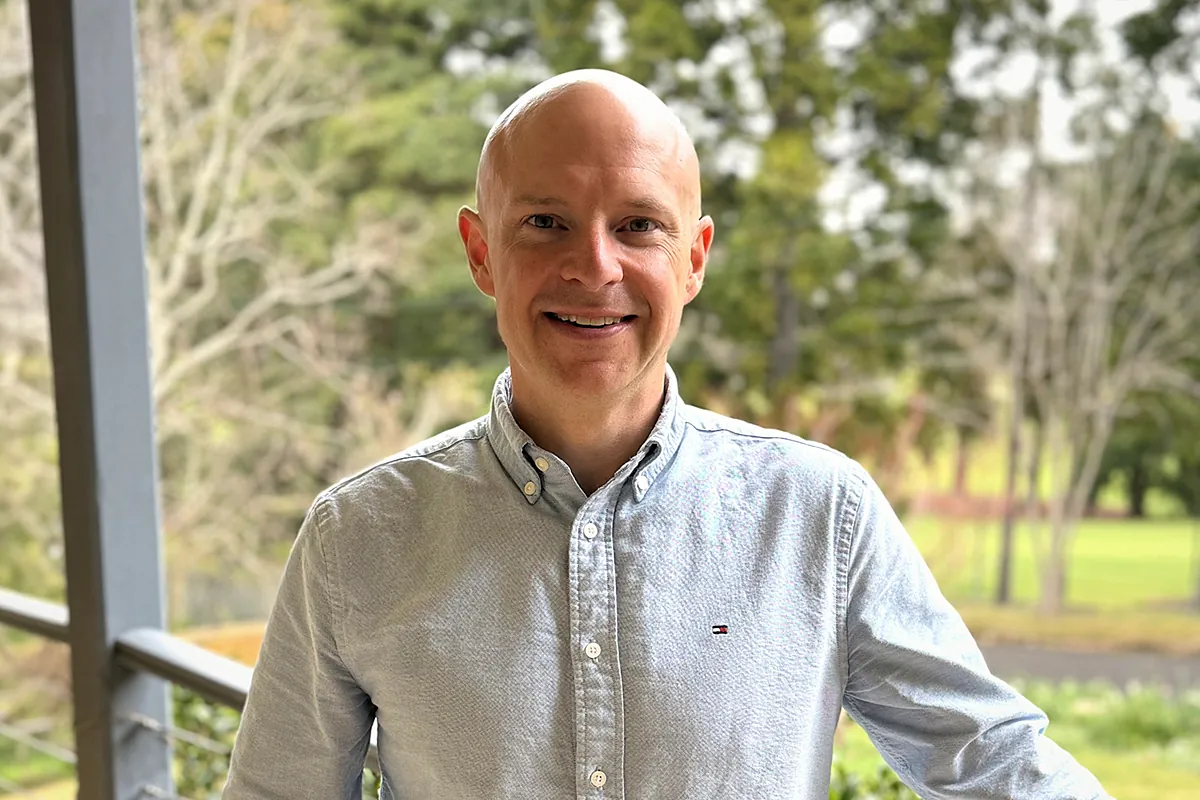
Chris Williams, CEO de Afterlife, afirma que en un plazo de cinco a ocho años será posible interactuar con el holograma de un ser querido fallecido, utilizando la inteligencia artificial para crear representaciones digitales que acompañen a los familiares después de la muerte. #InteligenciaArtificial #VidaDespuésDeLaMuerte #Hologramas

Chris Williams, CEO de Afterlife: "En cinco u ocho años podrás hablar con el holograma de un familiar fallecido en la mesa de Navidad"

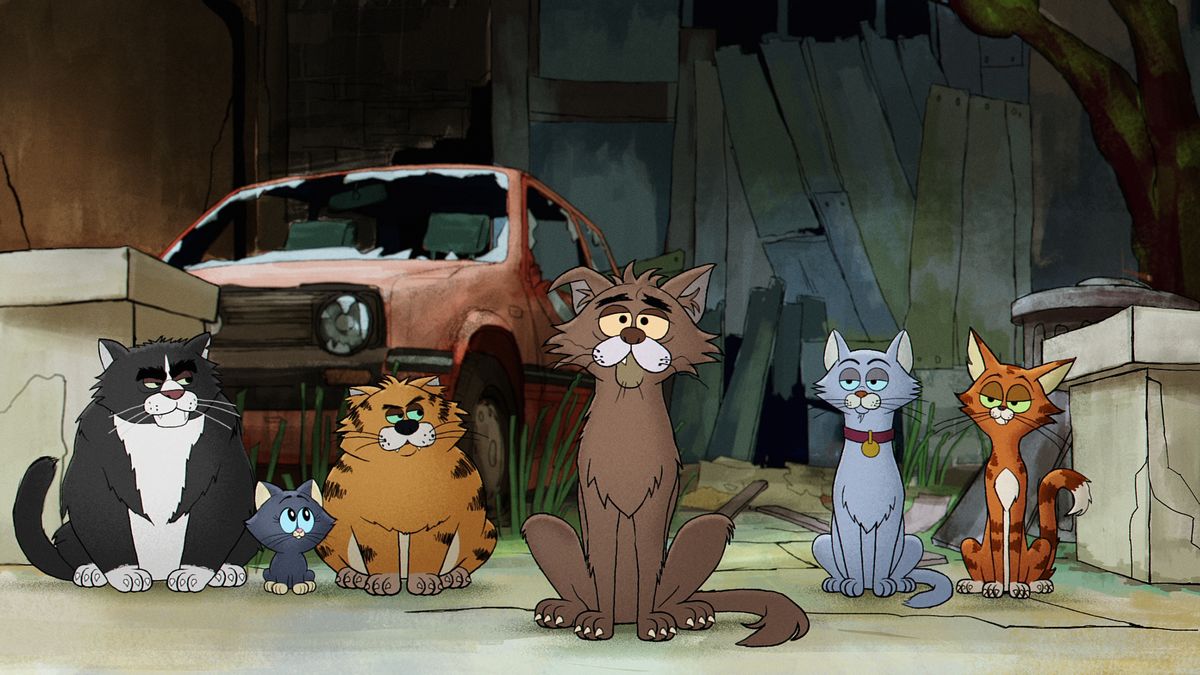
Ricky Gervais, britský komik a hvězda stand-up comedy, v novém animovaném seriálu „Toulavé kočky“ nabízí cynický pohled na britskou společnost skrze příběh smečky pouličních koček, což vyvolalo rozporuplné reakce kritiků, zatímco diváci na Netflixu démonstrují opakované úspěchy sledovanosti. #RickyGervais #AfterLife #AlleyCats

Když kočky mluví sprostě. A repliky píše Ricky Gervais, který „může všechno“
End Religion Aug 11

The Horizon of Reason: Finding Meaning in Atheism. Good day, everyone. When people hear the word "atheism," they often think of what it lacks. They focus on the prefixes and the definitions: a lack of belief in a deity. But to view atheism only as an absence is to miss the entire landscape of what it actually builds. Today, I want to talk about atheism not as a void, but as a vibrant, deeply responsible, and profoundly hopeful way of looking at our universe. At its core, atheism is a commitment to radical honesty. It is the decision to look at the vast, beautiful, and sometimes terrifying cosmos and say, "I do not know all the answers, and I will not invent stories to fill the gaps." Atheism relies on evidence, reason, and the scientific method. It is driven by the same curiosity that makes a child look through a microscope or a scientist peer through a telescope. It embraces uncertainty. In uncertainty, there is room for growth, discovery, and learning. When we accept that we do not have a cosmic blueprint, we become actively responsible for writing our own stories. A common misconception is that without a divine entity, there can be no morality. But atheism flips this dynamic. It suggests that kindness, empathy, and justice do not come from a fear of cosmic punishment or a desire for a heavenly reward. They come from us. We are kind to one another because we are social creatures who share this planet. We care for the sick because we know what pain feels like. We fight for justice because we want to live in a fair world. Our morality is human-centered. It is born from the profound realization that this life is all we have, and therefore, how we treat each other right now matters more than anything else. To an atheist, this life is not a dress rehearsal for an afterlife. It is the main event. This realization does not make life meaningless; it makes life infinitely more precious. Think about a rare gem. It is beautiful precisely because it is scarce. In the same way, a single human life—spanning just a few decades on a tiny blue planet—is a rare, breathtaking miracle of biology and physics. Because we believe this is our only chance, the time we spend with our families, the art we create, and the love we give become urgently important. We cannot afford to waste a single day. Atheism is not about tearing down anyone else's faith. It is about building up human potential. It is the belief that humanity is strong enough, smart enough, and kind enough to navigate the dark corners of the universe together, guided by reason and compassion. We are the authors of our purpose, the journey, life itself. We are the guardians of this planet. And we are the keepers of one another. Thank you.

Another instance of what I call "disbelief about belief": the religious belief in martyrdom and rewards in the afterlife is so alien and bizarre to secular Westerners that many assume the "human shields" strategy (as used by Hamas) must be a myth, a lie, or an invention. https://t.co/je6sDU3kCI #Martyrdom #HumanShields #Secularism

Tunite Music Jul 6

Joseph Haydn is rightfully remembered as a titan of Western classical music. The “Father of the Symphony” and the “Father of the String Quartet” spent his long life building the structural foundations of the Classical era, mentoring a young Wolfgang Amadeus Mozart, and teaching a tempestuous Ludwig van Beethoven. When he passed away in Vienna in 1809 at the age of 77, the musical world wept. Yet, while his musical legacy remained perfectly intact, his physical body was about to endure one of the most grotesque and surreal misadventures in music history. Haydn’s death coincided with the Napoleonic occupation of Vienna. Because of the wartime chaos, the celebrated composer was hastily buried in a simple, unglamorous grave at the Hundsturm cemetery. A proper, grand burial would have to wait. But just days after his funeral, under the cover of darkness, two men bribed the local gravedigger, exhumed the composer’s fresh corpse, and cleanly severed his head. They stuffed the skull into a sack and vanished into the night, leaving a headless icon behind. https://tunitemusic.com/post/the-composer-with-two-heads-the-bizarre-macabre-afterlife-of-joseph-haydn/

The Composer with Two Heads: The Bizarre Macabre Afterlife of Joseph Haydn - Tunitemusic

Archaeologists in Egypt have discovered a 2,000-year-old mummy containing a fragment of Homer's Iliad, suggesting that Greek literature played a functional and spiritual role in Roman-era funerary practices, offering individuals a potentially more comfortable afterlife. #AncientEgypt #GreekLiterature #Archaeology #EG #GR #ES #US

Arqueólogos hallan un fragmento de la 'Ilíada' enterrado con una momia egipcia

Archaeologists in Egypt have uncovered a 2,000-year-old mummy containing a fragment of the Iliad wrapped in clay, suggesting that Greek literature played a significant role in Roman-era Egyptian burial practices, potentially providing a more comfortable afterlife through its integration with traditional Egyptian rituals. #AncientEgypt #GreekLiterature #Archaeology #EG #GR

Arqueólogos hallan un fragmento de la 'Ilíada' enterrado con una momia egipcia

Archaeologists in Egypt have uncovered a 2,000-year-old mummy containing a fragment of the Iliad, suggesting that Greek literature, particularly Homer’s epic, played a significant role in the Roman-era Egyptian funeral practices, potentially offering the deceased a more comfortable afterlife akin to a magical charm. #AncientEgypt #GreekLiterature #Archaeology #EG #GR #ES #DE #US

Arqueólogos hallan un fragmento de la 'Ilíada' enterrado con una momia egipcia

Archaeologists in Egypt have discovered a 2,000-year-old mummy containing a fragment of the Iliad, suggesting that Greek literature played a functional and spiritual role in Roman-era Egyptian funerary practices, as the text may have served as a cultural passport for a more comfortable afterlife. #AncientEgypt #GreekLiterature #Archaeology #EG #GR

Arqueólogos hallan un fragmento de la 'Ilíada' enterrado con una momia egipcia

Archaeologists in Egypt have discovered a 2,000-year-old mummy containing a fragment of Homer's Iliad, indicating that Greek literature played a functional and spiritual role in Roman-era funerary practices, potentially providing a comfortable afterlife for the deceased. #AncientEgypt #GreekLiterature #Archaeology #EG #GR

Arqueólogos hallan un fragmento de la 'Ilíada' enterrado con una momia egipcia

Archaeologists in Egypt have uncovered a 2,000-year-old mummy containing a fragment of Homer's Iliad, suggesting that Greek literature may have played a significant role in Roman-era funerary practices as a means to ensure a more comfortable afterlife, combining elements of Egyptian mummification and Greek epic tradition. #AncientEgypt #GreekLiterature #Archaeology #EG #GR #ES #DE #PT

Arqueólogos hallan un fragmento de la 'Ilíada' enterrado con una momia egipcia

Archaeologists in Egypt have uncovered a 2,000-year-old mummy containing a fragment of Homer's Iliad, suggesting that Greek literature may have played a significant role in Roman-era funerary practices as a means to ensure a more comfortable afterlife, combining elements of Egyptian mummification and Greek epic tradition. #AncientEgypt #GreekLiterature #Archaeology #EG #GR #ES #DE #PT

Bücher-Podcast: So werden junge Männer zu Terroristen

Archaeologists in Egypt have discovered a 2,000-year-old mummy containing a fragment of Homer’s "Iliad," suggesting that Greek literature played a significant role in Roman-era Egyptian burial practices, potentially serving as a spiritual guide for navigating the afterlife alongside traditional magic spells. #AncientEgypt #GreekLiterature #Archaeology #EG #GR

Arqueólogos hallan un fragmento de la 'Ilíada' enterrado con una momia egipcia

Archaeologists in Egypt have uncovered a 2,000-year-old mummy with a fragment of Homer's Iliad, suggesting that, during the Roman period, Greek literature played a significant role in the funerary practices of Egyptians, potentially serving as a spiritual guide for the afterlife alongside traditional rituals. #AncientEgypt #GreekLiterature #Archaeology #EG #GR

Arqueólogos hallan un fragmento de la 'Ilíada' enterrado con una momia egipcia

Archaeologists in Egypt have discovered a 2,000-year-old mummy with a fragment of Homer's Iliad, indicating that for Romans in Egypt, classical Greek literature functioned not just as art but also as a spiritual tool in the mummification process, suggesting that it played a significant role in navigating the afterlife. #AncientEgypt #RomanHistory #GreekLiterature #EG #GR

Arqueólogos hallan un fragmento de la 'Ilíada' enterrado con una momia egipcia

Archaeologists in Egypt have discovered a 2,000-year-old mummy containing a fragment of the Iliad, suggesting that Greek literature may have played a significant role in the funerary practices and spiritual beliefs of Romans in Egypt, offering a culturally significant pathway to the afterlife. #AncientEgypt #GreekLiterature #Archaeology #EG #GR #US

Arqueólogos hallan un fragmento de la 'Ilíada' enterrado con una momia egipcia