BETA nonprofit public democratic european moderated

Search

#Arqueología

Unique statues of the Roman Emperor Hadrian and his wife Sabina have been found in the ancient city of Kibyra, thanks to excavations that have allowed for the recovery and reconstruction of fragments of marble from these monumentally historical sculptures. (translated)

Encuentran estatuas únicas del emperador Adriano y su esposa Sabina en la antigua ciudad de Kibyra

A gardener in Rebild, Denmark, discovered the largest Viking silver treasure in the country, consisting of approximately 700 objects and weighing 18.5 kilograms. (translated)

Un jardinero encuentra el mayor tesoro de plata vikingo de Dinamarca

A museum worth four million euros, created to protect the Bronze Age Treasure of Villena, was raided by an organized gang that evaded a sophisticated security system and blew up a safe to steal the pieces. (translated)

Una cámara acorazada y dos únicas llaves: el museo de cuatro millones de euros que acabó desvalijado

The article details the theft of the Villena Treasure, a valuable set of gold objects and other metals from the Bronze Age, which represents an important archaeological find in the Iberian Peninsula, leaving the community perplexed about the motivations behind the crime and the security of Spanish cultural heritage. (translated)

El oro de Villena: la tecnología punta de la Edad del Bronce robada

Professor Gabriel García Atiénzar warns that the theft of the Villena Treasure, which includes eleven bowls and 28 gold bracelets, causes irreparable damage to identity and historical heritage. (translated)

Un catedrático de la Universidad de Alicante que investigó del Tesoro de Villena advierte tras el robo: "El daño es irreparable"

The Treasure of Villena, recently stolen from the Archaeological Museum of Villena, is a collection of 59 pieces made of gold, silver, iron, and amber, dated around 1000 BC, and is considered one of the most valuable treasures of the Bronze Age in Europe. (translated)

Qué contenía el Tesoro, uno de los más valiosos de la Edad de Bronce en Europa

Les informo que amanecí con gripa muy fuerte, tos y fiebre; no es nada grave, pero los médicos me han recomendado reposo, por lo que la conferencia de hoy estará coordinada por la secretaria de Gobernación, Rosa Icela Rodríguez Velázquez, y el director general del INAH, Joel Omar Vázquez Herrera. No se la pierdan, hablarán sobre descubrimientos arqueológicos. Estoy segura que mañana retomaré mis actividades. Abrazo cariñoso a la distancia. #salud #conferencia #arqueología

A recent study has revealed that ten rings from the Minoan and Mycenaean elites of ancient Greece may have been made with iron from meteorites, an exceptional material that reflects their prestige, based on the chemical analysis of 91 objects dated between 3,000 and 4,000 years old. (translated)

Los anillos de las élites de la antigua Grecia pudieron esconder un material inesperado: hierro de meteoritos

An archaeological discovery of an intact tomb near the mausoleum of the first emperor of China has revived the debate about the truth of ancient legends related to his history, presenting dimensions and riches that could align with historical chronicles, although the occupant has yet to be identified and its connection to these accounts fully confirmed. (translated)

¿La leyenda decía la verdad? Una enorme tumba descubierta junto al primer emperador de China reabre el debate
E

The remains of the Kings of Aragon have been removed from the monastery of San Juan de la Peña due to a fire in Huesca, being relocated to the Archaeological Museum of the city, where they will remain in reserve until the situation is under control, highlighting their unique value as European heritage from the 10th and 11th centuries. (translated)

Los restos de los Reyes de Aragón, desalojados por un incendio: "No hay un solo reino de Europa que tenga los restos de su Familia Real de los siglos X y XI"

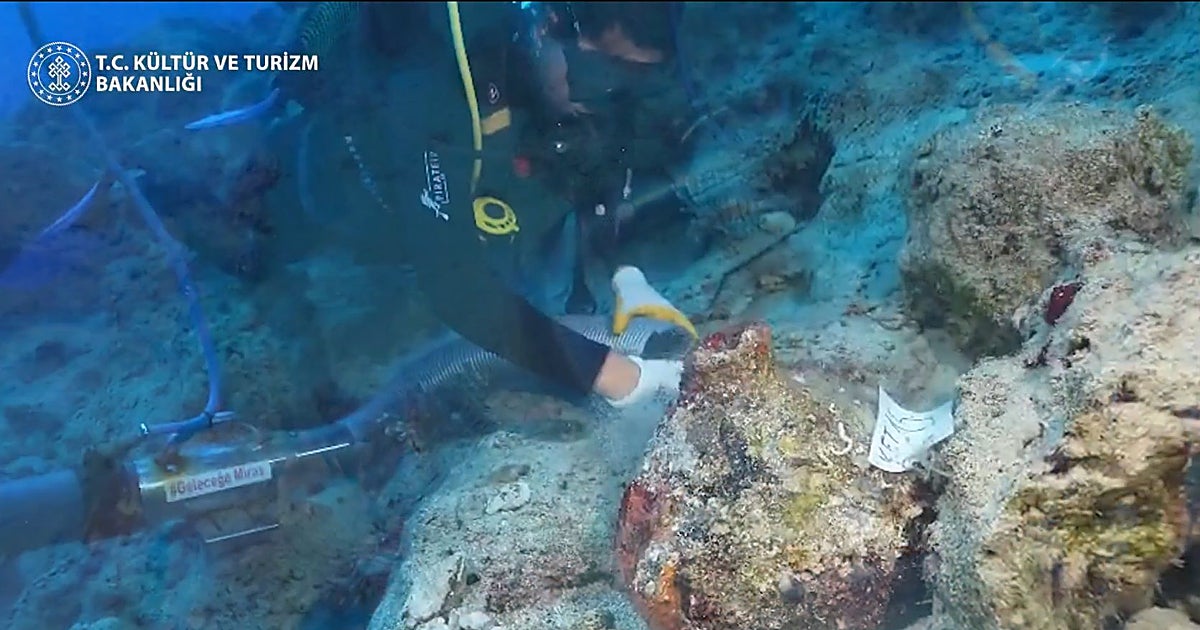
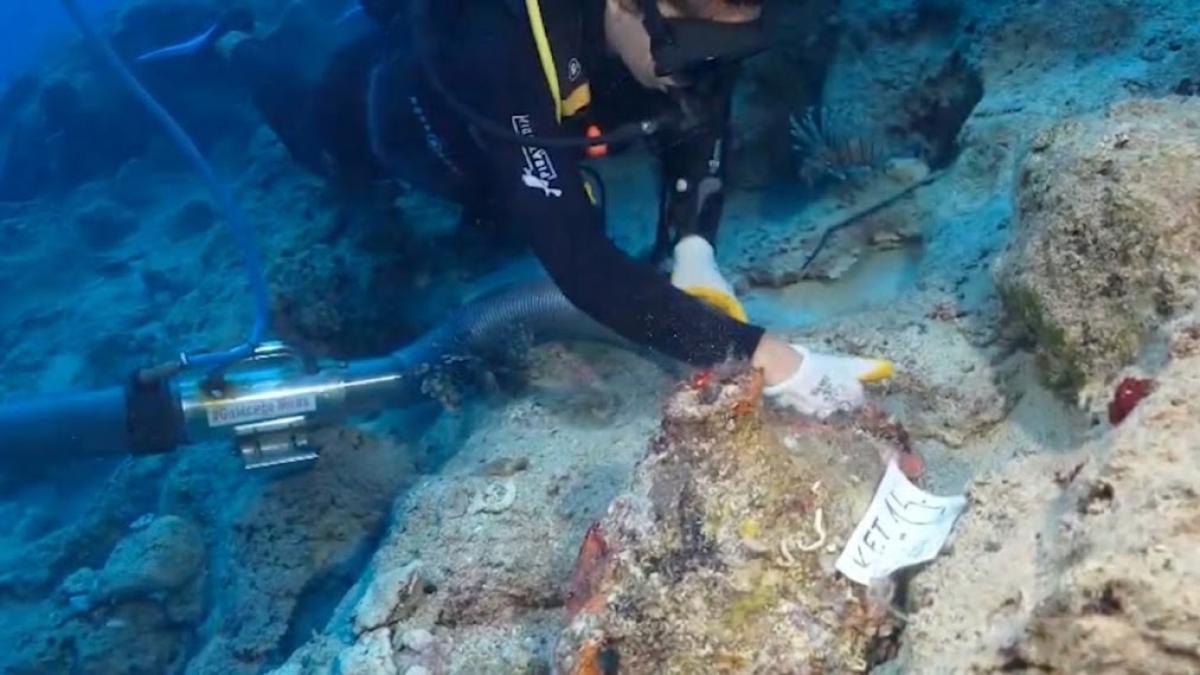
A Roman ship over 2,000 years old has been discovered in Sicily, loaded with hundreds of amphorae and considered one of the most important underwater archaeological finds in recent years, found at a depth of 46 meters near Mazara del Vallo. (translated)

Descubren en Sicilia un barco romano de hace más de 2.000 años cargado con cientos de ánforas

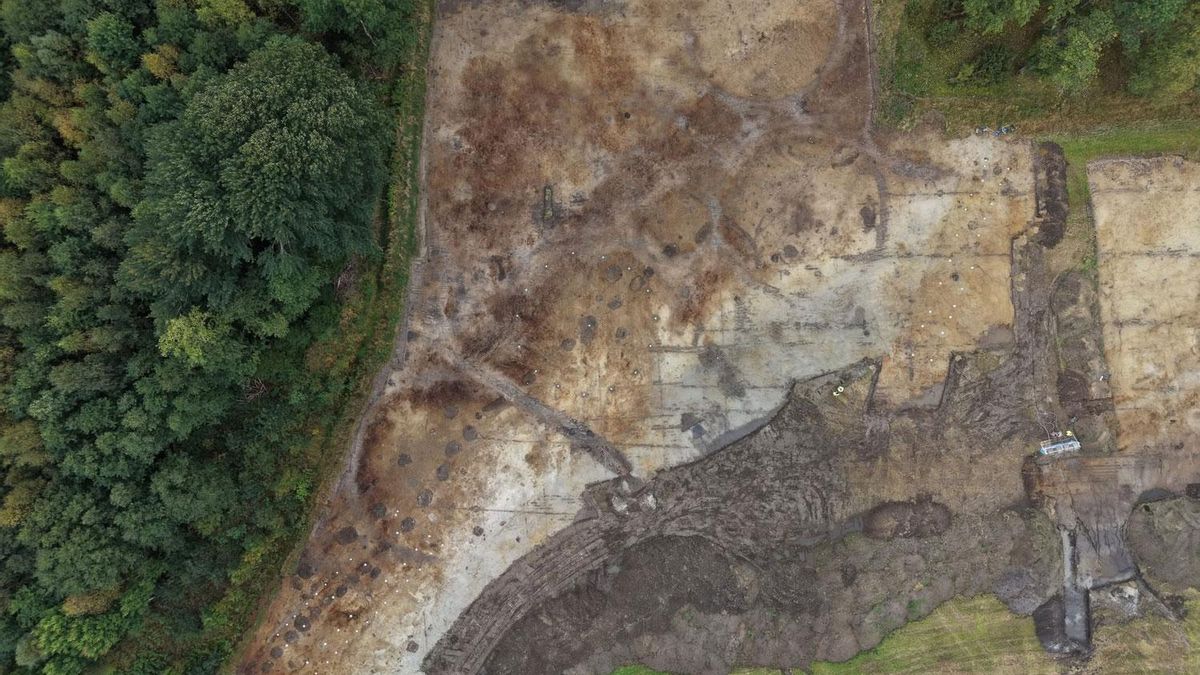
An archaeological discovery in the Alps has revealed a hidden Roman camp that, along with new findings from a battlefield dating back 2,000 years, provides crucial information about an ancient Roman conquest and the dynamics of the confrontation between Roman troops and local defenders. (translated)

Un campamento romano escondido en los Alpes durante dos milenios cambia la historia de una antigua conquista

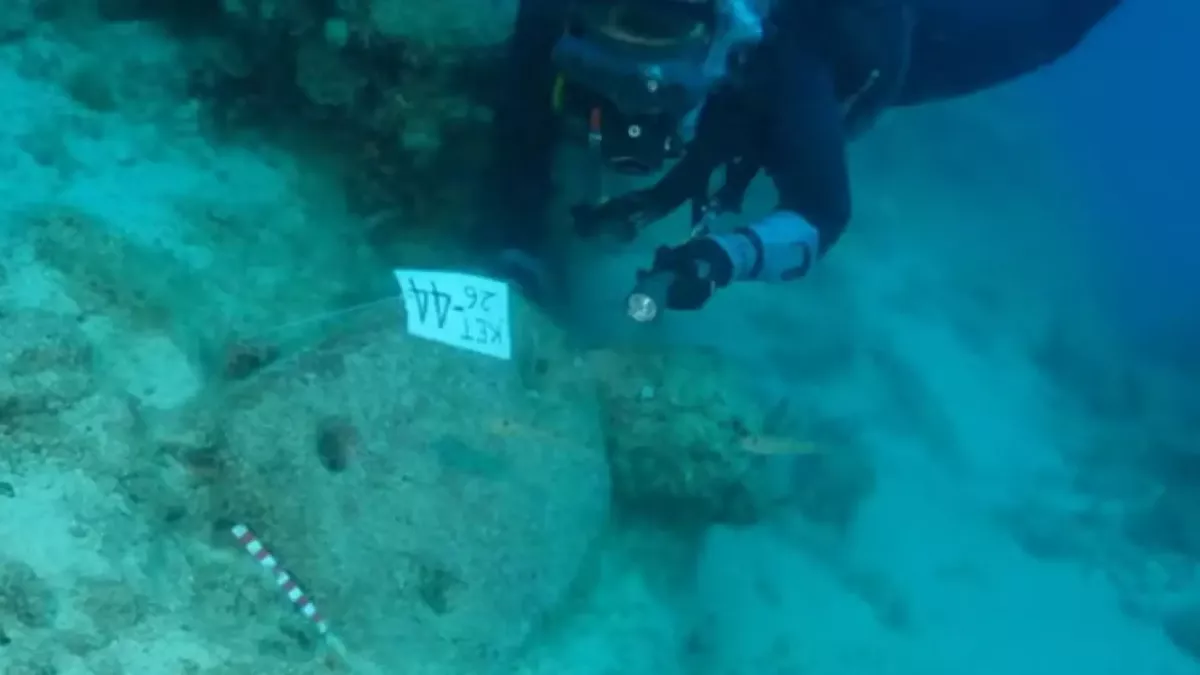
In the Aegean Sea, off the island of Andros, archaeologists have discovered an ancient merchant shipwreck loaded with between 600 and 650 commercial amphorae, providing important insights into the complex trade networks of the classical era in the region. (translated)

Descubren en el mar Egeo un antiguo pecio con un impresionante conjunto de ánforas comerciales

A team of archaeologists from the University of Tübingen has discovered in the Hohle Fels cave, a UNESCO World Heritage site, two bird figurines carved from mammoth ivory 40,000 years ago, which stand out for their realism and complexity, offering new perspectives on the artistic ability of early Homo sapiens in Europe. (translated)

Hechas de marfil y talladas hace 40.000 años: las peculiares figurillas de pájaros que han encontrado los arqueólogos
eldiario.es Jul 30

An archaeological study in the medieval cemetery of Bokšto in Vilnius reveals that, before the official conversion to Christianity in 1387, the city already housed a multicultural Christian community made up of Orthodox immigrants and locals, providing new information about the diet, mobility, and social adaptations of its inhabitants. (translated)

Un cementerio medieval revela que la última gran ciudad pagana de Europa reunió a personas de distintas culturas
20 minutos Jul 27

Se han descubierto en la cueva de Cova Dones en Millares (Valencia) aproximadamente 120 inscripciones latinas del Imperio Romano, que revelan la participación activa de las mujeres en el culto de una diosa desconocida y podrían convertirla en el santuario con más inscripciones de este tipo en Hispania y el Imperio Romano. #CovaDones #InscripcionesLatinas #ArqueologíaRomana

Descubren en una cueva de Valencia 120 inscripciones latinas pertenecientes a la época del Imperio Romano
eldiario.es Jul 24

El hallazgo de un complejo residencial en Tell el-Ku‘a, Egipto, del periodo hicso, revela un asentamiento multifuncional que integra viviendas, instalaciones de producción y sepulturas, lo que reabre el debate sobre la historia de la esclavitud hebrea y sugiere un contexto de intercambios económicos y diversidad cultural entre grupos de Canaán y Egipto. #Arqueología #Egipto #Historia

¿Qué revela el complejo residencial hallado en Egipto? El hallazgo reabre el debate sobre el relato de la esclavitud de los hebreos
eldiario.es Jul 23

El ADN ha revelado que el supuesto chamán de Stonehenge, tradicionalmente identificado como un hombre, era en realidad una mujer orfebre de la Edad del Bronce, desafiando décadas de teorías arqueológicas y ofreciendo una nueva perspectiva sobre su papel y estatus social. #ADN #Arqueología #Stonehenge

El ADN desmonta décadas de teorías: el supuesto chamán de Stonehenge era una mujer orfebre de la Edad del Bronce
Observador Jul 21

Arqueólogos iniciaram uma escavação no sul de Taiwan com o objetivo de recuperar restos mortais de soldados japoneses da Segunda Guerra Mundial, associados a um naufrágio de 1944 que resultou na morte de mais de 4.700 pessoas, enquanto a ilha continua a ser um local de interesse devido ao número significativo de soldados desaparecidos durante o conflito. #IIGuerraMundial #Taiwan #Arqueologia

Escavação procura restos mortais de soldados japoneses
eldiario.es Jul 18

Un equipo de arqueólogos ha descubierto en Atapuerca un túmulo funerario calcolítico de hace 4.500 años que contiene restos de varios niños, lo que podría aclarar el origen de la relacionada necrópolis infantil hallada en la cercana Galería del Sílex. #Atapuerca #necrópolisinfantil #arqueología

Descubren un túmulo funerario calcolítico de hace 4.500 años en Atapuerca con restos de varios niños