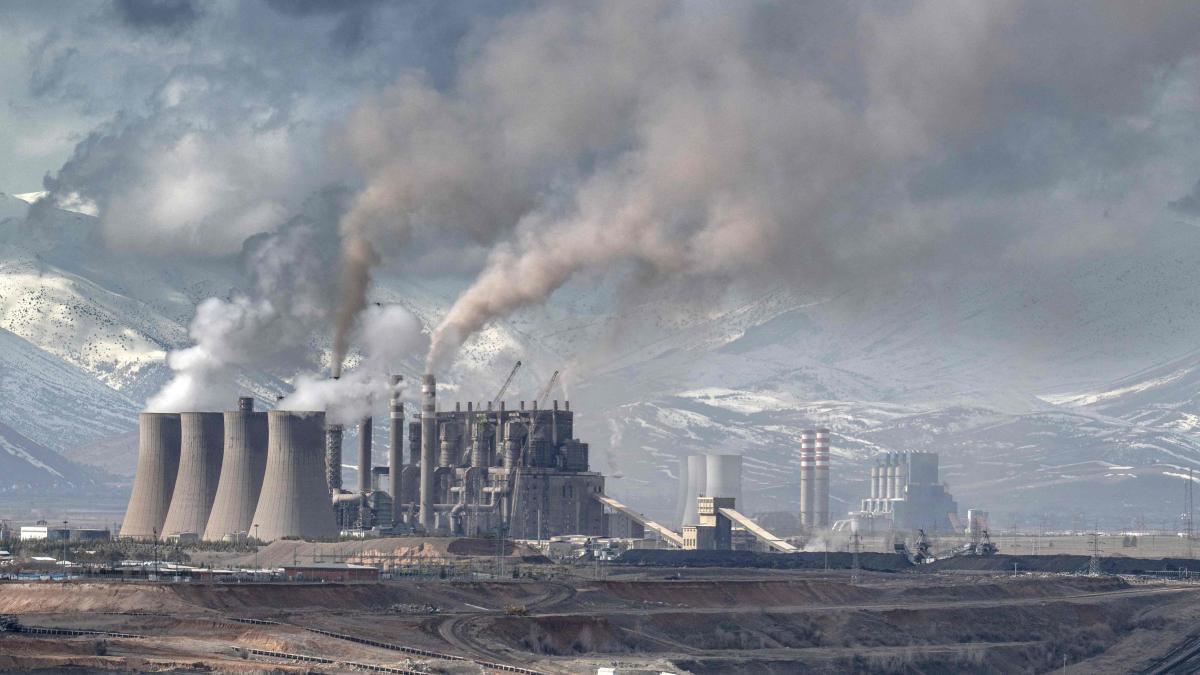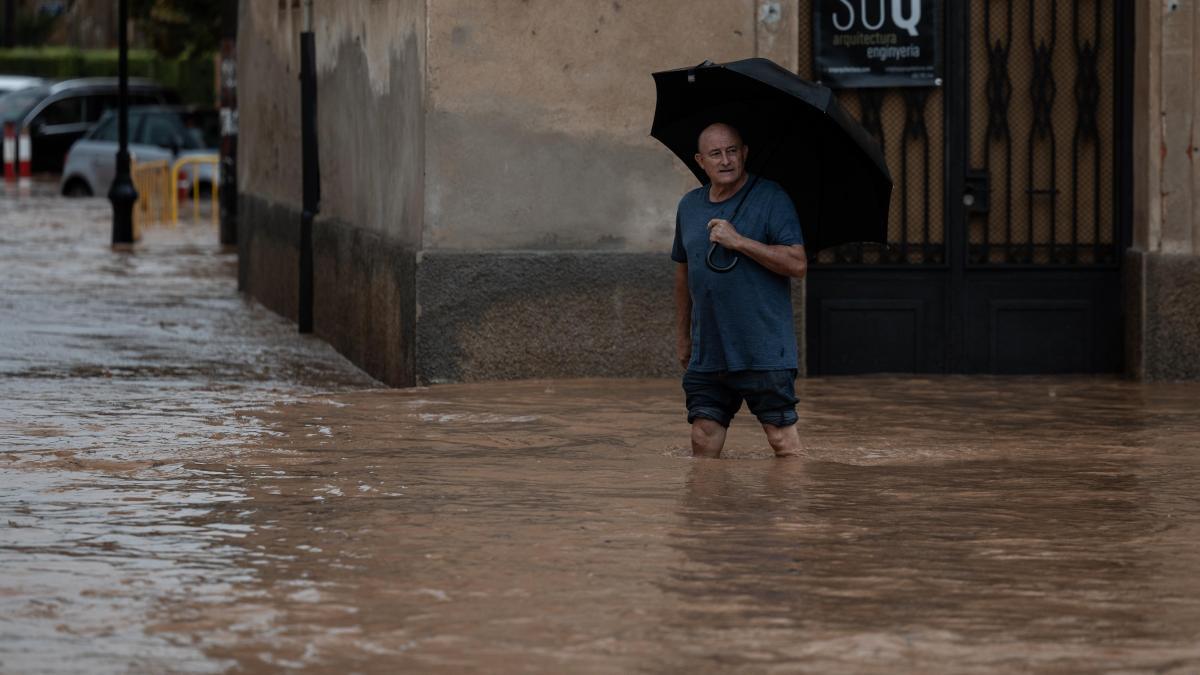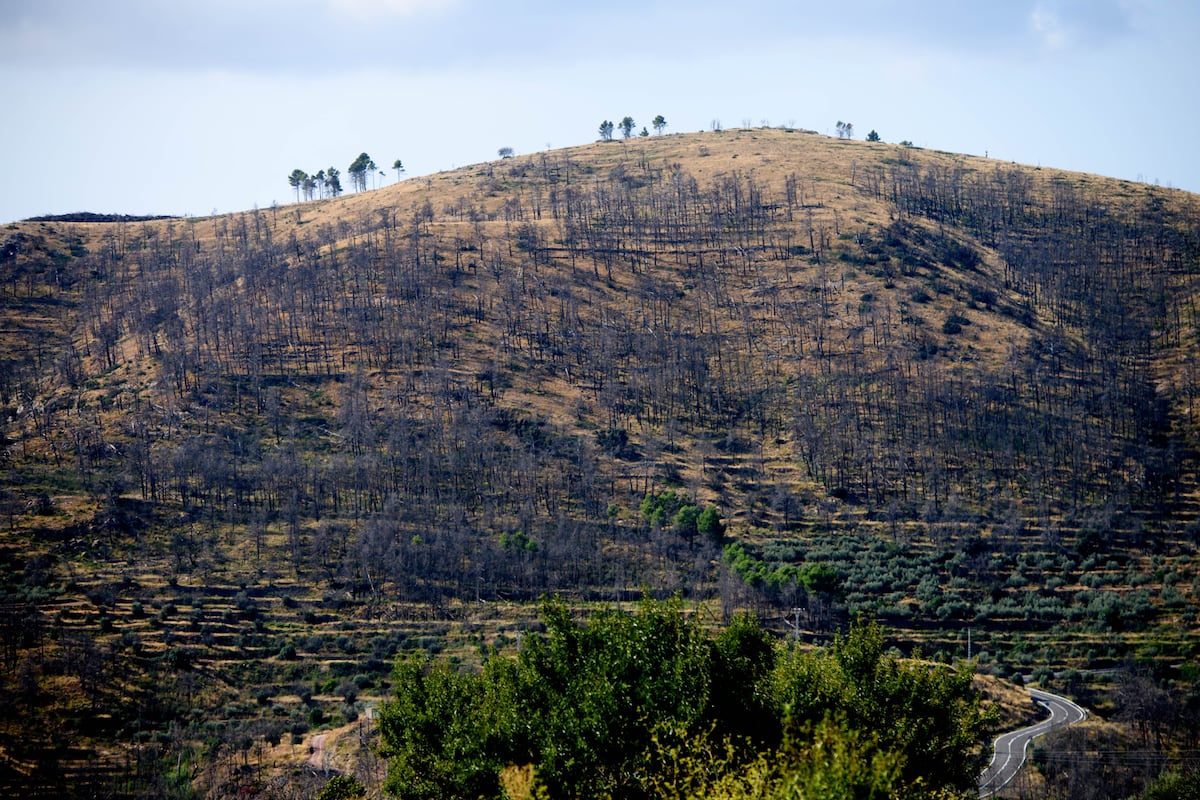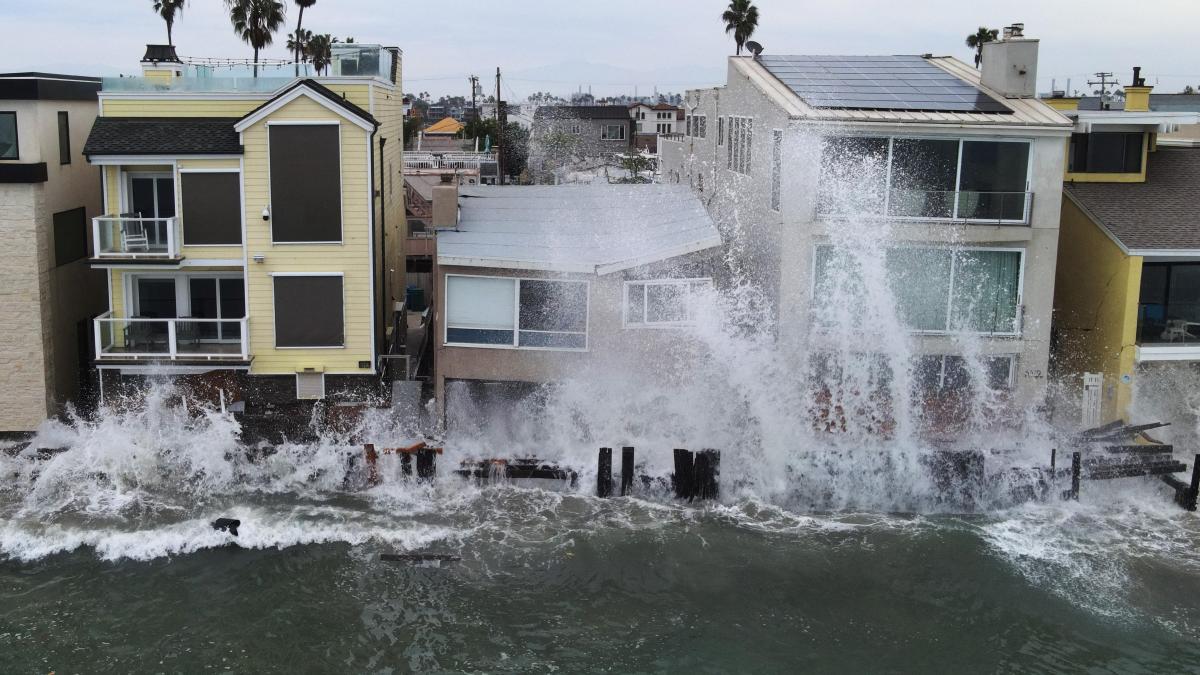
In 2026, Spain experiences the highest temperatures in its history, with a summer considered the warmest since 1961, indicating an acceleration of global warming. (translated)

In 2026, Spain experiences the highest temperatures in its history, with a summer considered the warmest since 1961, indicating an acceleration of global warming. (translated)

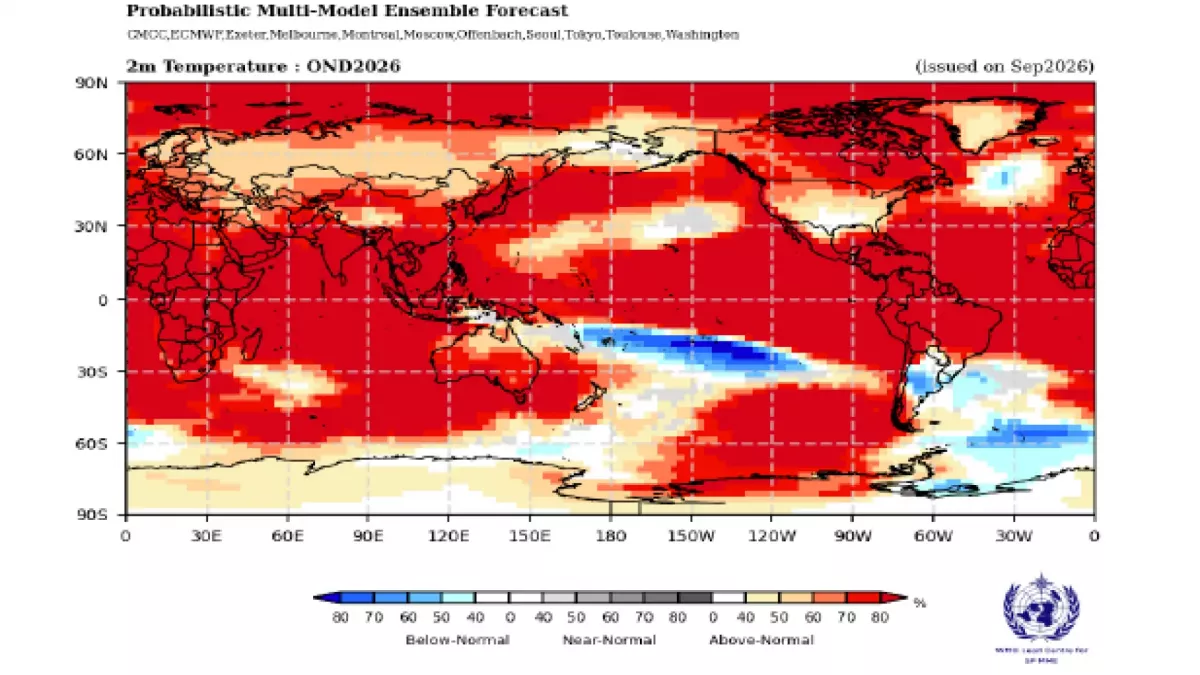
The World Meteorological Organization warns that El Niño will intensify and persist until February 2027, which could lead to higher temperatures and an increased risk of natural disasters worldwide. (translated)

The UN warns that global temperatures will soon exceed the safety limit of 1.5 degrees above pre-industrial levels unless urgent measures are taken to reduce greenhouse gas emissions. (translated)

Human-caused global warming is intensifying the El Niño phenomenon, which could reach unprecedented levels in 2026, generating a global climate impact that includes droughts and torrential rains in various regions of the world. (translated)

The average sea surface temperature has reached a record 21.1 degrees Celsius, driven by the El Niño phenomenon and the ongoing warming of the oceans, representing a significant increase in stress on marine ecosystems and coastal communities. (translated)

The heatwaves this summer have caused at least 35,000 additional deaths in Europe, highlighting alarming figures in countries like Germany, France, and Spain, where the highest heat-related mortality rates have been recorded since records began. (translated)

A study highlights that bluefin tuna larvae in the Mediterranean are highly vulnerable to marine heatwaves, as current temperatures in the waters of the Balearic Islands are approaching their upper survival limit, which could threaten their future due to ocean warming and extreme events. (translated)

This summer, Europe is facing extreme heat waves, devastating wildfires, and historic droughts, which scientists attribute to accelerated global warming, with projections of agricultural losses and a lasting impact on the environment. (translated)

Galicia has recorded the warmest July since records began, with an average temperature of 22.5 degrees and a maximum of 29 degrees, which represents a significant increase compared to the usual figures and an intensified drought. (translated)

A study indicates that sea breezes in Andalusia have decreased in intensity by 21% over the last four decades due to global warming, which worsens extreme heat episodes in this vulnerable region. (translated)

A meteorologist warns about the potential risk of medicanes forming this autumn in the Mediterranean due to the anomalous warming of the sea, which could favor adverse weather events. (translated)

El calentamiento global y la disminución del albedo en la Tierra están provocando temperaturas récord, olas de calor mortales y un incremento en la intensidad de fenómenos climáticos extremos, como el supertifón Bavi, lo que indica que el año actual podría ser el más caluroso jamás registrado. #CalentamientoGlobal #CambioClimático #Albedo

El artículo describe cómo, hace 201 millones de años, Europa sufrió una devastadora extinción masiva al convertirse en una sabana en llamas debido al intenso vulcanismo y calentamiento global, lo que provocó incendios forestales que arrasaron vastas áreas y llevaron a la desaparición del 76% de las especies que habitaban el planeta. #Triásico #calentamientoGlobal #incendiosForestales

Eurostar plánuje zakoupit vlaky schopné vydržet teploty až 55ºC v reakci na intenzivní vlny horka, které sužují Evropu, a s cílem přizpůsobit se stále častějším extrémním klimatickým podmínkám. #Eurostar #OlaDeCalor #CalentamientoGlobal