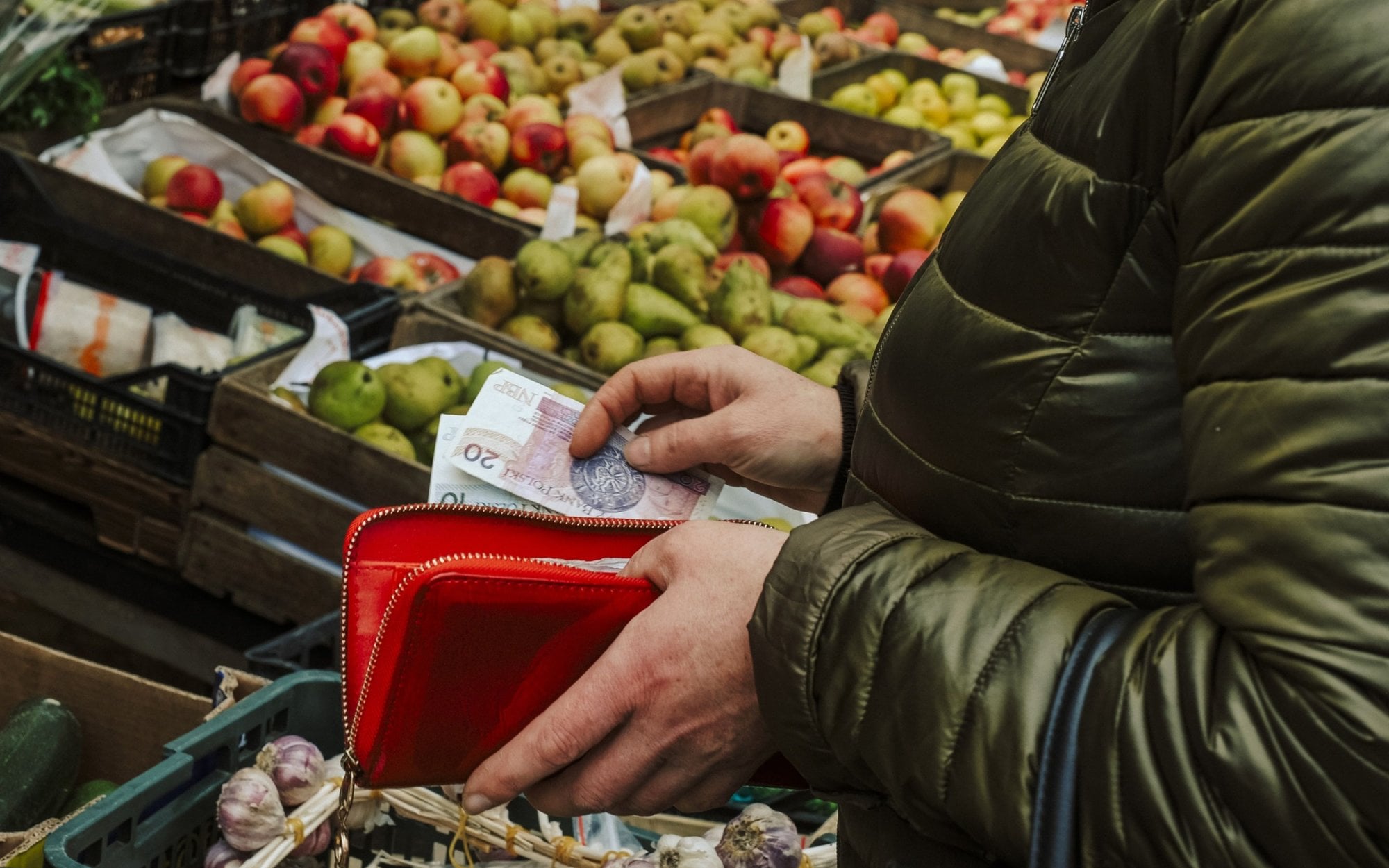
Prices in stores in Poland have almost stopped rising, but experts warn that there may be an increase in the autumn due to the end of promotions and rising energy costs. (translated)
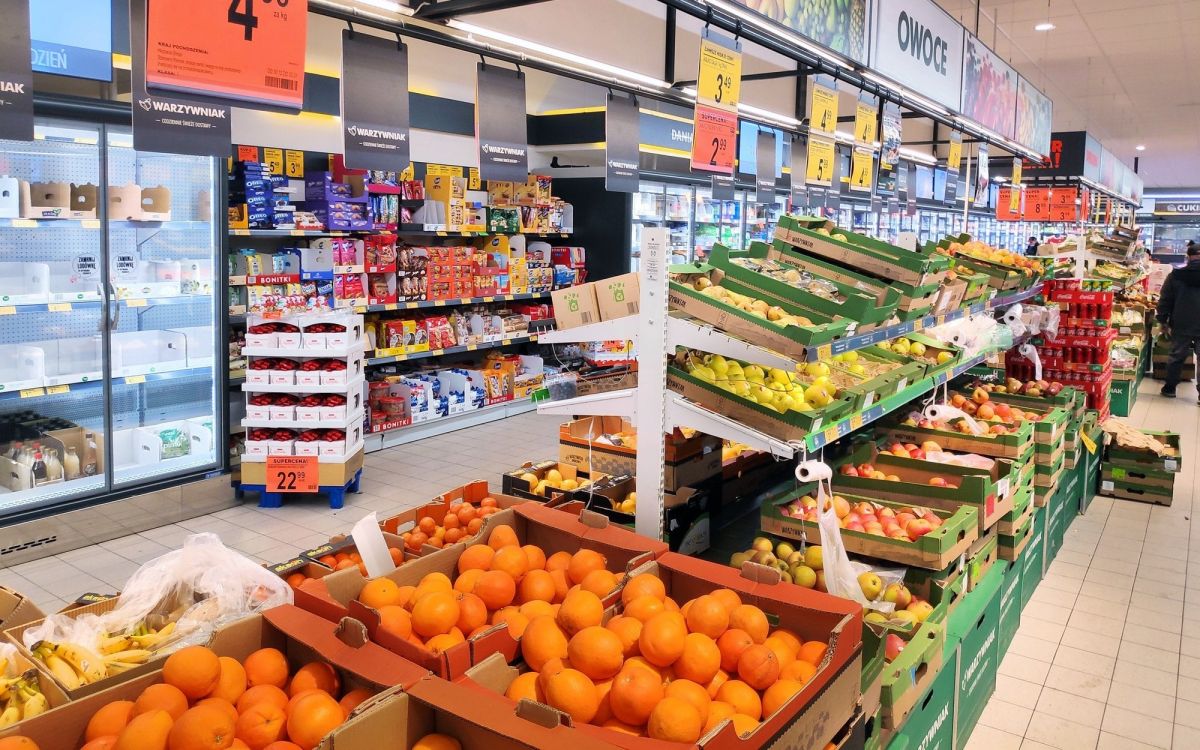
Prices in stores in Poland have almost stopped rising, but experts warn that there may be an increase in the autumn due to the end of promotions and rising energy costs. (translated)

Five heat waves and a catastrophic drought have brutally verified the plans of European farmers. In just a few days, the prices of potatoes for processing jumped from 43 PLN to 650 PLN (150 euros) per ton. Instead of recovering from last year's oversupply, the European market is facing a historic record: (translated)
An expert predicts that due to weather changes and global tensions in the grain market, the prices of not only coffee but also many other food products, such as sugar and cocoa, may soon rise significantly. (translated)
Food prices are expected to rise by 11.8% in 2026, and then by 4.8% in 2027, mainly due to armed conflicts and adverse weather conditions, which will significantly impact the cultivation of cereals, fruits, and vegetables, as well as the prices of processed products. (translated)

Economists warn that despite the current deflation in the food market in Poland, where prices are on average 0.8% lower than a year ago, food price increases next year could reach as much as 7%, heralding the end of low food prices. (translated)

Food prices are rising again on global markets. In July, the FAO food price index rose to 131.1 points. Thus, it reached its highest level since January 2023. Moreover, the increase affected several important product groups. In June, the index was 130.3 points. Food prices have therefore risen. (translated)
Ukrainian grain exports are stuck in the country due to Russian attacks in the Black Sea, drought in the Danube region, and a lack of trust from allies, which could lead to a global increase in food prices by 25-30%, while Kyiv seeks alternative land routes through EU countries, which, however, do not solve the problem of transport costs or replace sea exports. (translated)
Ceny żywności w Polsce spadły o 0,6% w czerwcu, co jest największym spadkiem od 11 lat, jednak ekonomista Jakub Olipra ostrzega przed możliwością nagłego wzrostu cen w przyszłości z powodu silnej konkurencji cenowej w sieciach handlowych oraz problemów w produkcji krajowej. #cenyżywności #inflacja #rywalizacjacenowa

Według raportu FAO, w latach 2021-2025 cena zdrowej diety w Europie wzrosła o 36%, co jest skutkiem inflacji, dotacji dla upraw skrobiowych oraz braku inwestycji w produkcję warzyw i owoców, co czyni zdrowe jedzenie luksusem dla przeciętnego obywatela. #zdrowadieta #cenyżywności #rolnictwoUE
W Europie trwa „kryzys anchois”, który prowadzi do znaczącego wzrostu cen ryb i owoców morza, głównie z powodu drastycznego spadku populacji sardeli peruwiańskich, co wpływa zarówno na bezpieczeństwo żywności, jak i na portfele konsumentów. #kryzysanchois #ryby #cenyżywności

Po wygaszeniu rządowego pakietu obniżek danin na paliwa ceny artykułów spożywczych w Polsce wzrosły o 1% w tygodniu, co wskazuje na wpływ efektu CPN, chociaż niektóre produkty, jak brokuły i ziemniaki, staniały. #cenyżywności #inflacja #zakupy
Tegoroczne zbiory pszenicy w Europie spadną o 6 proc. w porównaniu z ubiegłym rokiem z powodu trudnych warunków pogodowych, jednak ostatnie deszcze poprawiły perspektywy dla plonów i ograniczyły ryzyko gwałtownego wzrostu cen żywności. #Rolnictwo #Zbiory #CenyŻywności

Janusz Jankowiak krytycznie ocenia dane GUS o spadku cen żywności w maju, podkreślając ich niezgodność z intuicją i obserwacjami konsumentów, oraz wzywa do większej staranności w publikacji statystyk, które mogą wpłynąć na prognozy inflacyjne w Polsce. #Inflacja #CenyŻywności #GUS