The cyberattack targeting supermarket fridges highlights the vulnerability of industrial players and underscores the need for France to comply with European law obligations regarding security. #ProblemasDeConexión #NavegaciónWeb #SolucionesTécnicas (translated)
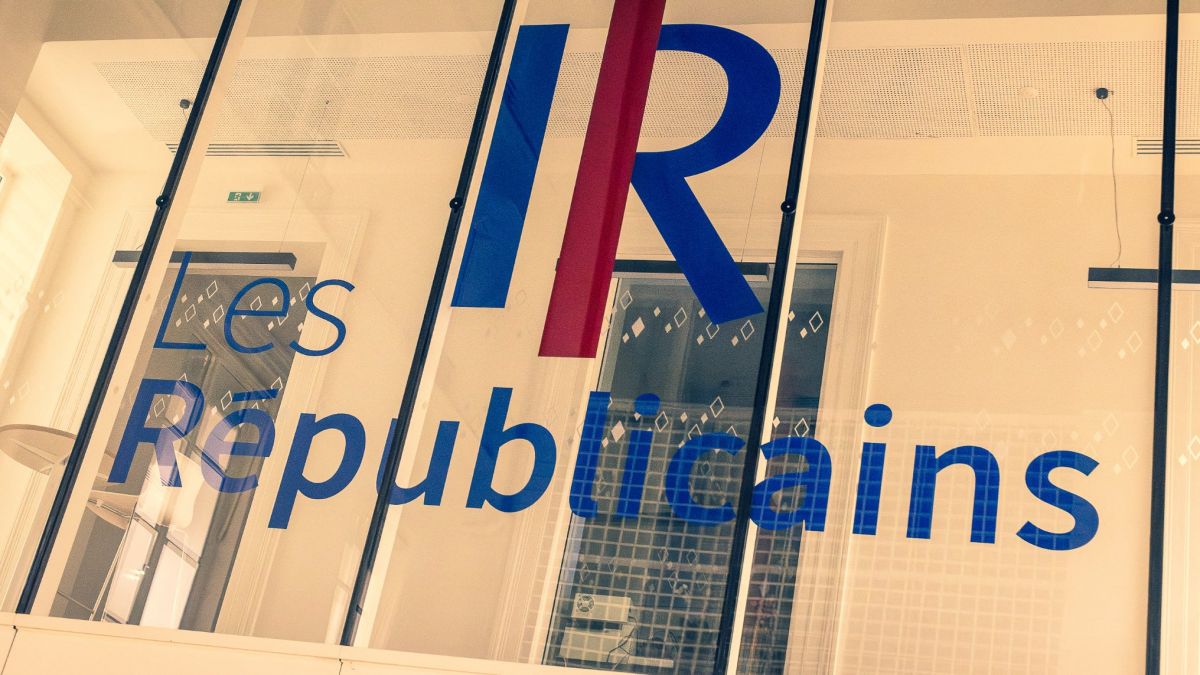
The Republicans' website was hacked, displaying a call to protest on October 17, but the party assures that this is not a serious attack and that no data has been compromised. #Cyberattaque #LesRépublicains #Mobilisation (translated)

The Republicans' website was hacked, displaying a call to join the demonstrations on October 17, while Bruno Retailleau's entourage states that the incident was quickly addressed and no data leak was observed. #Cyberattaque #République #Manifestations (translated)

A complaint will be filed, announces Bruno Retailleau's entourage to franceinfo. #Cyberattaque #LesRépublicains #Manifestation (translated)
The website of the Republicans was hacked and displayed a call to demonstrate on October 17, leading to the announcement of a complaint by the party. #Cyberattaque #LesRépublicains #Manifestation (translated)

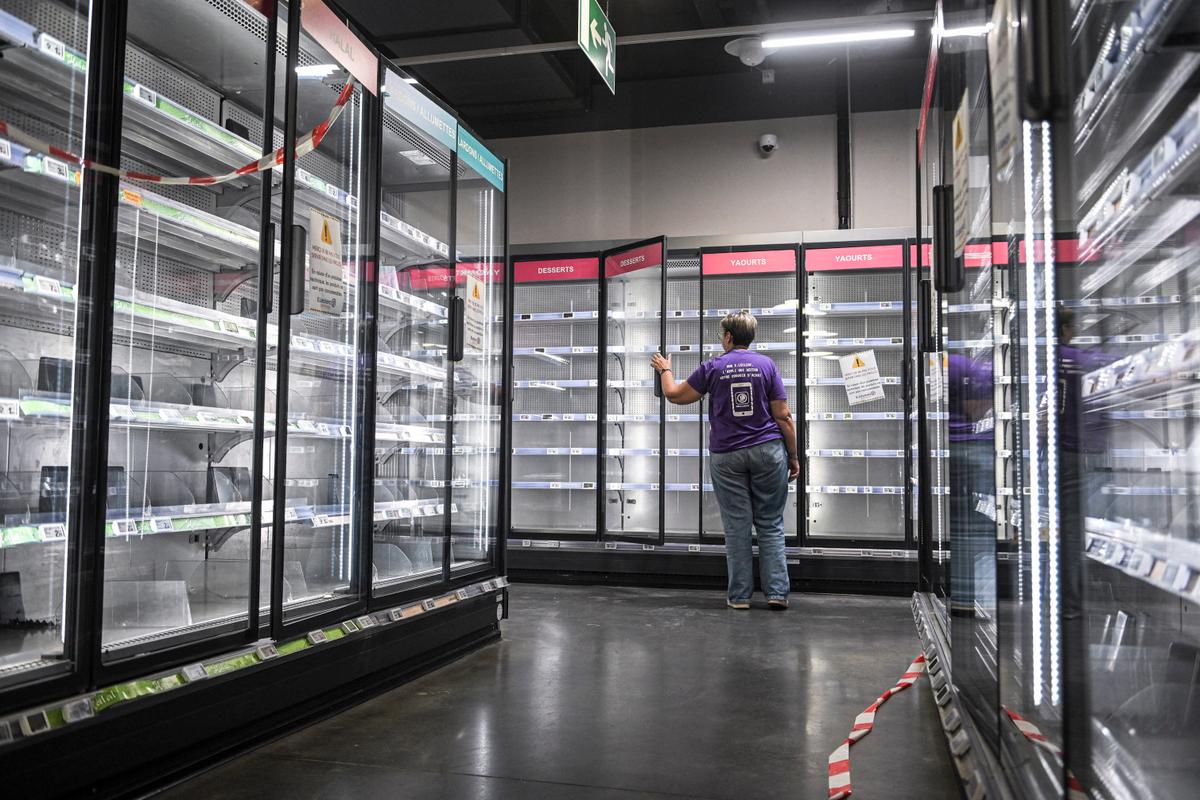
There may have been something worse than financial losses: food waste, at a time when feeding oneself is difficult for many French people. This observation is shared by consumption specialist Olivier Dauvers on his blog. #Cyberattaque #GaspillageAlimentaire #Supermarchés (translated)
In the vast majority of cases, the responsiveness of our teams has allowed us to counter the attack and avoid any disruption of the cold chain. In stores where this was not possible, the affected products, having experienced a break in the cold chain, were immediately removed from sale and destroyed. #Cyberattaque #GaspillageAlimentaire #Supermarchés (translated)
Several supermarkets, including Intermarché and U, suffered a cyberattack that led to the destruction of thousands of food products due to a break in the cold chain, raising concerns about food waste and financial consequences. #Cyberattaque #GaspillageAlimentaire #Supermarchés (translated)

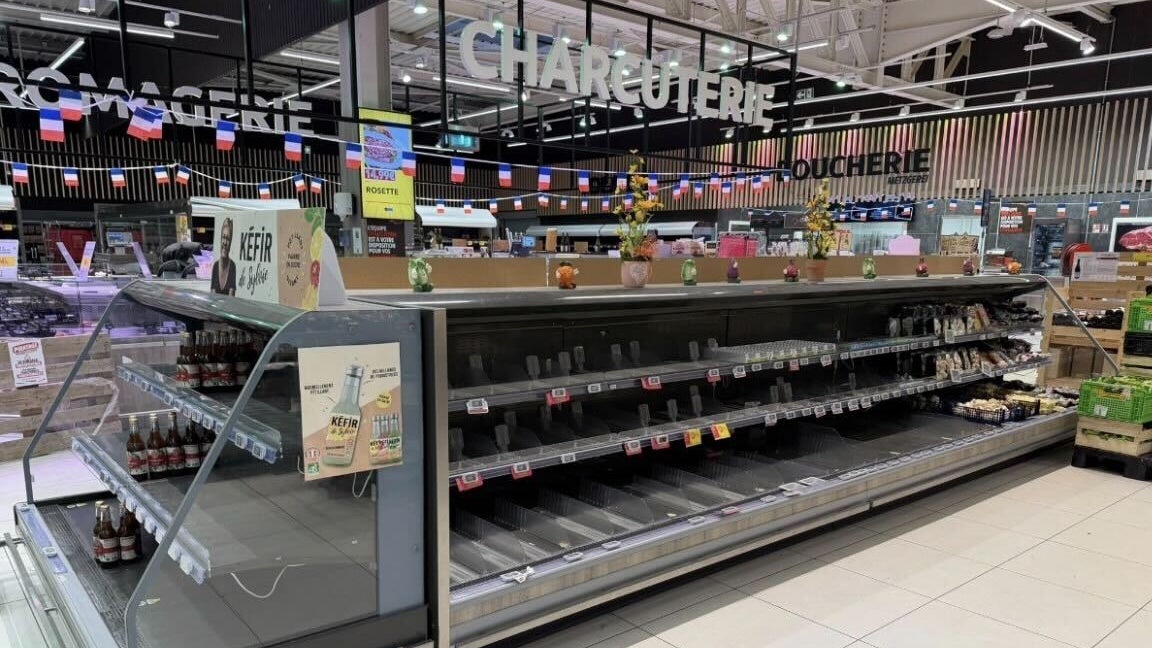
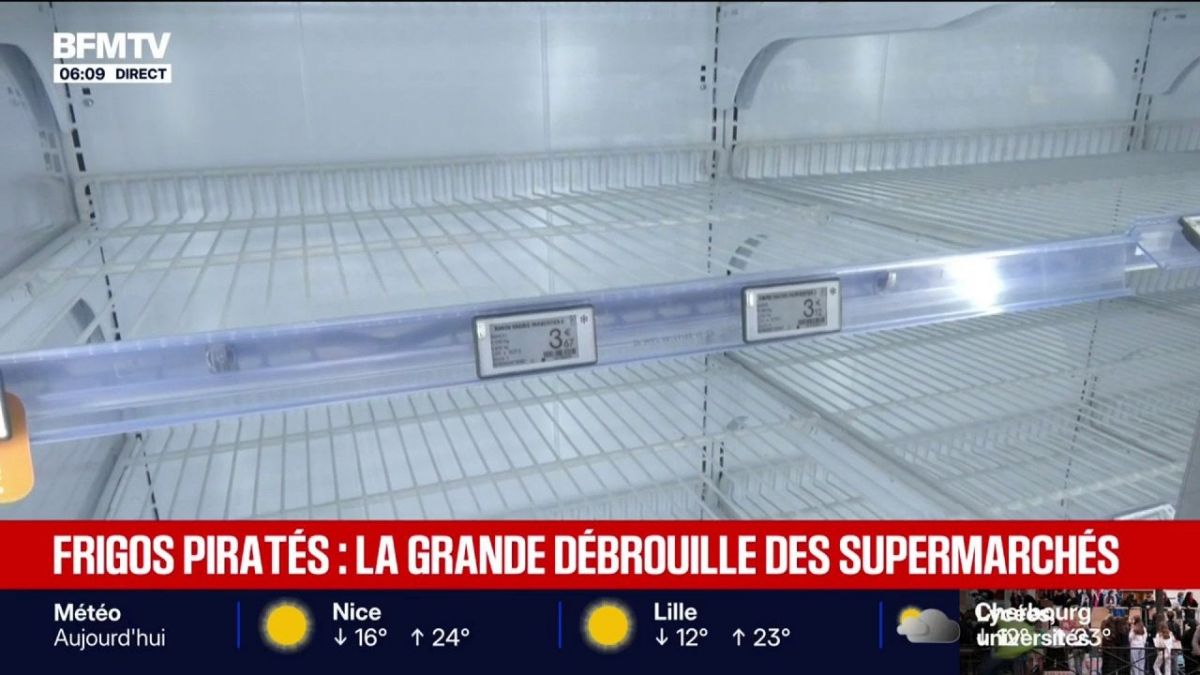
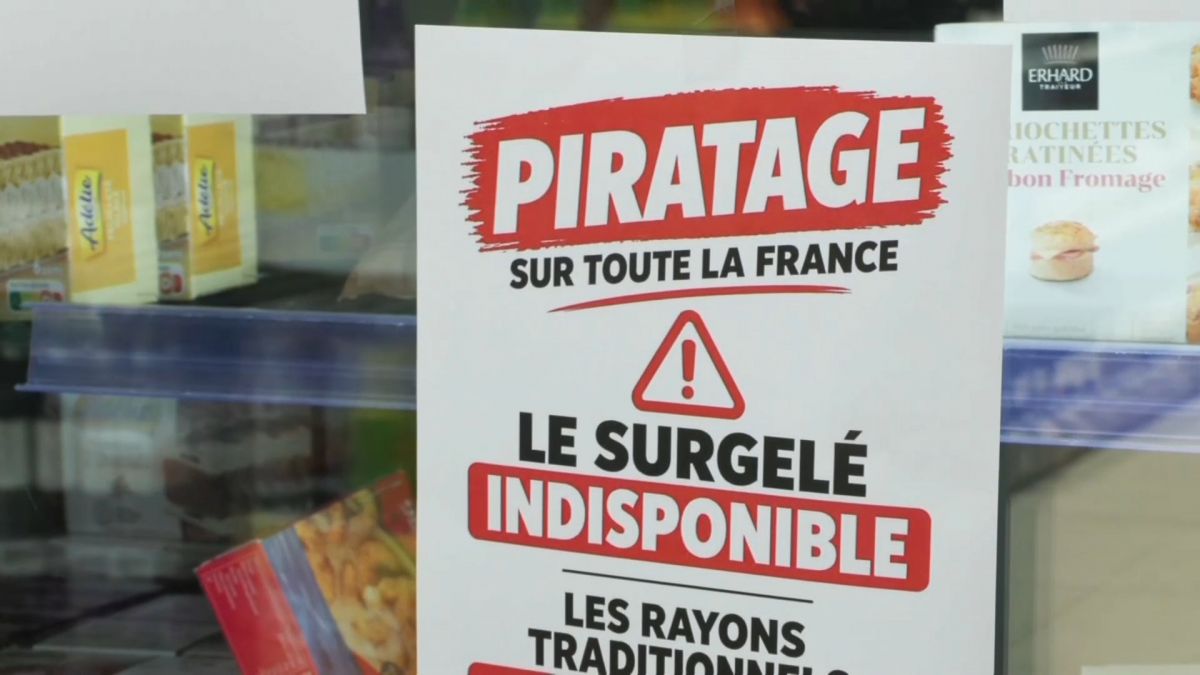
Supermarkets are facing empty shelves due to unclaimed cyberattacks, forcing a disruption of supply chains and a return to traditional methods until the situation is resolved. #cyberattaques #supermarchés #crise (translated)

Karim Hardy, a risk governance specialist, emphasizes that the recent cyberattack on supermarket cooling systems in France reveals gaps in the security of critical infrastructures and highlights that protecting a system requires more than just blocking intrusions. #Cybersécurité #Economie #Cyberattaque (translated)

A cyberattack targeting supermarket refrigerators could lead to a return to normal supply levels in the aisles this weekend. #cybersécurité #supermarchés #réfrigérateurs (translated)
The author reported information stating that refrigeration systems in American supermarkets had also been affected by a cyberattack, according to the National Agency for the Security of Information Systems. https://t.co/SWMQuVQlt5 #cybersécurité #cyberattaque #supermarchés #US (translated)
A large cyberattack on connected refrigerators in supermarkets in France resulted in the disposal of thousands of food items, revealing critical cybersecurity weaknesses in a system often overlooked in this area. #cybersécurité #cyberattaque #réfrigérateurs (translated)

The presumed objective is to weaken national infrastructures, to "destabilize [the] democratic" European societies, according to the words of European Commission President Ursula von der Leyen, to complicate Western support for Kiev, without necessarily triggering a direct military confrontation. #GuerreEnUkraine #Cyberattaque #InvasionRussie (translated)
Since the beginning of Russia's invasion of Ukraine in February 2022, European countries have faced an escalation of hostile Russian actions, ranging from cyberattacks to maritime incidents, aimed at undermining their infrastructures and destabilizing their democratic societies. #GuerreEnUkraine #Cyberattaque #InvasionRussie (translated)

Cerfia, citing French breaches, listed the administrations, state services, and French public operators that may have been targeted by cyberattacks or data leaks over the past year. In the employment and social benefits sector, Cerfia reported data concerning up to 12 million employees in the URSSAF/DPAE system: names, dates of birth, employers, and hire dates. For URSSAF/Pajemploi, the figure was 1.2 million employees, with identities, addresses, social security numbers, and bank names. The census also mentioned 1.6 million young people linked to France Travail and local missions, whose identities, addresses, phone numbers, and social security numbers may have been affected. For Pass'Sport and the Ministry of Sports, it mentioned 3.5 million households along with their names, contact details, phone numbers, and addresses. It also reported nearly 1.2 million CAF/CNAF/Vacaf files claimed, without confirmation from CNAF, regarding family information, beneficiaries, and vacation stays. Cerfia also reported that Bloctel/DGCCRF had about 3 million phone numbers extracted, including 600,000 registered on Bloctel. The Agency for Services and Payment and the Coup de pouce énergie scheme may have involved 108,555 beneficiaries, with their identities, addresses, amounts of assistance, and IBANs. A link mentioned in the post referred to a service that may have affected 550,000 accounts, with names, emails, phones, dates of birth, and engagement histories. France Travail may also have been affected by agent data held by an HR service provider, while France VAE may have seen candidate data targeted. In education and training, the census reported 5.8 million DELF-DALF candidates associated with France Éducation International and GAEL, whose identities, nationalities, dates, and places of birth may have been exposed. For the Ministry of National Education, it mentioned up to 4.35 million teachers potentially affected by identity, assignment, grade, and compensation data, as well as one million students from Créteil whose personal and family data may have been exfiltrated. The COMPAS system may have involved 243,000 agents, with their names, personal addresses, and initial assignments. Up to 200,000 candidates for Ev@lang may have been affected by personal data related to language tests. Cerfia also cited ÉduConnect. The post mentioned 705,000 Parcoursup candidates in the academic region of Occitanie, whose identities, contact details, school information, scholarship status, and family data may have been affected. The intrusion was dated to October 2025. For the Ministry of Sports and FORÔMES, it advanced 450,000 candidates and identity, address, phone number, date of birth, and diploma level data. The Compte Asso was also among the mentioned services. Cerfia further reported at least 30 affected sports federations — notably in football, shooting, tennis, gymnastics, swimming, sailing, skiing, and handball — with data from license holders, including minors. At least eight public higher education institutions were cited: Angers, Lille, UMLP, Alfort, Bordeaux Sciences Agro, AgroParisTech, CNAM, and ésam. The post also mentioned the training platform of the Agency for Civic Service and the application platforms of Campus France. Among financial and administrative organizations, Cerfia reported that about 1.2 million bank accounts linked to DGFiP/FICOBA may have been affected, with identities, addresses, RIBs, and IBANs. Up to 433,485 individuals may have been impacted through the DGFiP property register, with addresses and characteristics of real estate. More than 350,000 individuals may have been affected by tax data — reference tax income, family quotients, and withholding rates — and the portal for vacant inheritances was also listed. For DGAFP/Choosing Public Service, the figure mentioned was 377,418 candidates, with their identities, contact details, diplomas, and professional backgrounds. The post also cited the Ministry of the Interior and the TAJ, FPR, SIA, and SIV files. The census mentioned 774,000 people linked to Cnous/CROUS, with identities, emails, and appointments. It also reported 329,000 extracted documents concerning 139,000 individuals, including identity and income verification documents. ANFR/Radiomaritime may have concerned 330,000 users and their identities, addresses, emails, phones, and dates of birth. For INSEE, Cerfia reported 12,800 agents and former agents, with identities and professional contact details. The Institute for Research and Development may have involved about 7,500 individuals, with identity, address, and professional data along with, for some, social security numbers; exfiltration was not confirmed. The post also cited CNRS and personnel data. Cerfia indicated that Public Health France and a service provider may have been involved for about 80,000 contacts: names, emails, addresses, and professional phones, without any reported medical data. For Tracfin and a support provider, it mentioned 136 professionals, their identities and contact details, as well as 213 assistance requests; according to ANSSI, no suspicion declarations were reported. ANSSI and its innovation laboratory were also listed, with 118 Metabase accounts potentially affected by a compromise. The post further cited 70,000 files and 160,000 administrative documents that may have been exfiltrated from DINUM/HubEE, some containing personal data, as well as the State Cloud. More than 30,000 individuals may have been affected by directory, identity, and professional contact data related to AEFE/Orion. At the Ministry of Ecological Transition, 22,000 agents and accredited organizations may have been involved with access to personal data, and over 300 email accounts may have been compromised. Cerfia also mentioned messaging services and a server from the General Directorate of Customs and Indirect Rights, as well as Tchap, the secure messaging service of the State. Finally, the census reported 14 SDIS targeted, with personal and professional data, internal documents, and medical data. At least five hospital establishments may have been affected: AP-HP, Hospices Civils de Lyon, as well as the establishments in Perpignan, Chaumont, and Haute-Comté. The list also included the French Office for Biodiversity and hunting permits, the National Library of France, and the Center for National Monuments through a ticketing service provider, regional health agencies and vaccination data, as well as the French Office for Immigration and Integration and an IT service provider. #Cyberattaques #ProtectionDesDonnées #SécuritéInformatique (translated)
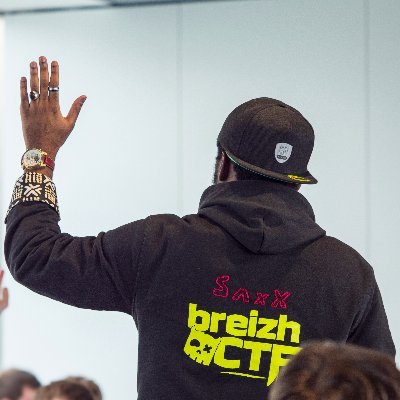
SaxX stated that hundreds of French supermarkets had seen their freezers reach 50 °C on Sunday evening, in what he described as a cyberattack that led to the destruction of frozen goods and estimated losses of several million euros. However, he clarified that the vector of the attack had not been confirmed and that no group had claimed responsibility. According to SaxX, the AK-SM controllers from Danfoss, which manage refrigeration in stores, were accessible from the Internet. He recalled that Danfoss had declared the AK-SM 800 model end-of-life in 2021, and that 16 Russian supermarkets equipped with these devices had been attacked in 2022. In 2023, Synacktiv reported an authentication bypass, to which the manufacturer allegedly responded that the issue concerned end-of-life products. In 2025, Claroty discovered a password calculated from the current date. SaxX added that Claroty had presented its work at the DEFCON conference in Las Vegas in August 2026, demonstrating how this vulnerability could be exploited to cut refrigeration and display false temperatures. He mentioned more than 2,700 exposed controllers worldwide and indicated that Danfoss had acknowledged that most of the affected equipment was old and unpatched. He also cited Dixell as another impacted manufacturer. The author estimated that France accounted for nearly 60% of the exposed Danfoss controllers reported worldwide, according to Internet scans he claimed to have consulted. He also mentioned the presence of these devices in South Africa and the risk that African supermarkets could be affected, particularly due to the use of refurbished equipment. Finally, SaxX condemned a lack of accountability, writing that researchers had alerted to the vulnerabilities while stores had continued to use the equipment. #cybersécurité #cyberattaque #supermarchés (translated)
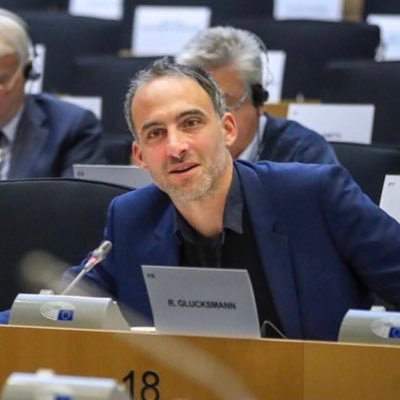
"Either we will become the garbage dump, or we will use the power of our market": Raphaël Glucksmann wants to toughen the standoff with China in the face of the influx of electric and hybrid cars. #Cyberattaque #SécuritéInformatique #Supermarchés (translated)
"When we discovered the attack, it worried us": Roland Lescure acknowledges having feared supply problems after the cyberattack on 700 supermarkets. #Cyberattaque #SécuritéInformatique #Supermarchés (translated)
A cyberattack targeting the refrigerated facilities of several French supermarkets has affected not only the Danish manufacturer Danfoss but also the American company Copeland, with security alerts issued by ANSSI regarding specific equipment. #Cyberattaque #SécuritéInformatique #Supermarchés (translated)