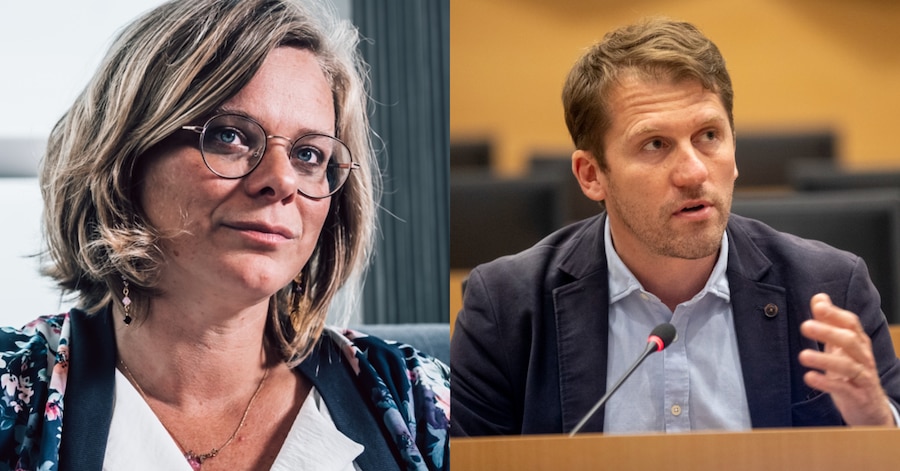
Ecolo calls on the Belgian governments to act in response to the climate emergency by investing 1% of GDP in adaptation and protection against the effects of climate disruption. (translated)
"C'est au politique d'assurer la sécurité climatique"
Ecolo calls on the Belgian governments to act in response to the climate emergency by investing 1% of GDP in adaptation and protection against the effects of climate disruption. (translated)
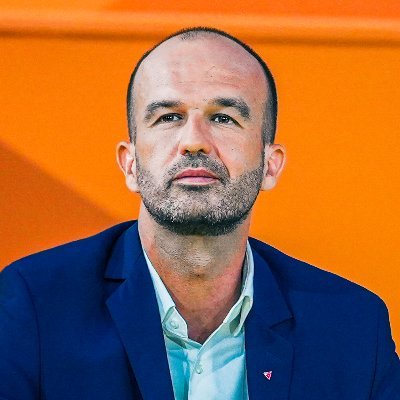
At the time of Covid-19, the debt buyback programs by the European Central Bank did not create inflation. What really creates inflation is the lack of investment in adapting to climate change because there will be inflation on the https://t.co/6o8FtiLxyb (translated)
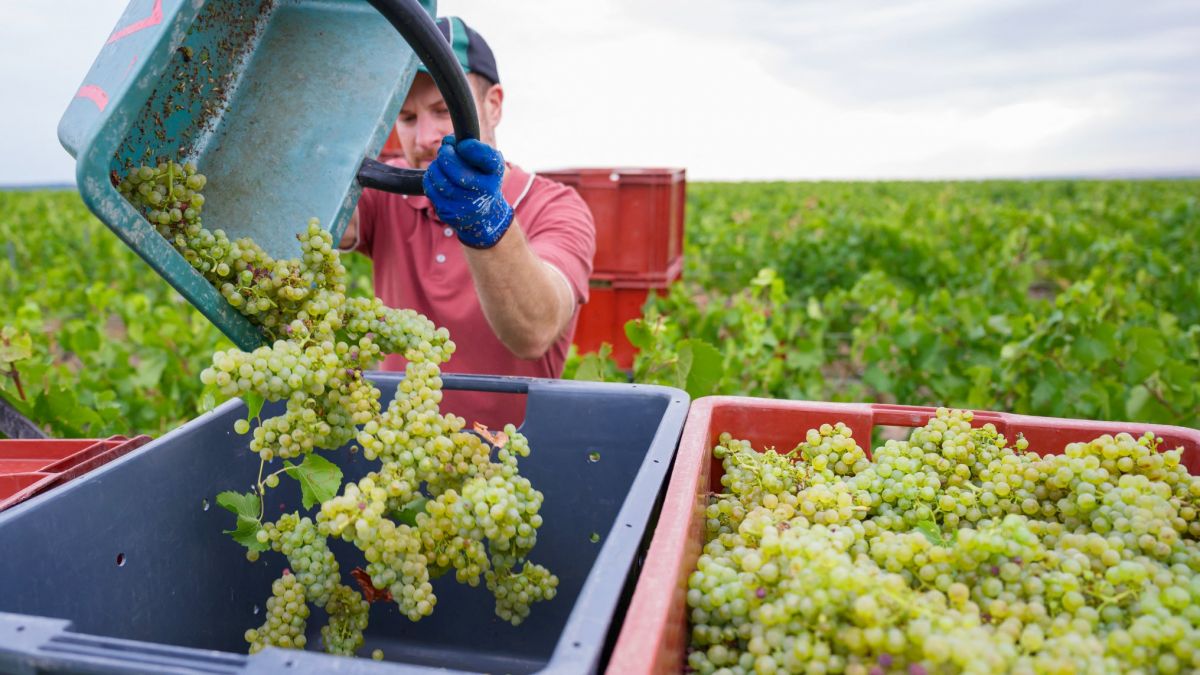
Climate change is fostering the emergence of a new viticulture in Brittany, Normandy, and in the Hauts-de-France, allowing for the extension of vineyards towards the north of France, with climatic conditions similar to those of the Champagne vineyard in the 1970s. (translated)

🚨🇫🇷📉 ALERTE INFO ! SI LA FRANCE EST AU BORD DE LA RÉCESSION, CE SERAIT LA FAUTE DE L’ÉTÉ, SE DÉFEND LE GOUVERNEMENT 😨 Le ministre de l’Économie et des Finances, Roland Lescure, met en cause un été difficile, entre canicules, incendies, tempêtes et dérèglement climatique. CE N’EST DONC JAMAIS DE LEUR FAUTE. (BFM TV) #France #Économie #Climat

Ecolo proposes an investment of 1% of Belgian GDP per year, which is about 6 billion euros, in an emergency climate plan that would involve all levels of government, in response to the serious impacts of climate disruption observed this summer in Belgium. (translated)
In parallel to the debates on the responsibility of the authorities or on the link with climate change, the wildfires have sparked numerous conspiracy theories that all serve the interests of the far right. (translated)

Extreme climate events are not the result of what the French do, but rather the outcome of a global climate disruption. Today, we need to return to reason on these fundamental issues, moving away from an ecology that seeks to find scapegoats. (translated)
"d'agir en urgence face au dérèglement climatique"
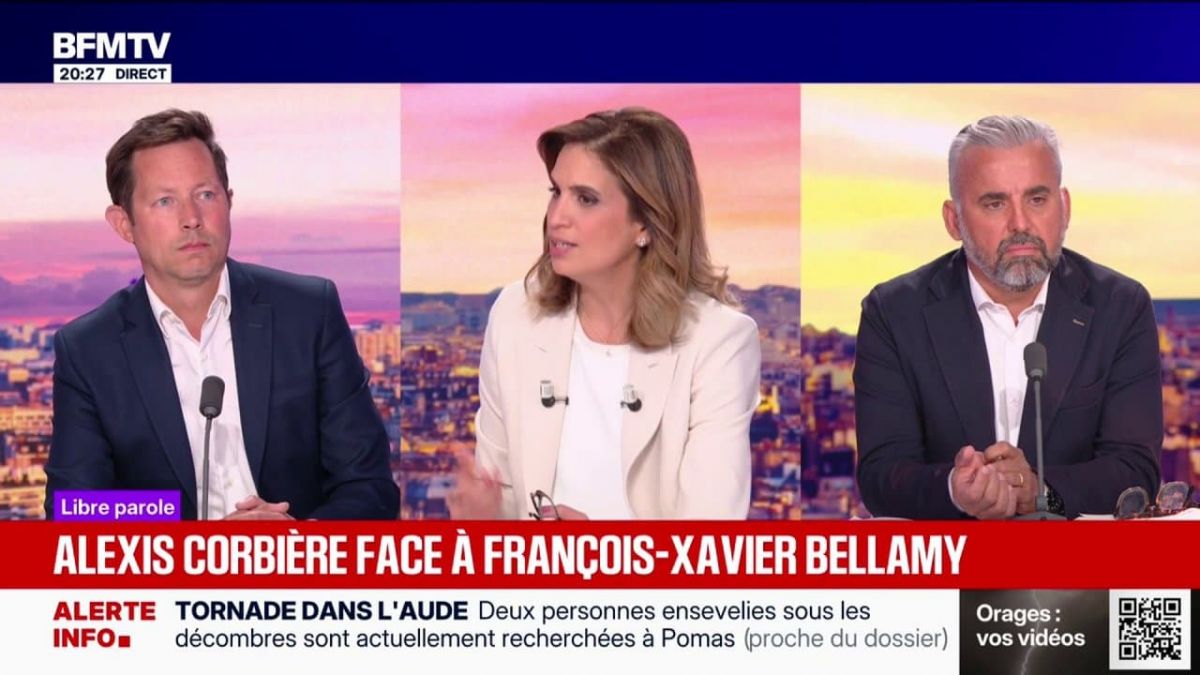
François-Xavier Bellamy, LR MEP, calls for urgent action in response to climate disruption during an interview on BMTV. (translated)

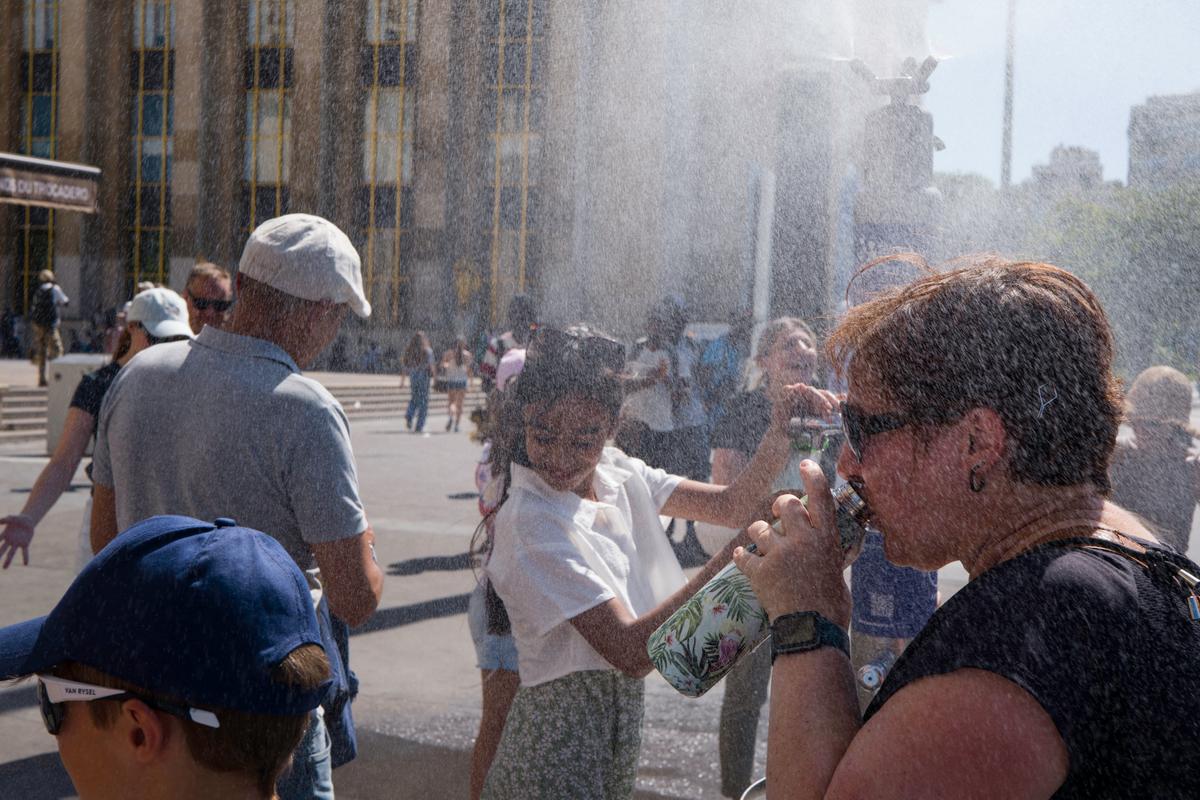
Since the beginning of the summer of 2026, France has recorded a record total of 52 days of heatwaves, illustrating a worrying trend of increasing frequency, intensity, and duration of these climate phenomena, which highlights the impacts of climate change. (translated)

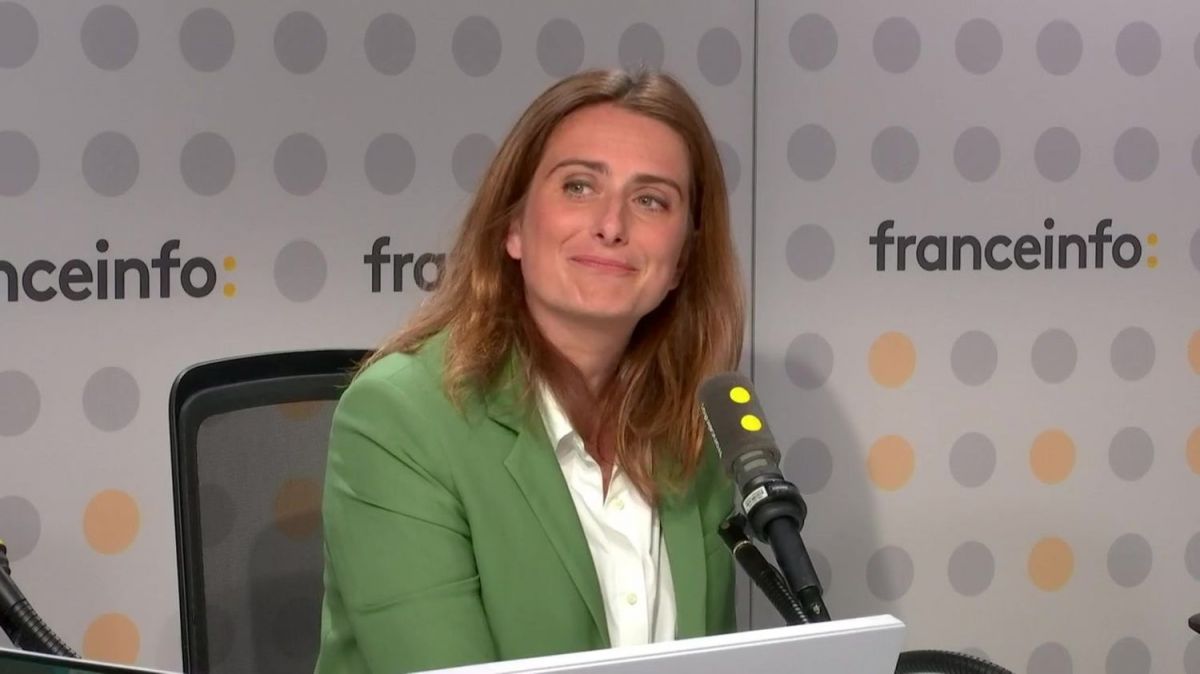
Marine Tondelier, national secretary of the Ecologists, calls for an urgent meeting of political forces to discuss the consequences of the fires and heatwaves of summer 2026 and to emphasize the need to make decisions to protect the French from climate disruption. (translated)
The fire in the Fagnes, a dramatic reflection of climate change, underscores the urgent need to act to improve prevention and rescue means in the face of events that have now become frequent and devastating. (translated)
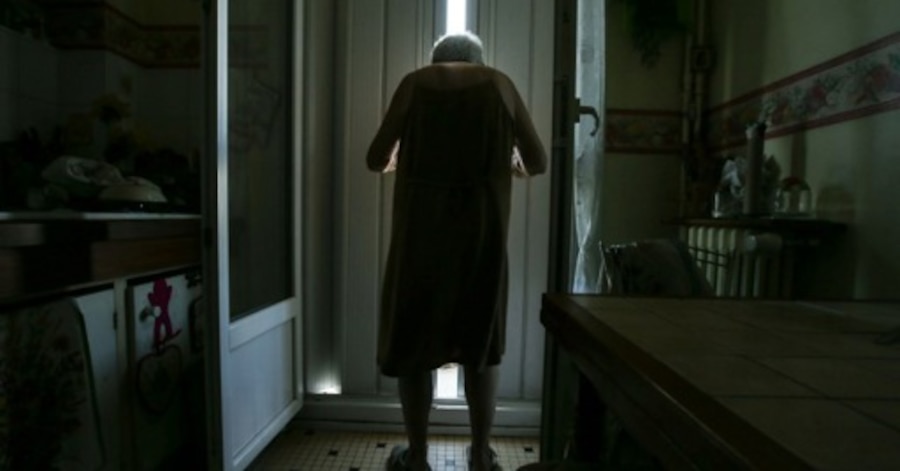
The article addresses the issue of the climate crisis by highlighting the lack of a census of victims, unlike the Covid-19 pandemic, and emphasizes that the effects of climate change primarily affect marginalized populations, underscoring the importance of taking action in the face of this social and political crisis that produces victims beyond immediate deaths. (translated)
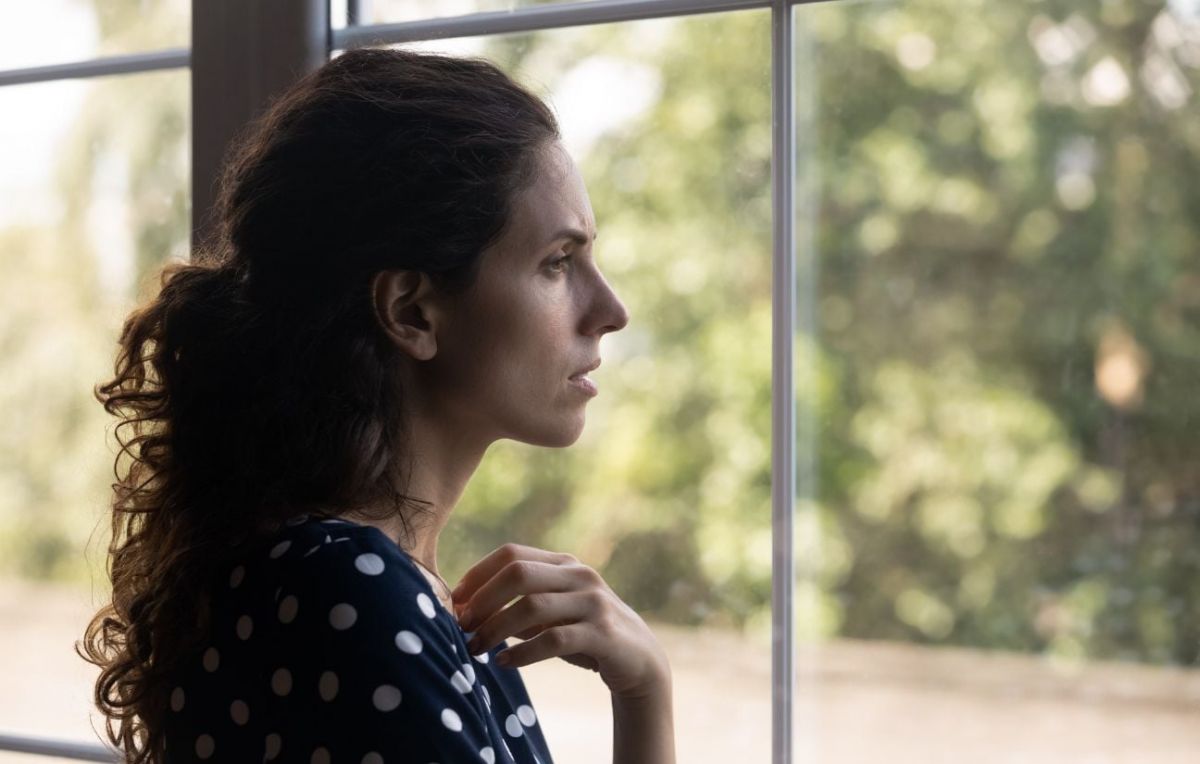
Eco-anxiety, exacerbated by heat waves and the consequences of climate change, increasingly affects the French, with a significant rise in psychological consultations, revealing growing psychological distress in the face of these environmental crises. (translated)
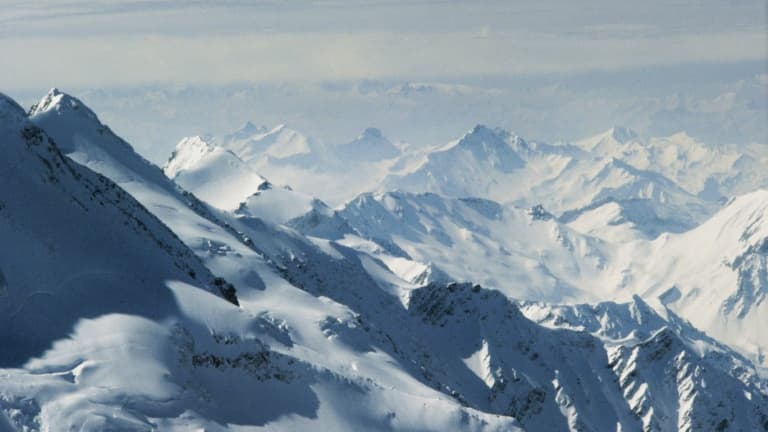
A 22-year-old amateur mountaineer, Loris Bianco, narrowly escaped death on Mont Blanc when a rockfall, triggered by climate change, occurred while he was assisting other climbers, forcing him to take refuge in the Goûter corridor. (translated)
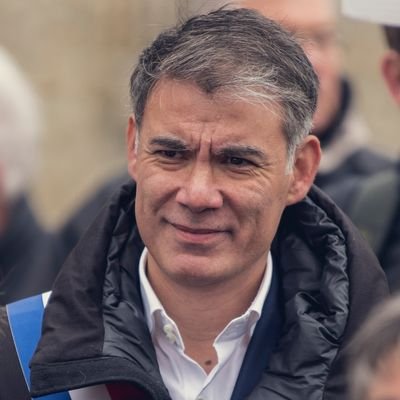
During the COVID crisis, everyone applauded the caregivers and frontline workers. And after? So little. During the spectacular fires of the summer, the government expressed its gratitude to the firefighters. And after? The fight against and adaptation to disruption. (translated)
French farmers are severely affected by a historic drought and heatwaves, leading to a worrying deterioration of crops and fears for future harvests in the context of increasing climate disruption. (translated)
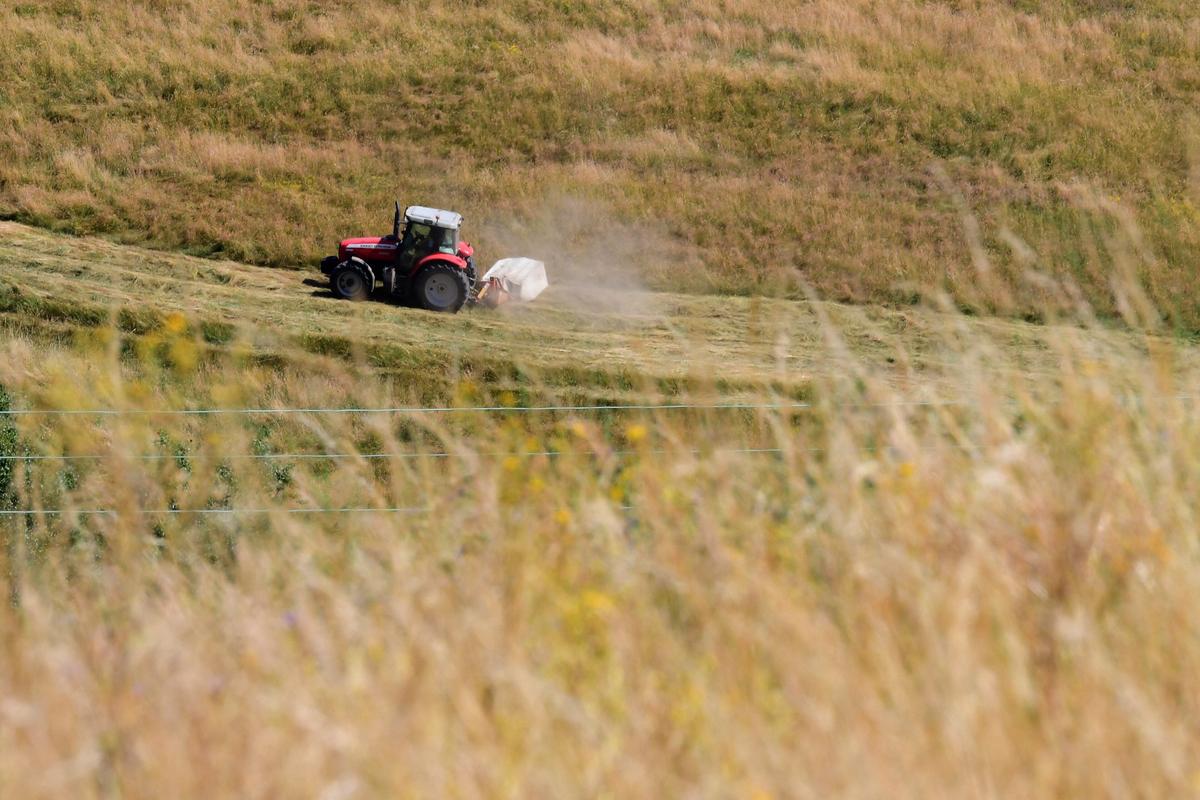
In July 2026, France is facing a historic drought affecting 95% of its territory and unusually long heatwaves impacting 120 million Europeans, raising alarms about an acceleration of climate change according to the Copernicus Observatory. (translated)
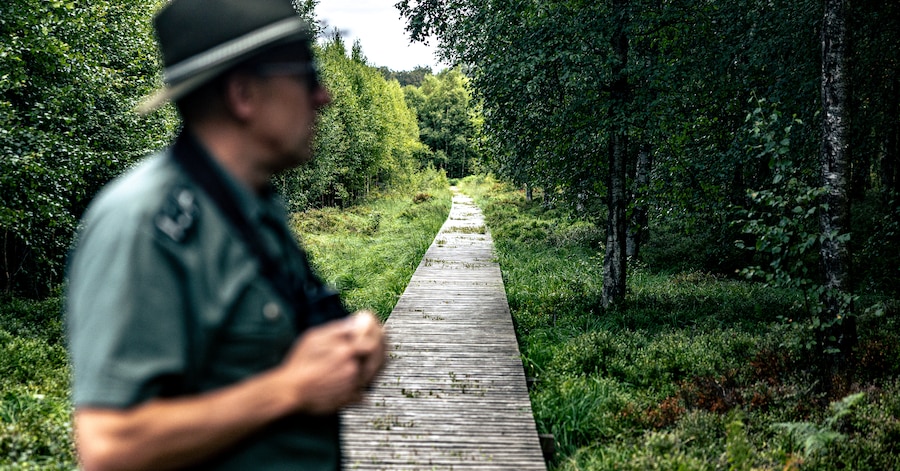
The article highlights the crucial role of forest rangers, such as Thierry Petit, in the prevention of wildfires in Belgium, an increasingly complex challenge in the face of climate change and human negligence, with over 90% of fires caused by human-related factors. (translated)
The article by Emilie Jehanno highlights that human activities, such as climate change and pollution, are exerting increasing pressure on the oceans, leading to risks for swimming this summer, marked by an increase in red and purple flags on beaches due to the presence of dangerous marine organisms. (translated)