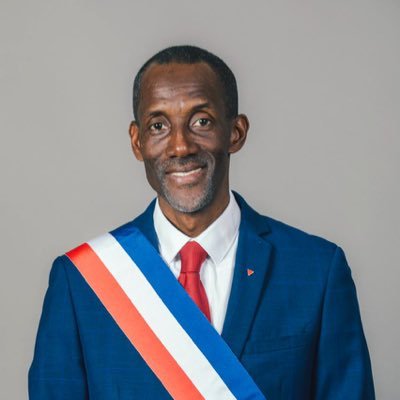
Bally Bagayoko recalled that, on October 17, 1961, nearly 30,000 Algerian men and women demonstrated unarmed in Paris against the curfew and for the equality and independence of Algeria. He mentioned more than 11,000 arrests, hundreds of deaths, and bodies thrown into the Seine, as well as decades of lies. He indicated that a march took place that very evening in Saint-Denis, for the first time, and presented the commemoration as a commitment to pass on this memory. He also paid tribute to Fatima Bedar, aged 15, who had come to support the demonstrators with her schoolbag and was found drowned in the canal. A city garden now bears her name, he wrote, adding that she should not remain an anonymous victim. Bagayoko believed that justice involved recognizing the crime of state. He stated that he had signed a petition from mayors demanding this recognition, the inclusion of October 17 on the calendar of national days, the complete opening of archives, support for transmission to young people, and assistance for survivors and their families. He called on every political force to take a clear stance, deeming 65 years of silence sufficient. According to him, acknowledging the facts was not about repentance, but about facing history and reminding children in working-class neighborhoods that their history mattered. He finally presented the memory of October 17 as a bulwark against the hatred used in electoral campaigns and the sorting of French people according to their origins. #Mémoire #Justice #Égalité (translated)