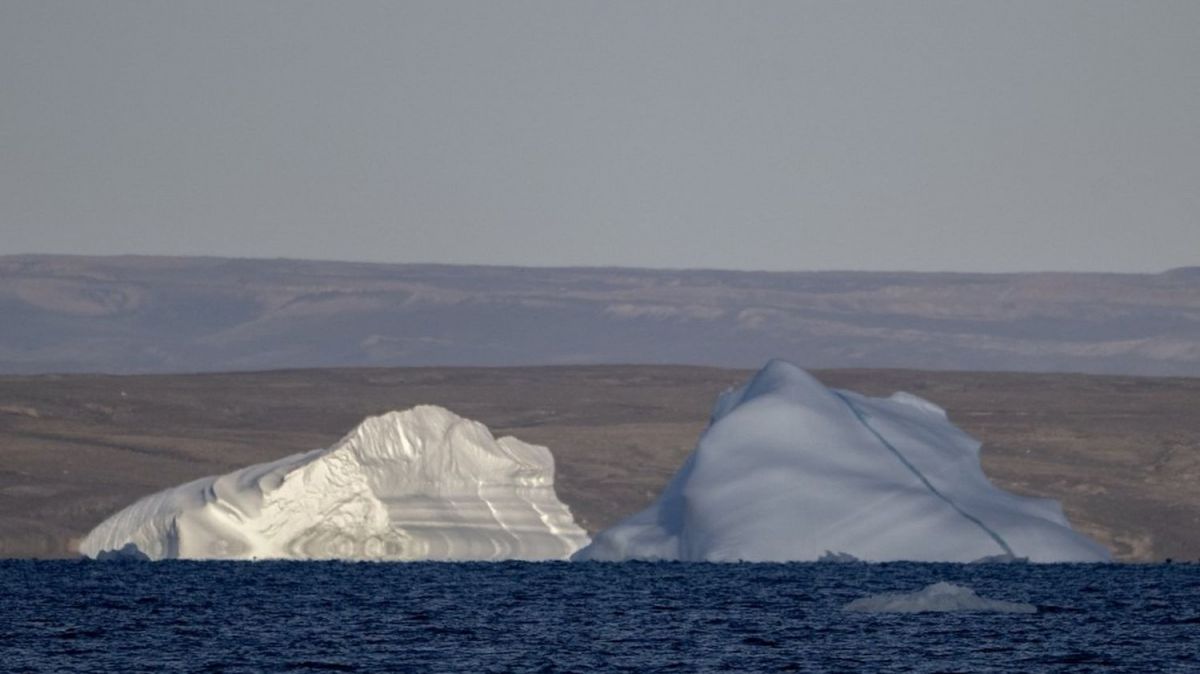
The United Nations calls for immediate action to limit global warming to 1.5°C in order to prevent serious consequences for humanity, while acknowledging that the world is already on track to exceed this threshold. (translated)

The UN admits that exceeding the threshold of +1.5°C is inevitable and is now focused on managing its consequences rather than prevention, according to a recent report that calls for a reconsideration of climate governance strategies. (translated)

The UN calls for a reconsideration of climate governance in the face of the imminent reality of warming exceeding 1.5°C, emphasizing that the challenge now is to manage this situation rather than to avoid it. (translated)

The summer of 2026 was the hottest ever recorded in Belgium, with an average temperature of 20.3 °C and three significant heatwaves. (translated)
Spain recorded a record number of over 5,000 heat-related deaths between June and August 2026, far exceeding the previous record of 2022, due to extreme and prolonged heatwaves. (translated)

Cette prétention face à un Prix Nobel de Physique qui dit déjà, il y a 29 ans, exactement ce qu'il faut faire pour atténuer le réchauffement climatique, pourrait faire sourire. Malheureusement l'obscurantisme incarné par Mme Voynet prospère et inspire des candidats de 2027. #RéchauffementClimatique #Obscurantisme #PrixNobel
The summer of 2026 broke all heat records in France, reaching an average temperature of 24.1°C, thus marking the hottest season since measurements began in 1900. (translated)

Global warming is causing some French winemakers to move their vineyards north, particularly to Normandy and Brittany, in a long-term effort to adapt the land for viticulture. (translated)

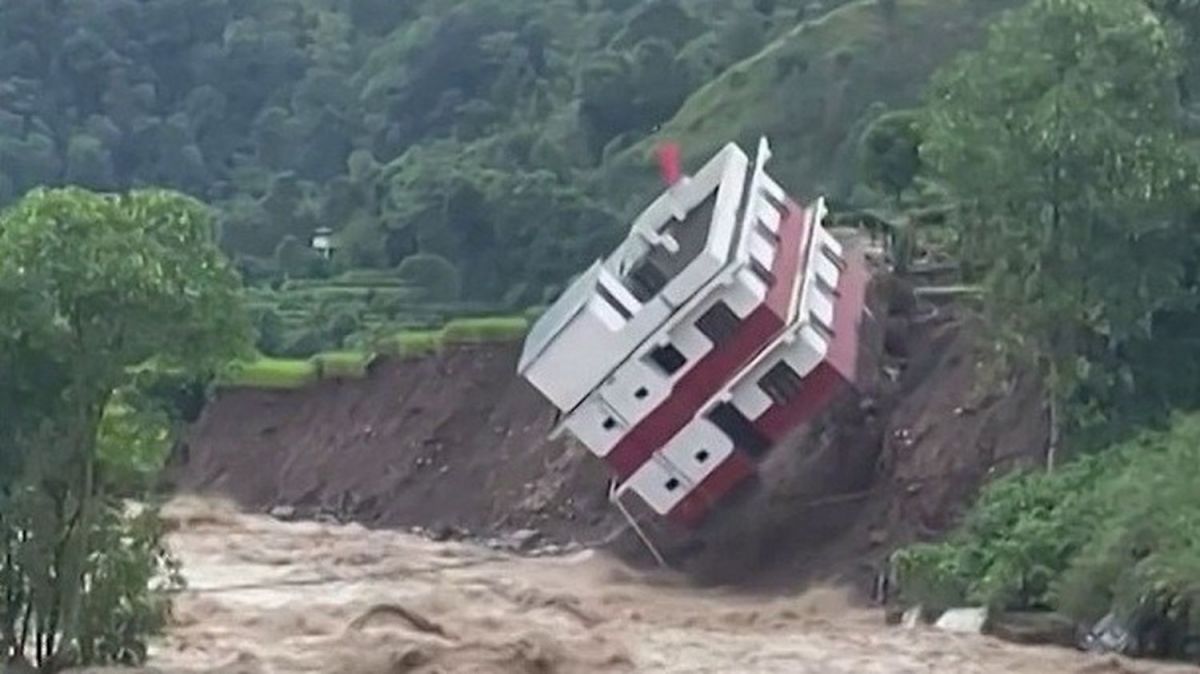
In his editorial, Benoît Franchimont emphasizes the urgency of addressing the disastrous consequences of climate change, illustrated by the catastrophe in Nepal and a deadly heat wave in Belgium, calling for swift actions to protect citizens and strengthen infrastructures. (translated)
Déclaration extrêmement grave du Premier ministre. Tellement grave que face à la stupéfaction de Darius Rochebin et après quelques secondes de malaise, il réalise son erreur et tente de se rattraper. Le @Gpe_EcoloSocial n'a pas déposé une motion de censure parce qu'il "faisait chaud" monsieur Lecornu. Il l'a fait parce que votre impréparation et votre gestion calamiteuse des canicules l'appelaient de toute évidence. Nous en sommes à 7300 décès en excès depuis le début des vagues de chaleur de cet été, et vous continuez de minorer la réalité du réchauffement climatique. Vos propos ne sont pas seulement un affront pour les victimes, ils contribuent activement à renforcer le climatoscepticisme. Après l'été que nous venons de vivre, vous ne devriez pas attendre une motion de censure pour démissionner. #RéchauffementClimatique #PolitiqueFrançaise #Canicule
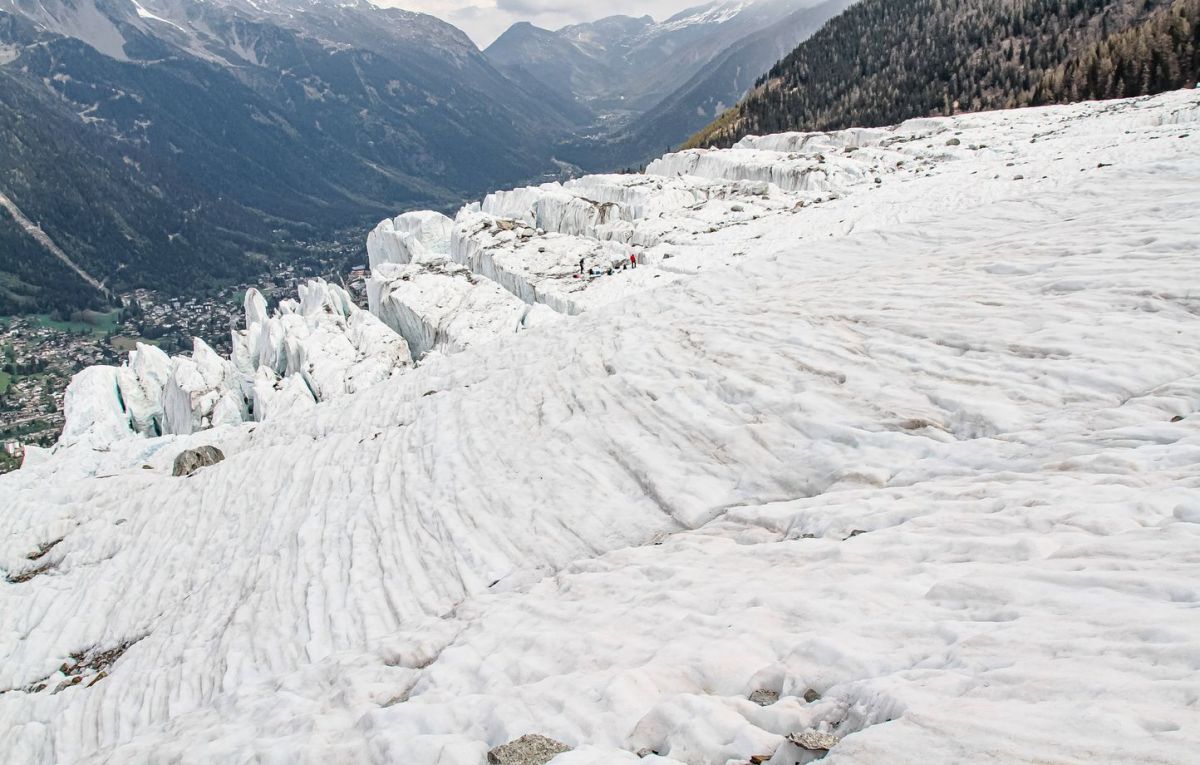
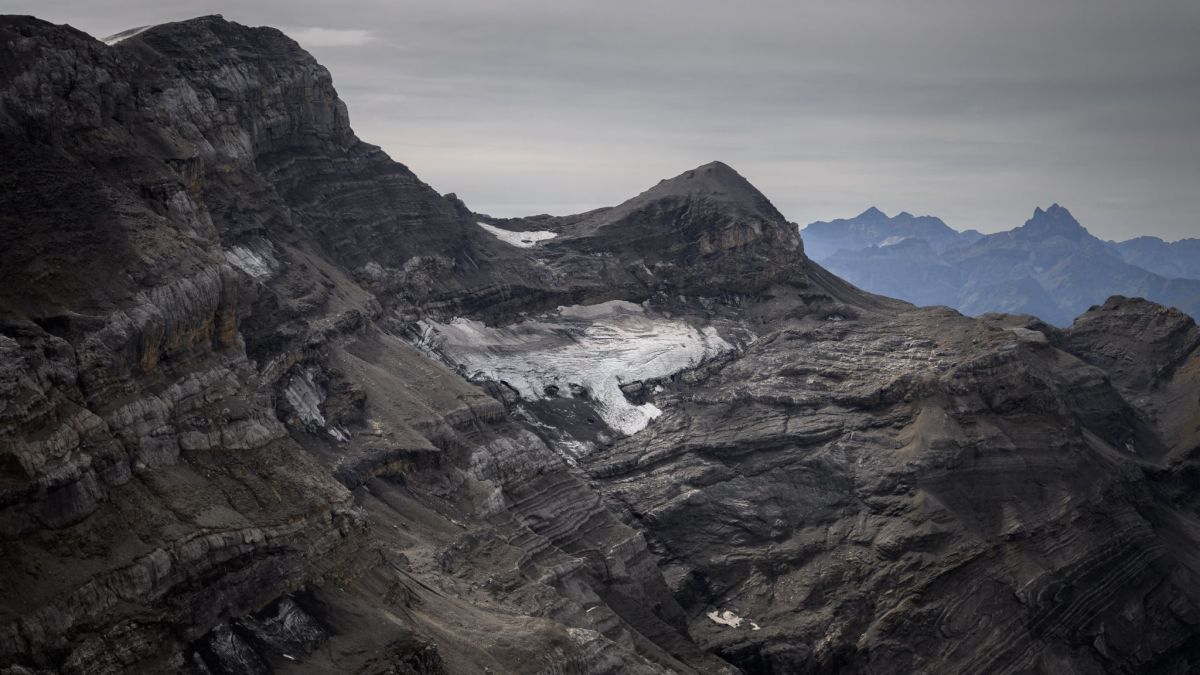
The article examines the possibility of a glacial disaster in France, similar to the one that recently occurred in Nepal, while emphasizing that the risk is reduced due to smaller glaciers and close scientific monitoring. (translated)

A devastating flood that occurred at the border between Nepal and Tibet has resulted in at least 362 deaths and more than 1,300 missing, including three Belgians, likely caused by the collapse of a glacier, triggering torrents of mud and debris that overwhelmed inhabited areas. (translated)

Climate change is turning glaciers into sources of sudden floods in Nepal and Tibet, endangering millions of people in Asia and the Andes due to the rapid melting of ice that causes brutal drainages of glacial lakes. (translated)
A study reveals that 560 million children under the age of 10 are particularly affected by humid heat caused by human action on the climate, with potential consequences for their health and education, especially in southern regions where the young population is larger. (translated)

In the BFM Bourse show on August 26, Anne-Catherine Husson-Traoré, founder of ACT'ors for Sustainability, discusses the impact of global warming on businesses, emphasizing the importance of adapting in the face of this growing environmental crisis. (translated)

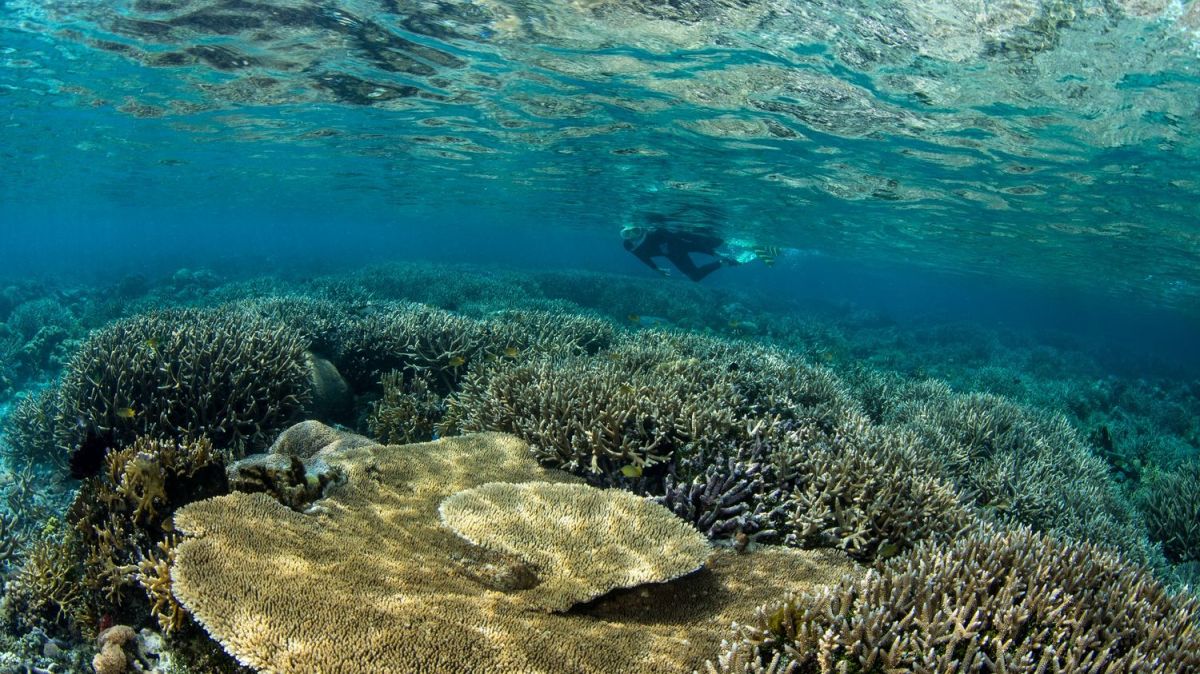
On August 22, the average sea surface temperature reached a new record of 21.1°C, raising alarms about the intensification of global warming and the increased risks of extreme weather events, exacerbated by the ongoing El Niño phenomenon. (translated)

The world's oceans reached a record average surface temperature of 21.1°C on August 22, due to climate change and the El Niño phenomenon, signaling increasing stress on marine ecosystems and raising the risks of extreme weather events. (translated)

The global oceans reached a record daily average temperature of 21.1°C on August 22, slightly exceeding the previous record of 21.09°C set in March 2024, with the Copernicus agency attributing this increase to climate change and the El Niño phenomenon. (translated)