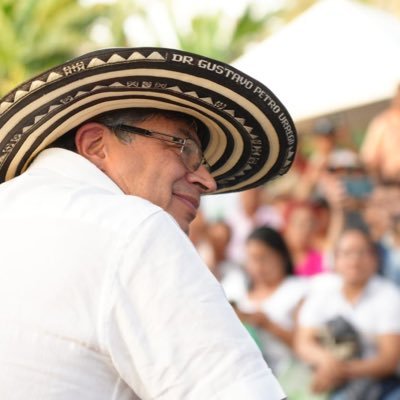
Gustavo Petro stated that the complaint about alleged electoral fraud was in the hands of the judiciary and argued that the lack of transparency from the Registraduría had violated his right to vote in the presidential elections. In a post addressed to the registrar, he asked him to explain why, according to Petro, 97% of the PDF E14 forms uploaded to the internet by the private firm Thomas Gregg and Sons did not have a Hash code. He claimed that this code prevented document modifications and that it had been used in the results of his presidential election, but not in subsequent elections. He also asked whether the upcoming local elections would be held without that tool. Petro pointed out that a statistical analysis of all voting stations, conducted with the Wald-Wolfowitz model or runs test analysis, had detected mathematical patterns in tens of thousands of consecutive voting tables, in 1,350 polling places. He attributed the finding to the group Testigos Digitales, which he wrote was made up of 75,000 citizens with knowledge of statistics and programming, and said that it had been endorsed by experts and specialists. Additionally, he accused the registrar of falsely claiming that the E14 forms had Hash codes and maintained that they had only been assigned an alphanumeric code that did not prevent modifications. Petro also asked why the registrar had not responded to Donald Trump's public claim that the candidate Abelardo de la Espriella had won the elections thanks to him. He requested a public response or one during the protection process. https://t.co/6BbFATeXGB #EleccionesTransparentes #FraudeElectoral #DerechoALaVerdad (translated)