The eruption of Vesuvius that destroyed Pompeii nearly 2,000 years ago has allowed scientists to recalibrate dating methods, achieving greater accuracy in dating historical geological events. (translated)
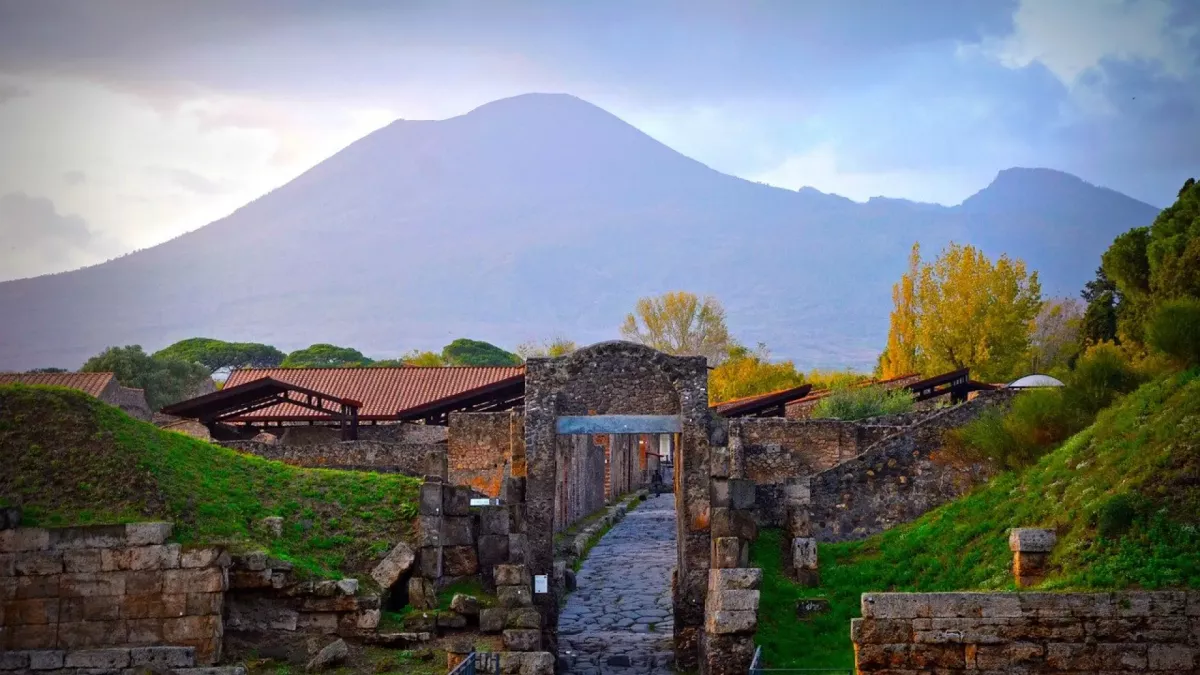
The eruption of Vesuvius that destroyed Pompeii nearly 2,000 years ago has allowed scientists to recalibrate dating methods, achieving greater accuracy in dating historical geological events. (translated)

A study reveals that the eruption of the Tajogaite volcano in La Palma has caused a significant increase in respiratory symptoms in the exposed population, which persist even a year after the eruption. (translated)

A recent study reveals that exposure to the eruption of the La Palma volcano is associated with a significant increase in the likelihood of cough and pulmonary alterations in the most affected population, highlighting the need for continuous health surveillance. (translated)

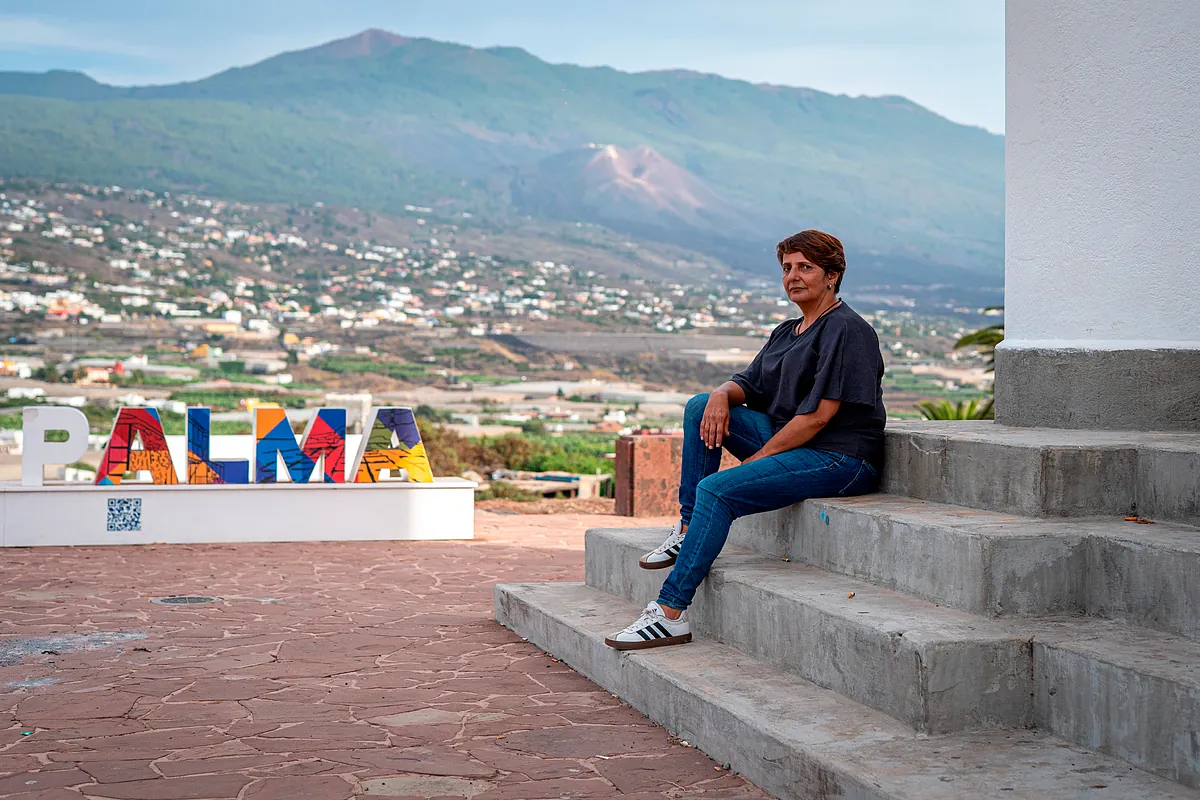
A study by the Spanish Society of Pneumology highlights that, five years after the eruption of the Tajogaite volcano, the most exposed population presents up to three times more respiratory symptoms and double the pulmonary alterations compared to those less exposed. (translated)

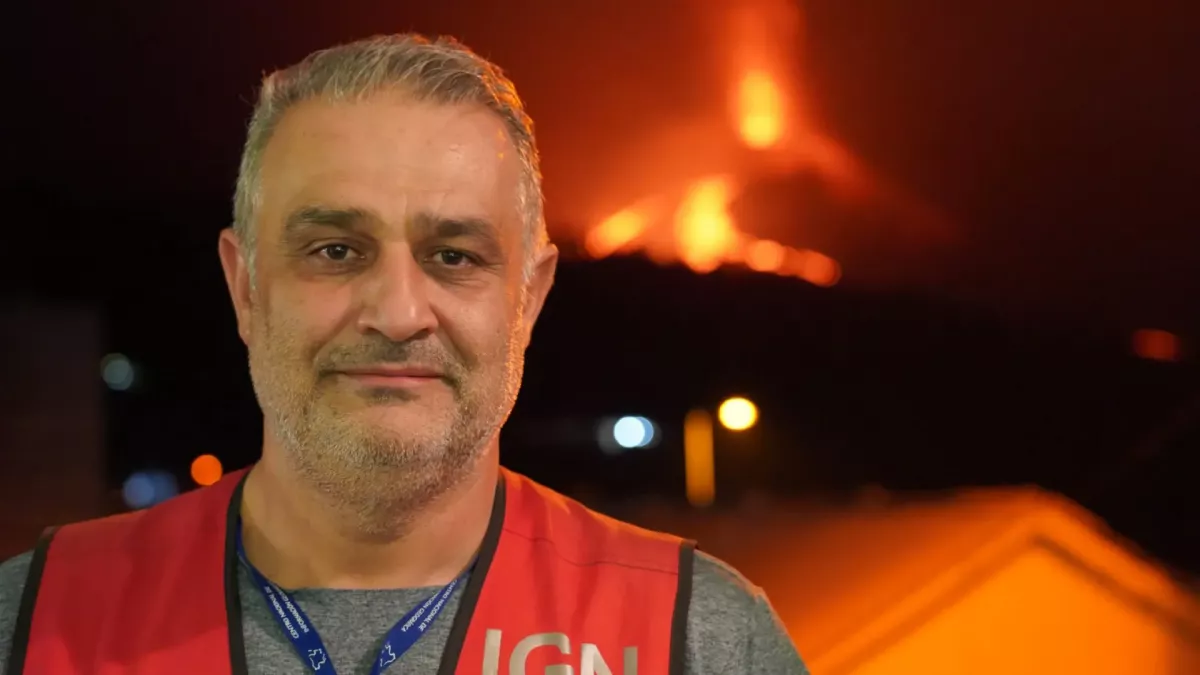
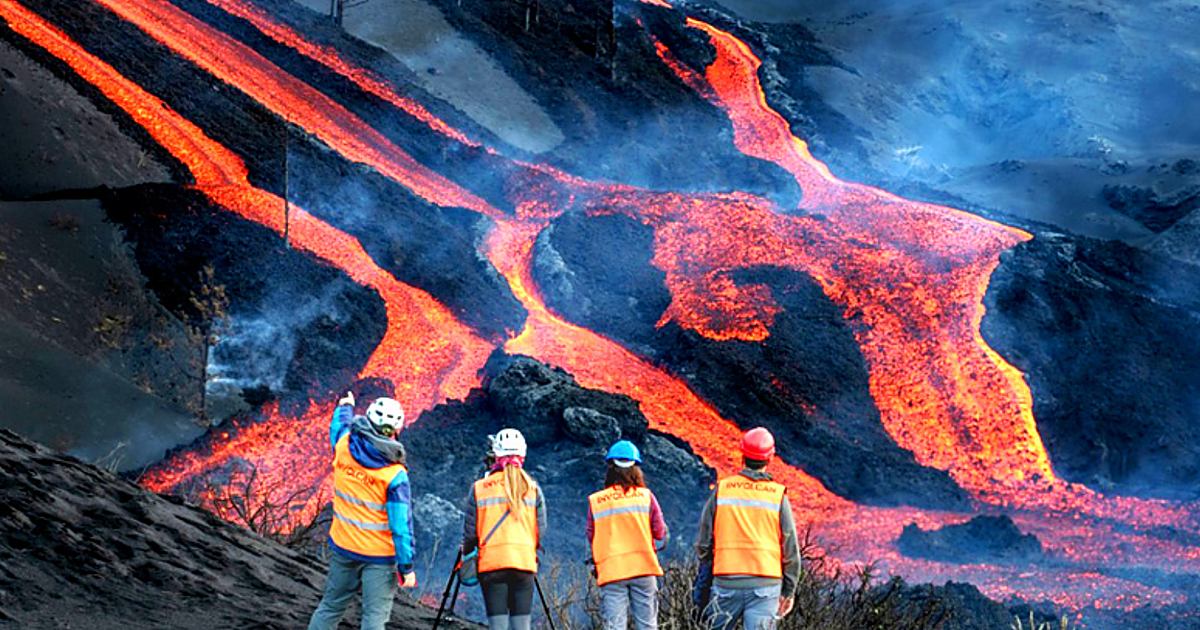
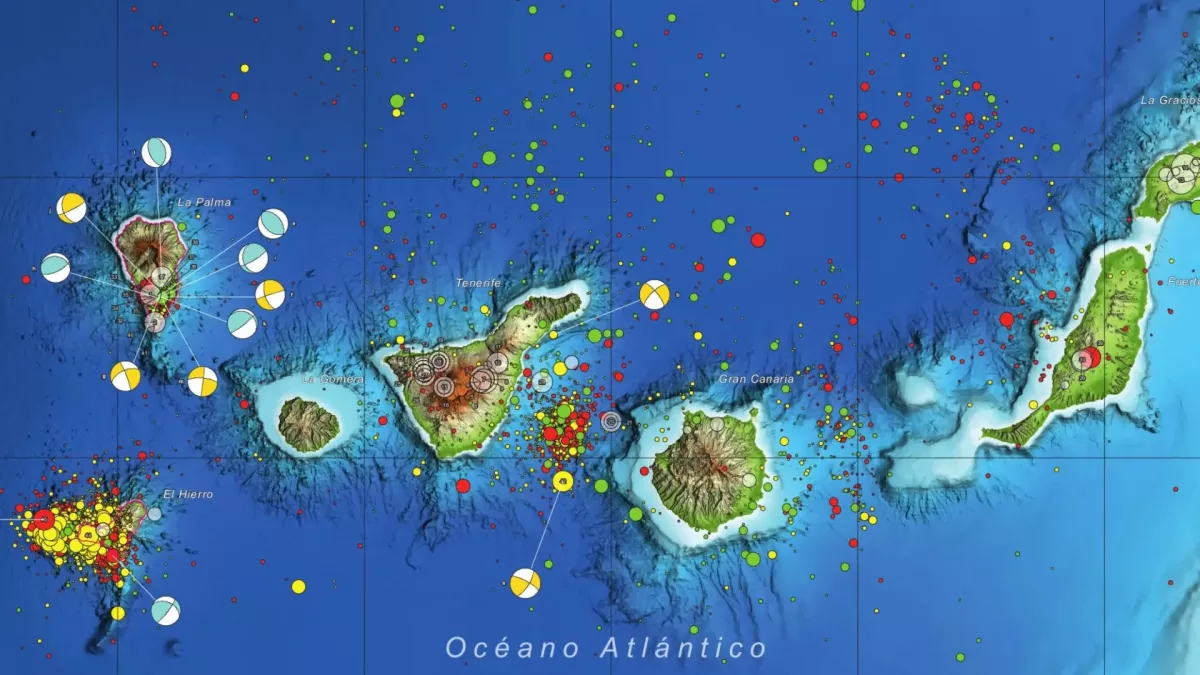
Stavros Meletlidis, a volcanologist from the National Geographic Institute, warns that although all the Canary Islands, except La Gomera, are geologically active, it is currently impossible to predict with accuracy when and where a new eruption will occur. (translated)

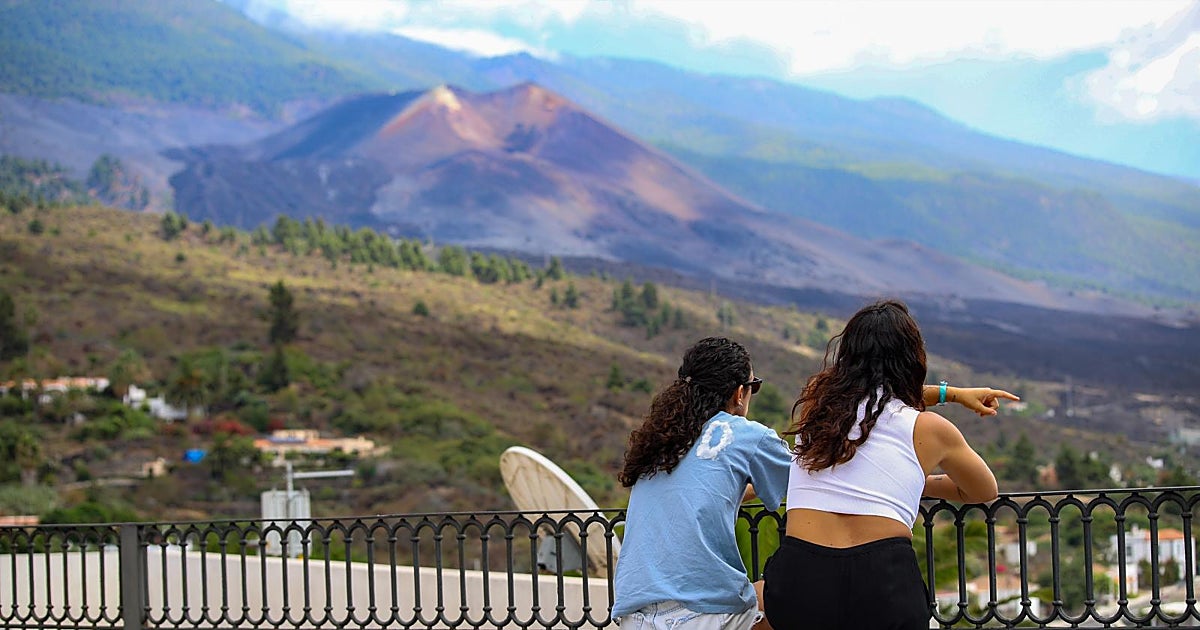
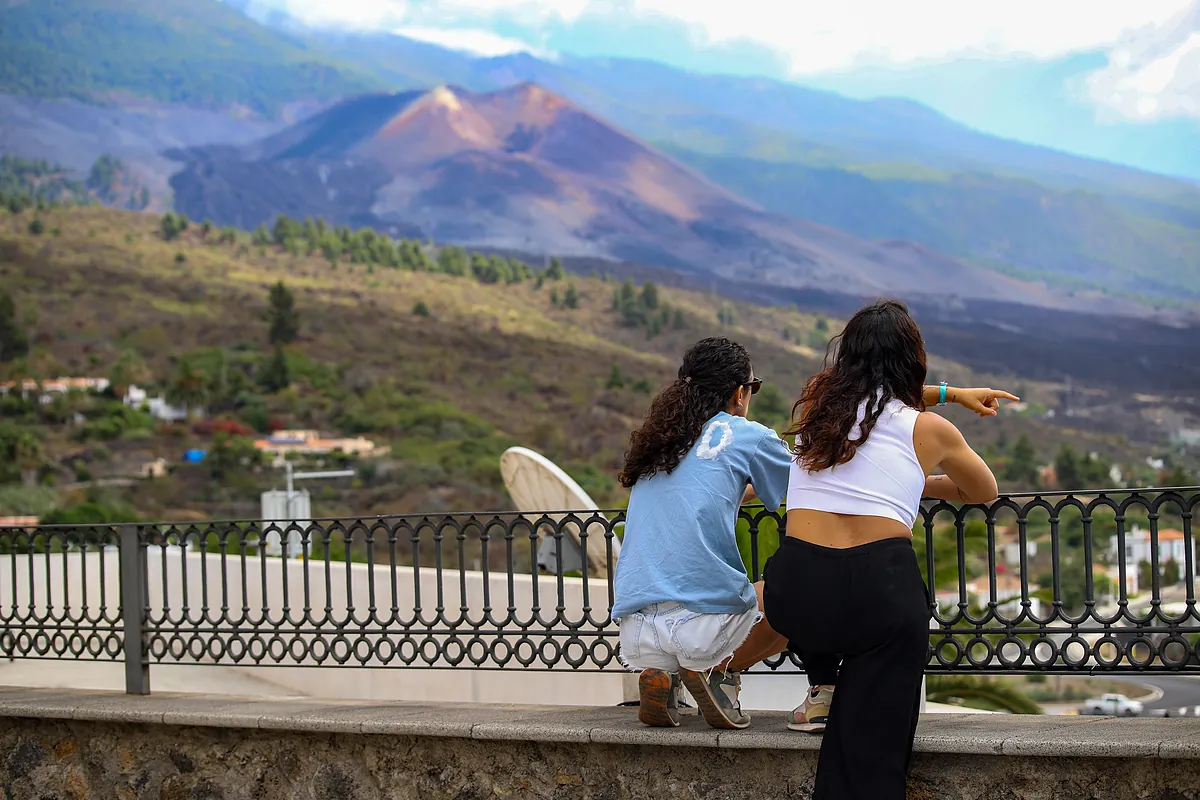
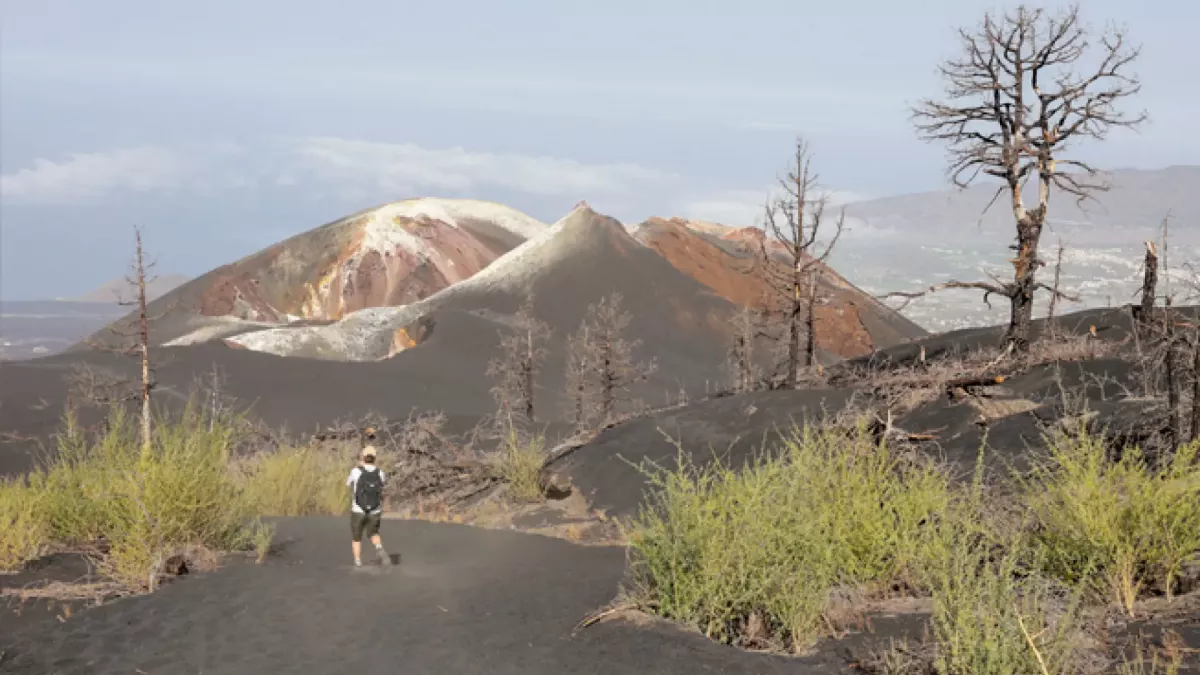
The route of the volcano in La Palma has become an important economic engine for the island, attracting more than 50% of tourists in 2024 and promoting the growth of tourism and restaurant businesses after the eruption of the Tajogaite volcano. (translated)

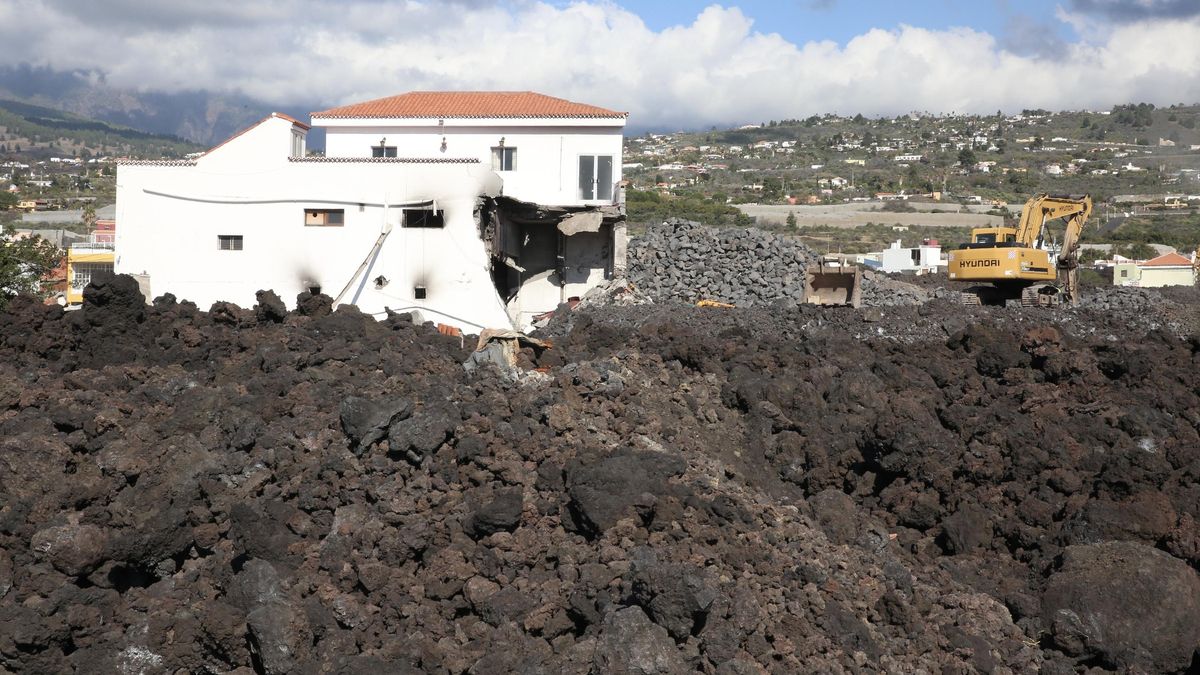
Five years after the eruption of the Tajogaite volcano, those affected in La Palma face numerous challenges in rebuilding their lives, lamenting the price speculation in housing and land, while many continue to live in temporary solutions such as container houses. (translated)

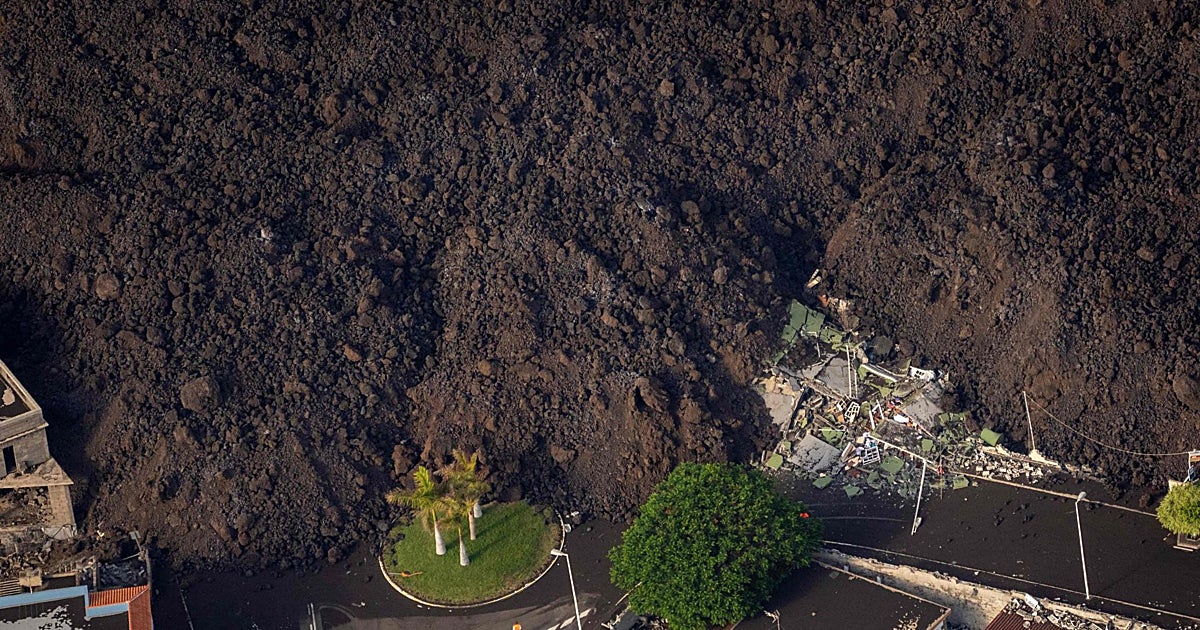
Five years after the eruption of the La Palma volcano, the island has gained two kilometers of land, but its inhabitants face a more difficult life due to the loss of homes, crops, and roads, while the reconstruction progresses slowly and complicatedly. (translated)

Five years after the eruption of the La Palma volcano, around 40 families still live in containers while facing the difficulty of finding permanent housing solutions, lamenting that the financial aid received is no longer sufficient to access homes in a collapsed real estate market. (translated)

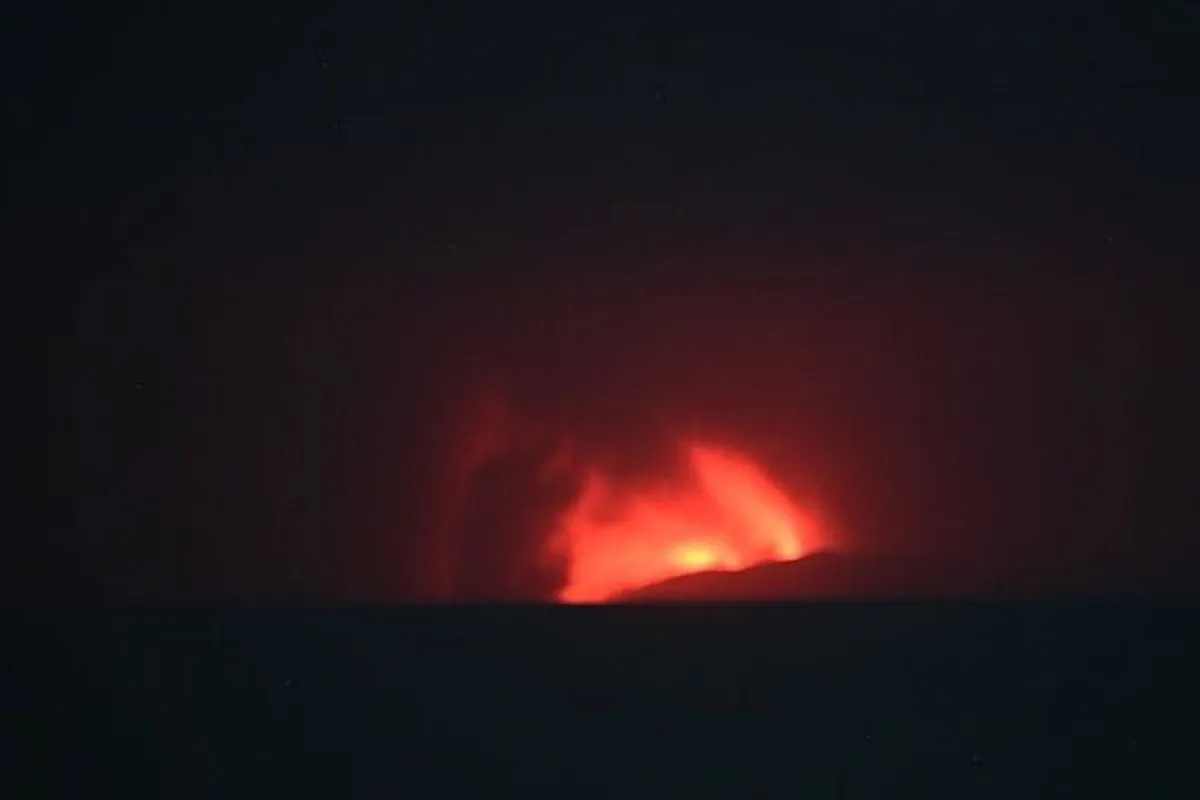
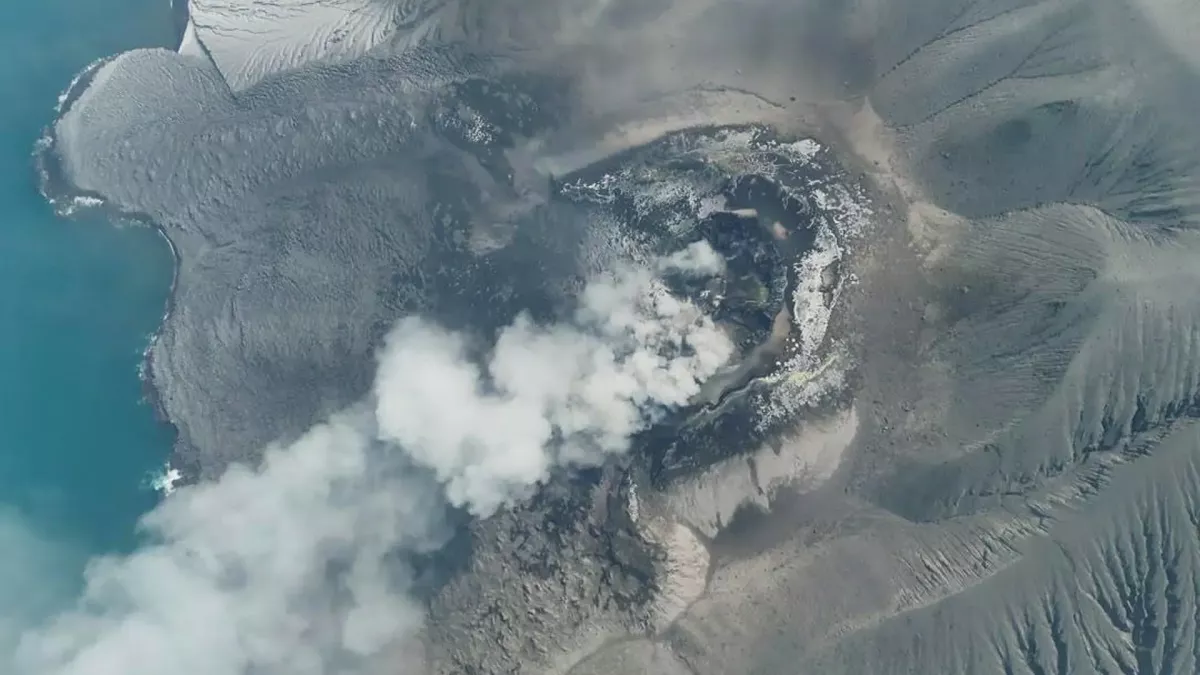
The eruption of the Anak Krakatoa volcano has left many Spaniards stranded in Indonesia, generating despair among travelers due to the uncertainty of their canceled flights and the difficulty in returning home. (translated)

A study from the Volcanological Institute of the Canary Islands has identified a large magma chamber at depths of between 10 and 20 kilometers in Tenerife, which improves the volcanic monitoring of the island, and although the risk of eruption exists, it is not considered imminent. (translated)

The airport in Jakarta has been temporarily closed due to the eruption of the Anak Krakatoa volcano, which has resulted in the cancellation of numerous flights and has severely affected air navigation in the region. (translated)

The eruption of the Anak Krakatoa volcano has led to the temporary closure of six airports in Indonesia and has affected more than 370 flights, leaving thousands of passengers stranded. (translated)

The eruption of the Anak Krakatoa volcano has caused the temporary closure of Jakarta's international airport, affecting more than 22,000 passengers and canceling 20 flights due to the dispersion of volcanic ash. (translated)

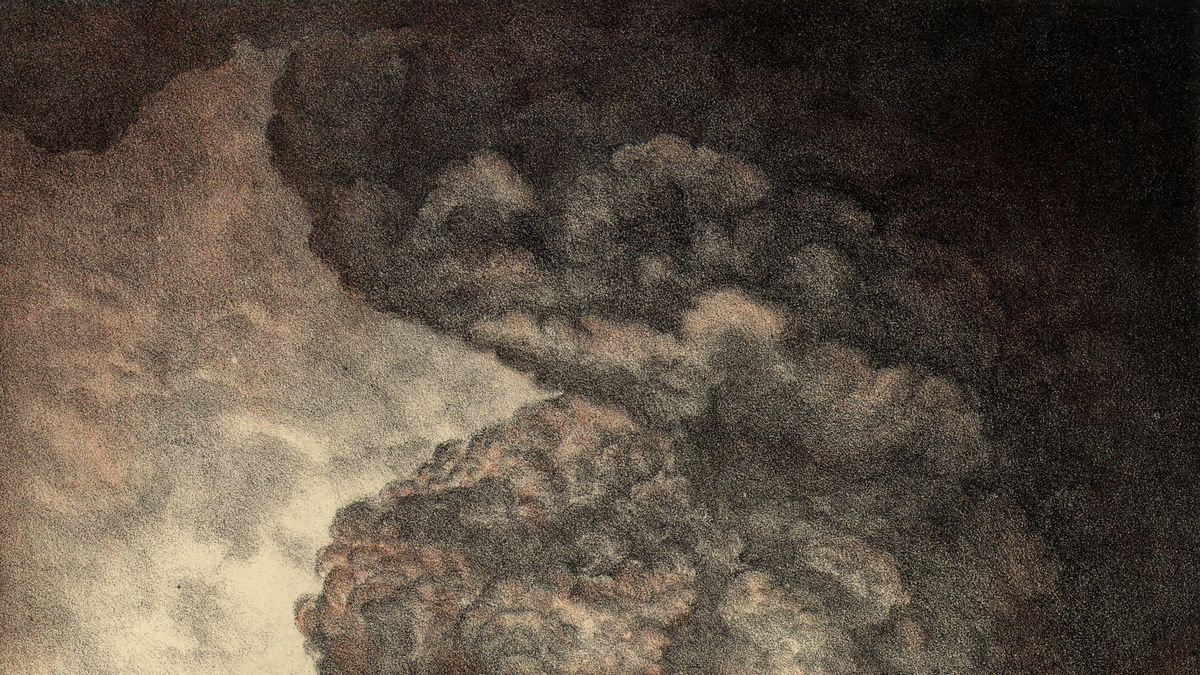
The eruption of the Krakatoa volcano in August 1883 released colossal energy, causing the death of approximately 36,000 people and producing the loudest sound ever recorded in modern history, audible over more than 10% of the Earth's surface. (translated)

A recent study has discovered a large accumulation of magma at a depth of between 10 and 30 kilometers beneath Tenerife, coinciding with an increase in seismic activity on the island since 2016, although the risk of eruption is still considered low. (translated)

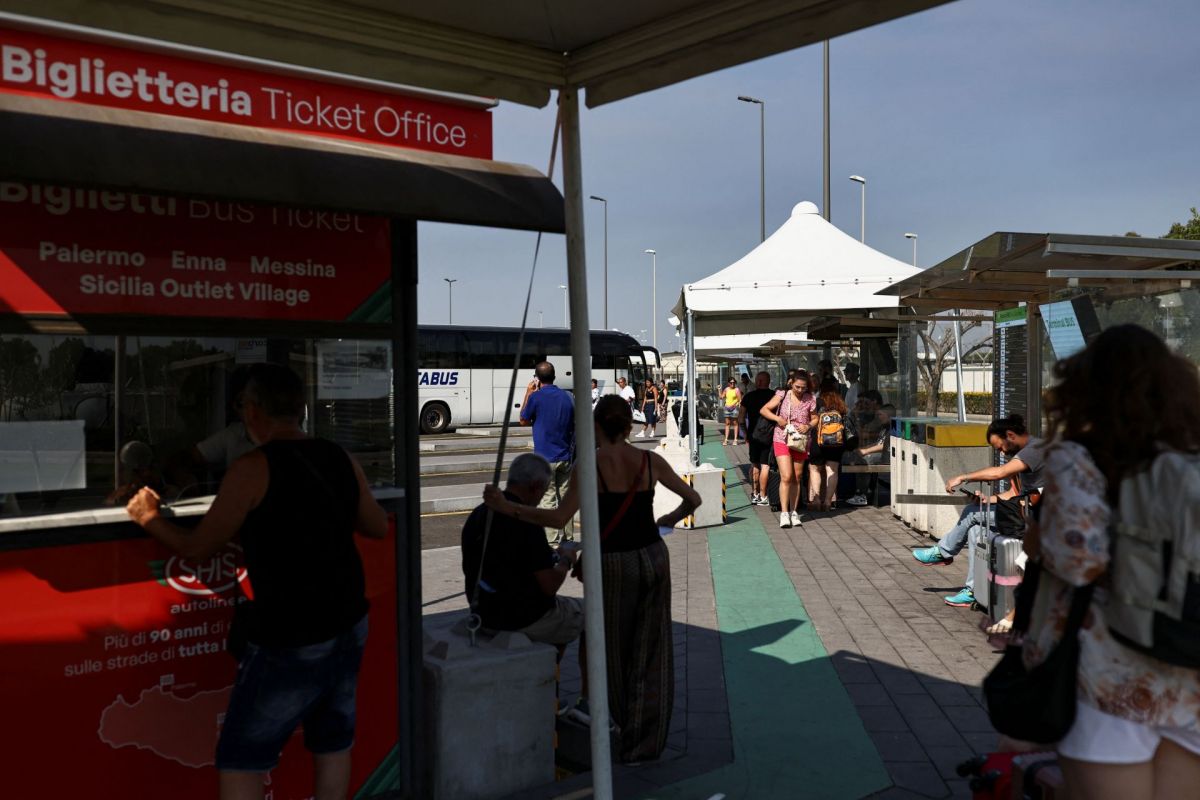
The eruption of Mount Etna has caused chaos at Catania airport, trapping hundreds of thousands of tourists and leading transport companies to charge up to 1,000 euros for trips of 200 kilometers, while flight cancellations pile up and the economic situation worsens. (translated)