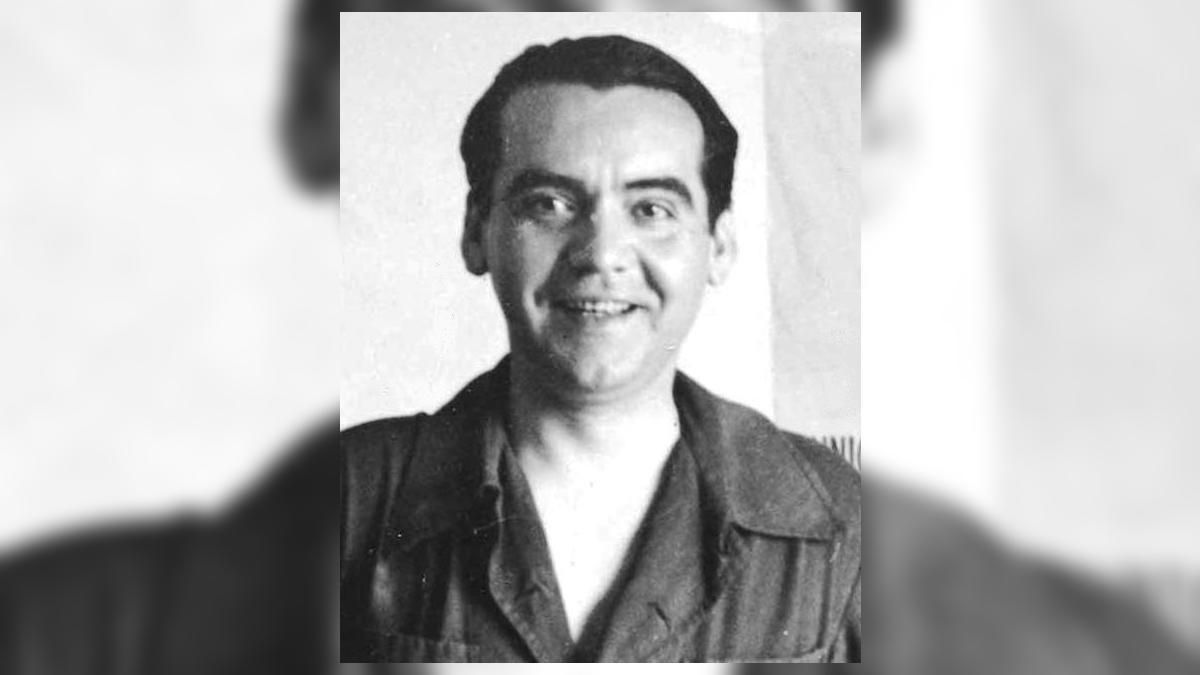
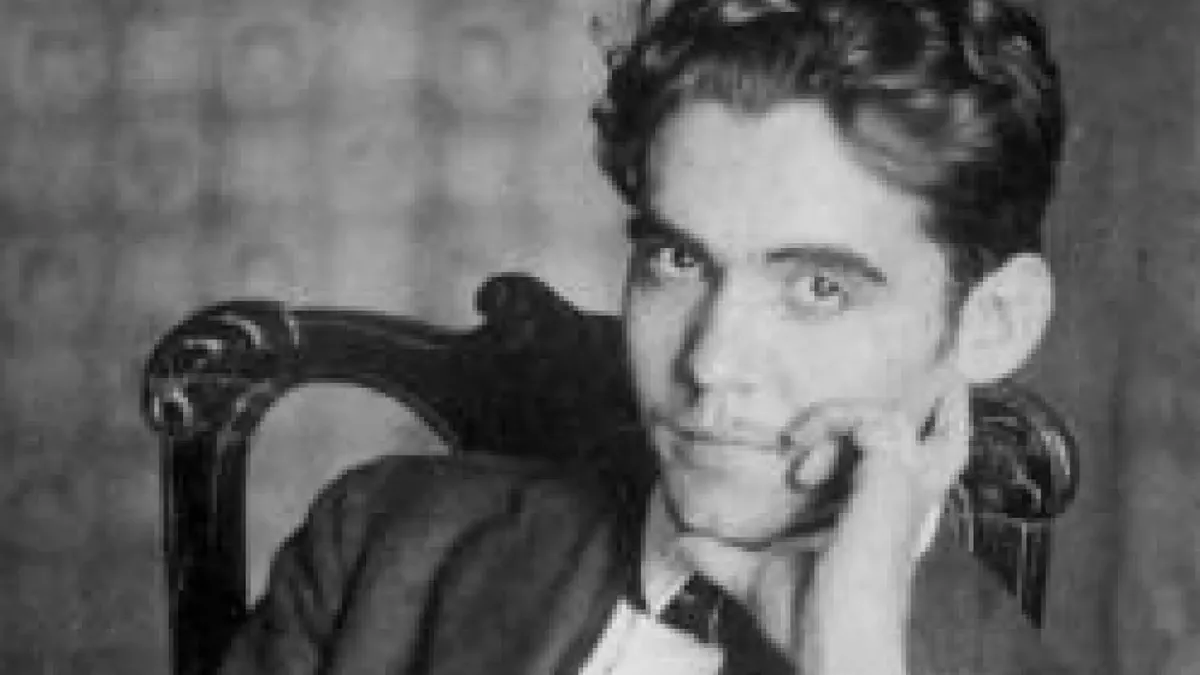
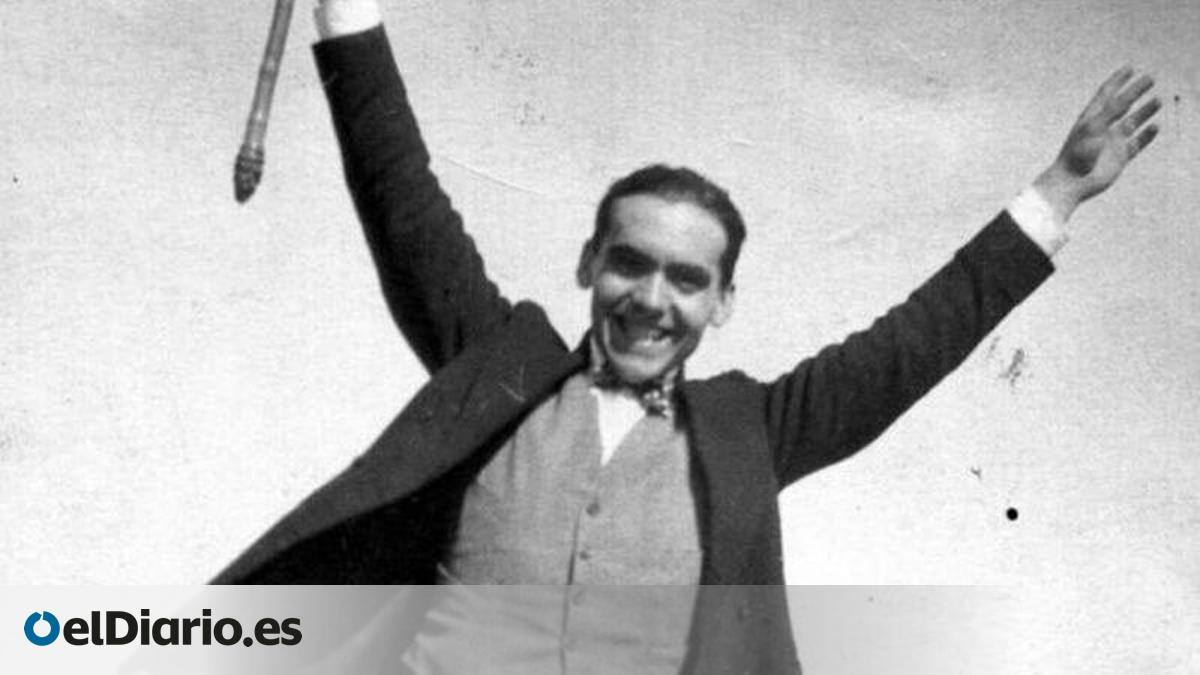
On the ninetieth anniversary of the assassination of Federico García Lorca, his legacy is kept alive through new films, books, and recordings, while new revelations about his love life and tragic end emerge, including re-editions of books and analyses of his cultural iconic status. (translated)

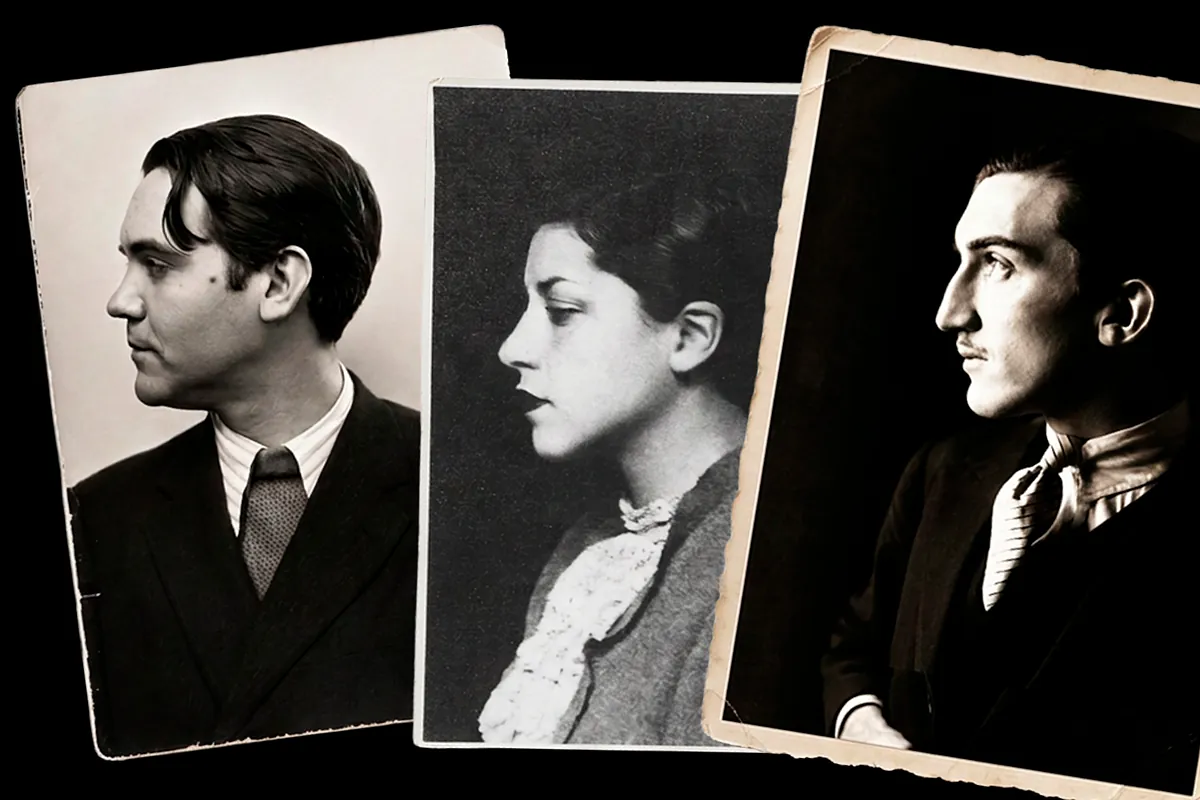
The article celebrates the 90th anniversary of the tragic fates of Federico García Lorca, Alfonso Ponce de León, and Margarita Manso, describing how their lives and artistic activities were relentlessly affected by political upheavals and violence during the Spanish Civil War, with Manso, as the only survivor, remaining a symbol of the cultural and creative demise of the generation. (translated)

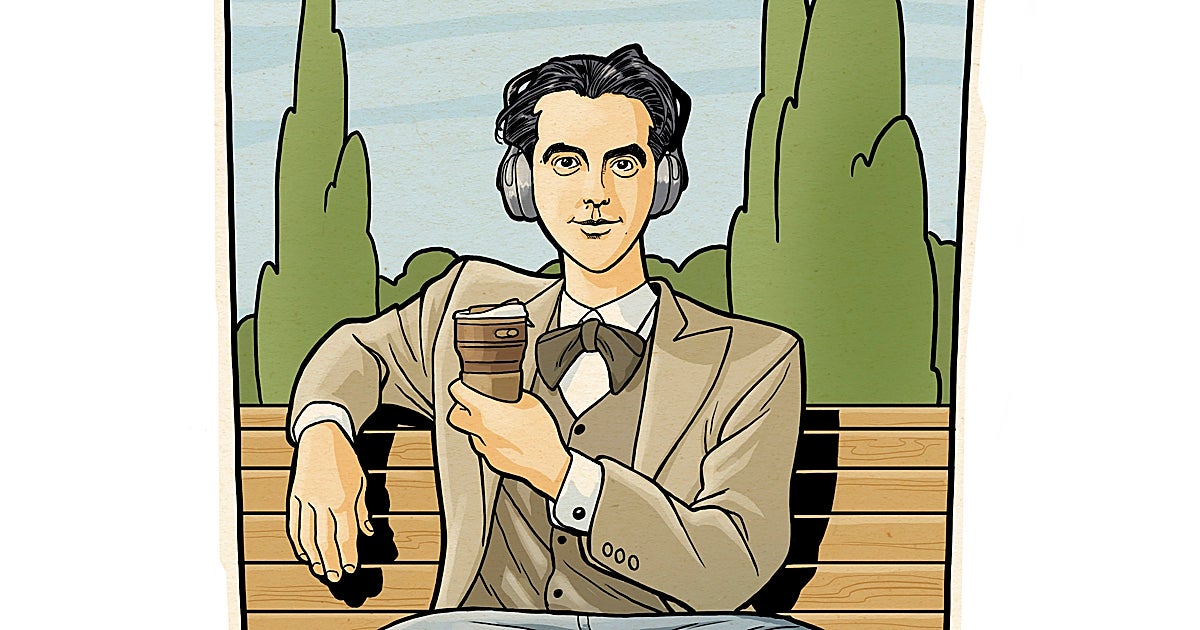
The 'lorcamanía' represents the resurgence of interest in Federico García Lorca among younger generations, manifesting itself on social media platforms like TikTok and through contemporary cultural products that connect his poetry with issues of identity and nostalgia, just on the ninety anniversary of his assassination. (translated)

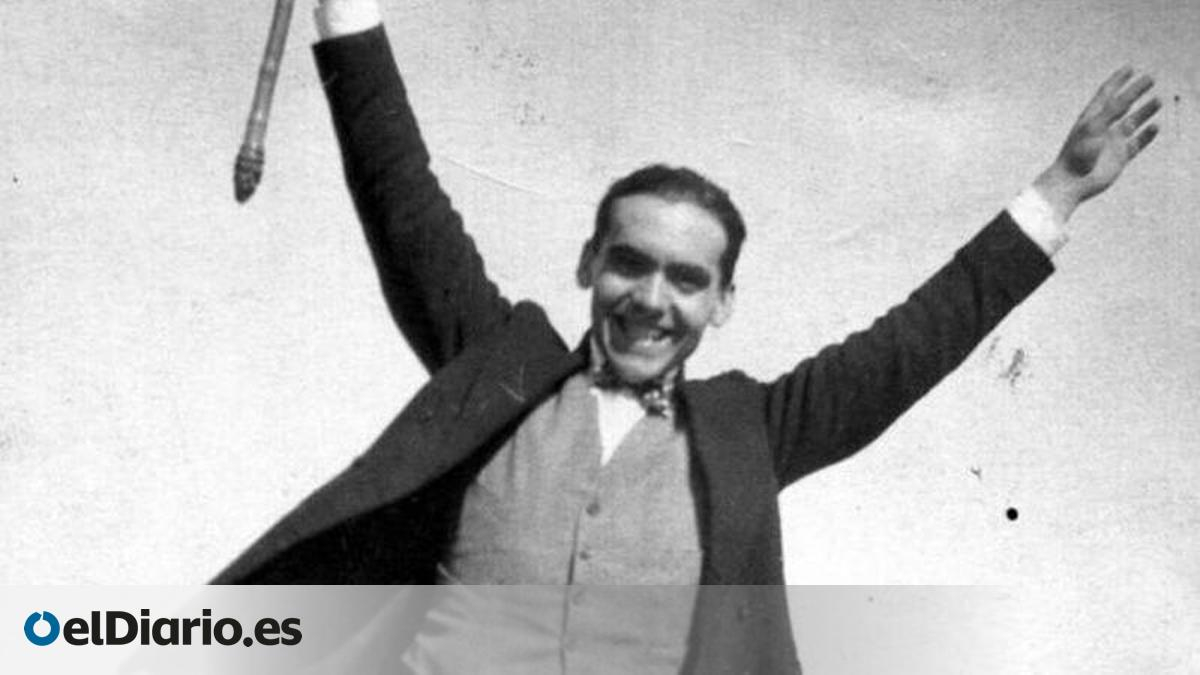
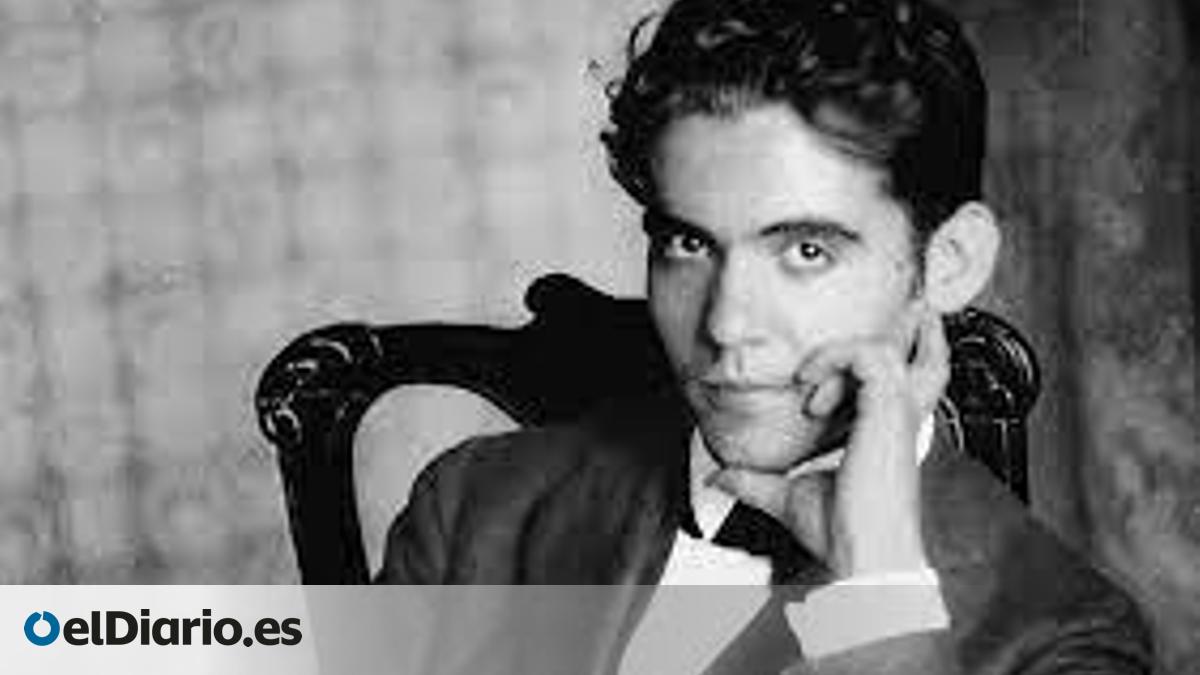
On this day in 1936, the Granada poet Federico García Lorca was arrested by the fascists for being a communist and homosexual. Two days later, he was murdered. His biographer Ian Gibson: "The Spanish right is the worst in Europe. They are hypocrites. They come from a criminal dictatorship." (translated)
The article focuses on historical events related to the massacre in Badajoz and the arrest of Federico García Lorca during the Spanish Civil War, highlighting the strategy of terror used by Francoist troops and the later manipulation of history that resulted in the erasure of truth and the forgetting of the victims of these events. (translated)

The publication of the original manuscript of the story "The Hen. A Tale for Silly Children" by Federico García Lorca, written in 1928, has been announced. It will be published in a facsimile and numbered edition by the Association of Friends of Vicente Aleixandre, along with a typescript transcription and illustrations by the artist Carmen García Iglesias. (translated)

El artículo analiza el legado teatral de Federico García Lorca, centrando su atención en las obras inacabadas que el dramaturgo estaba desarrollando cuando fue asesinado en 1936 y cómo actrices como Margarita Xirgu, Carmen Díaz, y La Argentinita estaban destinadas a dar vida a estas creaciones, con un enfoque en la relación de Lorca con estos proyectos y sus colaboraciones con estas destacadas intérpretes. #FedericoGarcíaLorca #Teatro #Actrices

Federico García Lorca transformó el flamenco en un elemento central de su creación artística, desde su infancia en Granada hasta su influencia duradera en artistas contemporáneos como Camarón y Enrique Morente, contribuyendo a elevar el cante jondo a un lugar de reconocimiento cultural y artístico. #FedericoGarcíaLorca #Flamenco #CanteJondo

Článek se zaměřuje na reakce na tvrzení režisérů Javiera Calva a Javiera Ambrossiho, že fašismus zabil básníka Federica Garcíu Lorcu kvůli jeho homosexualitě, a kritizuje snahy o bagatelizaci této historické pravdy, což ukazuje na pokračující homofobii a odpor k otevřenému vyjednávání s dějinami španělské kultury. #Fascismo #Homofobia #FedericoGarcíaLorca

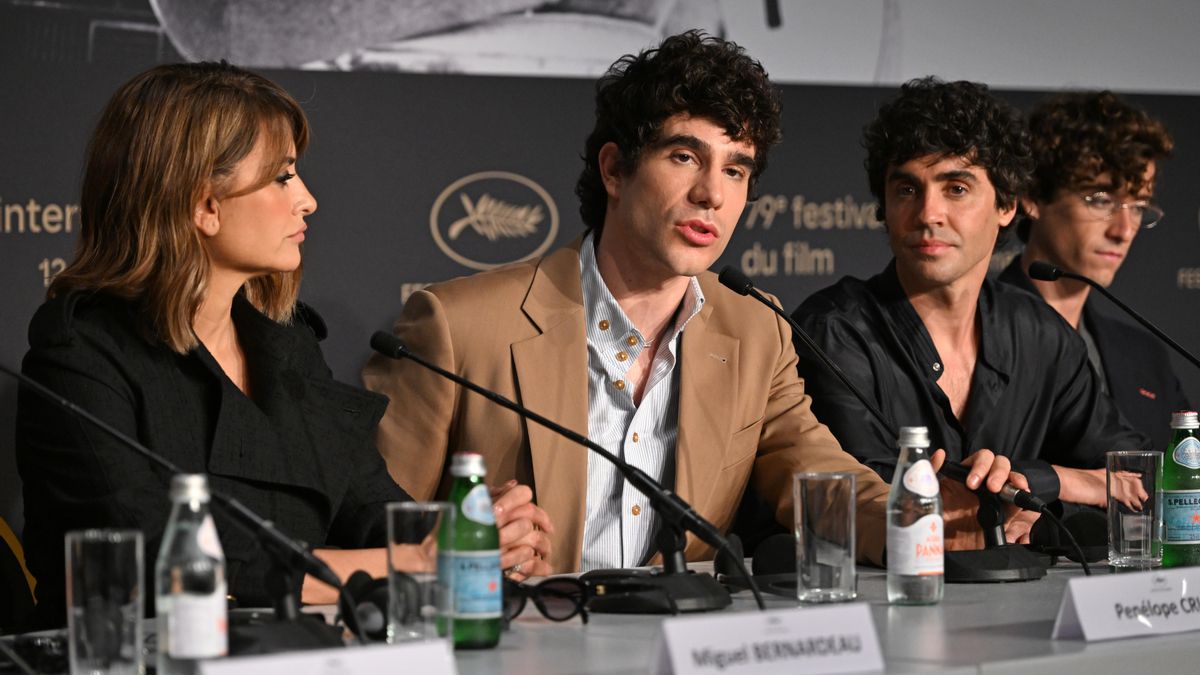
Javier Calvo y Javier Ambrossi han impactado en el Festival de Cannes con su película La bola negra, una obra ambiciosa que entrelaza historias relacionadas con Federico García Lorca y busca reivindicar su homosexualidad y la realidad del amor no expresado, destacando la necesidad de combatir la intolerancia y el fascismo en la sociedad actual. #FestivalDeCannes #LaBolaNegra #FedericoGarciaLorca

Javier Calvo y Javier Ambrossi han impactado en el Festival de Cannes con su película La bola negra, una obra ambiciosa que entrelaza historias relacionadas con Federico García Lorca y busca reivindicar su homosexualidad y la realidad del amor no expresado, destacando la necesidad de combatir la intolerancia y el fascismo en la sociedad actual. #FestivalDeCannes #LaBolaNegra #FedericoGarciaLorca