TANO® stated that he has the impression that the next day no player from Italinter would appear on the front page of the Gazzetta. #Italinter #Gazzetta #Calcio #Italinter (translated)
TANO® stated that he has the impression that the next day no player from Italinter would appear on the front page of the Gazzetta. #Italinter #Gazzetta #Calcio #Italinter (translated)

Actu Foot reported that Ronaldinho believed that Endrick could succeed in Serie A and play anywhere in the world. He highlighted that the young player had developed well in several championships, in France, Brazil, and Spain. The information was attributed to Gazzetta. https://t.co/NNOKKKl9on #Ronaldinho #Endrick #Football (translated)


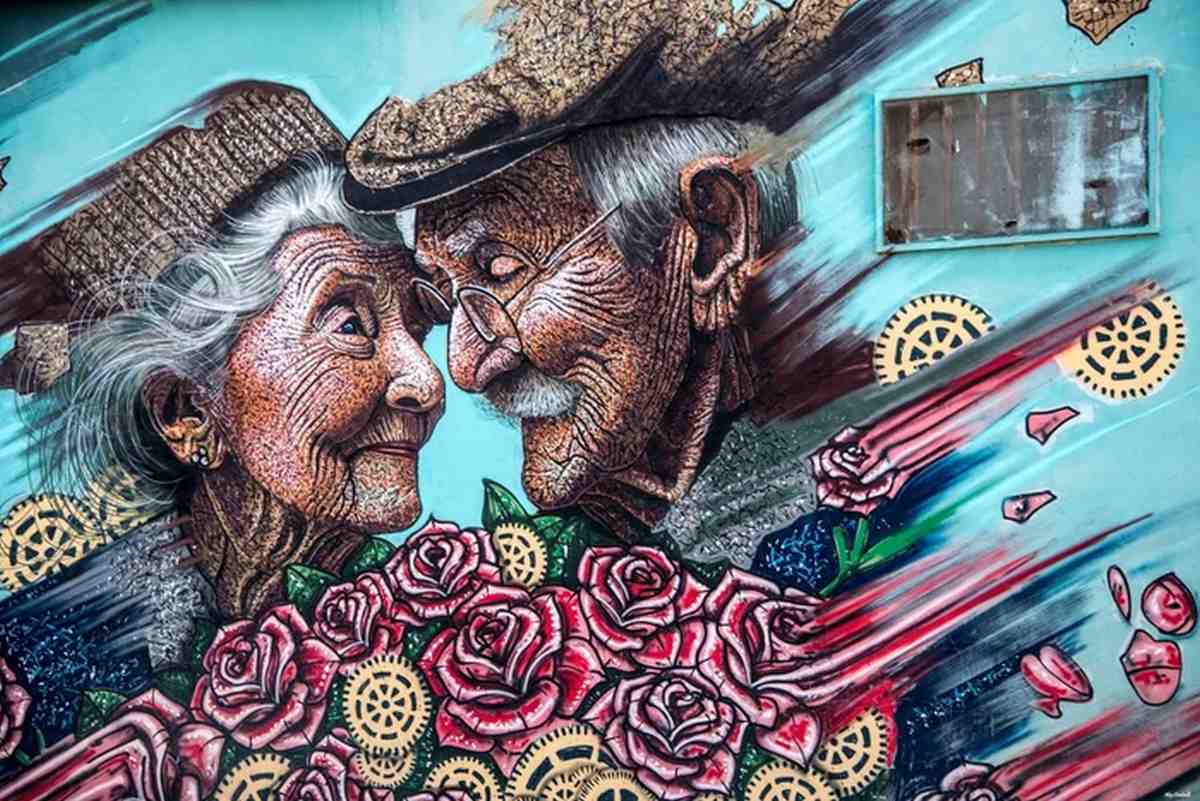
"GAZZETTA H24": STREET ART, STORNARA JOINS THE WIPO REPORT ALONGSIDE THE GREAT CITIES OF THE WORLD SOURCE: https://www.gazzettah24.it/street-art-stornara-entra-nel-rapporto-wipo-accanto-alle-grandi-citta-del-mondo/ ------------------------------------------------------------------- From "ghost town" to global model cited in Geneva: the cultural bet of Stornara Life APS captures the attention of WIPO. -------------------------------------------------------------------- STORNARA (FG) - There is a Southern Italy that makes little noise. It lies among the fields of wheat and rural roads of Capitanata, far from the main routes of mass tourism. Until a few years ago, Stornara, in the province of Foggia, was the typical town that statistics dismiss with a cruel adjective: "peripheral." Today, its name appears in an analysis from WIPO, the "World Intellectual Property Organization", the United Nations Agency in Europe based in Geneva. "Stornara Life APS" alongside Berlin, New York, Los Angeles, Paris, and Melbourne. ------------------------------------------------------------------ A report that looks at the walls of the world The text is titled "From Local Scenes to Global Recognition: Talent Mobility in Street Art". It is authored by three WIPO economists, Egbert Amoncio, Alexander Cuntz, and Alessio Muscarnera, and has been published in the "Creative Industries Insights" series. To build it, the authors started from data from the "Street Art Cities" platform. The technical note talks about approximately 74,000 geolocated works, collected and shared by street art enthusiasts worldwide. The fundamental questions are simple. Where does street art originate? Who travels to paint it? Which cities manage to attract outside talent? The first answer dismantles a common misconception. Street art is a profoundly local phenomenon. About one in five artists also works abroad, while the vast majority paint in their own city or in nearby ones. Among the few who cross borders, almost 40 percent are "highly mobile": they build an international artistic brand without severing their roots. These include the cases of Banksy, Os Gemeos, and Invader, whose walls appear on multiple continents. The authors use an effective term: street art is "glocal," rooted in its territory but capable of generating global circuits of talent and recognition. -------------------------------------------------------------------- The magnets of the world When asked which cities attract the most foreign artists, the map is fascinating. North America weighs heavily, with New York, Los Angeles, and Miami. Western Europe offers a dense network of opportunities, from Berlin to Amsterdam, from Vienna to Ghent, from Basel to Rotterdam, favored by the festival circuit and the freedom of movement within the Schengen area. Lisbon and Barcelona have focused on municipal support policies. Melbourne is the only representative from Oceania, and Northern Europe relies on Bergen, London, Belfast, and Stavanger. In this scenario of capitals and metropolises, the report includes an Italian exception, from Puglia, Foggia: Stornara, a small agricultural town of about 6,000 inhabitants, has been a destination for mural talents since 2018. It shows how street art can spark the rebirth of a community: thanks to the annual "Stramurales International Street Art Festival," born in 2017 from the strong will to combat urban and socio-economic decline by the founders of the social promotion association "Stornara Life APS,” Lino Lombardi and his local "Banda dei Fischietti," it has accumulated over 173 murals. About fifty of these are works by high-level international artists, with Google Trends data since 2017 showing notable interest in the mural tourism destination, indicating that the international festival has now captured national and international attention. It has also become the first academic case study in the world on a street art festival, "Street Art as Public Health Infrastructure," published in the prestigious academic journal "Harvard Health and Human Rights Journal" from Harvard University. Written by researcher Luciano Magaldi Sardella from Orta Nova and professor Matteo Mantuano from Lucera, this corresponds to the demonstration that an idea, an association, and the willingness of a community can change the identity of a place "forgotten by God." This is also recounted by those who have followed the story from the outside: the town, once little accustomed to visitors, now welcomes international tourists, individuals, groups, and schoolchildren who come to see its over 173 murals. ----------------------------------------------------------------- The secret is in density The data that has sparked pride in Stornara is this: it's not the volume that matters, it's the proportion. The organizers propose a simple indicator: works by foreign artists divided by the number of residents, multiplied by 100,000. With about over 50 international works and a population of a few thousand residents, Stornara reaches several hundred foreign works for every 100,000 inhabitants. This is a value that metropolises, with millions of residents, cannot approach. The meaning must be read accurately, and this is where the beauty of the matter lies. No one claims that Stornara has more foreign murals than New York. The point is that, in relation to its scale, few places in the world concentrate so much international art per inhabitant. The impact does not disperse in a megalopolis: it settles in every street, on every facade, in the daily life of those who live there. The most interesting part of the report looks beyond the ranking. The authors write that the value of street art extends well beyond the painted surfaces. Cities like Stornara demonstrate how urban art attracts tourism, generates media coverage, and can stimulate local businesses while strengthening community bonds and restoring the psychosocial well-being that could counter the perpetual Southern decline. However, the report adds a valuable warning: success depends on careful implementation and the involvement of artistic communities. Top-down initiatives risk being perceived as "predatory" by artists who care about the credibility of street art. The global model Stramurales appears to have avoided this pitfall. Field studies tell of walls donated by residents, week-long artist residences, and public discussions on the themes to be addressed. -------------------------------------------------------------------- The lesson of a town The report concludes with an idea that holds true for both Stornara and Berlin: the vitality of street art sinks its roots in local contexts. It arises from communities, speaks of their problems, and is made by artists immersed in their urban environments. The artistic family of "Stornara Life APS" understood this before many regional and local politicians, creating their walls into an open-air museum, a promise, and opening them to the world without ceasing to be themselves. In this official report from the Geneva Agency of the United Nations in Europe that measures the ability to attract talent, this results in, perhaps, the most precious value. Being cited alongside the great capitals of urban art while remaining, after all, a rural provincial town where every wall tells a colorful world of glocal stories. (translated)
"GAZZETTA H24": STREET ART, STORNARA ENTERS THE WIPO REPORT ALONGSIDE THE GREAT CITIES OF THE WORLD SOURCE: https://www.gazzettah24.it/street-art-stornara-entra-nel-rapporto-wipo-accanto-alle-grandi-citta-del-mondo/ -------------------------------------------------------------------- From 'ghost town' to global model cited in Geneva: the cultural wager of Stornara Life APS wins the attention of WIPO. STORNARA (FG) - There is a Southern Italy that makes no little noise. It stands among the wheat fields and the rural roads of the Capitanata, far from the great routes of mass tourism. Until a few years ago Stornara, in the province of Foggia, was the typical town that statistics dismiss with a cruel adjective: 'peripheral'. Today its name appears in an analysis by WIPO, the 'World Intellectual Property Organization', the United Nations Agency of Europe headquartered in Geneva. 'Stornara Life APS' alongside Berlin, New York, Los Angeles, Paris, and Melbourne. -------------------------------------------------------------------- A report that looks at the walls of the world The text is entitled 'From Local Scenes to Global Recognition: Talent Mobility in Street Art'. It bears the signature of three WIPO economists, Egbert Amoncio, Alexander Cuntz, and Alessio Muscarnera, and was published in the series 'Creative Industries Insights'. To build it the authors started from the data of the platform 'Street Art Cities'. The technical note speaks of about 74,000 geolocalized works, collected and shared by street-art enthusiasts all over the world. The underlying questions are simple. Where is street art born? Who travels to paint it? Which cities manage to attract talent from outside? The first answer dismantles a commonplace. Street art is a profoundly local phenomenon. About one artist in five also works abroad, whereas the great majority paints in its own city or in those nearby. Among the few who cross the borders, almost 40 per cent are 'highly mobile': they build an international artistic brand without severing their roots. They are the cases of Banksy, Os Gemeos, and Invader, whose walls appear on more than one continent. The authors use an effective term: street art is 'glocal', rooted in its own territory but capable of generating global circuits of talent and recognition. ---------------------------------------------------------------- The magnets of the world When one asks which cities attract foreign artists most, the map is fascinating. North America weighs by size, with New York, Los Angeles, and Miami. Western Europe offers a dense network of opportunities, from Berlin to Amsterdam, from Vienna to Ghent, from Basel to Rotterdam, favoured by the festival circuit and by freedom of movement of the Schengen area. Lisbon and Barcelona have staked on municipal policies of support. Melbourne is the sole representative of Oceania, and Northern Europe relies on Bergen, London, Belfast, and Stavanger. In this scenario of capitals and metropolises, the report inserts an Italian, Apulian, Foggian exception: Stornara, a small agricultural town of about 6,000 souls, since 2018 has been a destination for mural talent. It shows how street art can trigger the rebirth of a community: thanks to the annual festival 'Stramurales International Street Art Festival', born in 2017 from the iron will to combat urban and socio-economic decline on the part of the founders of the social promotion association 'Stornara Life APS', Lino Lombardi and his Stornarese 'Banda dei Fischietti', it has accumulated more than 173 murals. About fifty of them are works by high-level international artists, with Google Trends data which since 2017 have shown a remarkable interest in the tourist-mural destination, a sign that the international festival has by now captured national and international attention. It has also become the first monographic academic case study in the world on a street-art festival, 'Street Art as Public Health Infrastructure', published in the prestigious journal of world academic standing, the 'Harvard Health and Human Rights Journal' of Harvard University. Through the work of the researcher Luciano Magaldi Sardella of Orta Nova and of Professor Matteo Mantuano of Lucera, all this corresponds to the demonstration that an idea, an association, and the availability of a community can change the identity of a place 'forgotten by God'. He who has followed the affair from outside also tells it: the town, once little accustomed to visitors, today welcomes international tourists, individuals, groups, and school parties come to see its more than 173 murals. -------------------------------------------------------------------- The secret is in density The datum which has kindled Stornarese pride is this: volume does not count, proportion counts. The organizers propose a simple indicator: works by foreign artists divided by inhabitants, multiplied by 100,000. With about over 50 international works and a population of a few thousand residents, at Stornara one arrives at several hundred foreign works per 100,000 inhabitants. It is a value which the metropolises, with millions of residents, cannot approach. The meaning must be read with precision, and precisely here stands the beauty of the thing. No one maintains that Stornara has more foreign murals than New York. The point is that, in relation to its scale, few places in the world concentrate so much international art per inhabitant. The impact does not disperse itself in a megalopolis: it deposits itself in every street, on every façade, in the everyday life of those who inhabit it. The most interesting part of the report is that which looks beyond the ranking. The authors write that the value of street art extends well beyond the painted surfaces. Cities such as Stornara demonstrate how urban art attracts tourism, generates media coverage, and can stimulate local commercial activities, strengthening the sense of community and restoring the psychosocial well-being which would distance the imperishable southern decline. The report adds, however, a precious warning: success depends on careful implementation and on the involvement of the artistic communities. Initiatives dropped from above risk being perceived as 'predatory' by artists who have street credibility at heart. The global Stramurales model seems to have avoided the snare. Field studies tell of walls donated by residents, one-week artists' residencies, and public discussion of the themes to be addressed. ----------------------------------------------------------------- The lesson of a town The report closes itself with an idea which holds for Stornara as much as for Berlin: the vitality of street art sinks in local roots. It is born from communities, speaks of their problems, is made by artists immersed in their urban contexts. The artistic family of 'Stornara Life APS' understood it before many regional and local politicians, making of its own walls an open-air museum, a promise, and opening them to the world without ceasing to be itself. In this official report of the Genevan Agency of the United Nations of Europe which measures the capacity to attract talent, this turns out to be, probably, the most precious result:. To be cited alongside the great capitals of urban art and to remain, after all, a rural provincial town in which every wall tells a variegated world of glocal stories.
Actu Foot wrote that AC Milan continues to dream of Virgil van Dijk, whose contract with Liverpool is ending, and that the Dutchman is one of the favorites of Cardinale and Ibrahimovic. According to the account, a return to the Champions League and a team capable of competing for the title would be necessary to attract him. Galatasaray, Fenerbahçe, and Trabzonspor would also be interested, Actu Foot added, citing La Gazzetta dello Sport, relayed by Guillaume MP. #ACMilan #VirgilVanDijk #LigueDesChampions (translated)

Actu Foot reported that the Italian press had celebrated Italy's 3-1 victory over France. According to its summary, La Gazzetta dello Sport praised the team's energy, La Repubblica believed they were regaining their greatness, and the Corriere della Sera judged that it didn't matter if Italy was known to win when the stakes were lower. The post, shared via RMC Sport, added that San Siro was starting to believe that Italy had defeated the best team in the world and that a new cycle with Mancini had begun. #Italie #Victoire #Football (translated)


Twenty years after the legendary headbutt in the 2006 World Cup final, Marco Materazzi accuses Zinédine Zidane in an interview with the "Gazzetta dello Sport" of having denied an alleged reconciliation in 2010 in Milan. #Zidane #Materazzi #WM2006 (translated)
"THE GAZETTE OF SAN SEVERO" STRAMURALES: STORNARA IN THE "GLOBAL TOP 20" OF THE UNITED NATIONS AGENCY REPORT FOR EUROPE SOURCE: https://www.lagazzettadisansevero.it/stramurales-stornara-nella-global-top-20-del-rapporto-dellagenzia-delle-nazioni-unite-deuropa/?fbclid=IwY2xjawVibZVleHRuA2FlbQIxMABwZG9mAWJyaWQRMHE3R3FDUWVMVnBtN1NiRGRzcnRjBmFwcF9pZBAyMjIwMzkxNzg4MjAwODkyAAEfJpk9OBrbzNPPuzmmZTsbvjf1RRRRwgltWvqpPTryHt2mv-Z5rTEy1ifxBXU_aem_ciFpxVBzVKZmCZU0twovqQ From "ghost town" to a global model cited in Geneva: the cultural bet of Stornara Life APS captures the attention of WIPO. There is a Southern Italy that makes little noise. It is nestled among the wheat fields and rural roads of Capitanata, far from the major routes of mass tourism. Until a few years ago, Stornara, in the province of Foggia, was the typical town that statistics dismissed with a cruel adjective: "peripheral." Today, its name appears in an analysis by WIPO, the World Intellectual Property Organization, a United Nations agency for Europe based in Geneva, alongside Berlin, New York, Los Angeles, Paris, and Melbourne. A report that looks at the walls of the world The text is titled From Local Scenes to Global Recognition: Talent Mobility in Street Art. It is signed by three WIPO economists, Egbert Amoncio, Alexander Cuntz, and Alessio Muscarnera, and was published at the end of May 2026 in the Creative Industries Insights series. To construct it, the authors started from data from the Street Art Cities platform. The technical note discusses approximately 74,000 geolocated works, collected and shared by street art enthusiasts worldwide. The fundamental questions are simple. Where does street art originate? Who travels to paint it? Which cities manage to attract talents from outside? The first response dismantles a common misconception. Street art is a profoundly local phenomenon. About one in five artists also works abroad, while the vast majority paint in their own city or nearby. Among the few who cross borders, nearly 40 percent is "highly mobile": they build an international artistic brand without severing their roots. These include the cases of Banksy, Os Gemeos, and Invader, whose walls appear on multiple continents. The authors use an effective term: street art is "glocal," rooted in its territory but capable of generating global circuits of talent and recognition. The magnets of the world When asked which cities attract the most foreign artists, the map is fascinating. North America is significant in size, with New York, Los Angeles, and Miami. Western Europe offers a dense network of opportunities, from Berlin to Amsterdam, from Vienna to Ghent, from Basel to Rotterdam, favored by the festival circuit and the freedom of movement of the Schengen area. Lisbon and Barcelona have focused on municipal support policies. Melbourne is the only representative from Oceania, and Northern Europe relies on Bergen, London, Belfast, and Stavanger. In this scenario of capitals and metropolises, the report includes an Italian, Apulian, Foggian exception: Stornara, a small agricultural town of about 6,000 souls, has been a destination for muralist talents since 2018. It shows how street art can trigger the revival of a community: thanks to the annual Stramurales International Street Art Festival, born in 2017 from the strong will to combat urban and socio-economic decline by the founders of the Stornara Life APS social promotion association, Lino Lombardi, and his Stornara-based Banda dei Fischietti, it has accumulated over 173 murals. About fifty are works by high-level international artists, with Google Trends data showing a remarkable interest in the tourist-mural destination since 2017, indicating that the international festival has now captured national and international attention. Also becoming the first monographic academic case study in the world on a street art festival, "Street Art as Public Health Infrastructure," published in the prestigious global academic journal "Harvard Health and Human Rights Journal" of Harvard University, by researcher Luciano Magaldi Sardella from Orta Nova and professor Matteo Mantuano from Lucera, all of this corresponds to the demonstration that an idea, an association, and the availability of a community can change the identity of a place "forgotten by God." Those who have followed the story from the outside also report this: the town, once unaccustomed to visitors, now welcomes international tourists, individuals, groups, and school classes who come to see its over 173 murals. The secret is in density The data that has ignited Stornara’s pride is this: it is not about volume, it is about proportion. The organizers propose a simple indicator: the works of foreign artists divided by the residents, multiplied by 100,000. With about 50 international works and a population of a few thousand residents, Stornara arrives at several hundred foreign works per 100,000 inhabitants. It is a value that metropolises, with millions of residents, cannot approach. The meaning must be read precisely, and this is where the beauty lies. No one claims that Stornara has more foreign murals than New York. The point is that, relative to its scale, few places in the world concentrate as much international art per inhabitant. The impact does not disperse in a megalopolis: it settles in every street, on every facade, in the daily life of those who live there. The most interesting part of the report looks beyond the ranking. The authors write that the value of street art extends well beyond the painted surfaces. Cities like Stornara demonstrate how urban art attracts tourism, generates media coverage, and can stimulate local commercial activities while strengthening the sense of community and restoring the psychosocial well-being that would distance itself from the perpetual southern decline. However, the report adds a valuable warning: success depends on careful implementation and the involvement of artistic communities. Top-down initiatives risk being perceived as "predatory" by artists who care about street credibility. The Stramurales global model seems to have avoided this pitfall. Field studies tell of walls donated by residents, week-long artist residencies, and public discussions on the topics to address. The lesson from a town The report concludes with an idea that applies to Stornara as much as to Berlin: the vitality of street art is rooted in local roots. It arises from the communities, speaks of their problems, and is made by artists immersed in their urban contexts. The artistic family of Stornara Life APS understood this before many regional and local politicians, turning their walls into an open-air museum, a promise, and opened them to the world without ceasing to be themselves. In this official report from the Geneva-based United Nations agency for Europe that measures the capacity to attract talents, this is likely the most precious outcome: being cited alongside the major capitals of urban art and remaining, after all, a rural provincial town where every wall tells a colorful world of glocal stories. (translated)

“LA GAZZETTA DI SAN SEVERO”: STRAMURALES: STORNARA IN THE ‘GLOBAL TOP 20’ OF THE REPORT OF THE UNITED NATIONS AGENCY IN EUROPE SOURCE: https://www.lagazzettadisansevero.it/stramurales-stornara-nella-global-top-20-del-rapporto-dellagenzia-delle-nazioni-unite-deuropa/?fbclid=IwY2xjawVibZVleHRuA2FlbQIxMABwZG9mAWJyaWQRMHE3R3FDUWVMVnBtN1NiRGRzcnRjBmFwcF9pZBAyMjIwMzkxNzg4MjAwODkyAAEfJpk9OBrbzNPPuzmmZTsbvjf1RRRRwgltWvqpPTryHt2mv-Z5rTEy1ifxBXU_aem_ciFpxVBzVKZmCZU0twovqQ From ‘ghost town’ to global model cited in Geneva: the cultural gamble of Stornara Life APS wins the attention of WIPO. There is a Southern Italy that is making quite a noise. It lies among the wheat fields and the rural roads of the Capitanata, far from the great routes of mass tourism. Until a few years ago Stornara, in the province of Foggia, was the typical town that statistics dismiss with a cruel adjective: ‘peripheral’. Today its name appears in an analysis by WIPO, the World Intellectual Property Organization, the United Nations agency in Europe based in Geneva, alongside Berlin, New York, Los Angeles, Paris, and Melbourne. A report that looks at the walls of the world The text is entitled From Local Scenes to Global Recognition: Talent Mobility in Street Art. It is signed by three WIPO economists, Egbert Amoncio, Alexander Cuntz, and Alessio Muscarnera, and was published at the end of May 2026 in the Creative Industries Insights series. To build it, the authors started from the data of the Street Art Cities platform. The technical note speaks of around 74,000 geolocated works, collected and shared by street art enthusiasts all over the world. The underlying questions are simple. Where is street art born? Who travels to paint it? Which cities manage to attract talent from outside? The first answer dismantles a commonplace. Street art is a profoundly local phenomenon. Around one artist in five also works abroad, while the great majority paint in their own city or in those nearby. Among the few who cross borders, almost 40 per cent are ‘highly mobile’: they build an international artistic brand without severing their roots. Such are the cases of Banksy, Os Gemeos, and Invader, whose walls appear on several continents. The authors use an effective term: street art is ‘glocal’, rooted in its own territory but capable of generating global circuits of talent and recognition. The magnets of the world When one asks which cities attract foreign artists most, the map is fascinating. North America weighs in by size, with New York, Los Angeles, and Miami. Western Europe offers a dense network of opportunities, from Berlin to Amsterdam, from Vienna to Ghent, from Basel to Rotterdam, favoured by the festival circuit and by freedom of movement in the Schengen area. Lisbon and Barcelona have bet on supportive municipal policies. Melbourne is the only representative of Oceania, and Northern Europe relies on Bergen, London, Belfast, and Stavanger. In this scenario of capitals and metropolises, the report inserts an Italian, Apulian, Foggian exception: Stornara, a small agricultural town of around 6,000 souls, since 2018 a destination for mural talents. It shows how street art can trigger the rebirth of a community: thanks to the annual Stramurales International Street Art Festival, born in 2017 from the iron will to fight urban and socio-economic decline on the part of the founders of the social promotion association Stornara Life APS, Lino Lombardi and his Stornara Banda dei Fischietti, it has accumulated more than 173 murals. Around fifty of them are works by high-level international artists, with Google Trends data that since 2017 have shown considerable interest in the tourist-mural destination, a sign that the international festival has now captured national and international attention. Having also become the world’s first monographic academic case study on a street art festival, ‘Street Art as Public Health Infrastructure’, published in the prestigious world-level academic journal, the ‘Harvard Health and Human Rights Journal’ of Harvard University, by the researcher Luciano Magaldi Sardella from Orta Nova and Professor Matteo Mantuano from Lucera, all this amounts to proof that an idea, an association, and the willingness of a community can change the identity of a place ‘forgotten by God’. Those who have followed the story from outside also tell it: the town, once little accustomed to visitors, today welcomes international tourists, individuals, groups, and school parties who have come to see its more than 173 murals. The secret lies in density The figure that has ignited Stornara pride is this: volume does not count, proportion counts. The organizers propose a simple indicator: works by foreign artists divided by inhabitants, multiplied by 100,000. With around more than 50 international works and a population of a few thousand residents, in Stornara one reaches several hundred foreign works per 100,000 inhabitants. It is a value that metropolises, with millions of residents, cannot approach. The meaning must be read precisely, and precisely here lies the beauty of it. Nobody claims that Stornara has more foreign murals than New York. The point is that, relative to its scale, few places in the world concentrate so much international art per inhabitant. The impact is not dispersed in a megalopolis: it settles in every street, on every façade, in the daily life of those who live there. The most interesting part of the report is the one that looks beyond the ranking. The authors write that the value of street art extends far beyond the painted surfaces. Towns like Stornara demonstrate how urban art attracts tourism, generates media coverage, and can stimulate local commercial activities, strengthening the sense of community and restoring the psychosocial well-being that would drive away the perpetual southern decline. The report adds, however, a valuable warning: success depends on careful implementation and on the involvement of artistic communities. Top-down initiatives risk being perceived as ‘predatory’ by artists who care about street credibility. The global Stramurales model seems to have avoided the pitfall. Field studies tell of walls donated by residents, one-week artist residencies, and public discussion of the themes to be addressed. The lesson of a town The report closes with an idea that holds for Stornara as much as for Berlin: the vitality of street art is rooted in local roots. It is born from communities, speaks of their problems, and is made by artists immersed in their urban contexts. The artistic family of Stornara Life APS understood this before many regional and local politicians, making its own walls an open-air museum, a promise, and opening them to the world without ceasing to be itself. In this official report of the Geneva agency of the United Nations in Europe that measures the capacity to attract talent, this turns out to be, probably, the most precious result: to be cited alongside the great capitals of urban art and to remain, after all, a rural provincial town in which every wall tells a colourful world of glocal stories.

Massilia Zone indicated, relaying Gazzetta_it via Guillaumemp, that Fiorentina would attempt once again to recruit Pierre-Emile Hojbjerg in January. He added that Juventus was also in the running for the OM midfielder. (translated)

Actu Foot reported that Marco Materazzi reflected on Zinédine Zidane's headbutt during the 2006 World Cup final, twenty years later. The former Italian defender acknowledged that he had been wrong, while claiming to have been provoked, and said he would let everyone judge him. Mentioning the death of Jesús de Miguel after a collision with a goalkeeper, Materazzi explained that this incident made him thank God that nothing had happened to him. He had mentioned the possibility of involuntary manslaughter as a result of a play action and wondered what would have happened if such a tragedy had occurred to him. Materazzi had also stated that he had never had a problem making peace. He believed that Zidane's exit from the scene had probably been too sensational for him to reconsider his position, according to La Gazzetta dello Sport. #Materazzi #Zidane #Mondial2006 (translated)


Milan Zone wrote that Milan would have liked to attempt to purchase Nicolò Tresoldi as early as January, with Gerry Cardinale intending to form an attacking duo with Ramos. According to the post, Bruges had rejected a 35 million euro offer from Roma the previous summer, and after Tresoldi scored 13 goals in 15 matches between the Jupiler Pro League and the Champions League, the player's valuation could have reached 50 million. Milan Zone added that if an agreement with Bruges had not been reached, Milan could have postponed the operation until summer and in the meantime borrowed a surplus striker from a major European club. It also stated that Tresoldi, a Rossoneri fan, might have preferred Milan among the possible destinations. Finally, Milan Zone noted that a stable return to Italy could have favored coach Roberto Mancini, who was interested in calling up Tresoldi to the senior national team after the Under 21 European Championship, which the player would participate in with Germany. Tresoldi, born in Cagliari in August 2004, was still free to choose which senior national team to represent, according to the post. #Milan #Tresoldi #Calciomercato (translated)

FC Porto published a statement from André Silva, who said in an interview with La Gazzetta dello Sport that Farioli could build a strong and united group by making everyone feel useful and strong. https://t.co/AILFucn41l #Futebol #Liderança #Equipe (translated)


Matthijs_Pog, picking up from AroundJuventus, reported that Kenan Yildiz had told Gazzetta dello Sport that he was doing well and expected to return to the field in December. The player added that he missed Juventus and couldn't wait to get back to playing. #Juventus #Calcio #SerieA (translated)

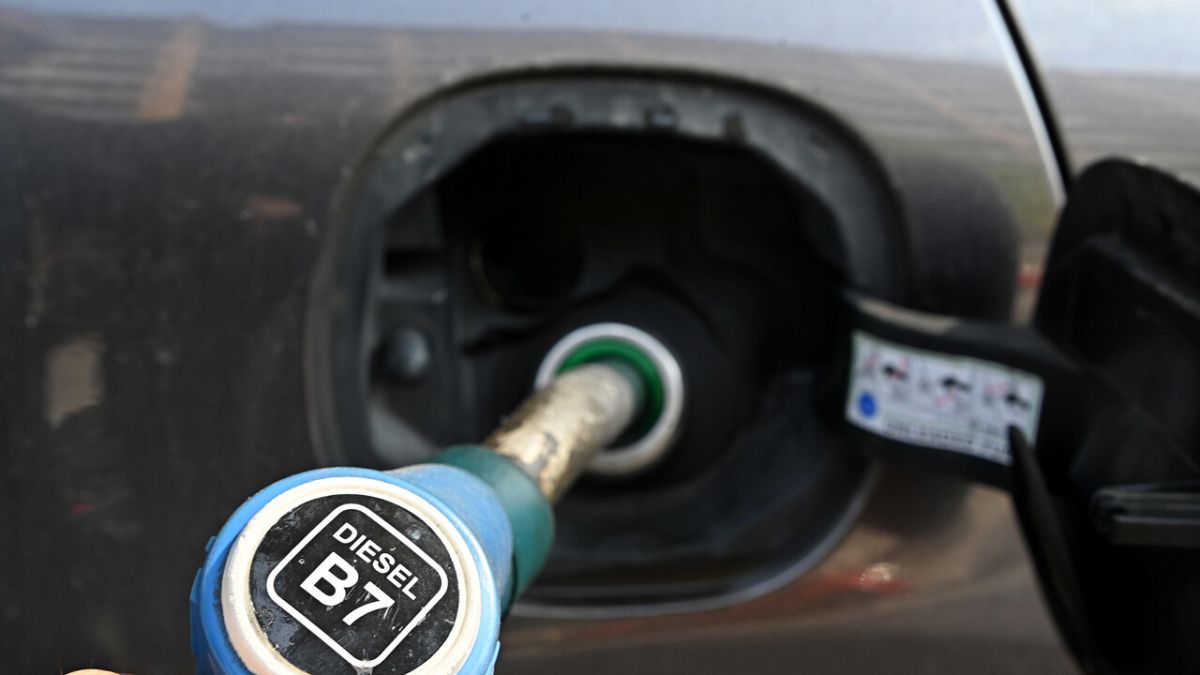
Starting tomorrow, the risk of increases for diesel fuel is real as the 4.9 cent per liter tax cut expires today and no extension has been announced in the Official Gazette. #gasolio #accise #rincari (translated)

Munich 13 compared the official EuroLeague ranking with that of Gazzetta and commented that Olympiacos should not be ranked in fifth place to avoid upsetting the fan from Troumba. #paobc https://t.co/M514X2ytAp #EuroLeague #μπάσκετ #αθλητισμός (translated)

Actu Foot reported, based on CorSport and Gazzetta, that Luciano Spalletti lost his temper with Juan Cabal during Juventus's 2-1 victory over AZ Alkmaar the day before. According to the account, the Italian coach threatened to hit the Colombian defender after a positioning error on a play that led to the Dutch equalizer, which was ultimately ruled offside. #Juventus #Football #Spalletti (translated)


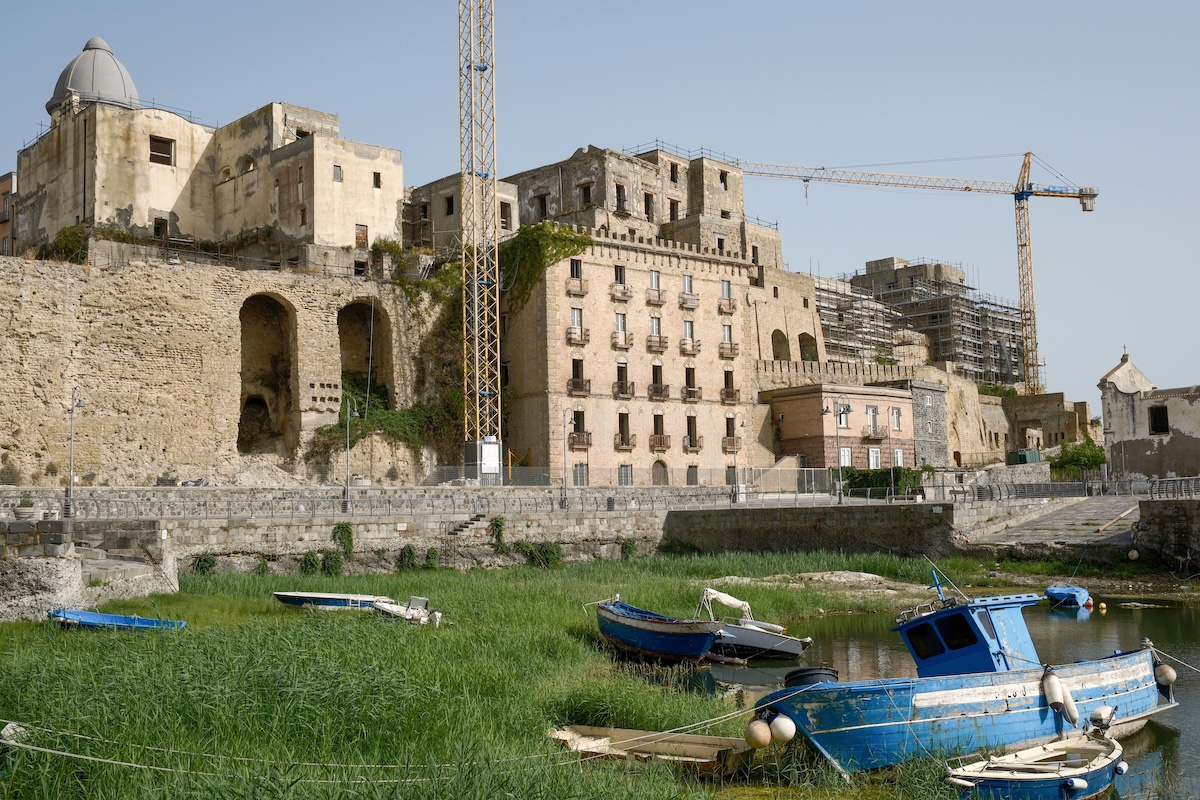
Three weeks after the approval of a decree-law that provides for an investment of one billion euros for the reconstruction of the Campi Flegrei, thousands of displaced people are still waiting for the necessary assistance, as the decree has not yet been published in the Official Gazette due to bureaucratic delays. #CampiFlegrei #terremoto #sfollati (translated)