The author wrote that a group of astrophysicists claimed to have solved the Hubble tension.
The author wrote that a group of astrophysicists claimed to have solved the Hubble tension.
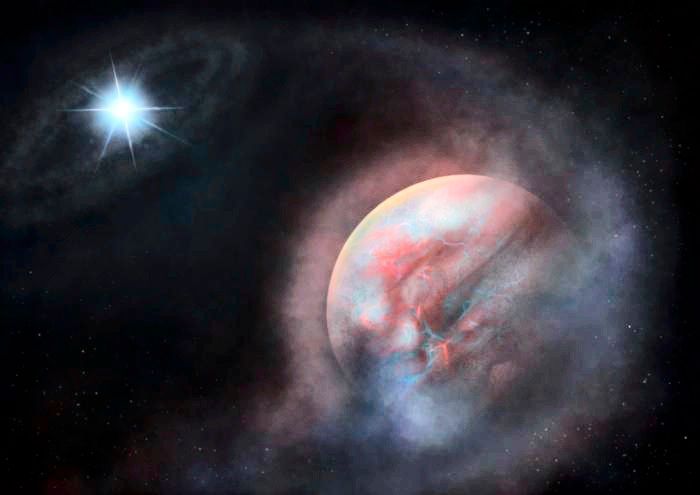
For the first time, a second-generation planet has been discovered orbiting a white dwarf and formed from the remnants of its dead star. #HubbleTeleskop #Astrophysik #WeißeZwerge (translated)
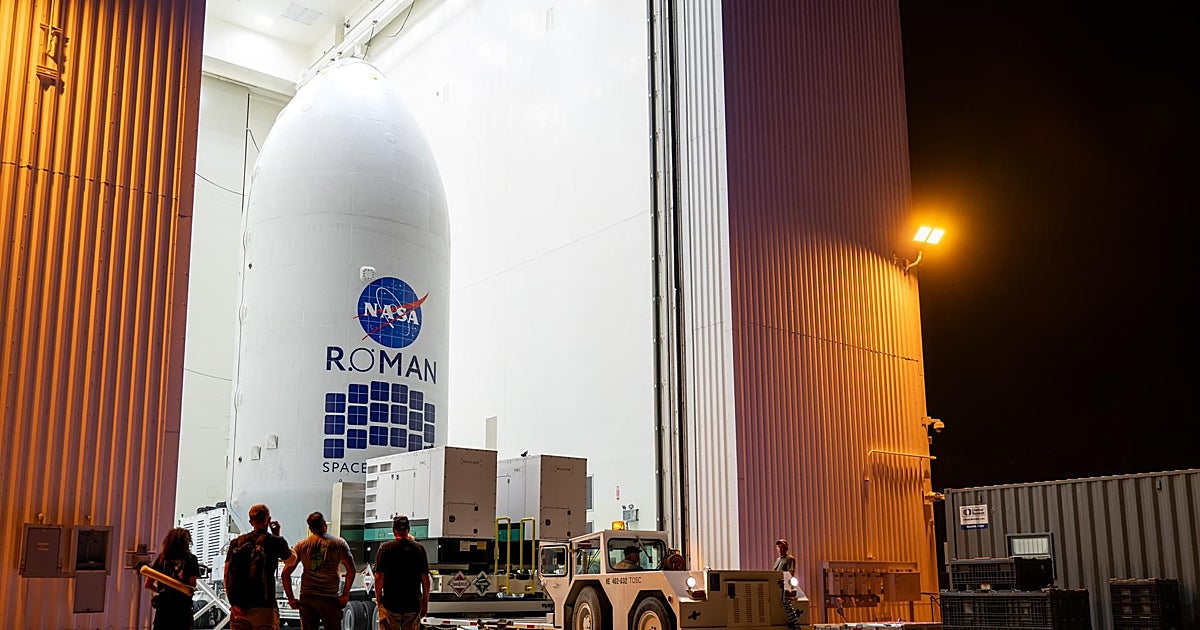
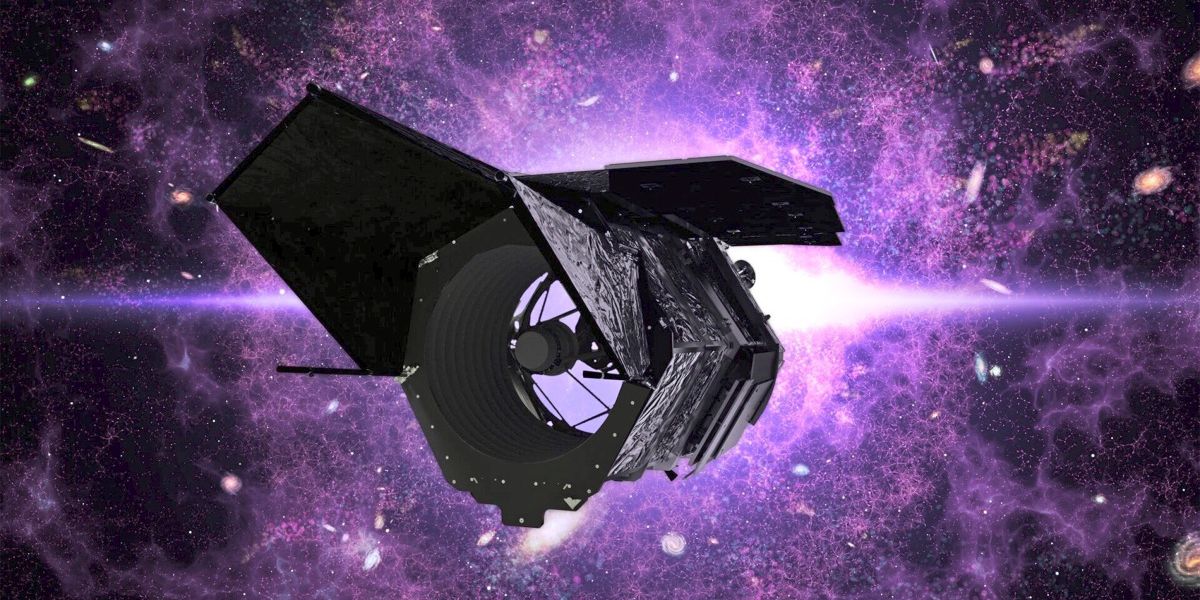
Das NASA-Teleskop Nancy Grace Roman hat erste Testaufnahmen seines Wide Field Instruments gesendet, das große Himmelsflächen mit der Schärfe von Hubble erfassen soll. #RomanWeltraumteleskop #NASA #Hubble

El telescopio James Webb y el Hubble han descubierto 27 nuevos objetos transneptunianos, revelando aspectos sobre su formación y evolución, así como planteando interrogantes sobre las condiciones en las que surgieron. #JamesWebb #Hubble #ObjetosTransneptunianos
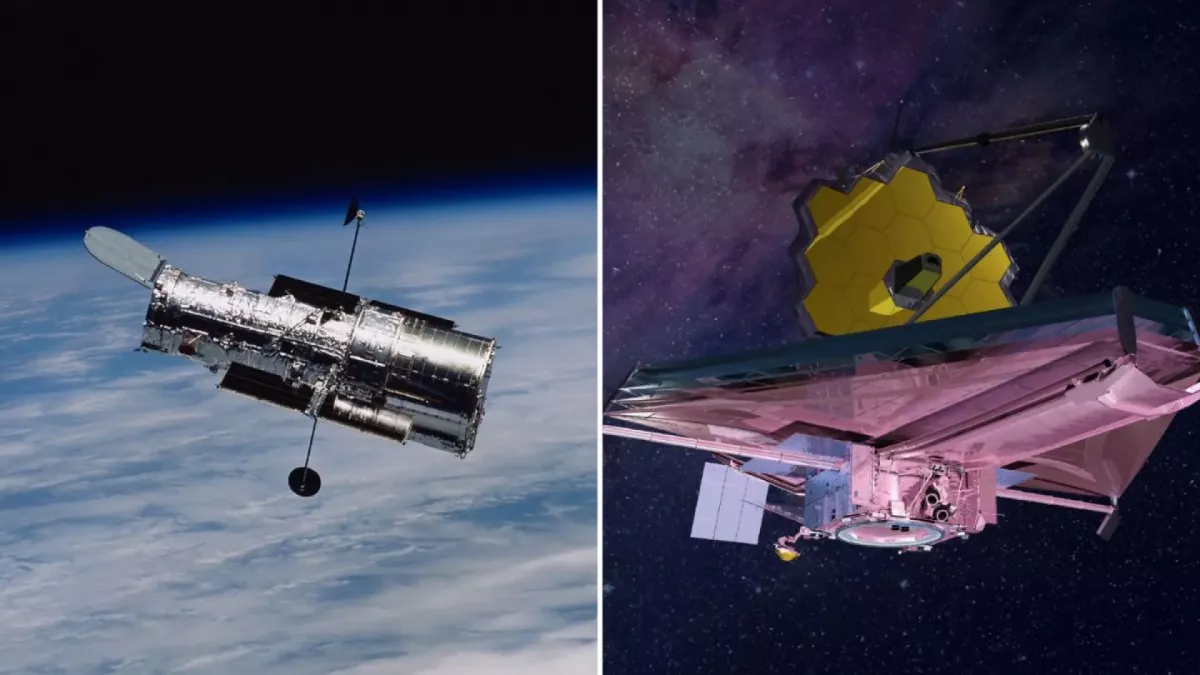

Los telescopios Hubble y Webb han descubierto pequeños objetos transneptunianos que conservan características primordiales de la historia del Sistema Solar, revelando que sus colores y reflectancias son similares a las de cuerpos mucho mayores. #Transneptunianos #SistemaSolar #TelescopiosEspaciales

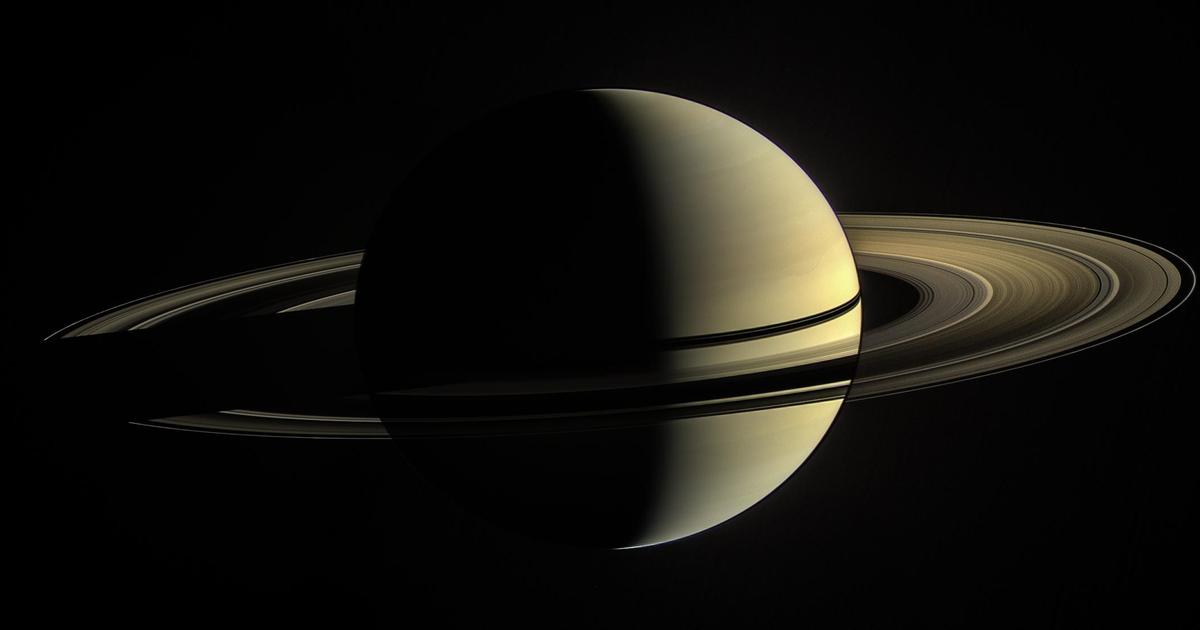
Na jižním pólu Saturnu byl objeven nový desetistranný atmosférický útvar, který se stále vyvíjí a jehož vznik a stabilita zůstávají pro vědce záhadou, zatímco Hubbleův teleskop sleduje jeho vývoj a podobnost s dlouhodobě známým šestiúhelníkem na severním pólu. #Saturn #Hubble #astronomie

De onlangs gelanceerde Nancy Roman ruimtetelescoop, ter grootte van een bestelbus, belooft een belangrijke aanvulling te zijn op de ontdekkingen van de Hubble- en Webb-telescopen door niet alleen exoplaneten te zoeken, maar ook de mysteries van donkere materie en donkere energie te ontrafelen. #NancyRoman #Ruimtetelescoop #NASA
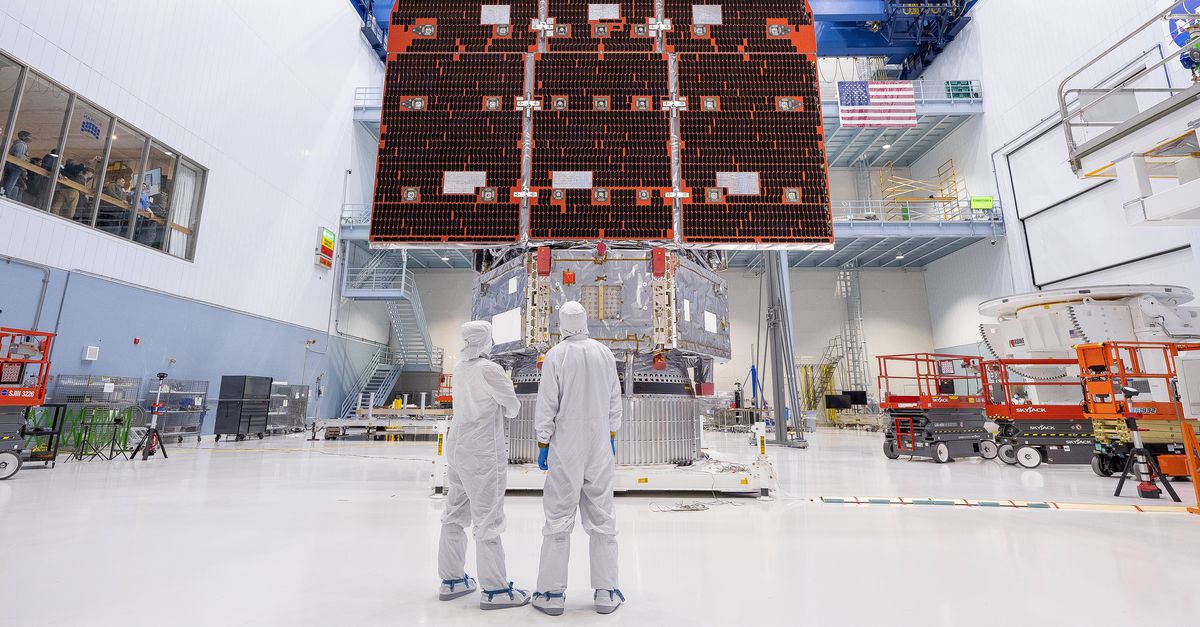
El telescopio espacial Roman, con un espejo igual al del Hubble, tiene la capacidad de capturar 100 veces más campo de visión, lo que le permitirá explorar el universo y estudiar fenómenos como la energía oscura y los exoplanetas de manera más eficiente. #TelescopioRoman #NASA #Astrofísica
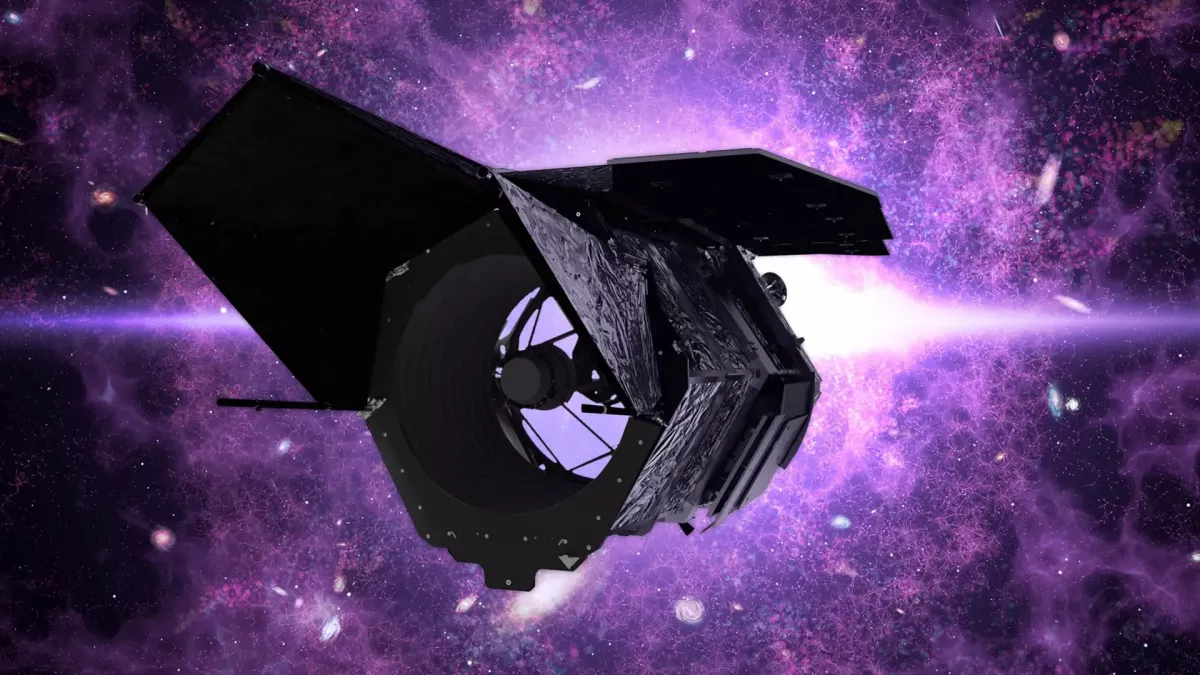
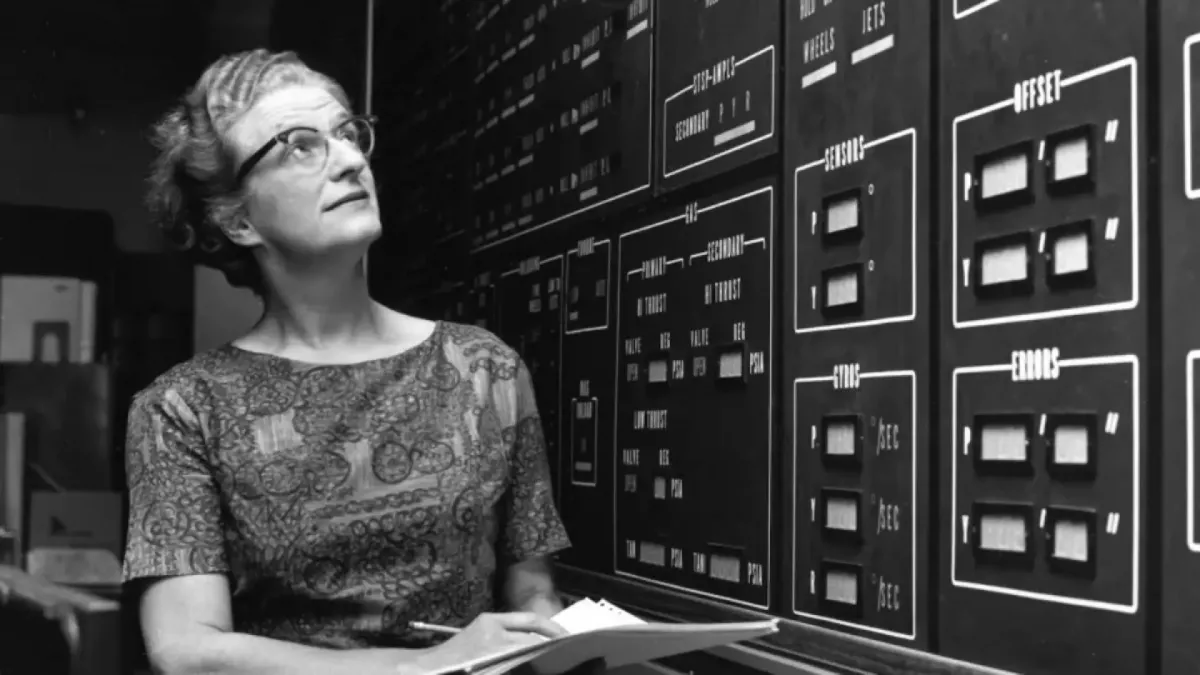
Nancy Grace Roman, nacida en 1925, destacó desde su infancia como una pionera en astronomía al fundar un club de astronomía y posteriormente convertirse en ejecutiva de la NASA, siendo reconocida como la madre del telescopio Hubble, a pesar de enfrentar severas barreras de género en el ámbito académico. #NancyGraceRoman #Astronomía #MujeresCientíficas
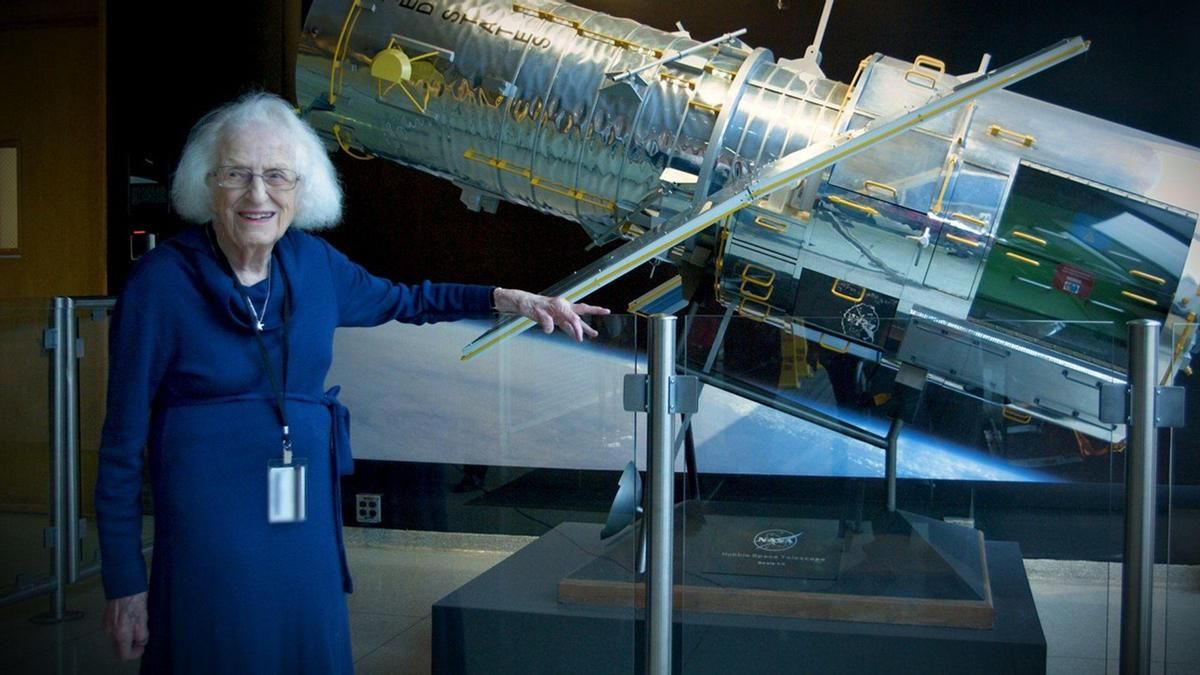
Nancy Grace Roman, conocida como la madre del Hubble, fue una pionera en la astronomía y se convirtió en la primera mujer en ocupar un cargo ejecutivo en la NASA, donde desempeñó un papel crucial en el desarrollo de grandes observatorios espaciales como el telescopio espacial que lleva su nombre. #NancyGraceRoman #NASA #Astronomía

NASA a lansat telescopul spațial Nancy Grace Roman, care va explora Universul și ar putea descoperi până la 100.000 de exoplanete, având un câmp vizual de 100 de ori mai mare decât Hubble și James Webb. #NASA #TelescopRoman #ExplorareSpațială

Die Nasa hat mit dem neuen Nancy-Grace-Roman-Weltraumteleskop ein Super-Teleskop ins All geschickt, das 100-mal weiter ins Universum blicken kann als Hubble und damit ein neues Zeitalter der Weltraumforschung einleitet. #Weltraumforschung #NancyGraceRoman #NASA

NASA a lansat telescopul spațial Nancy Grace Roman, o misiune care ar putea revoluționa înțelegerea noastră asupra Universului, având un buget de peste patru miliarde de dolari și capabilități superioare față de telescopul Hubble. #telescopspatial #NASARoman #astronomie
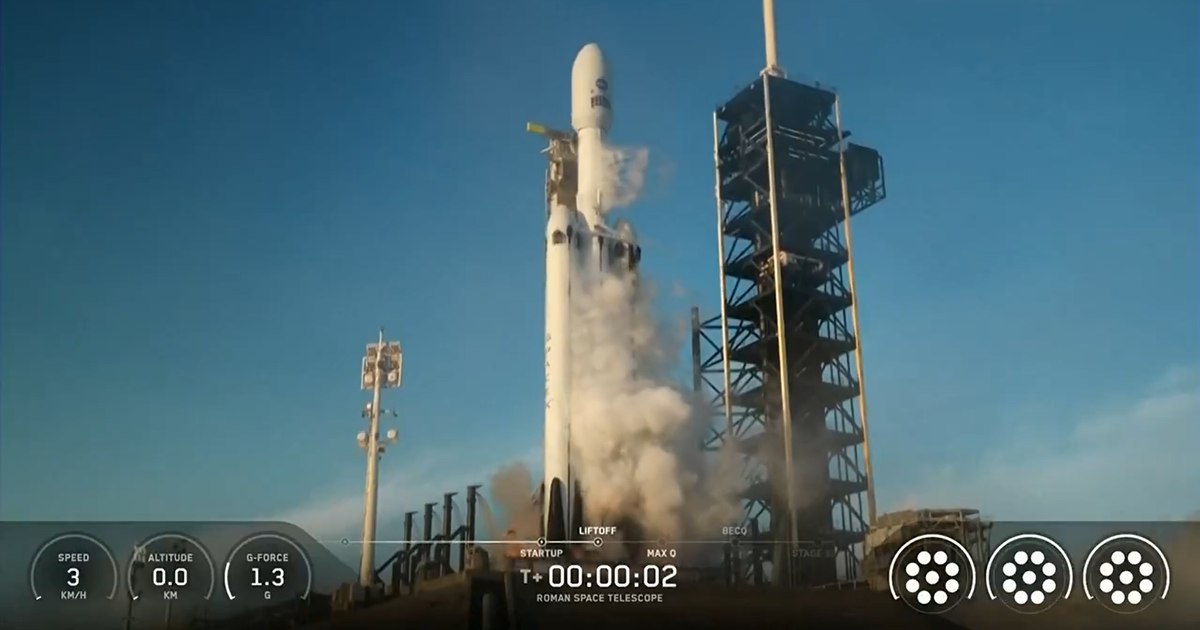

NASA sekmadienį paleido naują kosminį teleskopą „Roman“, kuris, turėdamas 100 kartų didesnį matymo lauką nei „Hubble“, turėtų padėti atskleisti visatos paslaptis, ypač tamsiosios materijos ir tamsiosios energijos tyrimus, ir per parą galės siųsti į Žemę iki 11 terabaitų duomenų. #RomanTeleskopas #NASA #Visata
El telescopio Nancy Grace Roman de la NASA ha despegado con éxito y se propone explorar el universo con un campo de visión cien veces mayor que el de Hubble, revolucionando nuestra comprensión de la energía oscura, los exoplanetas y otros fenómenos astrofísicos. #TelescopioRoman #NASA #EnergíaOscura
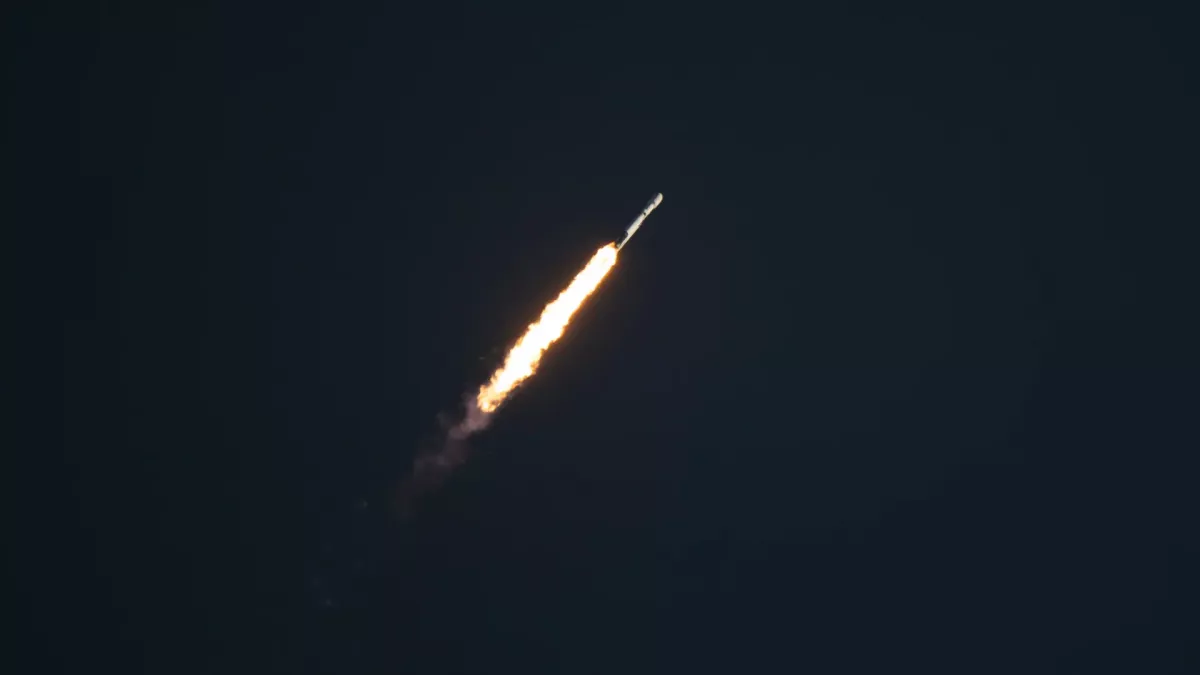
NASA a lansat Telescopul Spațial Nancy Grace Roman, un nou observator dedicat studiului energiei și materiei întunecate, care va cartografia peste două miliarde de galaxii și va oferi o claritate comparabilă cu a telescopului Hubble, dar de o sută de ori mai rapid. #NASA #telescop #materieintunecata

Das neue NASA-Weltraumteleskop „Nancy Grace Roman“, das Hubble ähneln, jedoch viel schneller und leistungsstärker ist, wurde erfolgreich ins All gestartet, um Dunkle Materie und Planeten anderer Sterne zu erforschen. #NancyGraceRoman #Weltraum #DunkleMaterie
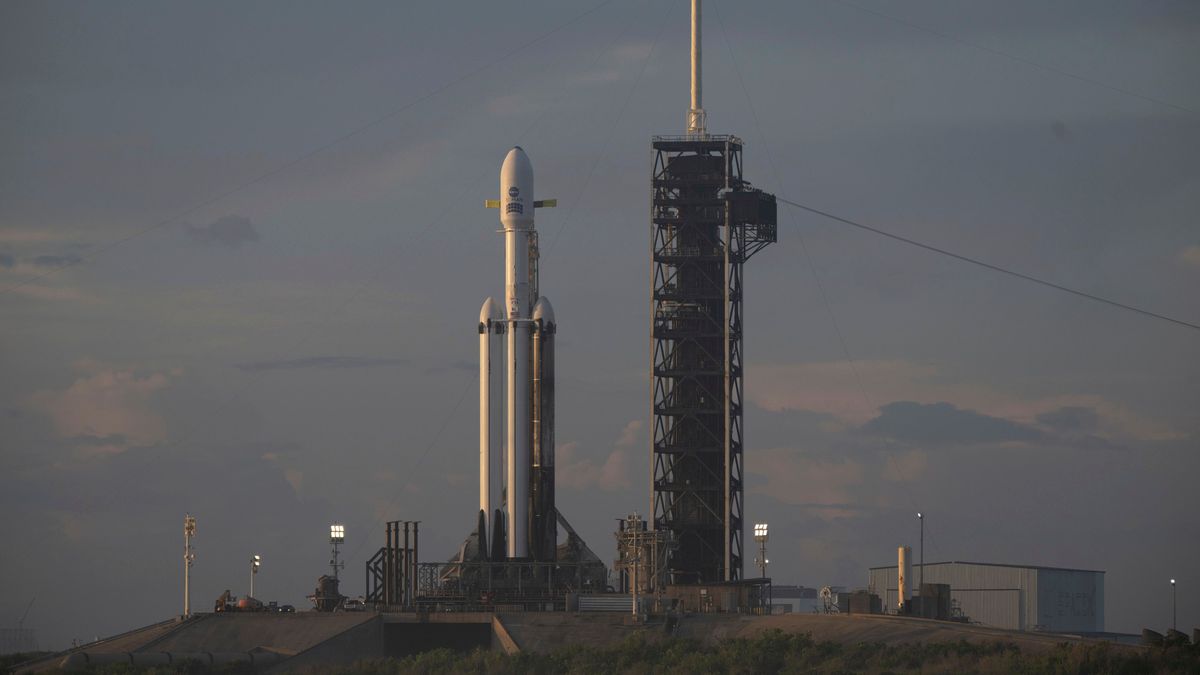
Il nuovo Roman Telescope della NASA, lanciato oggi, ha un campo visivo cento volte maggiore rispetto al telescopio Hubble e sarà impiegato per esplorare l'energia e la materia oscura, oltre a cercare nuovi esopianeti. #TelescopioRoman #NASA #Astronomia
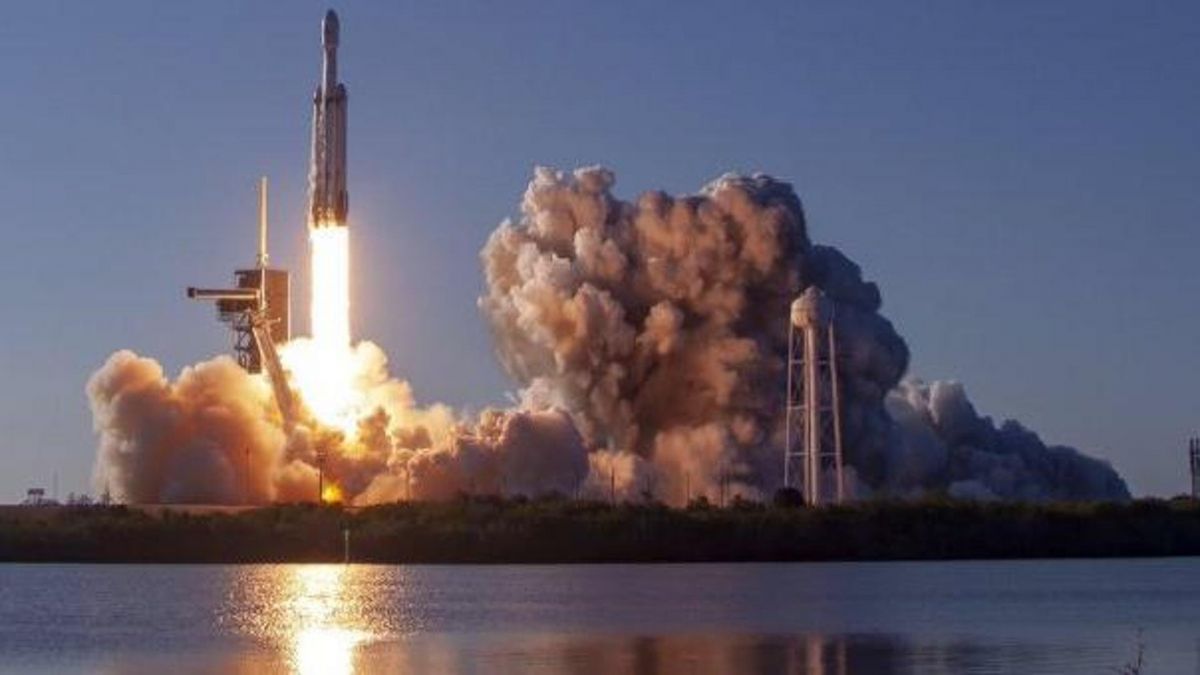

Das neue Weltraumteleskop «Nancy Grace Roman» der Nasa, das mit einer SpaceX-Rakete gestartet wurde, wird in etwa einem Monat seine Umlaufbahn erreichen und astronomische Daten mit einer Geschwindigkeit sammeln, die das Vorgängermodell «Hubble» bei weitem übertrifft. #NancyGraceRoman #Weltraumteleskop #NASA
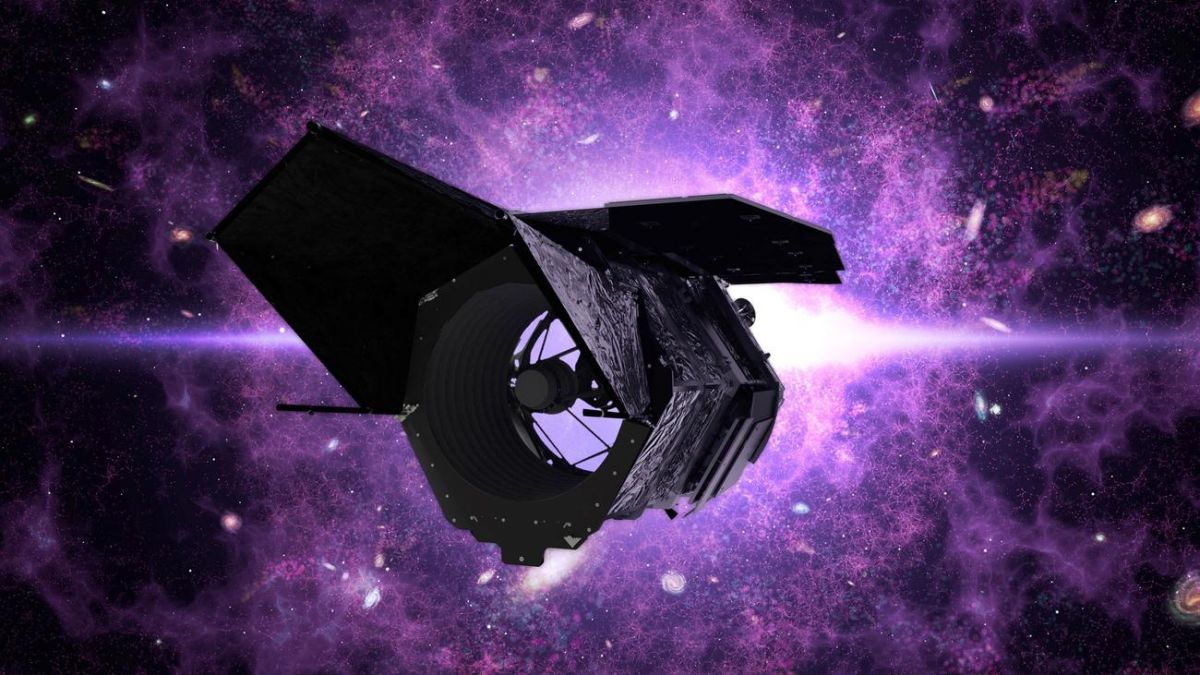

La NASA está lista para lanzar esta tarde el telescopio espacial Nancy Grace Roman, que tiene un campo de visión al menos cien veces mayor que el del Hubble y será enviado a explorar el universo desde una posición a 1,5 millones de kilómetros de la Tierra. #TelescopioRoman #NASA #Astronomía