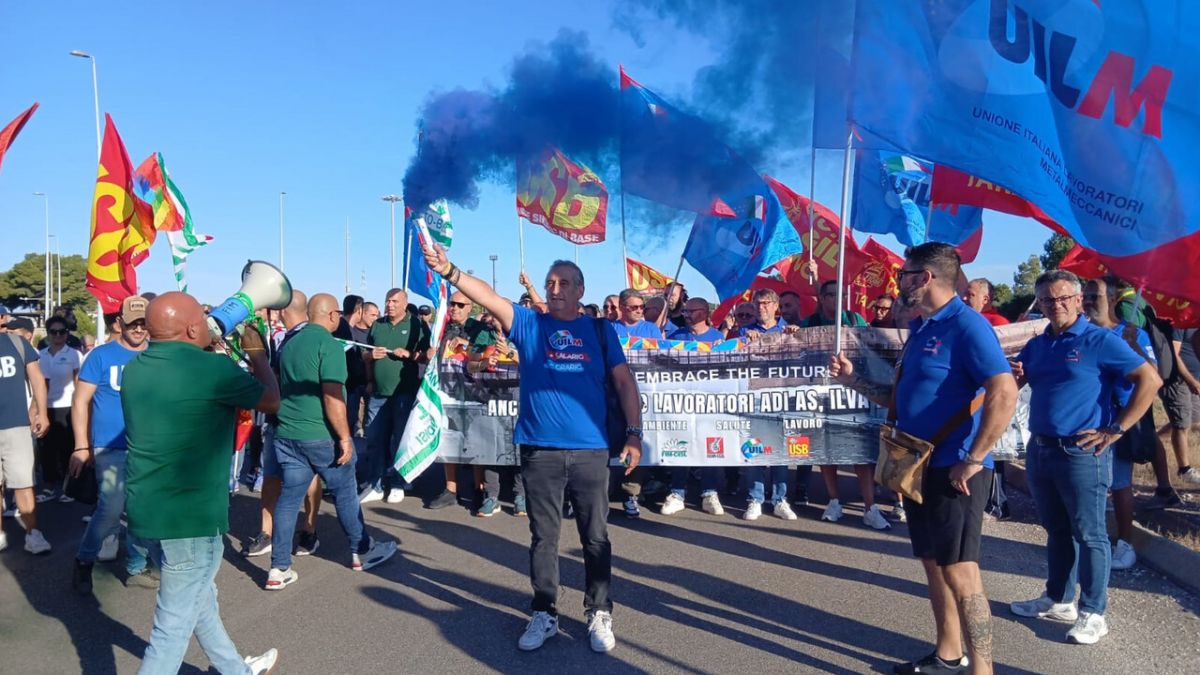
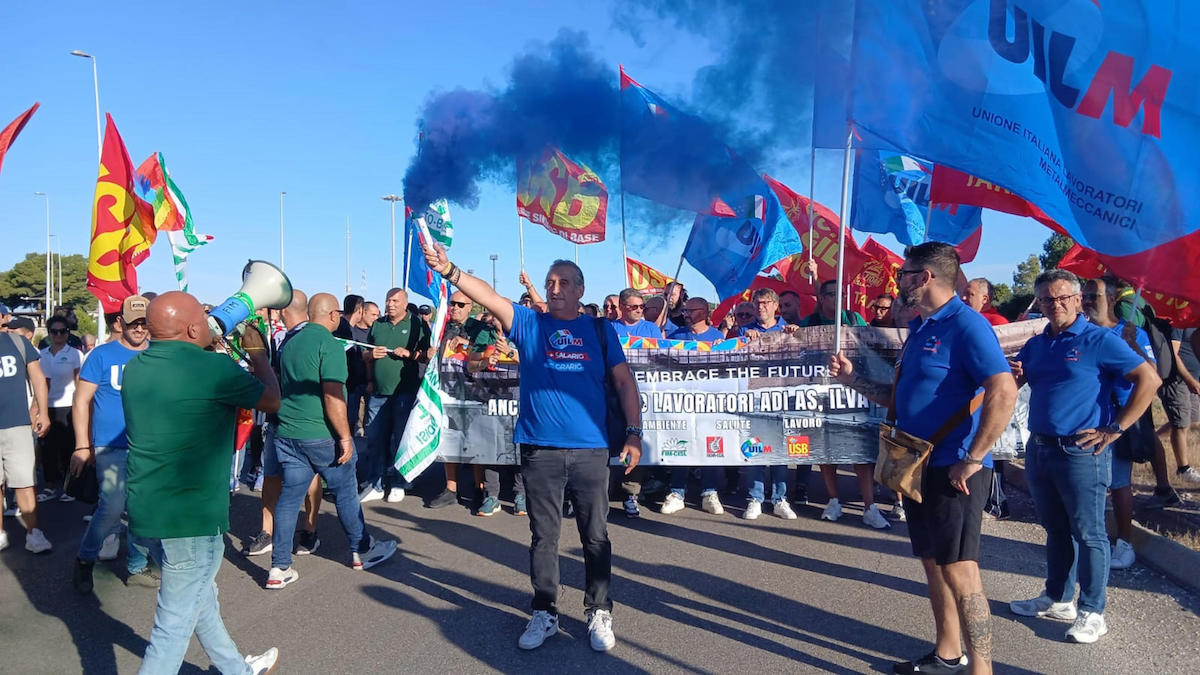
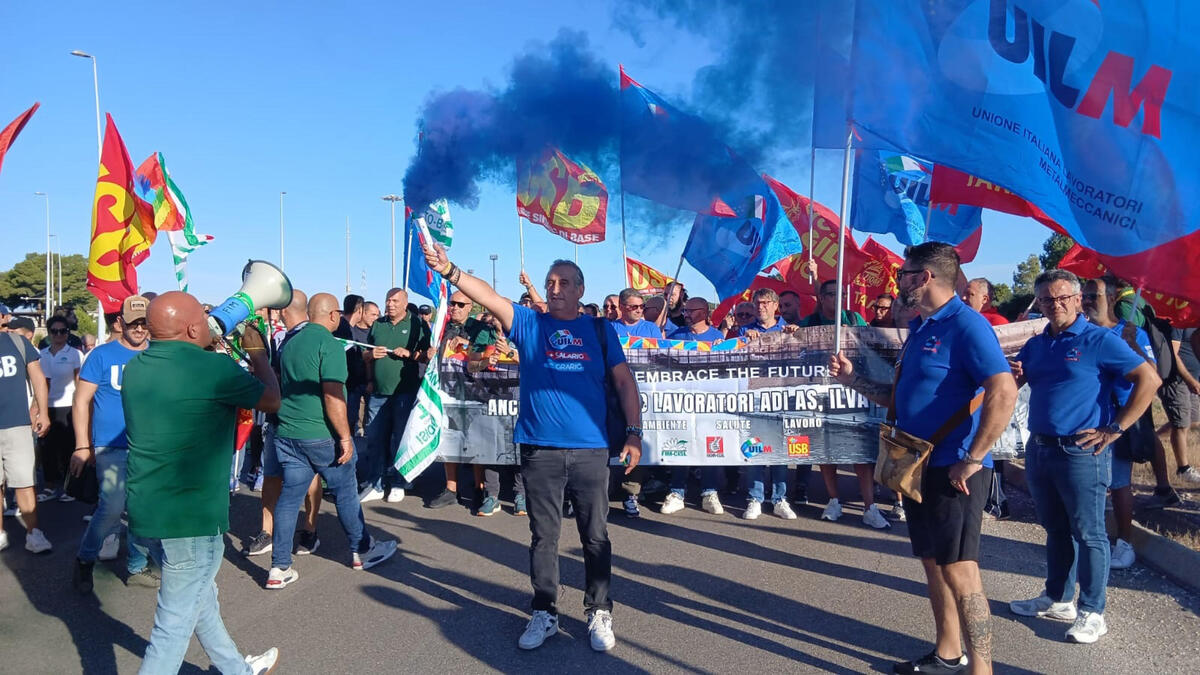
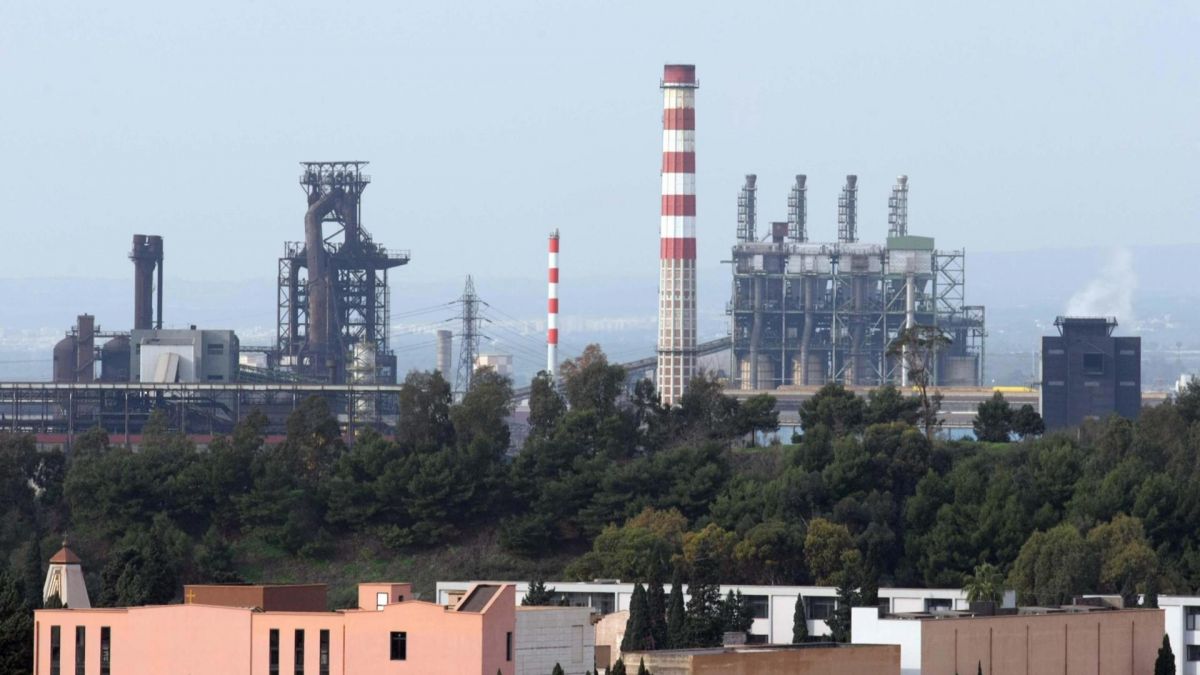
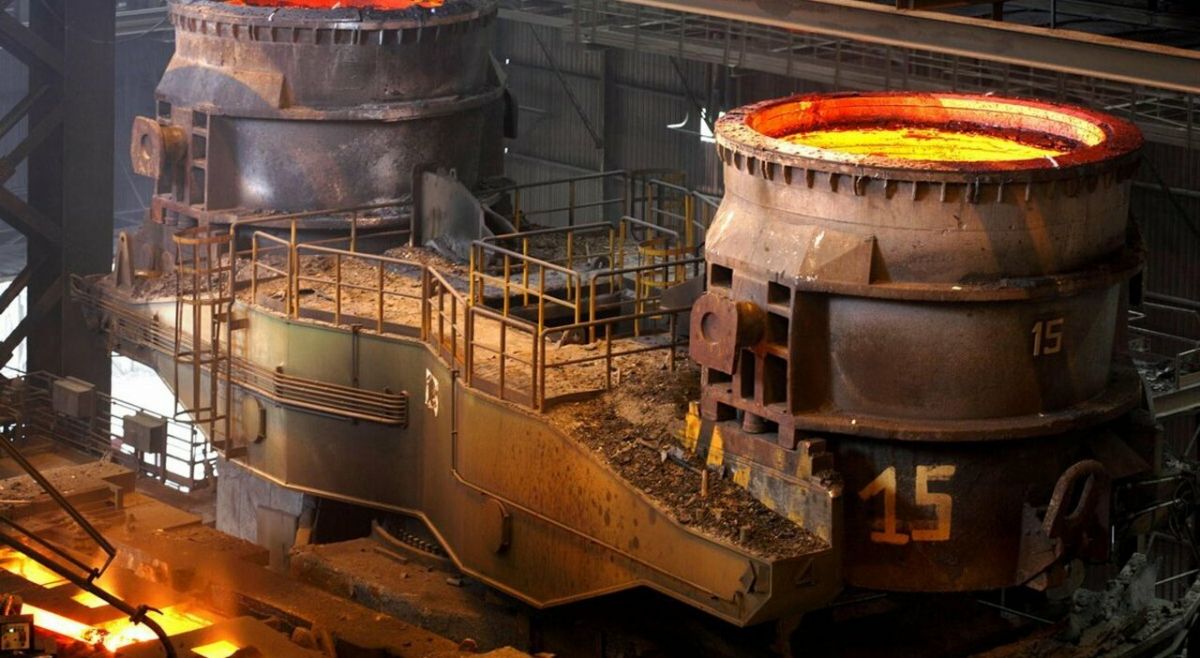
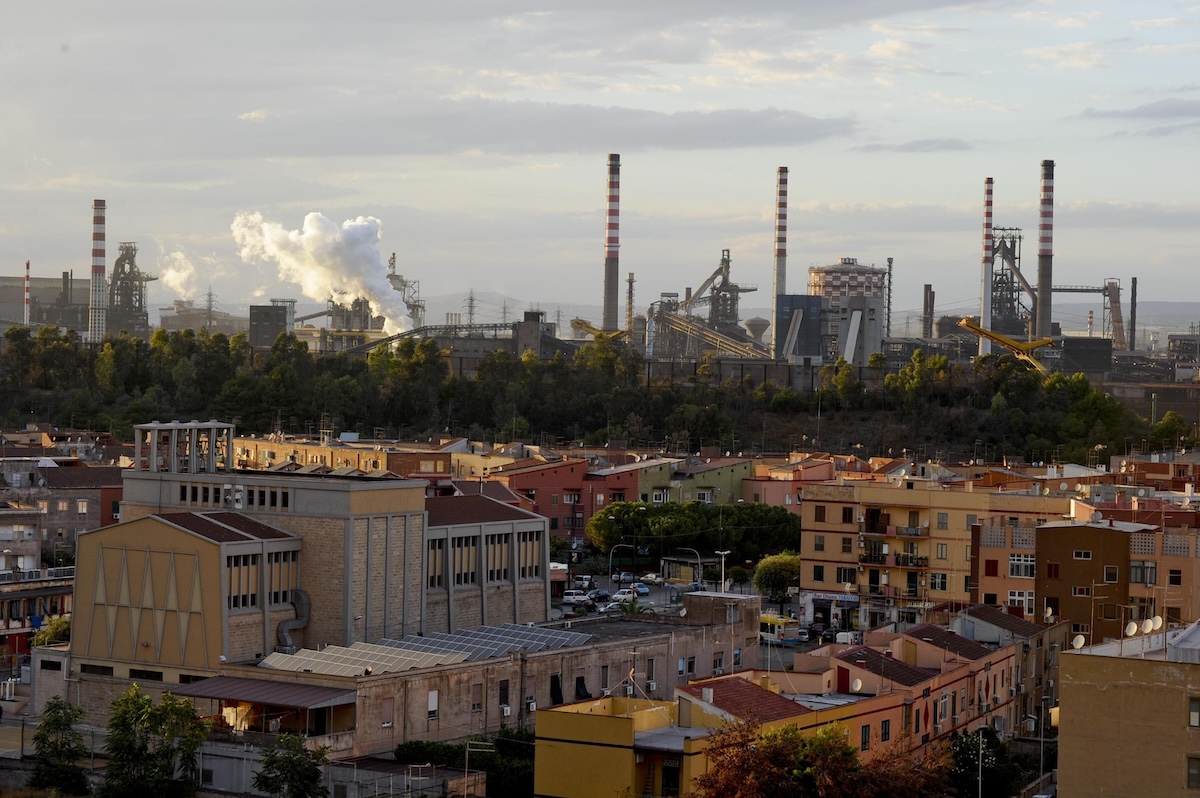
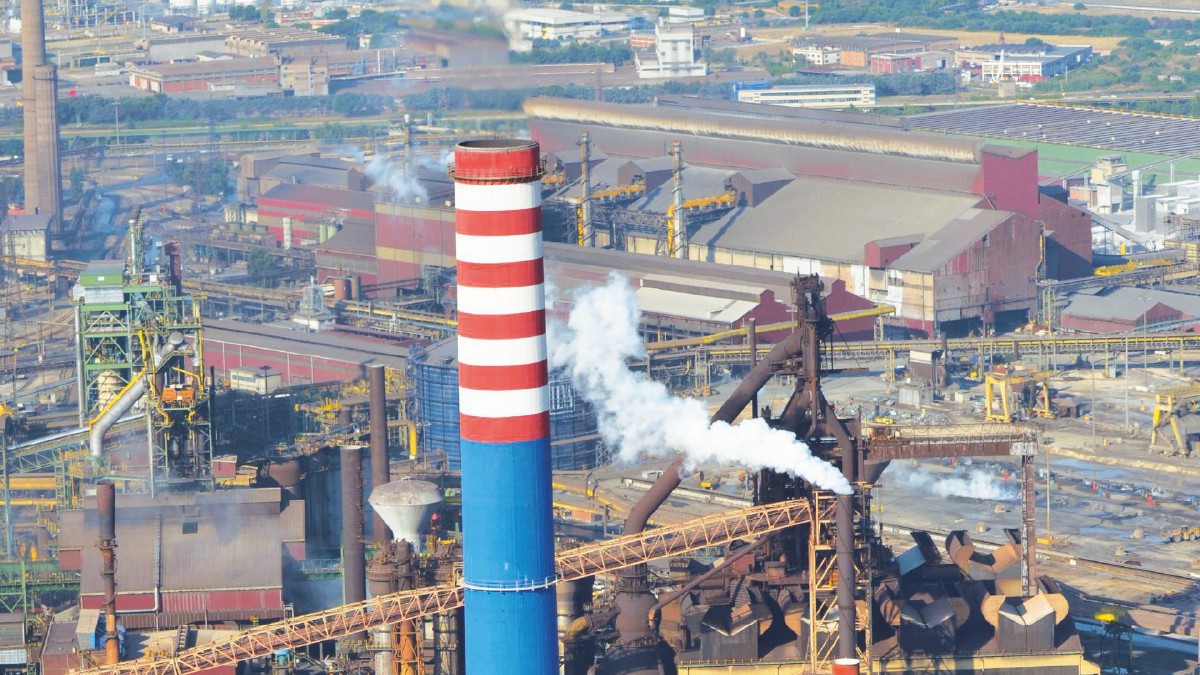
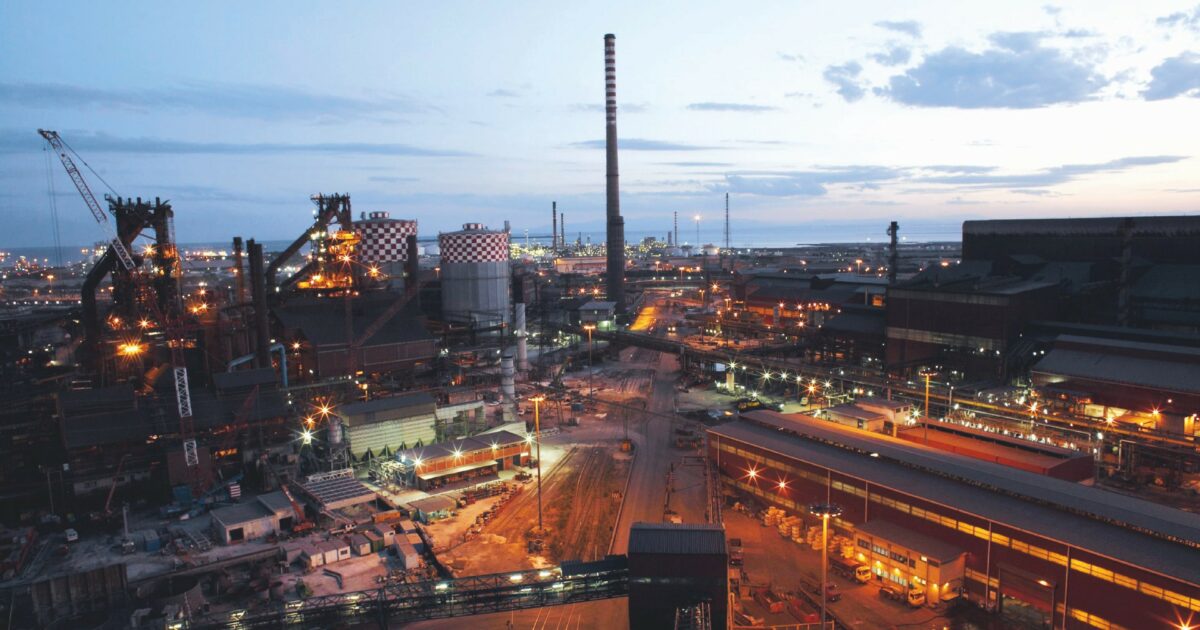
The workers of the former Ilva of Taranto have launched a 24-hour strike and blocked roads in protest against the risk of collective layoffs, demanding urgent solutions for their employment. (translated)
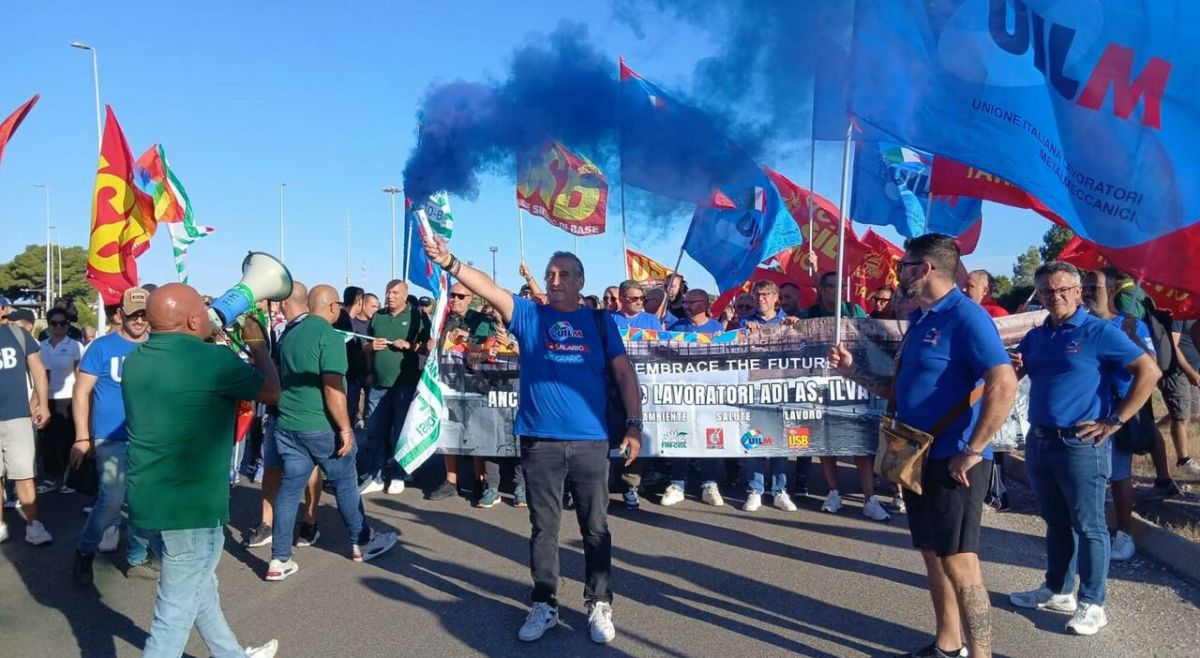
The workers of the former Ilva of Taranto have launched a 24-hour strike and blocked roads in protest against the risk of collective layoffs, demanding urgent solutions for their employment. (translated)

The workers of the former Ilva subsidiary in Taranto have begun a 24-hour strike and blocked the roads in protest against the risk of layoffs, demanding political answers and an industrial plan from the Government. (translated)

The workers of the subcontractors of the former ILVA in Taranto are on a 24-hour strike to protest against the collective dismissal of 2,500 people and the planned closure of the hot area of the plant, due to its environmental and health consequences. (translated)

#Electrolux announces 1,700 layoffs as @riccardoiacona1 and his team from @Presa_Diretta told us last night, in Taranto with the closure of #ILVA, 2,500 layoffs are at risk. WE MUST talk about this, not about the nothingness of politics. (translated)
The workers of the former Ilva supply chain in Taranto have called a 24-hour strike and blocked roads in response to the risk of 2,500 layoffs due to the closure of the hot area ordered by the Court of Appeal of Milan. (translated)

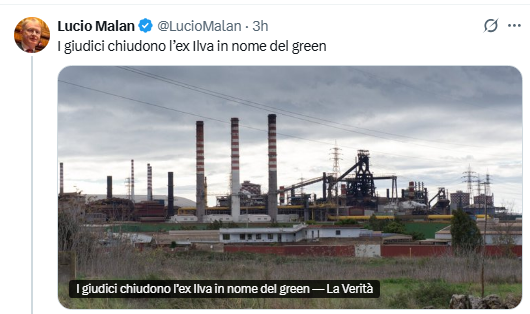
Chiudono l'Ilva perchè prima di tutto viene la salute. Per rispetto alle centinaia di cittadini morti lei senatore @LucioMalan andrebbe rinchiuso in un manicomio. https://t.co/mUHaYQPTDB #Salute #Ambiente #Giustizia
Today, the Italian newspapers mainly focus on the death of Emma Bonino, with ample photographic space dedicated to her, while other noteworthy news includes the vote on the electoral law and the closure of the former ILVA in Taranto. (translated)

The confirmation of the stop to the ex Ilva by the Court of Appeal of Milan has triggered reactions from the opposition, which accuses the Meloni government of stagnation and demands urgent measures to safeguard employment and the industrial future of Taranto. (translated)

The shutdown of the furnaces at the former Ilva reopens procedures for 2,500 redundancies, while the government announces a meeting with the unions to address the employment emergency. (translated)

The Civil Court of Appeal of Milan has confirmed the restriction of the hot area of Ilva in Taranto, ordering the closure of the blast furnaces by October 28, due to the presence of asbestos and the risk to human health. (translated)

The Court of Appeal of Milan confirmed the blockade of the hot area of the former Ilva in Taranto, establishing that the right to health prevails over business activity. (translated)

The Court of Appeal of Milan has confirmed the closure of the hot area of the former ILVA in Taranto by the end of October, seriously compromising the possibility of selling the plant and putting thousands of jobs at risk. (translated)

The Civil Court of Appeal of Milan has confirmed the blockade of the hot area of the former Ilva in Taranto, rejecting the request for a suspension made by the company's lawyers. (translated)

The Court of Appeal of Milan reserves the right to decide in the coming days on the request for a suspension for the hot area of the former Ilva in Taranto, with a crucial deadline set for September 16. (translated)

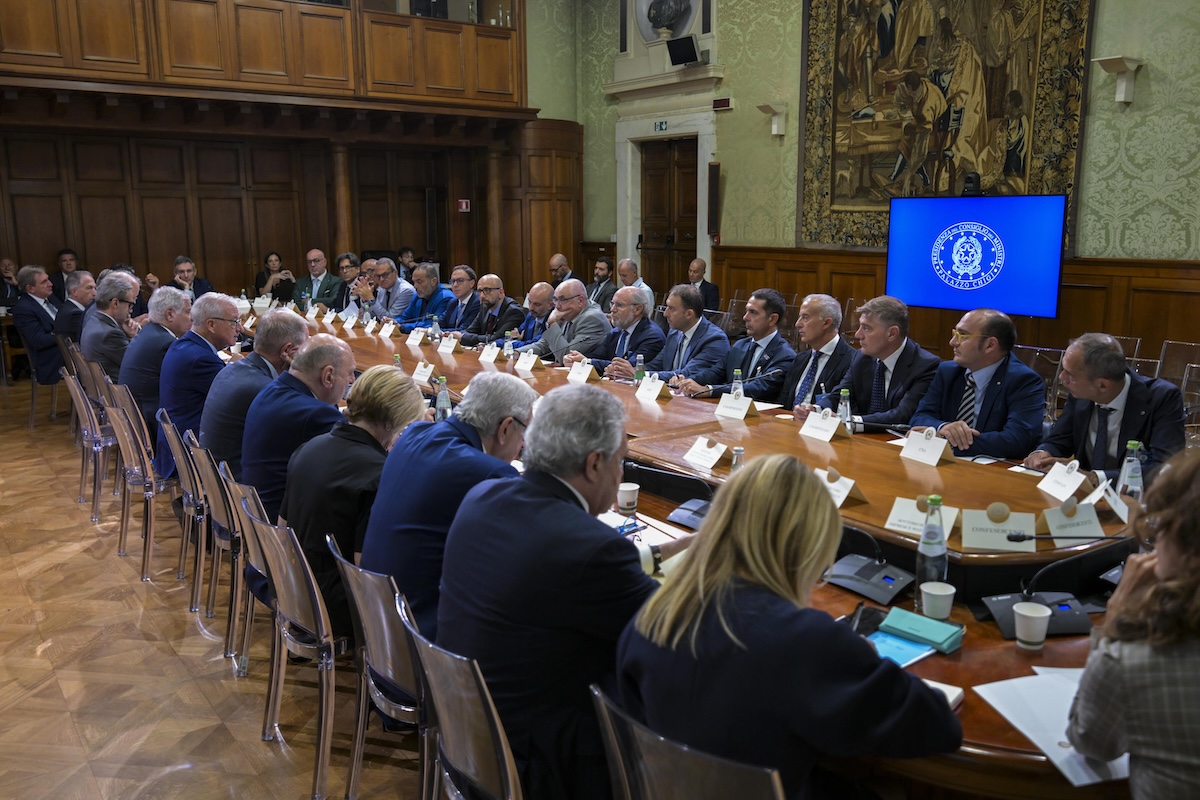
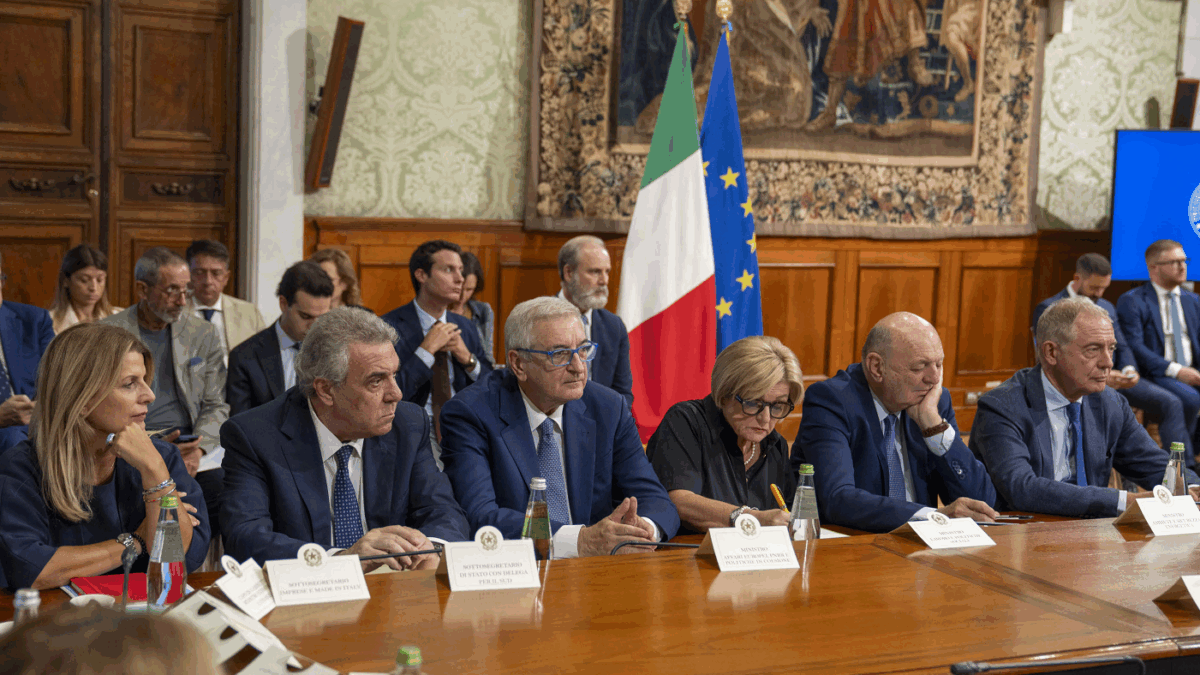
The collective dismissal of 2,500 workers from the former ILVA supply chain has been suspended following a meeting between the government, unions, and entrepreneurs, pending further developments on the closure of the hot zone of the plant. (translated)

The undersecretary Luigi Sbarra, former leader of the Cisl, participates in talks between the government and unions regarding the crisis at Ilva, bringing with him questions about alliances and future decisions for the industry. (translated)

2,500 layoffs in the Ilva supply chain in Taranto have been temporarily suspended pending the decision of the Milan Court of Appeal on the closure of the hot area, expected by September 16. (translated)
The article describes a critical phase for the Ilva steelworks in Taranto, with a meeting between the government and unions and an upcoming hearing at the Milan court regarding the suspension of the halt to the hot area, both situations being fundamental for the future of the plant and its workers. (translated)