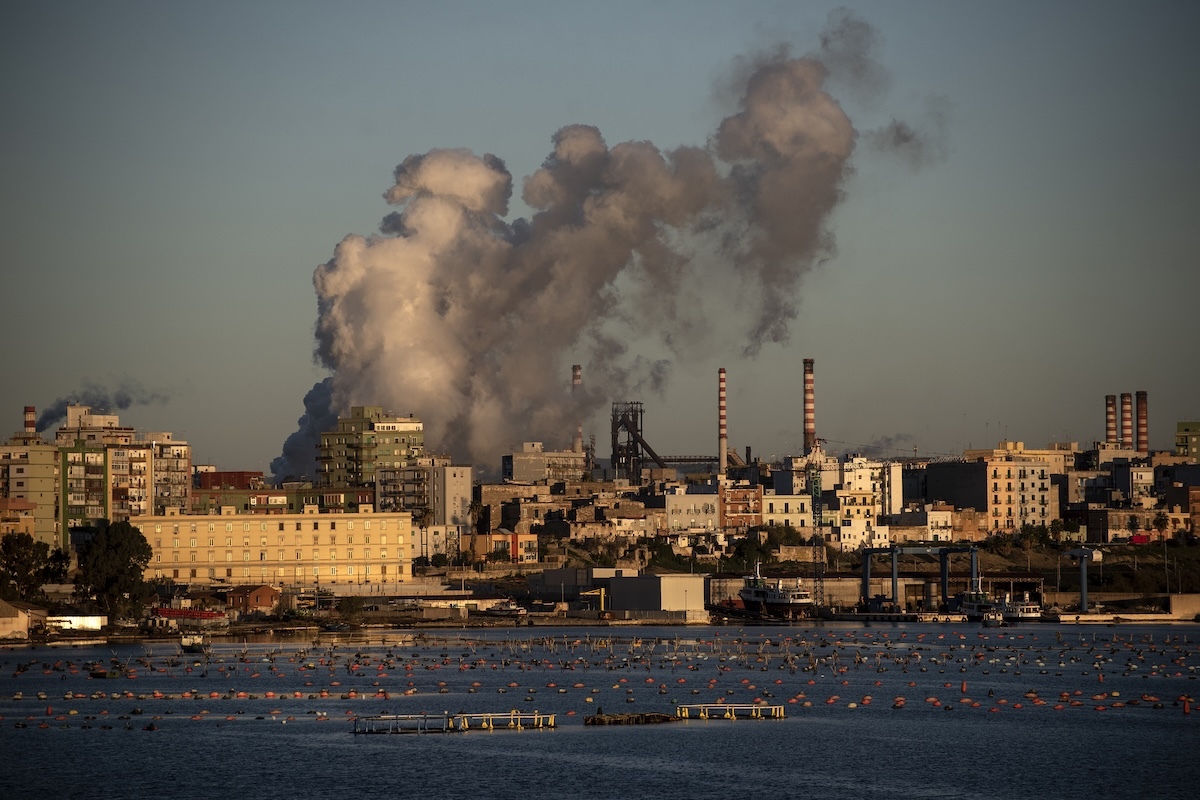
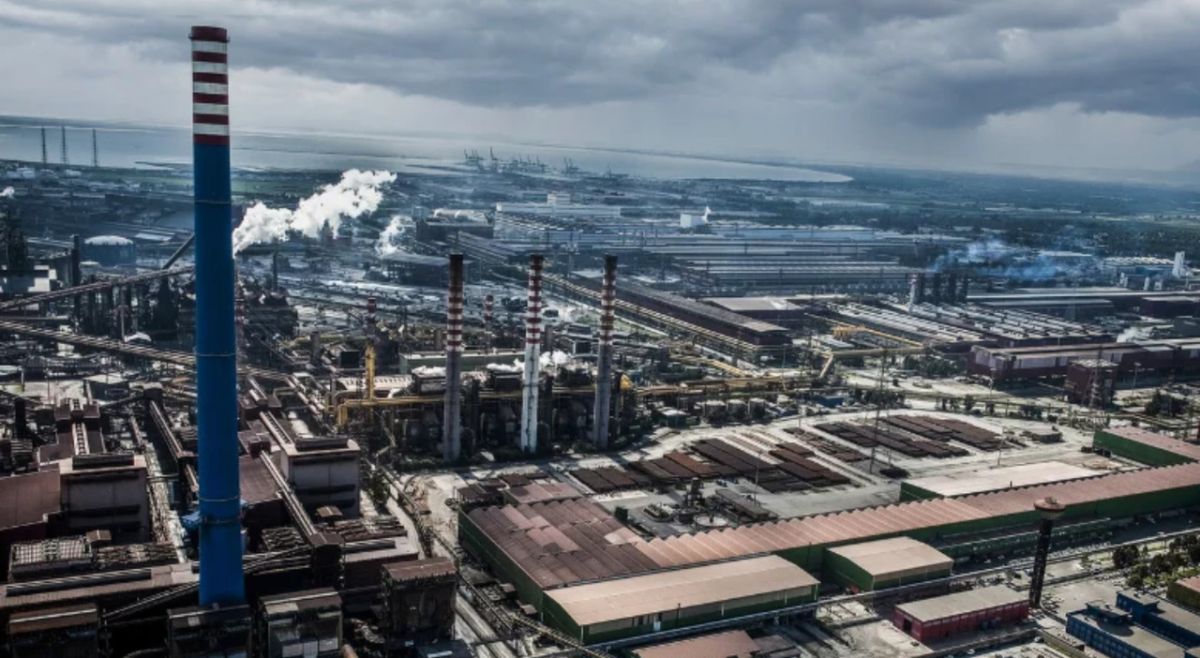
The lawyers of Acciaierie d'Italia warn that it is necessary to decide quickly by September 16 to avoid irreversible damage to the Ilva plants following the shutdown of the blast furnace. (translated)

The lawyers of Acciaierie d'Italia warn that it is necessary to decide quickly by September 16 to avoid irreversible damage to the Ilva plants following the shutdown of the blast furnace. (translated)

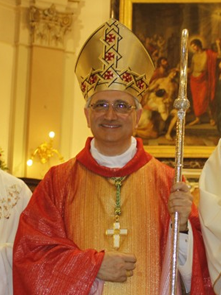
Quello che vedete a sinistra, è.Alberto Beneduce, che era un economista, e fu ministro del lavoro nel governo Mussolini, nei primissimi anni 30 del secolo scorso. Erano gli anni della terribile crisi mondiale iniziata nel 1929, con il crollo di Wall Street. Quella crisi dove i banchieri americani, si buttavano dai grattacieli per intenderci. Questa crisi, colpì in modo inesorabile pure l'europa, e Beneduce, ebbe un'idea geniale per salvaguardare le banche italiane, e di conseguenza tutta la nazione, ne parlò con Mussolini, che intuì la genialità del suo ministro, e gli diede carta bianca stanziando la cifra monstre per quei tempi, di 15 miliardi delle vecchie lire, circa il 10% del pil annuale del paese (rapportato ad oggi, se ci fosse ancora la lira, circa 40.000 miliardi). Con quei soldi, Beneduce, fondò l'IRI (istituto ricostruzione industriale), e rilevò i titoli e i crediti industriali tossici che le banche in crisi detenevano, salvandole così dal fallimento, e così facendo, nazionalizzando decine di industrie, e aziende che finirono sotto il controllo dello stato. L'Italia di Mussolini, fu uno dei pochissimi paesi che seppe far fronte alla peggiore crisi economica mondiale, soprattutto grazie a questo ministro. Negli anni, l'IRI, divenne un vero gioiello, lo stato italiano, deteneva il controllo delle migliori aziende e industrie del paese, siderurgia( ILVA), energia, armamenti, telefonia, banche, ricerca, etc..erano orgogliosamente, di tutti gli italiani. Ma questo gioiello faceva gola, e dava fastidio al resto del mondo, soprattutto in europa...e a questo punto, entra in gioco il signore della seconda foto, : Romano Prodi, che nominato di nuovo presidente dell'IRI dal presidente Ciampi ( quello stesso Ciampi, che da governatore della banca d'Italia, bruciò in una notte 15.000 miliardi delle vecchie lire, in favore del finanziere speculatore Soros, che ne intascò ben 9.000, e che per premio, fu eletto presidente della repubblica, mentre a Soros, fu data la laurea honoris causa, dall'università fi Bologna ), finì lo sporco lavoro iniziato nei primi anni 80, quando fu pure allora presidente. Così, cominciò a smembrare e svendere il gioiello degli italiani . Un esempio per tutti : la svendita del Banco di Napoli, per 61 miliardi di lire, sostenendo falsamente, che fosse in crisi ( il Banco di Napoli, fu rivenduto due anni dopo, da chi lo acquistò, per 6.000 miliardi ). Questo fece il campione delle sinistre, con la complicità di Ciampi. Ora, ogni giorno vediamo le sinistre, incolpare il governo per il disastro dell'ILVA di Taranto, che è solo una delle aziende rase al suolo dalla loro incapacità, e la cosa peggiore, è sentire gli operai, che queste cose non le sanno, seguirli come tanti pecoroni, nella speranza di non perdere il lavoro. Ecco, con questo post, volevo mettere a confronto due uomini : uno che nessuno ricorda, e magari sapendo chi fu, viene maledetto, ma salvò il suo paese che amava, e uno che viene rispettato, riverito, ed osannato, tanto da proporlo come capo dello stato, che però, ha odiato il suo paese, tanto da smembrarne l'economia, e svenderla. #Economia #Storia #Italia
Lucia Morselli, former president of ArcelorMittal Italy, is under investigation by the Milan Public Prosecutor's Office for fraudulent bankruptcy as part of an inquiry that accuses the management of maneuvers aimed at weakening Ilva in favor of the Franco-Indian multinational, based on reports from the extraordinary commissioners and claims for damages of 7 billion euros. (translated)

The investigation into the former Ilva of Milan has led to the accusation of fraudulent bankruptcy against the former CEO Morselli, following allegations related to shortfalls and falsifications in the financial statements that emerged from the report of the extraordinary commissioners, in the course of a civil dispute amounting to 7 billion. (translated)

The Council of Ministers is convened today at 6 PM at Palazzo Chigi to examine two legislative decrees related to the extension of the reduction in fuel taxes and urgent measures to ensure the operational continuity of the former Ilva plants, while gasoline and diesel prices continue to rise, significantly impacting Italian families' finances during the summer. (translated)

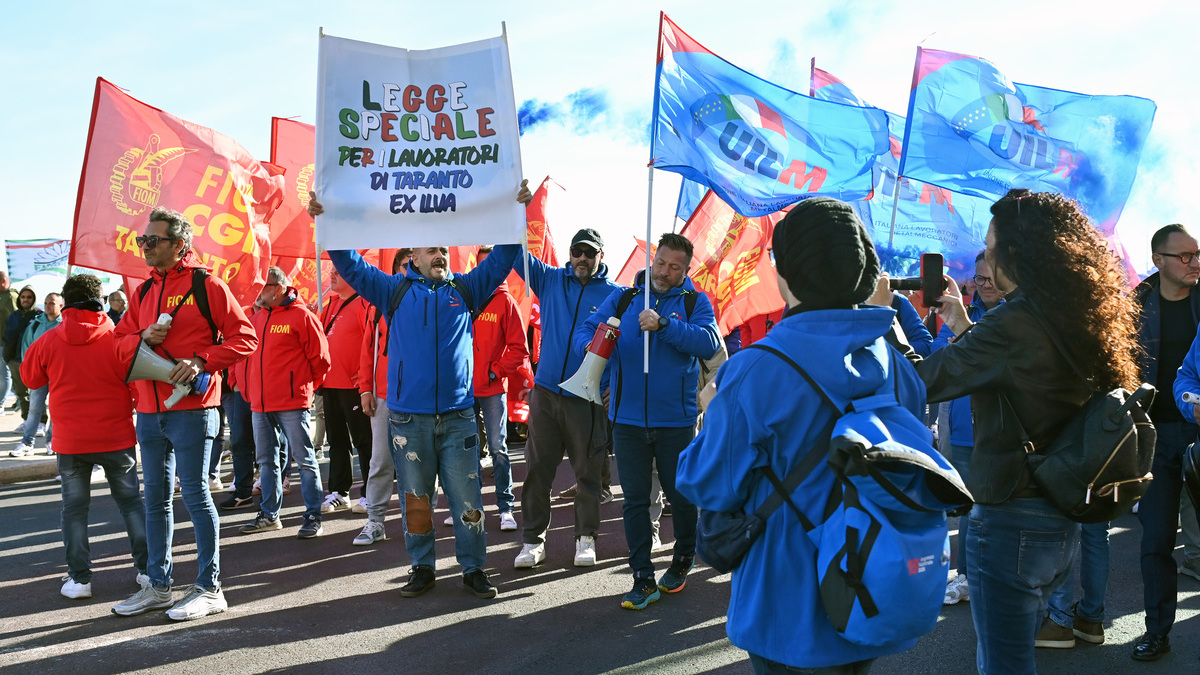
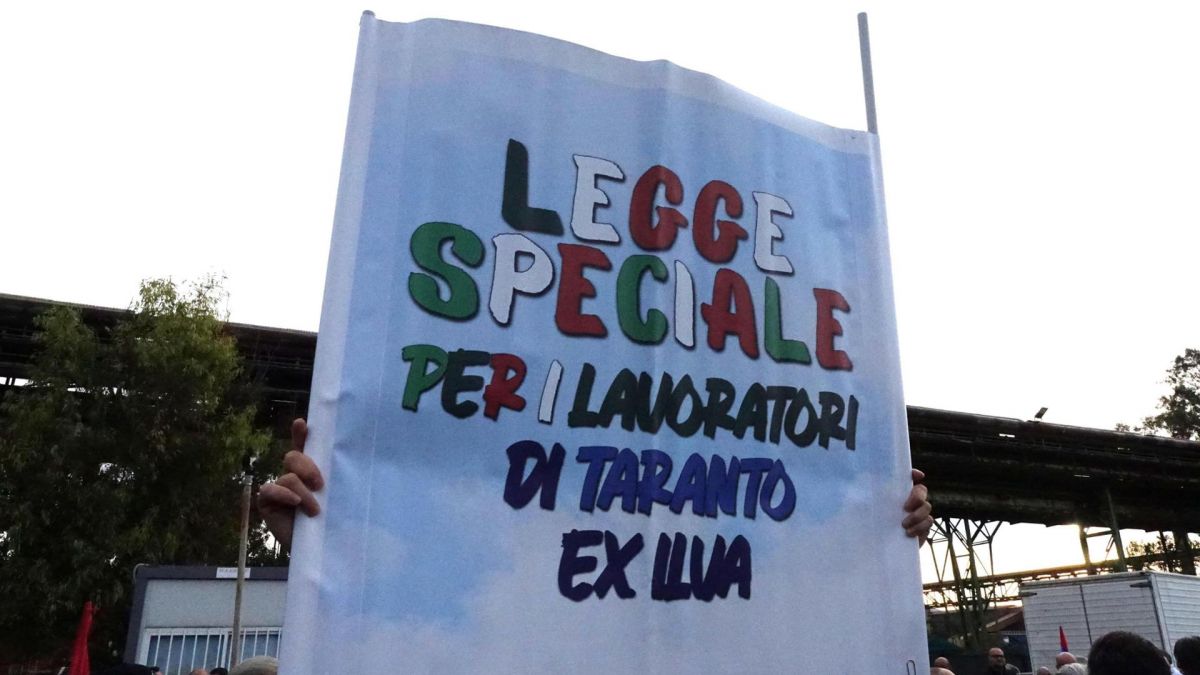
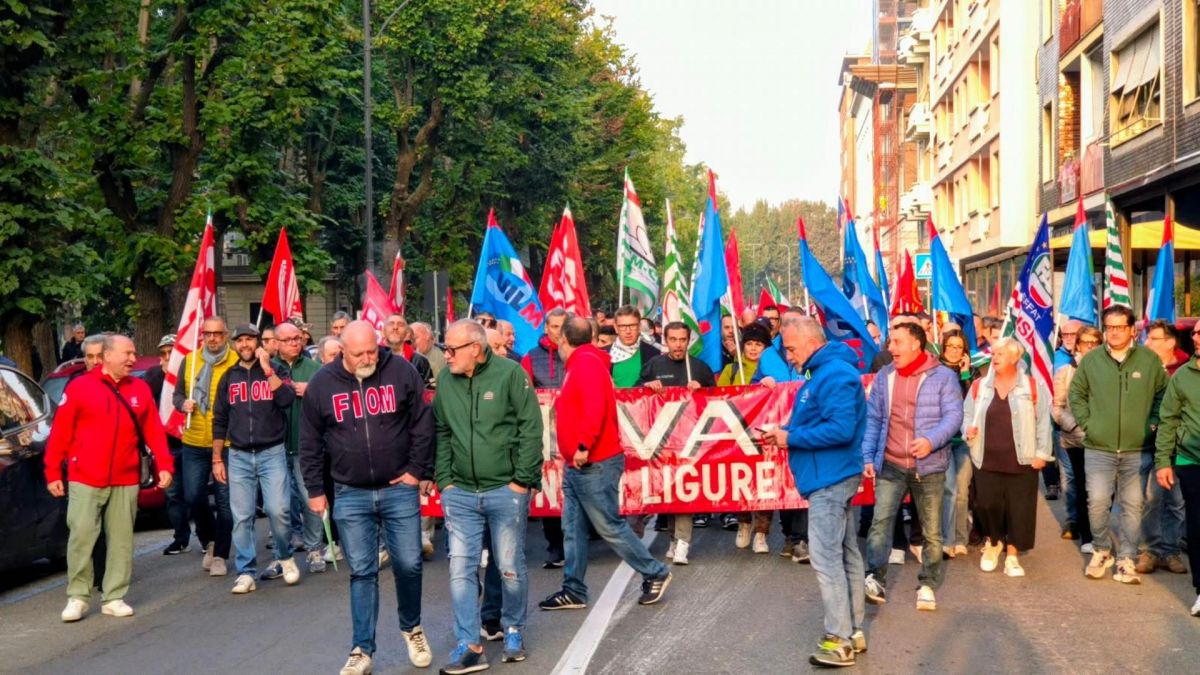
During the Mediterranean Games, the unions Fim, Fiom, Uilm, and Usb protested in Taranto to raise awareness about the importance of extraordinary measures to protect the future of 20,000 workers from the former Ilva, emphasizing the urgency of an ecological transition that ensures employment and health in the city. (translated)

The future of the former Ilva of Taranto will be outlined in September through a discussion table that will analyze the proposals of Federacciai, while the President of the Republic Mattarella underscores the importance of a national commitment for the city and its inhabitants, hoping for extraordinary solutions for a situation that is equally extraordinary. (translated)

The unions in Taranto have requested a meeting with President Mattarella to address the unsustainable situation of Ilva, which risks turning into a social bomb due to the lack of clear industrial policies and the imminent shutdown of the hot area, which would leave more than 50% of the employees without work. (translated)

Fourteen Italian companies in the steel industry have expressed interest in purchasing the facilities of the former ILVA, currently managed by the State, while the industrial and employment crisis surrounding it continues to worsen, culminating in the recent ruling that orders the closure of the hot area in Taranto for environmental and health reasons. (translated)

The article analyzes the similarities between Alitalia's situation in 2008 and the current situation of Ilva, highlighting the risk that a rescue operation may prove ineffective without a solid industrial plan, once again leading to the state's responsibility for the consequences of private failures. (translated)

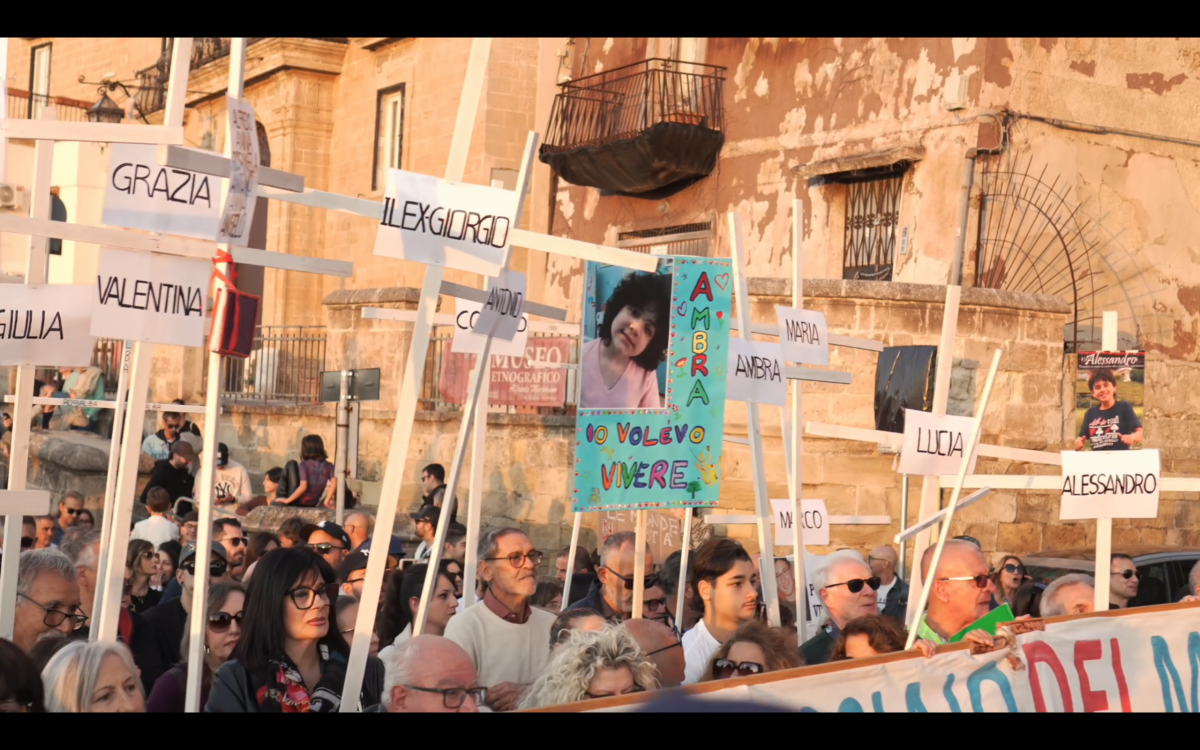
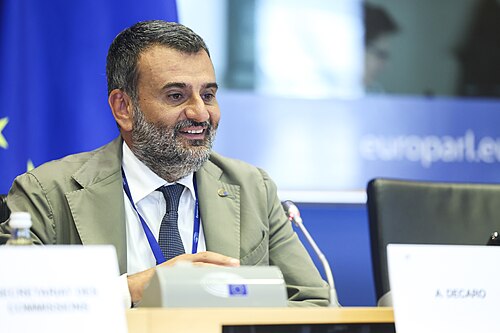
Andrea, a 13-year-old boy suffering from a very rare disease, makes a plea to the president of the Puglia Region, Antonio Decaro, asking why the former Ilva should remain open despite the serious health consequences for children, while recalling his experience in the courts and the loss of friends due to the disease. (translated)

The closure of the '#ILVA', alone, should be enough, in a country that respects itself, to kick out the minister of Destruction in Italy (that #Durso) and never again vote for the gang of charlatans enemies of the country who allowed him to govern, shooting. (translated)
In a crisis context for the Ilva steelworks in Taranto, a group of Italian industrialists, driven by the support of Confindustria, is trying to form a consortium to save the plant, while uncertainty about the future of the facility continues, and interest is also reported from the Indian giant Jindal. (translated)

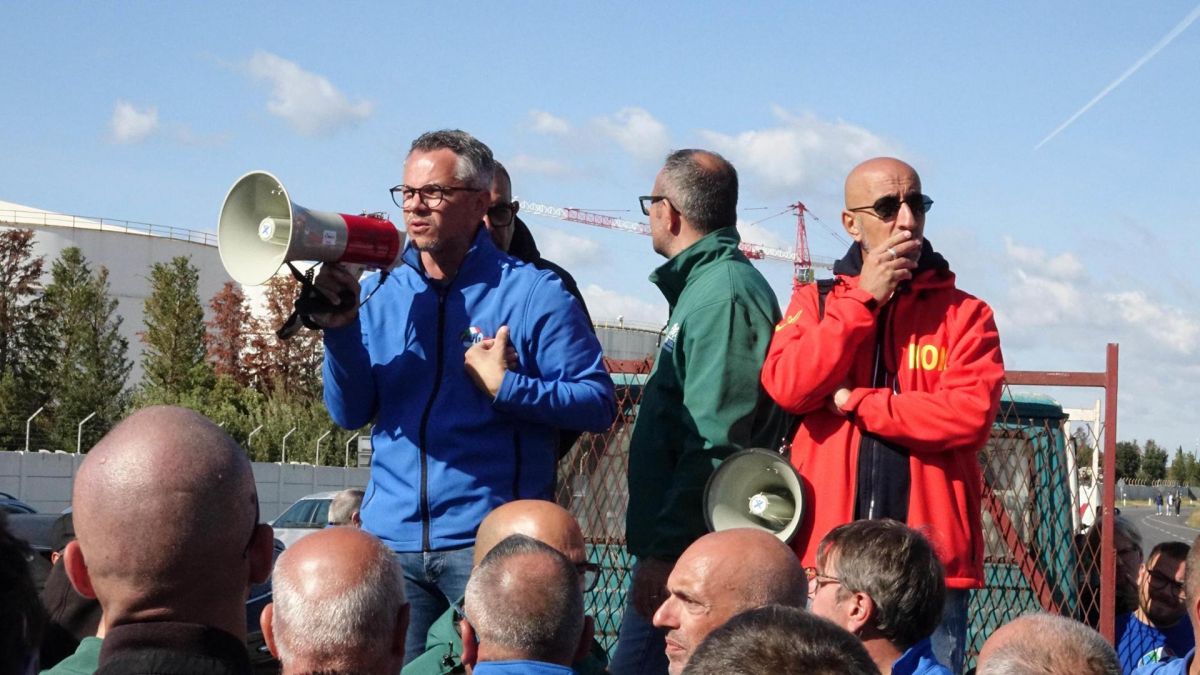
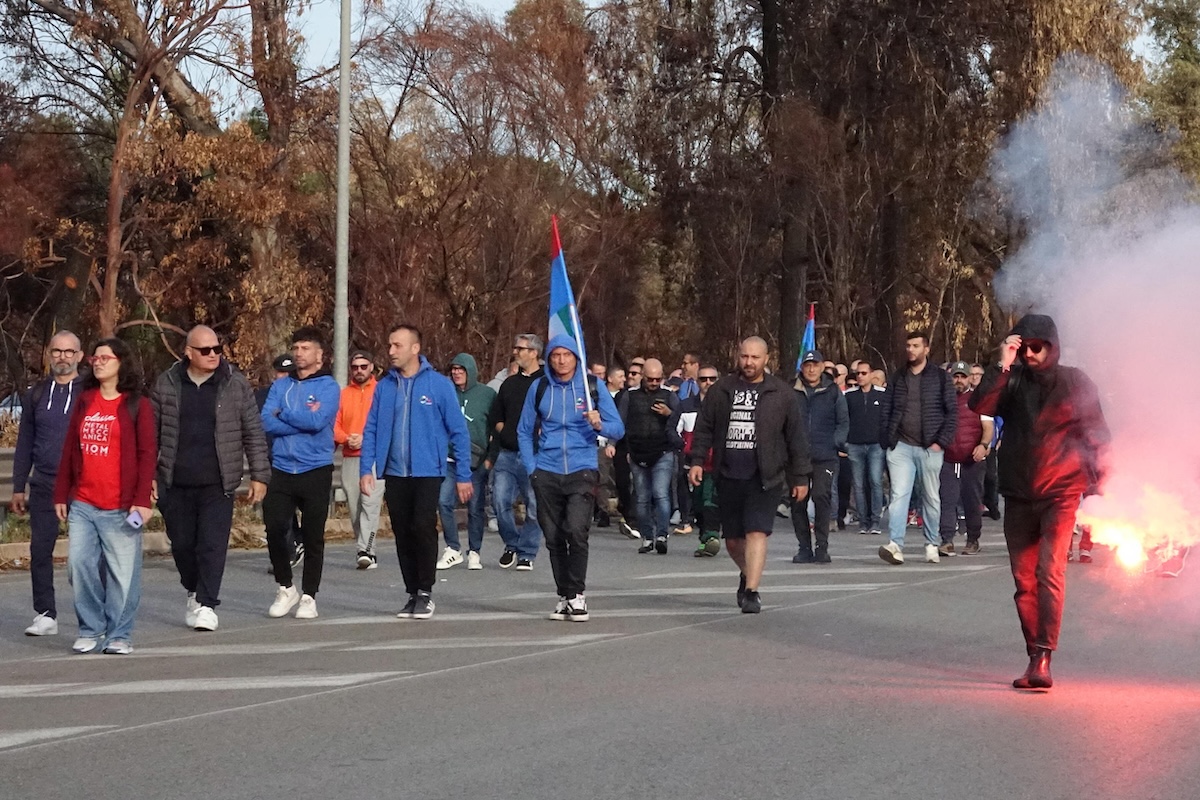
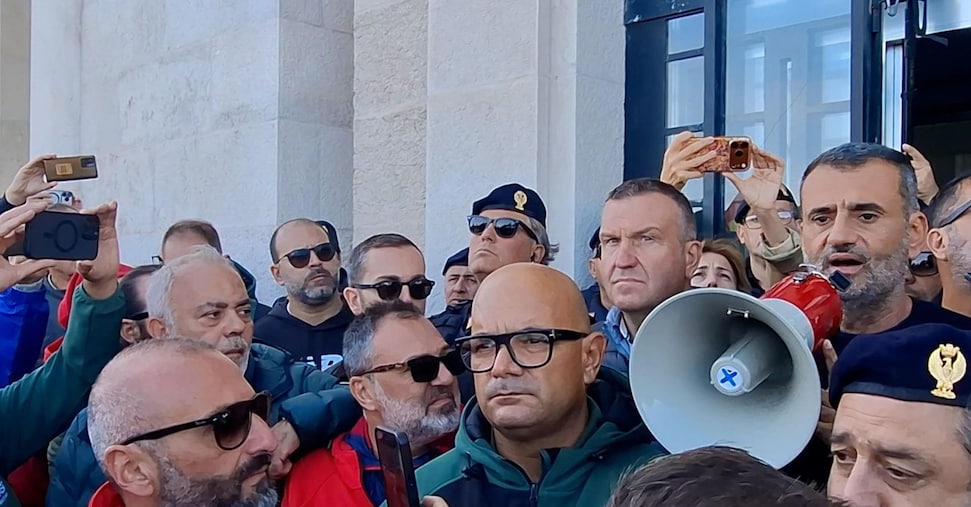
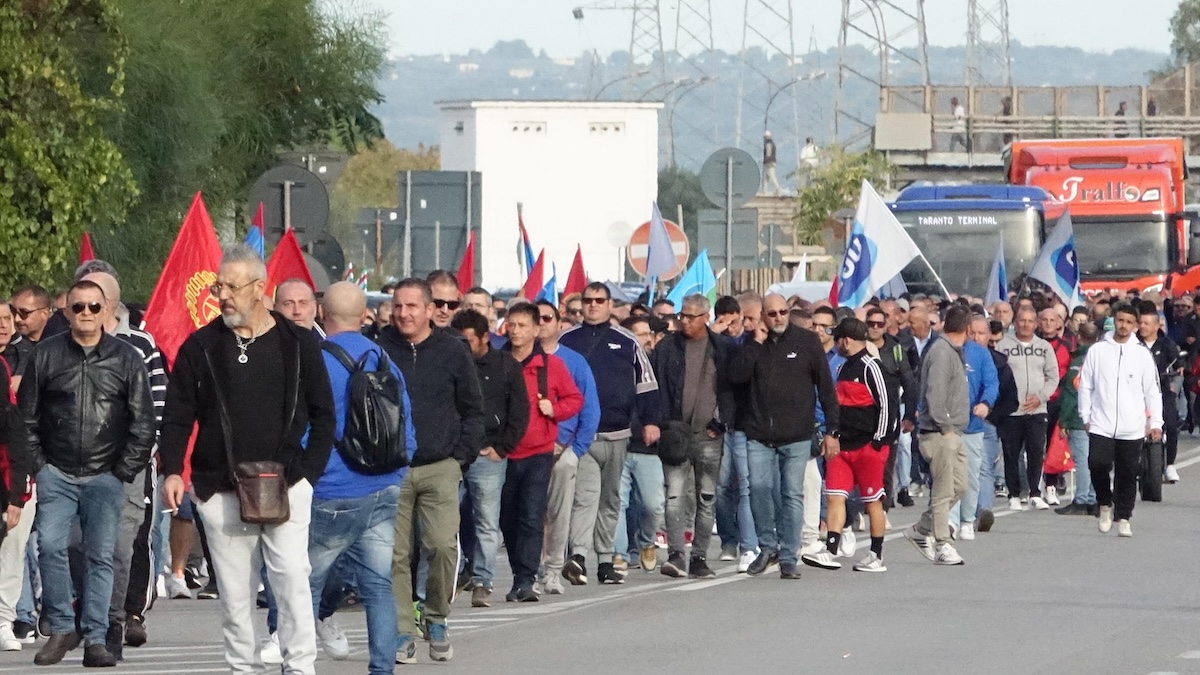
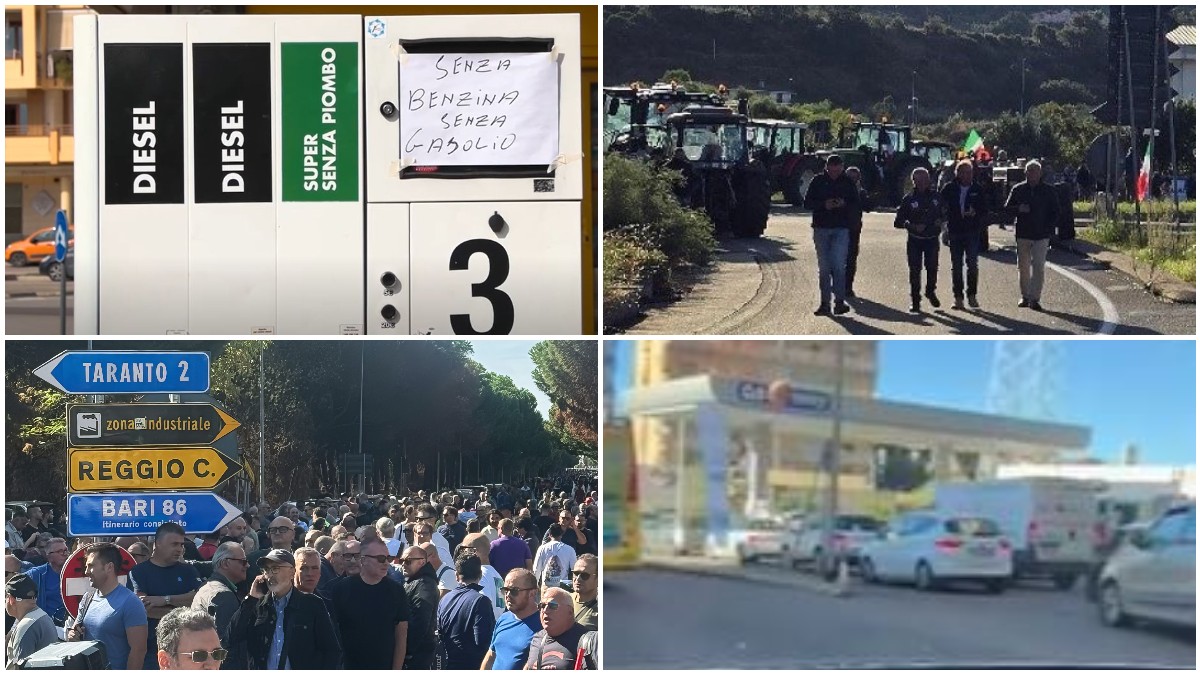
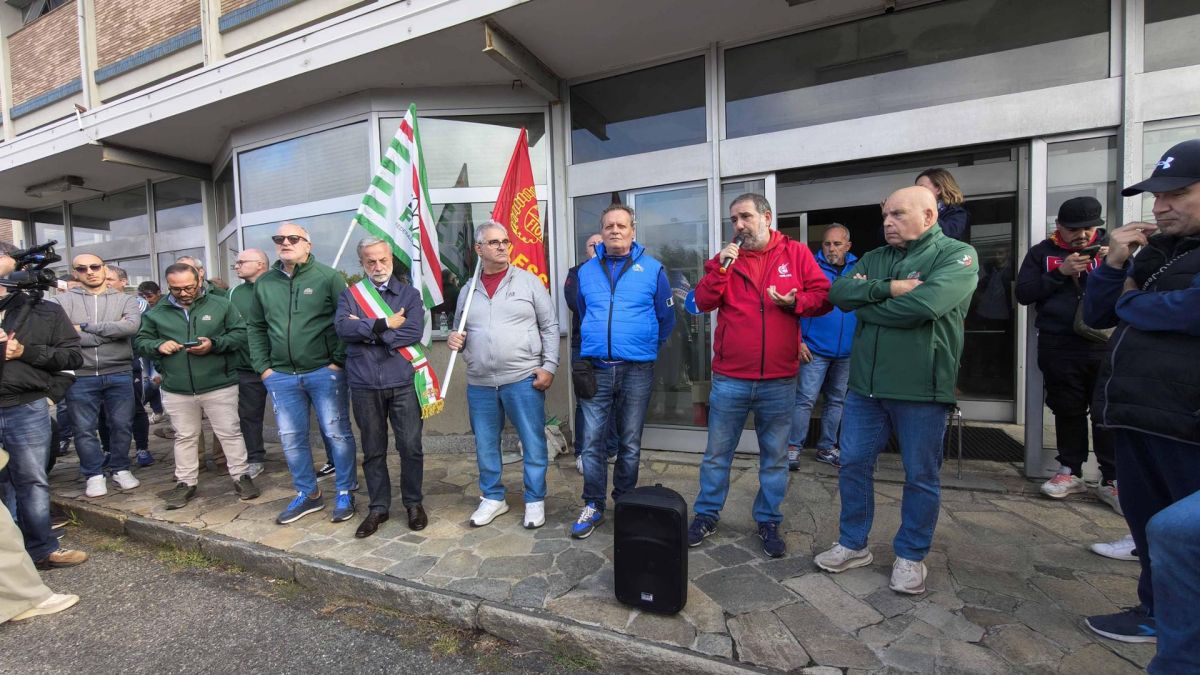
The workers of the former Ilva in Taranto have launched an eight-hour shift strike and occupied the state road 100 in response to the decree of the Milan Court of Appeal which provides for a halt to the hot area, requesting public interventions to guarantee rights to work, the environment, and health in view of a technical meeting at the Ministry of Enterprises. (translated)

The article deals with the financial costs associated with maintaining the former Ilva plant in Taranto, with public spending to support it reaching up to 5 billion euros since 2012, including various forms of funding such as loans and social support. (translated)

Today the newspapers highlight the divisions within the majority regarding the use of the European loan for defense, Trump's meetings with Zelensky and Netanyahu, Mancini's appointment as coach of the National football team, and the issues concerning the future of ILVA in Taranto following a recent ruling. (translated)

Following the court's decision in Milan to close the metal processing facility in Taranto, the possibility of selling the former Ilva plant is reopening, with mention of an Italian group led by Arvedi, which plans to maintain operations, particularly the cooling zone, and build an electric furnace to resume steel production; however, the project faces challenges related to employment and environmental issues. (translated)