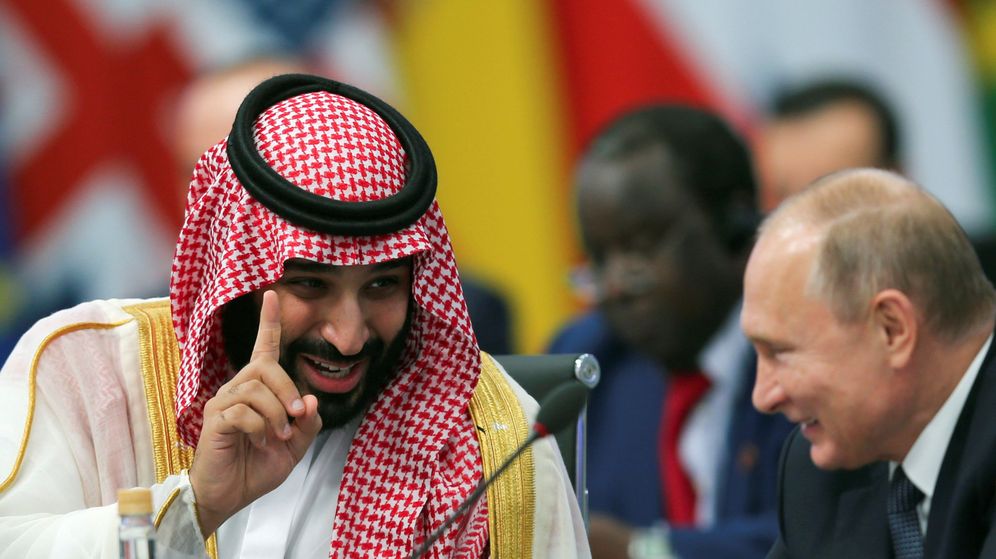

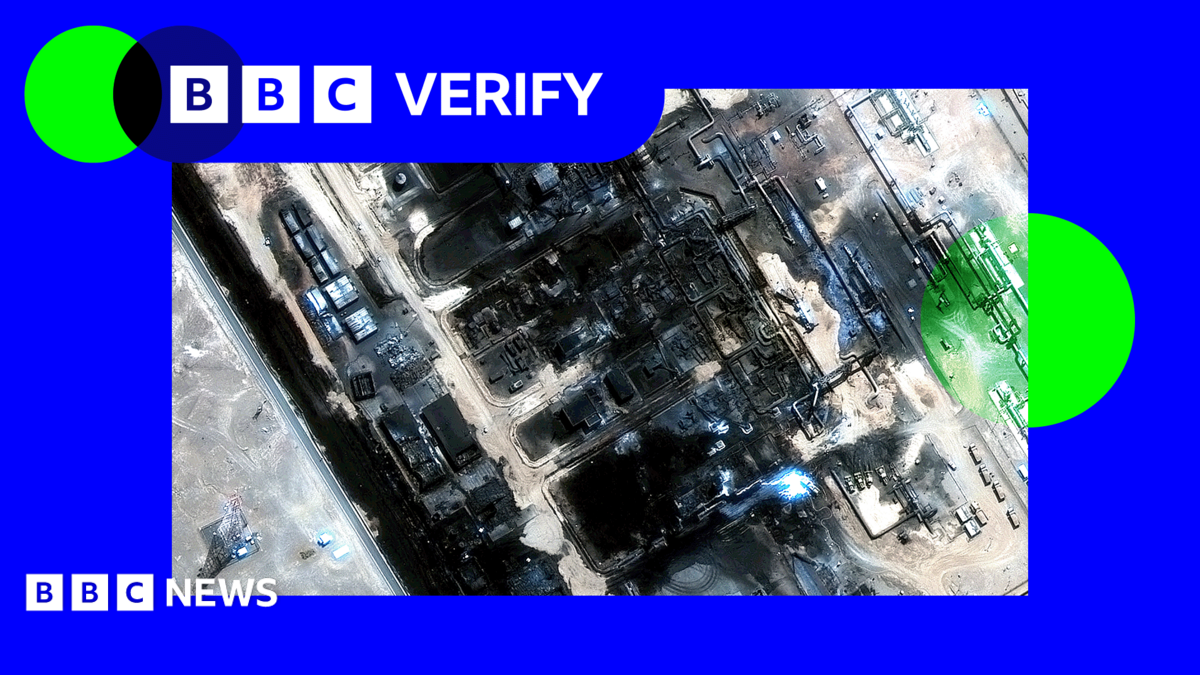
The pipeline shutdown has put pressure on Saudi oil supplies to Europe as further conflict in the region threatens shipping routes. Riyadh has yet to comment on reports that some refiners face delays until November. #SaudiArabia #OilDisruption #MiddleEastConflict

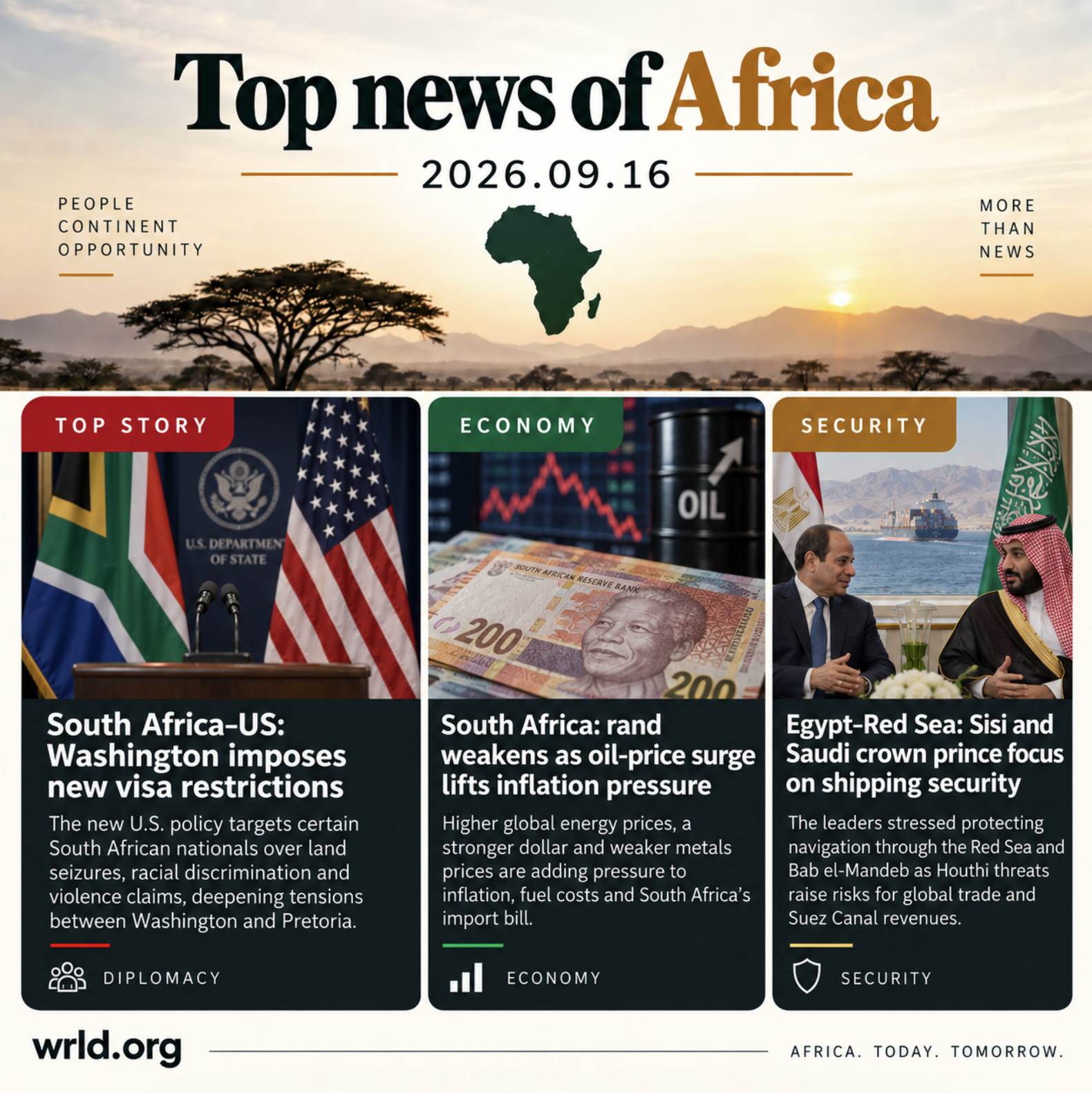
AFRICA DAILY REPORT — 16 SEPTEMBER 2026 Coverage: key developments reported during the previous 24 hours 1. DR CONGO — Ebola outbreak remains severe despite signs of progress Importance: 10/10 — Critical The UN says there are encouraging signs in the fight against the Ebola outbreak, but it is still too early to declare that the epidemic has peaked. More than 7,200 confirmed cases and 3,510 deaths have been recorded across seven provinces. Daily infections have declined from around 120 at the mid-August peak to roughly 80, but North Kivu remains particularly alarming, with 555 new cases reported there in the past 21 days. Source: Reuters, 15 Sep 2026 https://www.reuters.com/business/healthcare-pharmaceuticals/un-says-ebola-epidemic-still-huge-growing-2026-09-15/ 2. DR CONGO — Protests and clashes over proposed constitutional changes Importance: 9/10 — Very High Police used tear gas and warning shots as opposition protests spread across Kinshasa and other cities against proposed constitutional changes. Opponents fear the changes could open the way for President Félix Tshisekedi to seek a third term. The political confrontation adds another layer of instability while the country simultaneously faces the Ebola epidemic and conflict in the east. Source: Associated Press, 15 Sep 2026 https://apnews.com/article/722684d7da7ffe1d49c44dd03db82904 3. SOUTH AFRICA / UNITED STATES — Washington imposes new visa restrictions Importance: 9/10 — Very High U.S. Secretary of State Marco Rubio announced a new visa-restriction policy targeting certain foreign nationals from South Africa. Washington says the measures concern people linked to uncompensated land seizures, racial discrimination or violence against ethnic minorities. The move marks another deterioration in U.S.–South African relations following disputes over land reform, racial policy and Pretoria's foreign policy. Source: Reuters, 15 Sep 2026 https://www.reuters.com/world/africa/us-announces-visa-curbs-some-foreign-nationals-south-africa-2026-09-15/ 4. EGYPT / RED SEA — Sisi and Saudi crown prince focus on security of strategic shipping routes Importance: 9/10 — Very High Egyptian President Abdel Fattah al-Sisi and Saudi Crown Prince Mohammed bin Salman stressed the need to protect freedom and security of navigation through the Red Sea and Bab el-Mandeb. The talks come amid escalating Houthi military activity and growing threats to one of the world's most important maritime corridors. Egypt has a particularly strong economic interest because disruption of Red Sea traffic directly affects Suez Canal revenues. Source: Reuters, 15 Sep 2026 https://www.reuters.com/world/middle-east/egypts-sisi-saudi-crown-prince-stress-need-security-red-sea-navigation-2026-09-15/ 5. DJIBOUTI — Yemen conflict drives growing refugee pressure across the Red Sea Importance: 8/10 — High Escalating fighting in Yemen is pushing more civilians toward Djibouti. More than 2,000 Yemenis are already there, while nearly 94,000 people have been displaced inside Yemen. A fuel shortage is temporarily slowing sea crossings, but the International Organization for Migration expects more people to attempt the journey once fuel becomes available. Djibouti's capacity to absorb additional arrivals could come under increasing pressure. Source: Associated Press, 15 Sep 2026 https://apnews.com/article/djibouti-yemen-red-sea-houthis-0382bf63a25d98e87477bf7f13b9577a 6. SOUTH AFRICA — Seven women's deaths trigger major investigation and national concern Importance: 8/10 — High South African police are investigating the deaths of seven women whose bodies have been discovered over the past two months in and around Ekurhuleni, east of Johannesburg. Authorities have not yet established whether the killings are linked to a single perpetrator. President Cyril Ramaphosa has promised a thorough investigation. The case is intensifying public concern over South Africa's exceptionally high levels of violent crime and gender-based violence. Source: Reuters, 15 Sep 2026 https://www.reuters.com/world/africa/south-african-police-probe-killings-seven-women-ramaphosa-vows-action-2026-09-15/ 7. NIGERIA — Industrial-scale methamphetamine laboratory dismantled Importance: 7/10 — High Nigeria's anti-drug agency dismantled an industrial-scale methamphetamine laboratory in Ebonyi State and arrested a Mexican national while he was attempting to leave the country. Authorities say the operation followed a months-long investigation into a wider criminal network. The case is significant because West and Central Africa are increasingly being used not only as drug-transit corridors but also as production hubs for synthetic narcotics. Source: Associated Press, 15 Sep 2026 https://apnews.com/article/d5ba984a98c27fba6c9694b12b9acfd8 8. SOUTH AFRICA — Rand weakens as oil-price surge increases inflation pressure Importance: 7/10 — High The South African rand weakened against the U.S. dollar as high global energy prices, a stronger dollar and weaker precious-metals prices increased concerns about inflation and South Africa's import bill. As a major oil importer, South Africa is particularly exposed to the current energy shock, which could feed through into fuel prices, transport costs and monetary-policy decisions. Source: Reuters, 15 Sep 2026 https://www.reuters.com/world/africa/south-african-rand-slides-oil-price-surge-pressures-emerging-market-currencies-2026-09-15/ 9. KENYA — Nairobi awarded 2029 World Athletics Championships in historic African first Importance: 6/10 — Significant Nairobi will host the 2029 World Athletics Championships, making Kenya the first African country to stage the event. The championships will take place at Kasarani Stadium. Beyond the sporting significance, the decision represents a major international-profile opportunity for Kenya and is likely to accelerate investment in stadium, transport and visitor infrastructure. Source: Reuters, 15 Sep 2026 https://www.reuters.com/sports/nairobi-host-2029-world-athletics-championships-african-first-2026-09-15/ 10. ESWATINI / UNITED STATES — Two U.S. government personnel accidentally shot by Eswatini soldiers Importance: 6/10 — Significant Eswatini's government confirmed that soldiers accidentally shot two U.S. government personnel during an anti-smuggling operation in the country's northeast. The Americans sustained minor injuries. Both governments are investigating the incident, which Eswatini's military acknowledged has a diplomatic dimension. Source: Associated Press, 15 Sep 2026 https://apnews.com/article/284210c69a3c67fdb491c77093977803 #Africa #AfricaNews #TopNewsOfAfrica #SouthAfrica #UnitedStates #USSouthAfrica #Diplomacy #VisaRestrictions #ForeignPolicy #Geopolitics #Rand #SouthAfricanRand #AfricanMarkets #EmergingMarkets #OilPrices #EnergyShock #Inflation #Economy #RedSea #Egypt #SaudiArabia #BabElMandeb #MaritimeSecurity #ShippingSecurity #SuezCanal #GlobalTrade #HornOfAfrica #Security #AfricaToday #wrldorg

⚠ Wednesday Brief ⚠ 🇺🇸 🛢️ Focus on #FOMC Amid #Oil Crisis 🇯🇵 #Japan’s Export Growth Stays Solid 🇬🇧 U.K. Inflation Rises to Five-Month High ... https://t.co/fS42fkBLT7 #FOMC #OilCrisis #JapanExport #USA #JP #GB

📣 The #Netherlands has presented a national roadmap for reducing its dependence on #fossilfuels, becoming the 2nd country after France to take such a step. But the plan stops short of setting a binding date for ending #oilandgas use. 🚨 Read more ⤵️ https://t.co/2Xp0M9rOgv #Netherlands #fossilfuels #oilandgas #NL #FR

I predicted that oil should be flowing through it within days.

Interference in the oil markets has led to complete confusion amongst US businesses. They have no idea how to even set prices because of the antics in the oil futures market this summer. These interventions have screwed up price allocation across the board. 🇺🇸 https://t.co/gEyinaSeji #OilMarket #PriceAllocation #USBusiness #US

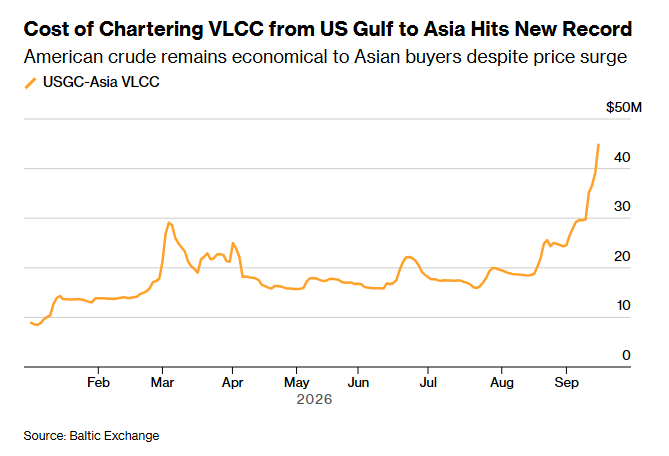
🛢️ 🇺🇸🌏 It Costs a Record $44.8 Million to Ship US Crude Oil to Asia - Bloomberg https://t.co/M38uz5DUeK https://t.co/4bsT2zXXVP #CrudeOil #ShippingCosts #EnergyNews #US

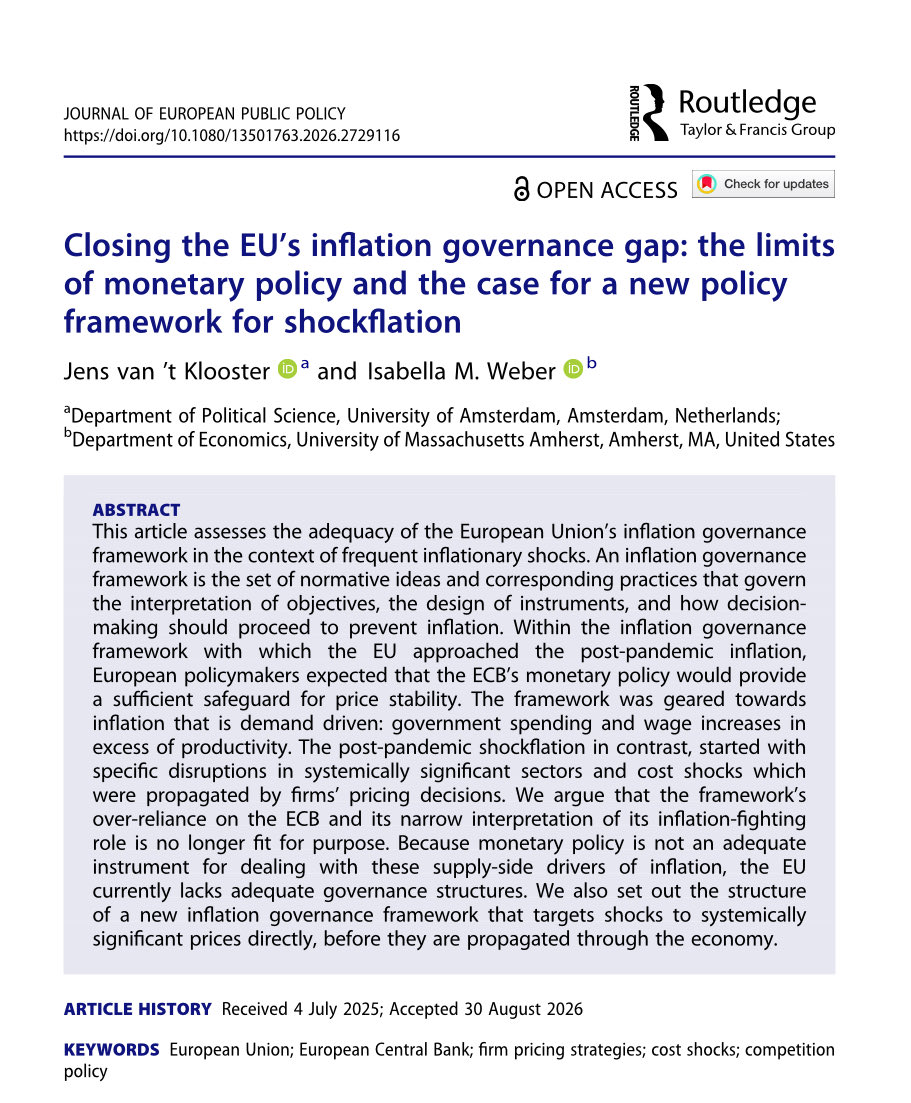
Just in time for the latest oil price spike, we published our article urging the ECB not to hike rates to fight a supply shock. Europe needs a new inflation governance for shockflation. We need disaster preparedness for essentials instead of increasing investment costs. https://t.co/77iEHruBxj #Shockflation #ECB #InflationGovernance #EU

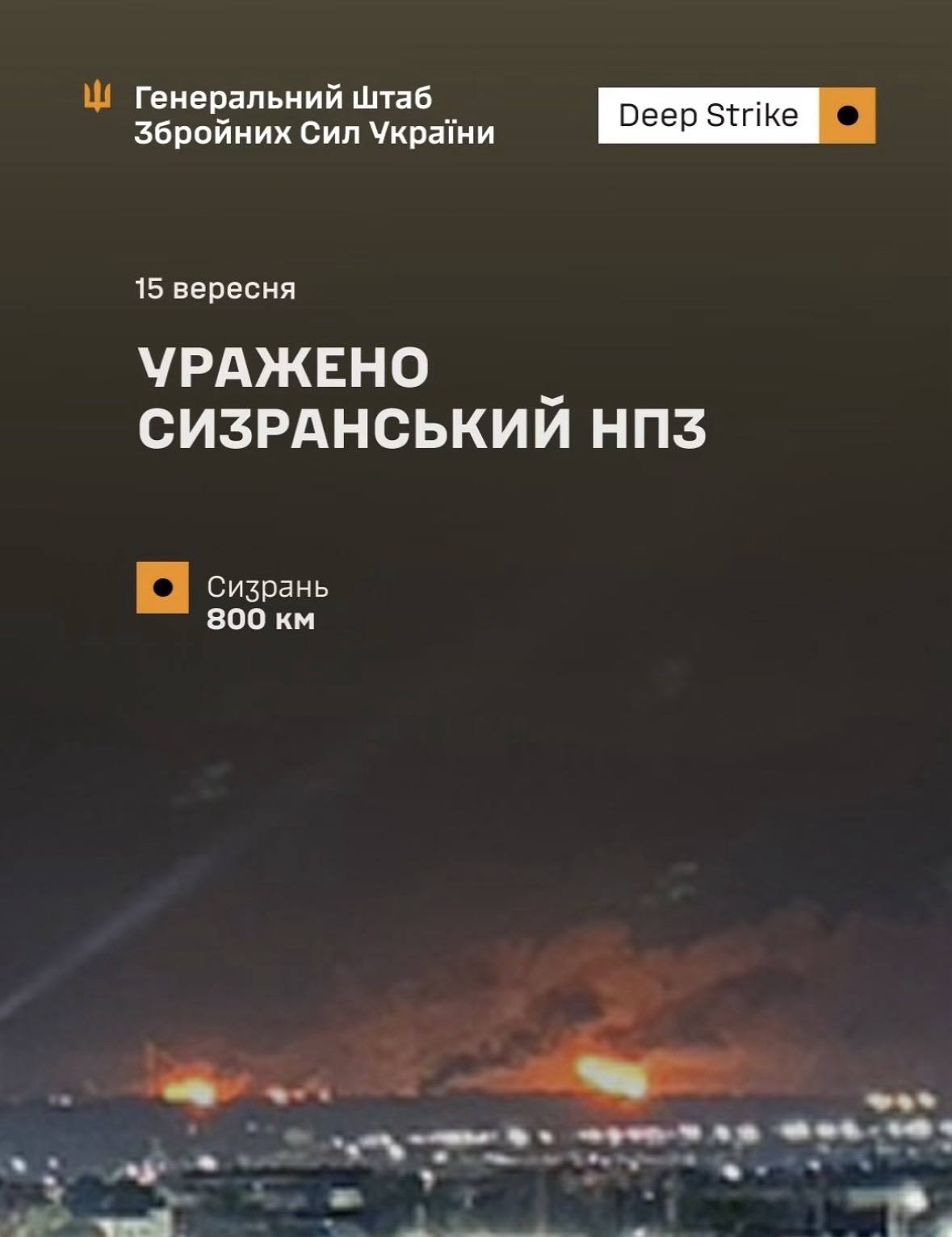
🇺🇦Ukraine struck key Russian military-linked facilities overnight. Ukraine’s Defense Forces hit the Syzran oil refinery in Russia’s Samara region and Atlant Aero in Taganrog, a producer of UAVs and components. Explosions and fires were reported at both sites.🔥 🇺🇦 #Ukraine

Azi in Bucuresti… Cateva sute de ciobani si vreo mie - doua de oi georgiste. Oile putiniste, proaste rau, au crezut ca fac revolutie. S au batut cu jandarmii, au dat cu pietre, si-au luat gaze si s a terminat revolutia😀🤦♂️ O sa mai fie, daca serviciile dorm sau sunt complice🤮 #Bucuresti #Proteste #Oameni

Now, @PetteriOrpo @jonasgahrstore and @SwedishPM , we need to do a contingency plan. Europe has fucked itself up, deliberately. We need to make sure that if the global oil market collapses, we in the Nordic countries have sufficient oil reserves to run our economies, #NordicResilience #OilSecurity #EuropeCrisis #FI #NO #SE

Lucrurile sunt foarte simple dar si complicate: 1. Ciobanii români au fost principalii exportatori din UE către tarile arabe. 2. Apare boala micii rumegatoare care omoara animale. 3. Uniunea Europeana cere vaccinarea oilor pentru a se relua exportul 4. Dar vaccinarea oilor inseamna înregistrarea reala a efectivelor de oi vândute... 5. Ciobanii refuza vaccinarea si implicit înregistrarea numărului de oi care se vând. 6. La numărul de oi vândute se plătesc taxe si impozite... Concluziile la trageți singuri de aici. Ce se ascunde sub pretextul "nu ne vaccinăm oile" Pe scurt: Uniunea Europeană iti cere vaccinarea si înregistrarea contabilă a efectivului de oi. Pentru a putea exporta. Adică un set normal de reguli. De ce nu vrem? (Popescu Liviu / FB) #românia #exporturi #vaccinare


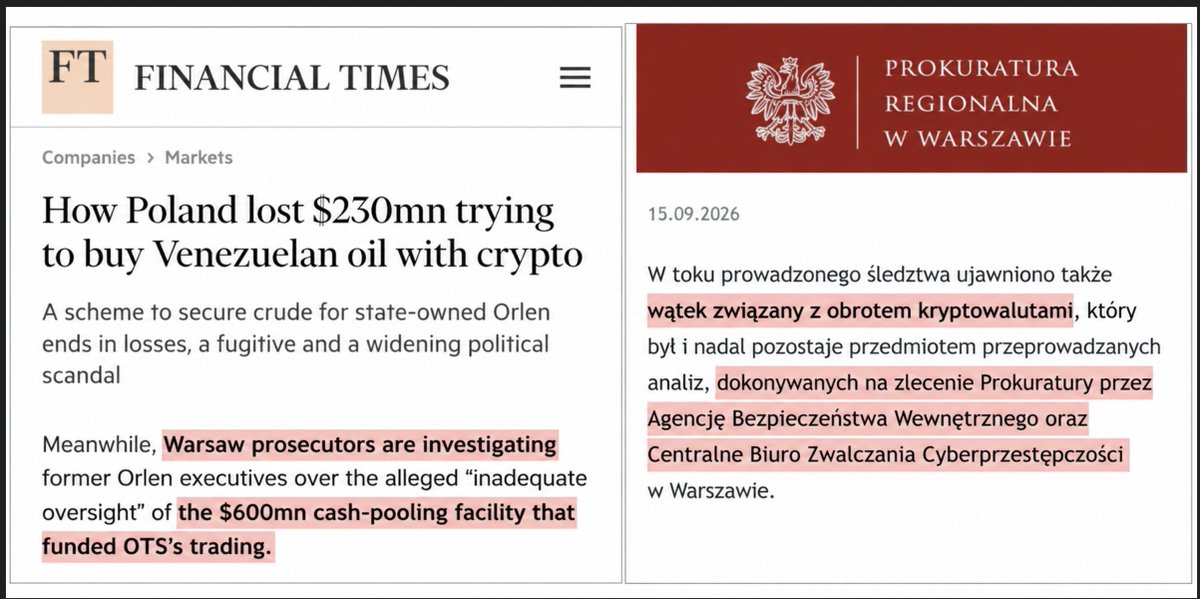
Wygląda, że ktoś z Polski wcześniej podrzucił FT bardzo konkretne informacje do tego tekstu "How Poland lost $230 mn trying to buy Venezuelan oil with crypto". FT zna szczegół o 600 mln USD cash-poolu OTS, którego nie znalazłam w publicznych komunikatach prokuratury. Kilka godzin później prokuratura Żurka wypuszcza komunikat i ujawnia, że wątek krypto od dawna analizują ABW i CBZC. Jeśli to nie był przeciek z samej prokuratury, to ktoś bardzo blisko śledztwa musiał wcześniej opowiedzieć FT, gdzie dokładnie patrzeć. 👀 Kogo obstawiacie? #Polska #kryptowaluty #śledztwo

I wish President Trump would urge Putin to stop bombing Ukrainian homes, shops, churches, hospitals and schools. But instead, he talks about Russian oil refineries. There is something deeply backwards about worrying more about Russia’s refineries than about the Ukrainian https://t.co/V8kREDjkeO #StopTheWar #StandWithUkraine #PeaceForUkraine #UA #RU
Oil executives confirm what the futures price is saying: the energy crisis is here. It was postponed for the summer through a series of irresponsible tricks that will only make it worse. But now it’s here. 🛢️📈📈📈 #EnergyCrisis #OilPrices #FuturesMarket #Therearenospecificcountriesmentionedinthetweet.
🇺🇦BREAKING:🔥 A major fire erupted at Russia’s Syzran oil refinery in the Samara region following a large-scale overnight drone attack. Multiple fires were reportedly recorded at the facility, including near fuel storage tanks. #Ukraine #UkraineWar #Syzran #OilRefinery #Drones
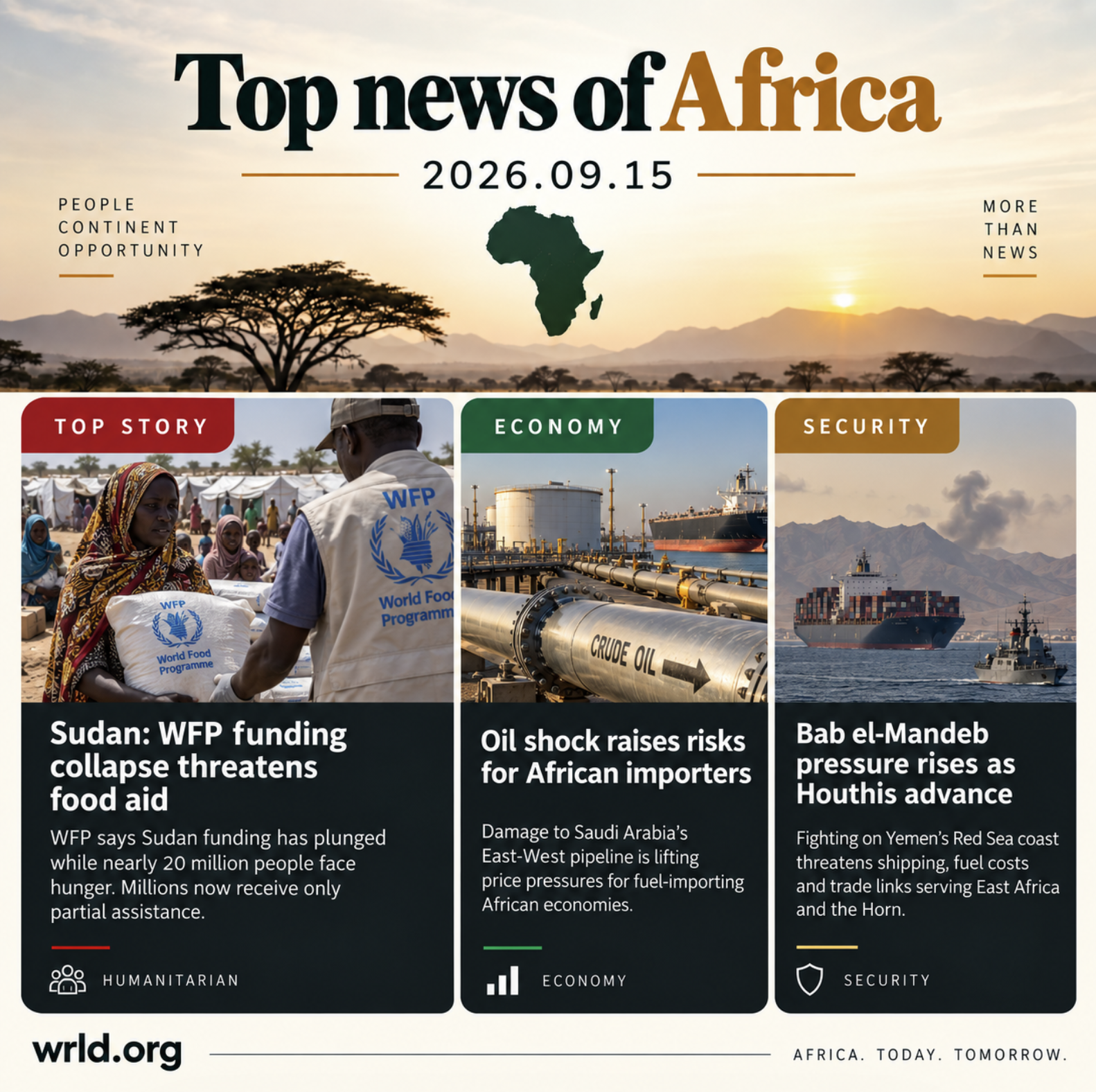
AFRICA DAILY REPORT — 15 SEPTEMBER 2026 Coverage: key developments identified in the latest 24-hour news cycle 1. SUDAN — WFP funding collapse threatens food aid Importance: 10/10 — CRITICAL The World Food Programme says its Sudan budget has fallen to roughly $206 million this year from $645 million last year, while nearly 20 million people face hunger. WFP says it needs almost $300 million more to sustain current operations. Funding constraints have forced the agency to concentrate assistance on about five million of the most vulnerable people, with roughly four million currently receiving partial rations. The funding shock risks deepening what is already one of the world's largest humanitarian emergencies. Source: Reuters, 14 Sep 2026 https://www.reuters.com/world/africa/world-food-programme-funding-sudan-plummets-more-go-hungry-head-says-2026-09-14/ 2. RED SEA / HORN OF AFRICA — Houthi advances increase pressure around Bab el-Mandeb Importance: 9.5/10 — CRITICAL Fighting in Yemen is intensifying along the Red Sea coast, with Houthi territorial gains creating additional risk around the Bab el-Mandeb shipping corridor. More than 82,000 people have reportedly been displaced since early September, and over 2,000 have crossed to Djibouti. For Africa, the significance extends beyond the humanitarian impact: disruption around Bab el-Mandeb threatens trade, fuel costs and shipping links serving East Africa, the Horn and the Suez route. Sources: Reuters/AP, 14 Sep 2026 https://www.reuters.com/world/middle-east/yemens-displaced-long-loved-ones-stability-houthis-advance-2026-09-14/ https://apnews.com/article/90dc86201ef51410ebcdd913837d741d 3. GLOBAL ENERGY / AFRICA — Saudi pipeline damage raises oil-price risk for African importers Importance: 9/10 — VERY HIGH Saudi Arabia's strategically important East-West oil pipeline is expected to remain largely out of service for three to five weeks after a drone attack. Oil prices rose as markets assessed the disruption alongside instability around Gulf and Red Sea routes. The consequences are especially important for oil-importing African economies, where higher crude prices can quickly feed into fuel costs, inflation, currencies and transport prices. Source: AP, 14 Sep 2026 https://apnews.com/article/8c18d82c109a8ea91347ce53c0096c53 4. SOUTH AFRICA — Rand falls sharply as oil prices surge Importance: 8.5/10 — VERY HIGH The South African rand fell around 1.1% against the dollar during Monday trading as rising oil prices increased pressure on Africa's most industrialised economy. South Africa is a major net oil importer and therefore particularly exposed to the current energy shock. The JSE Top-40 also weakened, while government bond yields moved higher. The development illustrates how the Middle East/Red Sea crisis is transmitting directly into African financial markets. Source: Reuters, 14 Sep 2026 5. DR CONGO — Ebola outbreak remains a continental-level health emergency Importance: 10/10 — CRITICAL The Ebola epidemic remains one of Africa's most serious current risks. The outbreak has spread to seven Congolese provinces, including Sud-Ubangi in western DRC, raising concern about further cross-border transmission toward the Republic of Congo and Central African Republic. Latest reported figures exceed 7,000 cases and 3,300 deaths. Conflict, displacement, health-worker strikes and population movement continue to obstruct containment. Sources: AP / public-health reporting, latest updates through 14 Sep 2026 https://apnews.com/article/58a2b25c752eaa8344ff16564a8e3547 6. EASTERN DR CONGO — Bukavu mourns 27 students killed in school fires Importance: 8/10 — HIGH Hundreds gathered in Bukavu for a mass funeral after fires at two neighbouring schools killed 27 students. The tragedy is particularly significant because it occurred in an already severely stressed city: Bukavu is controlled by the M23/AFC movement and local medical capacity is simultaneously under pressure from conflict and the Ebola epidemic. The disaster highlights the fragility of civilian infrastructure in eastern Congo. Source: AP, 14 Sep 2026 https://apnews.com/article/fd1aea4738a9a686fc6f0d45997a2be3 7. SOUTH AFRICA — Major road disaster kills at least 21 people in Western Cape Importance: 7.5/10 — HIGH At least 21 people were killed in a multi-vehicle collision on the N1 between Prince Albert and Leeu-Gamka in Western Cape. Two minibus taxis collided head-on before an SUV struck the wreckage. Together with another fatal accident near Ermelo, at least 29 people died on South African roads over the weekend, renewing scrutiny of road and minibus-taxi safety. Source: AP, 14 Sep 2026 https://apnews.com/article/9ae8e6beeb75cc307be24e15e9ec1fad 8. SUDAN — International leverage constrained as humanitarian needs rise Importance: 8.5/10 — VERY HIGH The widening humanitarian funding gap comes as diplomatic pressure on Sudan's belligerents remains limited. The UN Security Council recently extended the Darfur arms embargo only temporarily while members continue debating a U.S. proposal for a nationwide ban. Russia and China have raised objections to expanding the restrictions. The combination of weak humanitarian financing and diplomatic deadlock increases the risk of further deterioration. Sources: Reuters/AP https://apnews.com/article/fde2c6880c80343bebffb83c243fd3f4 9. UGANDA / SOUTH SUDAN — Climate stress is fuelling violence against traditional rainmakers Importance: 6.5/10 — SIGNIFICANT AP reports growing violence against traditional rainmakers in parts of Uganda and South Sudan as increasingly erratic rainfall damages subsistence agriculture. Farmers facing droughts, floods and crop losses have sometimes blamed spiritual practitioners for failed rains. The story is locally focused but illustrates a broader African security issue: climate disruption increasingly interacts with poverty, social tension and traditional belief systems. Source: AP, 15 Sep 2026 https://apnews.com/article/6080fa9dbc838ba75b9bab29cfd48fc9 10. AFRICA'S ECONOMIC OUTLOOK — Oil shock becomes the key near-term macro risk Importance: 8/10 — HIGH The combination of damaged Saudi export infrastructure, instability around Bab el-Mandeb and elevated crude prices is becoming an important macroeconomic risk for African oil-importing states. South Africa's currency reaction is an early indicator. If elevated prices persist, Kenya, Ethiopia, Morocco, Senegal and other net importers could face renewed inflation and balance-of-payments pressure, while African oil exporters could receive a revenue boost. This is a cross-cutting issue to watch closely over the coming days. Sources: Reuters/AP, 14 Sep 2026 TODAY'S ASSESSMENT The three developments with the greatest strategic significance are: (1) the sharp deterioration in humanitarian financing for Sudan; (2) the continuing Ebola emergency in DR Congo; and (3) the expanding Red Sea/Middle East energy shock, which is increasingly transmitting into African currencies, inflation and trade risks. #Africa #AfricaNews #TopNewsOfAfrica #Sudan #SudanCrisis #HumanitarianCrisis #WFP #WorldFoodProgramme #FoodSecurity #HungerCrisis #HumanitarianAid #RedSea #HornOfAfrica #BabElMandeb #Houthis #MaritimeSecurity #Shipping #GlobalTrade #EnergySecurity #OilPrices #OilMarket #AfricanEconomies #AfricanMarkets #EconomicRisk #Geopolitics #MiddleEast #EastAfrica #GlobalSouth #AfricaToday #wrldorg