WRLD

Search

#Optic
Novinky 1h

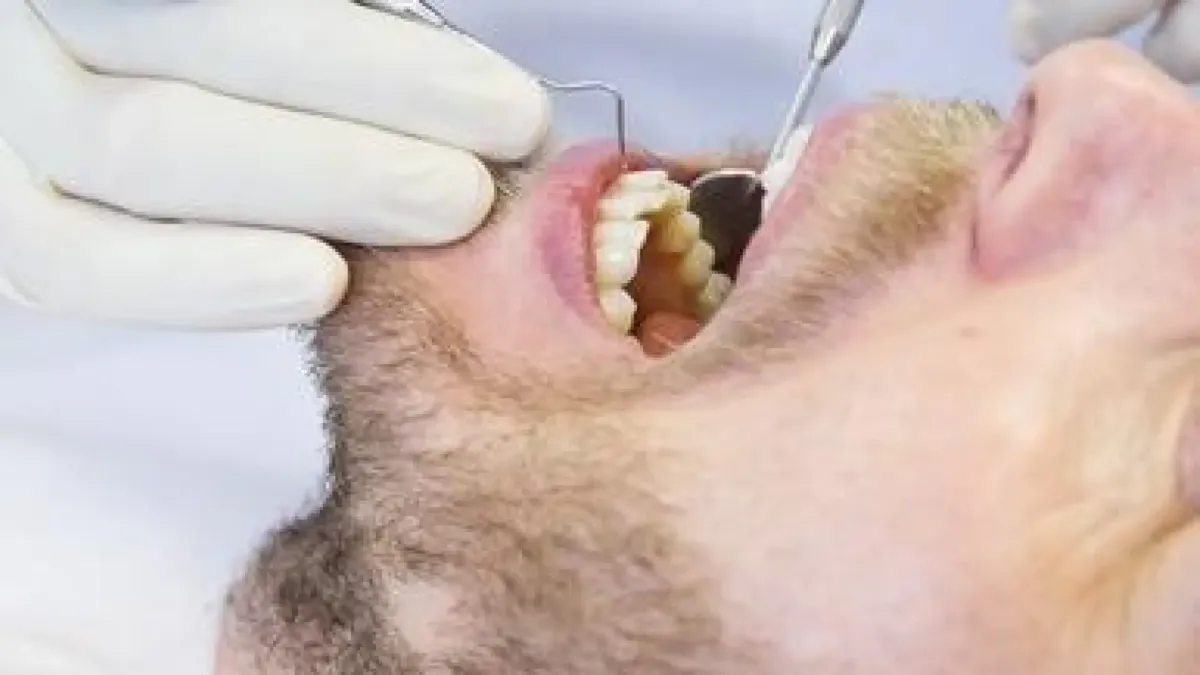
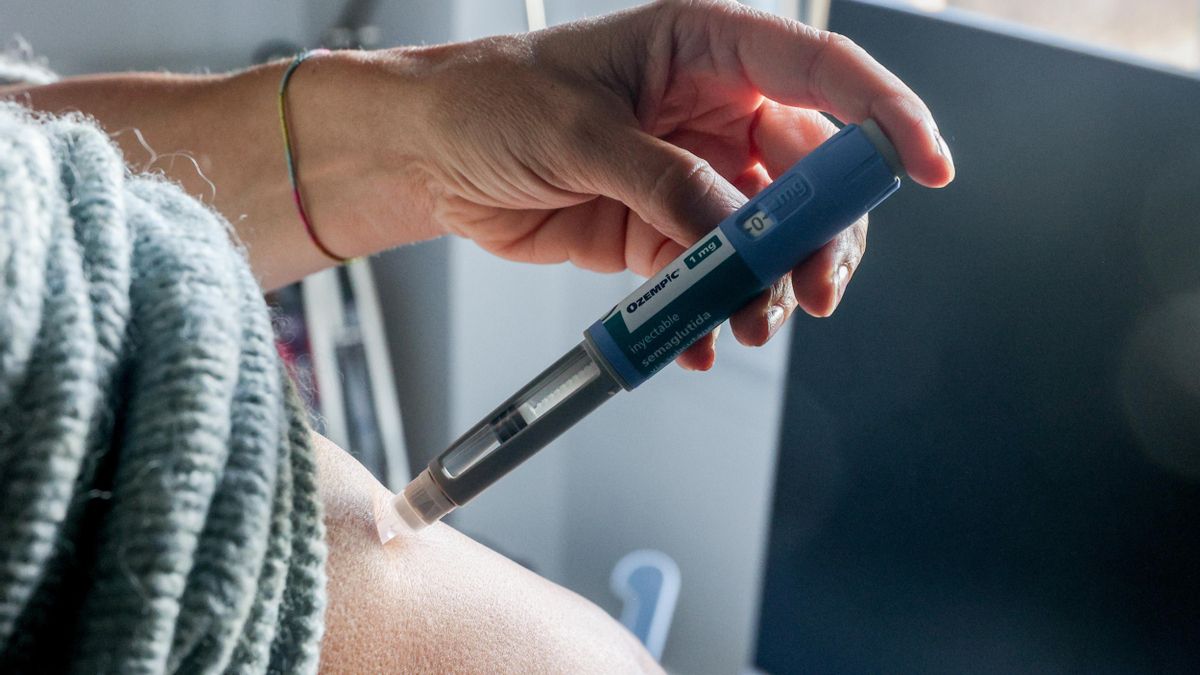
Weight loss injections associated with GLP-1 substances may, in some cases, cause anterior ischemic optic neuropathy, which can lead to vision problems; however, the correlation has not yet been confirmed, and experts warn users to monitor their health. #optickáneuropatie #GLP1 #zdraví (translated)

www.novinky.cz
Injekce na hubnutí mohou způsobit problémy se zrakem. Česko řeší 12 podezření
1259
Michael McFaul 9h

“Great electricity” in the room (when he met with Xi and Putin) Trump is always talking about the optics of summits, and never about substance.

1563
Michael McFaul 11h

Give Xi the props he deserves regarding optics. First he greeted Trump at the airport, guaranteeing that Trump would not raise any difficult issue. Then he arranged this photo op that makes him look like the king of the world.

1494
Scott Horton 14h

Normally one would assess a summit based on the agreements that result. Here there were no agreements, so it really falls to an assessment of the optics, which were great for Xi, weak for Putin and abysmal for Trump. bsky.app/profile/maxb...

1953
eldiario.es 19h

A team from the University of Sheffield has managed to controllably reproduce the optical effect of the Lycurgus Cup, a 1,600-year-old Roman glass that changes color thanks to gold and silver nanoparticles, although the original technique used in its manufacture is still unknown. #CopaDeLicurgo #TecnologíaRomana #VidrioArtístico (translated)

www.eldiario.es
Parece magia, pero es tecnología romana: la copa de hace 1.600 años que cambia de color gracias a nanopartículas
2272
20 minutos 5d

The article details the coverage of Social Security in Spain for dental and optical health treatments, emphasizing the available benefits for the child population and priority groups, as well as the procedures for applying for aid and subsidies. #SaludBucodental #AtenciónÓptica #SeguridadSocial (translated)

www.20minutos.es
Salud bucodental y óptica en la Seguridad Social: qué tratamientos están cubiertos y cómo pedir los subsidios
3272
Sean Duffy 5d
American politician, former sports commentator and reality television personality

Sean Duffy, the Secretary of Transportation: "A contractor was carrying out routine maintenance work to replace the old copper telecommunications lines with fiber optics. We are trying to determine whether it was negligence, meaning human error on the part of the contractor, L3Harris, or if defective equipment (router) was installed." #traficaerian #problemecomunicatii #modernizare (translated)

2939
Sean Duffy 7d
American politician, former sports commentator and reality television personality

Duffy explained at a press conference that it all started when employees of the firm, L3 Harris, were working at a remote facility to replace the old copper wiring with fiber optics. Operations are gradually returning to normal this morning. The planes are departing from the boarding gates, taxiing, and taking off, and it is safe to fly. We are in close coordination with the airlines to support the ongoing recovery. Some delays and cancellations will continue to occur as airlines reschedule flights and reposition aircraft and crews where they are most needed. Our top priority at this time is to ensure that travelers return home safely and soundly to their families as soon as possible. To our air traffic controllers, pilots, and flight crews working tirelessly: the nation thanks you for your professionalism and dedication to serving passengers. #CrisisAérea #FAA #VuelosCancelados (translated)

2834
LaVanguardia 7d

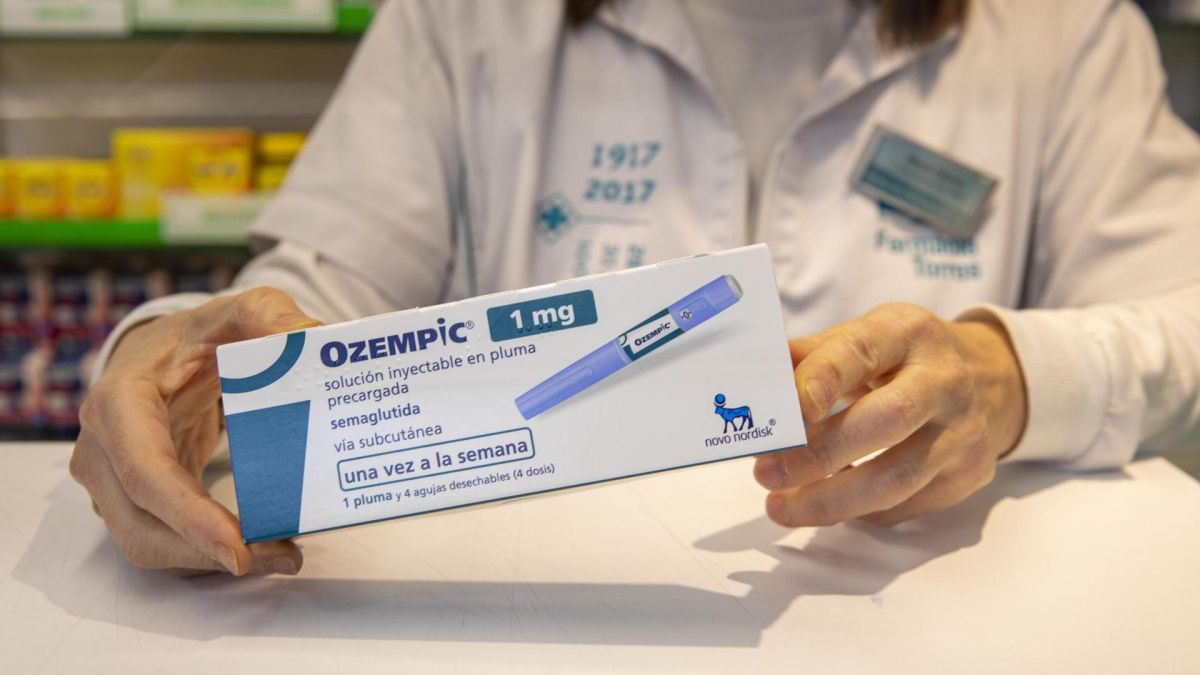
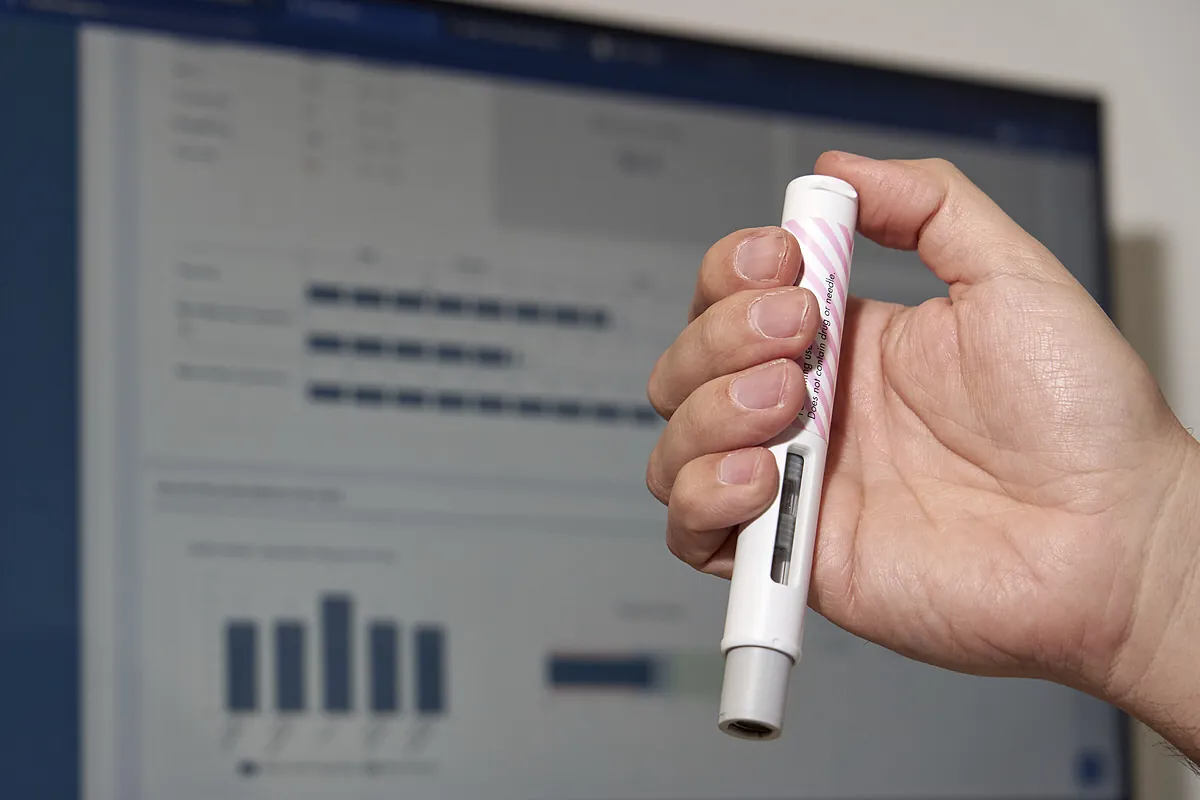
The FDA has ordered manufacturers of drugs containing GLP-1 receptor agonists to include warnings about the risk of developing anterior ischemic optic neuropathy, a condition that can lead to vision loss, although experts maintain that the benefits of these drugs continue to outweigh the potential risks. #FDA #semaglutida #obesidad (translated)

www.lavanguardia.com
La FDA ordena advertir sobre el riesgo de ceguera por los fármacos adelgazantes
3291
eldiario.es 1w

The FDA has required drug manufacturers such as Ozempic to modify their labels to include warnings about a low risk of non-arteritic anterior ischemic optic neuropathy in patients using GLP-1 agonists for diabetes and obesity. #Ozempic #Diabetes #Salud (translated)

www.eldiario.es
La FDA exige cambiar la etiqueta en fármacos como Ozempic para alertar del riesgo de enfermedad ocular rara
3190
20 minutos 1w

The FDA has issued new safety warnings for Ozempic, Wegovy, and other medications used to treat obesity and type 2 diabetes, alerting to a possible increased risk of developing a serious eye disease known as non-arteritic anterior ischemic optic neuropathy. #Ozempic #obesidad #efectossecundarios (translated)

www.20minutos.es
Ozempic, Wegovy y otros medicamentos contra la obesidad, bajo vigilancia por un efecto ocular grave
3195
E
EL MUNDO 1w

The FDA has required manufacturers of drugs in the Ozempic family to include warnings about the risk of developing non-arteritic anterior ischemic optic neuropathy, after identifying a possible increase in the frequency of this serious eye condition in patients using these drugs for diabetes and weight loss. #Ozempic #SaludVisual #FDA (translated)

www.elmundo.es
Efectos secundarios de la 'familia Ozempic': la FDA exige avisar sobre el riesgo de desarrollar neuropatía óptica
3311
LaVanguardia 2w

Multiópticas, owned by MO Global, plans to expand in Latin America by opening new stores in Guatemala and the Dominican Republic by 2027, thus adding to its already established presence in Mexico and Peru, and projecting to reach a total of eight countries in the region. #Multiópticas #ExpansiónInternacional #Ópticas (translated)

www.lavanguardia.com
Multiópticas crece en Latinoamérica
2755
M8 Veohz Wrld summary 2w

M8 Veohz indicated that the team had a good day and finished early. He added that they were to play the next day the final of the winners' bracket against the winner of the match between KOI and OpTic. #M8WIN #Esports #Compétition #Gaming (translated)

3329
M8 Veohz Wrld summary 2w

M8 Veohz announced that the broadcast of the Monster Invitational would begin around 7 PM, but that his match would take place after the OpTic Stallions series. He recalled that the audience had followed the tournament until the early hours of the morning the previous year and hoped they would be there this year. #M8WIN #MonsterInvitational #Esports #OpTic (translated)

2989
La Virgule, Wrld summary 2w

The Virgule indicated that Gentle Mates had once again performed well during scrims, after a close match against OpTic Texas the day before, ending with a score of 4-5. The team then defeated FaZe Vegas 6-3 and drew 3-3 against Riyadh Falcons. https://t.co/8uv0WvF2p0 #Esports #CallOfDuty #Gaming (translated)

2764
Novinky 3w

Marvell plans to acquire Lumentum for 2.5 trillion crowns with the aim of creating a faster and more efficient infrastructure for artificial intelligence through optical technologies. #uměláinteligence #datovácentra #opticképřipojení (translated)

www.novinky.cz
Obří sázka na umělou inteligenci. Marvell koupí Lumentum za 2,5 bilionu korun
3117
Samo Burja Wrld summary 3w
Slovenian political scientist

The post described Corning as a company that made Thomas Edison’s first light bulbs, invented optical fiber and iPhone glass, and now mass-produced components for AI chips and data centres. It presented the company as an example of how US firms could advance science and counter deindustrialisation to compete with China, and pointed readers to a new brief by Bismarck Analysis. https://t.co/m6rcbYeMGY #Innovation #Technology #Manufacturing #US #CN

3130
Jaunius Varnas 3w

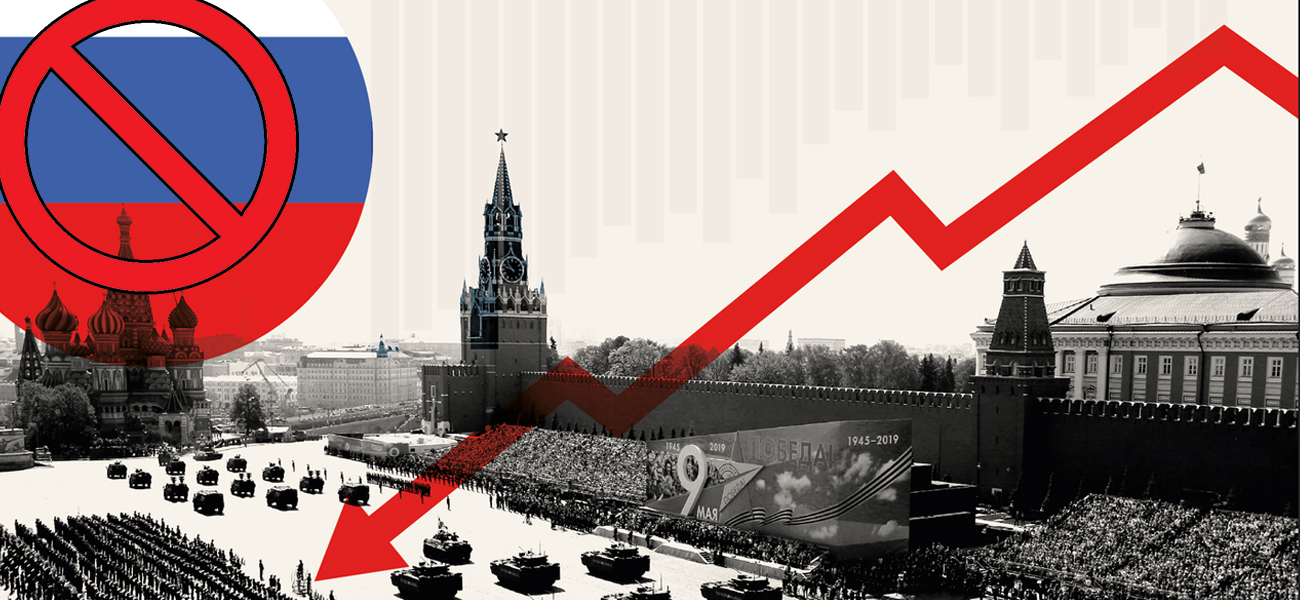
russia's MILITARY POTENTIAL CEILINGS There is no country that can wage war forever. There are plenty of myths about russia and how it can keep fighting and fighting, but there are things no country can overcome. These are simply economic and industrial ceilings that cannot just be expanded indefinitely. Especially when you're the most sanctioned country in history. Sit back, get comfortable — today I'm bringing you a BIG and very detailed article. Next year, russia will increase its military budget. And spending on it will account for around 35% of russia's entire annual budget. That's just according to the officially reported figures. And based on what we saw last year, we know that russia spends considerably more on the war than it reports. But when it comes to all this increased funding for the war machine, there's one BIG catch — russia doesn't exactly have the money for it. To keep its war industry running, russia is forced to significantly cut the budgets of other government sectors — education, healthcare, social services, and the national economy (infrastructure, agriculture, and so on). In other words, it's increasing the war industry's budget by cannibalizing other sectors. And it's ALSO very important to understand that even then, russia is no longer able to generate enough revenue to fully finance its annual budget. As a result, the state budget deficit keeps growing every year. And that's when the russians start selling their gold, diamonds, or printing A LOT of money to plug that budget hole. Whenever I try to explain how russia's economic situation keeps deteriorating, there are always commenters who say something along the lines of: "So what? They can still fight as long as they want, and you can talk about their problems all you like. Nobody's going to stop them." Well, THIS is where I'll try to explain why I think they're starting to reach the limits of their industrial capacity and, more generally, the limits of their offensive capabilities. When you shrink the civilian economy, investment declines, productivity falls, unemployment increases, prices rise, and it becomes more expensive for industry to manufacture things. On top of that, there's the growing global fuel crisis, which also drives up production costs. And russia ALSO has an existing labor shortage, and now it's going to carry out mobilization as well. That means it will independently remove, quite possibly, several hundred thousand men from the labor market. Whether that happens all at once or over the course of a year no longer matters — what matters is that those people will be taken out of the workforce. This creates a situation where russia is essentially destroying itself. It's increasing its military budget, but because it's cutting funding to other sectors and global economic problems are piling on, inflation rises so much that the larger military budget no longer translates into producing a whole lot more. Because everything simply costs MORE. And if we look at the war industry as a whole, there aren't many places left to expand because there aren't enough specialists. The only real option may be to try to redistribute the existing industrial capacity. For example, using the same budget, the same workers, and the same amount of materials to produce fewer tanks but more drones and missiles (I know this is a rough comparison, but the point still stands). Since I mentioned tanks, their production lines are also struggling to catch up with previous production levels. For example, russia used to refurbish a lot of old tanks from storage depots. But since those depots are now almost depleted, it has to manufacture more NEW tanks. And producing a new one costs MORE and takes longer. Tanks are just one example, but you have to understand that a similar situation applies to many other things. Instead of using old Soviet stockpiles, russia now has to manufacture a lot more equipment from scratch. THEREFORE, an increasing military budget in russia does not mean they'll have A LOT more of everything. NO. It simply means that everything costs them more. And looking ahead, it will cost them EVEN MORE, while they'll get less out of it. EVEN IF we take into account that China is still helping russia, we also have to understand that China isn't doing it for free. And no matter how many natural resources russia can send to China in exchange for technology, as inflation rises, the cost of those exchanges also increases. And as we know, China has been conducting those exchanges in its own favor since the beginning of the war. And once again, we run into the same ceilings — more trade does not necessarily mean a bigger war. More of everything is simply needed because everything is getting more expensive. There's an interesting situation unfolding in the world right now, where trump's war in Iran and the global fuel problems are simultaneously hurting russia's war industry as well. On top of that, I'm convinced that this entire promised wave of mobilization will also be russia's last serious attempt to push forward. RIGHT NOW, at THIS VERY MOMENT, a fundamental turning point in the war is taking place, and it's not being talked about very much. You could say the turning point was the expansion of Ukraine's drone forces, the attacks on oil facilities, the destruction of logistics, or something else. BUT all of this ultimately comes down to one BIG factor. russia is starting to reach the peak of its military potential. After this entire mobilization (whatever its size), they won't be able to carry out another one on the same scale. Well... they technically could, but each subsequent wave would be progressively weaker and of lower quality. At the same time, russia's military industry is starting to reach its ceilings. Looking ahead, not only will it have nowhere left to expand, but it's very likely to start contracting for the very same reason it grew in the first place — cuts to the budgets of other government sectors and the resulting inflation. Just take something as simple as cuts to healthcare funding. You might ask, what do hospitals have to do with the war industry? Well, if the state doesn't provide enough money to treat people, it's likely that more health problems will emerge, and that will affect the labor market. Which, in turn, will affect production — including the war industry. SO, I suspect that after 2027 (yes, unfortunately, that's still a long way off), russia will still be able to continue the war, but the pace of its war industry and its offensive operations will inevitably decline. THEN, let's take into account that russia is already suffering absolutely insane losses this year in exchange for increasingly smaller amounts of occupied territory. So let's understand that this is happening while russia can still maintain at least its current offensive pace and industrial production. What happens if any one of those factors contracts? We have a real-life example of what happens then — today, russia can no longer recruit enough people in a single month to replace the number being killed in the war. As a result, russian occupation forces are gradually retreating every month, and the occupiers are losing the territory they had captured. 2027 will still be the year when russia plugs this gap. In other words, whatever it can no longer recruit voluntarily, it will force into the front lines through mobilization. And then we'll have a whole range of other problems, which I've essentially already mentioned. russia will voluntarily reduce its own workforce (and let's add those who flee the country). Unmotivated, untrained, and poorly equipped soldiers at the front will achieve increasingly fewer results. The war industry will become more expensive while producing less for the front. russia will start facing problems filling the gaps created by its own shortages. When russia reaches these ceilings, it will certainly still be able to continue the war, but it will no longer be able to maintain the same pace. Especially the pace of its offensive operations on the front. THEREFORE... I can't say that Ukraine will definitely start reclaiming more of its territory, because we don't know how Ukraine itself will manage its funding. BUT the conditions are there, and Ukraine still has some cards it hasn't played yet. Here, let's also remember the ballistic missiles that are still to come into play. They won't be some complete WOW moment that changes everything. BUT they will allow Ukraine to destroy russia's industry much more aggressively, which is ultimately still one of the most important factors, because it eventually affects the quality of russia's offensive operations as well. BECAUSE having more people does not mean capturing more territory if those people are not properly supplied and supported from the rear. And then we get to the part I've actually been talking about for a very long time. What else can russia do if its offensive potential on the front starts to collapse? I'll repeat myself — russia is trying to compensate for the lack of frontline forces by intensifying its air attacks. And that creates the illusion that its offensive never stops and that russia is constantly escalating. + This is also an attempt to break Ukrainian civilians and make them demand that their government enter negotiations with russia. Historically, however, this kind of tactic has very rarely worked, regardless of which country we're talking about. Offensive operations on the front and air attacks are two different things. russia's frontline capabilities are shrinking, and that's why it is forced to carry out mobilization. That mobilization won't help it achieve A LOT more victories, BUT it will buy time — time it can use specifically to intensify its air attacks. And once again, it's the same thing — continuing a war does not necessarily mean fighting a successful war. russia, seeing that it cannot achieve victories on the front, is redirecting more of its industrial capacity toward producing drones and missiles. BUT we also have to understand that this does not necessarily mean producing a whole lot MORE drones and missiles forever. Because, as I've already explained, there are limits to production due to inflation, rising manufacturing costs, and labor shortages. ALSO, when it comes to missiles, they face a similar situation to russia's old tanks. Just as russia spent several years pulling old tanks out of storage and refurbishing them, it is also still mainly using its huge Soviet-era missile stockpiles, which it is MODIFYING. To maintain the pace of its attacks, it is EVEN converting missiles from its S-400 air defense systems into ballistic attack missiles. In other words, it's cannibalizing its own air defense resources to maintain its offensive capabilities RIGHT NOW. And you should understand that this kind of strategy also has its ceilings. This kind of strategy could create VERY serious problems for the russians when Ukraine ramps up its own ballistic missile production and russia itself starts needing more DEFENSIVE missiles — the very ones it is currently converting. So, when you combine the fact that Soviet stockpiles, although large, are not infinite and will eventually run out, with the fact that you cannot manufacture everything new in such large quantities or so quickly, and with the fact that everything russia produces from scratch becomes increasingly expensive over time... And when you also factor in the labor shortage affecting the drone and missile industries... We can predict that even the intensity of russia's air attacks has ceilings, and those ceilings will eventually be reached. Now, someone will say that I've explained all this rather abstractly, without numbers and so on. Fine, here are a few: Between 2023 and 2025, production in some key defense-related industrial categories doubled. HOWEVER, by 2026, growth had slowed significantly. Transport equipment: just +23.3% (instead of doubling), metal products: just +12.6% (instead of doubling), electronics and optical equipment: just +2.1% (instead of doubling). These are just a few examples. russia can allocate more and more money to its war industry, but that doesn't necessarily mean it can proportionally manufacture more weapons. EVEN MORE IMPORTANT — in September 2026, employment in manufacturing was already declining for the tenth consecutive month, while production volumes were falling again. This is NOT the collapse of production, but it clearly shows that the military industry is starting to reach its ceilings, which is exactly what I'm talking about. And those ceilings are being reached precisely because, once again, other government sectors are having their budgets cut, resulting in rising production costs. + Global economic consequences, economic sanctions, and Ukrainian strikes on factories. Now, if some of you are thinking of bringing up Ukraine and how it has the same problems, I'll dare to say that it's NOT quite the same. Over these several years of war, Ukraine has expanded its military industry so dramatically that its main obstacle is something else — a lack of funding. In other words, Ukraine is nowhere near reaching the limits of its production capacity. And on the front, we're already seeing more or less equal capabilities, and in some areas even an advantage for Ukrainian forces, with what they currently have. In 2025, zelensky said that Ukraine's war industry was operating at only 60% capacity. Well, in 2026, that situation is changing, because Ukraine is receiving considerably more funding. It's a fact that Ukraine also has its own problems and faces the same inflation, but when it comes to the ability to increase production volumes, it still has plenty of room to do so. After all this, there are a few rather unpleasant factors left. YES, russia's military potential will definitely shrink, BUT that doesn't mean the war will definitely end because of it. russia will still be able to continue the war, albeit at a weaker pace. At this point, we can expect russia to make indirect attempts to start peace negotiations, and we will likely see a shift in its propaganda messaging. When they see that they no longer have the potential to continue fighting at the same pace and that their objectives are UNACHIEVABLE, they will EXACTLY start claiming that their military objectives have ALREADY been achieved and that the war can now be ended. Why would they do that? Well, because it will be the best negotiating position they can possibly have. After that, it will start getting weaker. How do I come to this conclusion? Just look at what's happening in the war in Iran — the war is supposedly ongoing, but it's not really going on anymore, and there is NO agreement. America can no longer continue its offensive, so trump keeps saying that the military objectives have already been achieved and that they won the war a long time ago. It's just that Iran refuses to surrender. The same thing will happen with the russians: When they see that they are losing the initiative, they will start claiming that the war has been won and that it's time to end it. At this point, russia will, of course, still demand its own terms, and if those terms are not implemented, it will resort to increasingly terrorist attacks. And then it will be up to Ukraine to decide whether to keep fighting a little longer to weaken russia's position even further, or to sit down at the negotiating table. The sad reality is that by that point, Ukraine itself will have been battered so badly that it will neither have the resources to continue the war nor much desire to keep shedding blood. That desire is already gone, and it never existed in the first place. But in this war, Ukraine is defending itself, so it has no choice. And there's one more dangerous factor. By dragging out the war, russia is trying to wait for political winds to shift in its favor in Europe and elsewhere. And this is where russia is also using another huge pool of financial resources to try to influence political parties in the Western world and spread propaganda among the public. The next major barrier will be the November elections in America.

580
Alfons López Tena 🦇 Wrld summary 4w
Spanish politician and lawyer

The post said scientists had rediscovered how to make ancient Roman colour-changing glass, adding that the optical engineering behind the 1,600-year-old Lycurgus Cup, now at the British Museum, had baffled experts for centuries. https://t.co/J3A2yHB7fZ #Ciencia #Historia #Ingeniería #GB

3485