WRLD

Search

#Précision
La Sueur Wrld summary 1d

Sueur clarified that Manon Fiorot had fully cooperated with investigators. According to the media, analyses had detected trace amounts of ostarine in two dietary supplements provided by her nutritionist, at levels of 2.8 and 9 micrograms per capsule. Investigators estimated that these amounts did not provide a significant advantage to her performance. A test carried out on October 19 returned negative. Sueur added that the anti-doping investigation concluded that there was involuntary contamination and found no evidence of intentional use. #ManonFiorot #Antidopage #Sport (translated)

3028
Massimo Passera 2d
researcher ORCID ID = 0000-0002-7471-4124

According to Massimo Passera, a researcher at Infn, "Stefano and Ettore were among the pioneers of the theoretical developments that made extraordinarily precise calculations possible in quantum field theory" and "their results testify to the vitality of theoretical physics in Italy." #FisicaTeorica #ModelloStandard #OndeGravitazionali (translated)

Hanno permesso calcoli impossibili, a 2 italiani il premio Sakurai
www.ansa.it
3130
Mehdi (e/λ) Wrld summary 2d

Mehdi (e/λ) wrote that while observing Shenzhen, he felt sadness thinking that the DRC, Zambia, Guinea, and Gabon could have experienced comparable development if their leaders had not sacrificed their future to corruption. He cited the resources of several African countries: cobalt and coltan from the DRC, Zambian copper, lithium from Zimbabwe and Mali, graphite from Mozambique, as well as rare earth elements from Madagascar and Tanzania. He notably claimed that these minerals were essential for batteries, electronic chips, power grids, humanoid robot motors, and precision robotics. Mehdi believed that a more science-focused education, strong energy infrastructure, and accessible innovation workshops could have enabled a generation of young Africans, aided by the internet and artificial intelligence, to transform these resources locally. He mentioned the development of clean refining processes, battery manufacturing, agricultural drone programming, the creation of robots, and the emergence of local industrial groups. He wrote that the main problem was not, in his opinion, the external pillaging by China, but the short-sighted vision of African leaders who would sell off mineral resources for immediate commissions instead of building local industrial sectors. He also argued that Africa sells its raw materials at low prices before buying back high-cost finished products made from its minerals, which keeps it in a state of dependence. #RDC #Corruption #Innovation (translated)

3221
EL PAÍS 2d

The article analyzes the accuracy of the housing data used by candidates in the electoral campaign, highlighting half-truths in their statements. #EleccionesGenerales #Vivienda #Política (translated)

elpais.com
¿Cómo de exactos son los datos de vivienda que los candidatos están usando en la campaña?
2897
LaVanguardia 3d

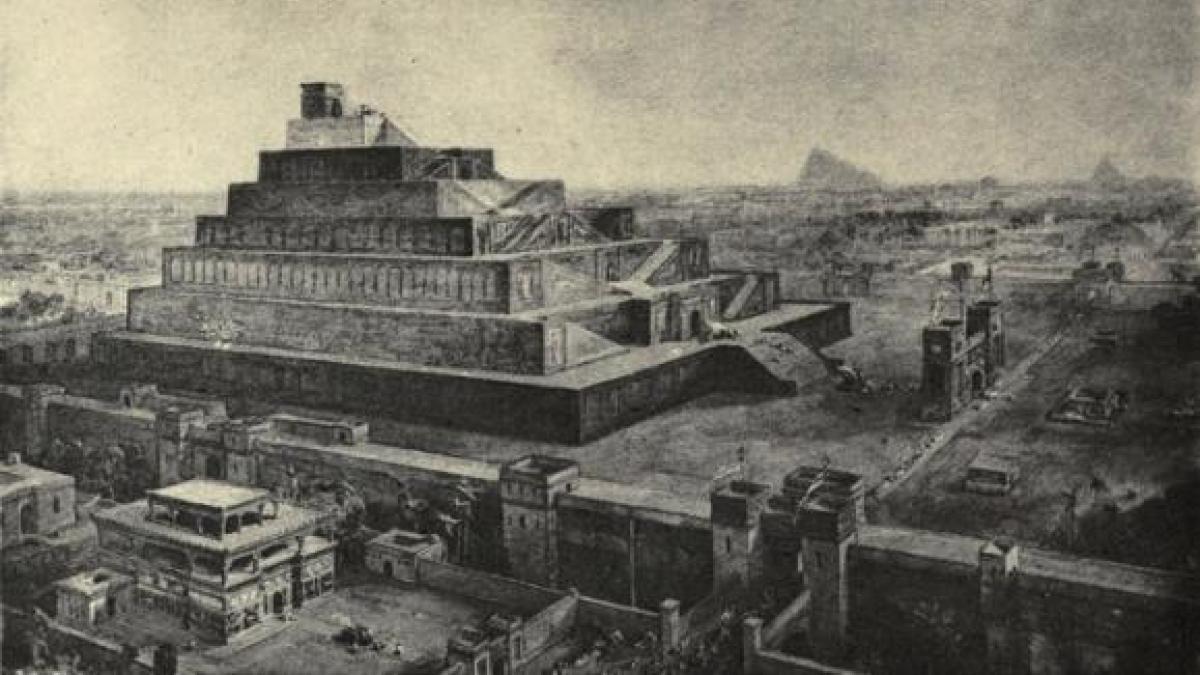
A team of researchers has managed to date the fall of Babylon and the destruction of Hattusa using a combination of tree-ring analysis, volcanic eruptions, and observations of the planet Venus recorded in ancient cuneiform texts. #Arqueología #Babilonia #HistoriaAntigua (translated)

www.lavanguardia.com
Un volcán de Alaska y el planeta Venus permite datar con exactitud la caída de Babilonia
3013
La Sueur Wrld summary 3d

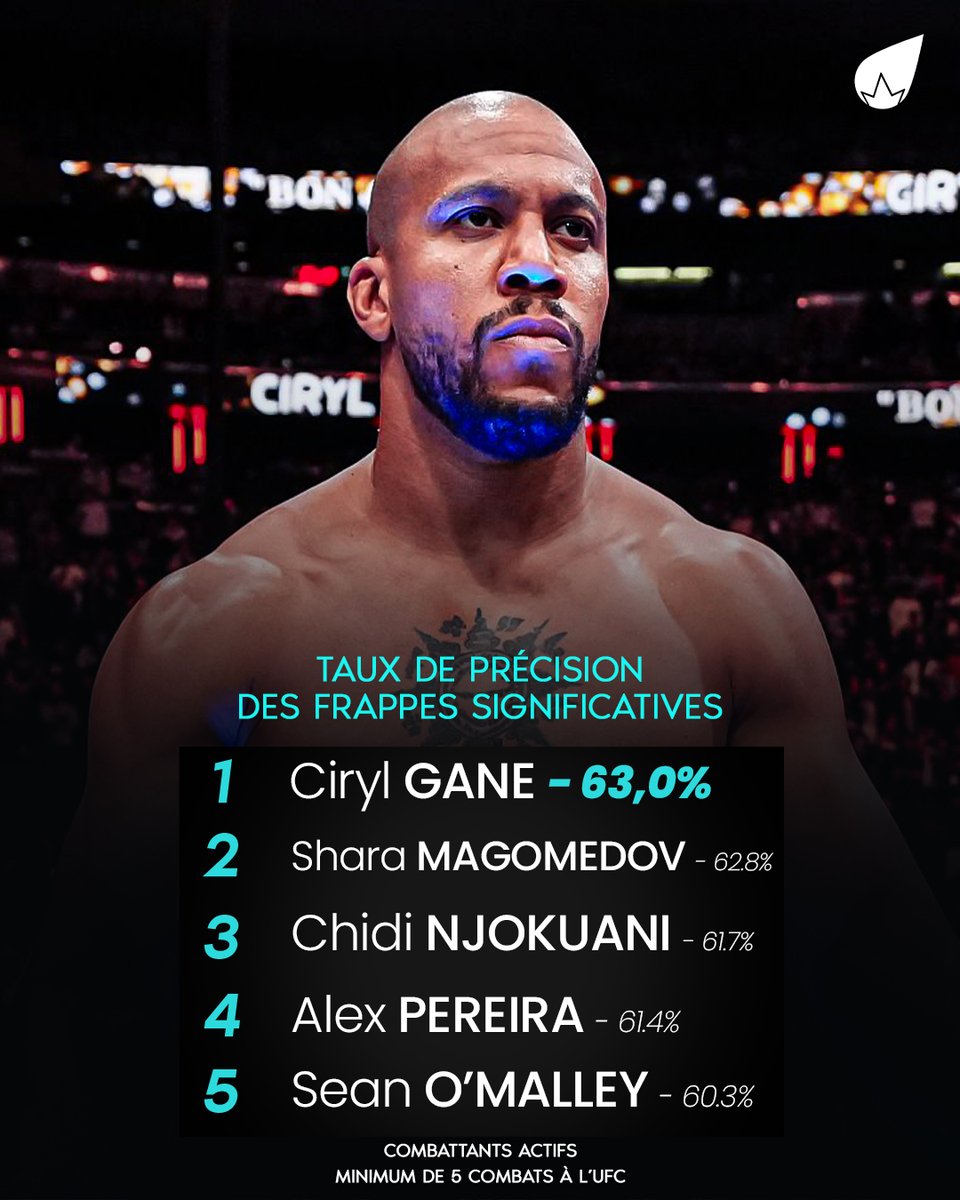
Sueur indicated that Ciryl Gane had the highest accuracy rate in significant strikes among active UFC fighters. https://t.co/3D7AFS81Wr #UFC #CirylGane #MMA (translated)

3126
eldiario.es 3d

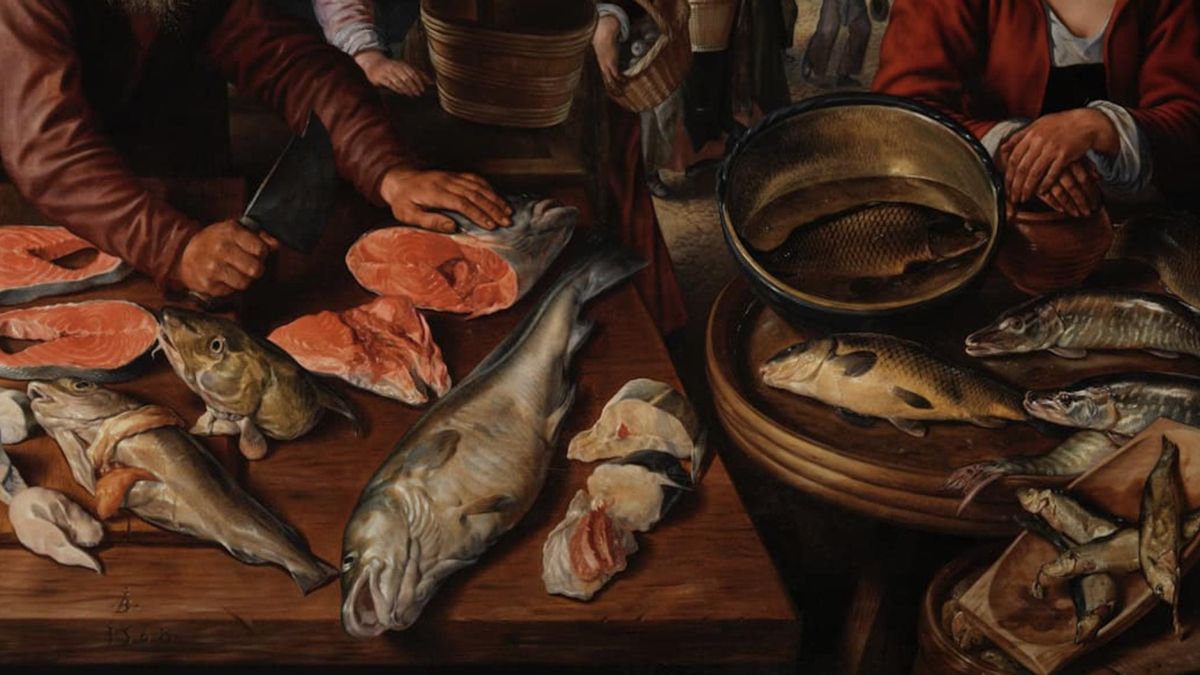
A study on Danish medieval skeletons has discovered that the consumption of freshwater fish can lead to dating inaccuracies of up to 500 years in archaeological remains, due to its incorporation of carbon-12, which affects the accuracy of radiocarbon measurements. #Arqueología #Esqueletos #Pescado (translated)

www.eldiario.es
Los esqueletos medievales pueden mentir sobre su edad y la culpa la tiene el pescado que comían
3017
FOLAGOR Wrld summary 3d

FOLAGOR wrote that Pokémon had announced balance changes to some attacks of Pokémon Champions. He indicated that Avalanche would have a 20% chance to make the opponent flinch and a 95% accuracy. He added that, as he remembered, abilities or attacks had never been adjusted in an update before. #Pokémon #Videojuegos #Actualización (translated)

3353
Hugo Délire Wrld summary 3d

Hugo Délire specified that he had deleted his comment several hours earlier, after asking other people close to Rockstar if they had the same information, as he wanted to verify it due to the risks. He claimed that the information shared had been altered and was false: according to him, it was a global embargo that would move from midnight to noon, and not an exception granted to a particular streamer, himself included. He criticized his interlocutor for publishing a mediocre tweet to attract attention to his post. He added that he was considering broadcasting in the evening and advised to mask sensitive words, believing that many people would start streaming as early as noon. #Rockstar #jeuvidéo #streaming (translated)

2683
Maria Drutska 4d

⚡️ Zelensky has revealed details of Ukraine’s operation against the Crimean Bridge. Palianytsia drones struck the road section, while Neptune missiles, Ruta drones and FP-5s targeted the railway section. Flamingo missiles carried out precision strikes, with guidance working until the final seconds.

3254
Il Fatto Quotidiano 5d

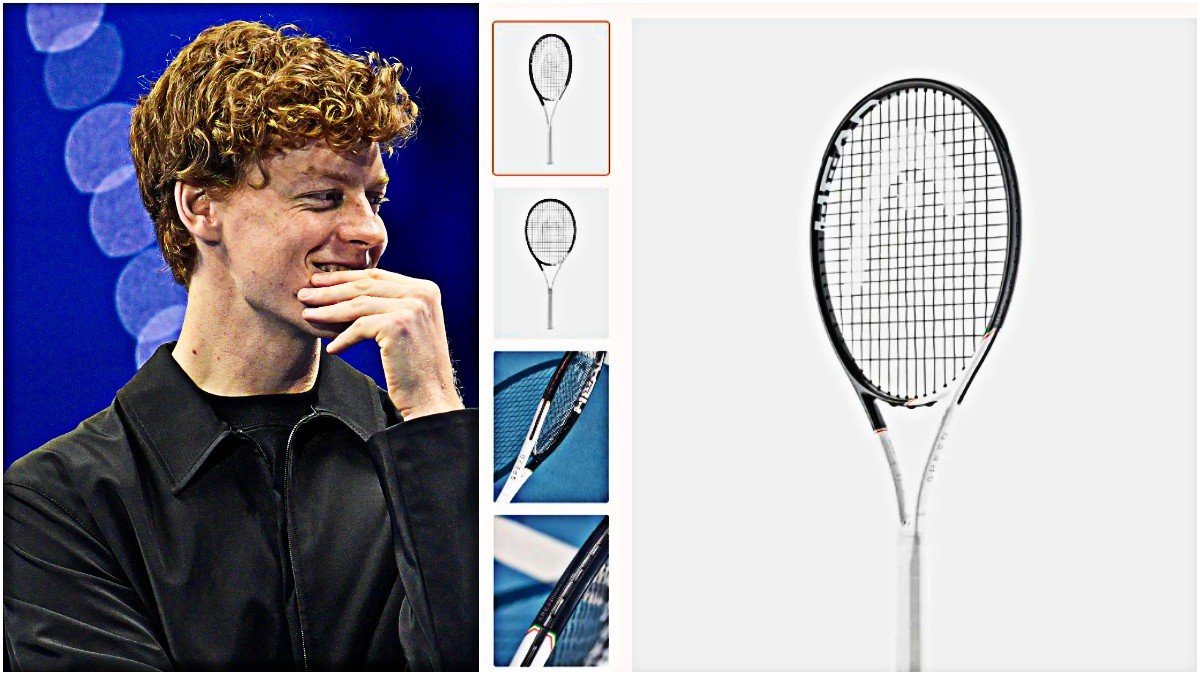
Jannik Sinner has introduced the new Head Speed Sinner racket, which is 4 grams heavier than the previous model, to improve stability, control, and precision in play, with advanced technical features and aesthetic customizations. #Tennis #JannikSinner #AtpFinals (translated)

www.ilfattoquotidiano.it
Sinner cambia racchetta: perché ha scelto un modello più pesante e quali sono le novità
2593
Luciano Magaldi Sardella (PhD) 5d

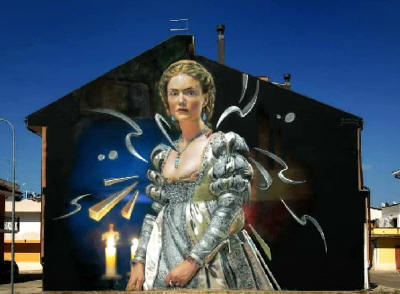
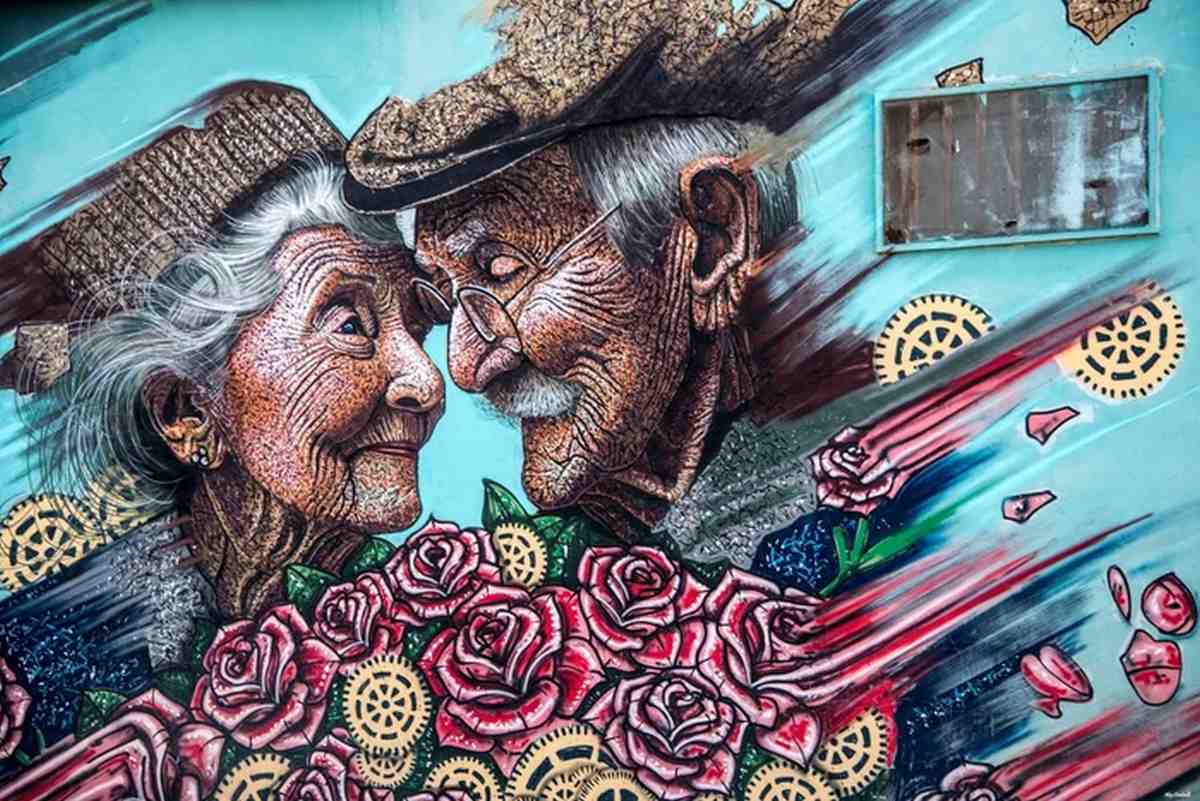
“THE STRAMURALES OF STORNARA IN THE “GLOBAL TOP20” OF THE UNITED NATIONS REPORT (WIPO)” STORNARA (FG) - There is a South Italy that makes little noise. It lies among the wheat fields and rural roads of Capitanata, far from the major routes of mass tourism. Until a few years ago, Stornara, in the province of Foggia, was the typical village that statistics dismiss with a cruel adjective: “peripheral.” Today, its name appears in an analysis by WIPO, the World Intellectual Property Organization, a United Nations agency in Europe based in Geneva, alongside Berlin, New York, Los Angeles, Paris, and Melbourne. A Report that Looks at the Walls of the World The text is titled "From Local Scenes to Global Recognition: Talent Mobility in Street Art." It is authored by three WIPO economists, Egbert Amoncio, Alexander Cuntz, and Alessio Muscarnera, and was published at the end of May 2026 in the “Creative Industries Insights” series. To build it, the authors started from the data of the “Street Art Cities” platform. The technical note speaks of about 74,000 geolocated works, collected and shared by street art enthusiasts worldwide. The fundamental questions are simple. Where does street art originate? Who travels to paint it? Which cities manage to attract talent from outside? The first answer dismantles a cliché. Street art is a profoundly local phenomenon. About one in five artists also works abroad, while the vast majority paints in their own city or nearby. Among the few who cross borders, nearly 40 percent is “highly mobile”: they build an international artistic brand without severing their roots. These are the cases of Banksy, Os Gemeos, and Invader, whose walls appear on multiple continents. The authors use an effective term: street art is “glocal,” rooted in its territory but able to generate global circuits of talent and recognition. The “Magnets” of the World When asked which cities most attract foreign artists, the map is fascinating. North America weighs in for size, with New York, Los Angeles, and Miami. Western Europe offers a dense network of opportunities, from Berlin to Amsterdam, from Vienna to Ghent, from Basel to Rotterdam, favored by the circuit of festivals and the freedom of movement of the Schengen area. Lisbon and Barcelona have focused on municipal support policies. Melbourne is the sole representative from Oceania, while Northern Europe relies on Bergen, London, Belfast, and Stavanger. In this scenario of capitals and metropolises, the report includes an Italian exception, from Puglia, Foggia: Stornara, a small agricultural town of about 6,000 souls, has been a destination for muralist talents since 2018. It shows how street art can trigger the revival of a community: thanks to the annual “Stramurales International Street Art Festival,” born in 2017 from the strong will to combat urban and socio-economic decline by the founders of the social promotion association “Stornara Life APS,” Lino Lombardie and his Stornarese “Banda dei Fischietti,” over 173 murals have been accumulated. About fifty are works by high-level international artists, with Google Trends data showing significant interest in the tourist-muralist destination since 2017, a sign that the international festival has now captured national and international attention. It has also become the first monographic academic case study in the world on a street art festival, “Street Art as Public Health Infrastructure,” published in the prestigious academic journal “Harvard Health and Human Rights Journal” of Harvard University, by researcher Luciano Magaldi Sardella from Orta Nova and professor Matteo Mantuanodi Lucera. All of this corresponds to demonstrating that an idea, an association, and the availability of a community can change the identity of a “God-forsaken” place. This is also recounted by those who followed the story from the outside: the town, once unaccustomed to visitors, now welcomes international tourists, individuals, groups, and school classes who come to see its more than 173 murals. The Secret Lies in Density The data that has ignited the pride of Stornara is this: it’s not about volume, it’s about proportion. The organizers propose a simple indicator: the works of foreign artists divided by inhabitants, multiplied by 100,000. With around 50 international works and a population of a few thousand residents, Stornara reaches several hundred foreign works per 100,000 inhabitants. It’s a value that metropolises, with millions of residents, cannot approach. The significance must be read precisely, and this is where the beauty of the matter lies. No one claims that Stornara has more foreign murals than New York. The point is that, in relation to its scale, few places in the world concentrate so much international art per inhabitant. The impact does not dissipate in a megalopolis; it settles in every street, on every facade, in the everyday lives of those who live there. The most interesting part of the report looks beyond the ranking. The authors write that the value of street art extends well beyond the painted surfaces. Cities like Stornara demonstrate how urban art attracts tourism, generates media coverage, and can stimulate local business activities, reinforcing the sense of community and restoring the psychosocial well-being that would counteract the everlasting southern decline. However, the report adds a valuable warning: success depends on careful implementation and the involvement of artistic communities. Initiatives imposed from above risk being perceived as “predatory” by artists who care about street credibility. The global Stramurales model seems to have avoided this pitfall. Field studies tell of walls donated by residents, one-week artist residencies, and public discussions on the issues to be addressed. The Lesson from a Former “Ghost Town” The report concludes with an idea that applies to Stornara as much as to Berlin: the vitality of street art is rooted in local roots. It emerges from communities, speaks to their issues, and is made by artists immersed in their urban contexts. The artistic family of “Stornara Life APS” understood this before many regional and local politicians, turning their walls into an open-air museum, a promise, and opening them to the world without ceasing to be themselves. In this official report from the Geneva-based United Nations agency in Europe that measures the ability to attract talent, this is likely the most valuable outcome: being mentioned alongside the great capitals of urban art while remaining, after all, a rural provincial town where every wall tells a colorful world of glocal stories. (translated)

www.puglialive.net
“LO STRAMURALES DI STORNARA NELLA “GLOBAL TOP20″ DEL RAPPORTO DELLE NAZIONI UNITE (WIPO)”
564
Luciano Magaldi Sardella (PhD) 5d

"PUGLIA LIVE": "THE STRAMURALES OF STORNARA IN THE 'GLOBAL TOP 20' OF THE UNITED NATIONS (WIPO) REPORT" https://www.puglialive.net/lo-stramurales-di-stornara-nella-global-top20-del-rapporto-delle-nazioni-unite-wipo/?fbclid=IwY2xjawVnuqxleHRuA2FlbQIxMABwZG9mAWJyaWQRMHE3R3FDUWVMVnBtN1NiRGRzcnRjBmFwcF9pZBAyMjIwMzkxNzg4MjAwODkyAAEfni1MQUzX2dzoWLqtWWHtMYqwUPhHeEq7K6Bd4vgL94rnoP1BSa7Ym7l1FfU_aem_eXw5MR6pm0H_OojUfdq2CA -------------------------------------------------------------------- STORNARA (FG) – There is a southern Italy that does not make little noise. It stands between the wheat fields and the rural roads of the Capitanata, far from the great routes of mass tourism. Until a few years ago Stornara, in the province of Foggia, was the typical town that statistics dismiss with a cruel adjective: "peripheral". Today its name appears in an analysis by "WIPO", the "World Intellectual Property Organization", agency of the United Nations of Europe based in Geneva, alongside Berlin, New York, Los Angeles, Paris and Melbourne. -------------------------------------------------------------------- A Report That Looks at the Walls of the World The text is titled "From Local Scenes to Global Recognition: Talent Mobility in Street Art". It bears the signature of three WIPO economists, Egbert Amoncio, Alexander Cuntz and Alessio Muscarnera, and it was published at the end of May 2026 in the series "Creative Industries Insights". To construct it the authors started from the data of the platform "Street Art Cities". The technical note speaks of about 74,000 geolocalized works, collected and shared by street art enthusiasts all over the world. The underlying questions are simple. Where is street art born? Who travels to paint it? Which cities manage to attract talent from outside? The first answer dismantles a commonplace. Street art is a profoundly local phenomenon. About one artist in five also works abroad, while the great majority paints in its own city or in those nearby. Among the few who cross borders, almost 40 per cent is "highly mobile": it constructs an international artistic brand without severing the roots. They are the cases of Banksy, Os Gemeos and Invader, whose walls appear on more than one continent. The authors use an effective term: street art is "glocal", rooted in its own territory but capable of generating global circuits of talent and recognition. -------------------------------------------------------------------- The "Magnets" of the World When one asks which cities attract foreign artists most, the map is fascinating. North America weighs by size, with New York, Los Angeles and Miami. Western Europe offers a dense network of opportunities, from Berlin to Amsterdam, from Vienna to Ghent, from Basel to Rotterdam, favoured by the festival circuit and by freedom of movement in the Schengen area. Lisbon and Barcelona have focused on municipal policies of support. Melbourne is the only representative of Oceania, and Northern Europe relies on Bergen, London, Belfast and Stavanger. In this scenario of capitals and metropolises, the report inserts an Italian exception, Apulian, from Foggia: Stornara, a small agricultural town of about 6,000 souls, since 2018 is a destination of mural talents. It shows how street art can trigger the rebirth of a community: thanks to the annual festival "Stramurales International Street Art Festival", born in 2017 from the iron will to fight urban and socio-economic decline on the part of the founders of the social promotion association "Stornara Life APS", Lino Lombardi and his Stornarese "Banda dei Fischietti", it has accumulated over 173 murals. About fifty are works by high-level international artists, with Google Trends data that since 2017 have shown a remarkable interest for the tourist-mural destination, a sign that the international festival has by now captured national and international attention. Having also become the first monographic academic case study in the world on a street art festival, "Street Art as Public Health Infrastructure", published in the prestigious world-level academic journal, the "Harvard Health and Human Rights Journal" of Harvard University, by the researcher Luciano Magaldi Sardella of Orta Nova and the professor Matteo Mantuano of Lucera, all this corresponds to the demonstration that an idea, an association and the availability of a community can change the identity of a place "forgotten by God". It is also told by those who have followed the affair from outside: the town, once little accustomed to visitors, today welcomes international tourists, individuals, groups and school parties come to see its over 173 murals. -------------------------------------------------------------------- The Secret Is in Density The datum that has lit Stornarese pride is this: volume does not count, proportion counts. The organizers propose a simple indicator: the works of foreign artists divided by inhabitants, multiplied by 100,000. With about over 50 international works and a population of a few thousand residents, at Stornara one arrives at several hundred foreign works per 100,000 inhabitants. It is a value that the metropolises, with millions of residents, cannot approach. The meaning must be read with precision, and precisely here lies the beauty of the thing. Nobody maintains that Stornara has more foreign murals than New York. The point is that, in relation to its scale, few places in the world concentrate so much international art per inhabitant. The impact does not disperse in a megalopolis: it deposits itself in every street, on every façade, in the everyday life of those who live there. The most interesting part of the report is the one that looks beyond the ranking. The authors write that the value of street art extends well beyond the painted surfaces. Cities like Stornara demonstrate how urban art attracts tourism, generates media coverage and can stimulate local commercial activities strengthening the sense of community and restoring the psychosocial well-being that would drive away the imperishable southern decline. The report adds however a precious warning: success depends on a careful implementation and on the involvement of the artistic communities. Initiatives dropped from above risk being perceived as "predatory" by artists who have street credibility at heart. The global Stramurales model seems to have avoided the pitfall. Field studies tell of walls donated by residents, one-week artist residencies and public discussion on the themes to be addressed. -------------------------------------------------------------------- The Lesson of an ex-"Ghost Town" The report closes with an idea that is valid for Stornara as much as for Berlin: the vitality of street art sinks its roots in local roots. It is born from communities, speaks of their problems, is made by artists immersed in their urban contexts. The artistic family of "Stornara Life APS" understood it before many regional and local politicians, making of its own walls an open-air museum, a promise, and it opened them to the world without ceasing to be itself. In this official report of the Geneva agency of the United Nations of Europe that measures the capacity to attract talent, this turns out to be, probably, the most precious result: to be cited alongside the great capitals of urban art and to remain, after all, a rural provincial town in which every wall tells a multicoloured world of glocal stories.

www.puglialive.net
“LO STRAMURALES DI STORNARA NELLA “GLOBAL TOP20″ DEL RAPPORTO DELLE NAZIONI UNITE (WIPO)”
677
Luciano Magaldi Sardella (PhD) 7d

"GAZZETTA H24": STREET ART, STORNARA JOINS THE WIPO REPORT ALONGSIDE THE GREAT CITIES OF THE WORLD SOURCE: https://www.gazzettah24.it/street-art-stornara-entra-nel-rapporto-wipo-accanto-alle-grandi-citta-del-mondo/ ------------------------------------------------------------------- From "ghost town" to global model cited in Geneva: the cultural bet of Stornara Life APS captures the attention of WIPO. --------------------------------------------------------------------  STORNARA (FG) - There is a Southern Italy that makes little noise. It lies among the fields of wheat and rural roads of Capitanata, far from the main routes of mass tourism. Until a few years ago, Stornara, in the province of Foggia, was the typical town that statistics dismiss with a cruel adjective: "peripheral." Today, its name appears in an analysis from WIPO, the "World Intellectual Property Organization", the United Nations Agency in Europe based in Geneva. "Stornara Life APS" alongside Berlin, New York, Los Angeles, Paris, and Melbourne. ------------------------------------------------------------------ A report that looks at the walls of the world The text is titled "From Local Scenes to Global Recognition: Talent Mobility in Street Art". It is authored by three WIPO economists, Egbert Amoncio, Alexander Cuntz, and Alessio Muscarnera, and has been published in the "Creative Industries Insights" series. To build it, the authors started from data from the "Street Art Cities" platform. The technical note talks about approximately 74,000 geolocated works, collected and shared by street art enthusiasts worldwide. The fundamental questions are simple. Where does street art originate? Who travels to paint it? Which cities manage to attract outside talent? The first answer dismantles a common misconception. Street art is a profoundly local phenomenon. About one in five artists also works abroad, while the vast majority paint in their own city or in nearby ones. Among the few who cross borders, almost 40 percent are "highly mobile": they build an international artistic brand without severing their roots. These include the cases of Banksy, Os Gemeos, and Invader, whose walls appear on multiple continents. The authors use an effective term: street art is "glocal," rooted in its territory but capable of generating global circuits of talent and recognition. -------------------------------------------------------------------- The magnets of the world When asked which cities attract the most foreign artists, the map is fascinating. North America weighs heavily, with New York, Los Angeles, and Miami. Western Europe offers a dense network of opportunities, from Berlin to Amsterdam, from Vienna to Ghent, from Basel to Rotterdam, favored by the festival circuit and the freedom of movement within the Schengen area. Lisbon and Barcelona have focused on municipal support policies. Melbourne is the only representative from Oceania, and Northern Europe relies on Bergen, London, Belfast, and Stavanger. In this scenario of capitals and metropolises, the report includes an Italian exception, from Puglia, Foggia: Stornara, a small agricultural town of about 6,000 inhabitants, has been a destination for mural talents since 2018. It shows how street art can spark the rebirth of a community: thanks to the annual "Stramurales International Street Art Festival," born in 2017 from the strong will to combat urban and socio-economic decline by the founders of the social promotion association "Stornara Life APS,” Lino Lombardi and his local "Banda dei Fischietti," it has accumulated over 173 murals. About fifty of these are works by high-level international artists, with Google Trends data since 2017 showing notable interest in the mural tourism destination, indicating that the international festival has now captured national and international attention. It has also become the first academic case study in the world on a street art festival, "Street Art as Public Health Infrastructure," published in the prestigious academic journal "Harvard Health and Human Rights Journal" from Harvard University. Written by researcher Luciano Magaldi Sardella from Orta Nova and professor Matteo Mantuano from Lucera, this corresponds to the demonstration that an idea, an association, and the willingness of a community can change the identity of a place "forgotten by God." This is also recounted by those who have followed the story from the outside: the town, once little accustomed to visitors, now welcomes international tourists, individuals, groups, and schoolchildren who come to see its over 173 murals. ----------------------------------------------------------------- The secret is in density The data that has sparked pride in Stornara is this: it's not the volume that matters, it's the proportion. The organizers propose a simple indicator: works by foreign artists divided by the number of residents, multiplied by 100,000. With about over 50 international works and a population of a few thousand residents, Stornara reaches several hundred foreign works for every 100,000 inhabitants. This is a value that metropolises, with millions of residents, cannot approach. The meaning must be read accurately, and this is where the beauty of the matter lies. No one claims that Stornara has more foreign murals than New York. The point is that, in relation to its scale, few places in the world concentrate so much international art per inhabitant. The impact does not disperse in a megalopolis: it settles in every street, on every facade, in the daily life of those who live there. The most interesting part of the report looks beyond the ranking. The authors write that the value of street art extends well beyond the painted surfaces. Cities like Stornara demonstrate how urban art attracts tourism, generates media coverage, and can stimulate local businesses while strengthening community bonds and restoring the psychosocial well-being that could counter the perpetual Southern decline. However, the report adds a valuable warning: success depends on careful implementation and the involvement of artistic communities. Top-down initiatives risk being perceived as "predatory" by artists who care about the credibility of street art. The global model Stramurales appears to have avoided this pitfall. Field studies tell of walls donated by residents, week-long artist residences, and public discussions on the themes to be addressed. -------------------------------------------------------------------- The lesson of a town The report concludes with an idea that holds true for both Stornara and Berlin: the vitality of street art sinks its roots in local contexts. It arises from communities, speaks of their problems, and is made by artists immersed in their urban environments. The artistic family of "Stornara Life APS" understood this before many regional and local politicians, creating their walls into an open-air museum, a promise, and opening them to the world without ceasing to be themselves. In this official report from the Geneva Agency of the United Nations in Europe that measures the ability to attract talent, this results in, perhaps, the most precious value. Being cited alongside the great capitals of urban art while remaining, after all, a rural provincial town where every wall tells a colorful world of glocal stories. (translated)

www.gazzettah24.it
Street art, Stornara entra nel rapporto WIPO accanto alle grandi città del mondo
568
Luciano Magaldi Sardella (PhD) 7d

"GAZZETTA H24": STREET ART, STORNARA ENTERS THE WIPO REPORT ALONGSIDE THE GREAT CITIES OF THE WORLD SOURCE: https://www.gazzettah24.it/street-art-stornara-entra-nel-rapporto-wipo-accanto-alle-grandi-citta-del-mondo/ -------------------------------------------------------------------- From 'ghost town' to global model cited in Geneva: the cultural wager of Stornara Life APS wins the attention of WIPO. STORNARA (FG) - There is a Southern Italy that makes no little noise. It stands among the wheat fields and the rural roads of the Capitanata, far from the great routes of mass tourism. Until a few years ago Stornara, in the province of Foggia, was the typical town that statistics dismiss with a cruel adjective: 'peripheral'. Today its name appears in an analysis by WIPO, the 'World Intellectual Property Organization', the United Nations Agency of Europe headquartered in Geneva. 'Stornara Life APS' alongside Berlin, New York, Los Angeles, Paris, and Melbourne. -------------------------------------------------------------------- A report that looks at the walls of the world The text is entitled 'From Local Scenes to Global Recognition: Talent Mobility in Street Art'. It bears the signature of three WIPO economists, Egbert Amoncio, Alexander Cuntz, and Alessio Muscarnera, and was published in the series 'Creative Industries Insights'. To build it the authors started from the data of the platform 'Street Art Cities'. The technical note speaks of about 74,000 geolocalized works, collected and shared by street-art enthusiasts all over the world. The underlying questions are simple. Where is street art born? Who travels to paint it? Which cities manage to attract talent from outside? The first answer dismantles a commonplace. Street art is a profoundly local phenomenon. About one artist in five also works abroad, whereas the great majority paints in its own city or in those nearby.  Among the few who cross the borders, almost 40 per cent are 'highly mobile': they build an international artistic brand without severing their roots. They are the cases of Banksy, Os Gemeos, and Invader, whose walls appear on more than one continent. The authors use an effective term: street art is 'glocal', rooted in its own territory but capable of generating global circuits of talent and recognition. ---------------------------------------------------------------- The magnets of the world When one asks which cities attract foreign artists most, the map is fascinating. North America weighs by size, with New York, Los Angeles, and Miami. Western Europe offers a dense network of opportunities, from Berlin to Amsterdam, from Vienna to Ghent, from Basel to Rotterdam, favoured by the festival circuit and by freedom of movement of the Schengen area. Lisbon and Barcelona have staked on municipal policies of support. Melbourne is the sole representative of Oceania, and Northern Europe relies on Bergen, London, Belfast, and Stavanger. In this scenario of capitals and metropolises, the report inserts an Italian, Apulian, Foggian exception: Stornara, a small agricultural town of about 6,000 souls, since 2018 has been a destination for mural talent. It shows how street art can trigger the rebirth of a community: thanks to the annual festival 'Stramurales International Street Art Festival', born in 2017 from the iron will to combat urban and socio-economic decline on the part of the founders of the social promotion association 'Stornara Life APS', Lino Lombardi and his Stornarese 'Banda dei Fischietti', it has accumulated more than 173 murals. About fifty of them are works by high-level international artists, with Google Trends data which since 2017 have shown a remarkable interest in the tourist-mural destination, a sign that the international festival has by now captured national and international attention. It has also become the first monographic academic case study in the world on a street-art festival, 'Street Art as Public Health Infrastructure', published in the prestigious journal of world academic standing, the 'Harvard Health and Human Rights Journal' of Harvard University. Through the work of the researcher Luciano Magaldi Sardella of Orta Nova and of Professor Matteo Mantuano of Lucera, all this corresponds to the demonstration that an idea, an association, and the availability of a community can change the identity of a place 'forgotten by God'. He who has followed the affair from outside also tells it: the town, once little accustomed to visitors, today welcomes international tourists, individuals, groups, and school parties come to see its more than 173 murals. -------------------------------------------------------------------- The secret is in density The datum which has kindled Stornarese pride is this: volume does not count, proportion counts. The organizers propose a simple indicator: works by foreign artists divided by inhabitants, multiplied by 100,000.  With about over 50 international works and a population of a few thousand residents, at Stornara one arrives at several hundred foreign works per 100,000 inhabitants. It is a value which the metropolises, with millions of residents, cannot approach. The meaning must be read with precision, and precisely here stands the beauty of the thing. No one maintains that Stornara has more foreign murals than New York. The point is that, in relation to its scale, few places in the world concentrate so much international art per inhabitant.  The impact does not disperse itself in a megalopolis: it deposits itself in every street, on every façade, in the everyday life of those who inhabit it. The most interesting part of the report is that which looks beyond the ranking. The authors write that the value of street art extends well beyond the painted surfaces. Cities such as Stornara demonstrate how urban art attracts tourism, generates media coverage, and can stimulate local commercial activities, strengthening the sense of community and restoring the psychosocial well-being which would distance the imperishable southern decline.  The report adds, however, a precious warning: success depends on careful implementation and on the involvement of the artistic communities. Initiatives dropped from above risk being perceived as 'predatory' by artists who have street credibility at heart. The global Stramurales model seems to have avoided the snare. Field studies tell of walls donated by residents, one-week artists' residencies, and public discussion of the themes to be addressed. ----------------------------------------------------------------- The lesson of a town The report closes itself with an idea which holds for Stornara as much as for Berlin: the vitality of street art sinks in local roots. It is born from communities, speaks of their problems, is made by artists immersed in their urban contexts. The artistic family of 'Stornara Life APS' understood it before many regional and local politicians, making of its own walls an open-air museum, a promise, and opening them to the world without ceasing to be itself. In this official report of the Genevan Agency of the United Nations of Europe which measures the capacity to attract talent, this turns out to be, probably, the most precious result:. To be cited alongside the great capitals of urban art and to remain, after all, a rural provincial town in which every wall tells a variegated world of glocal stories.

www.gazzettah24.it
Street art, Stornara entra nel rapporto WIPO accanto alle grandi città del mondo
795
eldiario.es 1w

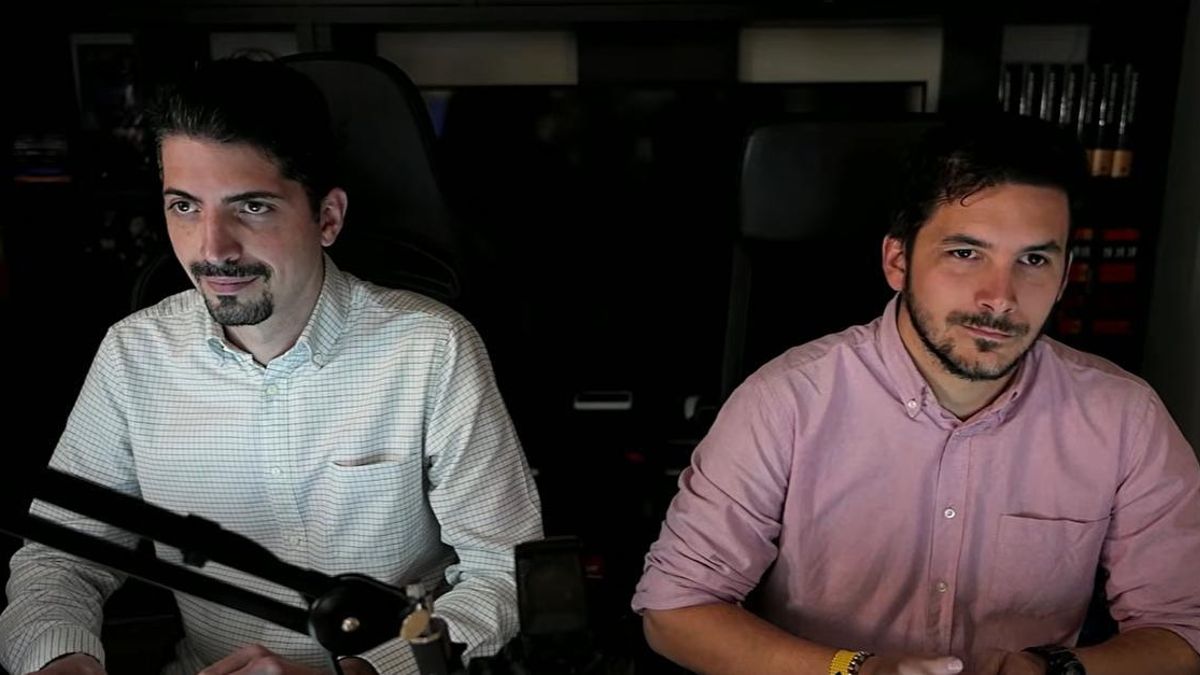
Jordi Wild incorporates two journalists as fact-checkers to verify the accuracy of the data during his interviews with presidential candidates, highlighting the importance of informational precision in the current political context. #JordiWild #Verificadores #Elecciones2026 (translated)

www.eldiario.es
Quiénes son los "verificadores" que fiscalizan a Jordi Wild y los candidatos en las entrevistas
2615
Brèves de presse Wrld summary 1w

Briefs from the press questioned a possible manipulation by the authorities aimed at discrediting La France insoumise in the context of the students' movement. According to them, several media outlets had reported the day before, citing a government source without further details, that an LFI elected official had threatened a principal by stating that the blood shed in a struggle, including his own, would be legitimate. It was indicated that the accusation was relayed throughout the evening on continuous news channels. When questioned the same day, Interior Minister Laurent Nuñez stated that he was unable to confirm these elements. #France #politique #LFI (translated)

3411
Luciano Magaldi Sardella (PhD) 1w

“VIVERE PUGLIA”: STRAMURALES: STORNARA IN THE “GLOBAL TOP 20” OF THE REPORT OF THE UNITED NATIONS AGENCY OF EUROPE SOURCE: https://www.viverepuglia.it/2026/11/12/stramurales-stornara-nella-global-top-20-del-rapporto-dellagenzia-delle-nazioni-unite-deuropa/207030/ ------------------------------------------------------------------- From “ghost town” to global model cited in Geneva: the cultural bet of Stornara Life APS captures the attention of WIPO There is a South Italy that does not make much noise. It lies among the wheat fields and rural roads of Capitanata, far from the main routes of mass tourism. Until a few years ago, Stornara, in the province of Foggia, was the typical town that statistics dismiss with a cruel adjective: “peripheral.” Today its name appears in a WIPO analysis, the “World Intellectual Property Organization,” a United Nations agency in Europe based in Geneva. So, Stornara stands alongside Berlin, New York, Los Angeles, Paris, and Melbourne. ------------------------------------------------------------------- A report that looks at the walls of the world The text is titled From Local Scenes to Global Recognition: Talent Mobility in Street Art. It is authored by three WIPO economists, Egbert Amoncio, Alexander Cuntz, and Alessio Muscarnera, and has been published in the “Creative Industries Insights” series. To build it, the authors started from data from the “Street Art Cities” platform. The technical note discusses about 74,000 geolocated works collected and shared by street art enthusiasts worldwide. The underlying questions are simple. Where does street art originate? Who travels to paint it? Which cities manage to attract talent from outside? The first answer dismantles a common misconception. Street art is a profoundly local phenomenon. About one in five artists also works abroad, while the vast majority paint in their own city or nearby ones. Among the few who cross borders, nearly 40 percent is “highly mobile”: they build an international artistic brand without severing their roots. These include cases like Banksy, Os Gemeos, and Invader, whose works appear on multiple continents. The authors use an effective term: street art is “glocal,” rooted in its territory yet capable of generating global circuits of talent and recognition. -------------------------------------------------------------------- The magnets of the world When asked which cities most attract foreign artists, the map is fascinating. North America weighs in terms of size, with New York, Los Angeles, and Miami. Western Europe offers a dense network of opportunities, from Berlin to Amsterdam, from Vienna to Ghent, from Basel to Rotterdam, fueled by the festival circuit and the freedom of movement within the Schengen area. Lisbon and Barcelona have focused on municipal support policies. Melbourne is the only representative from Oceania, while Northern Europe relies on Bergen, London, Belfast, and Stavanger. In this landscape of capitals and metropolises, the report includes an Italian, Apulian, Foggian exception: Stornara, a small agricultural town of about 6,000 residents, has been a destination for mural talent since 2018. It shows how street art can trigger a community's revival: thanks to the annual “Stramurales International Street Art Festival,” born in 2017 from the determined will to combat urban and socio-economic decline by the founders of the social promotion association Stornara Life APS, Lino Lombardi and his local Banda dei Fischietti, it has accumulated over 173 murals. About fifty are works by high-level international artists, with Google Trends data since 2017 showing a remarkable interest in the tourism-mural destination, indicating that the international festival has now captured national and international attention. It has also become the first monographic academic case study in the world on a street art festival, “Street Art as Public Health Infrastructure,” published in the prestigious global academic journal “Harvard Health and Human Rights Journal” of Harvard University, by researcher Luciano Magaldi Sardella from Orta Nova and professor Matteo Mantuano from Lucera. All this corresponds to the demonstration that an idea, an association, and a community's willingness can change the identity of a place “forgotten by God.” This is also told by those who have followed the story from the outside: the town, once unaccustomed to visitors, now welcomes international tourists, individuals, groups, and school classes coming to see its over 173 murals. ----------------------------------------------------------------- The secret lies in density The data that has ignited pride in Stornara is this: it’s not the volume that matters, but the proportion. The organizers propose a simple indicator: the works of foreign artists divided by the population, multiplied by 100,000. With about over 50 international works and a population of a few thousand residents, Stornara reaches several hundred foreign works per 100,000 inhabitants. It’s a value that metropolises, with millions of residents, cannot approach. The significance must be read accurately, and here lies the beauty of the thing. No one claims that Stornara has more foreign murals than New York. The point is that, relative to its scale, few places in the world concentrate so much international art per inhabitant. The impact does not dissipate in a megalopolis: it settles in every street, on every façade, in the daily lives of those who live there. The most interesting part of the report looks beyond the ranking. The authors note that the value of street art extends well beyond painted surfaces. Cities like Stornara demonstrate how urban art attracts tourism, generates media coverage, and can stimulate local commercial activities while strengthening community bonds and restoring the psychosocial well-being that could fend off enduring southern decline. However, the report adds a valuable warning: success depends on careful implementation and the involvement of artistic communities. Top-down initiatives risk being perceived as “predatory” by artists who care about street credibility. The global Stramurales model seems to have avoided this pitfall. Field studies recount walls donated by residents, week-long artist residencies, and public discussions on issues to address. ----------------------------------------------------------------- The lesson from a town The report concludes with an idea that applies to Stornara as much as to Berlin: the vitality of street art is rooted in local foundations. It arises from communities, speaks of their problems, and is made by artists immersed in their urban contexts. The artistic family of Stornara Life APS understood this before many regional and local politicians, turning their walls into an open-air museum, a promise, and opened them to the world while remaining true to themselves. In this official report from the Geneva-based United Nations agency in Europe that measures the capacity to attract talent, this is likely the most valuable outcome: being mentioned alongside the great capitals of urban art while remaining, after all, a rural provincial town where every wall tells a colorful world of glocal stories. (translated)

683
Margarita Behrens 1w
neuroscientist and biochemist

"The atlas offers a new window into the brain through which scientists will be able to precisely identify and locate each cell of the human basal ganglia," explains Margarita Behrens, a researcher at the Salk Institute in La Jolla, California, and one of the authors of the work. #Neurociencia #EnfermedadesNeurológicas #InvestigaciónCerebral (translated)

3530
Gunther Fehlinger-Jahn Wrld summary 1w
Austrian economist

The author argued that Switzerland’s neutrality, which they said had been a shield in 1815, had become a gamble amid what they described as Europe’s biggest war since 1945. They called for the country to join NATO, combining Swiss precision with the alliance’s strength and standing alongside its European neighbours. #NATO #Switzerland #Neutrality #NATO #CH #EU

3417