WRLD

Search

#Religijność
Rzeczpospolita Just Now

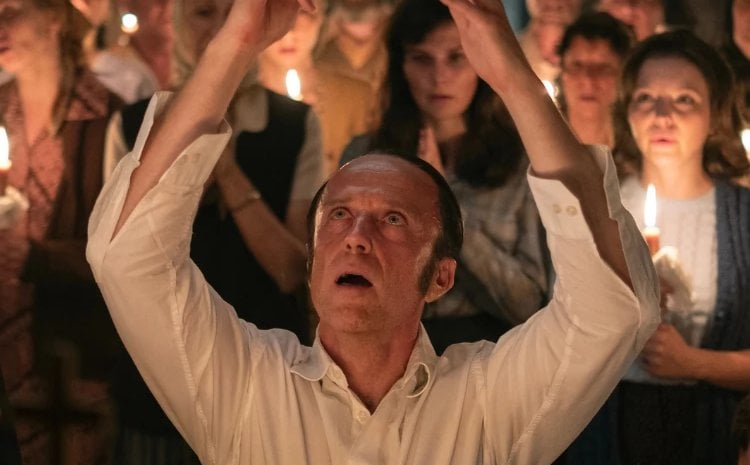
The series "Among the Night's Silence" by Jan Holoubek presents a brutal crime from the 1970s, revealing the dark aspects of religiosity and silence in the Polish rural community, where murderers and witnesses united in a terrifying ritual of secrecy. #WśródNocnejCiszy #ZbrodniaPołaniecka #Religijność (translated)
www.rp.pl
„Wśród nocnej ciszy” Jana Holoubka. Serial o zabijaniu w Wigilię z krzyżem w ręku
720
Kafir 4w

Kafir wrote that he increasingly considered elitism to be better than democracy, because — as he claimed — in elections the vote of a person with knowledge and experience carries the same weight as the vote of a person without basic competencies. He noted that elitism, in his opinion, did not depend on wealth or education, but on knowledge, reason, and the ability to think independently. He criticized voters who — according to him — assessed economic policy without knowledge of issues such as inflation, budget, or monetary policy. As examples, he referred to people shopping at Lidl and Biedronka, as well as checking purchase prices, and accused some of them of confusing daily savings with the competencies needed to evaluate the state's finances. At the same time, he emphasized that simply looking for cheaper products was not bad. Kafir also criticized politicians who — as he wrote — lacked experience in running businesses or managing budgets, yet held positions that allowed them to decide on significant public expenditures. He accused right-wing groups of citing religion, tradition, and national values while simultaneously supporting strong authority without proper oversight. He argued that appeals to patriotism and religion did not replace the knowledge and competencies necessary to govern the state. He compared the expectations placed on children in their education to the expectations of politicians. He wrote that parents usually required their children to learn math and helped them acquire knowledge, yet some voters — in his opinion — did not expect similar competencies from those seeking power. He compared governing the state to entrusting a ten-year-old child with the household budget without parental control, pointing out that promises of unfunded expenditures could lead to debt. The author accused voters of re-electing politicians despite their mistakes if they promised them more money, and that they rejected criticism as a lack of patriotism. He claimed that some people did not want to check information or analyze arguments and instead trusted loud political messages. In conclusion, he asked why voters demanded education from children but did not require knowledge from politicians before entrusting them with power. He also mentioned the action "7 percent of 460," relating it to the number of deputies, and stated that there were at most 7 percent of wise ones among them. #Demokracja #Elitaryzm #Edukacja (translated)

3837
ks. Daniel Wachowiak Oct 5

Father Daniel Wachowiak wrote that the defense of the former pastor in Grojec, in his opinion, confirmed the validity of the position of the Holy See. Evaluating 30 years of pastoral work in Grojec, he accused its fruits of crowd aggression, anti-clerical language, and religiosity reflecting shallow and banal aspects of Polish Catholicism. #Kościół #PolskiKatolicyzm #Grojec (translated)

11567
Rzeczpospolita Jul 7

Analiza danych demograficznych z Finlandii wykazuje, że spadek religijności jest związany z niższym wskaźnikiem urodzeń, przy czym pary religijne mają więcej dzieci niż te niewierzące, co tworzy „samonapędzającą się pętlę” obniżającą dzietność w miarę postępującej sekularyzacji. #sekularyzacja #Finlandia #dzietność

www.rp.pl
Dzieci rodzi się mniej, bo ludzie są coraz mniej religijni. Wnioski z nowej analizy
11334
Radosław Sikorski 🇵🇱🇪🇺 May 27

Z ‚Rozmow Rzymskich’: O. Giertych: Religijność zawsze ma pewną wartość społeczną. Człowiek identyfikujący się z religią uznaje zestaw pewnych wartości, czyli ma określoną postawę etyczną, pozwalającą domniemywać, jak postępuje. Akty pogardy i brutalności wobec jakiejkolwiek religii czy też kpiny z niej to działanie aspołeczne. Jestem chrześcijaninem, więc mam szanować w moim mieście synagogę i żydów oraz meczet i muzułmanów.

R. Sikorski: Świętym prawem obywatela Zachodu jest kpienie sobie z religii. Jednak akty wandalizmu czy wtargnięcia do świątyń – mimo mojego krytycyzmu wobec Kościoła w Polsce – uważam za naganne i kontrproduktywne. Ludzie religii mają prawo w swoim społeczeństwie czuć się bezpiecznie. #Religia #Tolerancja #Społeczeństwo

13904