BETA nonprofit public democratic european moderated

Search

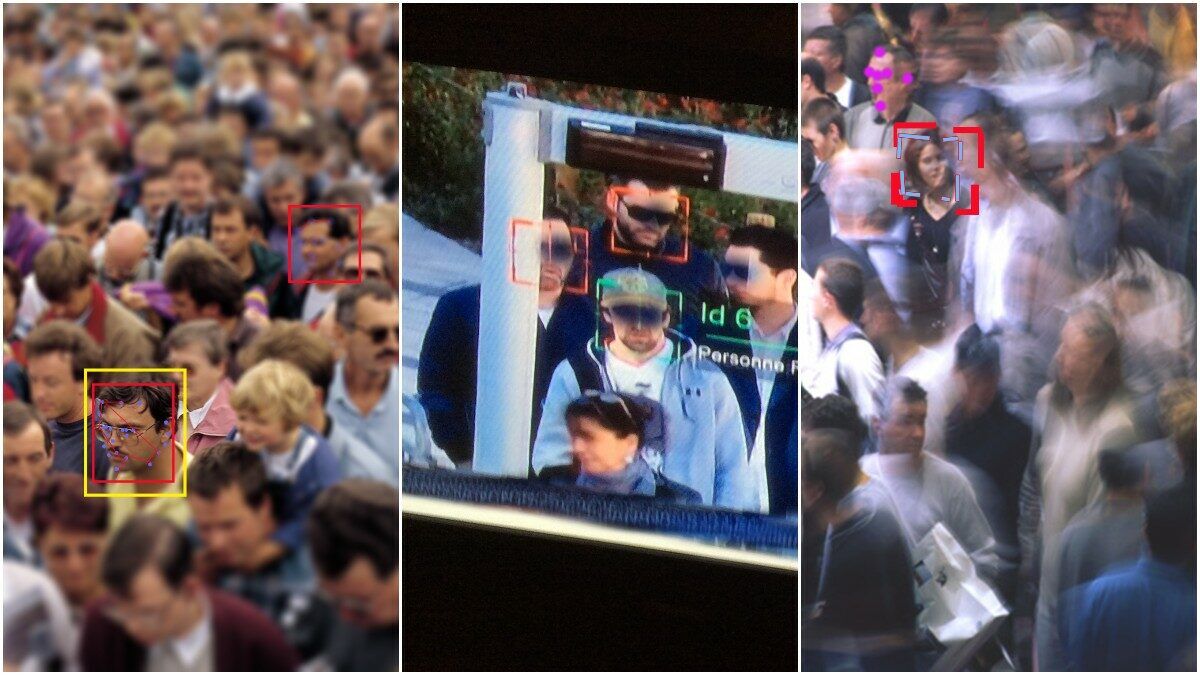
#RiconoscimentoFacciale

The Council of Ministers approved a decree regulating the use of facial recognition by the police, maintaining the authorization of the prosecutor and introducing limits to prevent abuse, such as dragnet identification and ensuring measures for deleting the collected data. (translated)
Riconoscimento facciale, ok definitivo in Cdm. Il via libera resta al procuratore, limiti alle identificazioni “a strascico”
Il Post 4w

The Italian Council of Ministers has approved a decree on facial recognition, introducing changes to limit the collection of biometric data in public places and establishing strict conditions for its use by law enforcement, in line with the European AI Act. (translated)

È stato approvato il decreto sul riconoscimento facciale, con qualche modifica
nomfup 4w

Another serious breach of the majority on facial recognition. After a trial involving a member of Forza Italia, the approved amendment is a deception. No impartiality of the judge; a "magistrate" can also be the prosecutor. A way to circumvent the issue. Dangerous. (translated)

The Meloni government is moving towards a facial recognition model similar to the Chinese one, raising concerns about the risk of dossiering on journalists and politicians without judicial oversight, as highlighted by critic Michele Colajanni, who warns of potential abuses and the lack of guarantees in a democratic context. (translated)

“Le nuove norme su riconoscimento facciale e IA? Italia verso il modello cinese tanto vituperato dal governo”

The Meloni government has taken advantage of a legal loophole opened by Europe regarding facial recognition, allowing security agents to bypass judicial authorization in exceptional situations, raising concerns about privacy and possible conflicts with Brussels over the compatibility of Italian laws with the European regulation on artificial intelligence. (translated)

“Riconoscimento facciale? Rischio di pesca a strascico”: ecco come il governo Meloni ha sfruttato il varco aperto da Bruxelles
L
lastampa.it Jul 31

Undersecretary Alfredo Mantovano announced that the use of artificial intelligence for facial recognition in investigations will explicitly require the authorization of a magistrate, in response to political concerns and indications from the European Commission, with the text that must be approved by the Council of Ministers on August 4. (translated)

Riconoscimento facciale, Mantovano: “Servirà l’autorizzazione del giudice”
L
lastampa.it Jul 31

The president of the AI Commission, Father Paolo Benanti, warns that the use of facial recognition within the proposed decree could lead to a dangerous normalization of such technology, emphasizing the importance of clear rules and specific motivations for its activation, in order to preserve citizens' rights in a democracy. (translated)

Benanti: “Sbagliato filmare tutti i cittadini. No ai decreti per i temi sensibili”

"Decree 'facial recognition': mass surveillance is coming in..." (translated)

Il Post Jul 30

The Italian government's measure for the use of facial recognition by the police raises privacy concerns, as it would allow the collection of biometric data in public places in real time, but it is subject to strict limitations and controls to prevent abuses. (translated)

Come funzionerebbe il riconoscimento facciale che vuole il governo

The vote on facial recognition based on artificial intelligence has been postponed due to divisions within the majority and a warning from Brussels prohibiting surveillance in public spaces, while the Meloni government claims to comply with European regulations. (translated)

Slitta il voto sul riconoscimento facciale con l’IA. Bruxelles: “Norma Ue vieta la sorveglianza negli spazi accessibili al pubblico”
L
lastampa.it Jul 30

The decree that expands the use of facial recognition by the police has sparked controversy, with the opposition comparing it to Big Brother and criticizing its compliance with the AI Act, while the government claims to adhere to European regulations. (translated)

Scontro sul riconoscimento facciale, l’opposizione: “Come il Grande Fratello”. Cosa prevede la legge
Il Messaggero Jul 30

The Italian government is accelerating the acquisition of biometric data in public spaces for investigative purposes, raising controversy over the possible violation of European regulations and the creation of preventive archives on non-suspected citizens, deemed a threat to fundamental freedoms. (translated)

Riconoscimento facciale con l'IA, il governo accelera: dati biometrici acquisiti in piazze e stadi (ma è polemica)
Il Messaggero Jul 29

The Italian government accelerates on the decree concerning the use of facial recognition by the police forces, igniting the ire of the opposition who speak of a dangerous legislative blitz, while supporters believe that the new rules comply with the European regulation on artificial intelligence and constitutional guarantees. (translated)

Riconoscimento facciale, sprint del governo sul decreto: ira delle opposizioni. Cosa cambierebbe (anche per la polizia)
L
lastampa.it Jul 29

The Meloni government is speeding up the approval of a decree that expands the use of facial recognition by the police, sparking controversy among the opposition, which accuses the measure of exceeding European regulations and compromising rights and freedoms, particularly through the preventive collection of biometric data. (translated)

Riconoscimento facciale, il governo accelera: più poteri alla polizia, scontro sulle nuove regole
ANSA.it Jul 29

The Italian government is accelerating the approval of a legislative decree on facial recognition and the use of artificial intelligence by law enforcement, provoking strong opposition from the Democratic Party and the Five Star Movement, which criticize the potential impact on rights and civil liberties, while supporters claim that the decree complies with European regulations and includes safeguards for data protection. (translated)

Sprint sul decreto sul riconoscimento facciale, ira delle opposizioni

The Italian government is proposing a legislative decree to expand the powers of the police regarding facial recognition through artificial intelligence, provoking strong protests from the opposition, which warns of a drift towards a Police State, while the possibility of collecting and storing biometric data in advance of all those who access places considered to be at risk of public order is anticipated. (translated)

Riconoscimento facciale con l’Ai, il governo spinge per ampliare i poteri delle forze di polizia: primo blitz in Senato
Il Post Jul 19

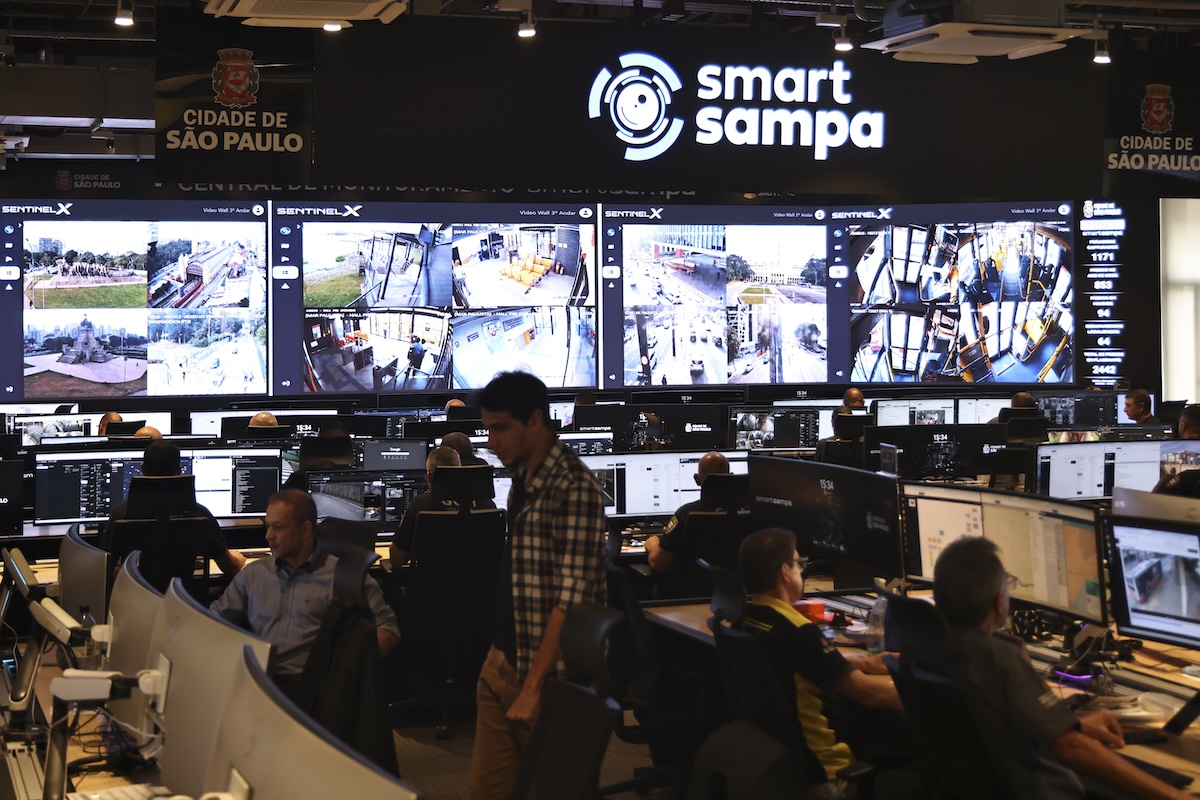
A San Paolo, Brazil, un sistema di sorveglianza composto da 50.000 telecamere e riconoscimento facciale ha portato a oltre 3.000 arresti, suscitando però preoccupazioni per errori, violazioni della privacy e costi elevati, nonostante le affermazioni del sindaco sulla sua efficacia nel ridurre il crimine. #Brasile #RiconoscimentoFacciale #SanPaolo

Sorridi, sei a San Paolo in Brasile
Il Post Jun 12

Il governo italiano ha approvato preliminarmente due decreti sull'intelligenza artificiale che stabiliscono normative riguardanti la formazione e l'uso di sistemi di AI nelle forze di polizia, inclusa la regolazione del riconoscimento facciale, con un approccio antropocentrico che richiede l'intervento umano nelle decisioni cruciali per la vita lavorativa e la garanzia di trasparenza e responsabilità. #IntelligenzaArtificiale #RiconoscimentoFacciale #Governo

Cosa c’è dentro i decreti del governo sull’intelligenza artificiale
L
lastampa.it Jun 11

Il governo italiano accelera sullo sviluppo dell'intelligenza artificiale, approvando nuovi decreti per l'uso dei dati biometrici e consentendo il riconoscimento facciale in situazioni specifiche, nonostante le preoccupazioni riguardo alla sorveglianza e l'apertura degli appalti ai privati. #IntelligenzaArtificiale #RiconoscimentoFacciale #Privacy

Il governo accelera sull’Ai. Rebus sui dati biometrici: “Appalti aperti ai privati”