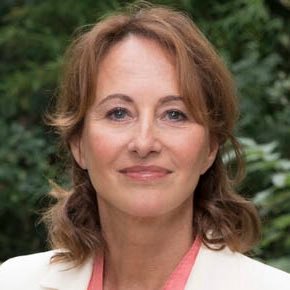
"If words are important, we must recognize the genocide" Suddenly, Ségolène Royal whispers Raphael Glucksmann. (translated)
Des Ouïgours à Gaza, Raphaël Glucksmann face au dilemme du mot « génocide »
www.nouvelobs.com
"If words are important, we must recognize the genocide" Suddenly, Ségolène Royal whispers Raphael Glucksmann. (translated)

🚨🚨 COMMUNIQUE FROM FC BARCELONA!!! THE BLAUGRANA CLUB DENIES ANY NEW UEFA PROCEDURE ENGAGED AGAINST BARÇA. ❌ “In response to reports published regarding the alleged reactivation of the UEFA procedure in the Negreira case, FC Barcelona wishes to clarify the following: UEFA HAS NOT OPENED ANY NEW PROCEDURE AGAINST FC BARCELONA. ❗️ The procedure was initiated in 2023, with the appointment of two investigators who have since taken the action they deemed appropriate. The Club has always responded to all their requests. These procedures have not been reopened because they have never been closed. The UEFA statement confirms the receipt of the documentation submitted by Real Madrid and indicates that the investigators will evaluate it as part of the ongoing investigation. The same text expressly refers, twice, to an investigation and review that are “ongoing.” It does not announce the opening, reopening, or reactivation of any procedure, nor any assessment of the substance or value of the documentation provided. It invites the investigators to determine what action, if any, they deem appropriate regarding this documentation. To date, they have not made new requests to FC Barcelona and have not forwarded Real Madrid's complaint to the club. Should they do so, the Club will respond accordingly, as it has done so far. In accordance with the applicable legislation governing this matter, these procedures are subject to the outcome of the criminal case currently being heard in Spain and will continue to be so. Since the beginning of the investigation, FC Barcelona has continued to obtain its UEFA license without objection and has participated in UEFA competitions. To facilitate the verification of information, we reproduce below the complete original text of the UEFA statement: “UEFA can confirm that it has received from Real Madrid CF a substantial amount of documents related to the ongoing investigation into FC Barcelona in the case involving José María Enríquez Negreira, the former vice-president of the Technical Committee of Referees of the Royal Spanish Football Federation (the so-called "Negreira" case). UEFA's ethical and disciplinary inspectors have also received these latest documents, which they will evaluate as part of their ongoing review. FC Barcelona reiterates its full cooperation with the competent authorities and calls for rigor and accuracy in reporting this procedure.” (translated)


In response to the reports published regarding the alleged reactivation of the UEFA procedure in the Negreira case, FC Barcelona wishes to provide the following clarifications: UEFA has opened no new procedure against FC Barcelona. The procedure was initiated in 2023, with the appointment of two investigators who have since taken the action they deemed appropriate. The Club has always responded to all their requests. These procedures have not been reopened because they have never been closed. UEFA's statement confirms the receipt of the documentation submitted by Real Madrid and indicates that the investigators will evaluate it as part of the existing inquiry. The same text expressly refers, twice, to an investigation and review that are "ongoing." It does not announce the opening, reopening, or reactivation of any procedure, nor any evaluation of the substance or value of the documentation provided. It encourages the investigators to determine what action, if any, they deem appropriate regarding this documentation. To date, they have not made new requests to FC Barcelona and have not forwarded Real Madrid's complaint to the club. If they do, the Club will respond accordingly, as it has done thus far. In accordance with the applicable legislation governing this matter, this procedure is subject to the outcome of the criminal case currently being heard in Spain and will continue to be so. Since the beginning of the investigation, FC Barcelona has continued to obtain its UEFA license without objection and has participated in UEFA competitions. To facilitate the verification of information, we reproduce below the complete original text of UEFA's statement: "UEFA can confirm that it has received from Real Madrid CF a substantial amount of documents related to the ongoing investigation into FC Barcelona in the case involving José María Enríquez Negreira, the former vice-president of the Technical Committee of Referees of the Royal Spanish Football Federation (the so-called 'Negreira' case). UEFA's ethical and disciplinary inspectors have also received these documents which they will evaluate as part of their ongoing review." FC Barcelona reiterates its full cooperation with the competent authorities and calls for rigor and accuracy in the reporting of this procedure. (translated)

The master sponsorship contract of Flamengo is on 'stand-by'. The parties decided to wait until there is a definition regarding the Provisional Measure that prohibited bets, which will still be analyzed by Congress. Flamengo has already received the payment for 2026. Regarding the payment for 2027 (BRL 268.5 million), the club is counting on an incoming BRL 120 MILLION in JANUARY. Some clubs are awaiting payment from Flamengo in January, such as West Ham (for Paquetá), Atlético de Madrid (Samuel Lino), Milan (Emerson Royal), and Al Sadd (Plata). In July, there are payments to teams such as River Plate (Joaquín Freitas) and Antwerp (Anthony Valencia). The Rubro-Negro is counting on the sponsor's funds for these commitments. (translated)

🚨🚨💣 BIG CASE SURROUNDING MOHAMED "MOMO" SANHADJI, head of security for the French national team for over 20 years. 🇫🇷😳 The investigation revealed by L'Équipe describes how this man, who has become extremely close to many stars of French football, allegedly used his connections to obtain loans, gifts, trips, and personal services. Among the disclosed elements 👇 💰 To buy a house for €440,000, Sanhadji is said to have asked for money from about fifteen players. €215,000 was ultimately loaned to him, notably: • Kylian Mbappé, through Fayza Lamari: €120,000 • Raphaël Varane: €20,000 • Sabri Lamouchi: €20,000 • Laurent Blanc: €20,000 • Yann M’Vila: €15,000 • Mattéo Guendouzi: €7,500 🤫 He allegedly asked several to keep these loans secret, even writing: "otherwise I’m dead." 🦷 Fayza Lamari also supposedly paid €7,000 for his dental expenses. The Mbappé family also financed the travel of their sons' football club for a tournament and invited him and his family to PSG-Bayern in 2023, including a night at the Royal Monceau. 📲 His closeness with the Mbappé clan was such that Fayza Lamari supposedly went through him to send messages to Didier Deschamps, notably after Kylian Mbappé was not selected in the fall of 2024. She also allegedly asked him to intervene with the coach regarding Rayan Cherki. ✈️ Sanhadji also allegedly solicited several personalities to finance his vacations. After facilitating administrative procedures for relatives of Franck Ribéry, he was offered a stay in Sicily worth €6,000. 🇲🇦 Jamel Debbouze allegedly invited him to his riad in Morocco, with a driver and buggy, after Sanhadji secured a spot for his son in a highly sought-after training at Clairefontaine. 🎟️ In 2022, Patrice Evra allegedly offered him €10,000 if he managed to retrieve 80 tickets for the Champions League final Liverpool-Real Madrid at the Stade de France. 💶 Mattéo Guendouzi also allegedly considered donating part of his bonuses from the 2022 World Cup to the police accompanying the French team. Sanhadji allegedly asked him to keep it "very discreet" and to have it justified accountably. ⚖️ Mohamed Sanhadji is currently being charged and is under judicial control. Philippe Diallo explained to the investigators that his behavior was contrary to the ethical and deontological charter of the FFF. His entourage contests the interpretation of certain elements and indicates that he "will reserve his statements for the justice system." 🇫🇷 (translated)

The emergency landing of Flydubai flight FZ1073 in Saudi Arabia after an attack on the captain raises questions about the safety of political air connections between Dubai and Tel Aviv, while at the same time the list of the 500 richest Germans and the end of the ZDF magazine Royale with Jan Böhmermann dominate the headlines. (translated)

FLASH - EMBARRASSMENT FOR MACRON DURING STATE VISIT TO MADRID: the Spanish Senate rejects the treaty of friendship and cooperation between France and Spain. ➡️ 142 votes against, notably from the Popular Party (PP) and Vox ➡️ 106 votes in favor ➡️ 1 abstention The vote took place while Emmanuel Macron was in Madrid for a state visit and a gala dinner was starting at the royal palace. The PP, which is in the majority in the Senate, particularly contests a provision allowing for the regular participation of a member of each country's government in the council of ministers of the other. The treaty had, however, been deemed compliant with the Spanish Constitution just a few days earlier by the Constitutional Court. (translated)

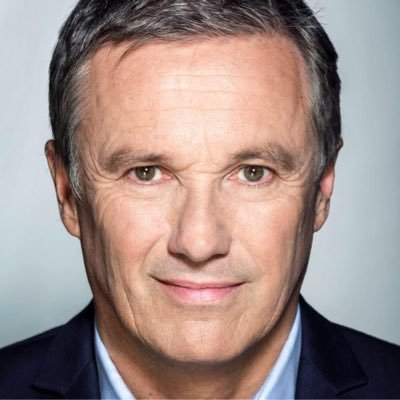
HONTE NATIONALE ! En pleine visite d’État à Madrid, pendant que Macron dîne au palais royal, le Sénat espagnol jette à la poubelle son traité d’amitié. Des photos, des discours, des sourires… et une diplomatie française qui recule. Même nos voisins n’en veulent plus. Il est #Diplomatie #France #Espagne #ES #FR

🇬🇧🇫🇮 Finlandia znajdzie się pod parasolem atomowym, a zagwarantują to okręty podwodne, które patrolują obecnie Atlantyk - dowódca brytyjskiej @RoyalNavy, admirał Gwyn Jenkins #Finlandia #podwodne #bezpieczeństwo
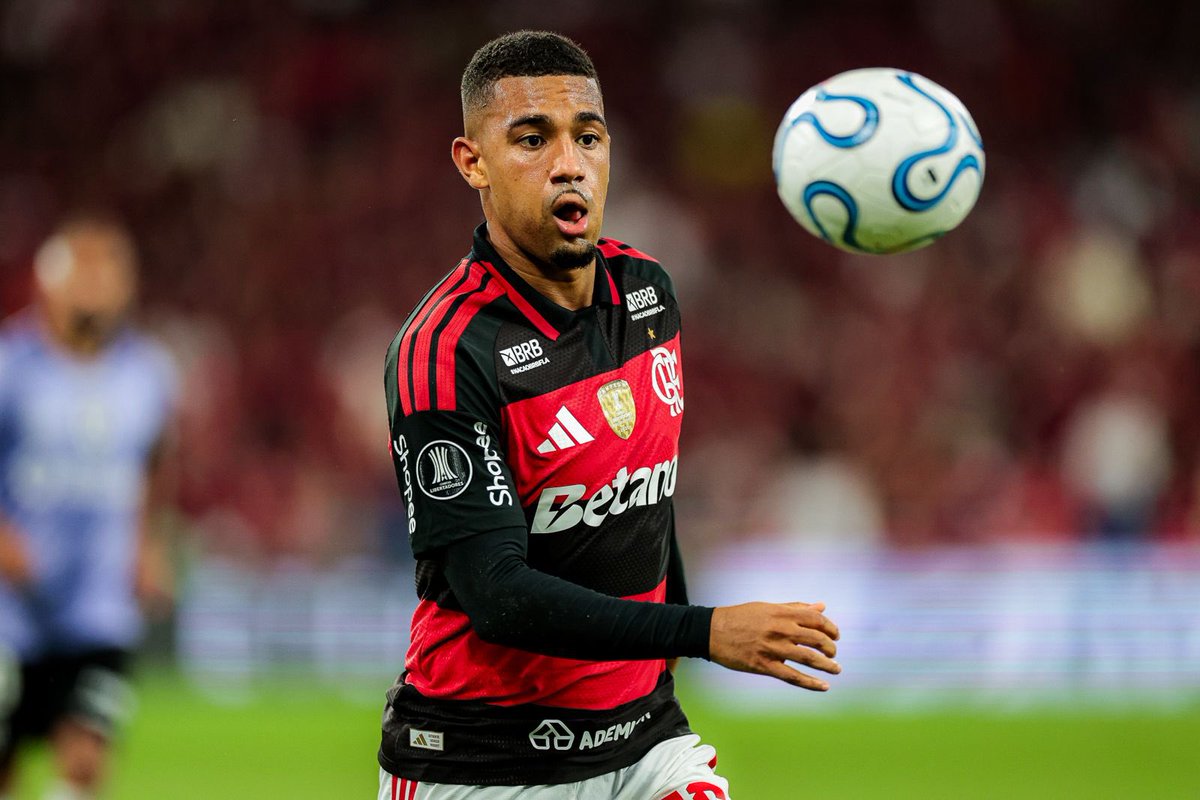
🚨 Não é só Paquetá: Flamengo tem mais 5 jogadores com parcelas pendentes que contavam com dinheiro da patrocinadora máster (bet). Além dos compromissos pela compra de Paquetá, de R$ 315 milhões, o Fla contava com parcelas do patrocinador máster para pagar em 2027 e 2028 por Plata, Emerson Royal, Samuel Lino, Joaquín Freitas e Anthony Valencia. Cerca de R$ 40 MILHÕES POR ANO da patrocinadora seriam usados para isso. Na avaliação do clube, o dinheiro ainda daria para buscar MAIS REFORÇOS. A verba da empresa referente a 2026, inclusive, foi antecipada para isso. O argumento do clube é que o normal seria se programar contando com receitas de contratos que, até então, eram legais. O contrato prevê R$ 268 milhões por ano. A empresa ainda não notificou o Flamengo sobre uma possível rescisão, mas admite preocupação e afirmou que tomará "decisões no momento apropriado". 🗞️ @OGlobo_Esportes | @diogodantas 📸 Gilvan de Souza/CRF #Flamengo #FutebolBrasileiro #MercadoDaBola
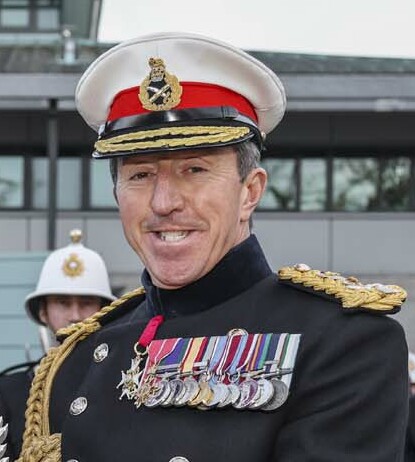
Ofertę potwierdził szef Royal Navy gen. Gwyn Jenkins, a jej podstawą mają być okręty podwodne z pociskami Trident. #parasolatomowy #odstraszanie #NATO

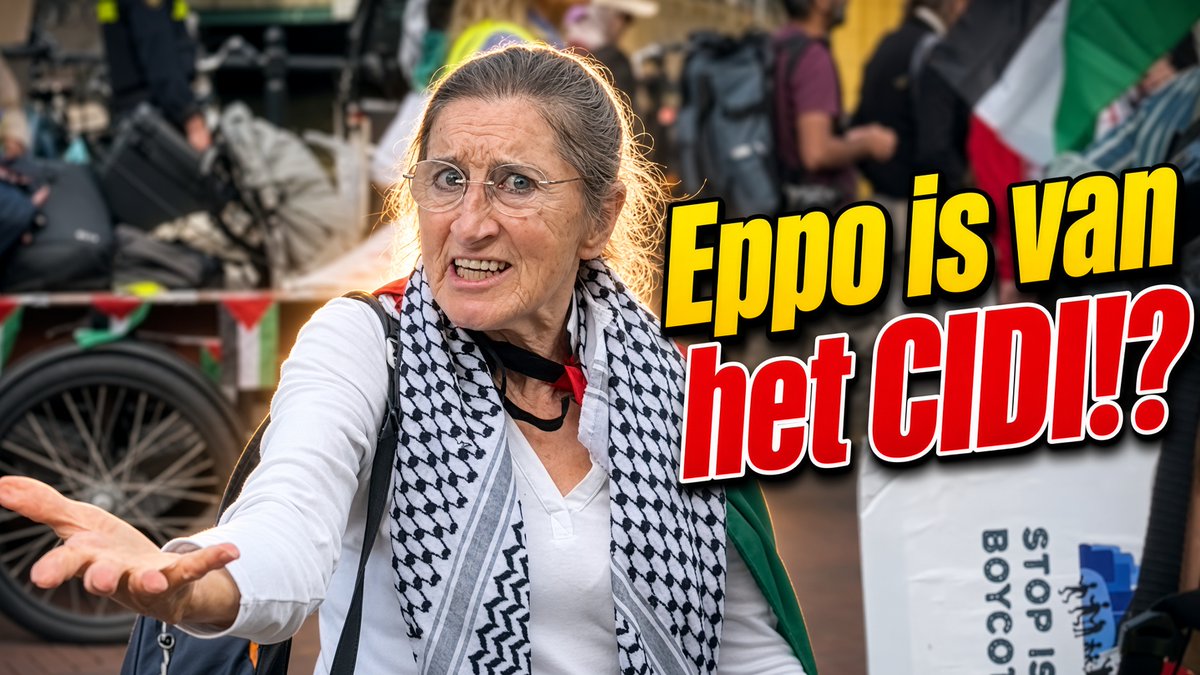
"Rot op! Dat is van het CIDI!" Volgens deze mevrouw sta ik op de loonlijst van het CIDI. Was het maar waar: een vast contract met royale secundaire arbeidsvoorwaarden zou op straat best een uitkomst zijn. In de werkelijkheid is deze verslaggeving 100% onafhankelijk en uitsluitend mogelijk dankzij de steun van kijkers. Steun Eppo's werk via: https://t.co/N9v7s2rrbS #journalistiek #onafhankelijkheid #steunjournalistiek

Die US Navy hat gemeinsam mit der britischen Royal Navy im Rahmen der Übung „Atlantic Thunder 2026“ ein ausgemustertes Kriegsschiff, die „USS Klakring“, vor Schottland versenkt, um Waffensysteme und Zielerfassungstechnologien zu testen. #AtlanticThunder2026 #USNavy #Schottland

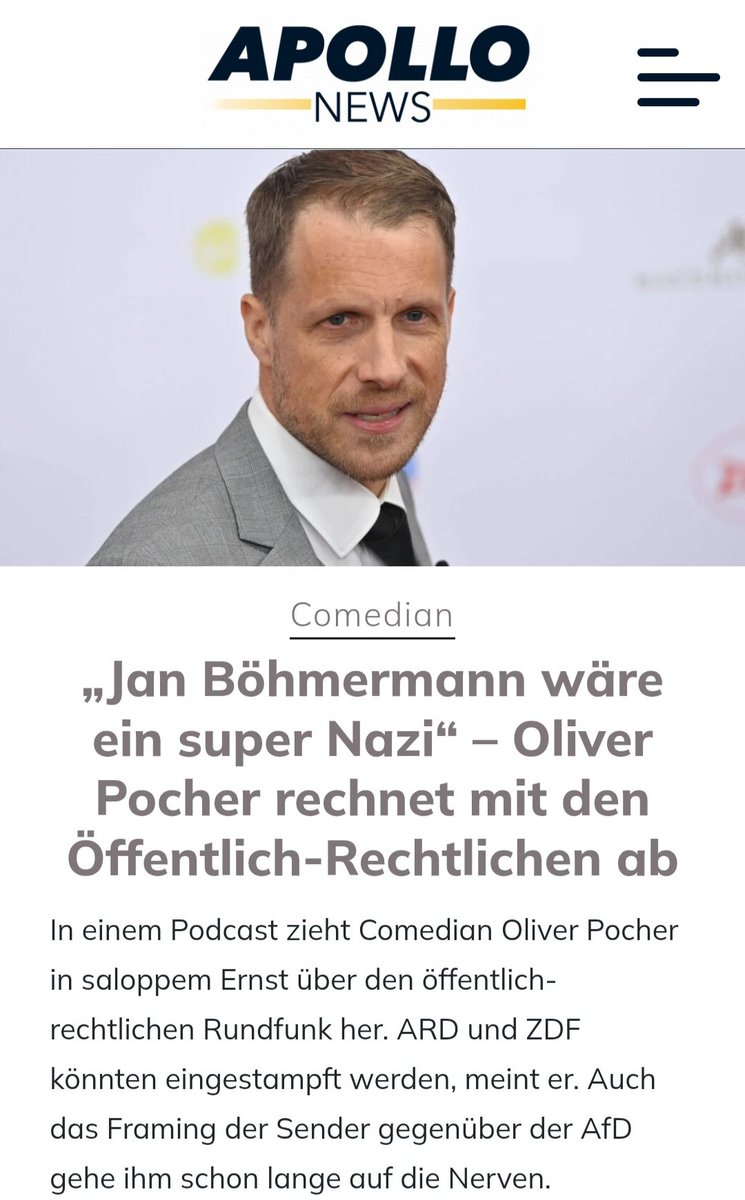
Hätte nicht gedacht, dass Oliver Pocher so große Eier hat! 😂 Er äußerte sich im Podcast „TOMorrow – Business. Stars. Lifestyle“ zum ÖRR, zu Böhnermann und dem AfD-Framing! Er ist der Meinung rund acht Milliarden Euro Rundfunkbeitrag für ein Angebot, das viele kaum noch nutzen ist nicht in Ordnung. Netflix ist kaum teurer, aber freiwillig. Außerdem hält er Klamroths Beziehung zu Luisa Neubauer für problematisch. Wäre Klamroth mit Alice Weidel liiert, käme er seiner Meinung nach nicht mal mehr ins Studio. Viele Menschen fühlen sich bevormundet und dürfen nur noch sagen, was „en vogue“ ist! Ihm geht das ständige Label „gesichert rechtsextreme AfD“ in Talkshows auf die Nerven! Das Ende von „ZDF Magazin Royale“ nennt er überfällig. Böhmermann hat zuletzt nur noch seine eigene Agenda durchgesetzt, mit der Nazi-Keule gearbeitet und Leute fertiggemacht. Böhnermann hat es einfach übertrieben. Die linke Bubble zerbröselt. In manchen Berichten fällt zusätzlich der Satz: „Ich glaube, Jan Böhmermann wäre ein super Nazi.“ Na sowas aber auch!... #OliverPocher #Böhmermann #Podcasts

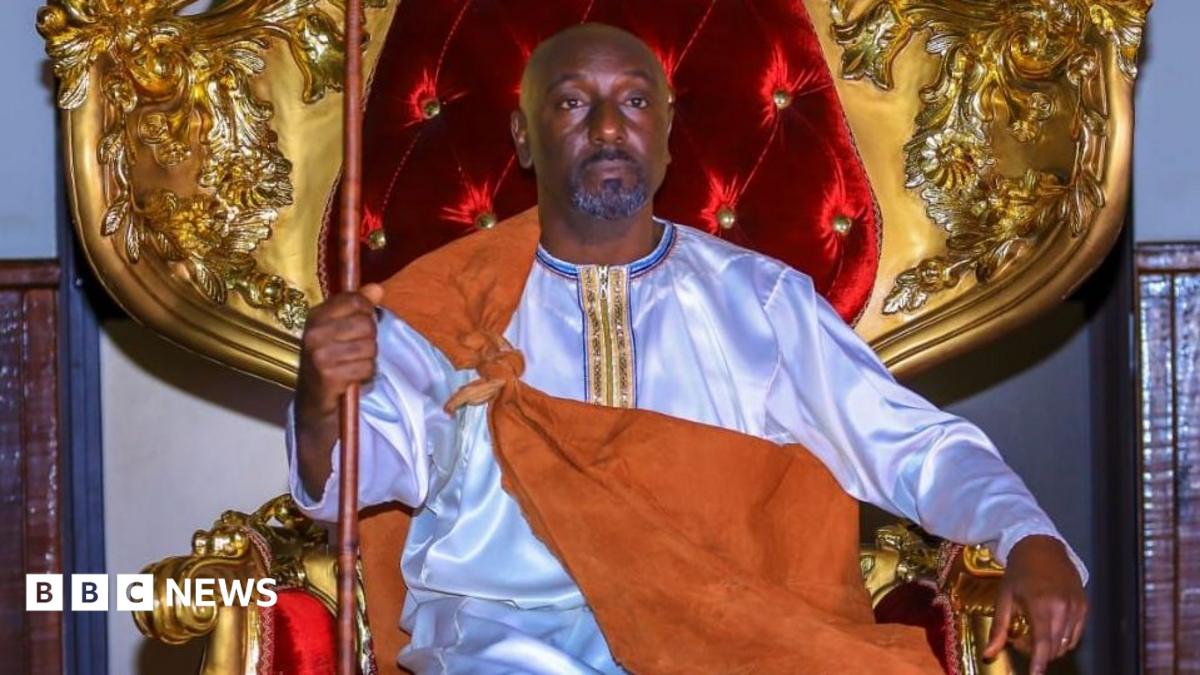
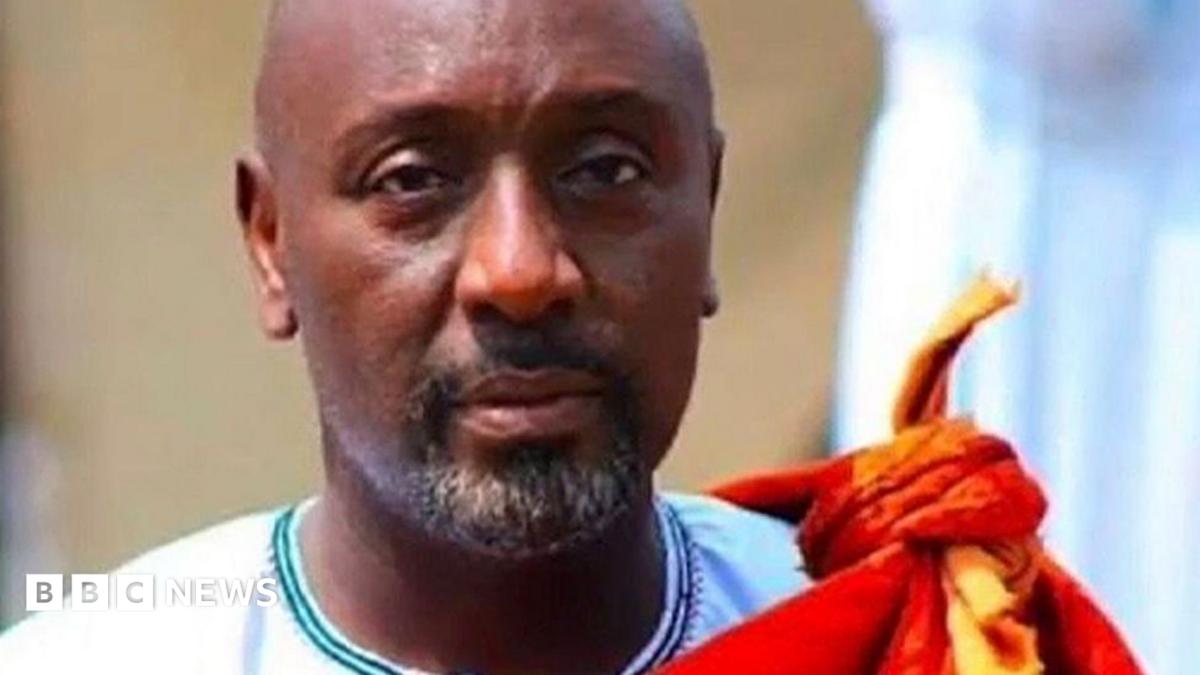
Kijanangoma is being crowned amid a dispute over a young heir whom the royal clan does not recognise. #TooroKingdom #SuccessionDispute #UgandaRoyalty
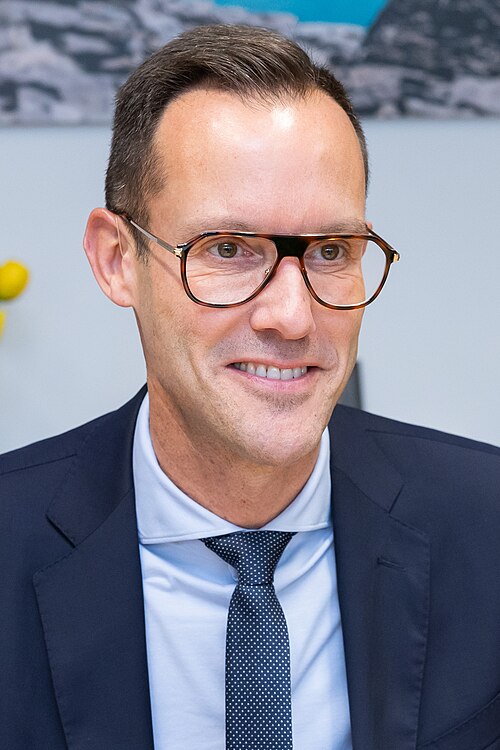
"Notre ambition reste de publier les premiers chiffres en 2026"Contacté, le cabinet de Rob Beenders précise toutefois que le "projet d'arrêté royal a été soumis pour avis à plusieurs instances" qui "ont fait apparaître des difficultés juridiques et techniques qui doivent encore être résolues". "Notre ambition reste de publier les premiers chiffres en 2026", ajoute-t-il. #Féminicides #Belgique #ViolencesFaitesAuxFemmes
Kijanangoma is being crowned amid a dispute over a young heir whom the royal clan does not recognise. #TooroKingdom #RoyalSuccession #UgandaNews
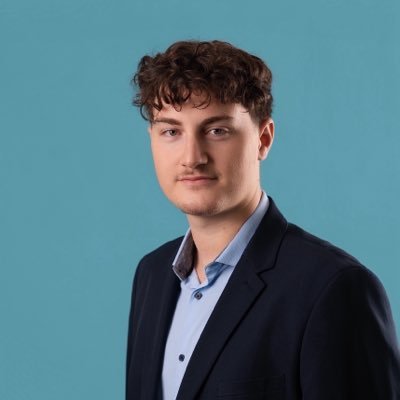
Sont testés cette semaine : - Xavier Bertrand - Karim Bouamrane - Olivier Faure - Jérôme Guedj - Sarah Knafo - David Lisnard - Emmanuel Maurel - Ségolène Royal - Dominique de Villepin https://t.co/18u4thDVVp #Politique #Élections #France

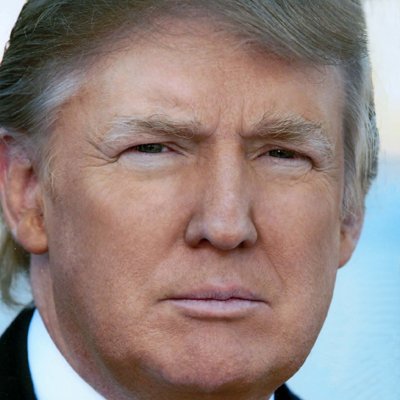
« cherchaient à infliger de lourds dégâts »Les suspects « cherchaient à infliger de lourds dégâts » aux forces américaines présentes sur la base aérienne de la Royal Air Force de Fairford, selon Donald Trump. #Terrorisme #Iran #GuerreHybride

Oliver Pocher rechnet mit Jan Böhmermann ab: Das Ende des „ZDF Magazin Royale“ sei „überfällig“ sagt der Entertainer im TOMorrow-Podcast. Böhmermann habe irgendwann nur noch Leute fertiggemacht und ständig „mit der Nazikeule“ geschwungen. Pocher weiter: „Ich glaube, Jan Böhmermann wäre ein super Nazi.“ Pocher wirft Böhmermann auch vor, mit Falschaussagen gearbeitet zu haben. https://t.co/PgTOen2Z8L #OliverPocher #JanBöhmermann #Podcasts