
Ona chce nam za pół miliarda zbudować bagna pancerne. Dziś nie tylko o niej w JASTRZĄB SHOW. Zapraszam radośnie na 21.00 https://t.co/Ut7GJl0MwW #JastrząbShow #bagna #polityka
Ona chce nam za pół miliarda zbudować bagna pancerne. Dziś nie tylko o niej w JASTRZĄB SHOW. Zapraszam radośnie na 21.00 https://t.co/Ut7GJl0MwW #JastrząbShow #bagna #polityka
Every day, in some of the most dangerous places on earth, the men & women #ServingForPeace with @UNPeacekeeping create space for dialogue & open pathways to peace. In the shadow of war, people look to these Blue Helmets & trust them. We need to be worthy of that trust, stand #UNPeacekeeping #ServingForPeace #BlueHelmets #Nospecificcountrycodescanbeidentifiedinthetweetprovided.

Você deveria estar preocupado com o show de hoje da sua fav, que está vendendo ingresso desde maio com o 4° lote a R$60 do que com o lote em pré-venda que a Anitta esgotou em uma hora. Detalhe: capacidade de 5 mil. https://t.co/GwCi0Ctzha #Show #Ingressos #Anitta


💜 PRECIOS DEL MERCH — BTS POP-UP : ARIRANG 🇨🇴 Tenemos un primer vistazo a algunos de los productos y sus precios disponibles en la POP-UP de Bogotá. Todos los valores están expresados en pesos colombianos (COP). ARIRANG • BTS OFFICIAL LIGHT STICK VER.4 — $270.000 COP • Camisetas ARIRANG S/S — $283.000 COP • Hoodie ARIRANG rojo — $618.000 COP • Hoodie ARIRANG negro — $618.000 COP BTS TOUR • BTS TOUR ZIP-UP HOODIE — $764.000 COP • 26 BTS TOUR JACKET HOODIE — $553.000 COP • BTS TOUR SPORTS JERSEY — $390.000 COP • BTS TOUR S/S T-SHIRT negra — $283.000 COP • BTS TOUR S/S T-SHIRT gris — $283.000 COP • 26 BTS TOUR PHOTO T-SHIRT — $283.000 COP • 26 BTS TOUR CROP T-SHIRT — $212.000 COP • 26 BTS TOUR SET-UP — $943.000 COP 💡 Dato: según la información disponible en el punto de venta, el BTS OFFICIAL LIGHT STICK VER.4 tiene un límite de 2 unidades por persona. ⚠️ Estos son algunos de los precios que hemos podido identificar hasta el momento. La disponibilidad y los límites de compra pueden variar según el inventario. #BTS #Merch #Bogotá

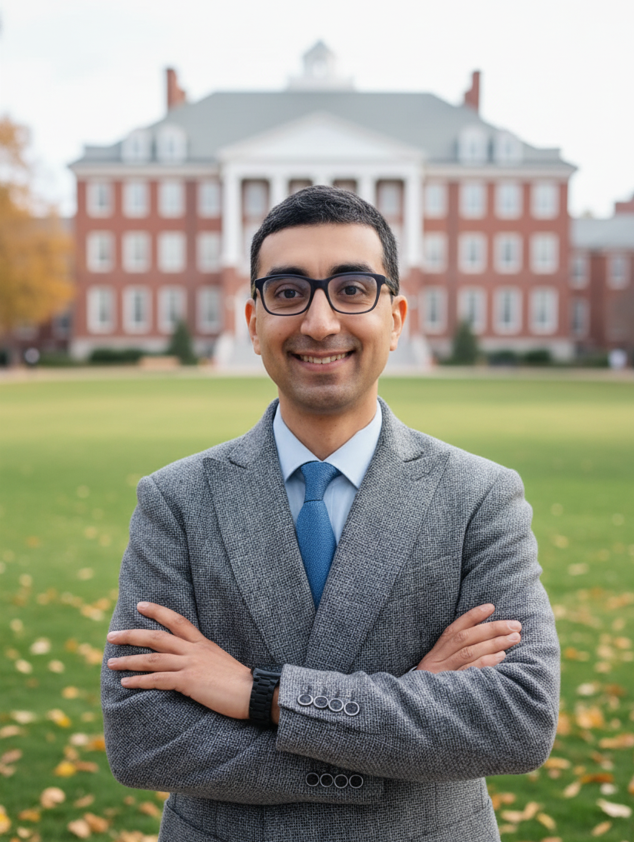
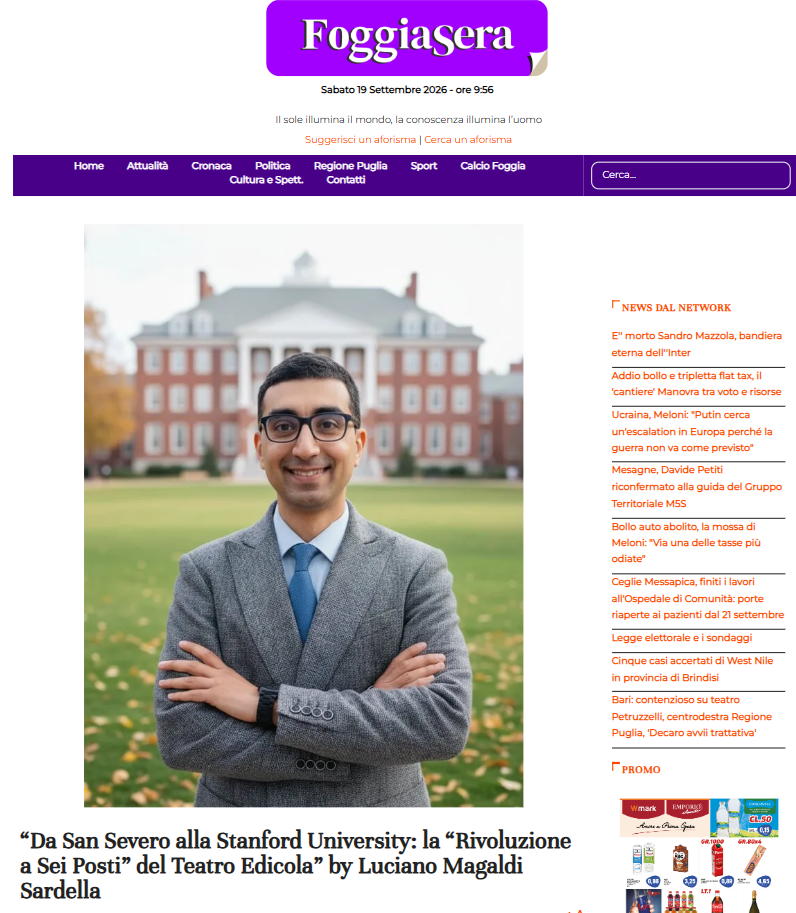
"FOGGIA SERA": DA SAN SEVERO ALLA STANFORD UNIVERSITY: LA "RIVOLUZIONE A SEI POSTI" DEL TEATRO EDICOLA SOURCE: https://foggiasera.it/2026/09/19/da-san-severo-alla-stanford-university-la-rivoluzione-a-sei-posti-del-teatro-edicola-by-luciano-magaldi-sardella/ SAN SEVERO (FG) - La Stanford Social Innovation Review (SSIR), la rivista accademica pubblicata dallo Stanford Center on Philanthropy and Civil Society della prestigiosa Stanford University, la seconda al mondo nello Shanghai Ranking of World Universities, è il punto di riferimento mondiale per ricercatori, policy maker e operatori dell'imprenditoria innovativa e della filantropia che ha pubblicato il reportage "The Six-Seat Revolution" sul Teatro Edicola di San Severo, il teatro più piccolo del mondo nato dall'intuizione di Francesco Gravino, direttore artistico della compagnia Foyer '97. A firmarlo è Luciano Magaldi Sardella, ricercatore indipendente e giornalista internazionale, originario di Orta Nova con radici materne sanseveresi, già autore di studi pubblicati su riviste accademiche internazionali. Il pezzo è apparso nell'edizione settembrina (Fall 2026) della review accademica, nell'ambito della sezione dedicata ad Arti e Cultura. Una presenza che proietta San Severo, e più in generale la Capitanata, nell'élite internazionale della ricerca sull'innovazione culturale e urbana. Il teatro nasce da una edicola dismessa Tutto comincia il 27 marzo 2026, Giornata Mondiale del Teatro, in Piazza Municipio a San Severo. Un'edicola inutilizzata da anni in via Matteo Tondi apre la sua saracinesca per rivelare, al posto di giornali e sigarette, un attore in scena. Dentro: sei sedie. Ogni quindici minuti, un nuovo pubblico prende posto. Prendendo ispirazione dal formato televisivo di Edicola Fiore del noto presentatore siciliano di di radio e tv, nasce il Teatro Edicola, una struttura ormai mediaticamente riconosciuta come il teatro più piccolo al mondo per dimensioni e capienza: quattro metri quadrati complessivi, con uno spazio scenico inferiore ai due metri. Gravino guida la Foyer '97 da quasi trent'anni, costruendo un percorso artistico esigente in un contesto, quello dell'Italia meridionale, storicamente penalizzato dal punto di vista dei finanziamenti pubblici alla cultura. Eppure, quando ha visto quella edicola vuota, ha scelto la strada della provocazione: trasformare il minimo indispensabile in un manifesto sul senso stesso del teatro. Il modello e i suoi effetti misurabili La stagione inaugurale è durata tre giorni. Tutti gli spettacoli sono andati esauriti. In un solo pomeriggio, oltre sessanta persone hanno assistito alle rappresentazioni. Il costo dell'intera operazione pilota è stato inferiore ai tremila dollari. La formula è radicale nei suoi elementi costitutivi: spettacoli della durata di cinque-dodici minuti, pensati appositamente per lo spazio rotazione del pubblico ogni quindici minuti contatto visivo diretto e inevitabile tra attore e spettatore nessuna distanza architettonica o psicologica tra scena e platea biglietto proposto a cinque euro a persona, con un modello economico ibrido che prevede supporto municipale, sponsor locali e ricavi da botteghino. Secondo l'analisi pubblicata sulla Stanford Social Innovation Review, il Teatro Edicola rappresenta un modello replicabile di rigenerazione urbana a basso costo e alto impatto, in grado di riattivare spazi commerciali abbandonati (edicole, tabaccherie, cabine telefoniche) senza necessità di grandi investimenti infrastrutturali. La voce di chi ha costruito tutto Francesco Gravino non ha dubbi sul senso dell'operazione: «Non servono grandi teatri per cambiare un pezzo di città. Serve una buona idea e il coraggio di restituire alla collettività uno spazio che ha perso la sua funzione». E sulla portata del riconoscimento internazionale: «Teatro Edicola nasce per dimostrare che un luogo di incontro e cultura può nascere dovunque, anche in due metri quadrati. Che oggi questo lavoro venga studiato a livello internazionale e che arrivino richieste di informazioni da città come Lucca e Roma è la conferma che la strada è quella giusta». Il regista ha anche spiegato la scelta simbolica del luogo: l'edicola era il punto in cui ogni mattina ci si fermava, ci si aggiornava, ci si riconosceva come comunità. La sua scomparsa ha lacerato una trama sociale precisa. Restituirle una funzione culturale significa ricucire quel tessuto da dove si era strappato. Le sfide: scalabilità, riconoscimento istituzionale, radicamento Il reportage della SSIR non si limita a celebrare il progetto ma analizza anche i nodi critici. Il primo è la sostenibilità nel tempo: un'attivazione di tre giorni, per quanto riuscita, non costituisce ancora un programma stabile, una vera e propria programmazione stagionale (weekend dalla primavera all'autunno) con un roster rotante di compagnie locali e regionali. Il secondo nodo riguarda la replicabilità senza perdita d'identità: il Teatro Edicola funziona anche grazie alle radici profonde della Foyer '97 nel territorio sanseverese. Trapiantare il modello altrove richiede non solo un kit fisico, ma un intero processo di costruzione comunitaria. Il terzo ostacolo è istituzionale: in un sistema di finanziamento pubblico che premia le organizzazioni con sedi consolidate e metriche di output prevedibili, un progetto deliberatamente sperimentale, iperlocalista e per sua natura impermanente fatica ad accedere ai canali ordinari del Fondo Nazionale per lo Spettacolo dal Vivo (FNSV) del Ministero della Cultura. Una lezione che viaggia oltre la Puglia Nella "Stanford Social Innovation Review" l'autore conclude che le intuizioni del Teatro Edicola trascendono il contesto sanseverese: in qualsiasi comunità in cui le istituzioni culturali faticano a raggiungere pubblici giovani, diversi o economicamente marginali, il principio della prossimità si rivela dirompente: incontrare le persone dove già si trovano, negli spazi che abitano quotidianamente. Dal popoloso centro della Daunia alle pagine della Stanford University: San Severo e la sua edicola dimostrano che sei sedie, quattro metri quadrati e una visione sono sufficienti per cambiare il modo in cui una città pensa sé stessa. E per offrire al mondo un modello che costa meno di quanto si creda ma vale molto di più di quanto si immagini.
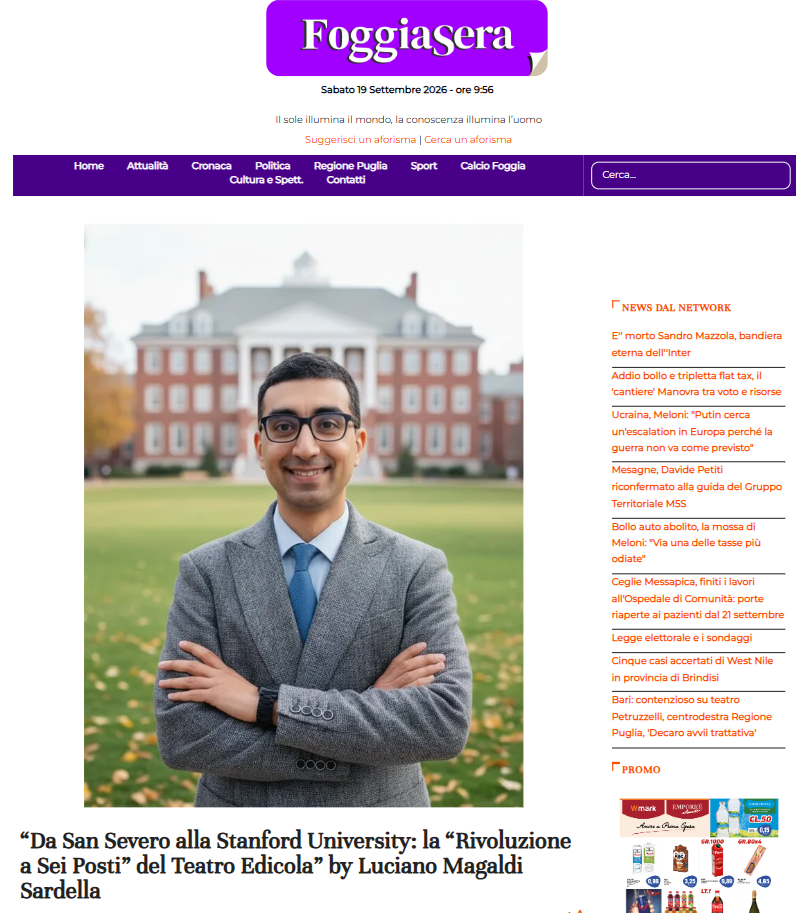
"FOGGIA SERA": FROM SAN SEVERO TO STANFORD UNIVERSITY: THE "SIX-SEAT REVOLUTION" OF THE TEATRO EDICOLA SOURCE: https://foggiasera.it/2026/09/19/da-san-severo-alla-stanford-university-la-rivoluzione-a-sei-posti-del-teatro-edicola-by-luciano-magaldi-sardella/ SAN SEVERO (FG) - The Stanford Social Innovation Review (SSIR), the scholarly journal published by the Stanford Center on Philanthropy and Civil Society of the prestigious Stanford University - ranked second in the world in the Shanghai Ranking of World Universities - and recognised as the pre-eminent global reference for researchers, policy-makers, and practitioners of innovative entrepreneurship and philanthropy, hath published the reportage "The Six-Seat Revolution" upon the Teatro Edicola of San Severo, the smallest theatre in the world by dimension and capacity, born of the intuition of Francesco Gravino, Artistic Director of the Foyer '97 company. Its author is Luciano Magaldi Sardella, independent researcher and international journalist, native of Orta Nova and of maternal Sanseverese extraction, hitherto author of studies published in international academic journals. The piece appeared in the September (Fall 2026) edition of the academic review, within the section devoted to Arts & Culture. A presence that projects San Severo, and more broadly the Capitanata, into the international élite of research upon cultural and urban innovation. The Theatre Is Born of a Disused Newsstand It all commenced on 27 March 2026, World Theatre Day, in Piazza Municipio at San Severo. A news-kiosk, disused for years in Via Matteo Tondi, raised its shutter to reveal, in lieu of newspapers and cigarettes, an actor upon the stage. Within: six chairs. At intervals of fifteen minutes, a new audience took its place. Drawing inspiration from the televisual format of Edicola Fiore by the noted Sicilian presenter of radio and television, there was born the Teatro Edicola, a structure now recognised in the media as the smallest theatre in the world for dimensions and capacity: four square metres in aggregate, with a scenic space of less than two metres. Gravino hath led Foyer '97 for nigh on thirty years, forging a most exacting artistic trajectory in a context - that of southern Italy - historically penalised in respect of public financing for culture. And yet, upon beholding that vacant kiosk, he elected the path of provocation: to transfigure the bare minimum into a manifesto concerning the very meaning of theatre. The Model and its Measurable Effects The inaugural season endured for three days. All performances were sold out. In a single afternoon, upwards of sixty persons attended the representations. The cost of the entire pilot operation was less than three thousand dollars. The formula is radical in its constitutive elements: performances of five to twelve minutes' duration, conceived expressly for the space; rotation of the audience every fifteen minutes; direct and inescapable visual contact betwixt actor and spectator; no architectural or psychological distance betwixt stage and auditorium; ticket proposed at five euros per person, within a hybrid economic model comprising municipal support, local sponsorship, and box-office receipts. According to the analysis published in the Stanford Social Innovation Review, the Teatro Edicola represents a replicable model of low-cost, high-impact urban regeneration, capable of reactivating abandoned commercial spaces (newsstands, tobacconists, telephone kiosks) without recourse to large infrastructural investment. The Voice of Him who Built it All Francesco Gravino entertaineth no doubt as to the import of the enterprise: "Grand theatres are not requisite to transform a fragment of a city. What is requisite is a sound idea and the courage to restore to the collectivity a space that hath lost its function." And upon the import of international recognition: "Teatro Edicola was born to demonstrate that a place of encounter and culture may arise wheresoever, even within two square metres. That this work should today be studied at an international level and that enquiries should arrive from cities such as Lucca and Rome is confirmation that the path pursued is the right one." The director hath further explicated the symbolic choice of place: the newsstand was the locus wherein each morn one paused, informed oneself, and recognised oneself as a community. Its disappearance rent a precise social fabric. To restore unto it a cultural function is to re-stitch that tissue at the very point wherefrom it was torn. The Challenges: Scalability, Institutional Recognition, Entrenchment The SSIR reportage doth not confine itself to celebration of the project but analyseth also the critical junctures. The first is sustainability over time: an activation of three days, howsoever successful, doth not yet constitute a stable programme, a veritable seasonal repertory (weekends from spring to autumn) with a rotating roster of local and regional companies. The second juncture concerneth replicability without loss of identity: the Teatro Edicola functioneth also by virtue of the profound roots of Foyer '97 in the Sanseverese territory. To transplant the model elsewhere requireth not merely a physical kit, but an entire process of community-building. The third obstacle is institutional: in a system of public funding that rewardeth organisations with consolidated premises and predictable output metrics, a project deliberately experimental, hyperlocalist, and by its very nature impermanent strugglest to gain access to the ordinary channels of the Fondo Nazionale per lo Spettacolo dal Vivo (FNSV) of the Ministry of Culture. A Lesson that Travels beyond Puglia In the Stanford Social Innovation Review the author concludeth that the intuitions of the Teatro Edicola transcend the Sanseverese context: in any community wherein cultural institutions struggle to reach youthful, diverse, or economically marginal publics, the principle of proximity proveth disruptive: to encounter people where they already find themselves, in the spaces they inhabit quotidianly. From the populous centre of Daunia to the pages of Stanford University: San Severo and its kiosk demonstrate that six chairs, four square metres, and a vision suffice to alter the manner in which a city conceiveth of itself. And to offer unto the world a model that costeth less than one might credit, yet is worth far more than one might imagine.

ČT, Události, komentáře. Řezníčková: U ústavních právníků panuje shoda, že zákon o státních zaměstnancích, jehož součástí je také omezení pravomoci hlavy státu při pověřování a odvolávání vedoucích stálých misí u mezinárodních organizací, je protiústavní. Poslankyně ANO Ožanová: Je zajímavé, že jste si jisti, že je na tom shoda ústavních právníků, protože ne všichni říkají, že to je protiústavní. Řezníčková: Dokážete mi tedy jmenovat některého ústavního právníka, který si myslí, že je to v souladu s Ústavou? Ožanová: Já jsem si četla komentáře k Ústavě. Nemluvila jsem přímo s ústavními právníky, takže vám jméno neodpovím. Komentáře jsou nicméně zcela jasné. (Ožanová je v tom totiž kapacita, vystudovala obor dopravní a manipulační technika na Fakultě strojní Vysoké školy báňské – Technické univerzity Ostrava) #ÚstavníPrávo #Právo #Politika

Threats to shipping are unacceptable - freedom of navigation must be maintained. These issues will feature prominently in my engagements at the UN in New York next week. #FreedomOfNavigation #ShippingSecurity #UNEngagement #US

AI wave hits food industry. I could vote for smart shopping agent to whom I prompt "Make a shopping list for xx euros of what our family usually consumes but make it healthy and best price-quality with fast delivery to timeslot when I am home." But shopping aside, some of the https://t.co/idm7IJOAkM #AI #FoodIndustry #SmartShopping #Thetweetdoesnotmentionanyspecificcountries.Therefore #therearenocountrycodestoreturn.

Thousands of containers filled with food, medicine and other goods bound for Cuba have been stranded throughout the Caribbean since two shipping giants stopped deliveries to avoid tough U.S. sanctions https://t.co/d98IEWgG70 #Cuba #ShippingCrisis #USTsanctions #CU #US

Bewegender Moment auf der Trauerwache Deutschland in Frankfurt. Die Familie von Alexandra (52), die im Mai 2026 in Hanau durch extreme Gewalt ums Leben kam, in T-Shirts gegen das Vergessen. 🖤 https://t.co/WV8wQBRCuQ #Trauer #Erinnerung #GegenGewalt


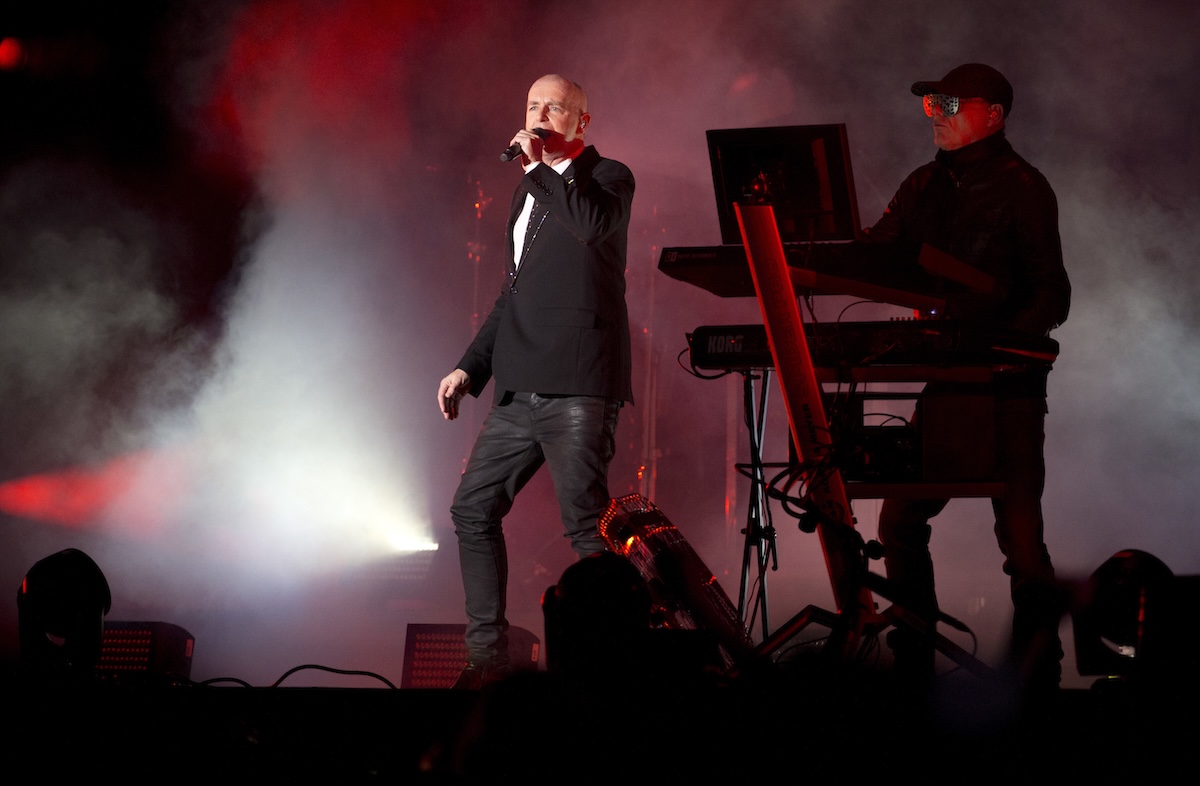
The Pet Shop Boys have released a new song titled A top secret washing machine, which criticizes Russian President Vladimir Putin in conjunction with the undemocratic parliamentary elections in Russia. (translated)
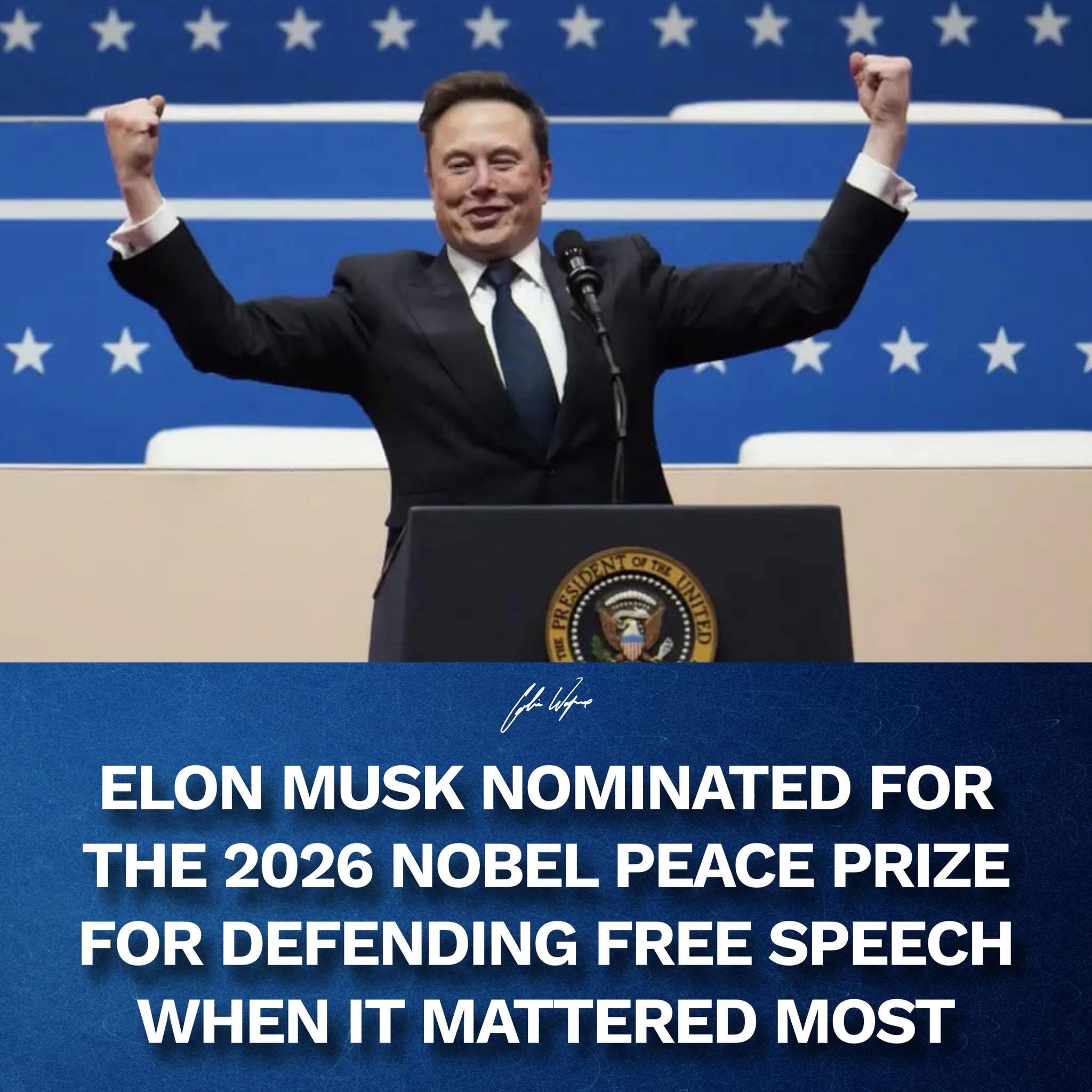
👏🏼 Elon Musk has been nominated for the 2026 Nobel Peace Prize for defending free speech when it mattered most. While governments media and tech elites pushed censorship he chose openness and debate. He took the heat so millions of voices would not be silenced. You do not have to agree with everything he says to recognize what this represents. Free speech is the foundation of a free society and protecting it takes real courage. History has a way of catching up to moments like this. Share if you believe free speech is worth defending.

POSICIONADA! Zara Larsson CANCELOU seu show em Abu Dhabi, nos Emirados Árabes Unidos, em solidariedade ao Sudão e após tomar conhecimento da situação envolvendo o país. https://t.co/EoXFBrEhxS #ZaraLarsson #Solidariedade #Sudão


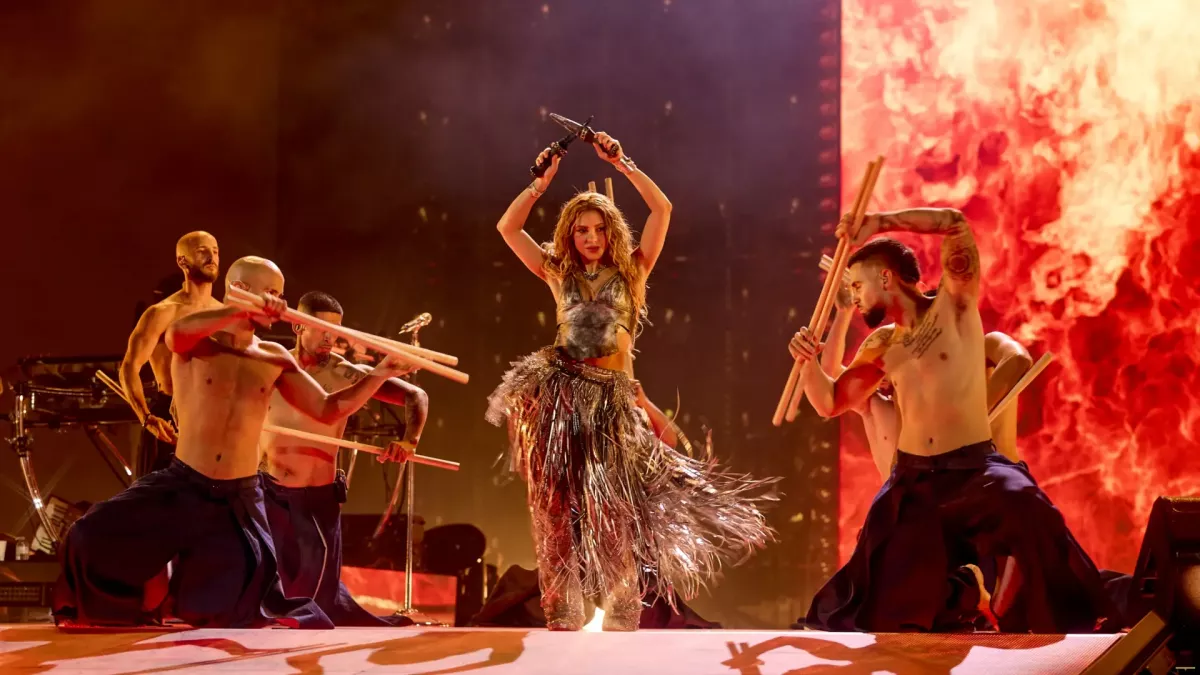
Shakira has dazzled in her first concert in Madrid, presenting a show full of emotion, costume changes, and a list of iconic songs in front of 55,000 fans at Macondo Park. (translated)

Unfortunately, the big majority of Europeans have no idea of what is about to come. They’ll be shocked and surprised just as they were at Covid pandemic’s time. #Europe #Pandemic #Awareness #EU
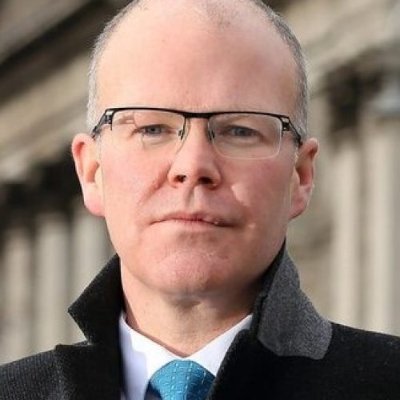
An Aontú PQ shows that, home support workers get less than half the money the government pays their employers for the service. https://t.co/bQukHvXxBC #HomeSupport #WorkersRights #Aontú #Thetweetdoesnotmentionanyspecificcountries.Therefore #therearenocountrycodestoreturn.

🚨 ATENÇÃO: SAMU FOI DADO COMO APTO PELO DEPARTAMENTO MÉDICO DO FUTEBOL CLUBE DO PORTO! 🔥🐉 HOLY SHIT!!! 🤯 https://t.co/HSh4jbxBXA #FCPorto #Futebol #Samu


Sheila Sitalsing @sheilasitalsing van de @volkskrant: “Wilders is hondsdol.” En dan klagen als ik dit soort journalisten tuig van de richel noem. De PVV gaat weer de grootste partij van Nederland worden en niemand houdt ons tegen! #PVV #Wilders https://t.co/V6OqzXkemS #PVV #Wilders #Nederland