Poles living in Saxony-Anhalt have diverse and often controversial opinions about the success of the Alternative for Germany (AfD) in local elections, expressing concerns about the rise of hatred and budget cuts, but also hopes for an improvement in the situation in the country. (translated)
The regional elections in Saxony-Anhalt brought the AfD 43.8% of the votes, confirming the growing strength of the party, but it was not enough to achieve a majority, which raised concerns among the Jewish community and churches. (translated)

The American arms company Covenant plans to start production of long-range cruise missiles called Anthem in Saxony, eastern Germany, in 2027 to meet the growing demand from European countries fearing threats from Russia. (translated)

In the German village of Plötzkau, where the AfD party received 62.8% of the votes, residents express frustration towards the authorities and are reluctant to comment on their support for the party, despite praise for Russia and difficult socio-economic conditions in the region. (translated)
Widzę poruszenie wynikami wyborów w Saksoni Anhalt. To co? Polityka coraz głupszych kroków i cancelowania innych (nie tylko radykałów) nie działa? Działa. Inni się zniechęcają. Radykałowie zaczynają wygrywać. Co teraz? Jeszcze więcej głupich kroków? #Polityka #Wybory #SaksoniaAnhalt
Donald Trump commented on the electoral success of AfD, pointing out that Germans have had enough of the current immigration regulations, which is confirmed by their historic first victory in the elections to the state parliament of Saxony-Anhalt, where they obtained 43.8 percent of the votes. (translated)

Donald Trump commented on the victory of the Alternative for Germany (AfD) in the elections to the Landtag in Saxony-Anhalt, emphasizing that Germany has finally had enough of unfavorable immigration regulations. (translated)

The triumph of the AfD party in the elections in Saxony-Anhalt raises concern in Germany, and the situation poses questions for Poland about possible political and social implications. (translated)
The Catholic and Evangelical churches in Saxony-Anhalt expressed deep concern after the victory of the far-right AfD party in the elections, fearing for social peace and interpersonal relations in the region. (translated)
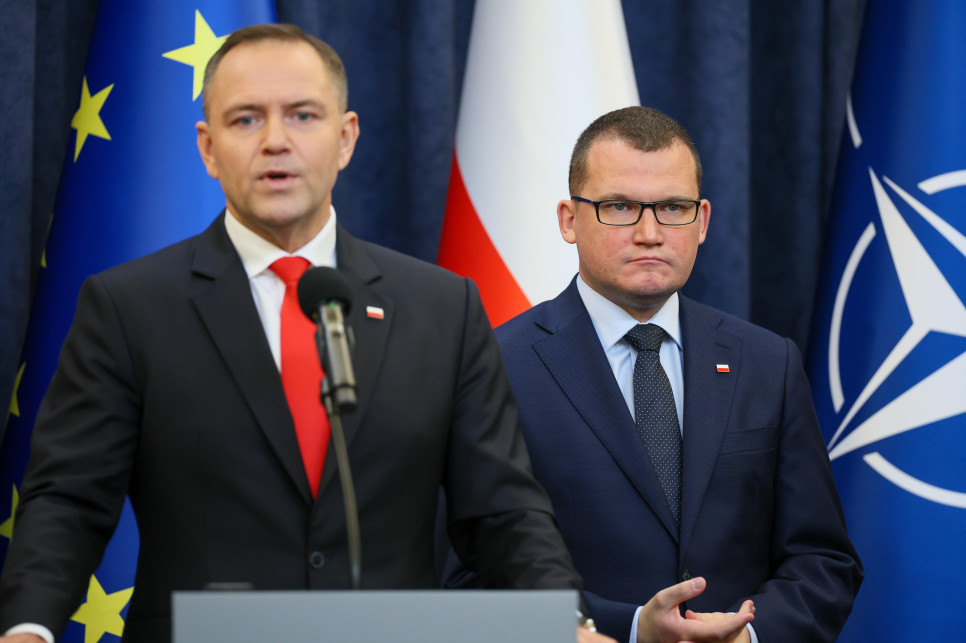
The chief of cabinet of President Karol Nawrocki, Paweł Szefernaker, assessed that the program of the right-wing populist Alternative for Germany (AfD), which received 43.8 percent of the votes in the elections to the Saxony-Anhalt parliament, is unacceptable from the perspective of Polish interests. (translated)

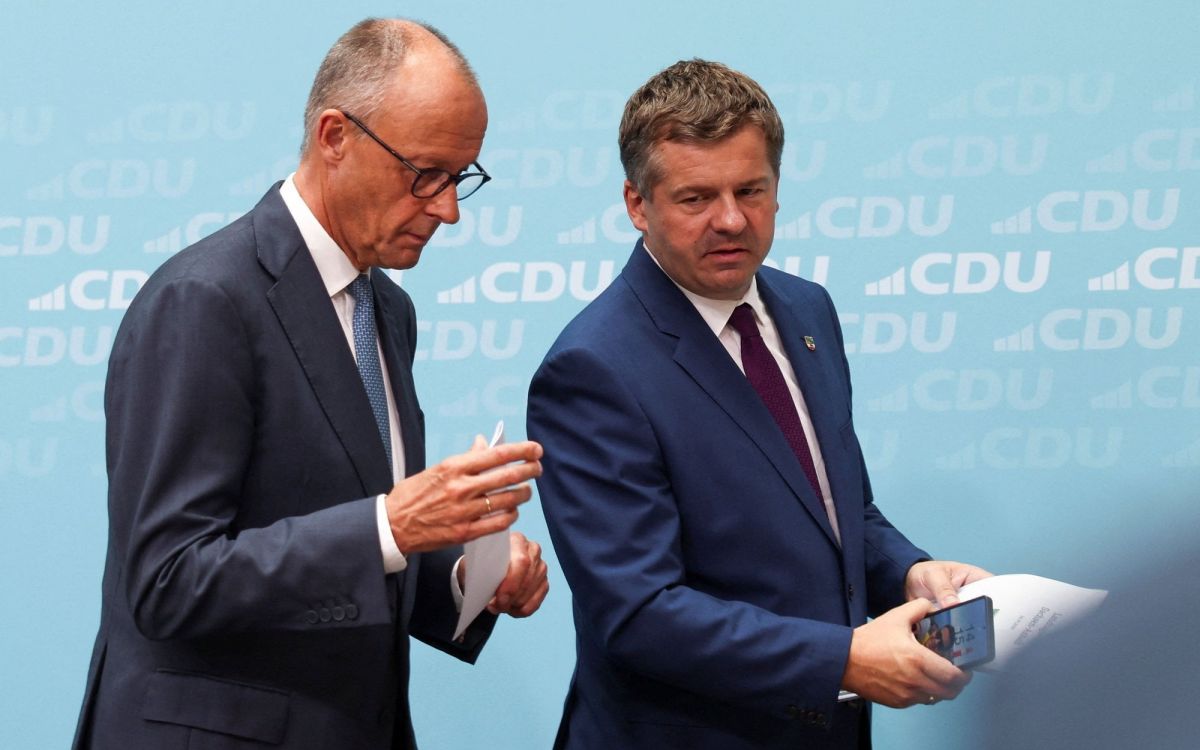
The CDU acknowledges its defeat in the elections for the state parliament in Saxony-Anhalt and is moving to the opposition, while power in the region is taken over by the right-wing populist Alternative for Germany (AfD), as confirmed by Prime Minister Sven Schulze. (translated)

Alice Weidel, co-chair of AfD, announced after the victory in Saxony-Anhalt a plan to achieve at least 40 percent support in the next federal elections, which represents a significant increase compared to current polls. (translated)
German police discovered nine additional explosive devices in Saxony, bringing the total number to 21, as part of an ongoing investigation following previous findings in the Graustein area. (translated)
The article analyzes the ambivalent attitude of the AfD party towards Poland, where AfD on one hand considers Poland an ally in matters of sovereignty and migration policy, and on the other hand perceives it as a potential threat, especially in the context of differing interests concerning Russia and Nord Stream. (translated)
In the elections in Saxony-Anhalt, the far-right Alternative for Germany (AfD) obtained 43.8% of the votes, which represents the "total collapse" of the CDU, which received only 17.2% support, which, according to commentators from the Austrian newspaper "Der Standard," is a signal for all of Germany. (translated)

The AfD party achieved a significant victory in the state parliament elections in Saxony-Anhalt, bringing it closer to gaining power in Germany and placing it at the center of political debate in the country. (translated)
44.5% for AfD, which takes power in Saxony 🤯 Leader Alice Weidel fights against immigrants, LGBT, adoption of children by same-sex couples, but poses as a German patriot - at least publicly. Privately, she lives in Switzerland, is in a relationship with an immigrant, and raises children with her. (translated)
Wybory, Saksonia-Anhalt: - AfD 43,8% - CDU 17,2% - SPD 9,3% - Zieloni 8,9% - Lewica 8,6% - BSW 5,3% AfD może liczyć na 39 mandatów. Do większości potrzeba 42. BSW z 5 mandatami może okazać się kluczowym graczem. CDU, SPD, Zieloni i Lewica łącznie również 39 mandatów. #Wybory #SaksoniaAnhalt #Polityka
The AfD received 43.8 percent of the votes in the elections in Saxony-Anhalt, alarming Jewish and migrant organizations who warn of a threat to democracy and the rise of extreme right-wing sentiments in Germany. (translated)

Żeby to dobrze zobrazować: AfD nie przejęła dziś Niemiec. Wygrała wybory w jednym kraju związkowym. 1 z 16. Saksonia-Anhalt ma 2,1 miliona mieszkańców; Niemcy mają 83,4 miliona. To daje 2,5%. A spośród nich 44% uprawnionych do głosowania oddało swoje głosy na AfD. Mówimy więc o mniej niż 900 000 ludzi. #Niemcy #wybory #AfD