WRLD

Search

#Sincro
EL PAÍS 2d

A failure in the synchronization of the ball sensor during the Basque derby has revived the debate about the reliability of refereeing technology, following the Committee's acknowledgment that the penalty awarded was influenced by a technical error. #TecnologíaArbitral #DerbiVasco #VAR (translated)

elpais.com
Un fallo en la sincronización del sensor del balón con la imagen en el derbi vasco reabre el debate sobre la fiabilidad de la tecnología arbitral
2780
Valerio Villari 7d

𝗟𝗜𝗙𝗘 𝗢𝗙 𝗔 𝗠𝗢𝗗𝗘𝗥𝗡 𝗛𝗨𝗠𝗔𝗡 A perfect day in which human existence could also be simplified. We have chosen an example of Homo sapiens digitalis, a species endowed with an extraordinary ability: to complicate its existence through tools designed to simplify it. 𝗢𝗥𝗘 𝟬𝟲:𝟬𝟬 - 𝗧𝗛𝗘 𝗜𝗡𝗧𝗘𝗟𝗟𝗜𝗚𝗘𝗡𝗧 𝗔𝗟𝗔𝗥𝗠 The smartwatch vibrates. It has determined that this is the best time to wake the owner, having analyzed his sleep phases. The man opens his eyes and discovers that he has slept poorly: score 61 out of 100. Until that moment, he felt rested. Now he is tired. 𝗢𝗥𝗘 𝟬𝟳:𝟬𝟬 - 𝗧𝗛𝗘 𝗙𝗜𝗥𝗦𝗧 𝗖𝗢𝗡𝗦𝗨𝗟𝗧𝗔𝗧𝗜𝗢𝗡 Before even saying goodbye to his wife, he consults his smartphone. He checks notifications, messages, and weather forecasts. His wife asks him if he wants coffee. He doesn't respond: he is reading an article about the risks of caffeine. 𝗢𝗥𝗘 𝟬𝟴:𝟬𝟬 - 𝗧𝗛𝗘 𝗖𝗢𝗡𝗦𝗖IOUS 𝗖𝗔𝗟𝗢𝗥𝗜𝗘 𝗖𝗔𝗟𝗖𝗨𝗟𝗔𝗧𝗜𝗢𝗡 He photographs his plate to get an application to calculate the calories. He discovers that he has exceeded the recommended amount of sugar. He eliminates the jam, replaces the bread, and takes a supplement suggested by an influencer. It took him forty-five minutes to eat a breakfast that his grandfather finished in seven. 𝗢𝗥𝗘 𝟬𝟵:𝟬𝟬 - 𝗧𝗛𝗘 𝗔𝗦𝗦𝗜𝗦𝗧𝗘𝗗 𝗠𝗢𝗕𝗜𝗟𝗜𝗧𝗬 He gets in the car and sets the navigator to reach the office where he has worked for twelve years. The system proposes an alternative route to save three minutes. He follows it and gets stuck on a closed road for construction work. He curses technology and posts a negative review. 𝗢𝗥𝗘 𝟭𝟬:𝟬𝟬 - 𝗧𝗛𝗘 𝗣𝗥𝗢𝗗𝗨𝗖𝗧𝗜𝗩𝗜𝗧𝗬 He turns on the computer and asks artificial intelligence to summarize the received emails. He then asks it to prepare the replies. A colleague in the next office receives one of those emails and asks his AI to summarize it. Two machines communicate on behalf of two humans who could talk to each other across a corridor. 𝗢𝗥𝗘 𝟭𝟭:𝟬𝟬 - 𝗧𝗛𝗘 𝗠𝗘𝗘𝗧𝗜𝗡𝗚 He participates in a video conference with four colleagues sitting in the same building. One software records, another transcribes, and a third produces the summary. No one takes notes. At the end, everyone receives a document that no one reads, because each has already asked their AI to summarize the summary. 𝗢𝗥𝗘 𝟭𝟮:𝟬𝟬 - 𝗧𝗛𝗘 𝗦𝗖𝗜𝗘𝗡𝗧𝗜𝗙𝗜𝗖 𝗡𝗘𝗧𝗪𝗢𝗥𝗦𝗛𝗜𝗣 He consults an app to choose the restaurant with the best reviews. After twenty minutes, he finds the perfect one, but it's too far away. He orders through another application. A delivery person crosses half the city to deliver a salad that he could have purchased under the office. 𝗢𝗥𝗘 𝟭𝟯:𝟬𝟬 - 𝗧𝗛𝗘 𝗦𝗢𝗖𝗜𝗔𝗟𝗜𝗭𝗔𝗧𝗜𝗢𝗡 He opens Facebook. He scrolls through photographs of people he doesn't know, reads opinions from strangers, and participates in a discussion about contemporary loneliness. He insults a user who thinks differently. He receives three reactions and feels an immediate satisfaction. Finally, someone has noticed his existence. 𝗢𝗥𝗘 𝟭𝟰:𝟬𝟬 - 𝗧𝗛𝗘 𝗣𝗥𝗢𝗙𝗘𝗦𝗦𝗜𝗢𝗡𝗔𝗟 𝗨𝗣𝗗𝗔𝗧𝗘 He buys an online course on how to use artificial intelligence to increase productivity. The course teaches him to write instructions so the AI can work in his place. He does not finish the first lesson: he asks the AI to summarize the course. 𝗢𝗥𝗘 𝟭𝟱:𝟬𝟬 - 𝗧𝗛𝗘 𝗖𝗥𝗘𝗔𝗧𝗜𝗩𝗜𝗧𝗬 He has to write birthday wishes to a friend. He asks the AI for an original, warm, and spontaneous text. He copies it and sends it. The friend replies with a thank you generated by his own AI. Both are moved by the depth of the relationship. 𝗢𝗥𝗘 𝟭𝟲:𝟬𝟬 - 𝗧𝗛𝗘 𝗪𝗘𝗟𝗟𝗕𝗘𝗜𝗡𝗚 The smartwatch indicates that he has been sitting for too long. He gets up, takes two hundred steps around the desk, and sits back down. The device congratulates him. He has reached the first goal of the day. 𝗢𝗥𝗘 𝟭𝟭:𝟬𝟬 - 𝗧𝗛𝗘 𝗙𝗢𝗥𝗠𝗔𝗧𝗜𝗢𝗡 𝗢𝗙 𝗢𝗣𝗜𝗡𝗜𝗢𝗡 He reads the title of a scandalous political news story. He does not open the article: the title already contains all he considers necessary to know. He posts an indignant comment, complete with three exclamation points and four emojis. The algorithm interprets the behavior as interest and begins to suggest other similar news. After half an hour, he is convinced that the world is collapsing. 𝗢𝗥𝗘 𝟭𝟴:𝟬𝟬 - 𝗧𝗛𝗘 𝗛𝗘𝗔𝗟𝗧𝗛 𝗔𝗖𝗧𝗜𝗩𝗜𝗧𝗬 He enters the gym. He wears noise-canceling headphones so he doesn't hear the people around him. He follows the exercises suggested by an application and records every movement. In the end, he posts a photograph with the phrase "Take care of yourself." He spends twenty minutes checking how many appreciated the advice. 𝗢𝗥𝗘 𝟭𝟵:𝟬𝟬 - 𝗧𝗛𝗘 𝗥𝗘𝗧𝗨𝗥𝗡 𝗛𝗢𝗠𝗘 He returns home. His wife watches a video on her phone, his son plays on a console, his daughter participates in a video call. He sits on the sofa and opens Facebook. Perfect family harmony reigns: no one disturbs anyone. 𝗢𝗥𝗘 𝟮𝟬:𝟬𝟬 - 𝗧𝗛𝗘 𝗦𝗛𝗔𝗥𝗘𝗗 𝗗𝗜𝗡𝗡𝗘𝗥 The family gathers at the table. The father photographs the dish, the mother replies to a message, the son watches a video, and the daughter checks notifications. The father suggests spending more time together. Everyone agrees without taking their eyes off the screens. A WhatsApp group called "Our Family" is created. 𝗢𝗥𝗘 𝟮𝟭:𝟬𝟬 - 𝗧𝗛𝗘 𝗘𝗡𝗧𝗘𝗥𝗧𝗔𝗜𝗡𝗠𝗘𝗡𝗧 He decides to watch a movie. He opens Netflix, checks rankings, reads plots, watches trailers, and compares ratings. After forty-five minutes, he still hasn’t chosen anything. The system suggests a film he has already seen. He watches it again because at least he knows he likes it. 𝗢𝗥𝗘 𝟮𝟮:𝟬𝟬 - 𝗧𝗛𝗘 𝗦𝗘𝗡𝗧𝗜𝗠𝗘𝗡𝗧𝗔𝗟 𝗥𝗘𝗟𝗔𝗧𝗜𝗢𝗡𝗦𝗛𝗜𝗣 The couple finds themselves in the bedroom. Both are busy with their smartphones. He reads an article on how to improve couple communication. She watches a video on the signs that indicate a relationship in crisis. Neither has spoken a word to each other yet. 𝗢𝗥𝗘 𝟮𝟯:𝟬𝟬 - 𝗧𝗛𝗘 𝗠𝗘𝗗𝗜𝗧𝗔𝗧𝗜𝗢𝗡 He launches an application to relax. A synthetic voice invites him to clear his mind and distance himself from digital distractions. The phone vibrates: a notification reminds him to keep the daily meditation series active. He interrupts the meditation to check that he hasn't missed the reward. 𝗢𝗥𝗘 𝟬𝟬:𝟬𝟬 - 𝗧𝗛𝗘 𝗣𝗥𝗢𝗚𝗥𝗔𝗠𝗘𝗗 𝗥𝗘𝗦𝗧 He sets the alarm, activates sleep monitoring, checks the room temperature, and consults forecasts on sleep quality. The device suggests he sleep at least eight hours. He falls asleep at 00:47, worried about not reaching the goal. 𝗢𝗥𝗘 𝟬𝟭:𝟬𝟬 - 𝗧𝗛𝗘 𝗦𝗟𝗘𝗘𝗣 𝗠𝗢𝗡𝗜𝗧𝗢𝗥𝗜𝗡𝗚 The man sleeps. The smartwatch measures his heart rate, a sensor records his movements, and the smartphone synchronizes the data to the cloud. Even while he sleeps, he continues to produce information about himself. 𝗢𝗥𝗘 𝟬𝟮:𝟬𝟬 - 𝗧𝗛𝗘 𝗣𝗥𝗢𝗖𝗘𝗦𝗦𝗜𝗡𝗚 The systems process the collected information. They update statistics, synchronize devices, and prepare suggestions for the next day. The man does not know exactly what they are processing, but he has accepted all the terms of service. 𝗢𝗥𝗘 𝟬𝟯:𝟬𝟬 - 𝗧𝗛𝗘 𝗢𝗽𝗧𝗜𝗠𝗜𝗭𝗔𝗧𝗜𝗢𝗡 The advertising systems update interest profiles using the available signals. The man, who a few hours earlier had read an article on couple crises, might receive ads for relationship counseling. His concern has become a business opportunity. 𝗢𝗥𝗘 𝟬𝟰:𝟬𝟬 - 𝗧𝗛𝗘 𝗠𝗔𝗜𝗡𝗧𝗘𝗡𝗔𝗡𝗖𝗘 The smartphone downloads an update. It promises superior performance, increased security, and new features. Tomorrow, some icons will have changed position, and the man will have to relearn where to find what he needed. 𝗢𝗥𝗘 𝟬𝟱:𝟬𝟬 - 𝗧𝗛𝗘 𝗣𝗥𝗘𝗣𝗔𝗥𝗔𝗧𝗜𝗢𝗡 𝗙𝗢𝗥 𝗧𝗛𝗘 𝗡𝗘𝗫𝗧 𝗗𝗔𝗬 The digital assistant already has sufficient information to suggest appointments, activities, routes, news, purchases, and content to watch. The man continues to sleep. His next day has already been partially organized. 🐓🐓🐓 𝗢𝗥𝗘 𝟬𝟲:𝟬𝟬 - 𝗜𝗡 𝗧𝗛𝗘 𝗖𝗢𝗖𝗛𝗘 The rooster opens its eyes. It crows. The hens wake up. No one received a notification. No one accepted cookies. No one subscribed to a Premium subscription. And above all, no rooster has ever asked an algorithm which hen to court. ⚖️ 𝗝𝗨𝗗𝗚𝗘'𝗦 𝗥𝗨𝗟𝗜𝗡𝗚 𝗖𝗢𝗗𝗜𝗟𝗟𝗨𝗦 Having examined the behaviors of the two species and established that one has extremely advanced technologies to perform activities that the other performs without any assistance, the Court finds the intellectual superiority of the human to be insufficiently demonstrated. It therefore orders that, until further determination, the expression "chicken brain" constitutes an offense to the dignity of gallinaceous animals. 🐓🤣 𝗧𝗪𝗘𝗡𝗧𝗬-𝗙𝗢𝗨𝗥 𝗛𝗢𝗨𝗥𝗦 𝗢𝗙 𝗔𝗥𝗧𝗜𝗙𝗜𝗖𝗜𝗔𝗟 𝗜𝗡𝗧𝗘𝗟𝗟𝗜𝗚𝗘𝗡𝗖𝗘. 𝗜𝗩𝗜𝗡𝗚 𝗢𝗖𝗖𝗔𝗦𝗜𝗢𝗡𝗔𝗟 𝗧𝗥𝗔𝗖𝗘𝗦 𝗢𝗙 𝗛𝗨𝗠𝗔𝗡. Any reference to real persons is purely coincidental. Any spontaneous identification is the responsibility of the reader. 🤣🤣🤣 (translated)

908
Digi24 7d

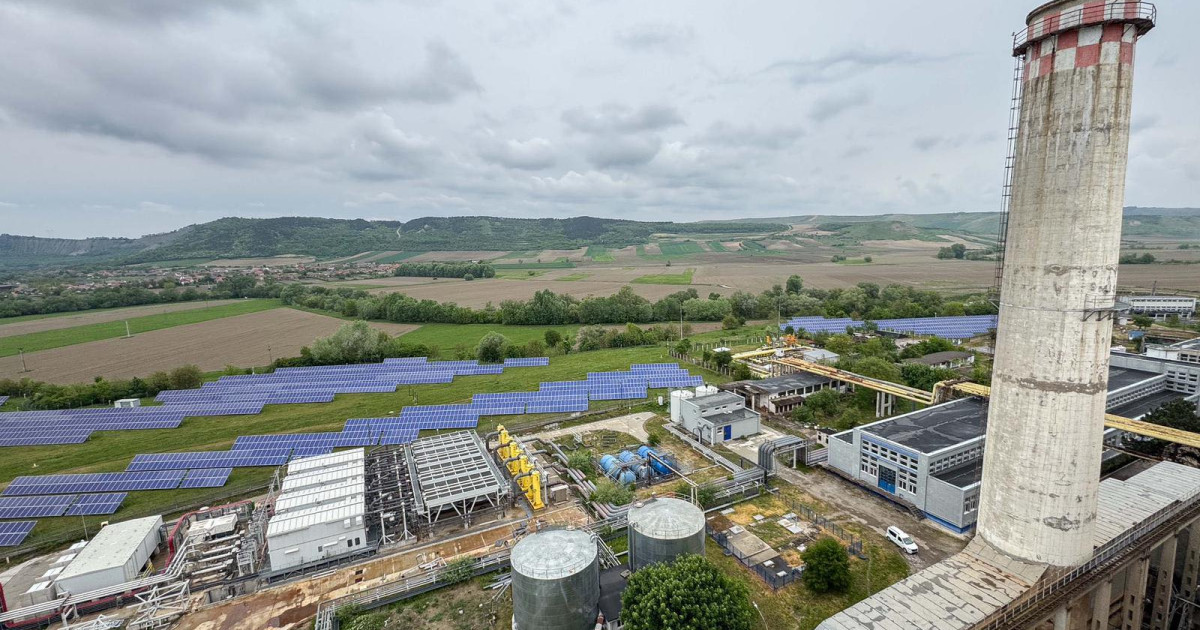
The Iernut Thermal Power Plant will start producing electricity for Romanian consumers starting at the end of the first semester of 2027, and its synchronization with the National Energy System is estimated for the first quarter of next year, according to the Ministry of Energy. #CentralaIernut #EnergieElectrica #Romgaz (translated)

www.digi24.ro
Când va produce centrala pe gaze de la Iernut energie electrică pentru români: anunțul Ministerului Energiei
3295
Il Fatto Quotidiano 1w

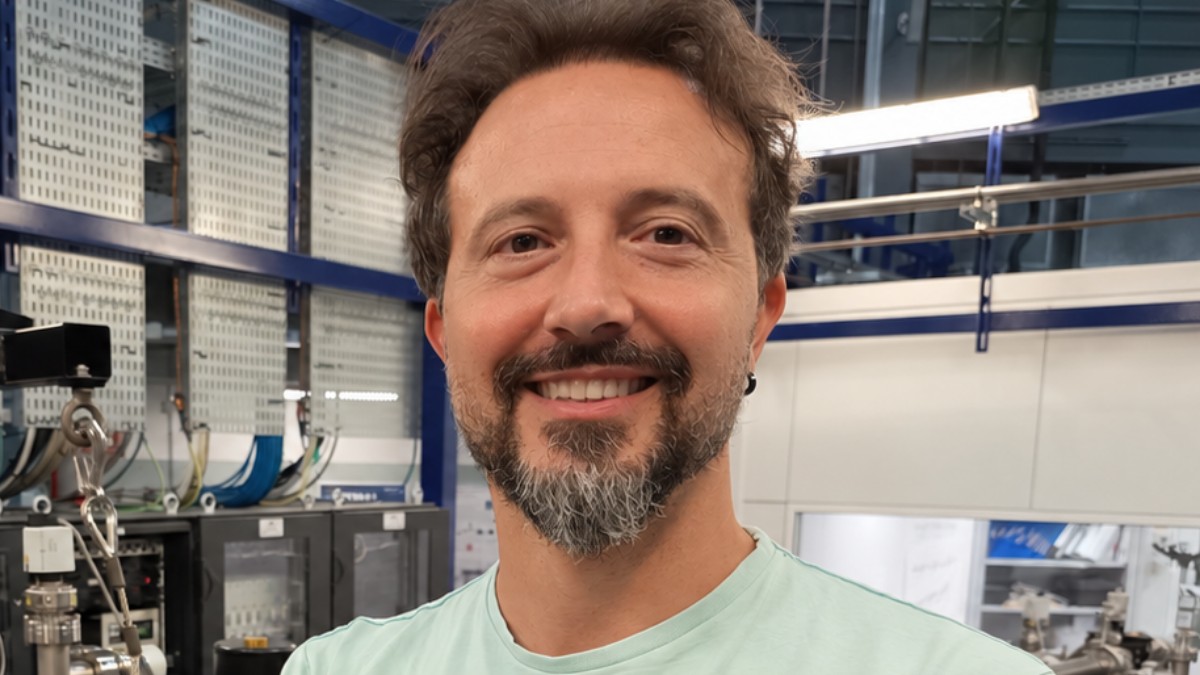
Andrea Sorrentino shares his experience of life and work in Barcelona, where he has built a successful career as a beamline scientist at the Alba synchrotron, aware that returning to Italy would involve a significant loss of salary and professional opportunities. #CervelliInFuga #RicercaScientifica #VitaAllEstero (translated)

www.ilfattoquotidiano.it
“A Barcellona ho costruito la mia carriera sul campo. Tornare in Italia per me significa perdere oltre il 30% dello stipendio”
2728
G
Gelu 2w

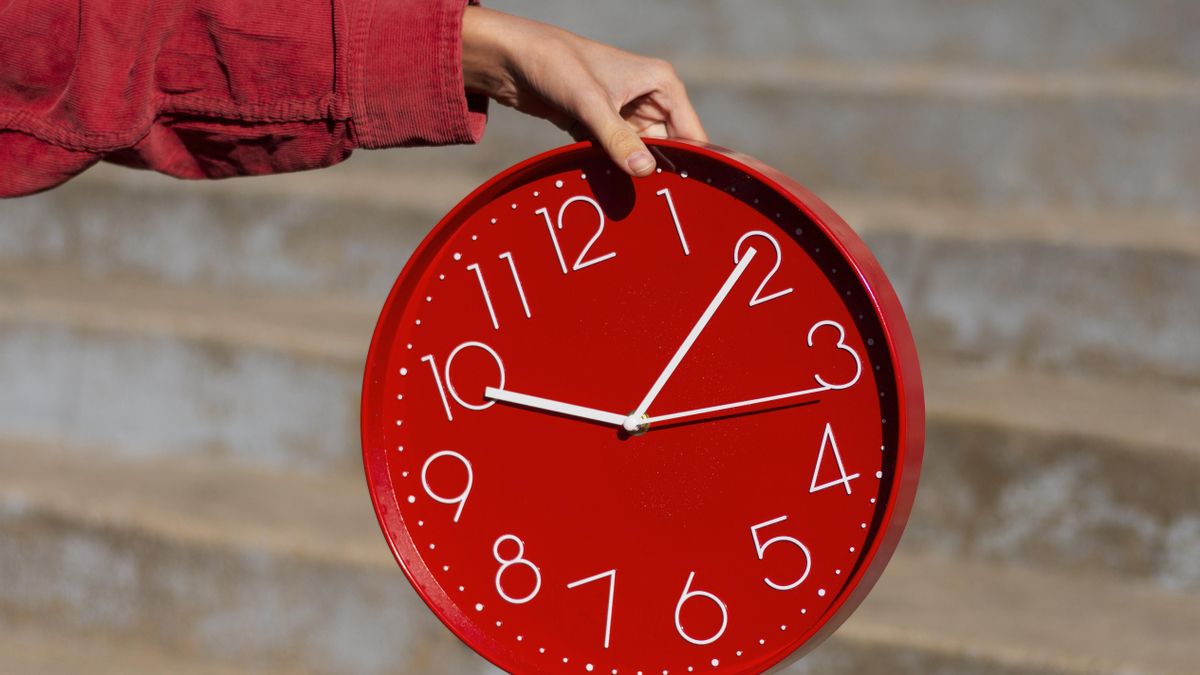
Don't change the time! Change the schedule, not the time! The biological rhythm is regulated by the Sun, not the clock. Time is not a work schedule that we can shift at will. Time is the measure by which we organize our lives, and nature has its own rhythm. The Earth does not change its rotation twice a year. The sun does not rise earlier because we decided to move the clock forward. Animals, birds, insects, and plants follow their biological rhythms related to light, darkness, and the natural succession of seasons. Humans are part of this nature. Our bodies have their own biological clock, fundamentally influenced by light. And when we officially move the clocks by one hour, we are not changing the course of nature, but rather asking humans to abruptly adapt to an administrative convention. Why do this every spring and reverse it every autumn? Is it natural to change the time or to adapt our schedules? Let's consider the majority of people: workers, farmers, students, teachers, parents, retirees, people who must adhere to a schedule set by others. They cannot always modify their schedules at will. They need to wake up at a certain hour, get to work, take a child to school, or comply with the public transport timetable. In contrast, there are people and organizations that have the opportunity to adapt their schedules based on the season, natural light, or the needs of their activities. If, for some people, changing their schedule is feasible, why impose the time change on everyone? Let's take a hypothetical example: if 10% of people have the freedom to adapt their schedule, is it fair to change the time for all those who do not have this freedom? Would it not be more logical to change the schedule where needed, rather than change the time by which the entire society organizes itself? Stores can modify their opening hours. Factories can adapt their shifts. Institutions can adjust their schedules, and schools and public transport can analyze timetables according to local conditions and people's needs. We do not all have to operate on the same schedule to live by the same time. Nature does not need our approval to follow its rhythm. In spring, the days lengthen. In autumn, the days shorten. This is the natural rhythm of the Earth, which we can observe without moving even a single clock hand. If we want to start activities earlier in summer, we can start sooner. If winter requires a different schedule, we can adapt it. But why change the official time, get used to a new convention, and then revert to the old one? Would it not be simpler to keep the same time all year round and organize our activities according to the season? I do not claim that all living beings measure time in hours and minutes. I assert something more important: their biological rhythms are linked to the natural cycle of light and darkness, not to the numbers we display on the clock. And humans should take this truth into account when organizing their lives. The economy must serve people, not people be permanently forced to adapt to the economy. One argument presented in favor of changing the time is the more efficient use of natural light or the reduction of energy consumption. But the actual effects depend on the country, season, population habits, and how energy is used. If we want to save energy, let's examine actual consumption. If we want more light during activities, let's adapt the schedules. If we want to improve work organization, let's change the timetables where possible. There is no need to change the time for the whole society to achieve flexibility in certain areas. The schedule is a tool we can adapt. The time should be a stable reference. We cannot stop the seasons. We cannot modify the Earth's rotation. We cannot ask nature to adapt to our clock. But we can organize our lives more wisely. Instead of moving the clock hands twice a year, we can learn to adapt our schedules to the reality around us. Instead of changing the time for everyone, we can allow each field to find the appropriate schedule, within the bounds of the law and with respect for people's rights. Let's keep the time stable and make the schedules flexible! Let's leave time in peace. Twice a year, millions of people are forced to change their clocks, schedules, and biological rhythms to adapt to an administrative decision. It is said that changing the time brings economic or energy benefits. However, in modern society, these advantages are increasingly contested, while the disadvantages are felt by nearly the entire population. People, animals, and plants do not live by the clock on the wall, but by the natural rhythms of the Earth. The human body is regulated by the alternation of light and darkness. When we artificially move the time forward or back, we disturb this balance. Many people sleep worse, feel more tired, and need days or weeks to readjust. Living beings do not change their schedules twice a year. Birds do not migrate by the clock, cows do not produce milk according to the official hour, and dogs do not understand why their owner takes them for a walk an hour earlier. Nature follows the sun, not administrative decisions. There is also a principle issue. For a relatively small percentage of people and activities that would benefit from more light in the evening, the schedule of the entire society is modified. About 90% of people are forced to adapt, even though they did not ask for this and do not gain direct advantages. It would be more logical for the sectors that need a different schedule to adapt it themselves. Stores can open earlier or later. Factories can modify their work shifts. Schools, institutions, and companies can adjust their schedules as needed. It is much easier for certain organizations to change the schedule in a targeted manner than to change the official time for the entire population. Moreover, modern technology has greatly diminished the argument for saving energy. Lighting now represents a smaller proportion of total consumption, while air conditioning, computers, and other equipment operate regardless of time changes. The time should serve people, not people be obliged to serve the time. A modern society can function efficiently without moving the clock hands twice a year. Stability, health, and respect for natural rhythms are stronger arguments than the tradition of a measure introduced in another era. Therefore, the most rational solution is to keep the same time throughout the year and adapt schedules where necessary, rather than changing the lifestyle rhythm of an entire population. Why should we keep the same time all year? Changing the time twice a year represents an artificial intervention in the natural rhythm of society. Although it was introduced with the intention of saving energy, numerous modern studies show that the benefits are minimal, while the social, medical, and economic costs are significant. 1. The biological rhythm is regulated by the Sun, not the clock. The human body operates according to an internal biological clock, synchronized with the natural alternation of day and night. Research in chronobiology shows that artificial changes in time disrupt sleep, concentration, and metabolism. In the days following the switch to summer time: - sleep disorders increase; - more traffic accidents occur; - productivity at work decreases; - there is an increase in the risk of heart attacks and other cardiovascular problems. In practice, millions of people are forced to suffer a slight "jet lag" without having traveled anywhere. 2. Nature does not change the time. Animals and plants regulate their activity according to light. Birds, insects, domesticated and wild animals do not change their schedules just because the government decides to move the clock forward by one hour. Farmers often observe that cows continue to adhere to their biological schedule regardless of the change in official time. The same happens with many other living beings. In reality, we are changing the clock display, not the position of the Sun in the sky. 3. Economic benefits are diminishing. Changing the time was introduced in an era when lighting consumed a significant proportion of the energy used by the population. Today: - lighting is much more energy-efficient; - the main consumption comes from air conditioning, heating, servers, computers, and appliances; - estimated savings are very low or even nonexistent in many states. In contrast, the economic costs are real: - employee productivity decreases after the time change; - absenteeism increases; - additional costs associated with accidents and medical problems arise; - computer and logistics systems need to be periodically adjusted. 4. It is unfair to change the schedule of all for the needs of a minority. If certain economic sectors find it useful to start activities earlier in summer, they can adapt their schedules. For example: - stores can operate from 07:00 to 21:00 instead of 08:00 to 22:00; - factories can alter shifts; - public institutions can temporarily adjust working hours; - schools and companies can decide locally what schedule is optimal. It is much simpler for 10% of organizations to change their schedule than for 100% of the population to change their biological clock. 5. Stability means efficiency. Transport, information systems, international economic activities, and public services function more smoothly when the official time remains constant. One hour throughout the year: - reduces scheduling errors; - simplifies transport and communications; - eliminates confusion regarding timetables; - provides predictability for citizens and companies. Conclusion The sun does not change its time. The Earth does not change its time. Nature does not change its time. Only humans move the clock hands and then endure the consequences of this decision. Instead of modifying the schedule of an entire society twice a year, it is more logical to keep the same time constantly and allow those fields that need a different schedule to adapt their programs individually. This way, natural biological rhythms are respected, economic costs are reduced, and the comfort of the majority of the population is increased. A modern society needs flexibility in scheduling, not the constant change of the clock. (translated)

919
eldiario.es 2w

An expert in sleep explains that, despite the social preference for long, sunny afternoons, the winter schedule benefits our well-being by allowing morning light to synchronize our internal clock and improve the quality of rest. #CambioDeHora #Salud #Sueño (translated)

www.eldiario.es
Cambio de hora de invierno: un experto en sueño explica por qué gusta menos, pero nos sienta mucho mejor
2768
CENTRAL DO FLÁVIO BOLSONARO 2w

THE CENTRAL OF FLÁVIO BOLSONARO wrote that, after the prayers, the group woke up synchronized at number 22 and wished good morning to its followers, whom it called "warriors". https://t.co/X47kMyaMBW #BomDia #Sincronicidade #Guerreiros (translated)

3345
EL PAÍS 3w

Raquel Peláez's article reflects on the political and social synchronicities that emerge from contemporary events, using the figure of Batman as a metaphor to address issues of racial identity and public perception in the context of unrest in France and the response of political figures such as Donald Trump. #Opinión #Francia #Cultura (translated)

elpais.com
Por qué Batman lleva descubierta la mitad de la cara
2194
Digi24 3w

The leap second, used for synchronizing atomic clock time with time related to the Earth's rotation, will be eliminated starting May 20, 2027, to prevent technical complications in computer systems. #secundăIntercalară #timp #UTC (translated)

www.digi24.ro
Ce este mica secundă „intercalară” și de ce va fi ea eliminată în 2027
3351
jacopo iacoboni 3w

Jacopo Iacoboni wrote that the violence in Milan, Turin, Paris, and Marseille appeared to be coordinated with a synchronization "to the minute"; he added that in Milan it had continued even the day before and cited a video. He described the situation as a war initiated based on connected orders and argued that various interests were fueling it. https://t.co/PmJn2RCUbb #Milano #violenza #guerra (translated)

3120
Il Post 3w

The General Conference on Weights and Measures has decided to abolish the leap second to simplify the synchronization between astronomical time and UTC, reducing the computing problems related to these changes. #secondointercalare #tempo #UTC (translated)

www.ilpost.it
L’abolizione del secondo intercalare
3240
adevarul.ro 3w

Starting May 20, 2027, the international time measurement system will eliminate adjustments through leap seconds, a change intended to simplify clock synchronization and reduce technical risks in areas such as telecommunications and satellite navigation. #oraoficială #UTC #sistemdemăsurare (translated)

adevarul.ro
Ora oficială a lumii se schimbă din 2027. De ce se schimbă sistemul oficial de măsurare a timpului
3474
Mediafax.ro 3w

From May 20, 2027, the official world time will no longer include leap seconds, as a result of variations in the Earth's rotation speed, which could affect information systems and applications that require perfect synchronization. #oraoficială #secundeintercalate #rotațiapământului (translated)

www.mediafax.ro
Ora oficială a lumii se schimbă radical. Ce se întâmplă cu ceasurile din mai 2027
3127
Mediafax.ro 3w

Transelectrica successfully announced the synchronization for the first time of Gas Turbine 1 at the Mintia Power Plant with the national energy system (SEN), marking the beginning of equipment testing for the future power plant, which will become the largest gas-fired plant in Europe. #Energie #CentralaMintia #Transelectrica (translated)

www.mediafax.ro
Transelectrica: Turbina cu Gaz 1 a Centralei Mintia a fost sincronizată la sistemul energetic național  SEN pentru prima dată cu succes
3359
E
EL MUNDO 3w

Atomic clocks will stop adding seconds to adjust to the Earth's rotation starting in May 2027, due to the risks this poses to time synchronization systems and the rapid technological evolution, bringing forward the end of this practice approved at the Conference on Weights and Measures in Versailles. #RelojesAtómicos #TiempoUniversalCoordinado #InnovaciónTecnológica (translated)

www.elmundo.es
Los relojes atómicos dejarán de añadir segundos para ajustarse a la rotación de la Tierra ante los riesgos que entrañan
3477
20 minutos 3w

Starting in May 2027, atomic clocks will stop adding leap seconds to adjust official time to the Earth's rotation, in response to concerns about time synchronization and technological challenges. #RelojesAtómicos #TiempoUniversalCoordinado #Tecnología (translated)

www.20minutos.es
Los relojes atómicos dejarán de añadir segundos para ajustar la hora a la rotación de la Tierra y evitar un caos
3593
Taleb Alisalem 3w
Sahrawi activist and writer

It is a synchronized message in favor of the PSOETaleb sets a precedent in the 2023 elections when he claims, "there was an evident mobilization in favor of Sánchez's vote." #Marruecos #Elections2026 #PedroSánchez (translated)

La campaña marroquí para que 250.000 nacionalizados voten al PSOE el 29-N: "Si Sánchez desaparece, será nuestro final"
www.elespanol.com
2783
LaVanguardia 3w

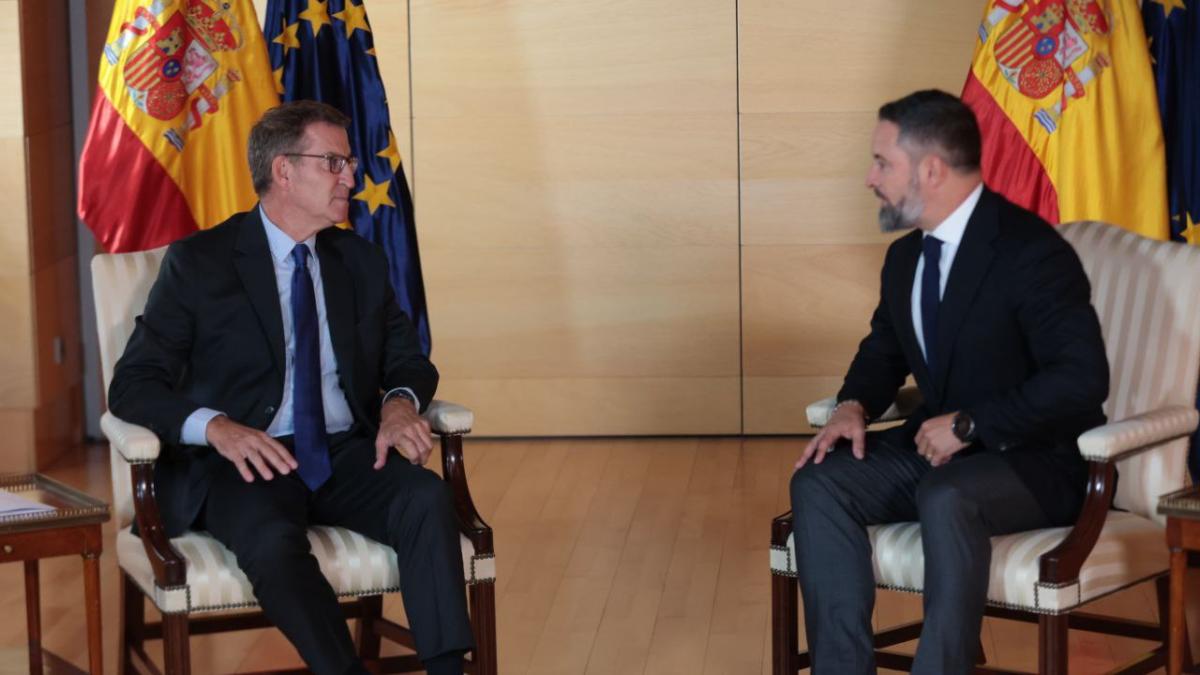
Alberto Núñez Feijóo and Santiago Abascal have agreed on a non-aggression pact to synchronize their campaigns and possibly govern together, despite their past differences, in a context where the right feels competitive in the upcoming elections. #PactoNoAgresión #Feijóo #Vox (translated)

www.lavanguardia.com
El pacto de no agresión
3131
BTS Daily Chile⁷ 4w

BTS Daily Chile reported on the schedules and sales points for official merchandise for BTS concerts in Chile. Advance sales were scheduled for Monday, October 12, from 9:00 AM to 7:00 PM, at the Grecia entrance, without the need for a ticket. For the days of October 14, 16, and 17, the outdoor booth at the F entrance would operate from 10:00 AM to 7:00 PM and would not require a ticket. The indoor booths at entrances A, B, C, D, and E would open from 4:00 PM to 11:00 PM only for those with a ticket for that day, while the indoor booth at the VIP entrance would operate from 10:00 AM to 11:00 PM, also requiring a day ticket. The publication noted that prices included VAT and that only cash or card payments in Chilean pesos would be accepted. It added that products would be subject to availability, that bags would not be provided, and that queuing overnight was not recommended. Regarding the ARMY BOMB, BTS Daily Chile indicated that only version 4 would have automatic wireless synchronization during the concert and that it would not be necessary to link it to the seat via the app. According to the publication, versions 3 and SE would not be compatible with the synchronized effects; three new AAA alkaline batteries would be required, and the price in Chile would be $69,000. The account warned that schedules could change and that merchandise sales could be temporarily suspended during the event. #ARIASBTS #BTS #ARMY #Concierto (translated)

3371
Ilie Bolojan 4w

Today, in Mintia, the first ignition of gas turbine no. 1 from the new power plant took place. "Today, in Mintia, the first ignition of gas turbine no. 1 from the new power plant took place. This is an important technical milestone for one of the most significant energy investments in Romania in recent years. In June, when I was on site, the project was over 80% completed. Since then, work has progressed step by step: on June 15, the facilities through which the turbine connects to the grid were energized, and today the turbine operated for the first time on natural gas. Next comes the completion of tests, synchronization with the grid, and the first megawatts delivered to the National Energy System. The two gas turbines will have a combined capacity of approximately 1,100 MW," said Ilie Bolojan on Thursday evening in a Facebook post. #energie #centralaMintia #gaznatural (translated)

Prima turbină pe gaz a centralei Mintia a fost pornită. Bolojan: „Mai multă energie produsă în țară, mai puține importuri”
www.digi24.ro
3493