Volkswagen plans to freeze employees' salaries until 2030, which has provoked anger among workers who consider this unacceptable given the rising cost of living. #Volkswagen #plaće #sindikati (translated)
Bojan Požar wrote that unions, if publicly represented by the former prime minister as important for his political victory, should clearly demonstrate loyalty to workers and not to the deep state. He described domestic unions as regime-based and assessed that they, by definition, cannot do that. #sindikat #delavci #politika (translated)
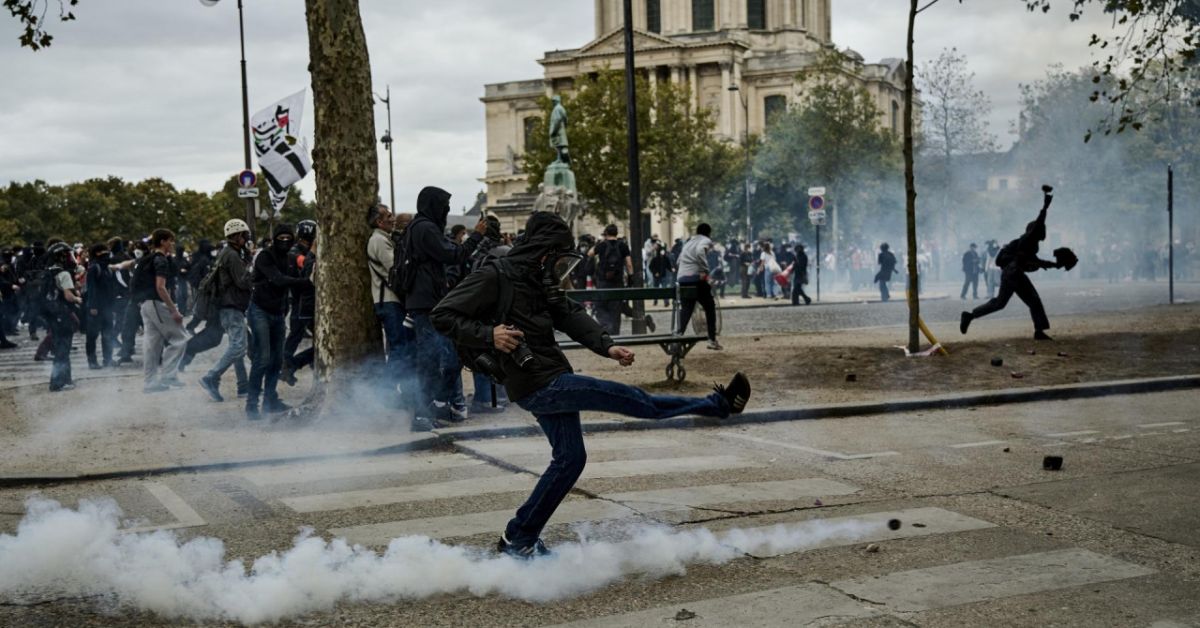
Students, trade unions, and the Yellow Vests are planning mass protests across France to express their dissatisfaction with rising prices and the collapse of the social model. #prosvjedi #Žutiprsluci #inflacija (translated)

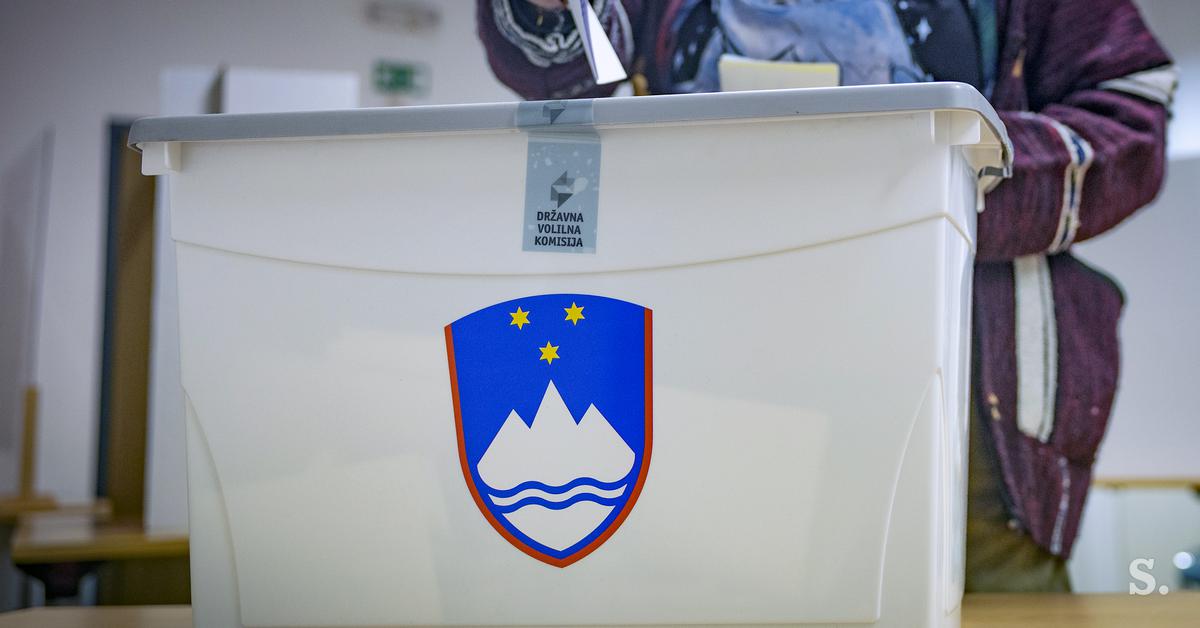
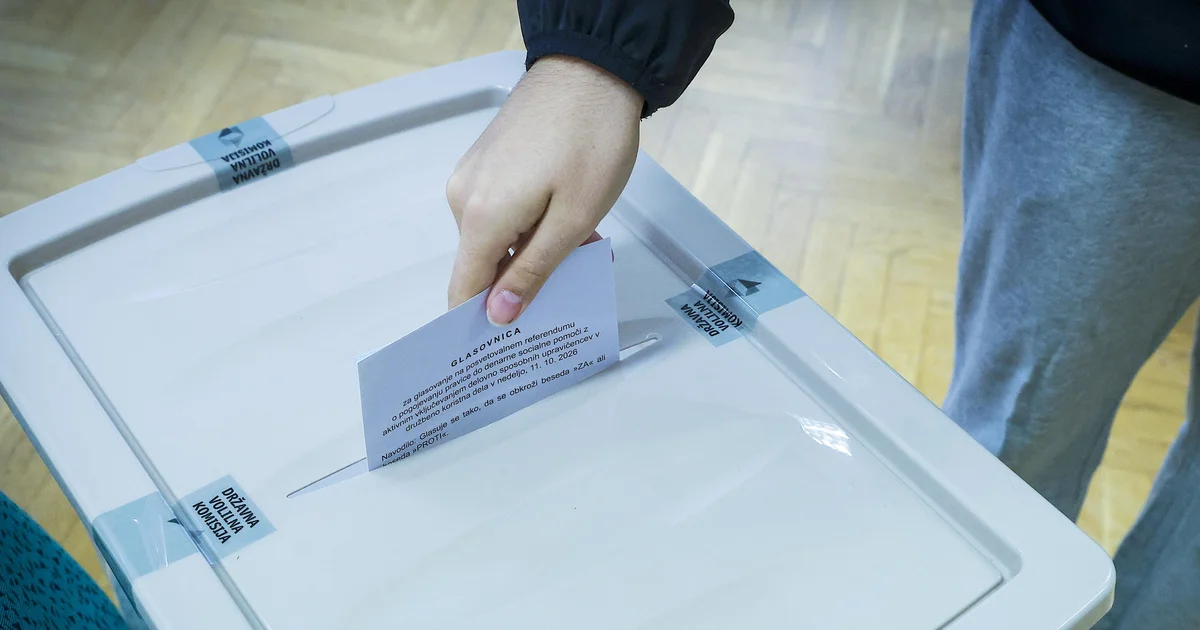
Žan Mahnič thanked everyone who voted four times in favor at the Sunday referendums. He assessed that the result, despite greater engagement from the left, exceeded the expectations of the right. According to him, the campaign was supported by leftist parties, several dozen NGOs, influencers, unions, RTV Slovenia, and activists, who he claimed received funding from the state budget through calls for proposals, while only right-wing parties participated on the other side. Mahnič noted that the left expected a victory of 70 to 30, but that did not happen. He added that the two referendums won by the left were decided by a few hundred votes. He interpreted the result as confirmation that the direction of the government led by Janez Janša is supported by 50 percent of voters, even though surveys estimated support at around 40 percent, and in some areas considerably more than 50 percent. He assessed the political balance in Slovenia as 50:50 and predicted that in ten years, due to the voting habits of older and younger voters, it could turn in favor of the right. For the upcoming referendum on the intervention law for the development of Slovenia, he called for a joint campaign of advocates for lower taxes and less bureaucracy. He believed that right-wing parties alone would not be able to secure a victory and that artisans, entrepreneurs, retirees, students, healthcare workers, and others affected by the law should be involved. He attributed a stronger mobilization to the opposing side than that seen in the Sunday referendums and assessed that their concerns were not about Slovenia and the citizens' wallets, but rather their own benefits. Mahnič also warned of the possibility that there might be too few representatives of the advocates in the face-offs organized by RTV Slovenia compared to politicians, NGOs, unionists, and influencers on the opposing side. He urged those affected to actively engage in the campaign and asked what they were willing to do for collective success. #Slovenija #politika #referendum (translated)
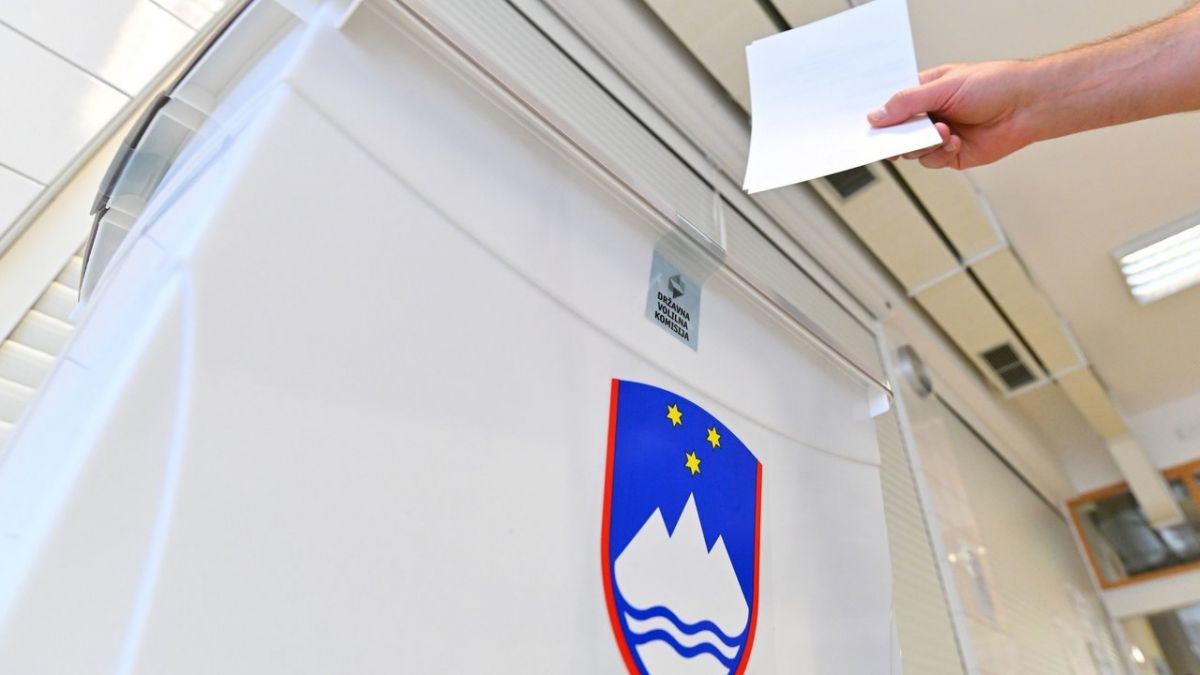
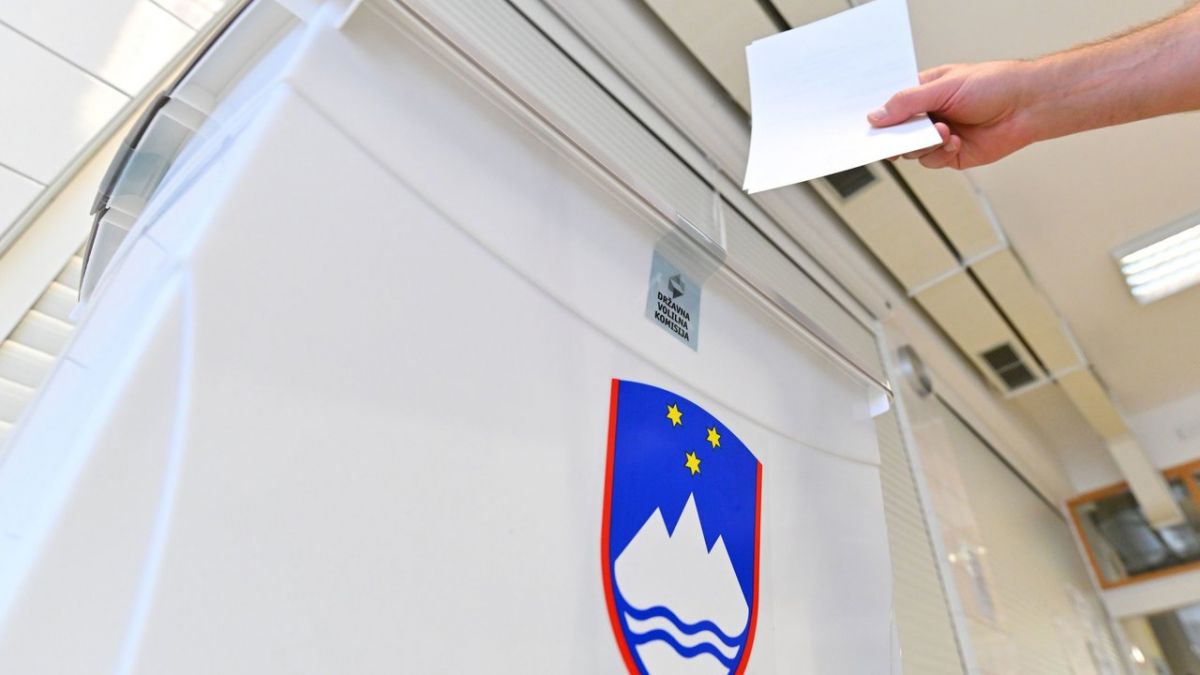
The National Assembly has scheduled December 6 for the implementation of the referendum on the intervention law, after the unions submitted a request for its announcement on October 9. #referendum #interventniZakon #Slovenija (translated)

The referendum on the intervention law will take place on December 6, with the government and SDS supporting it, while unions oppose it. #referendum #interventniZakon #Slovenija (translated)

Borut Rončević wrote that following the announcement of a comprehensive reform of education, he experienced increasing political and media pressure. He described the story about airline tickets as an attempt to discredit the responsible minister and a political showdown, but added that ministers are obliged to explain the use of public money. According to him, information about the travel habits of previous governments shows that the current outrage is not due to concern for public finances, but rather opposition to the reform. Rončević believed that unions and the educational establishment had too much influence on education policy in the past. He attributed a legitimate role to unions in representing employees, but said their influence should not include veto power over the substantive direction of the reform. He also claimed that the educational establishment had harmed the system in the last three decades by following a progressive ideology. Regarding the left and the Left, he wrote that they sought ideological hegemony primarily through the fields of education and culture. He emphasized that in preparing the reform, teachers, principals, parents, students, researchers, local communities, and the economy are involved, while unions should participate in discussions about salaries, working conditions, and employee rights. In his view, those politically responsible should decide on the direction of changes based on data and professional analyses. As ten starting points for the reform, he listed a greater emphasis on knowledge, high standards, the development of students' potentials, work ethic, patriotic and civic education, ideological neutrality, the authority of teachers, early literacy, digital and other knowledge for the future, and broader responsibility in shaping school policy. Rončević announced the relocation of the ministry to Novo mesto, a reduction in the number of employees, and strict limitations on remote work. He stated that the success of the reorganization should be measured by faster responses, timely resolution of issues, lower costs, clearer distribution of responsibilities, and user satisfaction. He wrote that the reform has the support of a broader public, parents, teachers, and the coalition, according to the data he presented. He expected even more pressure, including media publications, reports to the Commission for Prevention of Corruption, criminal charges, petitions, and interpellations, and announced that he would not abandon or soften the changes because of them. #reformaizobraževanja #javnofinanciranje #politika (translated)
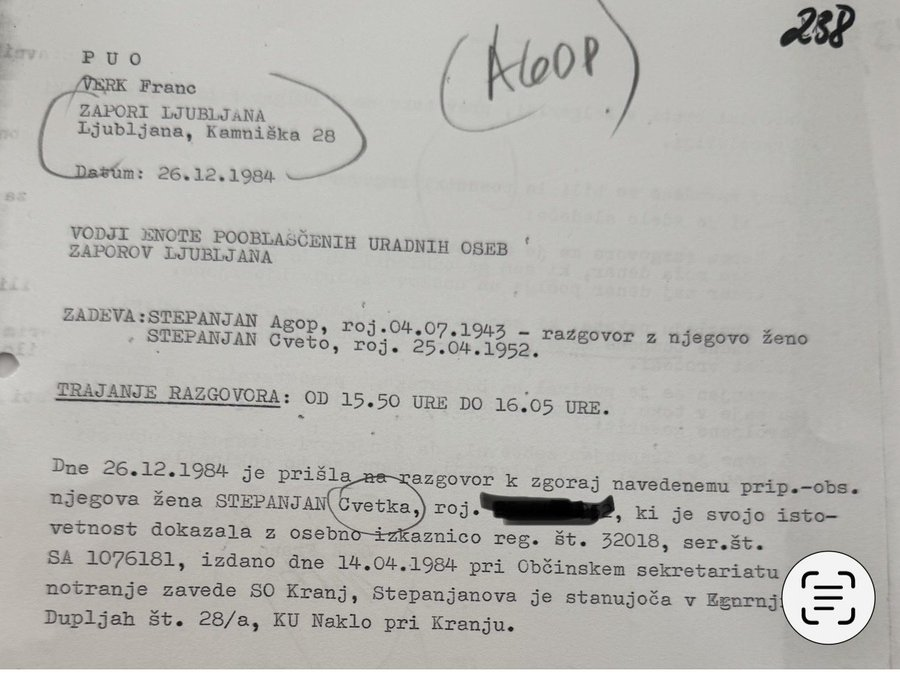
The author directed readers to the thread of Sara Stepanjan, where it should be described what Franc Verk, the president of the Union of State Authorities, was doing in the previous regime. He labeled the publication as "dirty filth" and expressed outrage. https://t.co/najpU6sYUo https://t.co/7A9RZQ3A7m #politika #slovenija #sindikati (translated)
Marko Lotrič wrote that Asta Vrečko from the Levica party is spreading lies about him, and he labeled the events in the National Council this week as a political farce. He believes that some have not accepted that they are no longer in power, which is why they are creating political confrontations and personally discrediting him. He emphasized that he respects the role of unions and non-governmental organizations, but in his view, their fundamental mission is not political activism, but rather representing the interests of the people. He added that he himself represents the economy, craftsmen, entrepreneurs, employers, and local communities, which, according to him, create jobs and contribute to the development of Slovenia. Lotrič stated that the voting in the National Council was carried out according to valid rules and that he respects its outcome. He wrote that despite the attacks, he will continue to advocate for the interests of the economy and local communities and strive for cooperation and development of Slovenia. He added that he is not afraid of anyone, as he owes nothing to anyone. He described the political moves of Asta Vrečko and personal attacks as ridiculous, but said that he must respond for the sake of the National Council’s reputation and respect for democratic institutions. He accused Vrečko, some non-governmental organizations, and unions of going too far and causing great damage to the country. He expressed hope that people will soon bring them back down to earth. #Slovenija #Politika #Gospodarstvo (translated)
The DZ will decide on the date of the referendum on the legislative referendum for intervention measures, which are scheduled for December 6, 2026, while the opposition and unions prepare for an active campaign. #referendum #interventnizakon #Slovenija (translated)

Luka Svetina reported based on sources from Planet TV that a legislative referendum on the intervention law for the development of Slovenia should take place on December 6. He stated that the coalition, according to his information, will not submit requests for three advisory referendums. He described the intervention law as a conflict between unions and business with the support of the government. #Slovenija #referendum #politika (translated)
Marko Dvornik wrote that he arrived at the National Council at 14:30 to report on the third item on the agenda, and at 18:00 an employee apologized to him for having never seen anything like that, suggesting he should go home. According to him, the unions, with what he deemed unnecessary points, lengthy debates, and procedural tricks, achieved a session break after five hours, which could have concluded in less than one hour. Dvornik assessed that the unions are no longer working for the workers, as they dedicate all their time and energy to undermining the power of elected politicians. He added that this is no longer unionism in his opinion. #sindikat #političnaura #delavci (translated)
The DZ Finance Committee approved the proposal for a referendum on the intervention law, which will take place on December 6, after the unions submitted a request with more than 40,000 verified voter signatures. #referendum #interventniZakon #Slovenija (translated)

The government is facing challenges in negotiations with unions over the increase of the minimum wage, while retirees are receiving a larger annual supplement. #minimalnaplaća #umirovljenici #sindikalnipregovori (translated)

Minister Alen Ružić announced the beginning of negotiations with unions aimed at increasing the minimum wage to 1250 euros by 2028, along with plans for higher annual bonuses for retirees and new calls for the Zaželi program. #minimalnaPlaća #sindikati #programZaželi (translated)

Unions are demanding a 19% increase in the minimum wage, while employers are offering only 3.5%, which is creating significant differences in negotiations regarding the minimum wage for 2027. #minimalnaplaća #sindikati #poslodavci (translated)

The National Assembly will address a proposal for a legislative referendum on the intervention law for the development of Slovenia during an extraordinary session, which unions assess as a threat to public services, while some supporters of the law believe that it blocks necessary developmental solutions. #referendum #Slovenija #volitve (translated)

On Wednesday, a meeting will be held on the minimum wage where employers propose an increase of 3.5 percent, while unions demand a rise of 19 percent to make the price of labor a market category. (translated)
The government plans to add six euros annually for each year of pensioners' service, while pensioners' associations and unions are demanding an increase to 10 to 12.50 euros. #mirovine #umirovljenici #rebalans (translated)
The representatives of capital are expecting an aggressive campaign with discrediting and manipulation of opponents of the law, said Branimir Štrukelj, the president of the Confederation of Trade Unions of the Public Sector of Slovenia, today. #Referendum #Sindikati #InterventniZakon (translated)