WRLD

Search

#Stabilita
adevarul.ro 25m

The article analyzes the impact of frequent changes in taxes on the business environment in Romania, highlighting the need for fiscal stability to encourage investments and reduce the budget deficit in a slowing economy. #Taxe #DeficitBugetar #Investiții (translated)
adevarul.ro
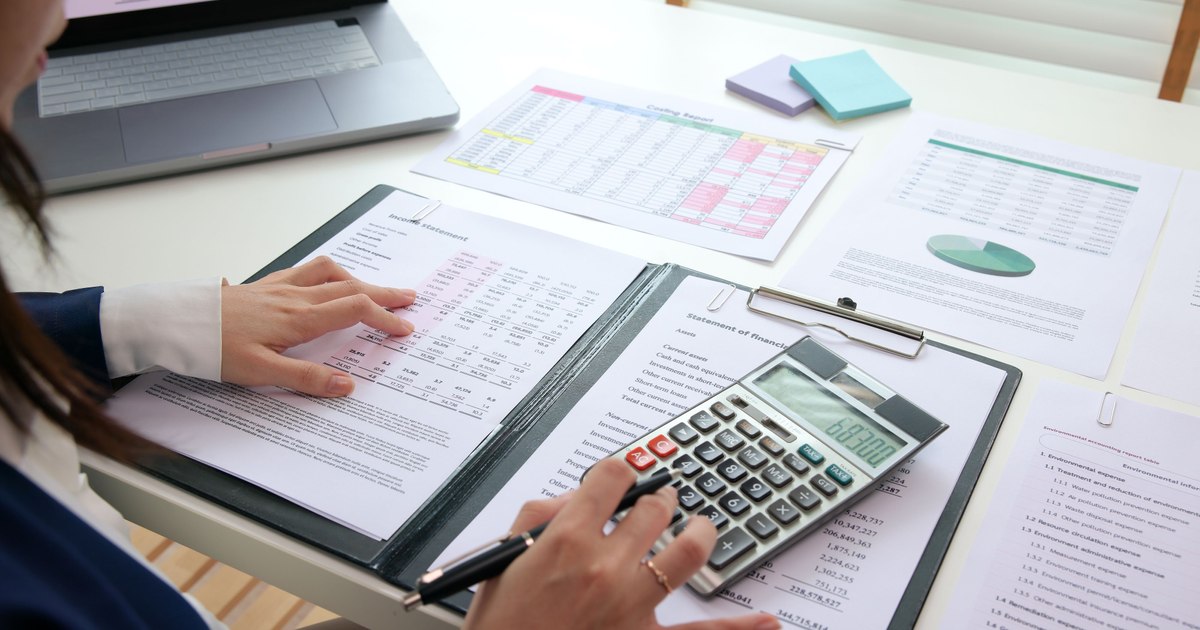
Cine mai investește în România când taxele se schimbă de la un an la altul. Avertismentul mediului de afaceri

1211
Digi24 12h

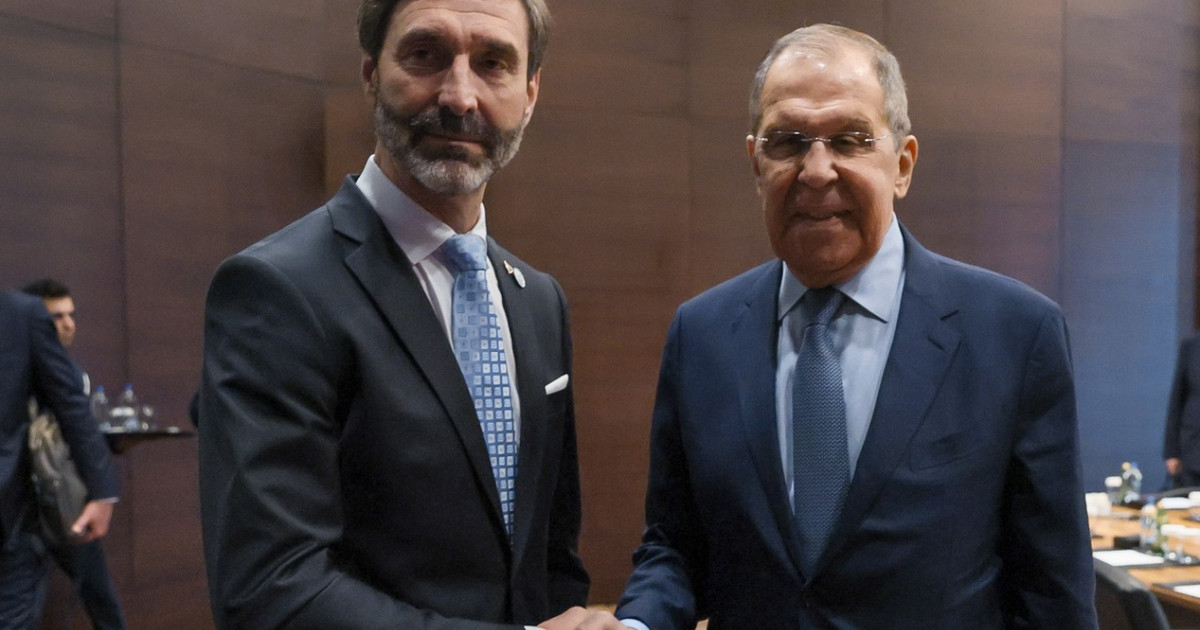
Slovakia will continue to develop cooperation with Russia in areas not affected by sanctions, as Foreign Minister Juraj Blanar emphasized that the Russian Federation is hard to replace in terms of energy supply stability. #Slovacia #cooperare #Rusia (translated)

www.digi24.ro
„Federația Rusă este greu de înlocuit”. Slovacia va continua să dezvolte cooperarea cu Moscova în domeniile neafectate de sancțiuni
1740
hvg.hu 12h

Arab parties could play a key role in the downfall of Benjamin Netanyahu during the Israeli elections, where the focus will be on future Middle East stability and resolving secular-orthodox tensions. #Izrael #választások #Netanjahu (translated)

hvg.hu
Az arab pártok buktathatják meg Netanjahut az utóbbi idők legfontosabb izraeli választásán
1746
Bild 12h

After the collision of the "Mein Schiff 3" with two freighters in Bremerhaven, TUI CEO Sebastian Ebel emphasizes the stability and safety of cruise ships, while the journey has now been canceled for passengers due to the significant damage. #MeinSchiff3 #Kreuzfahrt #TUI (translated)

www.bild.de
Nach Crash in Bremerhaven - Tui-Chef lobt Stabilität von „Mein Schiff 3“
1750
ANSA.it 13h

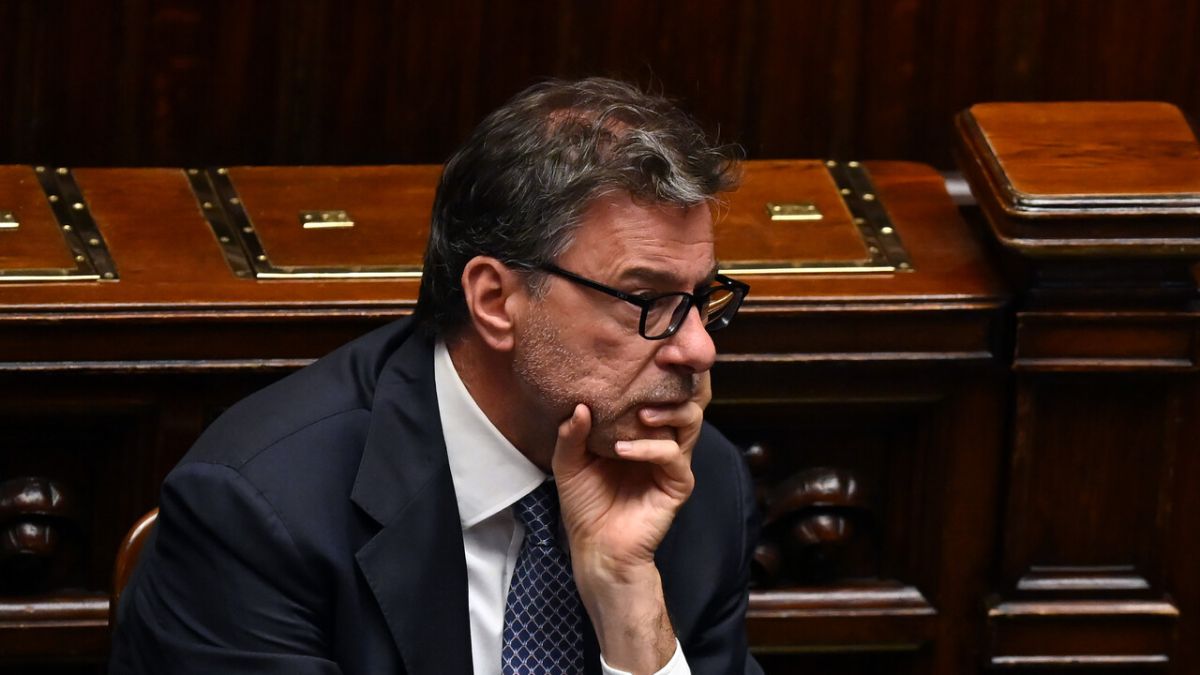
The EU Commission provided Italy with guidance on the use of the national safeguard clause (Nec) for defense and energy, expressing its intention to support the country in maximizing benefits, while subsidies for fossil fuels will be excluded and fiscal flexibility will be allowed in compliance with the Stability Pact rules. #ClausolaNazionale #Energia #CommissioneUE (translated)

www.ansa.it
La Commissione Ue ha risposto all'Italia sulla Nec
1993
Latvian public media 14h

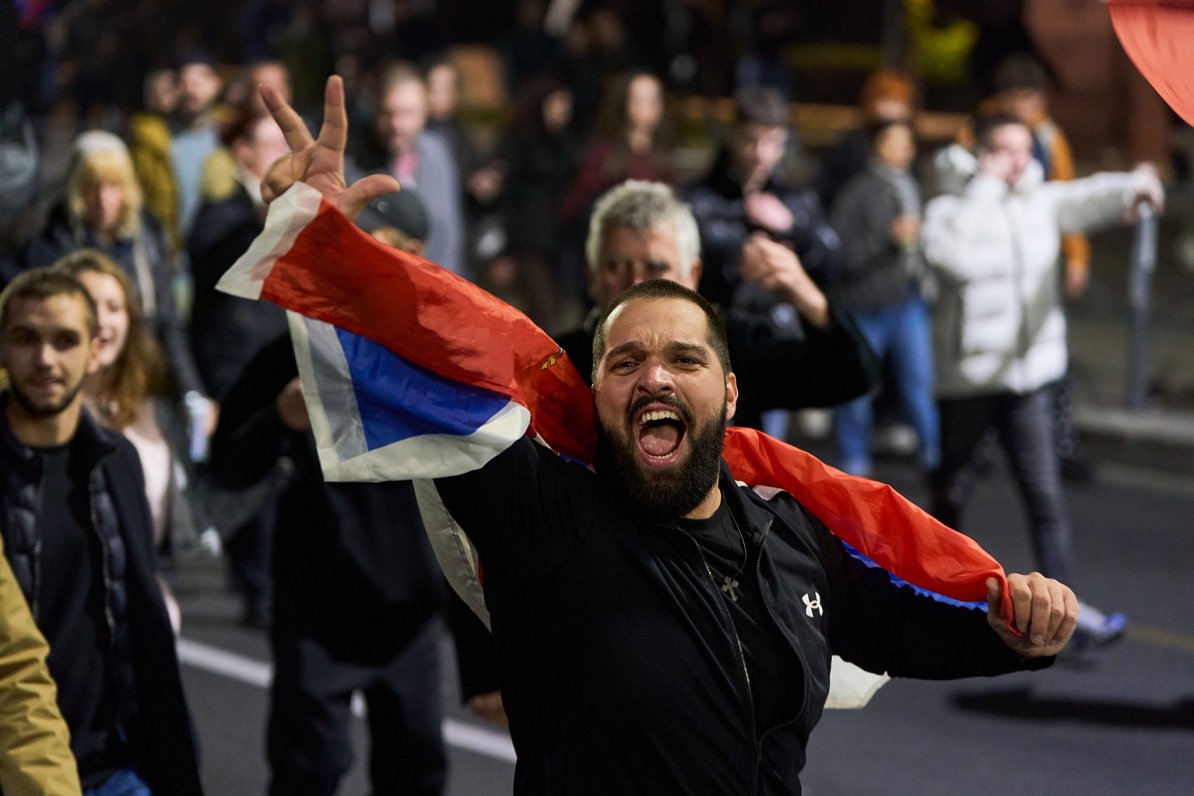
The European Union and Russia invite the Student List, which won Serbia's parliamentary elections, to cooperate, promising support for reforms and political stability in the country's future. #Serbija #StudentuSaraksts #ES (translated)

www.lsm.lv
Serbijas vēlēšanu uzvarētājus «Studentu sarakstu» uz sadarbību aicina gan ES, gan Krievija
2426
Il Fatto Quotidiano 18h

The Perito Moreno Glacier in Argentina recorded a retreat of 910 meters in 100 days, highlighting a worrying acceleration of its degradation and putting its stability at risk. #Ghiacciai #PeritoMoreno #CambiamentoClimatico (translated)

www.ilfattoquotidiano.it
Il Perito Moreno è in arretramento: quello argentino era uno dei pochi ghiacciai in condizioni “stabili”
1662
Digi24 19h

Sorin Grindeanu announced that PSD will request the government to take responsibility for two major reforms: the administrative-territorial reorganization and the restructuring of the governmental apparatus, aiming to relaunch the economy and maintain fiscal stability. #ReformeGuvernamentale #PSD #EconomiaRomaniei (translated)

www.digi24.ro
Grindeanu va cere angajarea răspunderii Guvernului pentru două reforme majore: „Vom arăta concret cum se face”
2364
L
lastampa.it 20h

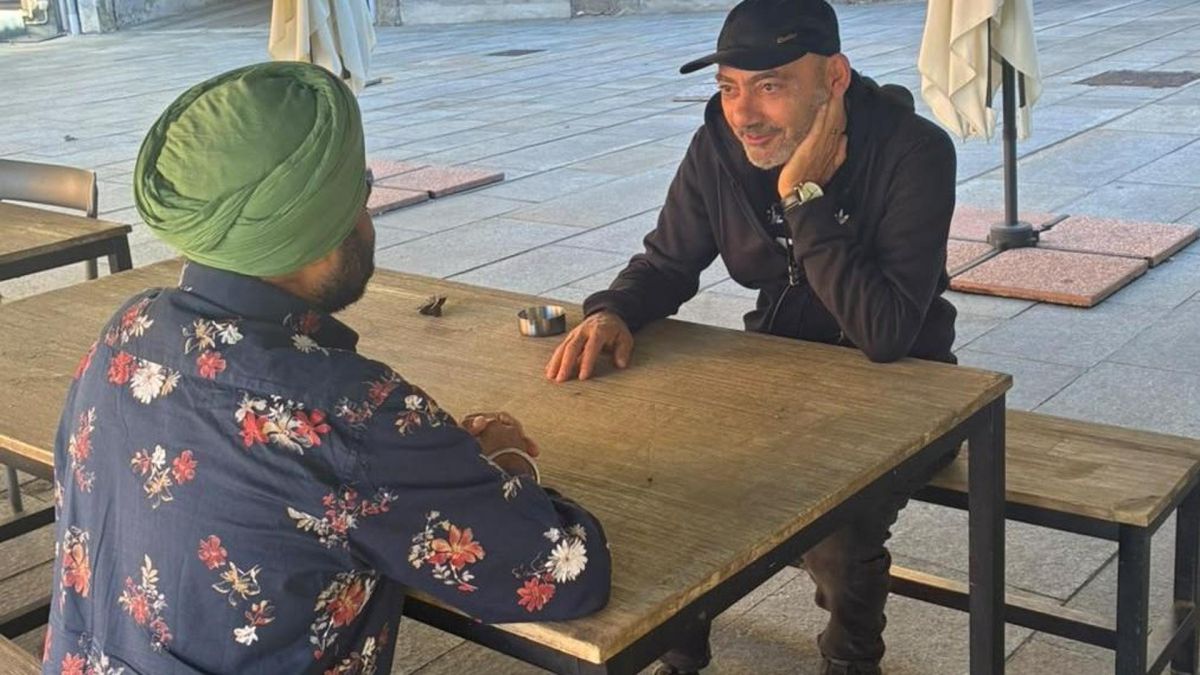
Ramesh Kumar, an Indian engineer, has lived an odyssey of suffering and exploitation in Italy, from a job scam to a life of hardship, before finally finding redemption and stability with a contract as an electrician in the San Benedetto Community of Alessandria. #Migrazione #Lavoro #Riscatto (translated)

www.lastampa.it
Da ingegnere a schiavo nelle stalle: l’odissea e il riscatto di Ramesh
1896
Frankfurter Allgemeine 2d

The return of María Corina Machado and the recent nationwide protests in Venezuela testify to the growing impatience of the opposition for free elections, while Washington focuses on other priorities, particularly economic stability and the rebuilding of the oil sector. #Venezuela #Demonstrationen #FreieWahlen (translated)

www.faz.net
Demonstrationen in Venezuela: Machado ist zurück – doch Washington gibt den Takt vor
2754
Bild 2d

FC Bayern Munich has concluded an impressive deal worth 250 million euros with Viessmann, for which 5 percent of the shares in FC Bayern AG were sold to secure the financial stability and international competitiveness of the club. #FCBayern #MillionenDeal #HerbertHainer (translated)

www.bild.de
Präsident Hainer spricht in BILD - So lief Bayerns 250-Millionen-Deal
2695
Il Fatto Quotidiano 2d

The instability of Ethiopia, amplified by Eritrea's support for the Alliance for Survival, is exacerbating the conflict in Tigray, making an inclusive political solution necessary to ensure long-term stability in the country. #Etiopia #Eritrea #Tigray (translated)

www.ilfattoquotidiano.it
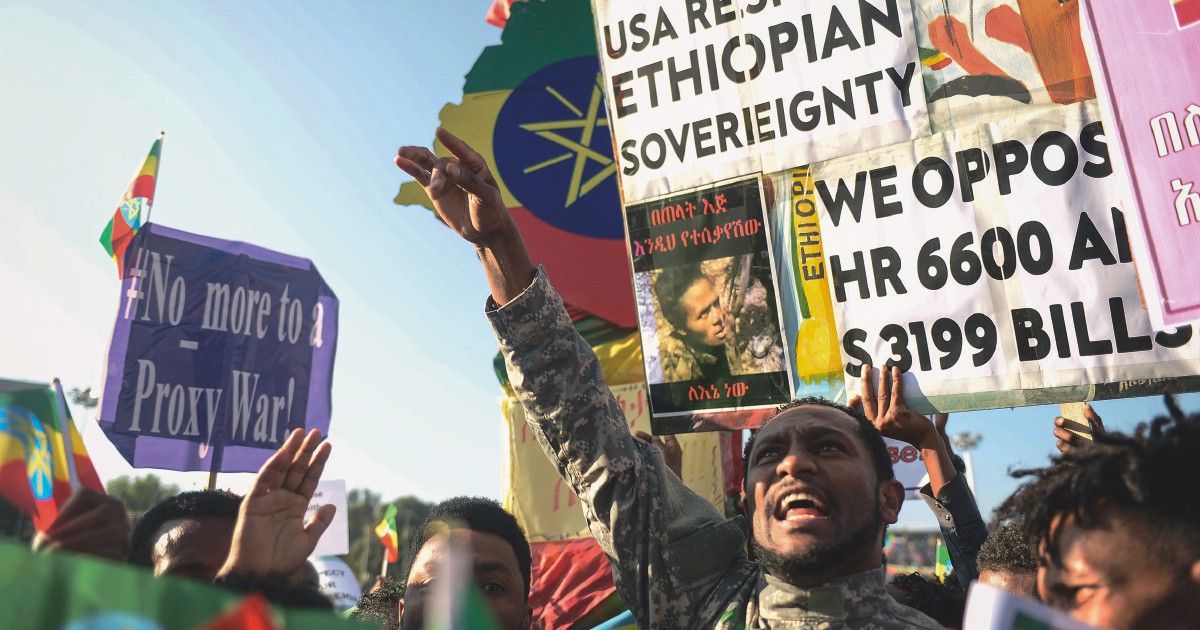
Così l’instabilità dell’Etiopia rischia di allargare il conflitto nel Tigray
2304
G
Gelu 2d

Don't change the time! Change the schedule, not the time! The biological rhythm is regulated by the Sun, not the clock. Time is not a work schedule that we can shift at will. Time is the measure by which we organize our lives, and nature has its own rhythm. The Earth does not change its rotation twice a year. The sun does not rise earlier because we decided to move the clock forward. Animals, birds, insects, and plants follow their biological rhythms related to light, darkness, and the natural succession of seasons. Humans are part of this nature. Our bodies have their own biological clock, fundamentally influenced by light. And when we officially move the clocks by one hour, we are not changing the course of nature, but rather asking humans to abruptly adapt to an administrative convention. Why do this every spring and reverse it every autumn? Is it natural to change the time or to adapt our schedules? Let's consider the majority of people: workers, farmers, students, teachers, parents, retirees, people who must adhere to a schedule set by others. They cannot always modify their schedules at will. They need to wake up at a certain hour, get to work, take a child to school, or comply with the public transport timetable. In contrast, there are people and organizations that have the opportunity to adapt their schedules based on the season, natural light, or the needs of their activities. If, for some people, changing their schedule is feasible, why impose the time change on everyone? Let's take a hypothetical example: if 10% of people have the freedom to adapt their schedule, is it fair to change the time for all those who do not have this freedom? Would it not be more logical to change the schedule where needed, rather than change the time by which the entire society organizes itself? Stores can modify their opening hours. Factories can adapt their shifts. Institutions can adjust their schedules, and schools and public transport can analyze timetables according to local conditions and people's needs. We do not all have to operate on the same schedule to live by the same time. Nature does not need our approval to follow its rhythm. In spring, the days lengthen. In autumn, the days shorten. This is the natural rhythm of the Earth, which we can observe without moving even a single clock hand. If we want to start activities earlier in summer, we can start sooner. If winter requires a different schedule, we can adapt it. But why change the official time, get used to a new convention, and then revert to the old one? Would it not be simpler to keep the same time all year round and organize our activities according to the season? I do not claim that all living beings measure time in hours and minutes. I assert something more important: their biological rhythms are linked to the natural cycle of light and darkness, not to the numbers we display on the clock. And humans should take this truth into account when organizing their lives. The economy must serve people, not people be permanently forced to adapt to the economy. One argument presented in favor of changing the time is the more efficient use of natural light or the reduction of energy consumption. But the actual effects depend on the country, season, population habits, and how energy is used. If we want to save energy, let's examine actual consumption. If we want more light during activities, let's adapt the schedules. If we want to improve work organization, let's change the timetables where possible. There is no need to change the time for the whole society to achieve flexibility in certain areas. The schedule is a tool we can adapt. The time should be a stable reference. We cannot stop the seasons. We cannot modify the Earth's rotation. We cannot ask nature to adapt to our clock. But we can organize our lives more wisely. Instead of moving the clock hands twice a year, we can learn to adapt our schedules to the reality around us. Instead of changing the time for everyone, we can allow each field to find the appropriate schedule, within the bounds of the law and with respect for people's rights. Let's keep the time stable and make the schedules flexible! Let's leave time in peace. Twice a year, millions of people are forced to change their clocks, schedules, and biological rhythms to adapt to an administrative decision. It is said that changing the time brings economic or energy benefits. However, in modern society, these advantages are increasingly contested, while the disadvantages are felt by nearly the entire population. People, animals, and plants do not live by the clock on the wall, but by the natural rhythms of the Earth. The human body is regulated by the alternation of light and darkness. When we artificially move the time forward or back, we disturb this balance. Many people sleep worse, feel more tired, and need days or weeks to readjust. Living beings do not change their schedules twice a year. Birds do not migrate by the clock, cows do not produce milk according to the official hour, and dogs do not understand why their owner takes them for a walk an hour earlier. Nature follows the sun, not administrative decisions. There is also a principle issue. For a relatively small percentage of people and activities that would benefit from more light in the evening, the schedule of the entire society is modified. About 90% of people are forced to adapt, even though they did not ask for this and do not gain direct advantages. It would be more logical for the sectors that need a different schedule to adapt it themselves. Stores can open earlier or later. Factories can modify their work shifts. Schools, institutions, and companies can adjust their schedules as needed. It is much easier for certain organizations to change the schedule in a targeted manner than to change the official time for the entire population. Moreover, modern technology has greatly diminished the argument for saving energy. Lighting now represents a smaller proportion of total consumption, while air conditioning, computers, and other equipment operate regardless of time changes. The time should serve people, not people be obliged to serve the time. A modern society can function efficiently without moving the clock hands twice a year. Stability, health, and respect for natural rhythms are stronger arguments than the tradition of a measure introduced in another era. Therefore, the most rational solution is to keep the same time throughout the year and adapt schedules where necessary, rather than changing the lifestyle rhythm of an entire population. Why should we keep the same time all year? Changing the time twice a year represents an artificial intervention in the natural rhythm of society. Although it was introduced with the intention of saving energy, numerous modern studies show that the benefits are minimal, while the social, medical, and economic costs are significant. 1. The biological rhythm is regulated by the Sun, not the clock. The human body operates according to an internal biological clock, synchronized with the natural alternation of day and night. Research in chronobiology shows that artificial changes in time disrupt sleep, concentration, and metabolism. In the days following the switch to summer time: - sleep disorders increase; - more traffic accidents occur; - productivity at work decreases; - there is an increase in the risk of heart attacks and other cardiovascular problems. In practice, millions of people are forced to suffer a slight "jet lag" without having traveled anywhere. 2. Nature does not change the time. Animals and plants regulate their activity according to light. Birds, insects, domesticated and wild animals do not change their schedules just because the government decides to move the clock forward by one hour. Farmers often observe that cows continue to adhere to their biological schedule regardless of the change in official time. The same happens with many other living beings. In reality, we are changing the clock display, not the position of the Sun in the sky. 3. Economic benefits are diminishing. Changing the time was introduced in an era when lighting consumed a significant proportion of the energy used by the population. Today: - lighting is much more energy-efficient; - the main consumption comes from air conditioning, heating, servers, computers, and appliances; - estimated savings are very low or even nonexistent in many states. In contrast, the economic costs are real: - employee productivity decreases after the time change; - absenteeism increases; - additional costs associated with accidents and medical problems arise; - computer and logistics systems need to be periodically adjusted. 4. It is unfair to change the schedule of all for the needs of a minority. If certain economic sectors find it useful to start activities earlier in summer, they can adapt their schedules. For example: - stores can operate from 07:00 to 21:00 instead of 08:00 to 22:00; - factories can alter shifts; - public institutions can temporarily adjust working hours; - schools and companies can decide locally what schedule is optimal. It is much simpler for 10% of organizations to change their schedule than for 100% of the population to change their biological clock. 5. Stability means efficiency. Transport, information systems, international economic activities, and public services function more smoothly when the official time remains constant. One hour throughout the year: - reduces scheduling errors; - simplifies transport and communications; - eliminates confusion regarding timetables; - provides predictability for citizens and companies. Conclusion The sun does not change its time. The Earth does not change its time. Nature does not change its time. Only humans move the clock hands and then endure the consequences of this decision. Instead of modifying the schedule of an entire society twice a year, it is more logical to keep the same time constantly and allow those fields that need a different schedule to adapt their programs individually. This way, natural biological rhythms are respected, economic costs are reduced, and the comfort of the majority of the population is increased. A modern society needs flexibility in scheduling, not the constant change of the clock. (translated)

555
D
der Standard 3d

German Chancellor Friedrich Merz warned at the CSU party convention about the pressure from extremist parties and foreign enemies, particularly Russia, and emphasized the need for economic reforms to strengthen social stability in Germany. #CSU #FriedrichMerz #Deutschland (translated)

www.derstandard.at
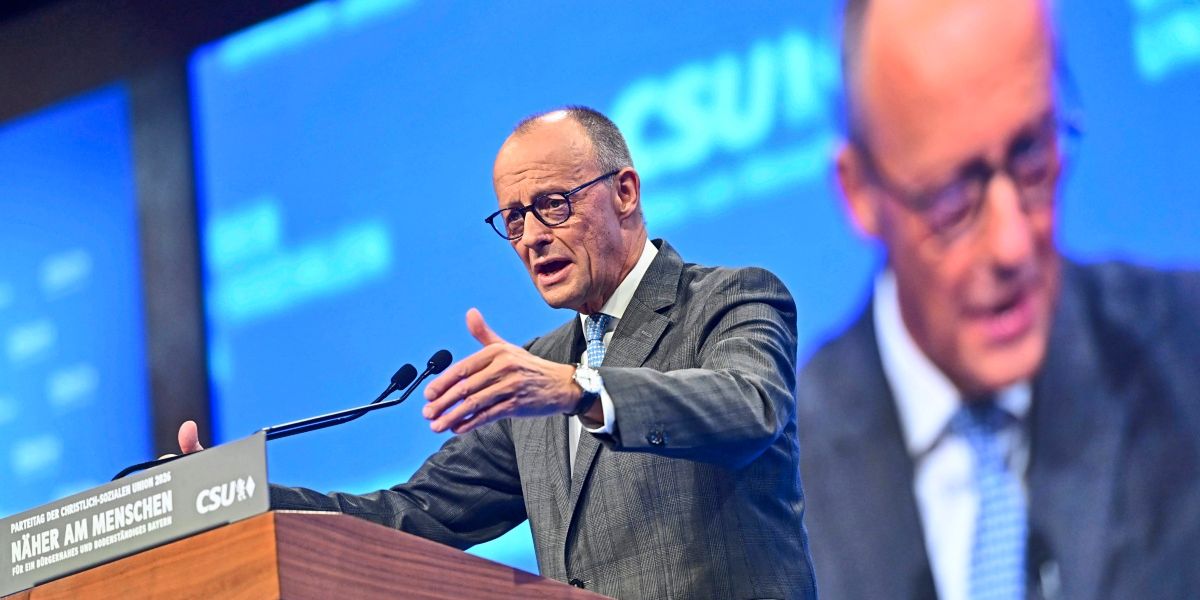
Merz: Deutschland unter Druck "extremistischer Parteien und ausländischer Feinde"
2901
Frankfurter Allgemeine 3d

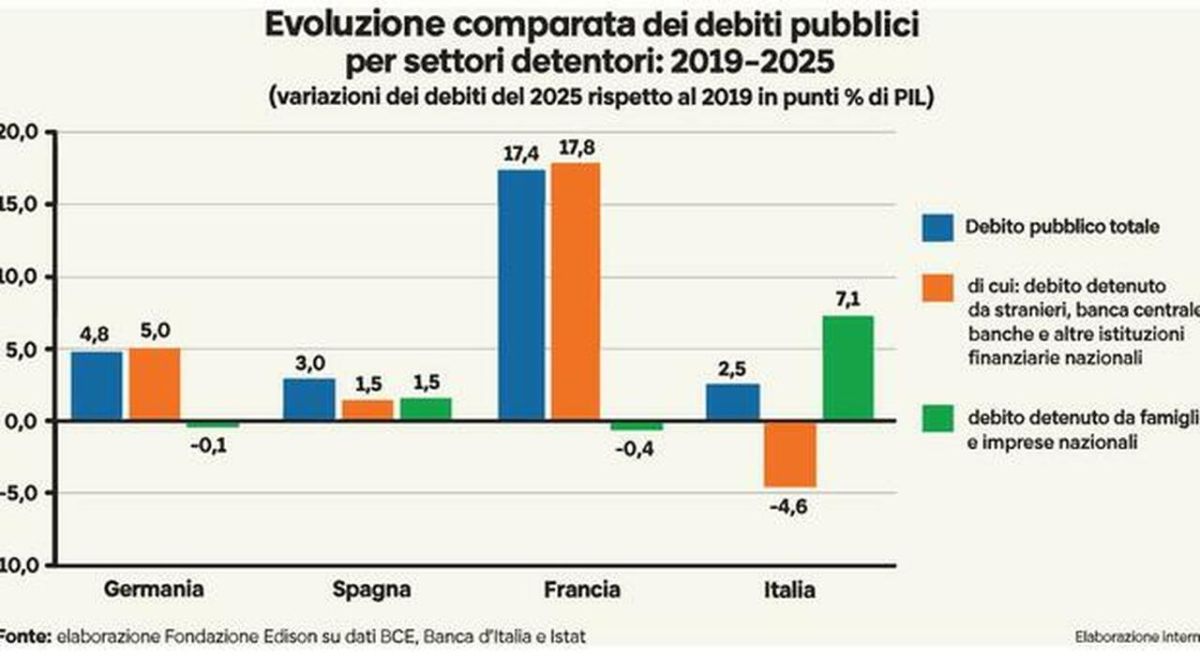
France's high public debt and chronic budget deficits are shaking confidence in the second largest economy in the Eurozone and pose a new test for the stability of the euro. #Staatsverschuldung (translated)

www.faz.net
Staatsverschuldung: Frankreich ist eine Belastungsprobe für den Euro
2680
Kurier 3d

Montenegro aims for EU membership by 2028 and hopes to achieve economic and political stability through European funding and stricter regulations, while currently struggling with numerous internal challenges and political clans. #Montenegro #EUBeitrag #Balkan (translated)

kurier.at
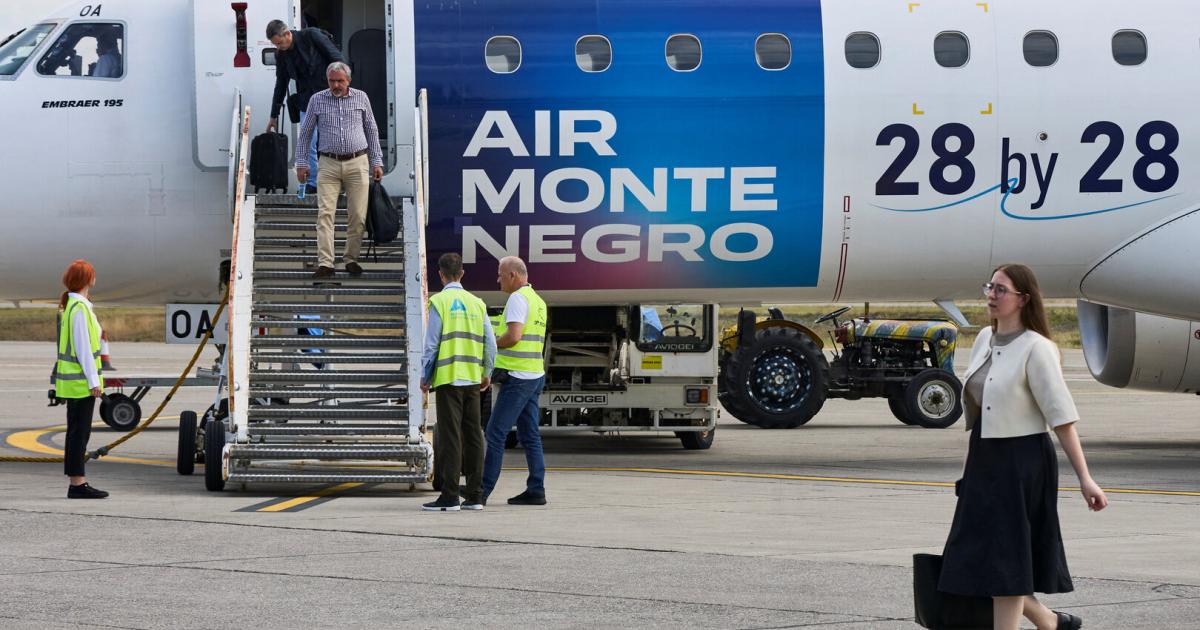
Bringt die EU endlich Regeln? Was sich Montenegro vom Beitritt erhofft
2795
Il Messaggero 3d

The recent success of the placement of Btp Valore for 16.6 billion euros, despite tensions in the global bond markets, reflects the extraordinary confidence and savings of Italians, who continue to invest in their country thanks to political stability and improvement in public finances. #BtpValore #debitoPubblico #fiducia (translated)

www.ilmessaggero.it
Il patrimonio inestimabile della fiducia
3023
tagesschau.de 4d

France's bond yields reach their highest level since 2002, raising concerns about a potential contagion to other highly indebted Eurozone countries and a new Euro crisis, as political uncertainty and the rising debt burden threaten the country's financial stability. #Eurokrise #Frankreich #Anleiherenditen (translated)

www.tagesschau.de
Frankreichs Schuldenkrise: Droht eine neue Eurokrise?
2807
L
lastampa.it 5d

The article analyzes how the stability of the Meloni government, despite initial successes, is facing increasing difficulties due to social unrest and protests by youth and truck drivers, highlighting the inadequacy of the measures taken to address Italy's structural problems. #GiorgiaMeloni #crisienergética #giovani (translated)

www.lastampa.it
Giovani e camionisti, ecco perché la stabilità del governo sta diventando un problema per Meloni
2704
tagesschau.de 5d

The SPD demands improvements to the care reform and insists on a revision of the draft law to ensure the financial stability of the long-term care insurance and to maintain the solidarity character of the welfare state. #Pflegereform #SPD #Gesundheitspolitik (translated)

www.tagesschau.de
SPD will Pflegereform nachbessern
3269