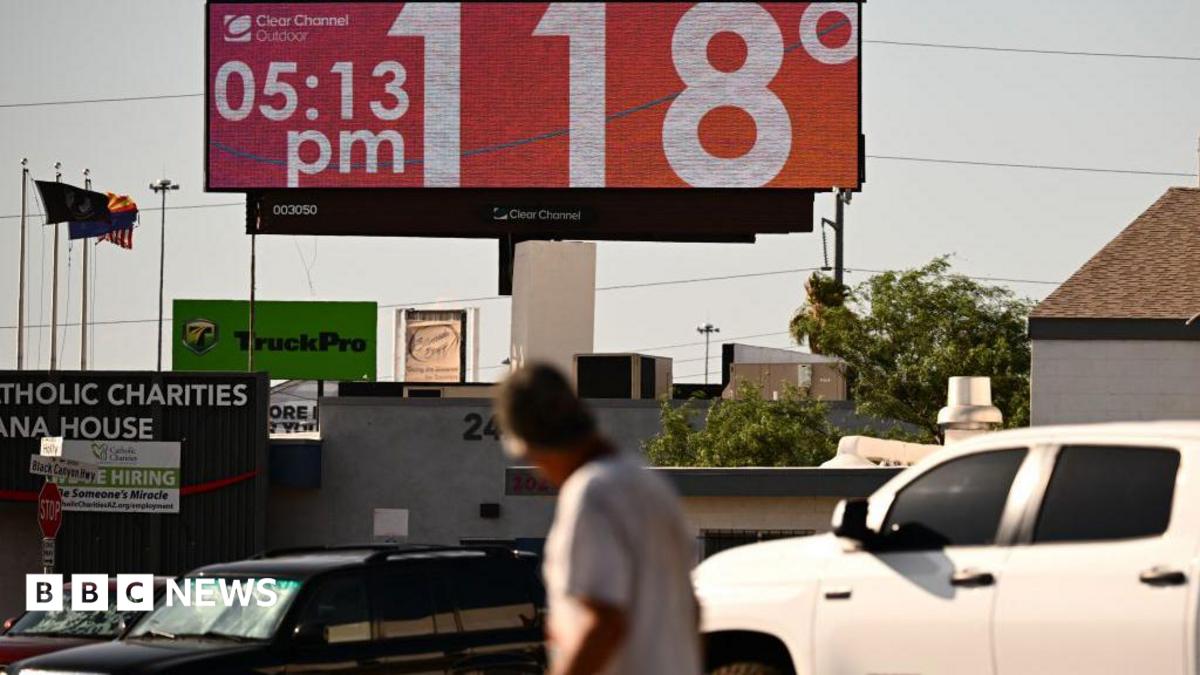

Meteorologen, die sich wundern, dass man in versiegelten, asphaltierten und zubetonierten Städten mit wenig Grünflächen neue Temperaturrekorde messen kann. Das nennt sich Wärmeinsel- oder Urban Heat Island-Effekt🤡 #UrbanHeatIsland #Wärmeinsel #Klimawechsel

Quando una massa d’aria calda inizia lentamente a perdere forza in quota, non è detto che dentro una città il miglioramento si senta subito perchè i centri urbani hanno una memoria termica. Asfalto, cemento, muri, tetti, piazze esposte al sole accumulano calore per ore e poi lo rilasciano lentamente, soprattutto la sera e durante la notte, per questo può capitare che l’atmosfera sopra di noi inizi a cambiare, magari con geopotenziali un po’ più bassi o aria meno calda in quota, ma in città la sensazione resti ancora pesante. Non è una contraddizione, è il modo in cui il calore viene immagazzinato e restituito dall’ambiente urbano. Negli ultimi decenni abbiamo spesso costruito città più dense, più impermeabili, più asfaltate, con meno ombra e meno verde e questa urbanizzazione selvaggia amplifica l’isola di calore urbana, di giorno le superfici si scaldano di più, di notte si raffreddano più lentamente. Il verde urbano non è un dettaglio estetico ma una necessità, alberi, parchi, suoli permeabili e vere foreste urbane possono fare una differenza concreta con ombra, evapotraspirazione, minore temperatura delle superfici, miglior raffrescamento serale. Non cancellano un’ondata di caldo subtropicale continentale ma possono renderla meno dura da vivere. La meteorologia ci dice quale massa d’aria arriva ed il modo in cui costruiamo le città decide quanto quella massa d’aria pesa davvero sulla nostra vita quotidiana. Sembra un problema relativo ma in realtà può avere un impatto importante anche sulla diminuzione delle temperature, non decisivo, ma sicuramente determinante. Roma, in questi mesi, è un esempio molto concreto di come stiamo totalmente sbagliando la strada da percorrere. In alcune aree interessate dai lavori del Giubileo sono stati rimossi alberi e sostituiti spazi ombreggiati con superfici dure, aperte, cementificate. Al di là del giudizio urbanistico, dal punto di vista fisico il risultato è semplice, meno ombra, meno evapotraspirazione, più calore assorbito di giorno e più calore restituito la sera ed i valori termici sia massimi che minimi salgono anche fino a 2-3 °C in piu' di quello che dovrebbero. Rimettiamo la natura al centro delle città, non come arredo, come strumento concreto per rendere il caldo meno invivibile. #UrbanHeatIsland #SustainableCities #GreenUrbanism


Delhi is experiencing extreme heatwaves with official temperatures exceeding 40°C, but thermal imaging reveals surface temperatures soaring above 60°C, highlighting the severe impact of urban heat on residents, particularly those who must work outdoors in such conditions. #Heatwave #UrbanHeat #ClimateChange
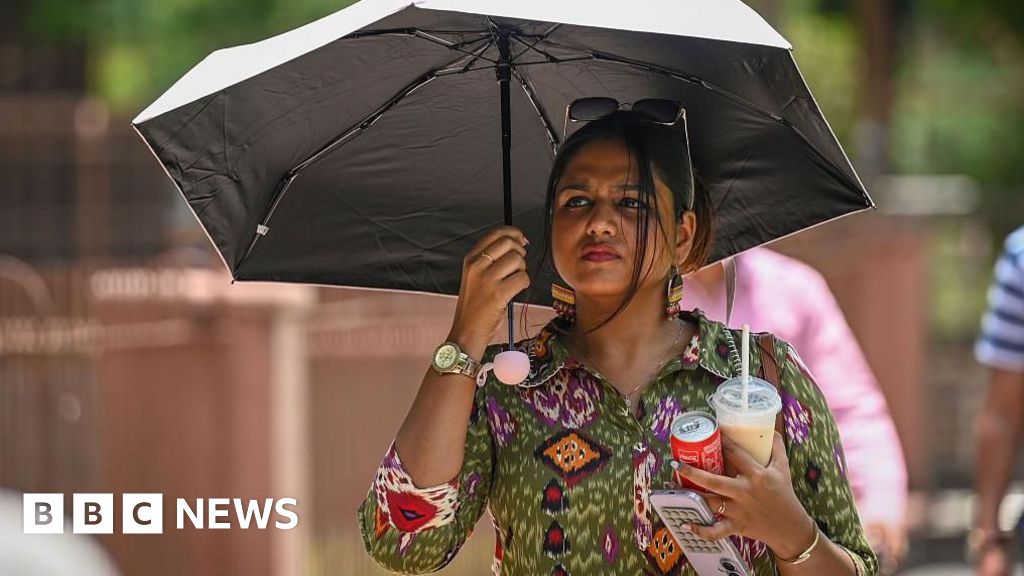

France is facing unprecedented heat as it experiences its hottest May on record, with temperatures soaring due to a powerful heat dome, raising concerns about the country's climate preparation and public health amidst warnings of further extreme weather events. #ClimateChange #Heatwave #UrbanHeatIsland
On May 11, Pune recorded its highest temperatures in the past decade, with 43.8°C in Lohgaon and 41.6°C in Shivajinagar, attributed to current weather conditions and rapid urbanization leading to urban heat islands, where areas with cement and concrete absorb and retain heat more than regions with vegetation, adversely affecting the well-being of residents and contributing to health-related issues, as observed in a study by local researchers. #UrbanHeat #ClimateChange #RisingTemperatures #IN
On May 11, Pune recorded high temperatures of 43.8°C in Lohgaon and 41.6°C in Shivajinagar, marking the hottest readings in the last decade, with climate change and rapid urbanization, particularly due to concrete surfaces creating urban heat islands, being identified as key contributors to this phenomenon. #UrbanHeatIsland #ClimateChange #TemperatureRise #IN
On May 11, extremely high temperatures of 43.8°C were recorded in Lohgaon and 41.6°C in Shivajinagar, marking the highest levels in the past decade, which experts attribute to current weather conditions and rapidly increasing urbanization, as concrete infrastructure creates urban heat islands that exacerbate heat stress and negatively impact public health. #UrbanHeatIsland #ClimateChange #HeatWave #IN
On May 11, Pune recorded its highest temperatures in a decade, with 43.8 degrees Celsius in Lohgaon and 41.6 degrees Celsius in Shivajinagar, attributed to current weather conditions and rapid urbanization, which creates heat islands due to cement and concrete infrastructure, impacting health and contributing to urban heat stress. #UrbanHeat #ClimateChange #PuneWeather #IN