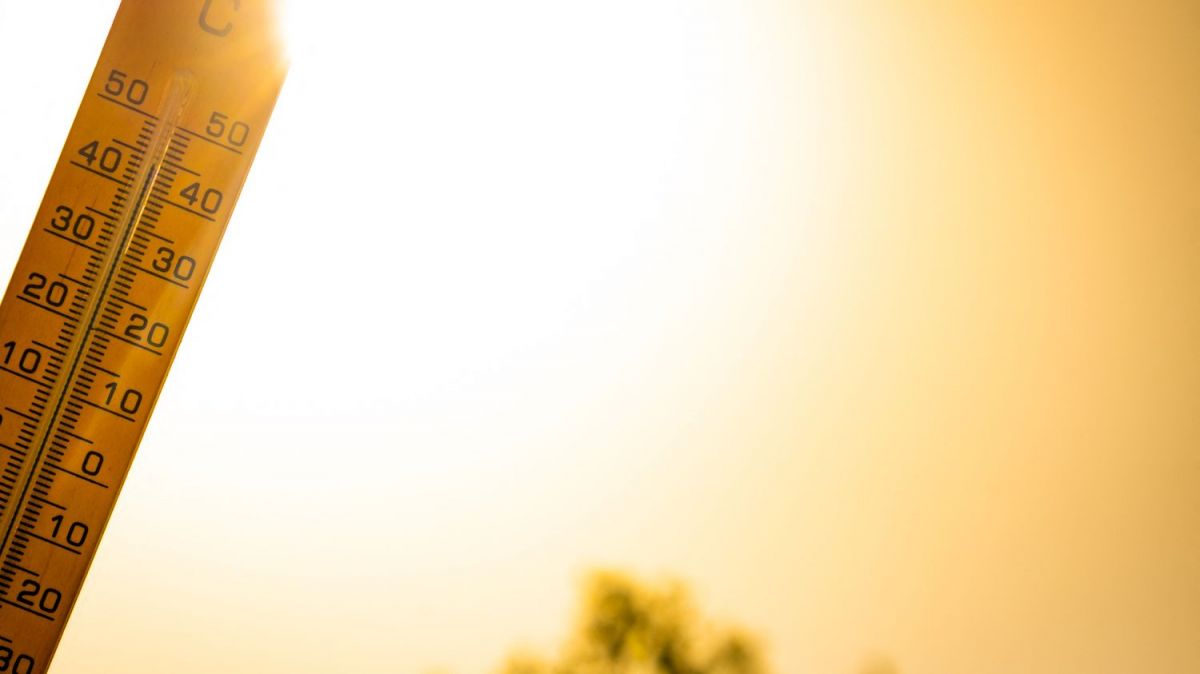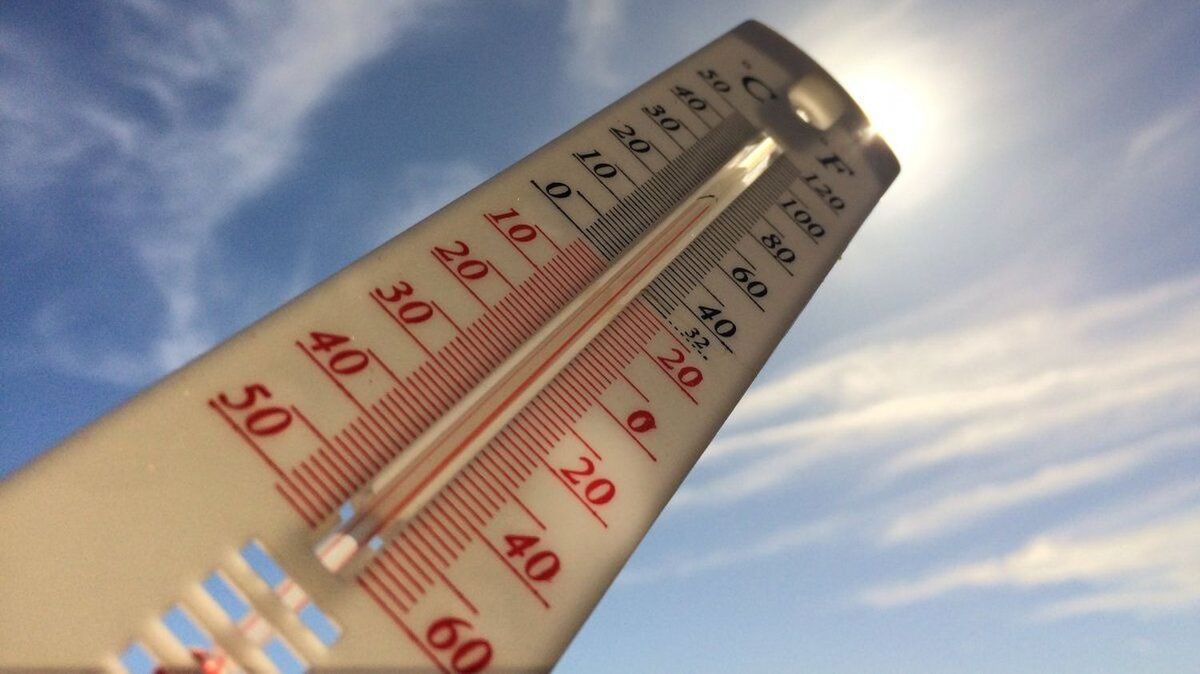
The summer of 2026 broke all heat records in France, reaching an average temperature of 24.1°C, thus marking the hottest season since measurements began in 1900. (translated)

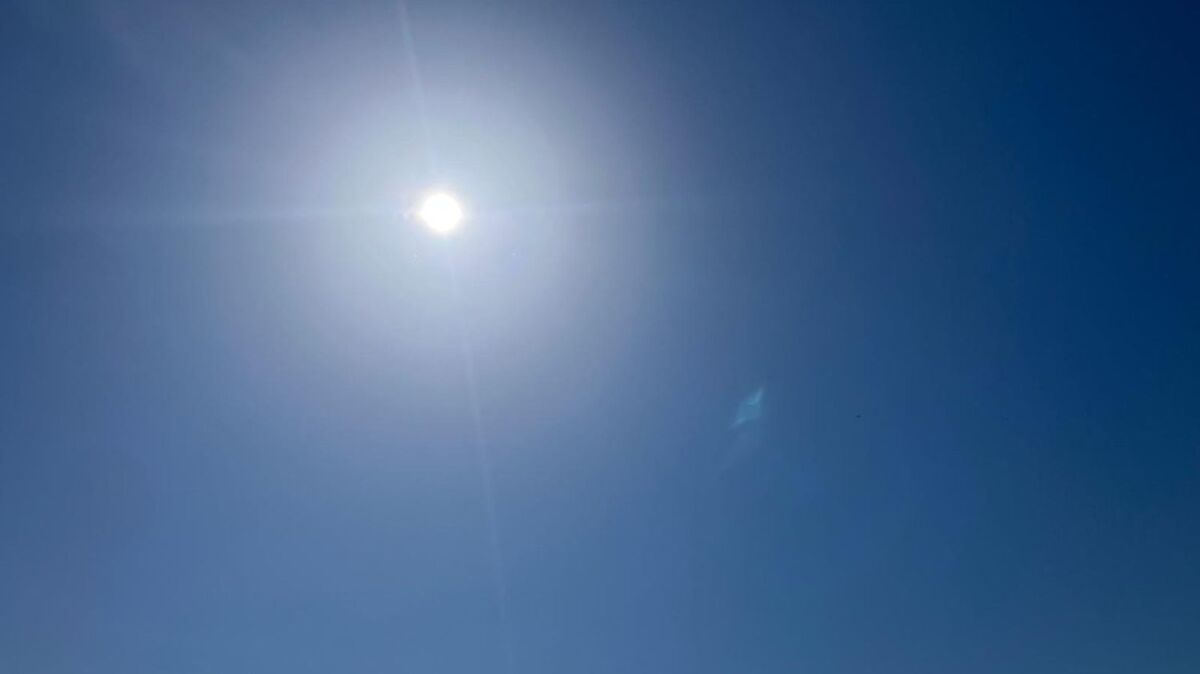
The summer of 2026 broke all heat records in France, reaching an average temperature of 24.1°C, thus marking the hottest season since measurements began in 1900. (translated)

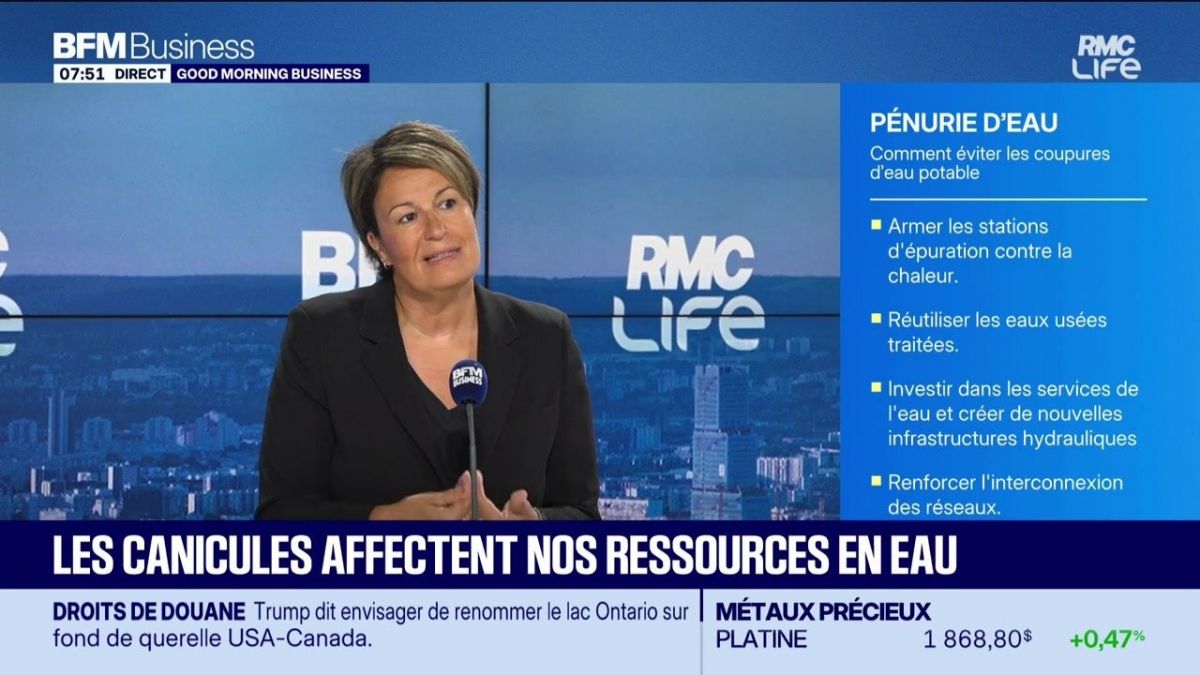
Estelle Grelier, president of Saur France, discussed with Brigitte Boucher the management of drinking water and sanitation as well as the necessary preparations in the face of increasing droughts during the Good Morning Business program on BFM Business. (translated)

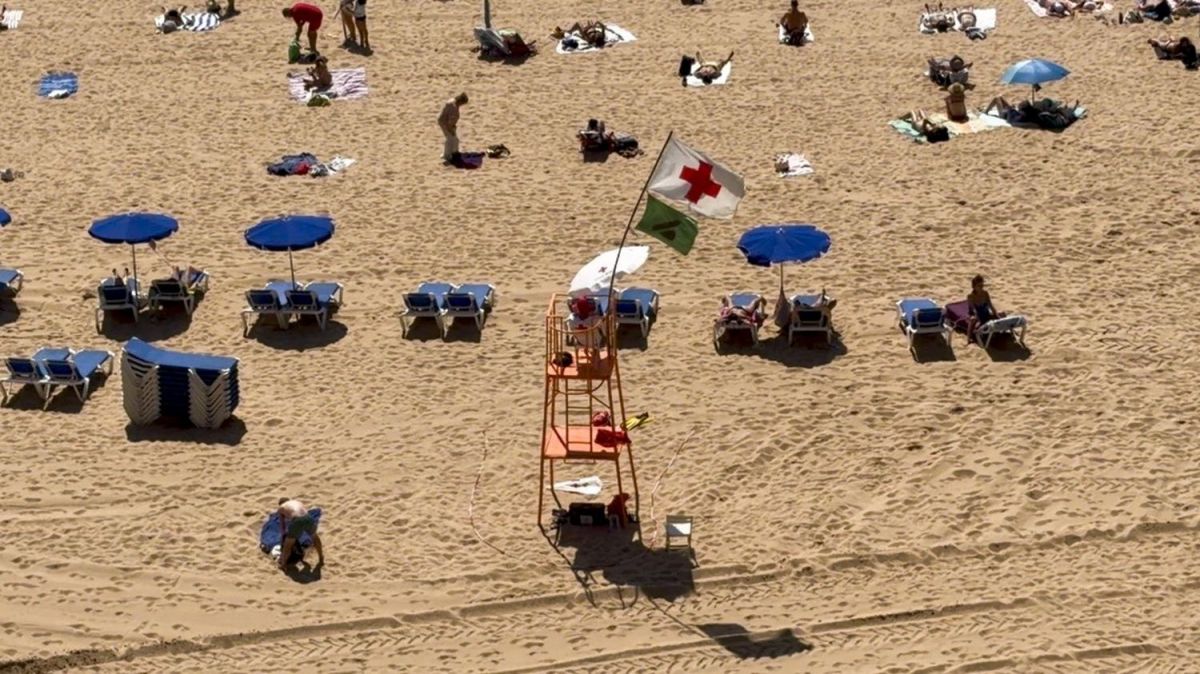
The northern regions of Spain, such as Galicia, Asturias, Cantabria, and the Basque Country, are increasingly attracting tourists fleeing heatwaves, recording a significant increase in the number of visitors due to milder temperatures and the enthusiasm generated by social media. (translated)

The summer of 2026 recorded an unprecedented number of weather stations exceeding 40°C in France, with a total of 2,153 days of extreme heat, far surpassing the previous record of 2003, reaching unprecedented levels of heat in several regions. (translated)

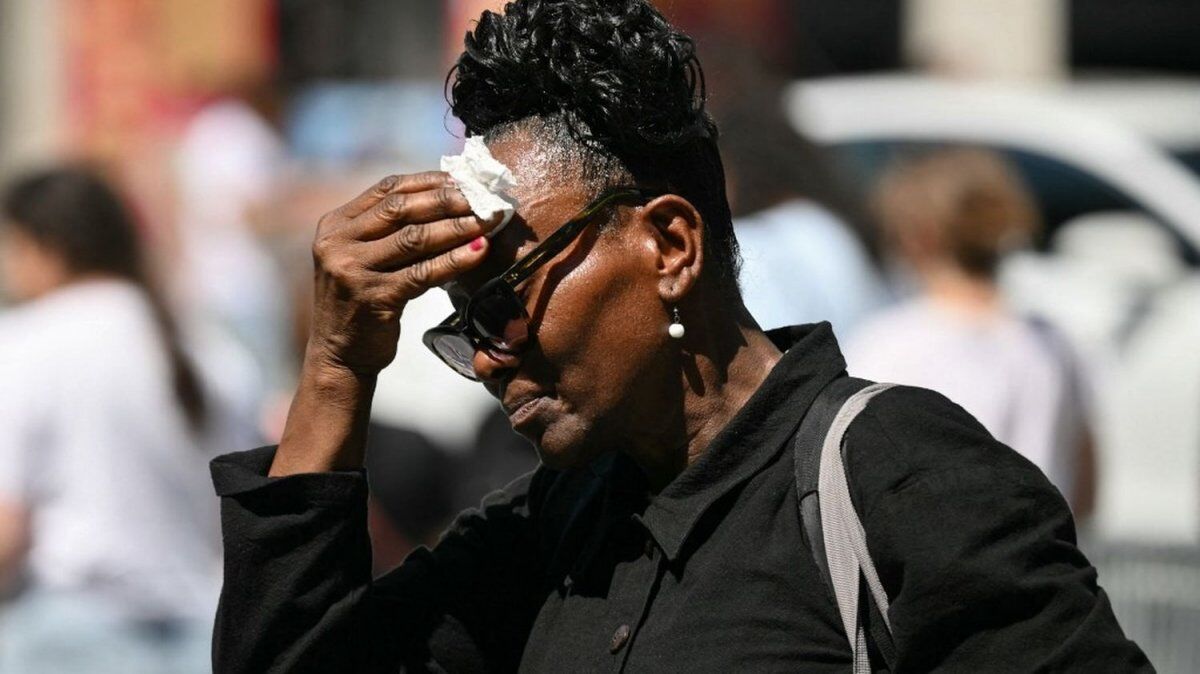
Since the beginning of the summer of 2026, France has recorded a record total of 52 days of heatwaves, illustrating a worrying trend of increasing frequency, intensity, and duration of these climate phenomena, which highlights the impacts of climate change. (translated)

In 2026, France had already recorded 52 days of heat waves, an unprecedented figure since records began in 1947, illustrating a growing trend in their frequency and duration. (translated)

In the Arcachon basin, the rise in water temperature to 25 degrees Celsius, due to heatwaves, seriously threatens local fauna and flora, particularly seahorses, whose habitats are weakened and degraded due to the proliferation of algae. (translated)

In 2026, France set a record with 52 days of heatwaves, including three consecutive episodes, making this the hottest year since records began in 1947, while Western Europe also experienced an exceptionally hot summer marked by droughts and fires. (translated)
In 2026, France recorded a record 52 days of heatwaves, with three distinct episodes occurring since mid-June, far surpassing the 33 days of 2022 and the 22 days of the summer of 2003. (translated)

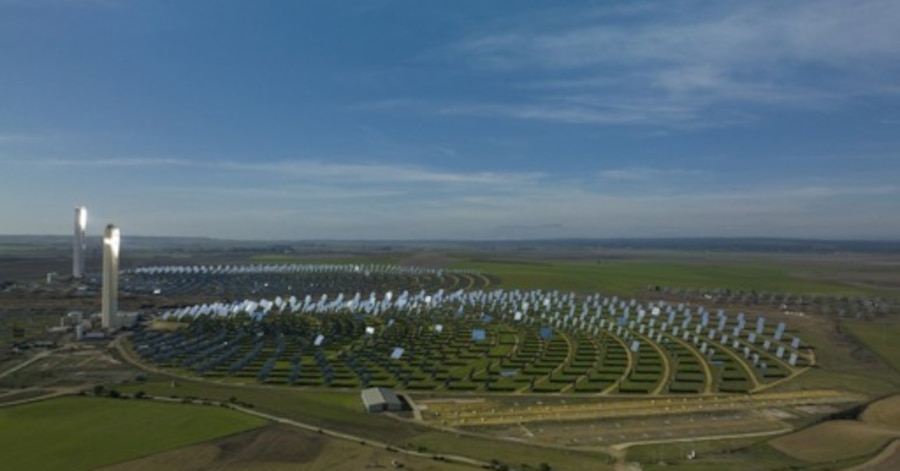
The study by the Ember think tank reveals that solar energy production in Europe increased by 17% during the heatwaves in June and July, thereby meeting the growing demand for electricity, although reliance on gas-fired power plants remains critical in the evening when demand remains high. (translated)

According to a study by the think tank Ember, solar energy production in Europe increased by 17% during the heat waves in June and July, helping to stabilize the power grid in the face of increased demand, although reliance on gas plants remains crucial in the evening due to the intermittent nature of solar energy. (translated)
A study by the think tank Ember reveals that solar energy production in Europe increased by 17% during the heatwaves in June and July, helping to meet increased electricity demand, while other energy sources faced challenges, highlighting the importance of combining solar and battery storage to strengthen the electrical grid during periods of extreme heat. (translated)
In July 2026, the United States recorded its hottest month ever known, with an average temperature of 24.9°C, breaking a record from 1936. (translated)

In July 2026, Western Europe recorded record temperatures, resulting in widespread drought, devastating fires, and soil moisture levels well below those of the previous year, exacerbated by climate change, according to data from Copernicus. (translated)
A fifth heat wave will gradually affect France, reaching temperatures close to 40 degrees by the end of the week, with a return of slightly cooler air expected in 15 days according to Predict Services. (translated)

The summer of 2026 set heat records in Western Europe, with average temperatures in June and July reaching unprecedented levels, causing repeated heat waves, widespread drought, and wildfires, all exacerbated by climate change and the effects of El Niño. (translated)
Western Europe recorded its hottest summer start ever, with record temperatures and extreme weather conditions linked to climate change, while the oceans also reached unprecedented heat levels, exacerbating drought and wildfires in the region. (translated)

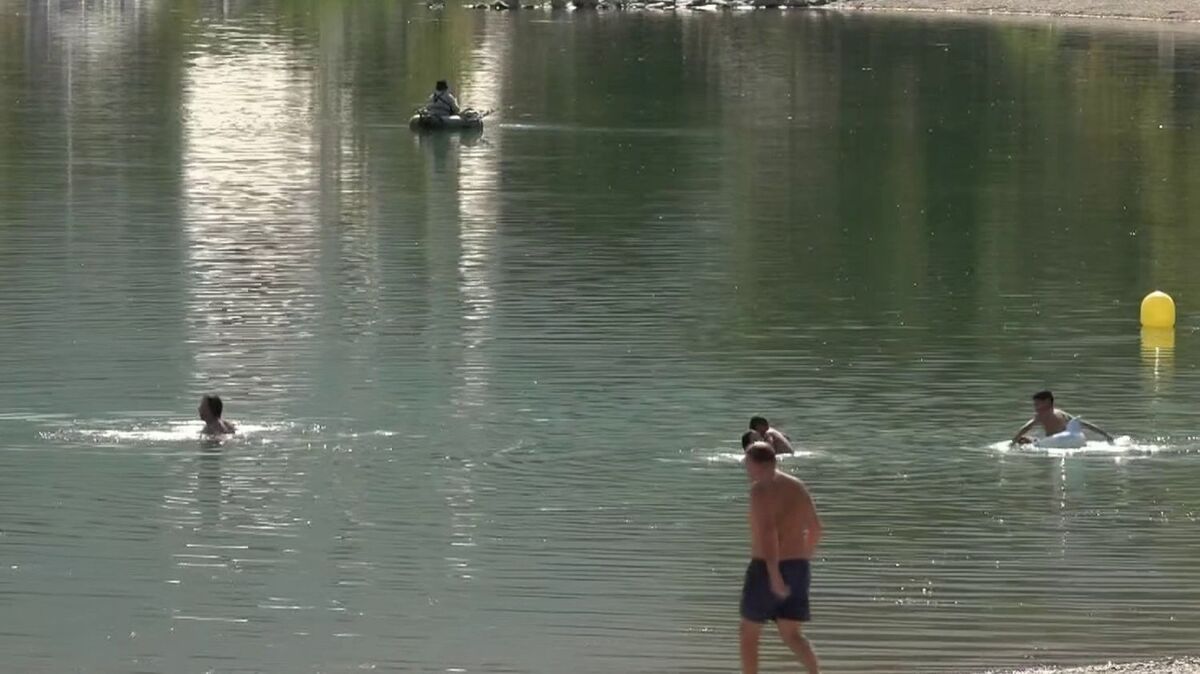
The number of drownings in France has increased considerably, with 274 deaths recorded between May and mid-July 2026, largely due to the heatwaves, while enhanced safety measures are being implemented to prevent further incidents. (translated)

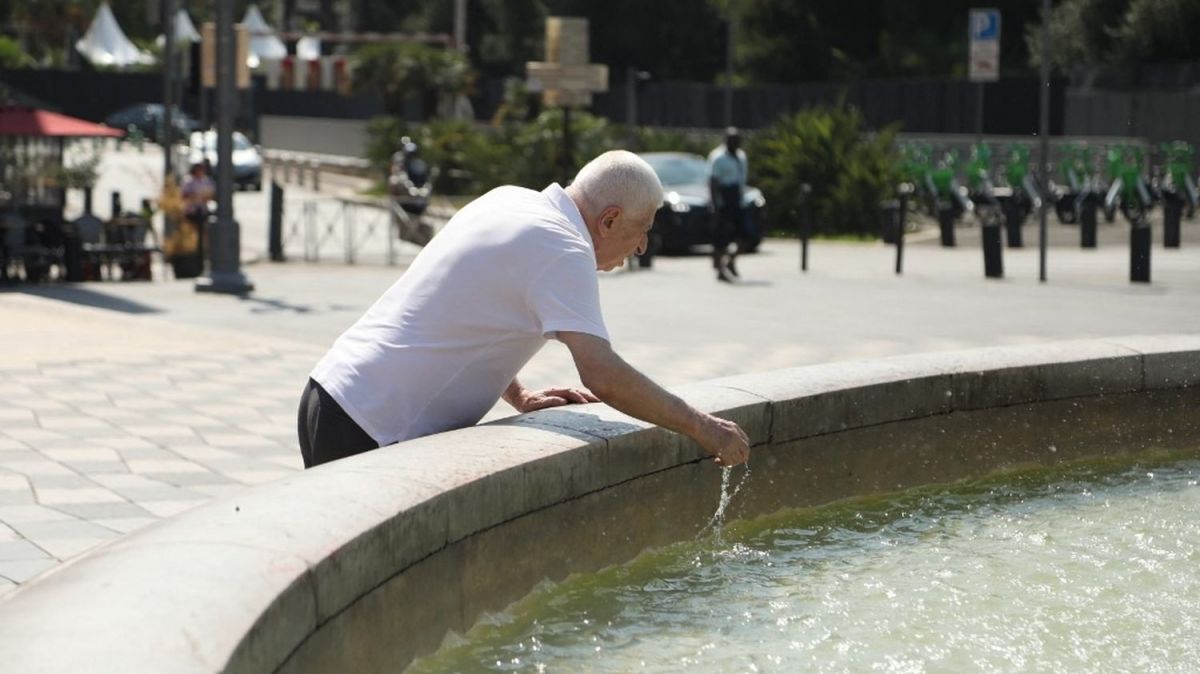
The government and the Ademe have launched an interactive map allowing the French to locate nearly 43,000 cooling spaces to escape the heat waves, while encouraging the sharing of information among citizens about these refreshing places. (translated)

The CEO of Météo-France, Virginie Schwarz, warns that heatwaves will increase fivefold by 2050, highlighting that the last fifteen years have already experienced more extreme heat events than the previous sixty. (translated)