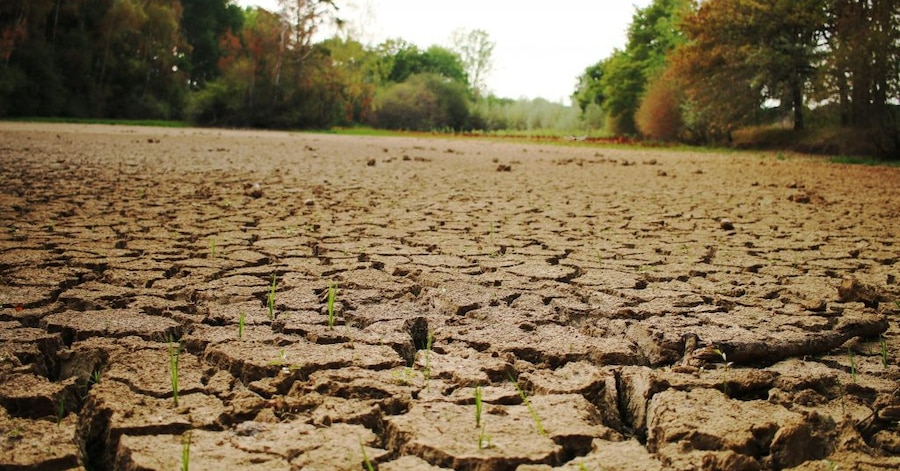
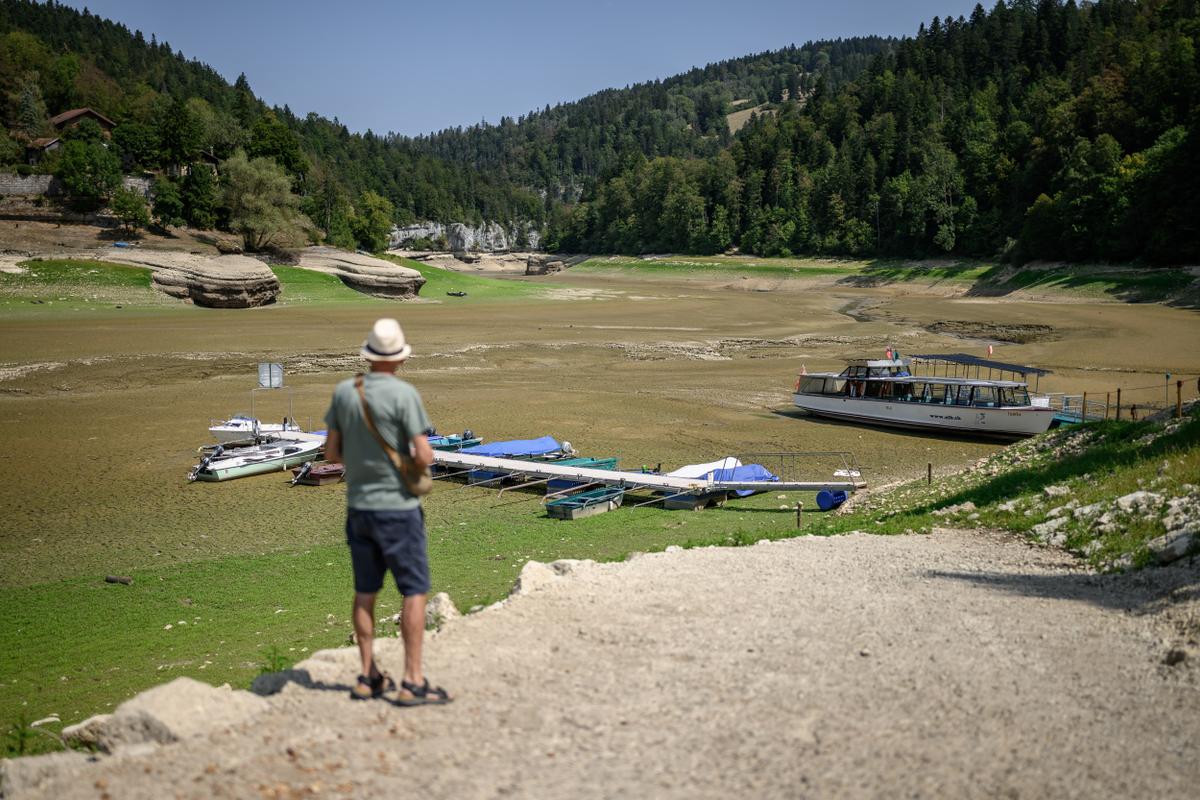
The heatwaves and drought will lead to a loss of 0.1 percentage points of GDP for the French economy in 2026, according to the Ministry of Economy, due to a significant decline in agricultural production, particularly of corn. (translated)

The heatwaves and drought will lead to a loss of 0.1 percentage points of GDP for the French economy in 2026, according to the Ministry of Economy, due to a significant decline in agricultural production, particularly of corn. (translated)

The government has decided to postpone the announcements of its emergency plan for farmers by a few days, originally scheduled for September 3, after a summer marked by a historic drought. (translated)

Drought and the rising costs related to the war in the Middle East are prompting the food industry to consider price increases for products like pasta, despite efforts by distributors to limit the impact on consumers. (translated)

At the Rungis market, the heatwaves and drought this summer have caused crop losses of up to 100% for certain varieties of fruits and vegetables, leading to price increases and a greater reliance on imports. (translated)

In an interview on Good Morning Business, Jean-François Loiseau, president of Ania, warns about the water-related challenges for the agri-food industry, highlighting its vital importance following recent droughts. (translated)

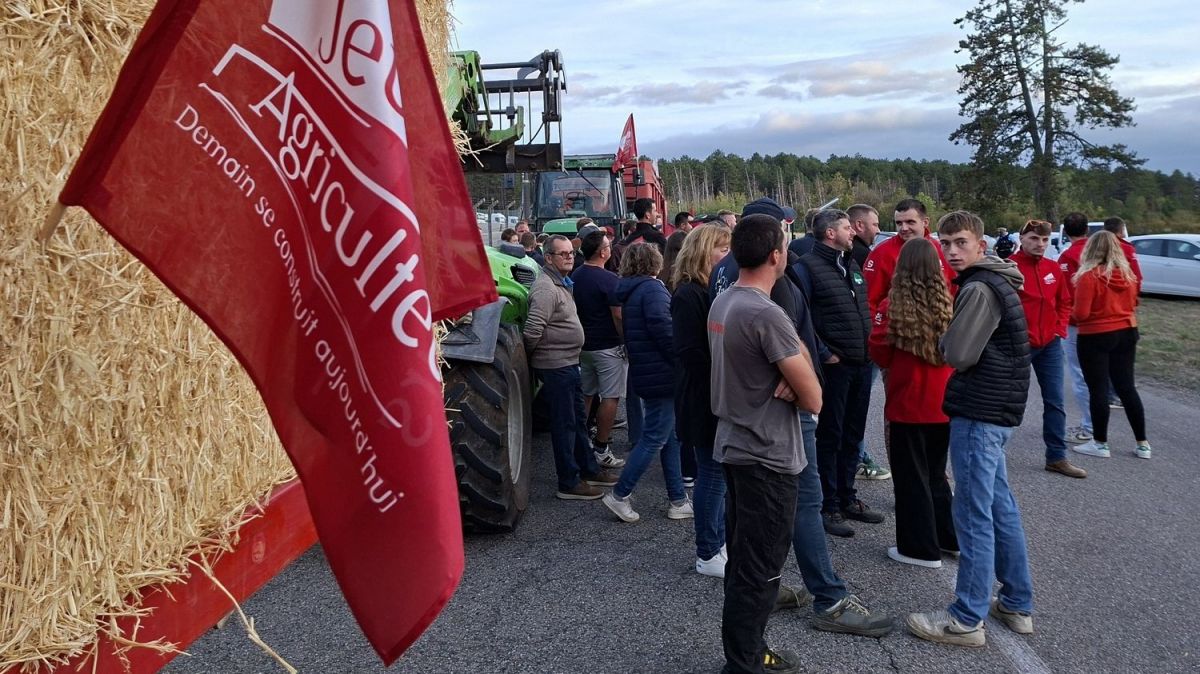
In the face of drought, the Young Farmers propose a contribution inspired by the drought tax of 1976, in order to raise awareness about the urgent measures needed in a struggling agricultural sector. (translated)

Ruminant breeders in France are expressing their concern over a potential cost increase of 5 billion euros due to drought and are requesting immediate aid from the government to prevent a reduction in their livestock. (translated)

Dominique Schelcher, the CEO of Coopérative U, warns that the scarcity of agricultural products, exacerbated by this summer's drought and market disruptions, will lead to price increases and supply difficulties. (translated)

After a disastrous summer marked by a historic drought, the Young Farmers urge the government to adopt an ambitious aid plan, including a proposal to create a drought tax to support farms. (translated)

Dominique de Villepin, former Prime Minister, stated during his appearance on BFM Politique that the authorities' inability to effectively manage natural disasters such as fires, heatwaves, and droughts reflects a deep public powerlessness. (translated)

Ecuador has declared a red alert throughout its territory due to the intensification of the El Niño climate phenomenon, which could be the strongest ever recorded, causing droughts and fires across the country. (translated)

Due to the heatwave impacting the harvests, the government has decided to temporarily relax production regulations for certain AOP cheeses in order to adapt practices in response to the drought. (translated)

Ecuador has declared a red alert across its territory due to the intensification of El Niño, which could become the most powerful weather phenomenon ever recorded, with devastating effects expected, including droughts and fires. (translated)

Due to the drought, a salad producer is forced to throw away 400 tons of his harvest per week due to the insufficient size of his products, while the Minister of Agriculture downplays the risk of an increase in food prices. (translated)

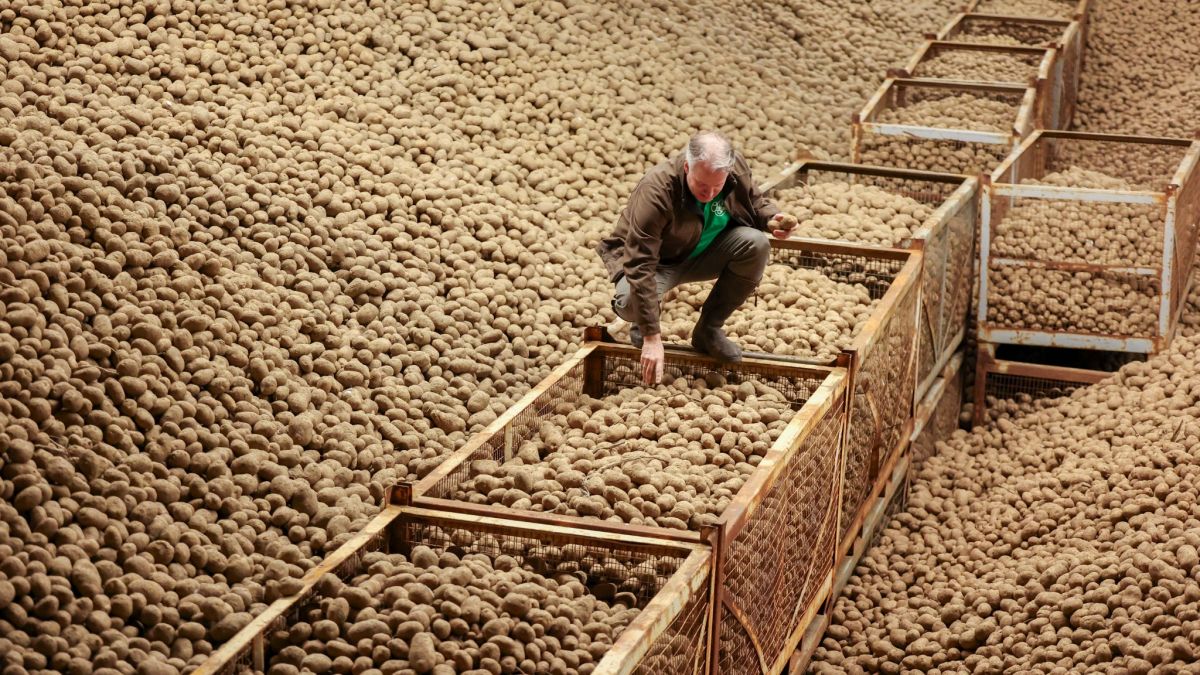
Due to the persistent drought and heatwaves, potato producers in France expect a 25% drop in production and are requesting exceptional support in the face of massive losses. (translated)

[Thread] [1/6] Je pense que l’on peut désormais affirmer que la France traverse la plus grandes catastrophe agricole nationale depuis 1945. Sans aide publique, 30 000 à 35 000 exploitations pourraient se retrouver en situation de faillite, soit près de 10 % des exploitations agricoles françaises. C’est monstrueux. Les conditions climatiques exceptionnelles que nous connaissons aujourd’hui se rapprochent de ce qui deviendra beaucoup plus fréquent, voire ordinaire, dans les prochaines décennies. 2026 sera dans la moyenne de 2050. Nous connaîtrons encore des années plus chaudes et plus extrêmes que 2026. Le constat devient donc difficile à éviter : notre modèle agricole n’est pas suffisamment préparé au changement climatique qui arrive. C’est aussi le résultat d’un échec politique collectif : les gouvernements successifs n’ont pas suffisamment pris la mesure de l’ampleur des bouleversements que le changement climatique impose déjà, et imposera demain, à notre agriculture. Il ne s’agit plus seulement de réparer les dégâts après chaque sécheresse, canicule ou mauvaise récolte. Il faut désormais engager une transformation structurelle de notre agriculture. Voici les pertes de rendement les plus fiables que j'ai pu trouver par rapport à la moyenne de 5 dernières années (uniquement pour les cultures de printemps et d'été). #Agriculture #ChangementClimatique #France