In the USA, interest rates for government bonds are rising rapidly, which causes debt for states, companies, and consumers to become significantly more expensive, while investor nervousness increases in light of this financial situation. (translated)
A security test by the British consumer protection organization "Which?" has shown that the official residence of the British Prime Minister can easily be listed as a holiday rental on Booking.com, indicating serious security flaws in the platform. (translated)
The Rheinland-Palatinate Minister of Agriculture Christine Schneider is receiving support from farmers who advocate for higher food prices, as these are currently too low and only a small portion of consumer prices reaches the farmers. (translated)
In September, new regulations will come into effect for consumers, which include shopping, train travel, and tax declarations, including a new warranty labeling for retailers, stricter rules against greenwashing, and a gradual alcohol ban at German train stations. (translated)
US Transportation Secretary Sean Duffy announced plans to significantly relax the strict fuel economy standards of the Biden administration to meet consumer demand for gasoline vehicles, which could lead to higher fuel costs and an environmental burden. (translated)

In September, numerous changes will come into effect in Germany, including a nationwide warning day on September 10, improvements in tax consulting, and a uniform warranty label in the EU to strengthen consumer rights. (translated)

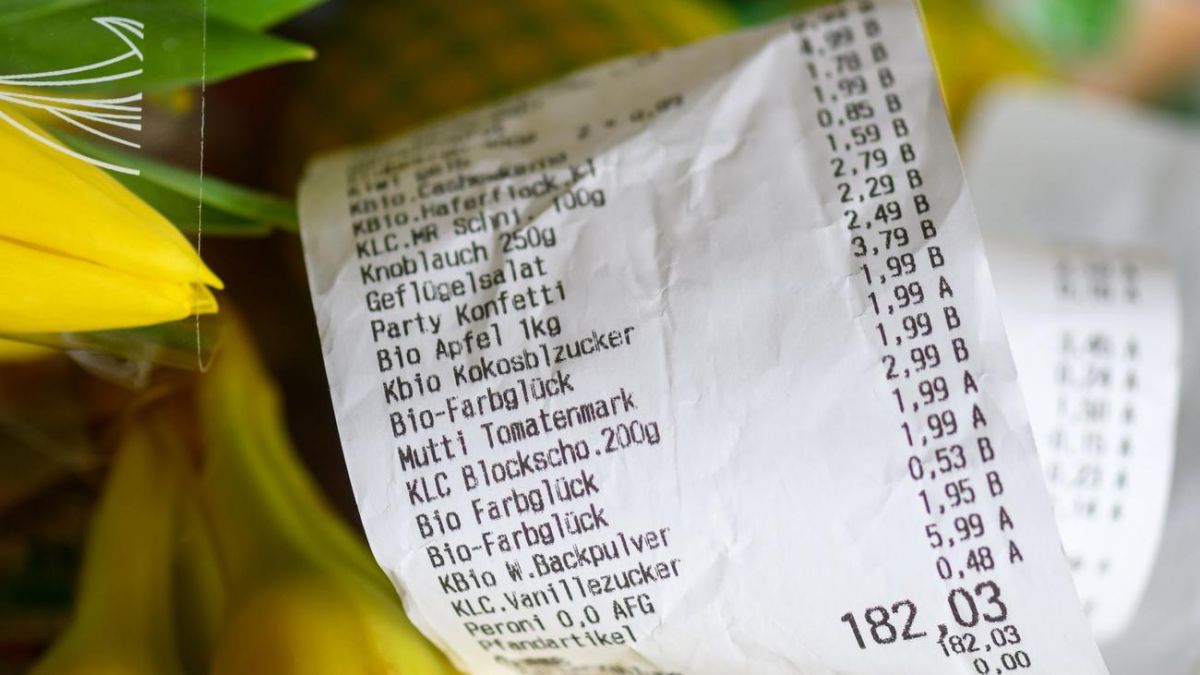
The current BILD debate discusses whether food prices should be increased to achieve a greater appreciation for regional products, while many consumers must pay attention to prices due to rising living costs and low incomes. (translated)
The German inflation rate rose to 2.9 percent in August 2026, primarily due to higher oil prices and the low water levels in the Rhine, which further fueled consumer prices. (translated)

Low water levels and persistent inflation are putting pressure on inland shipping on the Rhine, leading to rising transportation costs for agricultural traders, while the impact on consumer prices may be limited for now. (translated)

The consumer center of Lower Saxony warns against dubious online shops that build trust through supposed regional roots and high discounts, while often behind them lie dubious business models from abroad. (translated)
The inflation rate in North Rhine-Westphalia reached 2.9 percent in August 2026, the highest level since January 2024, indicating rising consumer prices and different developments in various price categories. (translated)

The increase in the number of indebted consumers is a warning sign that emphasizes that more and more people are unable to meet their daily needs, mainly due to rising living costs. #Overindebtedness (translated)
German households pay more than double for electricity compared to the average in the G20 countries, with 35.6 cents per kilowatt-hour, making them the leaders among major economies, while consumers in countries like China pay only 6.7 cents. (translated)
The consumer organization Foodwatch has reprimanded the brands More Nutrition, Naturally You, and ESN for misleading advertising of their Ashwagandha products, as these violate EU regulations by making health-related claims about stress relief and emotional stability while omitting potential health risks. (translated)

The USA has apparently signed an oil deal with Venezuela that secures control over more than 65 billion barrels of oil, while the US government argues that this could benefit American consumers and lead to significant investments and jobs in Venezuela. (translated)

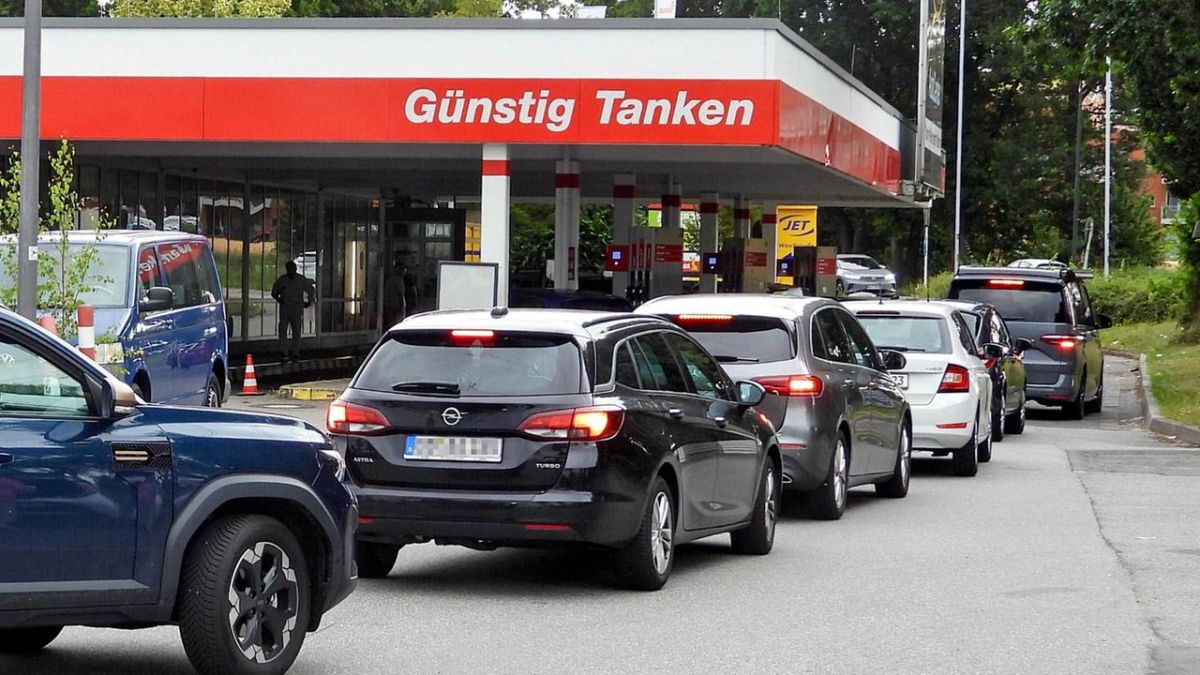
Federal Finance Minister Lars Klingbeil plans to tap into the profits of oil companies to relieve consumers from high fuel prices, but is facing resistance within the EU. (translated)

After the settlement by Meta in the USA, which includes extensive changes to combat social media addiction among children, consumer advocates in Germany are calling for similar protective measures such as time limits and safer platforms for young people. (translated)

Consumer protection advocates are calling for stricter social media regulations in Germany after a US lawsuit against Meta, in order to better protect children and adolescents through safer platforms. (translated)

From September 27th, products in supermarkets may only be advertised with recognized eco-labels to better protect consumers from misleading environmental promises. (translated)