The Court of Audit expresses great concern about the approach to water shortages in the Netherlands, pointing to delays in projects and calling on the government for more control to prevent future damage. (translated)

The Court of Audit expresses great concern about the approach to water shortages in the Netherlands, pointing to delays in projects and calling on the government for more control to prevent future damage. (translated)

After seven weeks, there is no longer a national water shortage in the Netherlands, but the effects of the drought will still be noticeable for months in various regions. (translated)

In an opinion article, Martin Hendriksma argues that the growing freshwater scarcity in Europe, caused by persistent dry summers and the pollution of rivers, can be addressed by extracting freshwater from beneath the North Sea, which could potentially supply hundreds of dry summers, and he also advocates for the desalination of the Grevelingenmeer as a viable solution. (translated)

Admiral Brad Cooper visited the aircraft carrier USS Abraham Lincoln, which has been at sea for more than 250 days, and where crew members are facing exhaustion and concerns about food and water shortages, despite the ongoing claims from the U.S. Navy and Defense Secretary Pete Hegseth that the situation is not that serious. (translated)

In an opinion piece, Lars Wiersma states that the Netherlands is heading towards a bankruptcy of its water systems due to fragmented water management and improper use of water, which raises reactions about the necessity for centralized management and the relationship between democratic decision-making and water scarcity. (translated)

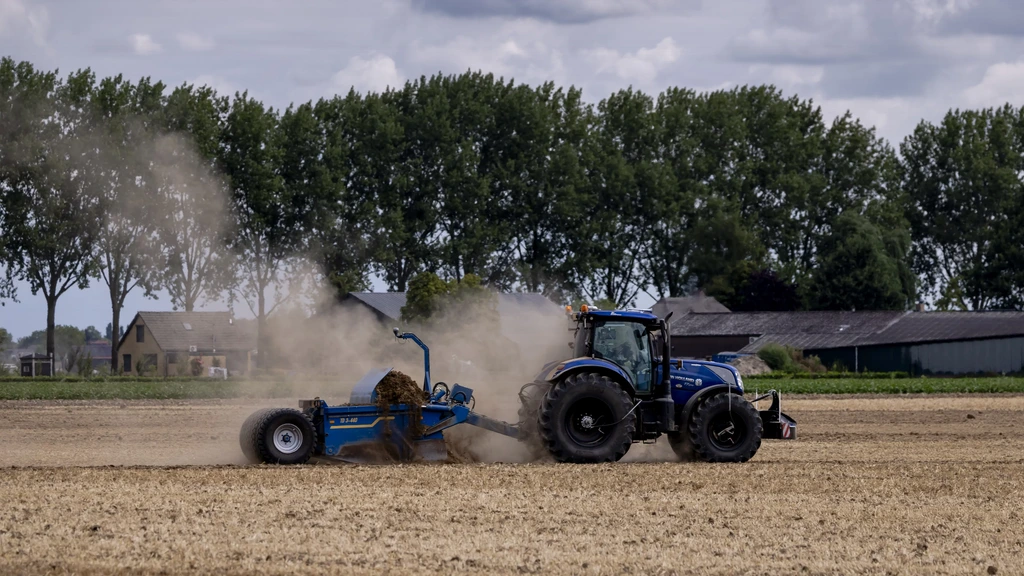
The Netherlands is struggling with severe drought, which leads to water scarcity and difficult choices for society. (translated)

Despite the current drought and the significant regional differences in water problems, Elja Huibregtse, chair of the National Coordination Committee for Water Distribution, states that the Netherlands is not yet in the highest alert phase of water scarcity, partly thanks to improved water management measures since the drought of 2003, but there is a continuing need for awareness and measures to manage the situation. (translated)

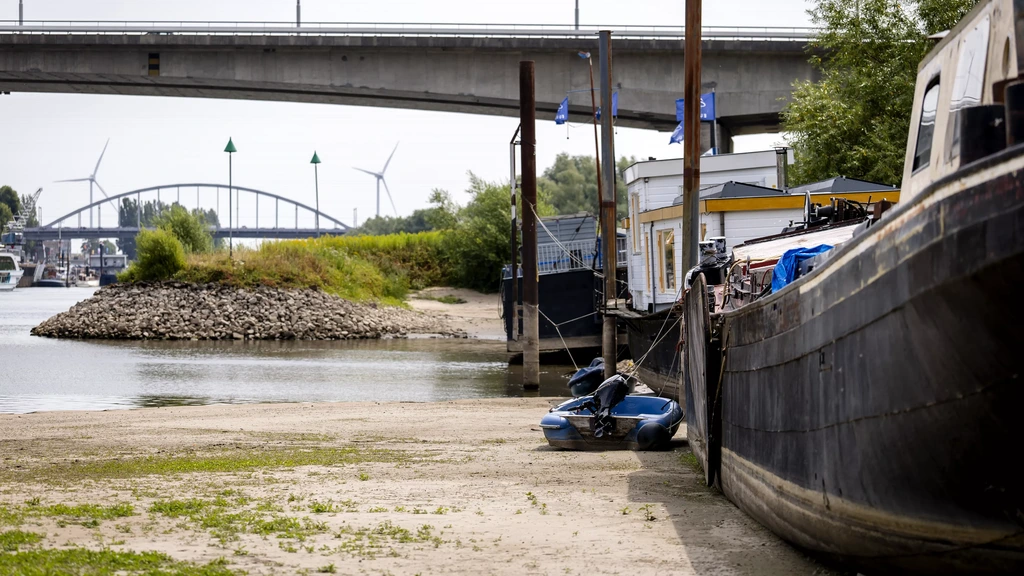
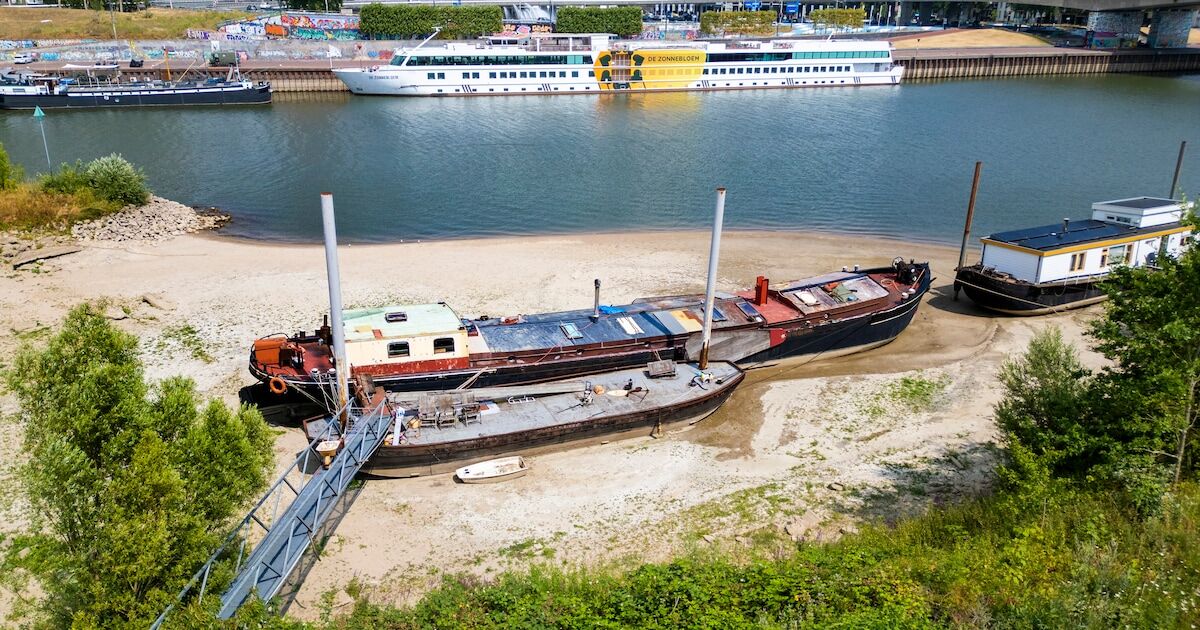
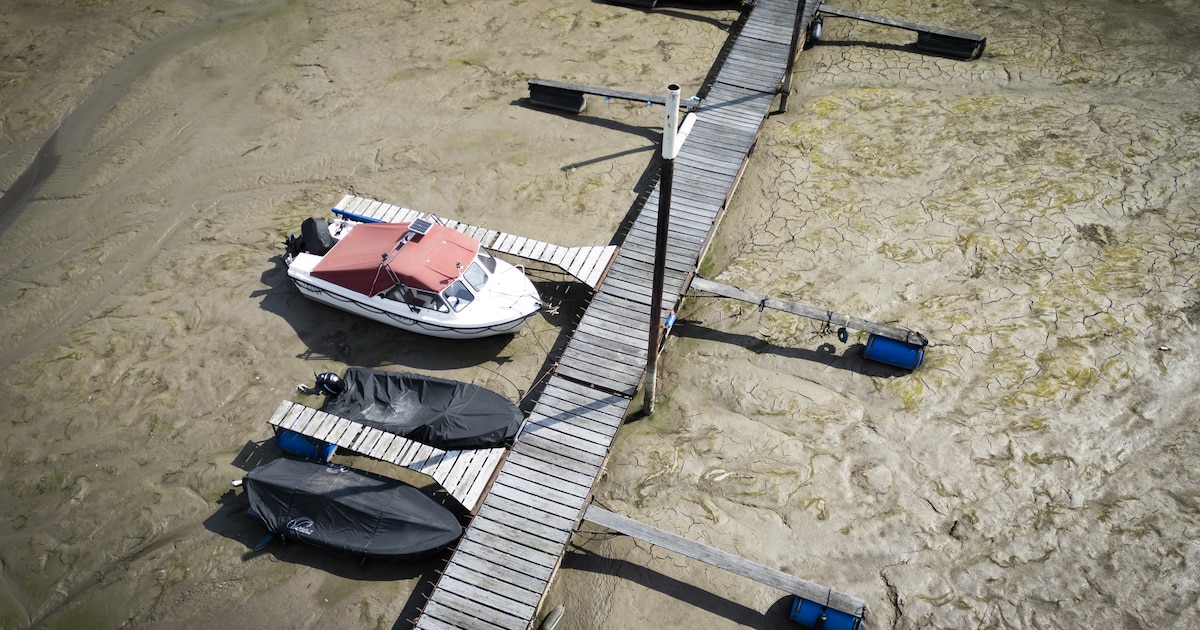
Rijkswaterstaat warns that the prolonged droughts in the Netherlands are reaching historic levels, with water levels in rivers and groundwater being extremely low, with further problems expected until December, but drinking water supplies remain stable for now. (translated)

The Netherlands is currently experiencing the worst drought since 1976, with the possibility that the drought record from that year will be broken, but despite the seriousness of the situation, the government has not yet declared a national crisis, partly due to improved water management measures and an escalation ladder for water shortages. (translated)

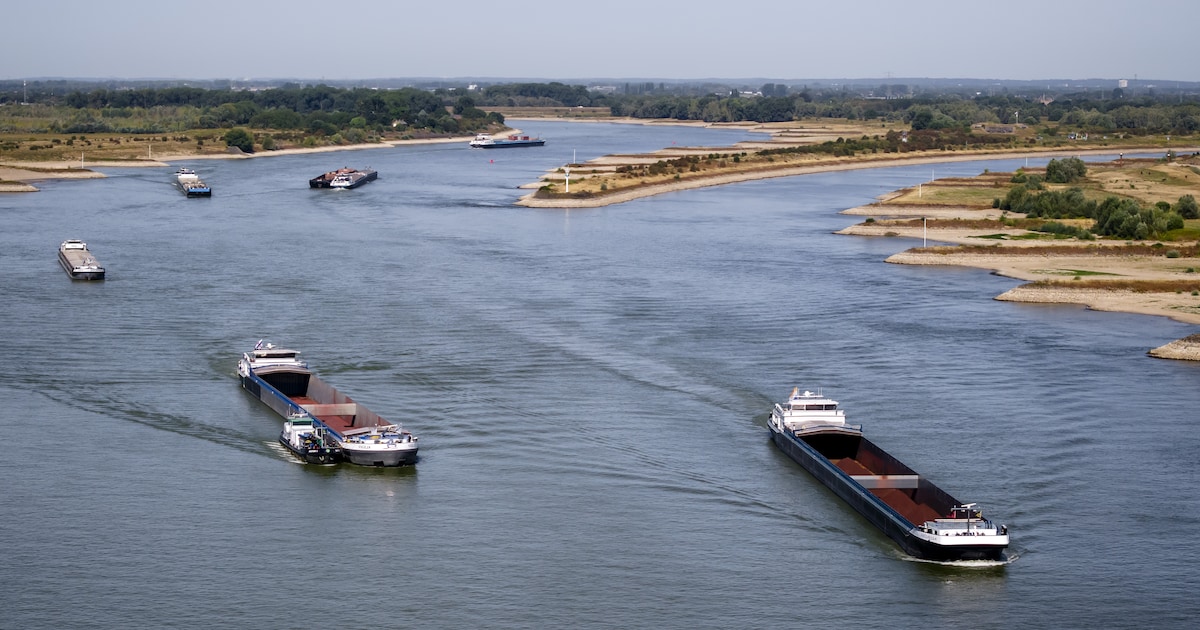
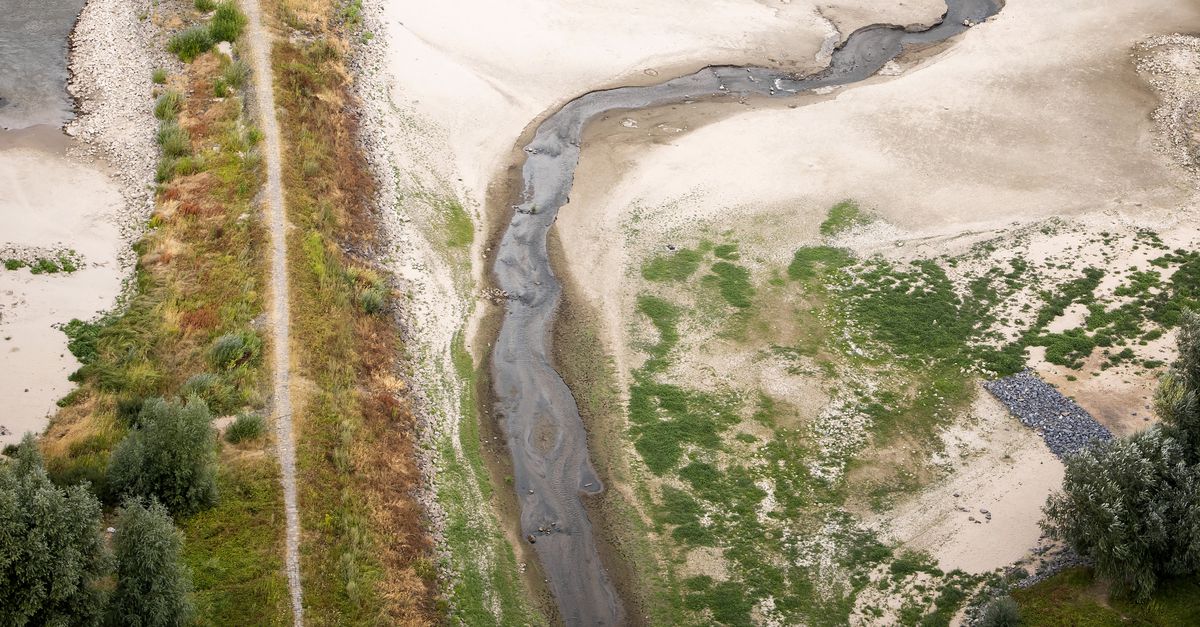
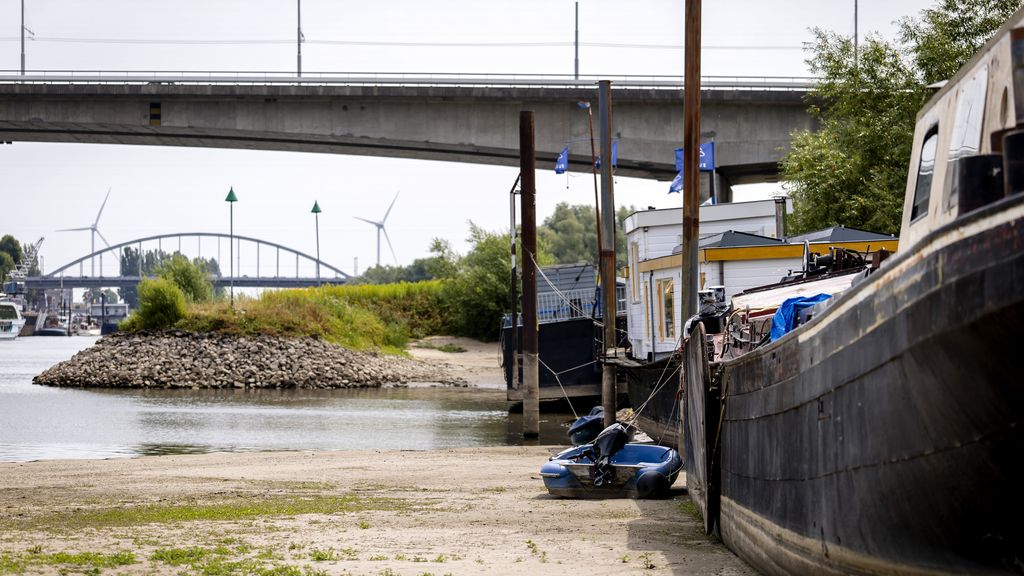
The Rhine is historically low due to persistent drought in the Netherlands and surrounding countries, with far-reaching consequences for agriculture, inland shipping, and water management, necessitating urgent international agreements for a fair distribution of the scarce river water. (translated)

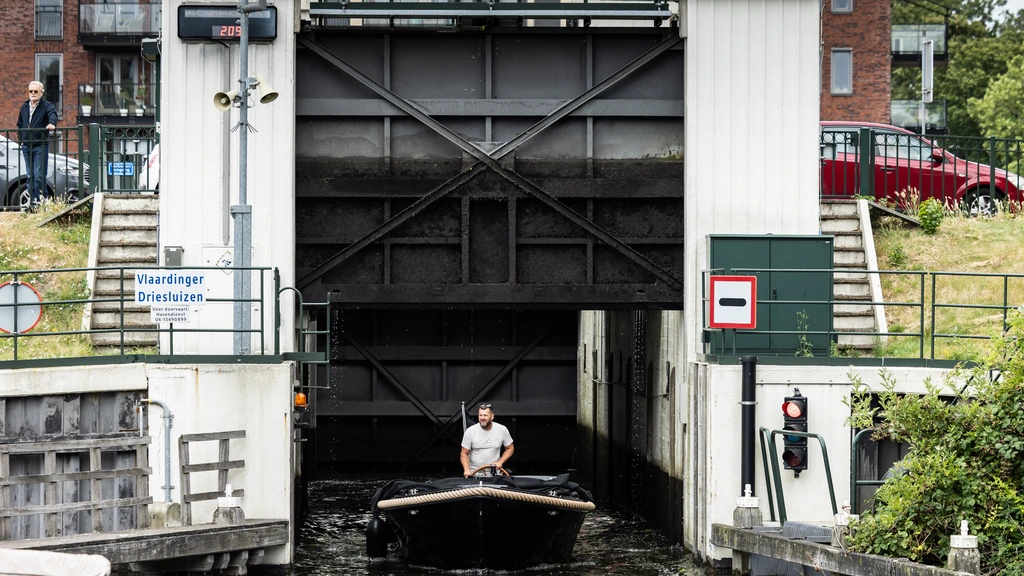
In connection with the ongoing droughts in the Netherlands, strict measures have been implemented, including the closure of all sluices in the area of The Hague and Rotterdam and a ban on water abstraction from surface sources, which will affect the local population and businesses. (translated)

In the Netherlands, the situation with water shortages is worsening, but no national measures have yet been implemented, despite the Rhine River reaching historically low water levels, prompting ministries and other authorities to focus on regional measures and the effective distribution of available water. (translated)

Ministries, water authorities, drinking water companies, and the Rijkswaterstaat are meeting in The Hague due to the serious situation with low water levels, discussing measures such as restricting shipping routes and banning the pumping of water from ditches to prevent irreversible damage. (translated)

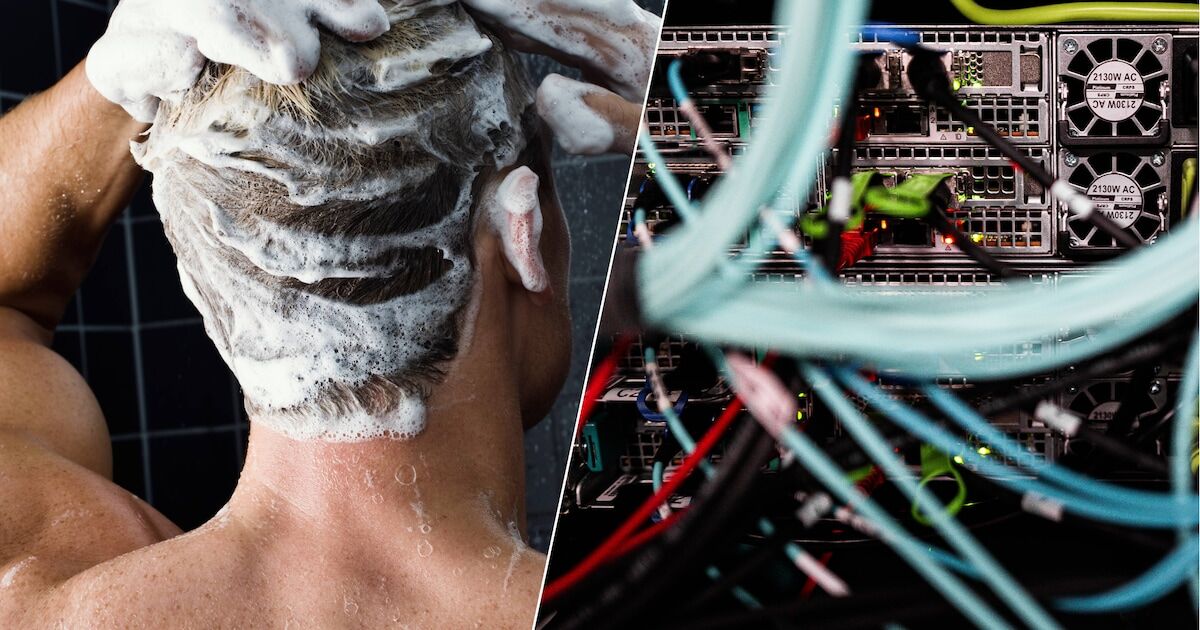
In Nederland roept de groei van datacenters, die jaarlijks 1 miljoen kubieke meter leidingwater gebruiken voor koeling, vragen op over waterverbruik en hypocriete overheidsadviezen, gezien huishoudens verantwoordelijk zijn voor twee derde van het totale waterverbruik, terwijl de ecologische impact van datacenters en kunstmatige intelligentie steeds groter wordt. #watertekort #datacenters #duurzaamheid

ER IS GEEN WATERTEKORT‼️ De zoetwaterbel onder de Veluwe is een van de grootste en meest significante ondiepe tot middelgrote zoete grondwaterreserves in Noordwest-Europa, vooral vanwege de kwaliteit (schoon, mineraalrijk water van hoge kwaliteit) en de strategische rol voor drinkwater, natuur en industrie in een dichtbevolkt land. en bevat een enorme hoeveelheid water — rond 7 tot 10 keer het volume van het IJsselmeer, dat zelf al een grote buffer is. Het IJsselmeer heeft een volume van circa 5-6 miljard m³ (afhankelijk van peil), dus de Veluwe-bel gaat om tientallen miljarden kubieke meters (honderden miljarden liters) aan schoon grondwater. Het probleem zit hem in de infrastructuur, de verdeling en het (mis-)watermanagement. Iets waar op korte termijn, EN DAT HAD ALLANG KUNNEN GEBEUREN VAN ONS BELASTINGGELD, direct wat aan gedaan kan worden. • Meer winningsputten boren: Extra putten plaatsen aan de randen van de Veluwe (waar het water ondieper en sneller toegankelijk is via kwel). Dit is relatief goedkoop en snel te realiseren. • Bestaande putten optimaliseren: Diepere putten of betere pompen installeren. De bel heeft lagen op verschillende dieptes — gerichte winning uit de meest beschikbare lagen verhoogt de capaciteit zonder de hele bel te verstoren. • Tijdelijke overonttrekking met monitoring: In noodgevallen (extreme droogte) meer pompen, maar met strenge monitoring van grondwaterstanden om verzakking of kweldaling te voorkomen. En dan de datacenters verplichten tot closed looping en het probleem is opgelost. Just as simple is that !! Bron kaart: Netherlands Journal of Geosciences / Deltares-project over flexibele drinkwaterwinning. Het illustreert hoe je de bel slimmer kunt benutten (winter meer winnen, zomer minder om daling te beperken). #Watermanagement #Duurzaamheid #Grondwater
Nederland kampt momenteel met een watertekort, waarbij critici wijzen op de noodzaak van vroegtijdige en structurele maatregelen in plaats van reactieve aanpakken, en stellen vragen over het gebruik van drinkwater voor bijvoorbeeld het besproeien van voetbalvelden en het wassen van auto’s. #droogte #watertekort #klimaatverandering

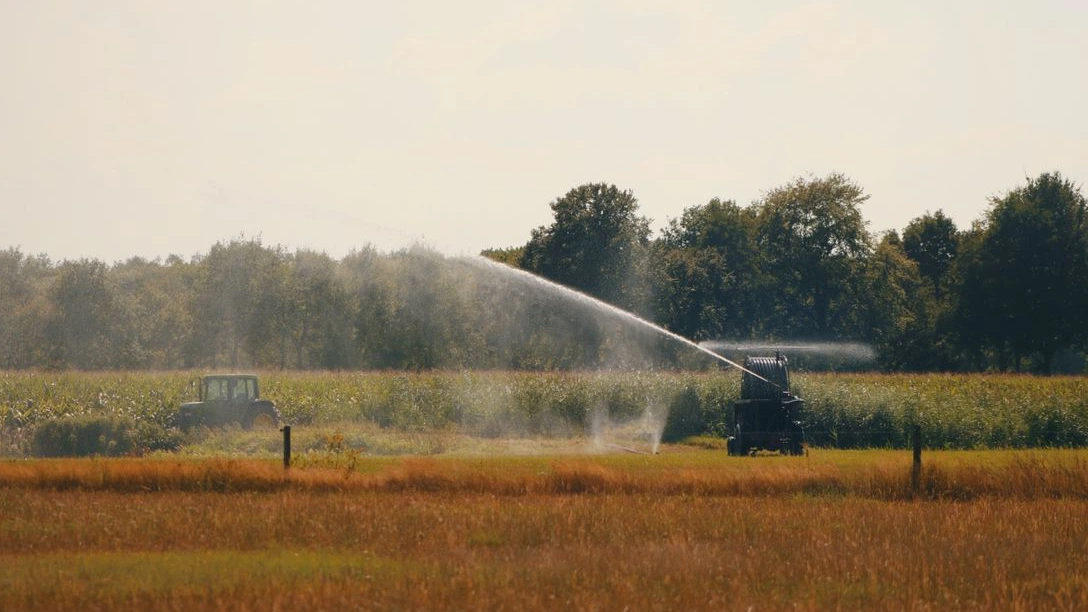
V důsledku prolongované sucha byla v některých oblastech Overijsselu zavedena beregeningsstop, která zbavuje zemědělce a další uživatele práva čerpat vodu z přírodních zdrojů, aby se předešlo trvalému poškození ekosystému a minimalizovala potřeba dalších restrikcí. #Droogte #Beregeningsstop #Watertekort

Dit is toch complete waanzin? NOS Journaal opent met: “Burgers, bespaar water! Van 120 naar 100 liter per dag alsjeblieft.” Terwijl één datacentrum 10 tot 20 miljoen liter water per dag verbruikt. En Nederland heeft er 200. Laat dat even bezinken. Wij moeten onze douche korter zetten en de kraan dichtdraaien, maar Big Tech mag onbeperkt water verkwisten voor hun AI, Netflix en cloudservers. Dit heeft niks met echt watertekort te maken. Dit is klimaatidioterie en hypocrisie van de bovenste plank. De burger is weer de pineut, terwijl de echte slurpers gewoon door mogen gaan. Wie gelooft deze onzin nog? #Waterhypocrisie #Klimaatidioterie #Datacentra #GenoegIsGenoeg #Waterhypocrisie #Klimaat #BigTech
Vanwege het watertekort in Nederland experimenteren bouwers zoals Heijmans met innovatieve oplossingen, zoals een enorme waterzak onder de vloer van nieuwbouwwoningen in Leerdam, waarmee bewoners regenwater kunnen opslaan en gebruiken voor het toilet, tuinirrigatie en was, terwijl ze pleiten voor meer structurele waterbesparing in de nieuwbouwsector. #watertekort #duurzaamheid #nieuwbouw

In Leerdam is een nieuwbouwproject met 34 huizen gelanceerd, waarbij een innovatieve waterzak in de kruipruimte wordt gebruikt om 4500 liter regenwater op te slaan, zodat bewoners hun toilet kunnen doorspoelen, de tuin kunnen bewateren en mogelijk zelfs hun kleren kunnen wassen, in een poging om drinkwater te besparen te midden van een officieel watertekort in Nederland. #waterbesparing #duurzaamheid #nieuwbouw