BETA nonprofit public democratic european moderated

Search

#Yersinia

A former leader of the Soviet biological weapons program has warned of a potential risk of antibiotic-resistant pneumonic plague, following the mysterious death of a researcher in Siberia, who allegedly accidentally broke a test tube containing the Yersinia pestis bacterium days before falling ill. #PestePolmonare #ArmiBiologiche #SalutePubblica (translated)

Peste polmonare, ex dirigente del programma russo di armi biologiche: «Rischio che resista ad antibiotici. Ecco cosa mi spaventa»

In his contribution, Marek Štefan described the case of a worker from the Irkutsk Anti-Plague Research Institute for Siberia and the Far East, who, according to local media, was hospitalized with severe pneumonia after a test tube containing the plague pathogen broke and died on Thursday. The head of Buryatia, Alexei Tsydenov, according to Štefan, stated that the woman died of an unspecified form of the plague; nearly 200 people were under medical supervision, according to local media. Štefan explained that the Yersinia pestis bacteria, in his view, is transmitted in nature between rodents and fleas, and it primarily reaches humans through flea bites or contact with an infected animal. According to him, the plague still exists in Africa, especially in Madagascar and the Democratic Republic of the Congo, in Asia, and in the western United States, where several hundred cases are reported each year. He distinguished bubonic, septicemic, and pneumonic forms; he identified the latter as the most severe and stated that without treatment, it is almost always fatal. According to Štefan, pneumonic plague spreads through droplets during close contact, typically with a patient in the late stage of the disease. He added that the bacteria quickly dies outside the host and that the disease can be treated with common antibiotics, with resistance being extraordinarily rare in his opinion. People after risky contact, according to his contribution, receive a seven-day course of preventive antibiotics. He classified laboratory infections as rare today when the necessary precautions are observed. He also stated that there is no evidence of the possible use of the bacteria for bioterrorism in the current context. He called the risk to the Czech Republic zero and recommended following official sources, not Russian information channels. #mor #zdraví #epidemie (translated)

An outbreak of pneumonic plague in Irkutsk, Russia, has led to the isolation of 200 people following the death of a researcher who accidentally broke a test tube containing the bacteria Yersinia pestis, although authorities insist that the situation is under control and the disease has not been officially confirmed. #PesteNeumónica #Rusia #Irkutsk (translated)

Alerta en Rusia por un brote de peste neumónica que escapó de un laboratorio
Faust 2d

Faust wrote on Twitter that experts on Yersinia pestis and various forms of the plague surprisingly often appeared there. As a pathologist, he appreciated how quickly users were able to specialize, and added that his colleague-infectologist would certainly appreciate it too. https://t.co/ydUaAaBPOT #Yersinia #mor #patologie (translated)

In the Irkutsk region of Russia, 189 people have been hospitalized due to suspected plague after the death of a 27-year-old employee of an institute that studies this disease, but so far no infections with Yersinia pestis bacteria have been confirmed among them. #dżuma #rosja #szpital (translated)

Niemal 200 osób w szpitalach. Podejrzenie dżumy w Rosji
IndexHR Jul 22

Znanstvenici s Medicinskog odjela Sveučilišta u Texasu razvili su dva nova cjepiva protiv kuge koja su pokazala 100% učinkovitost u testiranjima na miševima, uključujući i učinkovitost protiv plućnog oblika bolesti, što naglašava potrebu za daljnjim istraživanjem i kliničkim ispitivanjima na ljudima. #kuga #cjepiva #YersiniaPestis

Nova cjepiva protiv kuge pokazala 100% učinkovitost na miševima
lrytas.lt Jul 13

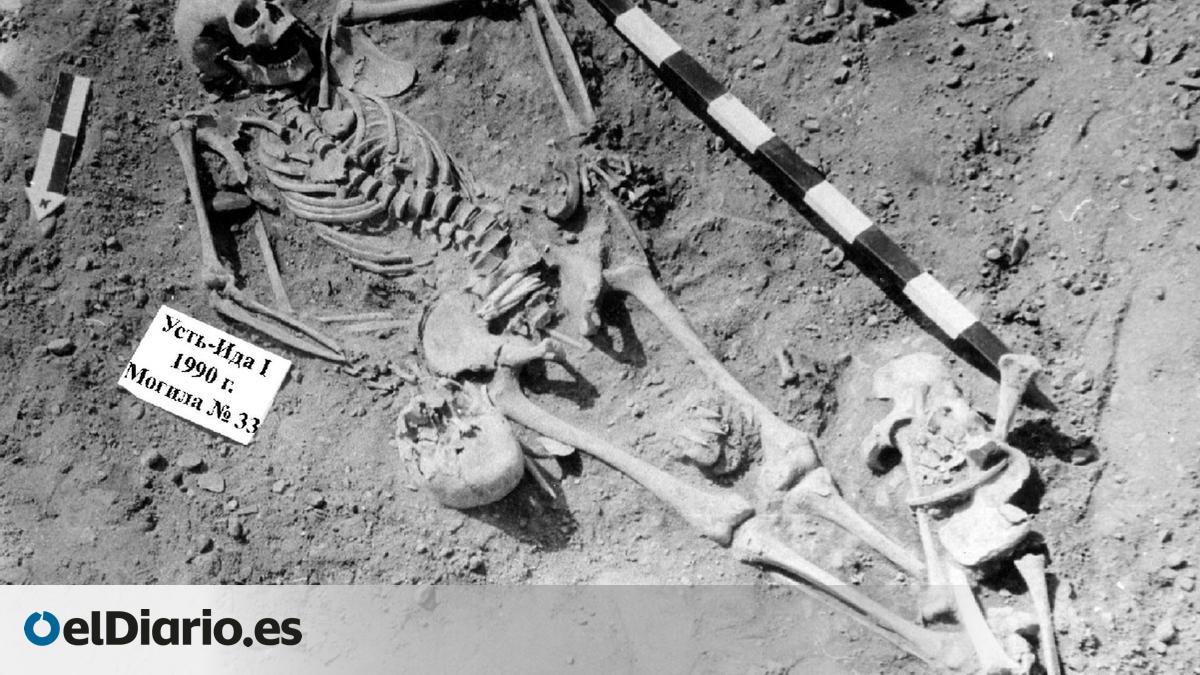
Sibire rasti Akmens amžiaus vaikų palaikai atskleidė, kad Yersinia pestis bakterijos, sukeliančios marą, buvo žinomos ir mirtinos žmonijai kur kas anksčiau nei manyta, o naujai atrasti senoviniai DNR pavyzdžiai rodo, kad ši liga galėjo mirtinai paveikti medžiotojus-rinkėjus, gyvenusius aplink Baikalo ežerą. #archeologija #antropologija #ligos

Sibire rasti vaikų palaikai atskleidė, kad ši liga ėmė siaubti žmoniją daug anksčiau, nei manyta
IndexHR Jul 3

Znanstvenici su otkrili najstariju epidemiju kuge, koja je prije oko 5500 godina pogodila djecu u područjima oko Bajkalskog jezera u Sibiru, analizirajući drevni DNK iz grobišta i otkrivajući da su rani sojevi bakterije Yersinia pestis ubijali najmlađe žrtve zbog genetskih obilježja koja su se razlikovala od modernih varijanti. #kuga #sibir #YersiniaPestis

Znanstvenici otkrili najstariju epidemiju kuge u povijesti, ubijala je uglavnom djecu
Jutarnji list Jun 22

Znanstvenici su analizom drevne DNK iz ljudskih ostataka na grobljima lovaca-sakupljača u regiji Bajkalskog jezera otkrili da je prije 5500 godina došlo do prve epidemije kuge u povijesti, koja je desetkovala zajednicu, većinom mlade žrtve ispod 15 godina starosti. #kuga #YersiniaPestis #BajkalskoJezero

‘Većina žrtva imala je manje od 15 godina, ovo je bila prva epidemija u povijesti‘
eldiario.es Jun 22

Un estudio reciente revela que la primera plaga de peste de la historia ocurrió hace 5.500 años entre comunidades nómadas de cazadores-recolectores en Siberia Oriental, mucho antes de lo que se pensaba, identificando el ADN de la bacteria Yersinia pestis en un 39% de los restos analizados. #Peste #ADN #Historia

Restos de ADN demuestran que la primera plaga de peste de la historia tuvo lugar hace 5.500 años, mucho antes de la peste negra
hvg.hu Jun 22

A kutatók új bizonyítékokat találtak arra vonatkozóan, hogy a pestis, amit a Yersinia pestis baktérium okoz, már 5500 éve jelen volt, ezzel meghosszabbítva a betegség történetét és megkérdőjelezve azt a feltételezést, hogy csak a mezőgazdaság és a zsúfolt települések megjelenésével terjedt el. #pestis #tudomány #evolúció

200 évvel lehet elszámolva a történelemben a legtöbb ember halálát okozó pestis

Vědci objevili nejstarší morovou epidemii na světě, která postihla lovce a sběrače na Sibiři před 5500 lety, kdy více než 40 procent kosterních pozůstatků vykazovalo přítomnost bakterie Yersinia pestis, což ukazuje na značnou smrtnost této nemoci v prehistorických komunitách. #Sibiř #epidemie #mor

Vědci objevili nejstarší morovou epidemii na světě, zabíjel už před 5500 tisíci lety na Sibiři

Eine neue Studie zeigt, dass die Pest bereits vor 5500 Jahren Menschen in Eurasien tötete, wobei besonders viele Kinder betroffen waren, was durch Funde an vier Friedhöfen am Baikalsee belegt wird. #Pest #YersiniaPestis #Epidemie

Archäologie: Pest tötete Menschen schon vor 5500 Jahren
20 minutos Jun 18

Un estudio internacional revela que la peste, asociada tradicionalmente con la Europa medieval, ya afectaba a grupos de cazadores-recolectores en la región del lago Baikal hace 5.500 años, mostrando que la cepa más antigua de Yersinia pestis era altamente letal y devastadora, especialmente entre niños, lo que transforma radicalmente el entendimiento de los primeros brotes de esta enfermedad. #peste #ADNanterior #cazadoresrecolectores

Cambia radicalmente lo que se sabía de la peste: la cepa más antigua provocó brotes mortales hace 5.500 años
NRC Jun 17

Vroege pestbacteriën, die 5.500 jaar geleden in Zuid-Siberië circuleren, veroorzaakten aanzienlijke sterfte onder jager-verzamelaars, met bijna 40 procent van de onderzochte skeletten besmet, en wijzen op een vroege besmettelijkheid en dodelijkheid van de Yersinia pestis bacterie, die voortkwam uit een eerdere variant. #pest #geschiedenis #genetica

Vroege pestbacteriën konden al flink wat slachtoffers maken, 5.500 jaar geleden

Un equipo de investigadores ha descubierto cepas antiguas de Yersinia pestis en cuerpos de cazadores de hace 5.500 años alrededor del lago Baikal, revelando que la peste negra ya era letal y afectaba a familias enteras, especialmente a niños y jóvenes, mucho antes de la llegada de grandes asentamientos neolíticos. #PesteNegra #Siberia #Antropología

La peste negra ya era letal y aniquilaba a familias enteras hace 5.500 años
W
WEB.DE Apr 28

The article discusses the devastating impact of the Black Death, which arrived in Europe in 1347, resulting in the deaths of approximately one-third of the population, along with historical insights into previous pandemics, misconceptions about the disease's transmission, societal changes, and the eventual identification of the plague bacterium, Yersinia pestis. #BlackDeath #PlagueHistory #PandemicImpact #IT #FR #DE #EG #CN #IN #US #MG #CD

1347 - das Jahr, in dem Europa anfing zu sterben