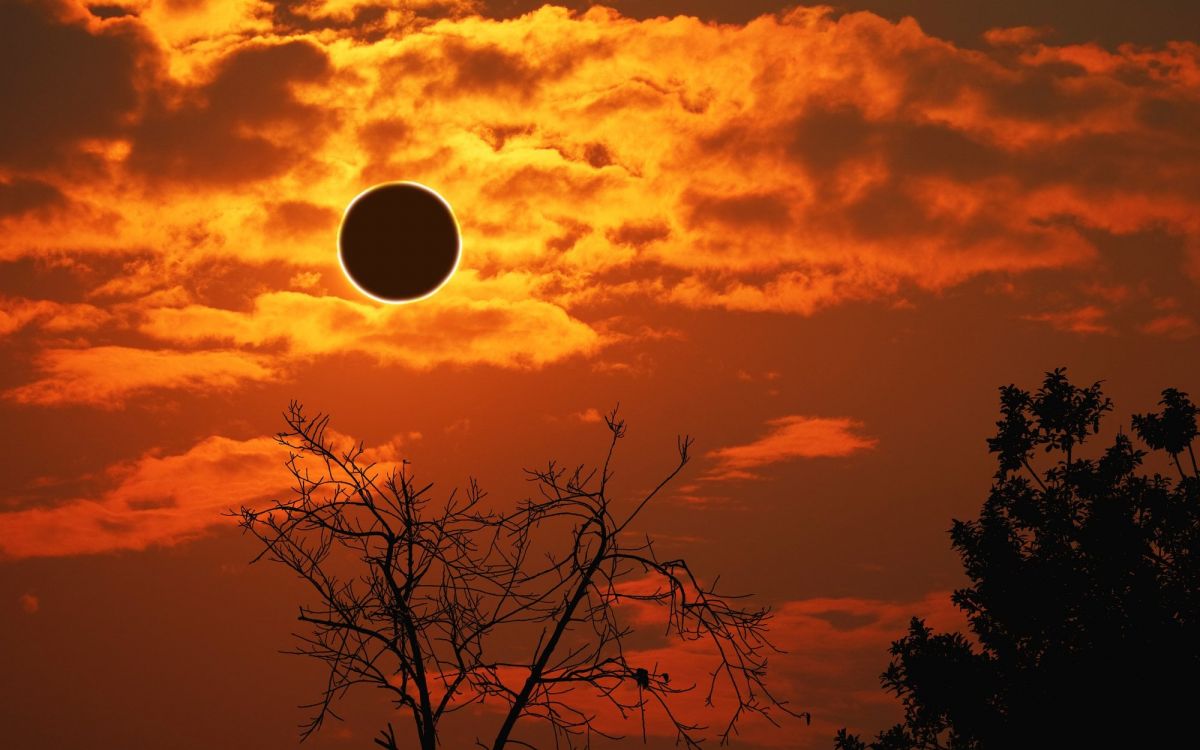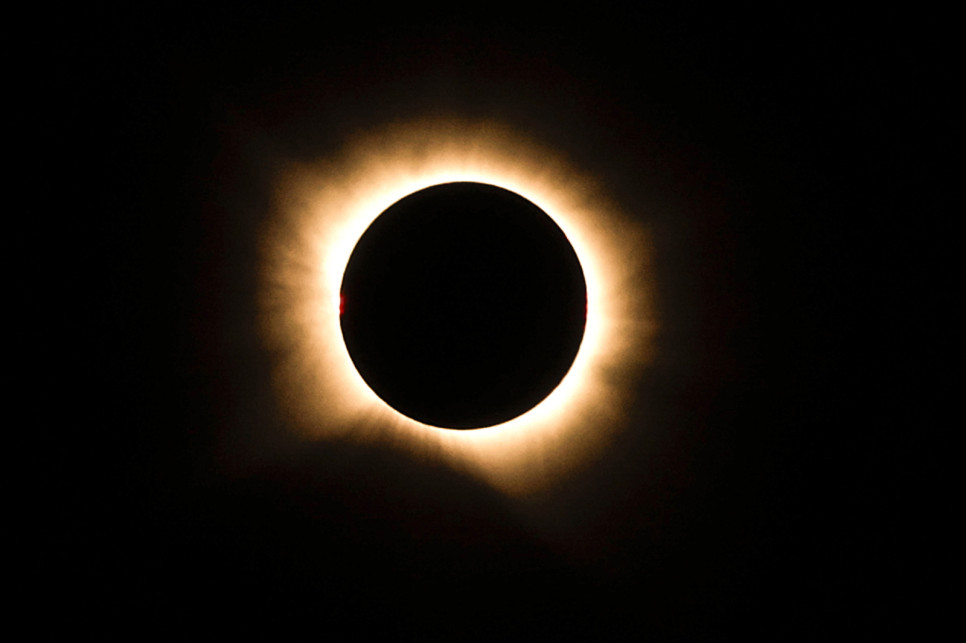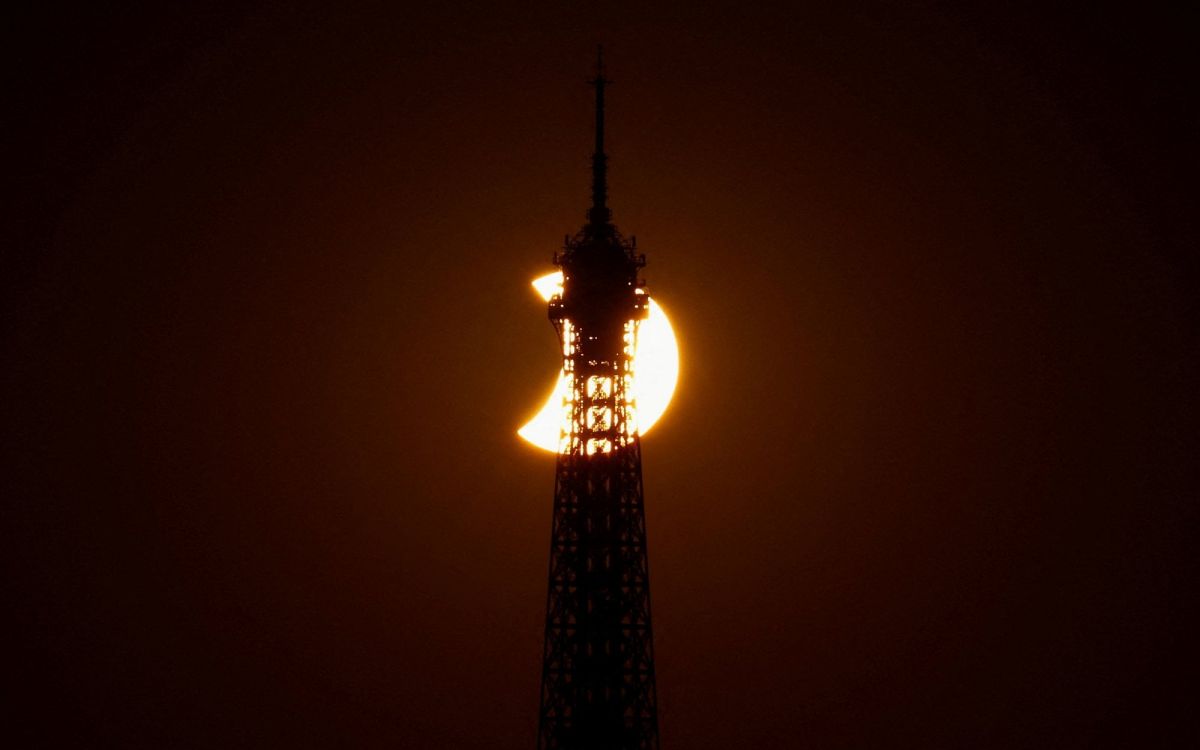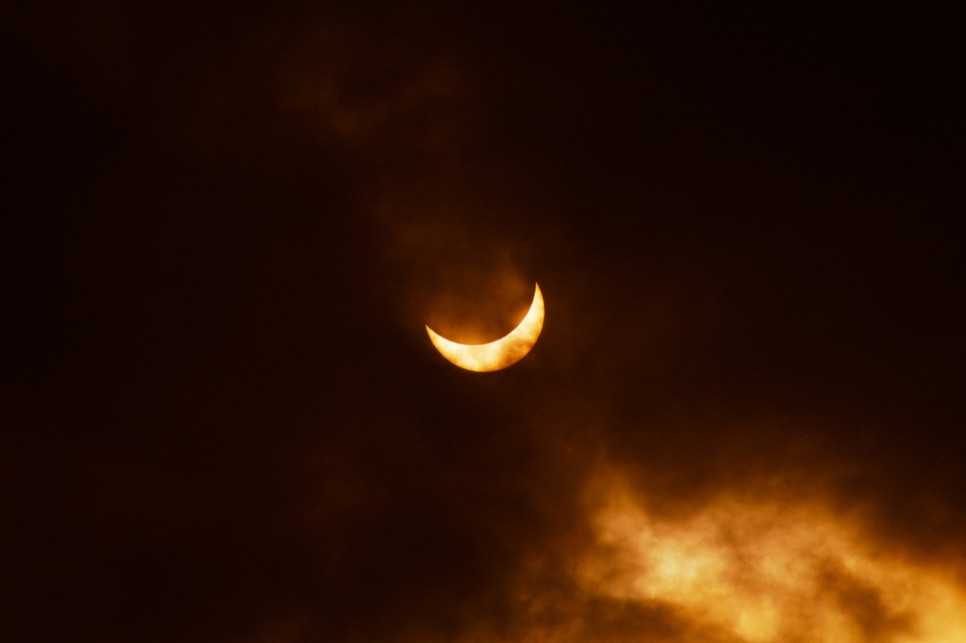
On August 12, 2026, crowds of people gathered in Warsaw wanting to observe a deep partial solar eclipse, which caused traffic to be blocked around the Copernicus Science Centre, where an event related to this spectacular phenomenon was being organized. (translated)
On July 12, 2023, Poles were able to admire a rare partial solar eclipse, which occurred for the first time in 27 years, and their impressions of this unique phenomenon were shared with fans by well-known personalities such as Aleksandra Kwaśniewska and Anna Mucha. (translated)
On August 12th, Poland witnessed a partial solar eclipse, which attracted crowds of residents, especially in the western and northern parts of the country, where the maximum obscuration was over 80%, and particular interest was aroused by viewing points, including the Copernicus Science Centre in Warsaw, where Prime Minister Donald Tusk was present. (translated)
Millions of people in Spain and tourists from abroad watched the total solar eclipse that took place yesterday evening, with the greatest interest in northern Galicia and Iceland, where the phenomenon lasted about one and a half minutes, accompanied by preparations from the authorities to ensure safety and organization of observation points. (translated)

On Wednesday, August 12, 2026, a total solar eclipse occurred in Europe for the first time in nearly three decades, with a partial eclipse visible in Poland, where it reached a maximum coverage of 88% of the solar disc. (translated)

Poznań, 12 sierpnia 2026, 20:07 🌚🌞 #ZaćmienieSłońca #SolarEclipse https://t.co/i3gD2QJ8LS #Eclipse #SolarEclipse #Poznań
In Poland, on the occasion of the solar eclipse, which became visible around 7:10 PM, crowds of residents gathered in cities such as Krynica Morska and Zielona Góra, where they observed this extraordinary phenomenon, often creating traffic jams on the roads to vantage points. (translated)
The solar eclipse in 2026, starting on August 12 at 5:34 PM, will last 264 minutes and will be partially visible in Poland, with the best conditions in the western and northern parts of the country, where it will cover up to 88% of the solar disc. (translated)

On August 12, 2026, Europe will witness the first total solar eclipse in nearly three decades, with part of it visible as a deep partial eclipse in Poland, and NASA will provide a live broadcast for those who cannot observe the phenomenon directly. (translated)

On the day of the solar eclipse, there was a huge fluctuation of interest in this phenomenon in many European countries, including Poland, which manifested in long lines for special protective glasses, as well as intense searching for them in various sales points. (translated)
On the night of August 12, 2026, Europe will witness a spectacular total solar eclipse, and in Poland, residents of the western and northern regions will experience a partial eclipse, reaching a maximum of 88% coverage of the sun's disc, which means it is worth preparing properly for its observation, taking care of eye safety. (translated)

On August 12, 2026, Europe will witness the first total solar eclipse in almost three decades, which will be visible in Poland as a deep partial eclipse, and NASA will organize a live broadcast for those who will not be able to observe the phenomenon directly. (translated)

In Warsaw, due to the solar eclipse, which will start being visible at 7:15 PM, the observation deck of Varso Tower is enjoying huge interest, and all tickets for this spectacular event have been sold in advance, while it will also be possible to observe the eclipse from the terrace of the Palace of Culture. (translated)
Due to the upcoming solar eclipse, which is expected to be visible in the western part of Iceland, local authorities have closed roads to the viewing points on the cliffs due to an influx of tourists, and all planes and helicopters have been booked at Reykjavik airport, which means that a record number of over 130,000 visitors is expected, unprecedented since the times of the volcanic eruption. (translated)

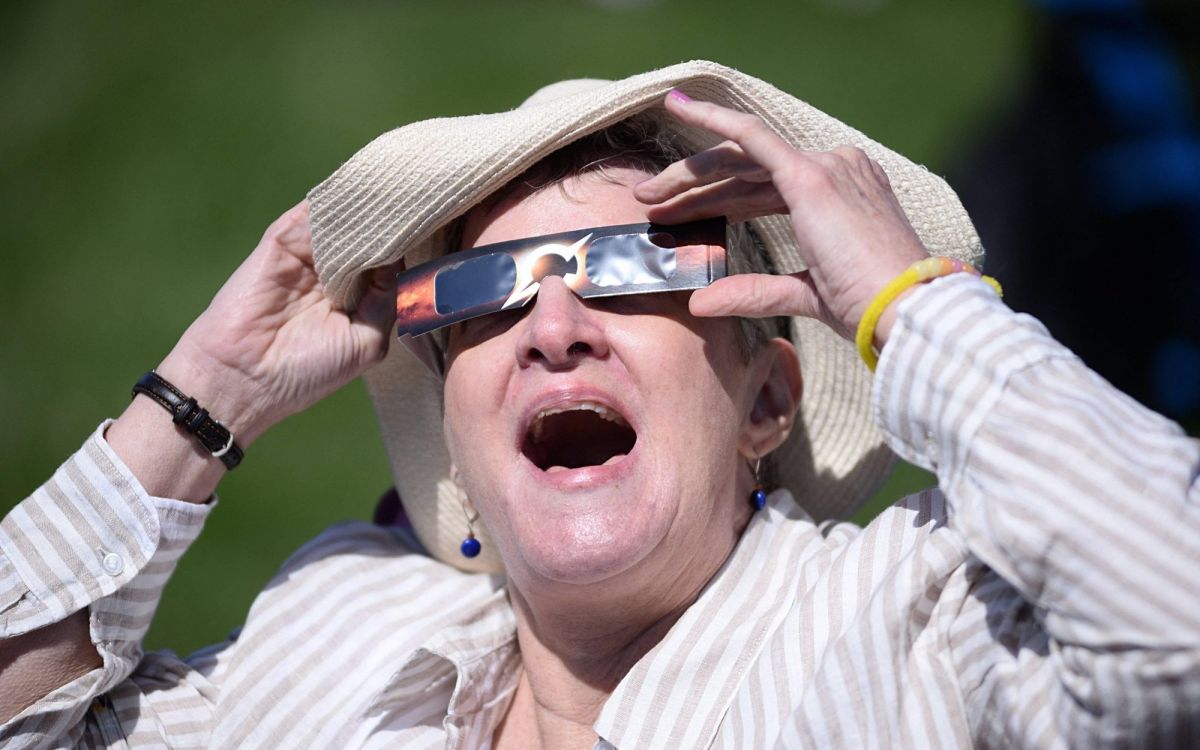
The article warned about the dangers associated with improper observation of a solar eclipse, emphasizing that looking at the sun without appropriate filters can lead to irreversible eye damage, and experts recommend using only certified filters and avoiding direct viewing of the sun. (translated)
The total solar eclipse that will occur on Wednesday will be the first such event visible from Europe in years, attracting both astronomy enthusiasts and ordinary observers, while in Spain, stocks of protective glasses have already sold out, and in Poland, a partial eclipse will be observable. (translated)
The article discusses the upcoming total solar eclipse, its visibility in Europe, and the principles of protecting the smartphone camera while photographing this phenomenon, emphasizing the importance of using solar filters and adjusting the camera settings in challenging lighting conditions. (translated)
Today in Mikołajki, RMF FM invites you to a special evening related to the partial solar eclipse, which will be observable in Masuria on August 12, 2026, as well as a night of falling stars, with attractions such as live music and a communal bonfire. (translated)

NASA plans to use the upcoming total solar eclipse, which will take place on August 12, 2026, to study the solar corona and the Earth's atmosphere, using the WB-57 aircraft and research balloons to better understand the phenomena occurring during the eclipse. (translated)

Today there is a total solar eclipse after nearly 30 years, visible in a path running from Russia through the Arctic Ocean, Iceland, Spain, and Portugal, while in Poland a partial eclipse can be observed, with a maximum phase reaching 88% in the Kłodzko Valley, as experts warn of the dangers of viewing the phenomenon without proper filters. (translated)