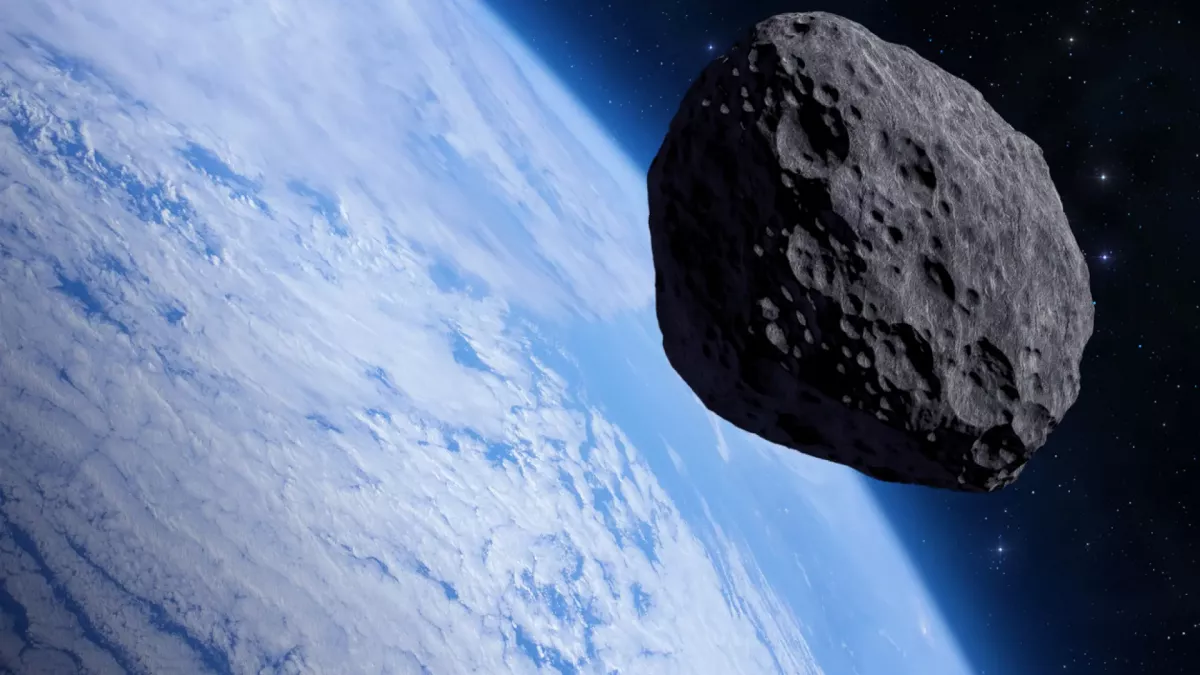
The asteroid 2026 PC6, 10 meters in diameter, passed just 14,573 kilometers from Earth on August 12, coinciding with a total solar eclipse, and although it crossed the orbit of geostationary satellites, it did not pose an impact risk. (translated)

The asteroid 2026 PC6, 10 meters in diameter, passed just 14,573 kilometers from Earth on August 12, coinciding with a total solar eclipse, and although it crossed the orbit of geostationary satellites, it did not pose an impact risk. (translated)

The Javalambre Astrophysical Observatory in Teruel will incorporate a new telescope, the T150, intended for planetary defense and space surveillance, which will allow the detection and tracking of asteroids, satellites, and space debris starting in 2029, with a budget of 9.1 million euros. (translated)

American scientists have explored the possibility of using a nuclear detonation above an asteroid to destroy it, finding that X-rays could cause the asteroid to break apart, but the long-term consequences, such as the safety of Earth from debris, remain unknown. (translated)

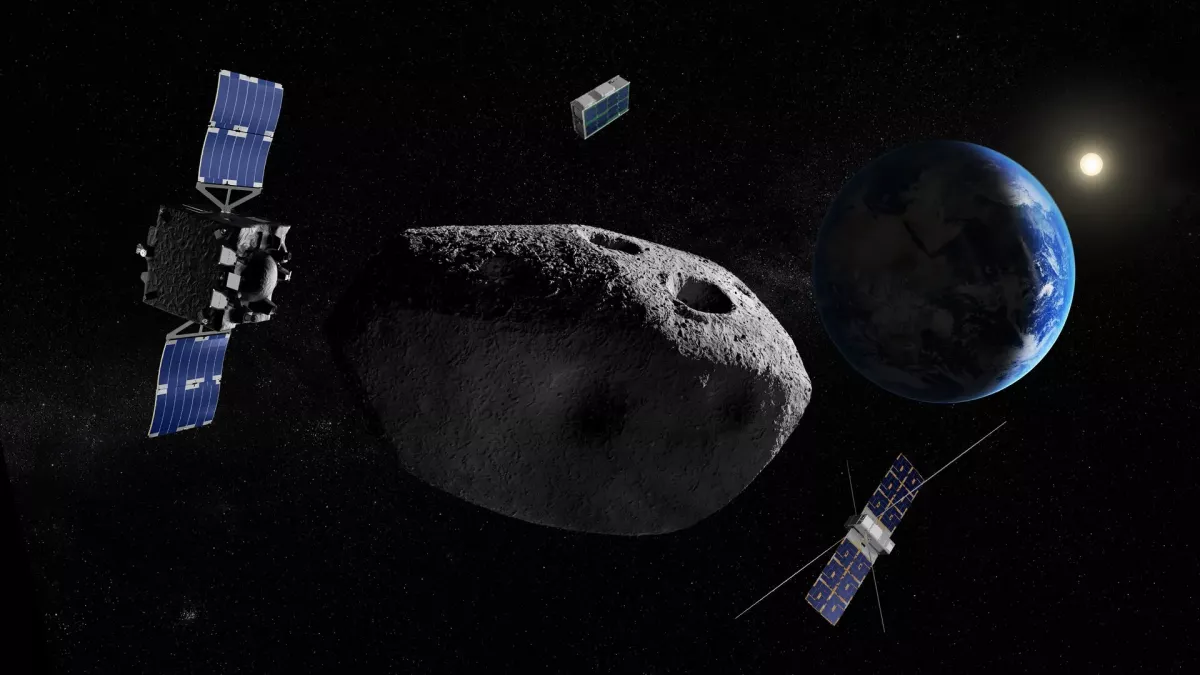
The Hera probe is on its way to the double asteroid system Didymos and Dimorphos to investigate the consequences of NASA's impact from October 2022. (translated)
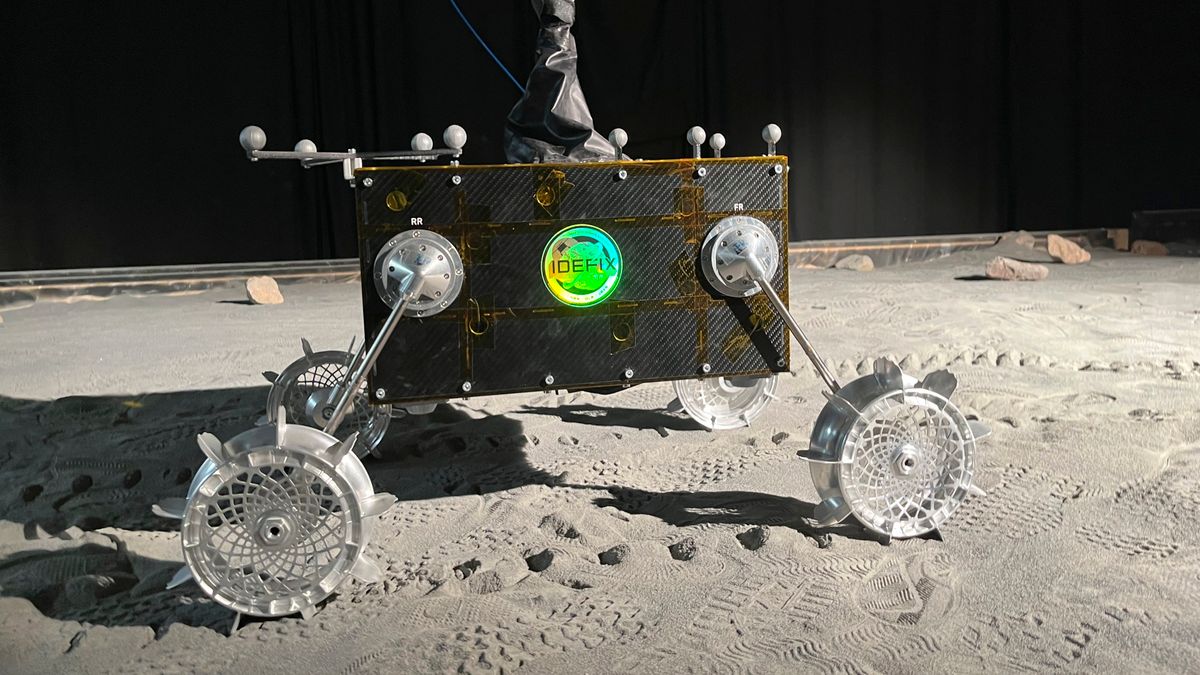
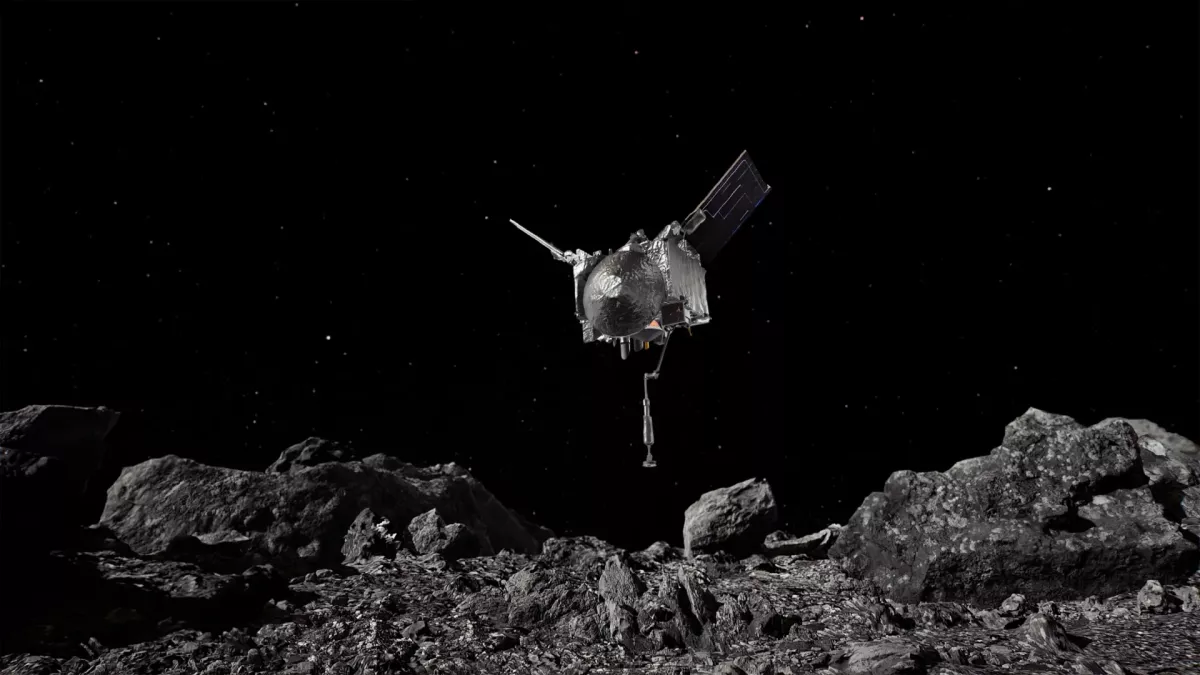
The Spanish CubeSat Don Quijote, which will be launched in 2028 as part of ESA's Ramses mission, aims to land autonomously on the asteroid Apophis to conduct scientific research and collect essential data about its surface, thus contributing to planetary defense. (translated)

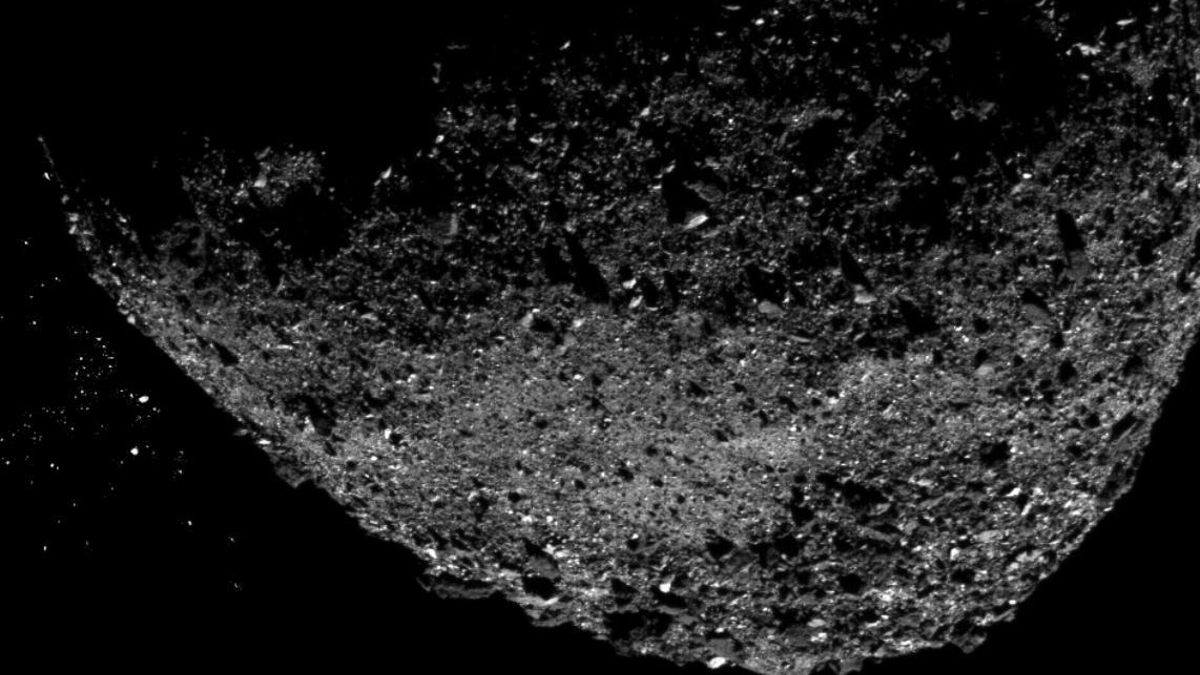
The asteroid Apophis will approach Earth in 2029 at a distance of about 32 thousand kilometers, which creates a unique opportunity for research, but the presence of space debris may hinder scientists' accurate analysis of the asteroid's behavior under the influence of our planet's gravity. (translated)

Tonight, the asteroid 2019 NY2, classified as potentially hazardous, will pass by Earth at a safe distance of about 2.5 million km, which is its closest approach in the next 150 years. (translated)

Asteroid Apophis will come close to Earth in 2029, but it does not pose a direct threat; however, scientists warn that its proximity and the presence of space debris may hinder accurate studies of this object. (translated)

Swiss researchers suggest that mining metal-rich asteroids could provide the materials necessary for colonizing Mars, while also highlighting the logistical challenges and the importance of the correct asteroid selection to make these missions feasible. (translated)
A NASA expert, Humberto Campins, warns about the need for humanity to prepare for possible asteroid impacts, although there are currently no known imminent threats, emphasizing the importance of developing planetary defense technologies and the exploration of asteroids for resource exploitation in space. (translated)

A NASA expert, Humberto Campins, warns that asteroid impacts on Earth are inevitable in the long term, although currently there are no known asteroids that represent an imminent threat, and he emphasizes the importance of humanity developing planetary defense techniques to prepare for possible future collisions. (translated)

Astronomers warn that the approaching flyby of the asteroid Apophis around Earth in 2029, although it does not pose an immediate threat to our planet, could be complicated by a collision with space debris, which could disrupt an important scientific experiment aimed at studying its rotation and internal structure. (translated)

In 2029, the asteroid Apophis will pass by Earth, which scientists have been monitoring, but a new study shows that humanity’s space debris left around Earth may interfere with the scientific observation of the asteroid. (translated)

A recent study suggests that many dinosaurs may have been carbonized in the early hours after the Chicxulub asteroid impact, which triggered an extreme temperature rise and massive fires, leaving the planet uninhabitable and survivors facing years of cold and food scarcity. (translated)

Researchers from the Chinese Academy of Launch Vehicle Technology propose detonating a nuclear charge inside an asteroid as an emergency solution to divert cosmic objects that might collide with Earth, the method being based on computer simulations that suggest its efficacy in critical scenarios. (translated)
Researchers have identified the origin of the asteroid that caused the extinction of the dinosaurs, concluding that it comes from the cold regions of the Solar System, beyond the orbit of Jupiter, based on the analysis of ruthenium isotopes from the resulting geological layer. (translated)

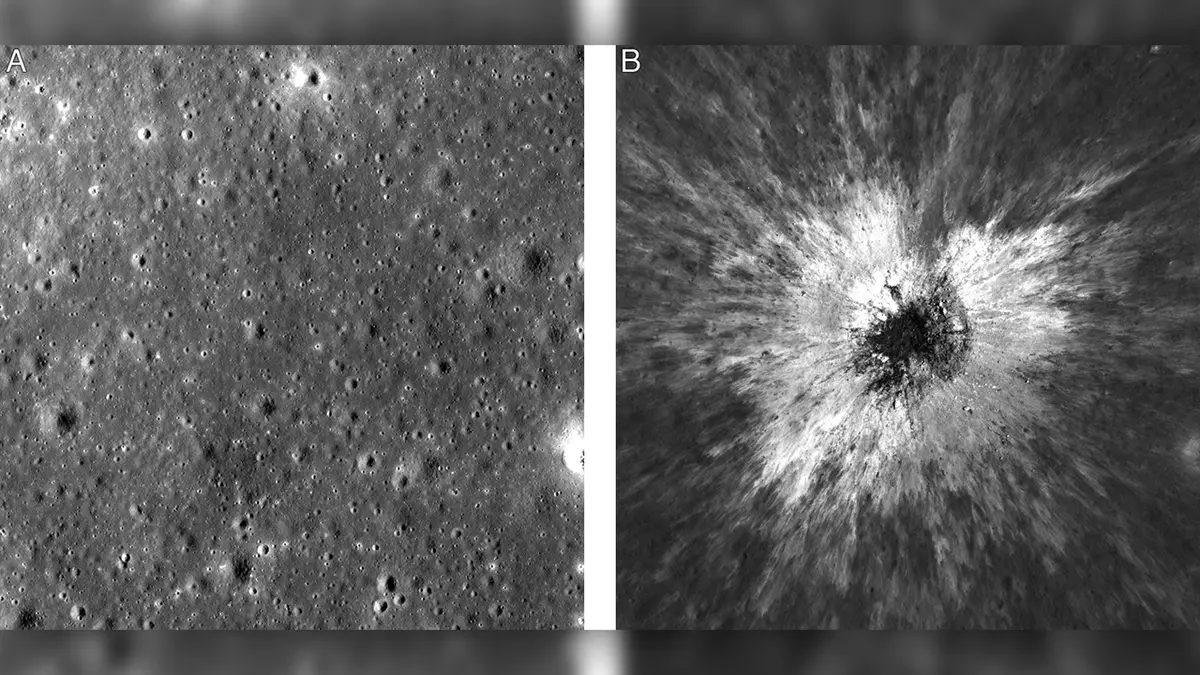
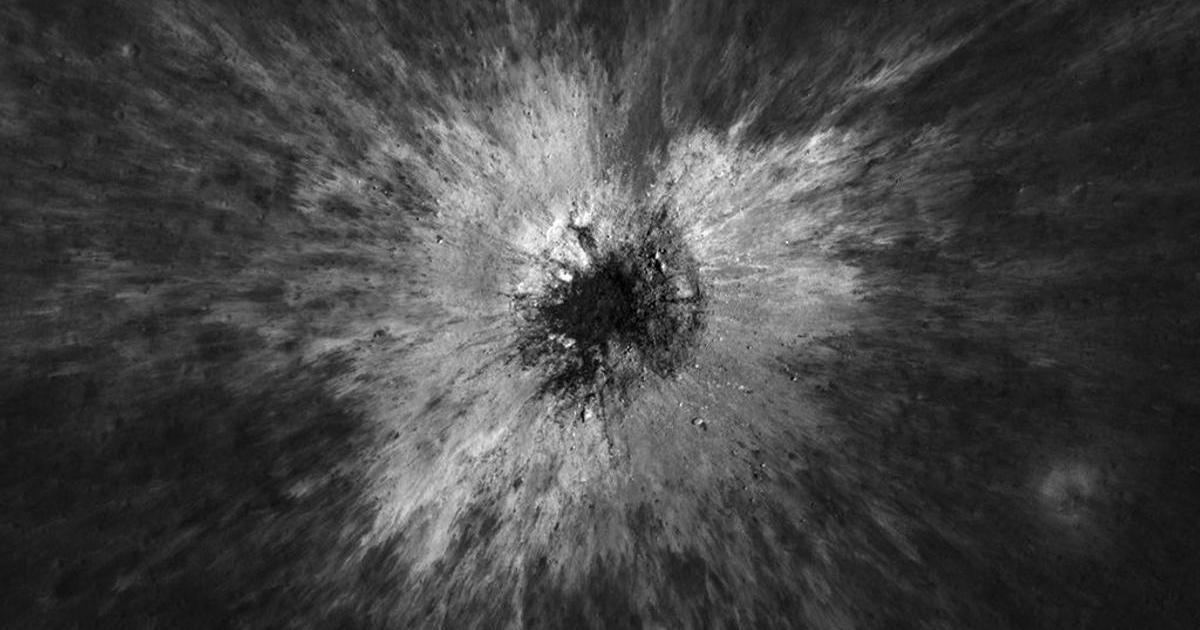
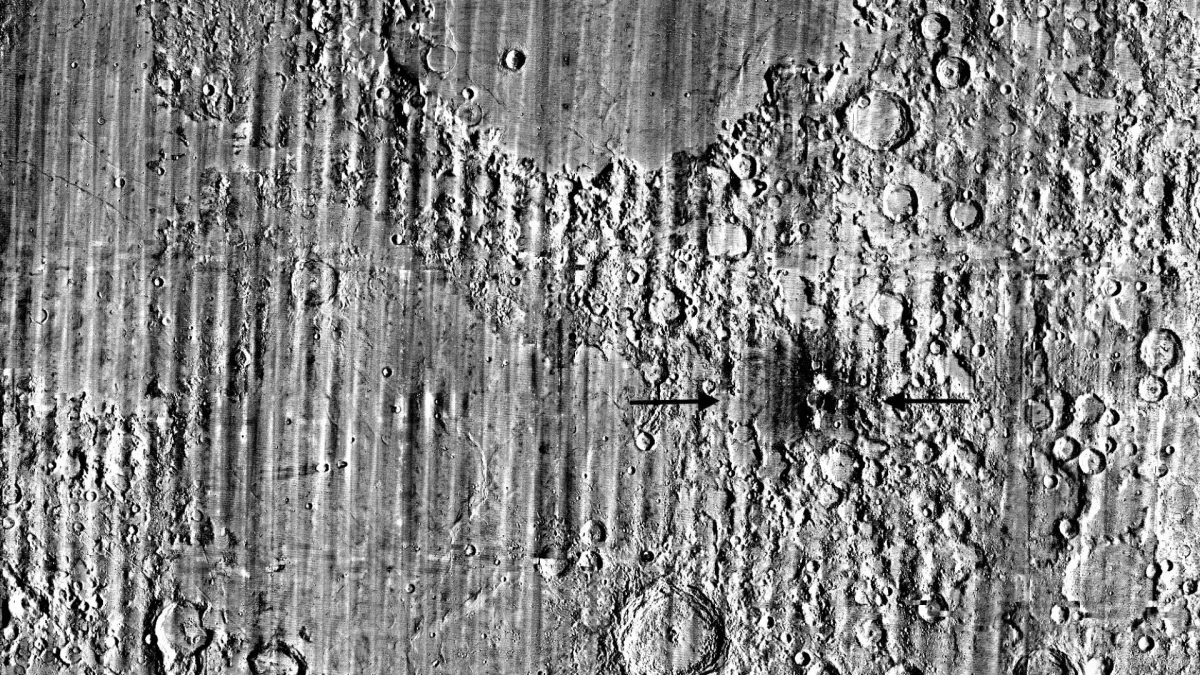
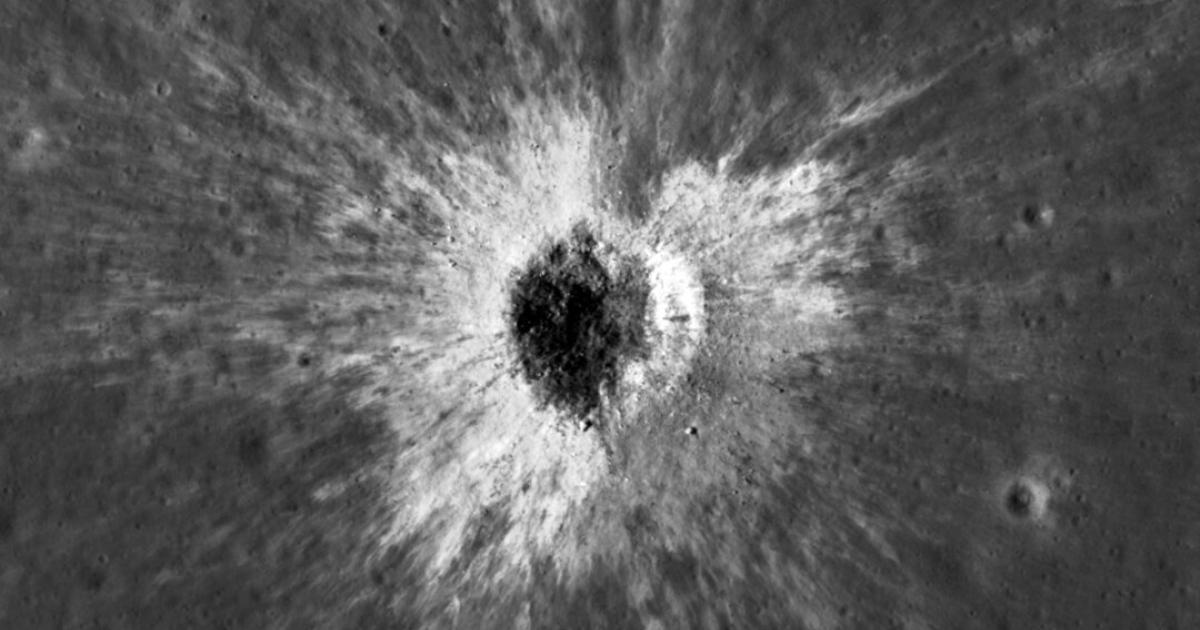
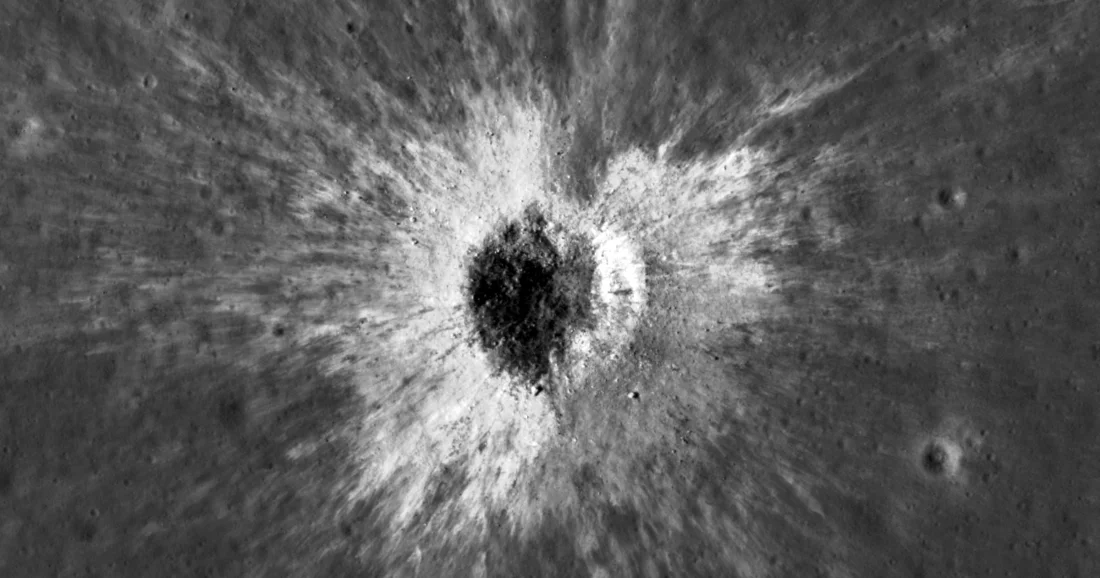
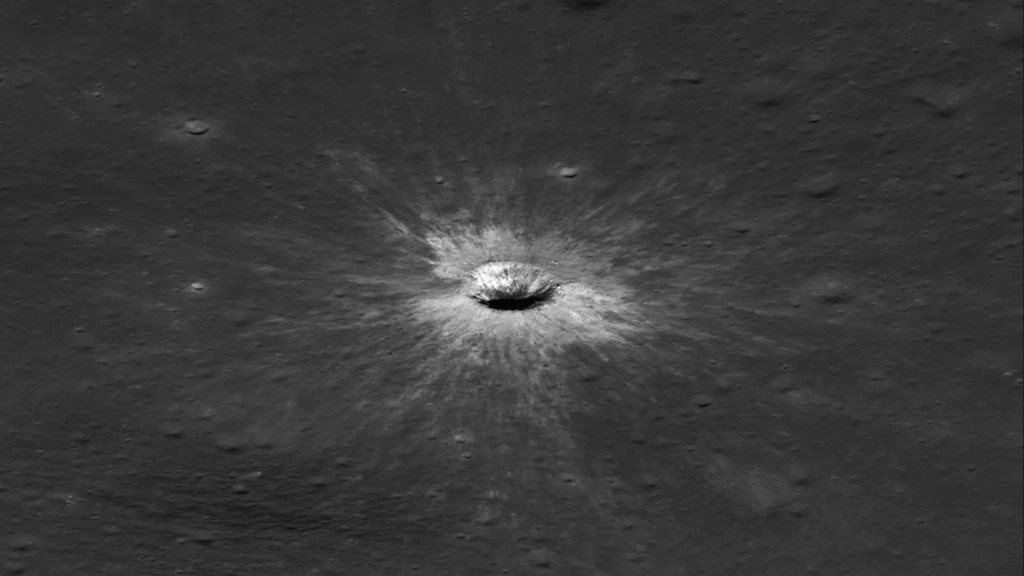
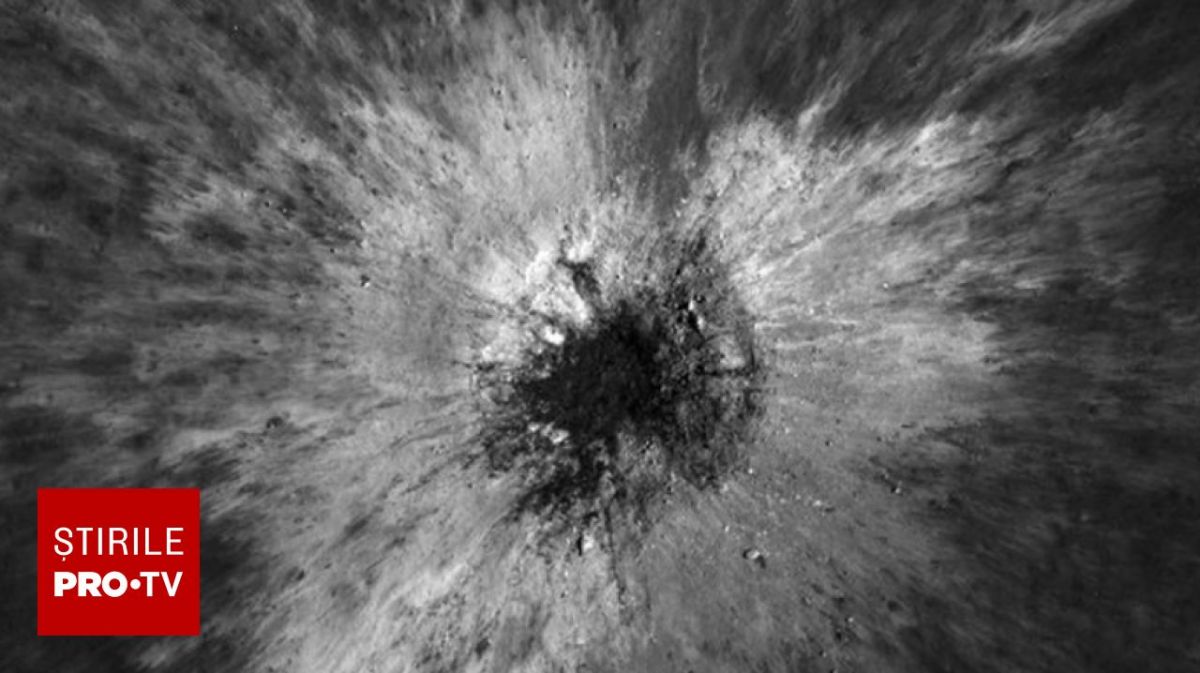
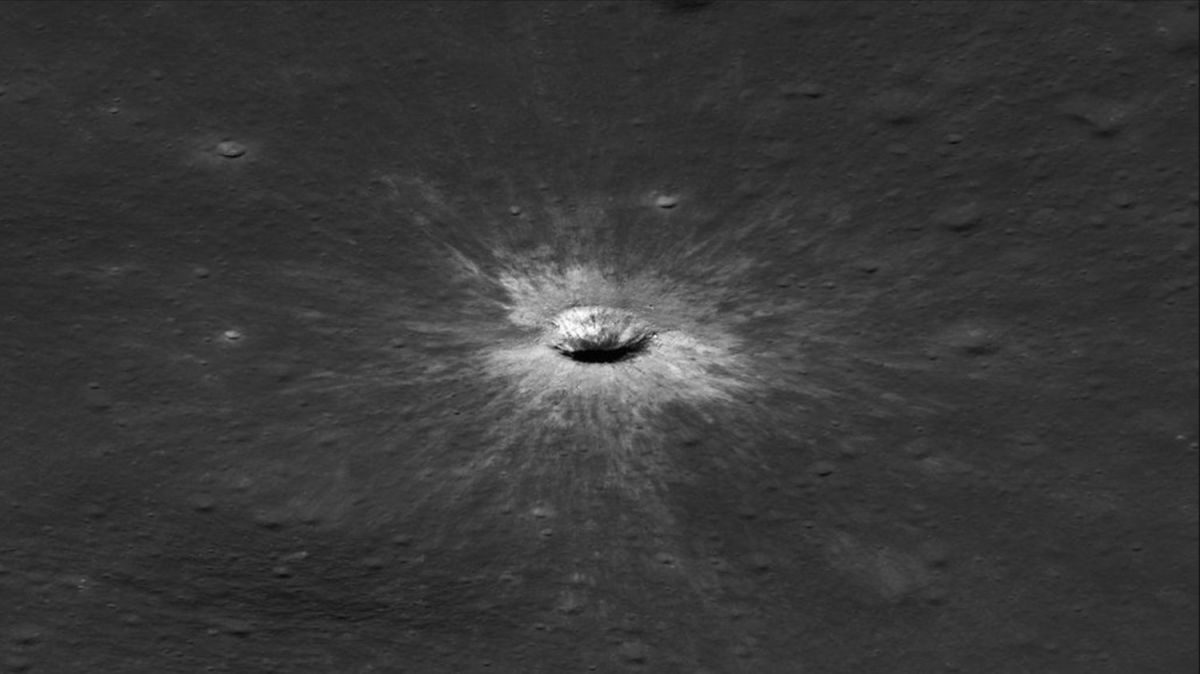
The Falcon 9 rocket from SpaceX will crash into the Moon next week, which may raise a dust cloud from the lunar surface, and researchers are uncertain how the impact will affect it, as the hollow structure of the used rocket creates different impact phenomena compared to conventional collisions with asteroids or comets. (translated)
The Japanese probe Hayabusa2 conducted a historic flyby on July 5, just 400 meters from the asteroid Torifune, setting a new record for the closest approach to a near-Earth asteroid, while demonstrating the ability to deflect potentially hazardous objects threatening Earth. (translated)
According to a study by Purdue University, the impact of an asteroid 66 million years ago, which enveloped the Earth in a hot dust cover, led to the mass extinction of the dinosaurs and about three-quarters of all species not through the shockwave or fireball, but through extreme heating and global fires. (translated)

Scientists from Purdue University found that dinosaurs died from a hot cloud of dust triggered by the asteroid impact, which acted as a thermal insulator, allowing deadly heat and a burning atmosphere to permeate, destroying almost everything that couldn't hide. (translated)