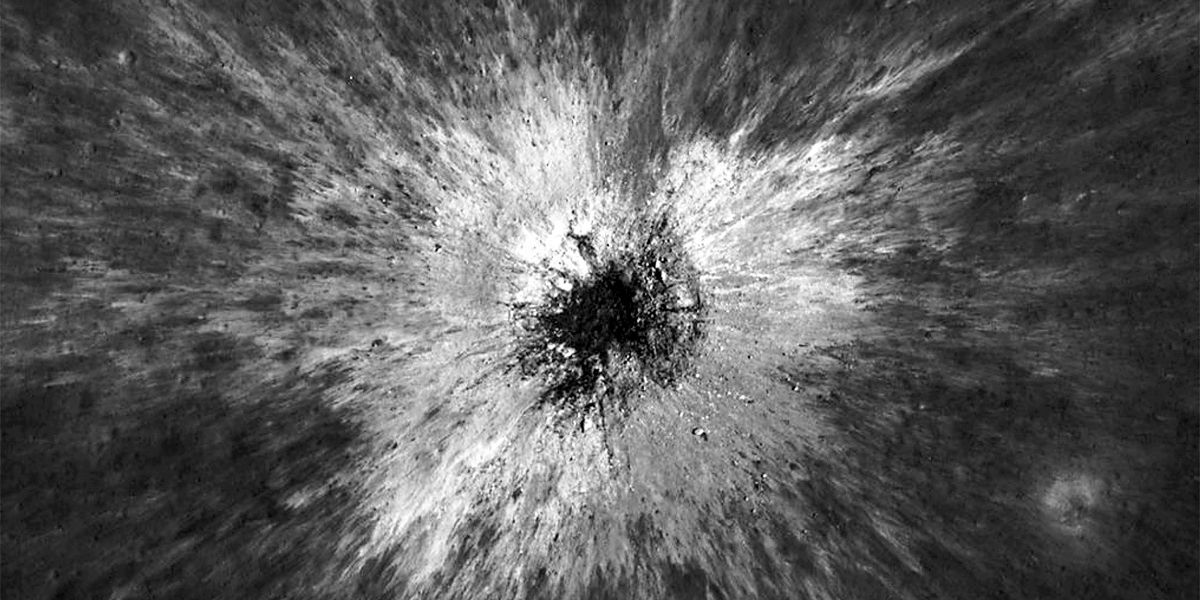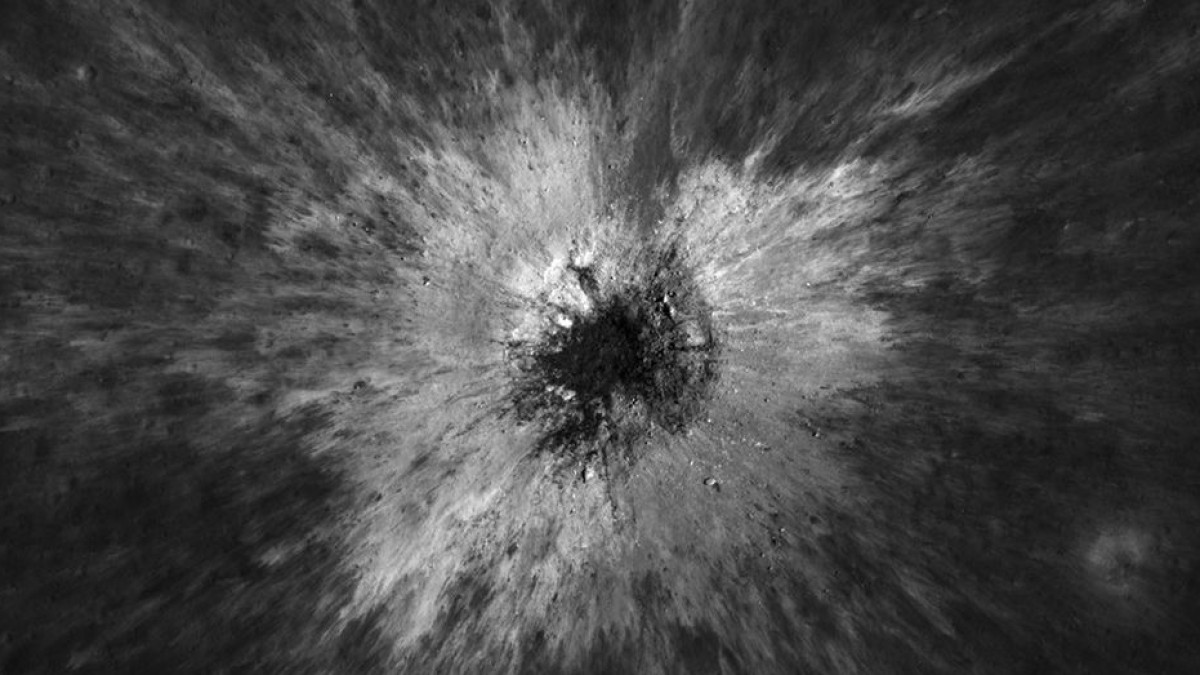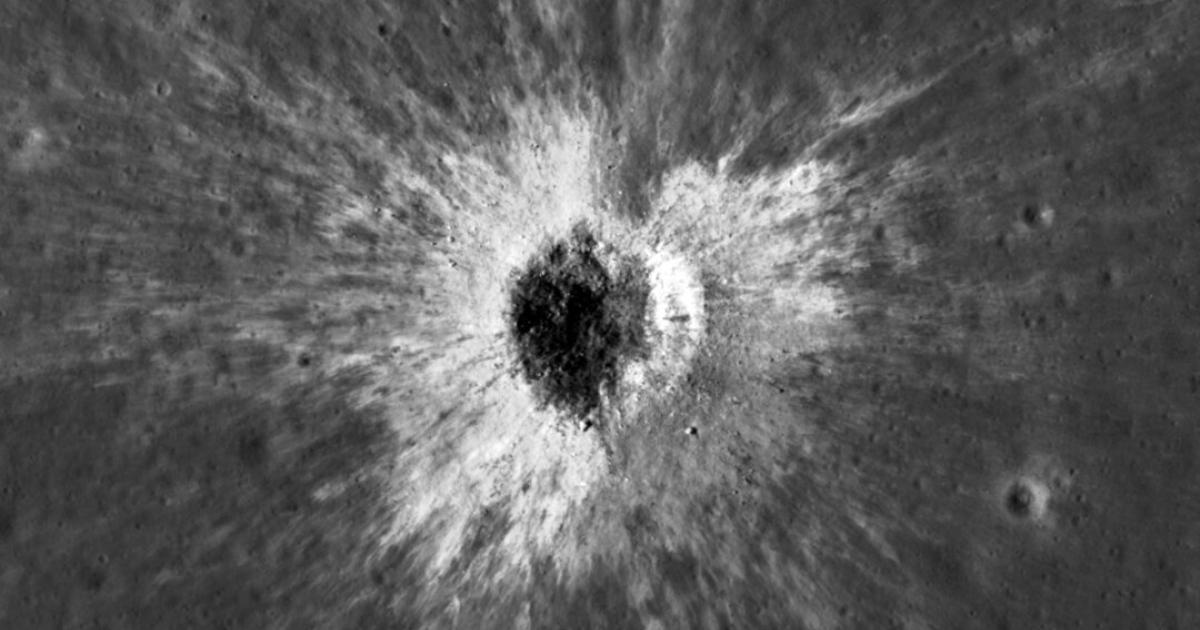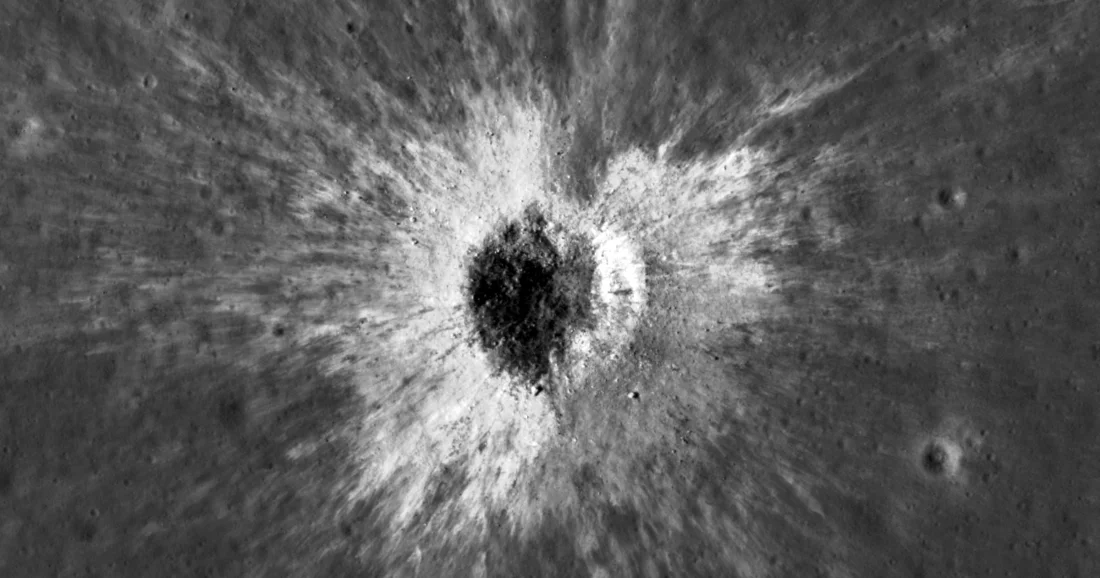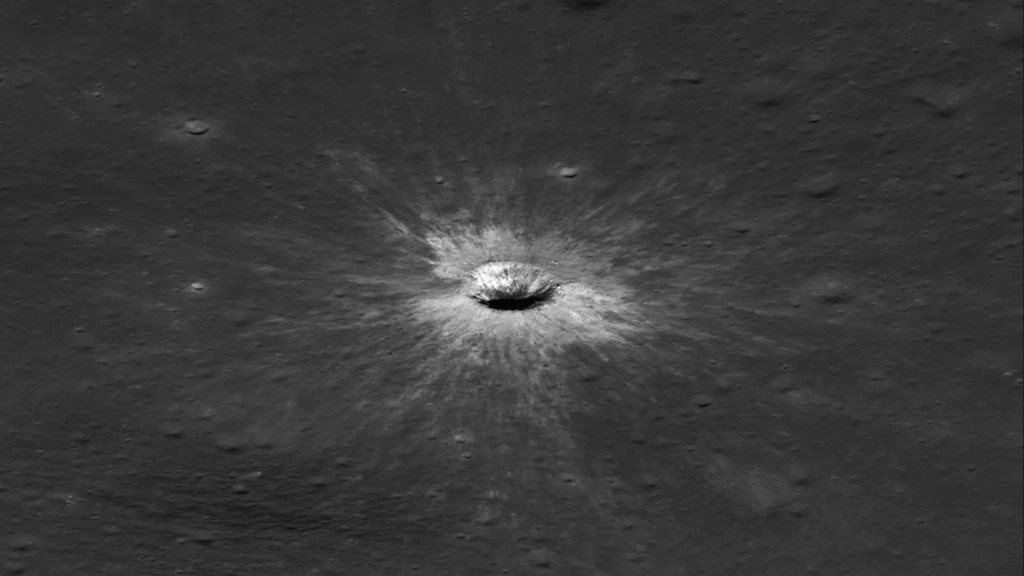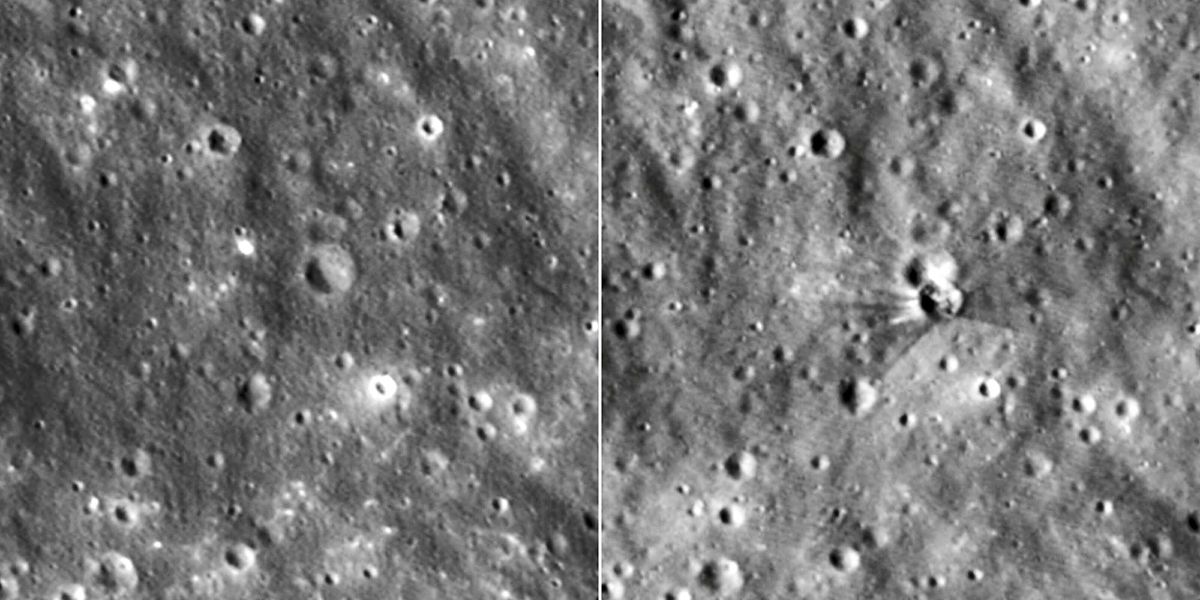
A new crater, 18 meters wide and 3 meters deep, was formed on the Moon after the SpaceX rocket stage crash, when the rocket struck the lunar surface at a speed of about 8690 km/h. (translated)

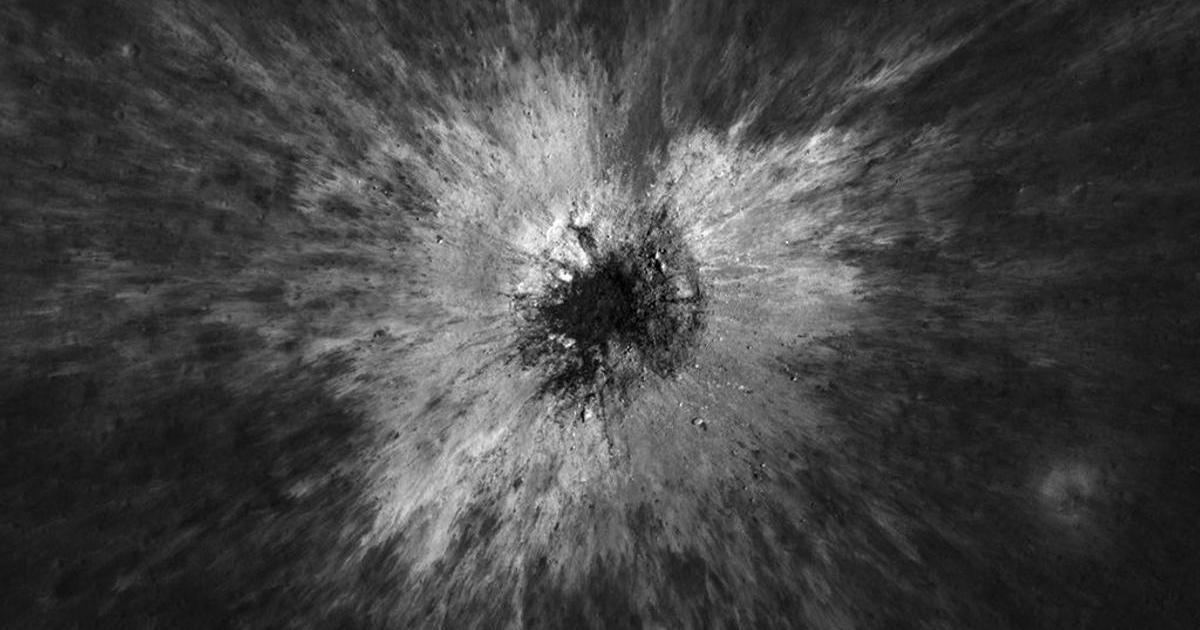
A new crater, 18 meters wide and 3 meters deep, was formed on the Moon after the SpaceX rocket stage crash, when the rocket struck the lunar surface at a speed of about 8690 km/h. (translated)

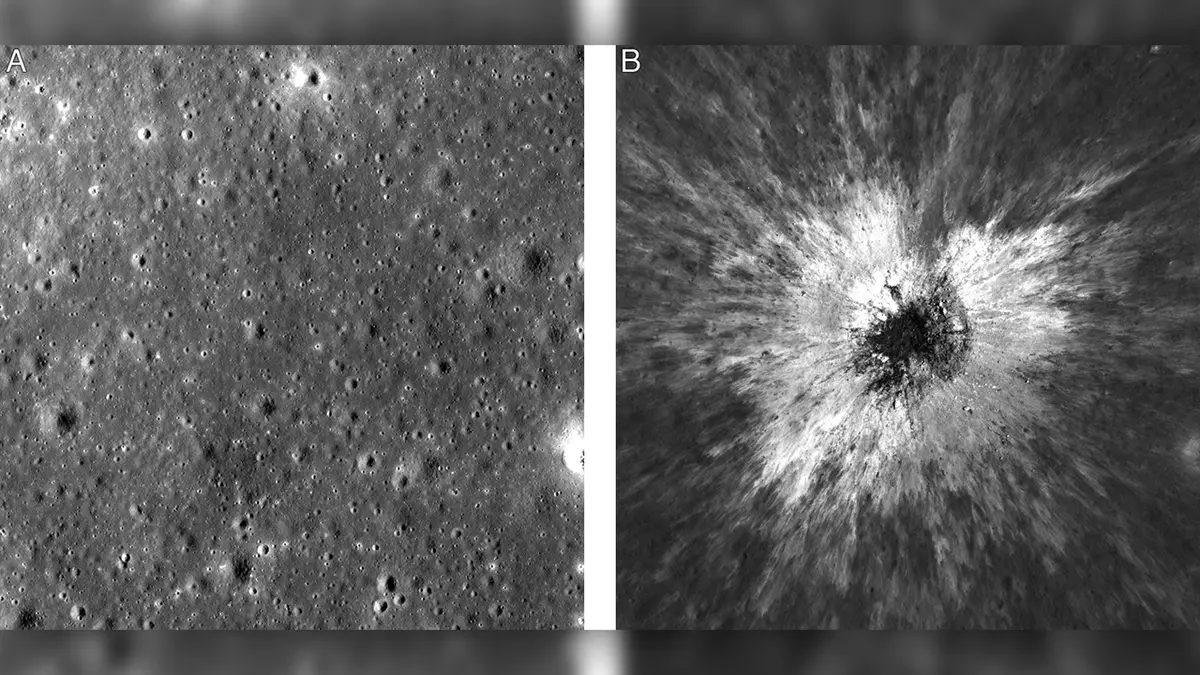
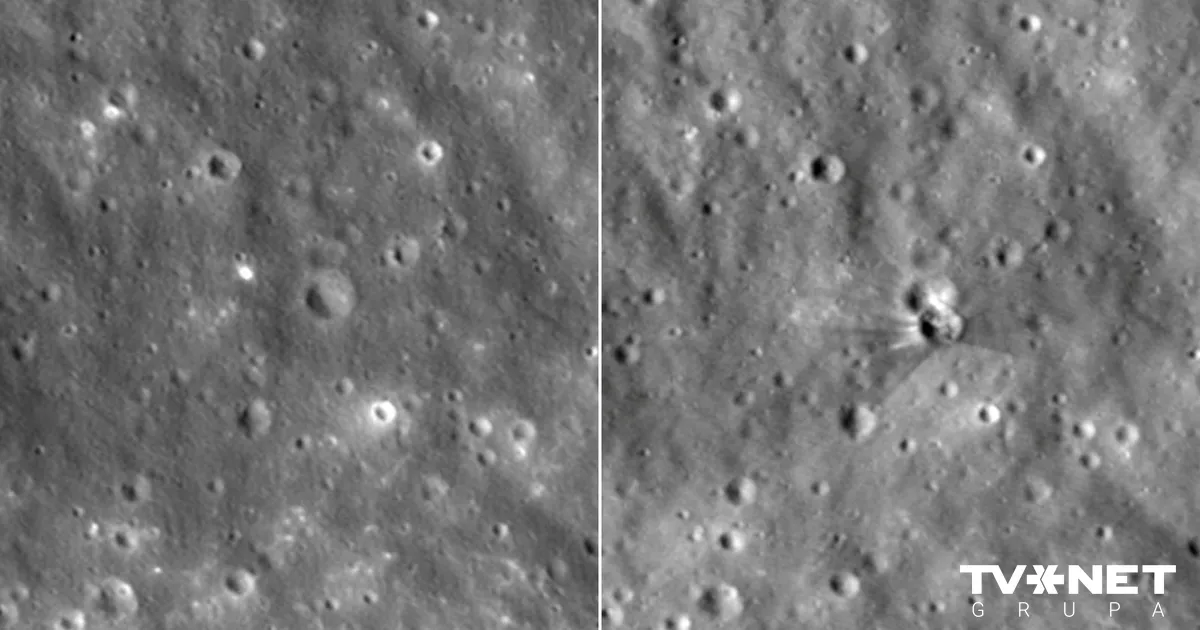
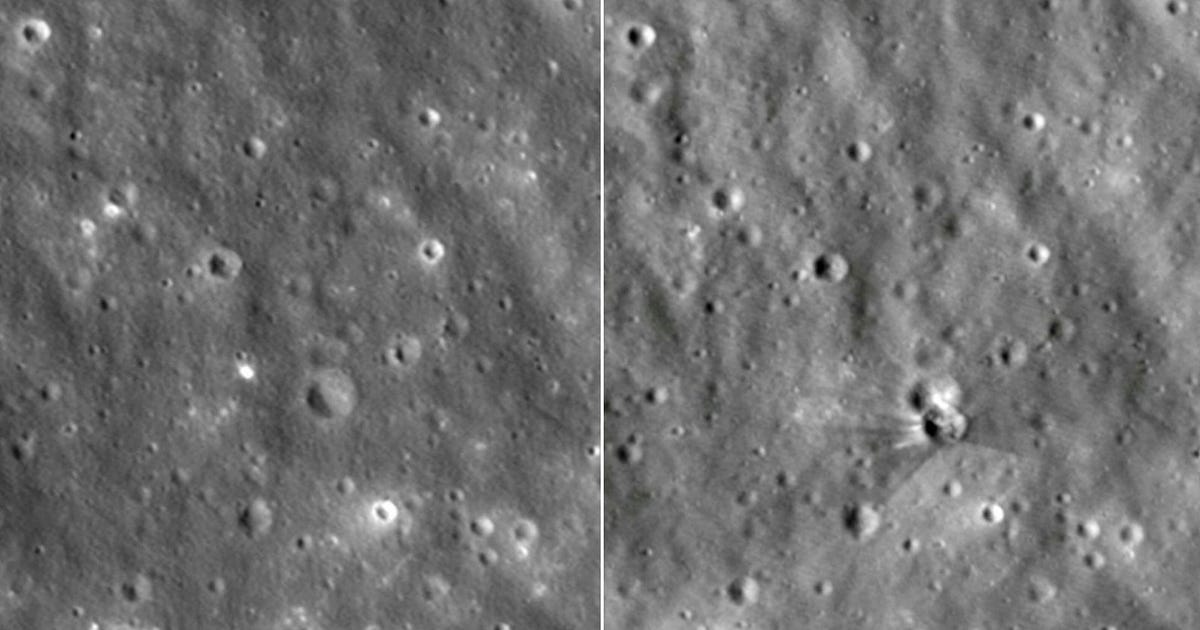
On August 5, a new crater was created on the moon's surface after a rocket from Space X crashed, which is confirmed by recently released images from NASA showing the site before and after the crash. (translated)

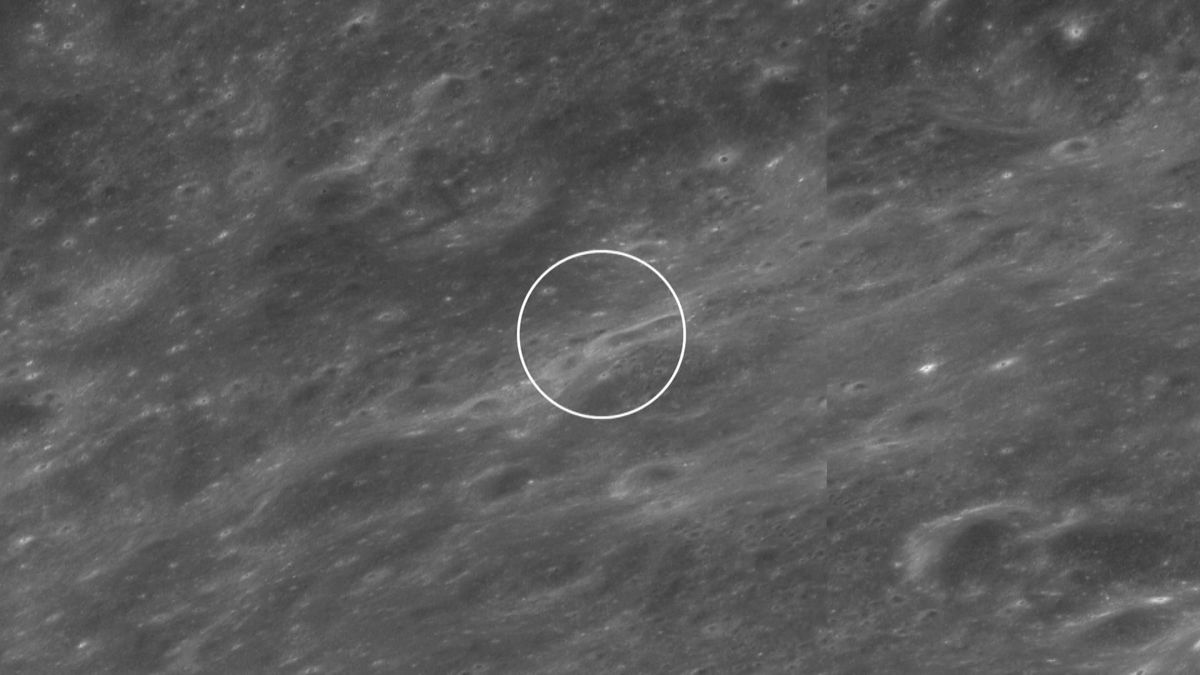
NASA unveiled images of a new crater on the Moon, which was created as a result of the unintentional collision of the upper stage of the Falcon 9 rocket, used in January 2025 to launch a lunar lander, with the surface of Earth's natural satellite. This was photographed by the Lunar Reconnaissance Orbiter six days after the impact, and the results of the observations are intended to aid in further studying the effects of such collisions and in planning future missions. (translated)

NASA has published photos of the crater formed on the Moon after being struck by debris from a SpaceX rocket, which is estimated to be about 18 meters in diameter, and the event occurred on August 5, 2026. (translated)
NASA has released photos of an 18-meter-wide crater created by the unintended crash of a four-ton piece of an abandoned SpaceX rocket on the Moon, which is of interest to science. (translated)

New NASA images have revealed a crater 18 meters wide left on the Moon by a piece of the uncontrolled SpaceX Falcon 9 rocket that went on a collision course with the Moon after separating from the landing modules. (translated)

NASA released images of a crater caused by a four-ton SpaceX rocket part on the Moon, which has a diameter of about 18 meters and a depth of nearly three meters, after the rocket part struck there on August 5, 2026. (translated)

Elon Musk now has his own "dell" on the Moon, which was created after a SpaceX rocket accident that landed on its surface at a speed of 8700 km/h on August 5 and created a crater with a diameter of 18 meters, as confirmed by new NASA images. (translated)
NASA has released impressive before-and-after photos of the newly formed crater created by the impact of a SpaceX rocket part on the Moon on August 5 at a speed of 8700 km/h, with the crater surprisingly small despite the enormous speed. (translated)

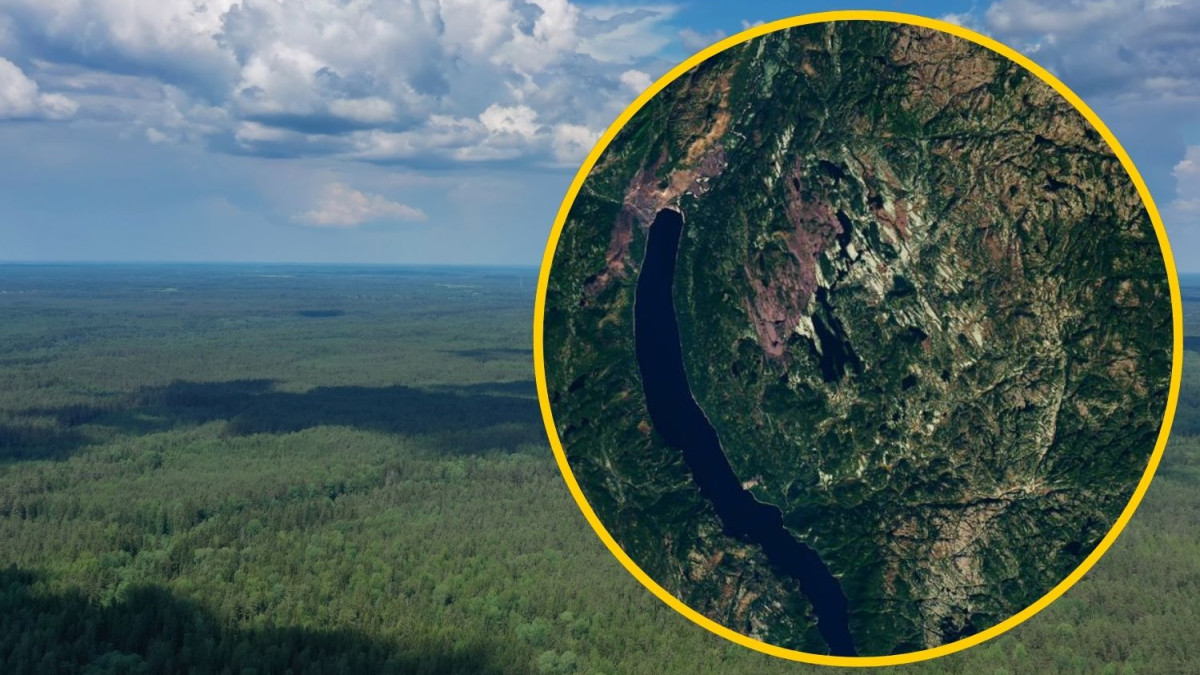
Amateur astronomer Joël Lapointe discovered a hidden meteorite crater with a diameter of 25 kilometers in Quebec on Google Maps, the existence of which was previously unknown, as confirmed by a team of scientists who investigated the area and determined that the crater is about 390 million years old. (translated)

The Perseverance rover on Mars has discovered a previously unknown mineral, corundum, which forms rubies and sapphires on Earth, raising questions about the conditions of its formation in plagioclase-rich rocks, all in the context of the geological history of the Jezero crater. (translated)

The activity of the Etna volcano attracts crowds of tourists, despite warnings from authorities about the dangers of approaching the crater and the unpredictability of the situation, which paralyzes the airport in Catania and causes an aviation crisis. (translated)

A fragment of the Falcon 9 rocket, which delivered landers to the Moon in 2025, struck its surface on Wednesday, leaving a probable crater with a diameter of 18 meters, highlighting the issue of space debris and providing data for research on the effects of artificial collisions on the Moon. (translated)

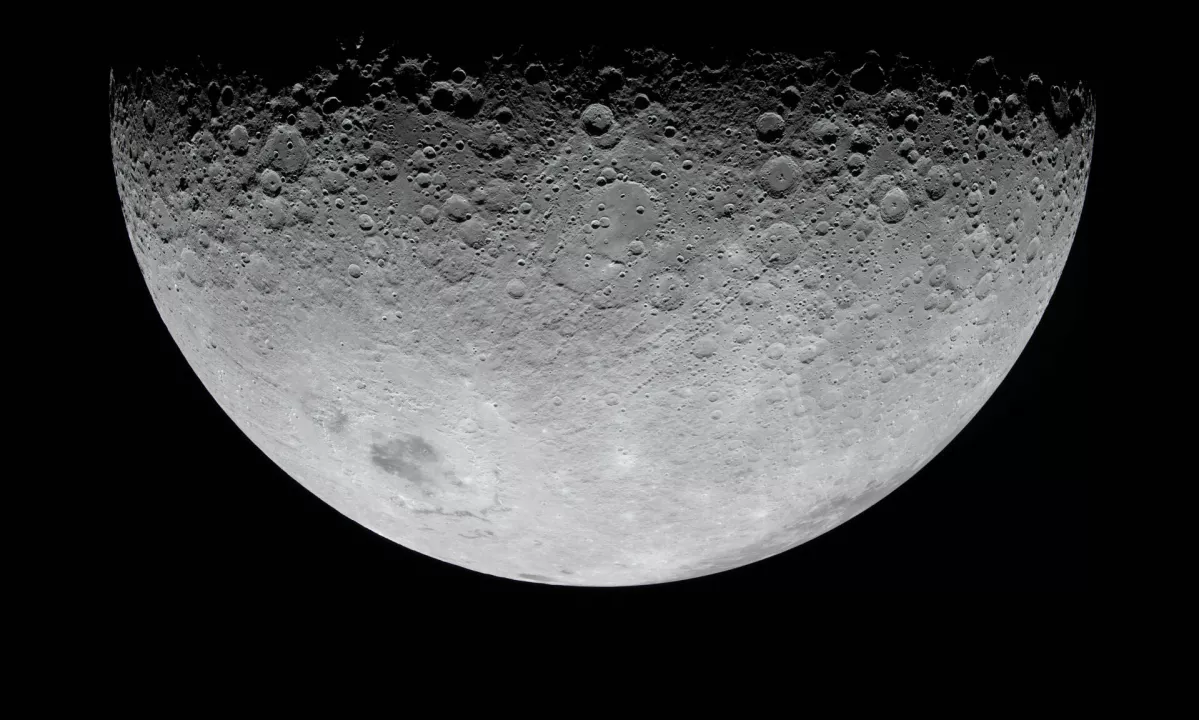
A fragment of a SpaceX rocket, 14 meters long, hit the Moon near the Einstein crater, which sparked the interest of scientists and space agencies, although it was difficult to confirm the collision from Earth. (translated)
A piece of a SpaceX rocket has crashed into the moon and created a new crater, which is expected to produce an observable plume of smoke from Earth. (translated)

Scientists predict that the SpaceX Falcon 9 rocket's upper stage, which poses no threat to Earth, will crash into the Moon's surface, creating a crater, and NASA plans to capture images of the impact site. (translated)

A fragment of the Falcon 9 rocket from SpaceX hit the Moon, which may have caused the formation of a new crater with a diameter of several to several dozen meters. (translated)

A four-ton piece of the Falcon 9 rocket from SpaceX likely crashed on the Moon, which was expected at 8:35 CEST, although the collision poses no danger to Earth, but it could leave a crater several meters wide on the lunar surface. (translated)

The decommissioned upper stage of a Falcon 9 rocket from SpaceX has surprisingly crashed on the Moon, with a collision in the area of the Einstein crater expected at a speed of about 8700 kilometers per hour, which could potentially provide valuable data. (translated)

The four-ton upper stage of the Falcon 9 rocket from SpaceX likely struck the Moon this morning, leaving a crater of several dozen meters, but there is no danger to either Earth or the Moon, and this will be confirmed based on surface images within a few hours to days. (translated)