WRLD

Search

#battaglia
L
lastampa.it 2d

Christa Pike, a survivor of a botched execution in Tennessee, spoke about her physical and mental pain in a statement, emphasizing that her healing does not equate to well-being, as she begins a legal battle to avoid a new execution attempt. #ChristaPike #Ingiustizia #CondannaAMorte (translated)

www.lastampa.it
Christa Pike parla per la prima volta dopo la fallita esecuzione: “Dolore nel corpo e nell’anima”
2250
L
lastampa.it 3d

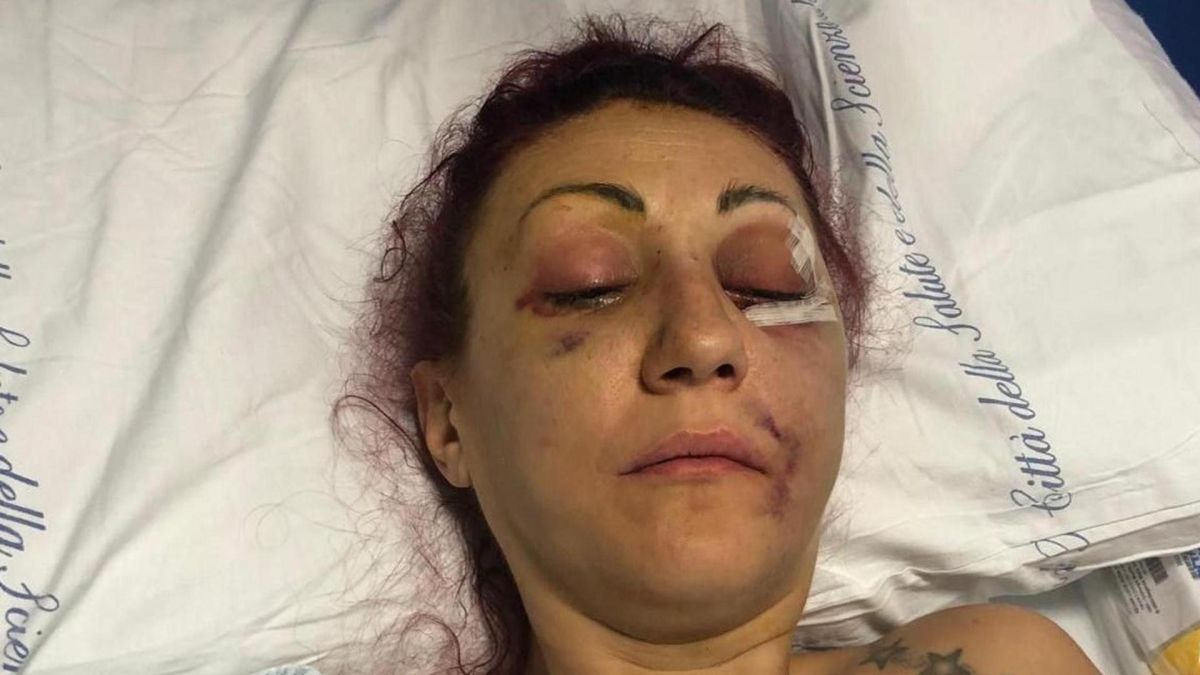
Lucia Regna's legal battle continues, with judges highlighting too many gaps in the case against her husband, who was initially acquitted of the charges of mistreatment. #Giustizia #Maltrattamenti #Processo (translated)

www.lastampa.it
La battaglia di Lucia Regna, massacrata dall’ex. I giudici: “Troppe lacune nel processo”
2239
L
lastampa.it 4d

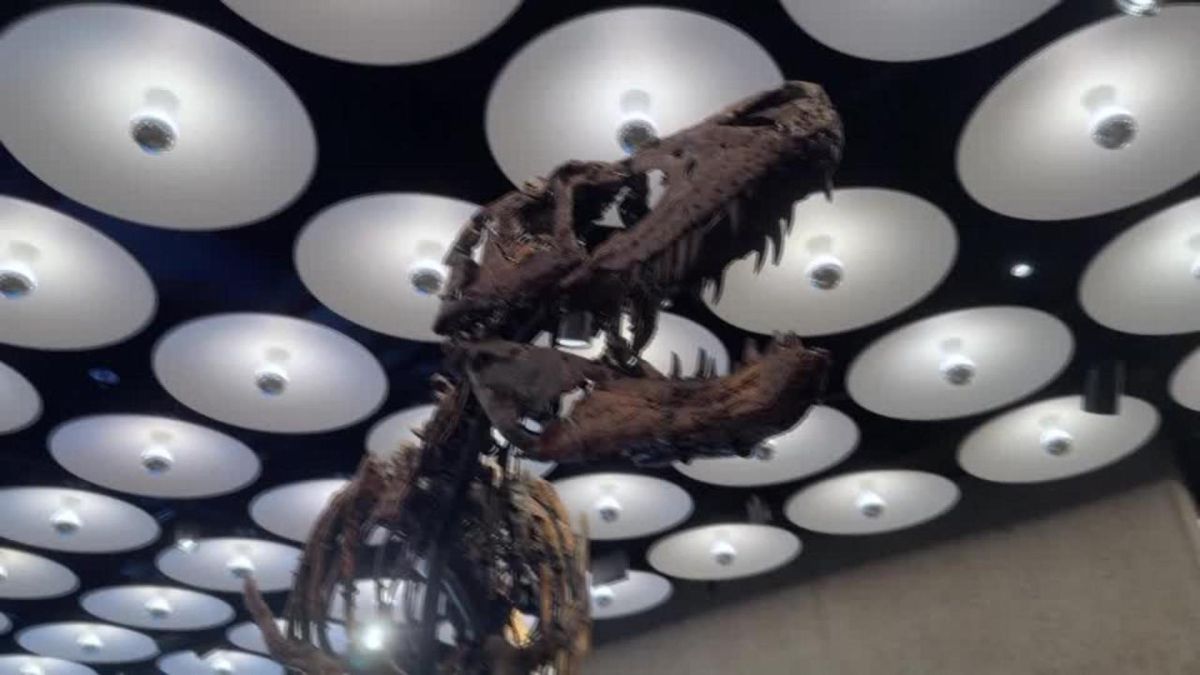
A 67-million-year-old dinosaur, a fossil of Nanotyrannus, was sold at auction by Sotheby's in New York for $47.3 million after a bidding battle that lasted 12 minutes. #dinosauro #asta #Sothebys (translated)

www.lastampa.it
dinosauro 67 milioni anni venduto asta new york
2698
Il Fatto Quotidiano 4d

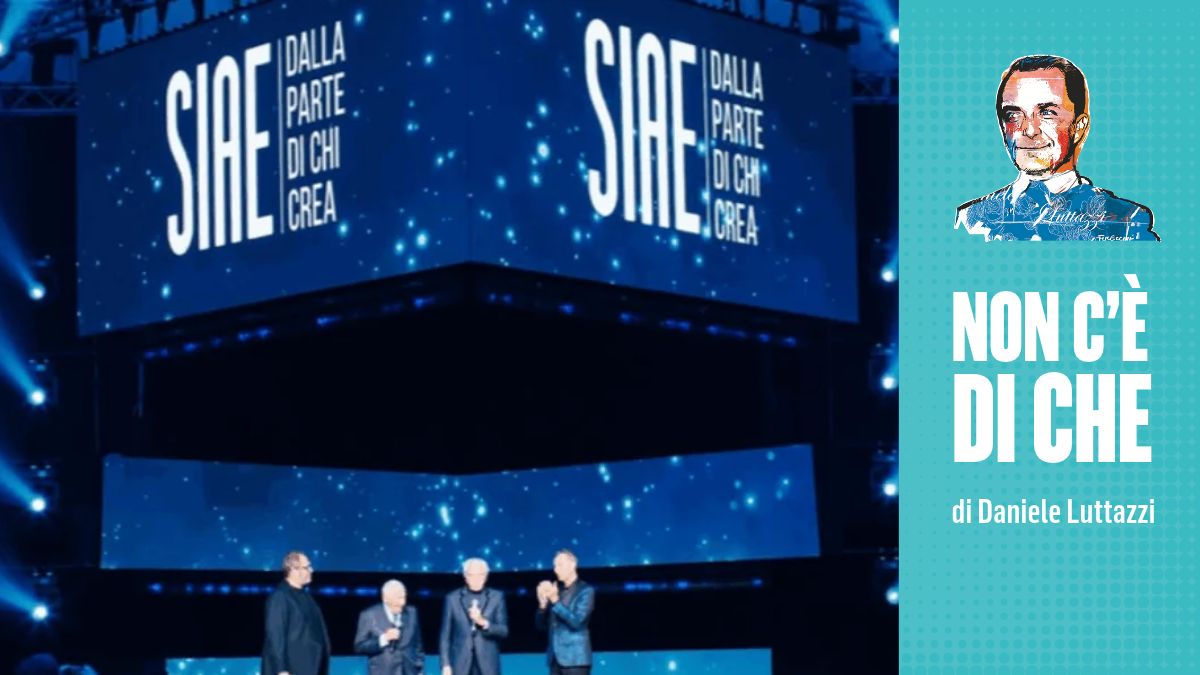
Siae, facing technological progress and the growing use of artificial intelligence in music production, finds itself in an apparently lost battle for the protection of copyright, which many consider anachronistic and outdated. #Siae #Copyright #IntelligenzaArtificiale (translated)

www.ilfattoquotidiano.it
La Siae cerca di sopravvivere al progresso tecnologico: la battaglia mi sembra già persa
2700
Luciano Magaldi Sardella (PhD) 5d

LIVING CERIGNOLA: THE MILITARY ARCHAEOLOGY OF THE BATTLE OF CERIGNOLA ARRIVES ON "POPULAR ARCHAEOLOGY USA" CERIGNOLA (FG) - The Battle of Cerignola on April 28, 1503, returns to the center of international debate. The prestigious American magazine Popular Archaeology has dedicated an extensive in-depth article to the battle that changed European military history: the first in which over 1,000 Spanish arquebusiers under Gonzalo Fernández de Córdoba, sheltered behind a trench reinforced with vineyard posts, stopped the charge of the elite heavy cavalry of the Duke of Nemours. A trench that, in fact, rendered cavalry obsolete and inaugurated the era of infantry armed with fire, determining control of the Mediterranean for the next 160 years. The article highlights the decades-long microhistorical research work of the Torre Alemanna Study and Research Center in Cerignola led by Dr. Matteo Stuppiello: from the letter of Consalvo de Cordoba to the Kings of Spain (April 29, 1503), to the graffiti of 1503 in the Church of Santa Maria delle Grazie, to the land registries of the State Archive of Naples that explain the agrarian origin of that trench. A battlefield still lacking a map and protection, but scientifically rediscoverable thanks to technologies such as LiDAR ISPRA, magnetometry, and ground-penetrating radar. An important recognition for Cerignola, for the Tavoliere, and for all historical research in Puglia, which today deserves a systematic project for the archaeology of battlefields. (translated)

451
Luciano Magaldi Sardella (PhD) 5d

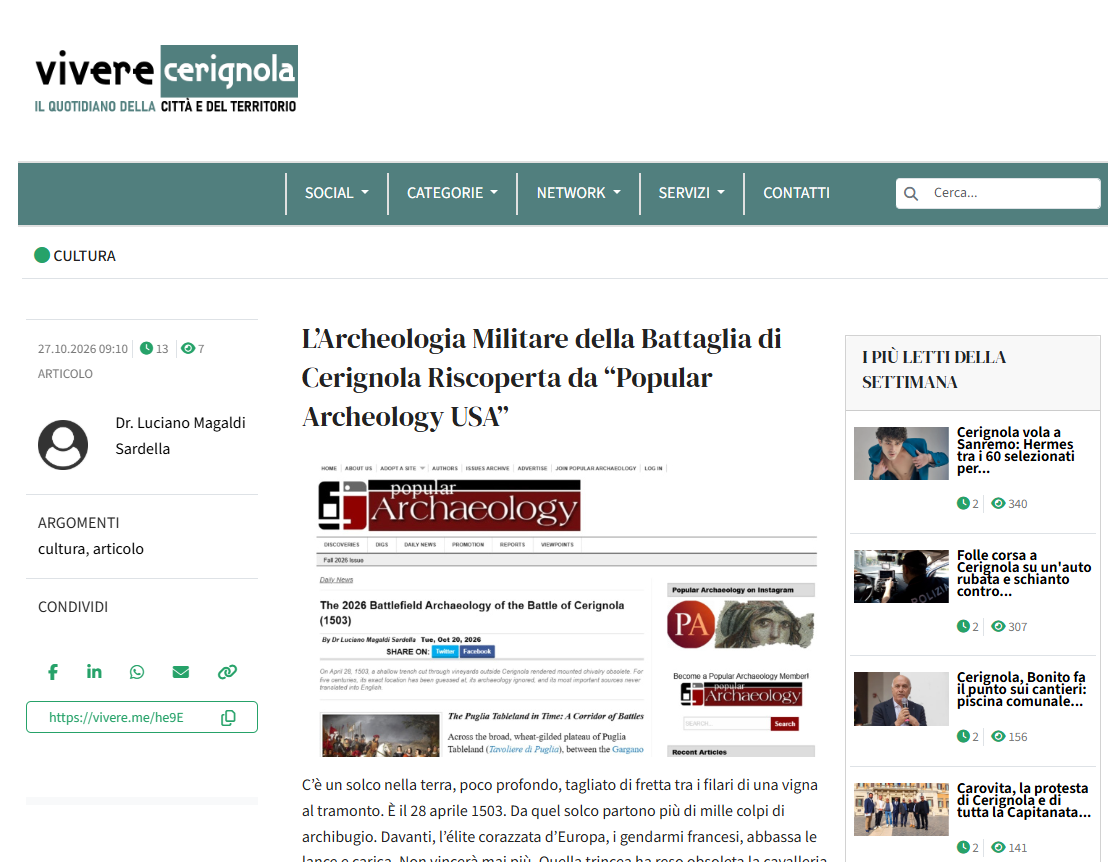
VIVERE CERIGNOLA: THE MILITARY ARCHAEOLOGY OF THE BATTLE OF CERIGNOLA FEATURED IN “POPULAR ARCHAEOLOGY USA” SOURCE: https://www.viverecerignola.it/2026/10/27/larcheologia-militare-della-battaglia-di-cerignola-riscoperta-da-popular-archeology-usa/194456/?utm_medium=Link&utm_campaign=Facebook&utm_source=Social __________________________________________________________________ CERIGNOLA (FG) - The Battle of Cerignola of 28 April 1503 has returned to the centre of the international debate. The prestigious American journal Popular Archeology has devoted an extensive in-depth analysis to the battle that changed the course of European military history: the first in which more than 1,000 Spanish arquebusiers under Gonzalo Fernández de Córdoba, entrenched behind a ditch reinforced with vine stakes, halted the charge of the élite of the French heavy cavalry led by the Duke of Nemours. A ditch that, in effect, rendered cavalry obsolete and inaugurated the era of infantry armed with firearms, determining control of the Mediterranean for the subsequent 160 years. The article highlights the decades-long micro-historical research undertaken by the Centro Studi e Ricerche Torre Alemanna of Cerignola, led by Dr Matteo Stuppiello: from Consalvo da Cordova’s letter to the Catholic Monarchs of Spain (29 April 1503), to the 1503 graffito in the Church of S. Maria delle Grazie, to the land registers of the State Archive of Naples which explain the agrarian origin of that trench. A battlefield still without a map and without legal protection, yet scientifically recoverable through technologies such as ISPRA LiDAR, magnetometry and ground-penetrating radar. An important recognition for Cerignola, for the Tavoliere and for all Apulian historical research, which today deserves a systematic battlefield archaeology project.

1015
ANSA.it 6d

The humanitarian truce in Oleshky between Russia and Ukraine could set a precedent for future peace initiatives, while the situation on the battlefield remains critical with continuous Russian attacks and the urgent need for evacuation for civilians in distress. #Ucraina #Russia #Pace (translated)

www.ansa.it
Ucraina, Mosca: 'La tregua a Oleshky un precedente per altre iniziative'
3165
Il Fatto Quotidiano 7d

Adriano Galliani, 82-year-old former manager of Milan and close to Berlusconi, emerges as a possible challenger to Giovanni Malagò for the presidency of the Italian Football Federation, throwing further tension into the internal battle of Serie A. #AdrianoGalliani #Federcalcio #GiovanniMalagò (translated)

www.ilfattoquotidiano.it
Voto Figc, dal Nord spunta “nonno” Galliani: un 82enne fedelissimo di Berlusconi per salvare il calcio | Il commento
2836
Luciano Magaldi Sardella (PhD) 7d

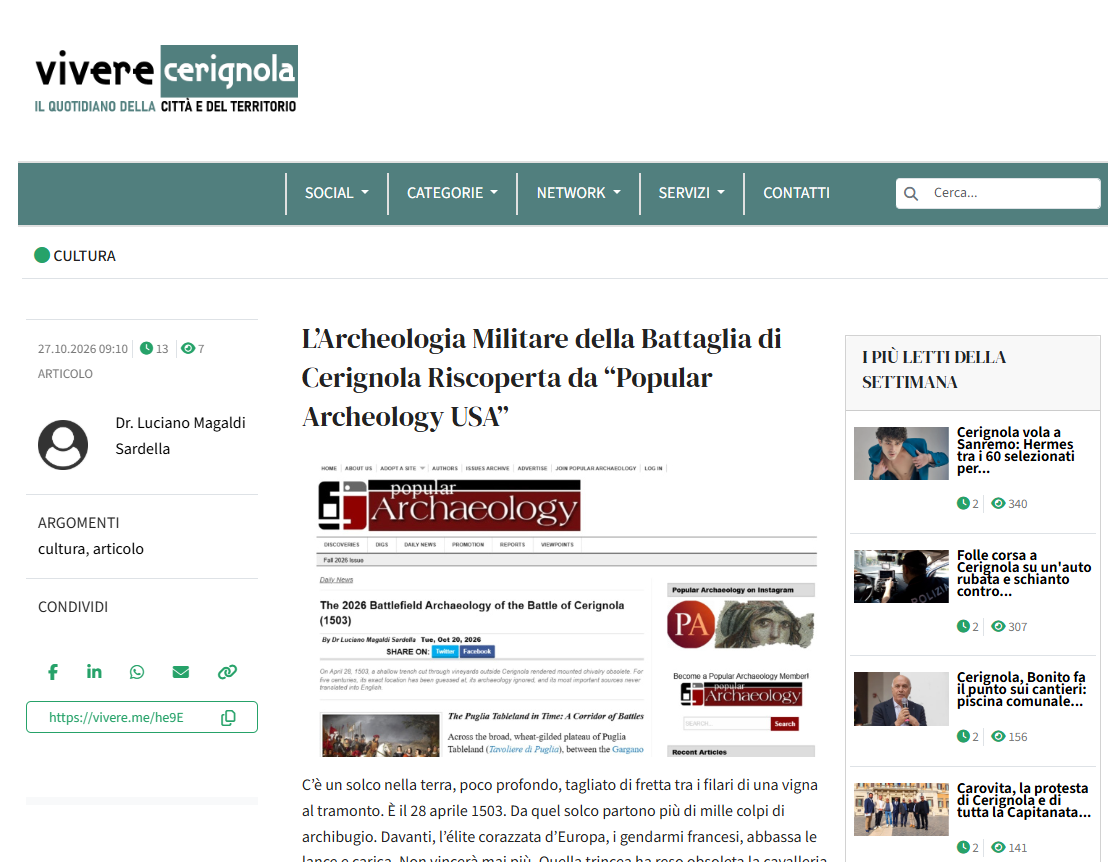
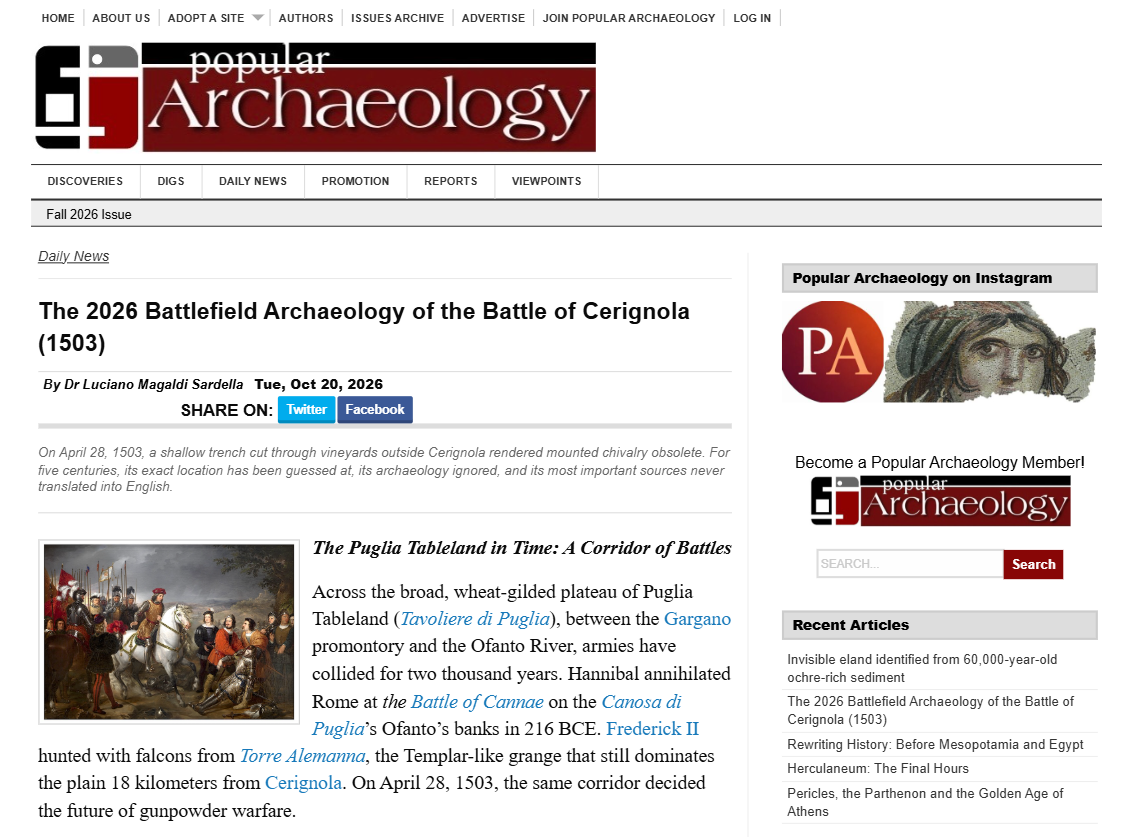
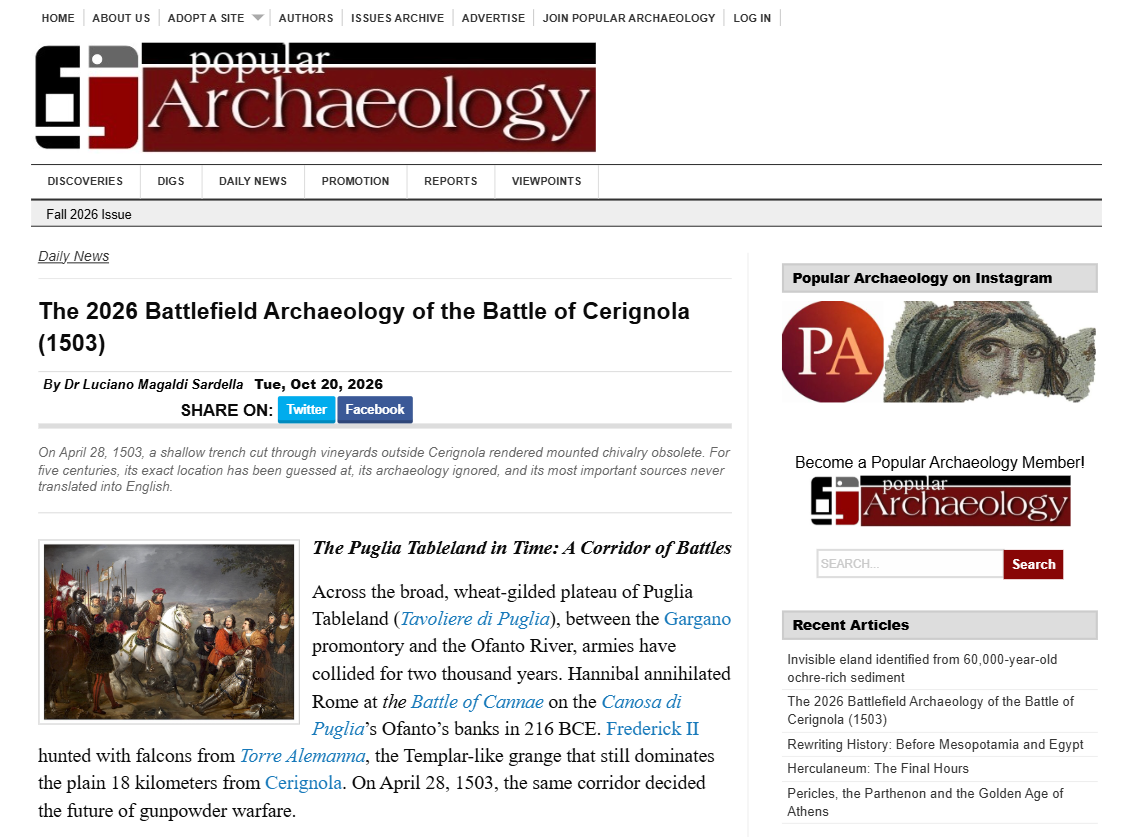
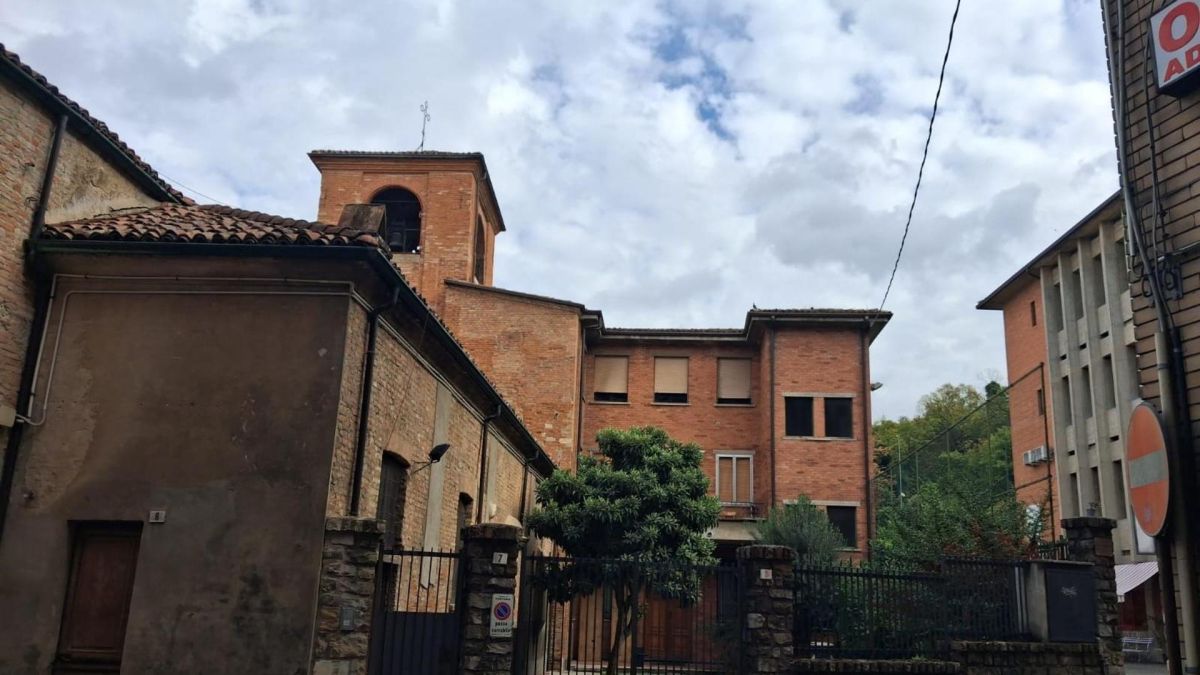
THE "BATTLE OF CERIGNOLA (1503)" ON "POPULAR ARCHAEOLOGY USA" (by LUCIANO MAGALDI SARDELLA) SOURCE 1: https://popular-archaeology.com/author/sardella/ SOURCE 2: https://popular-archaeology.com/article/the-2026-battlefield-archaeology-of-the-battle-of-cerignola-1503/ -------------------------------------------------------------------- CERIGNOLA (FG) — On April 28, 1503, at sunset, a shallow trench cut between the vineyards outside Cerignola rendered heavy cavalry obsolete. For five centuries, its exact location has only been conjectured, its archaeology ignored, its most important sources never translated into English. We are on the Tavoliere of Puglia, a corridor of battles for two thousand years: from Cannae in 216 BC to the falcon hunt of Frederick II from Torre Alemanna. Cerignola, at that time, was not a city but a rural village of 350 families at 120 meters above sea level, custodian of the Mena della Dogana delle Pecore, the great pastoral system of transhumance that financed the Kingdom of Naples. Its possession was fiercely contested. Facing each other were two worlds. Louis d’Armagnac, Duke of Nemours, Viceroy of Naples for Louis XII, in his thirties, splendidly armored, confident of victory. On the other side was Gonzalo Fernández de Córdoba, the Gran Capitán, who on April 27-28 marched from Barletta with about 9,000 exhausted men and decided to settle on a low ridge. He deepened what was already there: not an invention, but an agricultural ditch. The French gendarmes, the last heirs of the medieval knight, lowered their lances and never reached the line. From behind a parapet reinforced with vine stakes, over 1,000 Spanish arquebusiers opened fire. Nemours fell, almost certainly the first European army commander to die from a portable firearm. With him, the charge of cavalry as a dominant tactic died. And here is the scandal denounced by the article: no cartographer of the 17th-18th centuries ever mapped the battlefield. No monument commemorates it. It is not protected as a cultural landscape under the Code of Cultural Heritage. Every deep plowing of the Tavoliere, standard practice since the Bourbon reforms, destroys an archaeology never recorded. Yet the perimeter can be reconstructed. By cross-referencing the 16th-century descriptions of "vine-covered slopes fifteen miles north of the Ofanto" with the Via Traiana, the engagement area is a rectangle of 3-4 square kilometers northeast of the current settlement. With the 1m LiDAR DTM from ISPRA, it could reveal anomalous linear depressions, and the lower filling of a ditch 2-3 meters deep, under the plowed layer, is still readable with magnetometry and ground radar. Why did we arrive late? Not for lack of sources, but for lack of translation. The Municipality of Cerignola and the Torre Alemanna Research and Study Center of Prof. Matteo Stuppiello, who in 1978 obtained the first monumental protection for Torre Alemanna, have digitized a corpus that has never entered Anglophone historiography. Here are the 3 pillars: 1. The letter that still smells of gunpowder. The “Letter from Consalvo de Córdoba to the Spanish royals dated April 29, 1503,” edited by Stuppiello in 2003 and updated to 2025 on comune.cerignola.fg.it/biblioteche-digitali. A handwritten page written in Cerignola the day after the battle, “rich in flashes, twilight lights, and gunfire.” Not a polished chronicle like that of Giovio, but a field dispatch: the fatigue of the night march, the decision to entrench upon arrival, the recovery and honorable burial of Nemours, the intact capture of the French artillery. 2. The graffiti, a monument inside the monument. In the 14th-century church of Santa Maria delle Grazie, known as the Incoronatella, on the Via Trinitapoli Vecchia, where tradition holds that the body of Nemours was brought. On the triumphal arch, a 1503 graffiti gives, in almost notarized form, the date, sixth indiction, Friday at the hour XXIII-XXIIII. It was indeed Friday, as confirmed by the perpetual calendar of Cappelli. Decoded in 1995 by Prof. Francesco Magistrale, Latin paleographer at the University of Bari, in *The Battle of Cerignola (1993)* and in the municipal monograph *S.M. delle Grazie (1999)*. Today it is fading due to humidity and neglect. 3. The land registry that explains the ditch. The Survey of 1672 preserved at the State Archive of Naples, Pignatelli Aragona Cortes fund, Scanzia 63, fasc.1: “At the time of the battle, thick vineyards covered the hill reaching to the plain, and were distinctly separated from the rest of the countryside by a not very deep ditch.” Córdoba did not improvise; he adapted. This is confirmed by the catasti of the Giustiniani: 277 households in 1532, 699 in 1595. The landscape of 1503 was intensely horticultural, not the deeply plowed monoculture of today. In addition to these, there is the first monograph by Vincenzo Buonassisi, *The Battle of Cerignola* (1908, died in Via Fanfulla 10 on June 27, 1928), and the first modern military analysis by Piero Pieri, “Consalvo de Córdoba and the Battle of Cerignola,” Archivio Storico Pugliese 1952, which 30 years before the Anglophone rediscovery of the “pike-and-shot” defined Cerignola as an engineered killing ground. While Cerignola forgot, others remembered. The “Regimiento de Infantería Cerinola n.42”, later “Fuerteventura n.56”, carried the name of Cerignola until the 20th century. The coat of arms, described in *Heraldica e Historiales del Ejercito, Tomo V” (Madrid, 1981): silver field, dying white swan entangled in a hedge, golden wall crown, with the scroll “Cerignola.” Dossier officially transmitted on April 30, 1986, prot. 4565/509, from the Servicio Histórico Militar of Madrid to the Torre Alemanna Center thanks to Col. Alessio Antonutti and Gen. José Cifuentes. And in Amsterdam, at the Rijksmuseum, the anonymous bronze commemorative medal: Hercules with lion skin and club and Janus with the keys next to an eagle-armed coat of arms, legend “Consalvus Agidarius… Janum clausit,” on the reverse a battle scene “Consalvi Agidari Victoria de Gallis ad Cannas,” an artist's mistake that confuses Cerignola with Cannae. It belonged to Mrs. J.M. van Gelder-Nijhoff, donated in 1885. The author's conclusion is clear: Gonzalo's ditch is the most consequential earthwork in European military history. It inaugurates the infantry armed with firearm and conditions the Mediterranean for 160 years. It may still be there, filled, plowed, invisible to the naked eye but accessible to a magnetometer. It is not a matter of medieval archaeology but of the will to protect. (translated)

681
Luciano Magaldi Sardella (PhD) 7d

THE “BATTLE OF CERIGNOLA (1503)” ON “POPULAR ARCHAEOLOGY USA” (by LUCIANO MAGALDI SARDELLA) SOURCE 1: https://popular-archaeology.com/author/sardella/ SOURCE 2: https://popular-archaeology.com/article/the-2026-battlefield-archaeology-of-the-battle-of-cerignola-1503/ __________________________________________________________________ CERIGNOLA (FG) — On 28 April 1503, at sunset, a shallow trench cut through the vineyards outside Cerignola rendered heavy cavalry obsolete. For five centuries its exact position has been merely conjectured, its archaeology ignored, its most important sources never translated into English. We are on the Puglian Tablelanda, a corridor of battles for two thousand years: from Cannae in 216 BC to Frederick II’s falconry from Torre Alemanna. Cerignola, at that time, was not a town but a rural hamlet of 350 families at 120 metres above sea level, guardian of the Mena of the Dogana delle Pecore, the great customs system of transhumance that financed the Kingdom of Naples. It was for its possession that the battle was fought. Opposed, two worlds. Louis d’Armagnac, Duke of Nemours, Viceroy of Naples for Louis XII, thirty years old, splendidly armed, certain of victory. On the other side, Gonzalo Fernández de Córdoba, the Great Captain, who on 27–28 April marches from Barletta with some 9,000 exhausted men and decides to entrench himself upon a low ridge. In front of it he has deepened what was already there: not an invention, but an agrarian ditch. The French gendarmes, the last heirs of the mediaeval knight, lower their lances and never reach the line. From behind an embankment reinforced with vine stakes, more than 1,000 Spanish arquebusiers open fire. Nemours falls, almost certainly the first European army commander to die by a portable firearm. With him dies the cavalry charge as a dominant tactic. And here lies the scandal denounced by the article: no cartographer of the seventeenth or eighteenth century ever mapped the field. No memorial stone recalls it. It is not protected as a cultural landscape under the Code of Cultural Heritage. Every deep ploughing of the Tavoliere, standard practice since the Bourbon reforms, destroys an archaeology never recorded. Yet the perimeter is reconstructable. By cross-referencing sixteenth-century descriptions of “slopes covered with vineyards fifteen miles north of the Ofanto” with the Via Traiana, the engagement zone is a rectangle of 3–4 sq km to the north-east of the present settlement. With ISPRA’s 1m DTM LiDAR, anomalous linear depressions could be revealed, and the lower fill of a 2–3 metre ditch, beneath the ploughed layer, is still legible by magnetometry and ground-penetrating radar. Why have we arrived so late? Not for lack of sources, but for lack of translation. The Comune di Cerignola and the Centro Studi e Ricerche Torre Alemanna of Prof. Matteo Stuppiello, who in 1978 obtained the first monumental protection for Torre Alemanna, have digitised a corpus that has never entered Anglophone historiography. Here are the 3 pillars: 1. The letter that still smells of powder. The “Letter of Consalvo da Cordova to the Sovereigns of Spain of 29 April 1503,” edited by Stuppiello in 2003 and updated in 2025 on comune.cerignola.fg.it/biblioteche-digitali. A manuscript page written at Cerignola the day after the battle, “rich in flashes, twilight gleams, and gunfire.” Not a polished chronicle à la Giovio, but a field dispatch: the exhaustion of the night march, the decision to entrench upon arrival, the recovery and honourable burial of Nemours, the intact capture of the French artillery. 2. The graffito, a monument within the monument. In the fourteenth-century church of Santa Maria delle Grazie, known as the Incoronatella, on the Via Trinitapoli Vecchia, where tradition holds the body of Nemours was taken. On the triumphal arch, a graffito of 1503 gives in quasi-notarial form the date, sixth indiction, Friday at the twenty-third to twenty-fourth hour. It truly was a Friday, as confirmed by Cappelli’s perpetual calendar. Deciphered in 1995 by Prof. Francesco Magistrale, Latin palaeographer at the University of Bari, in La Battaglia di Cerignola (1993) and in the municipal monograph S.M. delle Grazie (1999). It is now fading through damp and neglect. 3. The cadastre that explains the ditch. The Apprezzo of 1672 preserved in the Archivio di Stato di Napoli, fondo Pignatelli Aragona Cortes, Scanzia 63, fasc.1: “At the time of the battle, dense vineyards covered the hill reaching down to the plain, and were clearly separated from the rest of the countryside by a not very deep ditch”. Córdoba did not improvise; he adapted. This is confirmed by the Giustiniani cadastres: 277 hearths in 1532, 699 in 1595. The landscape of 1503 was one of intensive horticulture, not the deep-ploughed cereal monoculture of today. To these are added the first monograph by Vincenzo Buonassisi, La Battaglia di Cerignola (1908, died at Via Fanfulla 10 on 27 June 1928), and the first modern military analysis by Piero Pieri, “Consalvo di Cordova e la battaglia di Cerignola”, Archivio Storico Pugliese 1952, which 30 years before the Anglophone rediscovery of “pike-and-shot” defined Cerignola as an engineered killing ground. While Cerignola forgot, others remembered. The “Regimiento de Infantería Cerinola n.42”, later “Fuerteventura n.56”, bore the name of Cerignola until the twentieth century. Its coat of arms, described in Heráldica e Historiales del Ejército, Tomo V (Madrid, 1981): argent field, a dying white swan entangled in a hedge, a gold mural crown, with scroll “Cerignola”. Dossier officially transmitted on 30 April 1986, prot. 4565/509, by the Servicio Histórico Militar in Madrid to the Centro Torre Alemanna through Col. Alessio Antonutti and Gen. José Cifuentes. And in Amsterdam, in the Rijksmuseum, the anonymous commemorative bronze medal: Hercules with lion-skin and club and Janus with keys beside an eagled coat of arms, legend “Consalvus Agidarius… Janum clausit”, on the reverse a battle scene “Consalvi Agidari Victoria de Gallis ad Cannas” — an error by the artist who confuses Cerignola with Cannae. It belonged to Mrs J.M. van Gelder-Nijhoff, donated in 1885. The author’s conclusion is unequivocal: Gonzalo’s ditch is the most consequential earthwork in European military history. It inaugurates the infantryman armed with a firearm and conditions the Mediterranean for 160 years. It may still be there, infilled, ploughed over, invisible to the naked eye but accessible to a magnetometer. It is not a question of mediaeval archaeology but of the will to protect.

908
ANSA.it 7d

Kimi Antonelli wins the pole position at the Austin GP and aims for victory to get closer to the Formula 1 world title, while his rivals, Max Verstappen and the Ferraris, promise a battle. #Formula1 #KimiAntonelli #GpAustin (translated)

www.ansa.it
Inarrestabile Kimi si prende la pole ad Austin: 'Voglio vincere'
2954
L
lastampa.it 1w

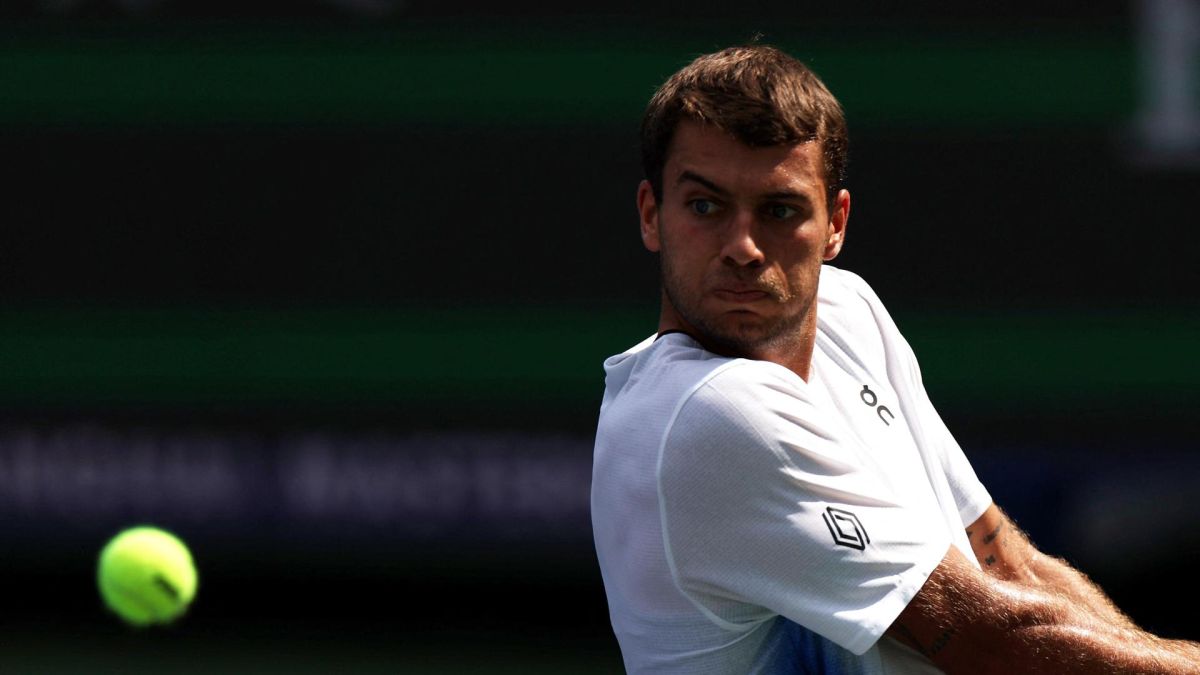
Flavio Cobolli reaches the semifinals in Lyon after a tough battle against Brandon Nakashima and continues his run towards the Finals in Turin, while now he awaits to know his next opponent between Lorenzo Musetti and Luca van Assche. #Tennis #Cobolli #Musetti (translated)

www.lastampa.it
Cobolli in semifinale a Lione, continua la corsa alle Finals di Torino. Ora in campo Musetti
2848
Il Messaggero 1w

Mark Zuckerberg is at the center of a tough battle for power and control of Meta, threatening to leave California and prompting the board to consider resignations, as he seeks to secure a new compensation plan that ensures his absolute dominance over the company. #Zuckerberg #Meta #controversia (translated)

www.ilmessaggero.it
Zuckerberg, la guerra segreta dentro Meta per stipendio e controllo assoluto. «Ha minacciato di lasciare la California»
2850
L
lastampa.it 1w

A Ukrainian woman killed her 3-year-old daughter in Tortona, in a family context already marked by conflicts and a legal battle for custody. #Tortona #cronaca #violenzafamiliare (translated)

www.lastampa.it
Tragedia a Tortona, mamma uccide la figlioletta di 3 anni
2166
Il Fatto Quotidiano 2w

During the ceremony for the Knights of Labor at the Quirinale, Sergio Mattarella reaffirmed the importance of monopoly control as an expression of freedom, recalling Einaudi's battle and emphasizing the need for a European response to the economic and democratic challenges posed by tech magnates. #Monopoli #Tecnologia #SergioMattarella (translated)

www.ilfattoquotidiano.it
Mattarella sfida i magnati del tech: “Il controllo dei monopoli è libertà”. E cita Einaudi che li definiva “origine dei mali sociali”
3202
ANSA.it 2w

Donald Trump proposes to turn the White House press room into an indoor pool, with the intent of distancing the media and continuing his battle against what he considers fake news. #Trump2024 #CasaBianca #FakeNews (translated)

www.ansa.it
Trump vuole i media fuori dalla Casa Bianca, 'la sala stampa diventi una piscina' 
2630
Matias Ezequiel 2w

Matias Ezequiel highlighted that Battaglia's return had been key in this stage of the competition. He said that the player completed 90 minutes on Friday and that last night he performed well again during the time he was on the field. He also noted that Battaglia had always played well and that he had the misfortune of getting injured. #Fútbol #Deportes #BocaJuniors (translated)

3545
Lucas Beltramo 2w

Lucas Beltramo reported that Boca overcame Vasco da Gama in the semifinal held at Maracanã and advanced to the final. He described the atmosphere in the stadium, with boos directed at Boca players and around 4,000 fans of the Argentine team who, as he wrote, cheered as if they were 54,000. He also questioned decisions by the Venezuelan referee Valenzuela, including a foul on Di Lollo that was not called and another that, in his opinion, was called without justification. Beltramo highlighted Blanco's cross and Di Lollo's header to open the scoring, and recounted that Merentiel doubled the lead after an assist from Villa. Boca went into halftime with a 2-0 lead, according to his report, after pressuring Vasco and creating several chances. In the second half, Puma Rodríguez scored a goal for the home team. The author mentioned that Paredes entered in the second half and scored in the 88th minute with a shot from about 30 meters. He added that the midfielder had returned to play 11 days after suffering a muscle tear. Beltramo described the celebrations of the players and fans, noting that Boca secured their place in the final with a performance he characterized as strong and dominant. #Boca #Maracaná #Fútbol (translated)

3547
Antonio Vitiello 2w

Antonio Vitiello reported that Milan had expressed support for the fans in their protest against ticket prices for away matches. In the statement, the club said it understood the supporters' frustration, who had announced a boycott of the upcoming match against Udinese, and supported their position. It also stated that it would commit to introducing a cap on away ticket prices at the league level. #Milan #tifosi #biglietti (translated)

3661
Boca Juniors - La12Tuittera 2w

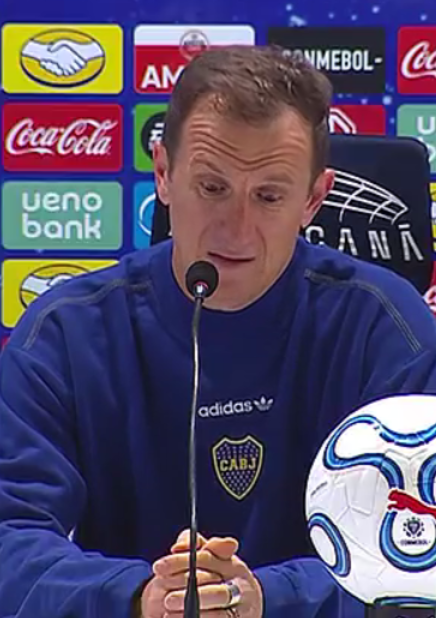
Boca Juniors - La12Tuittera reported that Arruabarrena explained that he decided to leave Paredes on the bench and bring him in during the second half, when he expected the opponent to be more tired. He said that the week had been difficult for Lea due to the comments, and that the result might seem to vindicate him, although that did not mean he was right. He added that it was a difficult decision, that he had spoken quite a bit with Paredes and described him as a captain and leader; he also noted that the player felt no discomfort. Regarding Battaglia, he stated that, aside from the goal, he completed 65 minutes after having played 90 and being out for 10 months. Arruabarrena praised his performance and said that the team played intelligently, defended well, and took advantage of their opportunities. #Fútbol #Deportes #Estrategia (translated)

2747