WRLD

Search

#electrocasnice
Digi24 5d

Cybersecurity experts warn that appliances could become the next vulnerable target after recent attacks on supermarket refrigerators, calling for greater investment in cybersecurity measures in Europe. #securitatecibernetică #electrocasnice #atacuricibernetice (translated)
www.digi24.ro
Atacuri cibernetice la ușa ta. De ce experții spun că electrocasnicele pot deveni următoarea țintă vulnerabilă

2933
Stirile ProTV 5d

The director of ENISA, Juhan Lepassaar, warned that household appliances in Europe could become the next target of cyberattacks, after several countries' supermarket refrigerators were recently compromised. #ataccibernetic #electrocasnice #securitatecibernetică (translated)

stirileprotv.ro
ENISA: Electrocasnicele din Europa ar putea fi următoarea ţintă a atacurilor cibernetice
2821
Stirile ProTV 5d

European experts warn that cyberattacks could target household appliances following recent incidents that affected supermarkets in several countries. #securitatecibernetică #atacuricibernetice #riscuri (translated)

stirileprotv.ro
Atacurile cibernetice ar putea ajunge în casele oamenilor. Ce riscuri văd experții europeni
2825
G
Gelu 3w

Don't change the time! Change the schedule, not the time! The biological rhythm is regulated by the Sun, not the clock. Time is not a work schedule that we can shift at will. Time is the measure by which we organize our lives, and nature has its own rhythm. The Earth does not change its rotation twice a year. The sun does not rise earlier because we decided to move the clock forward. Animals, birds, insects, and plants follow their biological rhythms related to light, darkness, and the natural succession of seasons. Humans are part of this nature. Our bodies have their own biological clock, fundamentally influenced by light. And when we officially move the clocks by one hour, we are not changing the course of nature, but rather asking humans to abruptly adapt to an administrative convention. Why do this every spring and reverse it every autumn? Is it natural to change the time or to adapt our schedules? Let's consider the majority of people: workers, farmers, students, teachers, parents, retirees, people who must adhere to a schedule set by others. They cannot always modify their schedules at will. They need to wake up at a certain hour, get to work, take a child to school, or comply with the public transport timetable. In contrast, there are people and organizations that have the opportunity to adapt their schedules based on the season, natural light, or the needs of their activities. If, for some people, changing their schedule is feasible, why impose the time change on everyone? Let's take a hypothetical example: if 10% of people have the freedom to adapt their schedule, is it fair to change the time for all those who do not have this freedom? Would it not be more logical to change the schedule where needed, rather than change the time by which the entire society organizes itself? Stores can modify their opening hours. Factories can adapt their shifts. Institutions can adjust their schedules, and schools and public transport can analyze timetables according to local conditions and people's needs. We do not all have to operate on the same schedule to live by the same time. Nature does not need our approval to follow its rhythm. In spring, the days lengthen. In autumn, the days shorten. This is the natural rhythm of the Earth, which we can observe without moving even a single clock hand. If we want to start activities earlier in summer, we can start sooner. If winter requires a different schedule, we can adapt it. But why change the official time, get used to a new convention, and then revert to the old one? Would it not be simpler to keep the same time all year round and organize our activities according to the season? I do not claim that all living beings measure time in hours and minutes. I assert something more important: their biological rhythms are linked to the natural cycle of light and darkness, not to the numbers we display on the clock. And humans should take this truth into account when organizing their lives. The economy must serve people, not people be permanently forced to adapt to the economy. One argument presented in favor of changing the time is the more efficient use of natural light or the reduction of energy consumption. But the actual effects depend on the country, season, population habits, and how energy is used. If we want to save energy, let's examine actual consumption. If we want more light during activities, let's adapt the schedules. If we want to improve work organization, let's change the timetables where possible. There is no need to change the time for the whole society to achieve flexibility in certain areas. The schedule is a tool we can adapt. The time should be a stable reference. We cannot stop the seasons. We cannot modify the Earth's rotation. We cannot ask nature to adapt to our clock. But we can organize our lives more wisely. Instead of moving the clock hands twice a year, we can learn to adapt our schedules to the reality around us. Instead of changing the time for everyone, we can allow each field to find the appropriate schedule, within the bounds of the law and with respect for people's rights. Let's keep the time stable and make the schedules flexible! Let's leave time in peace. Twice a year, millions of people are forced to change their clocks, schedules, and biological rhythms to adapt to an administrative decision. It is said that changing the time brings economic or energy benefits. However, in modern society, these advantages are increasingly contested, while the disadvantages are felt by nearly the entire population. People, animals, and plants do not live by the clock on the wall, but by the natural rhythms of the Earth. The human body is regulated by the alternation of light and darkness. When we artificially move the time forward or back, we disturb this balance. Many people sleep worse, feel more tired, and need days or weeks to readjust. Living beings do not change their schedules twice a year. Birds do not migrate by the clock, cows do not produce milk according to the official hour, and dogs do not understand why their owner takes them for a walk an hour earlier. Nature follows the sun, not administrative decisions. There is also a principle issue. For a relatively small percentage of people and activities that would benefit from more light in the evening, the schedule of the entire society is modified. About 90% of people are forced to adapt, even though they did not ask for this and do not gain direct advantages. It would be more logical for the sectors that need a different schedule to adapt it themselves. Stores can open earlier or later. Factories can modify their work shifts. Schools, institutions, and companies can adjust their schedules as needed. It is much easier for certain organizations to change the schedule in a targeted manner than to change the official time for the entire population. Moreover, modern technology has greatly diminished the argument for saving energy. Lighting now represents a smaller proportion of total consumption, while air conditioning, computers, and other equipment operate regardless of time changes. The time should serve people, not people be obliged to serve the time. A modern society can function efficiently without moving the clock hands twice a year. Stability, health, and respect for natural rhythms are stronger arguments than the tradition of a measure introduced in another era. Therefore, the most rational solution is to keep the same time throughout the year and adapt schedules where necessary, rather than changing the lifestyle rhythm of an entire population. Why should we keep the same time all year? Changing the time twice a year represents an artificial intervention in the natural rhythm of society. Although it was introduced with the intention of saving energy, numerous modern studies show that the benefits are minimal, while the social, medical, and economic costs are significant. 1. The biological rhythm is regulated by the Sun, not the clock. The human body operates according to an internal biological clock, synchronized with the natural alternation of day and night. Research in chronobiology shows that artificial changes in time disrupt sleep, concentration, and metabolism. In the days following the switch to summer time: - sleep disorders increase; - more traffic accidents occur; - productivity at work decreases; - there is an increase in the risk of heart attacks and other cardiovascular problems. In practice, millions of people are forced to suffer a slight "jet lag" without having traveled anywhere. 2. Nature does not change the time. Animals and plants regulate their activity according to light. Birds, insects, domesticated and wild animals do not change their schedules just because the government decides to move the clock forward by one hour. Farmers often observe that cows continue to adhere to their biological schedule regardless of the change in official time. The same happens with many other living beings. In reality, we are changing the clock display, not the position of the Sun in the sky. 3. Economic benefits are diminishing. Changing the time was introduced in an era when lighting consumed a significant proportion of the energy used by the population. Today: - lighting is much more energy-efficient; - the main consumption comes from air conditioning, heating, servers, computers, and appliances; - estimated savings are very low or even nonexistent in many states. In contrast, the economic costs are real: - employee productivity decreases after the time change; - absenteeism increases; - additional costs associated with accidents and medical problems arise; - computer and logistics systems need to be periodically adjusted. 4. It is unfair to change the schedule of all for the needs of a minority. If certain economic sectors find it useful to start activities earlier in summer, they can adapt their schedules. For example: - stores can operate from 07:00 to 21:00 instead of 08:00 to 22:00; - factories can alter shifts; - public institutions can temporarily adjust working hours; - schools and companies can decide locally what schedule is optimal. It is much simpler for 10% of organizations to change their schedule than for 100% of the population to change their biological clock. 5. Stability means efficiency. Transport, information systems, international economic activities, and public services function more smoothly when the official time remains constant. One hour throughout the year: - reduces scheduling errors; - simplifies transport and communications; - eliminates confusion regarding timetables; - provides predictability for citizens and companies. Conclusion The sun does not change its time. The Earth does not change its time. Nature does not change its time. Only humans move the clock hands and then endure the consequences of this decision. Instead of modifying the schedule of an entire society twice a year, it is more logical to keep the same time constantly and allow those fields that need a different schedule to adapt their programs individually. This way, natural biological rhythms are respected, economic costs are reduced, and the comfort of the majority of the population is increased. A modern society needs flexibility in scheduling, not the constant change of the clock. (translated)

926
Mediafax.ro Aug 25

Guvernul Canadei va impune tarife de până la 50% asupra bunurilor importate din Statele Unite, ca răspuns la măsurile protecționiste anunțate de administrația Trump, afectând o varietate de produse, inclusiv oțel, lactate și electrocasnice, iar aceste măsuri vor intra în vigoare pe 8 septembrie. #RăzboiComercial #Tarife #Canada

www.mediafax.ro
Războiul comercial escaladează. Canada ripostează cu tarife de până la 50% pentru produse americane
12436
Digi24 Jul 27

Patru români au fost condamnați recent în Marea Britanie pentru spargerea a 449 de locuințe noi în decurs de 10 luni, provocând pagube de peste un milion de lire sterline prin furtul de centrale termice și electrocasnice, iar poliția a declarat că acțiunile lor au creat riscuri serioase pentru siguranța viitorilor proprietari. #MareaBritanie #furt #hoțiRomâni

www.digi24.ro
Patru români din Marea Britanie au dat 449 de spargeri în 10 luni și au furat bunuri de un milon de lire sterline
8333
Stirile ProTV Jul 11

Un nou regulament european care va intra în vigoare din august va clasifica ambalajele de la A la C, similar electrocasnicelor, obligând producătorii să înlocuiască ambalajele greu de reciclat cu unele prietenoase cu mediul și să plătească taxe mai mari în funcție de nivelul de poluare generat. #ambalaje #regulamenteuropene #reciclare

stirileprotv.ro
Ambalajele, clasificate de la A la C, precum electrocasnicele. Noul regulament european care intră în vigoare din august
17300
Mediafax.ro Jul 4

Un nou dispozitiv, denumit „nas electronic”, dezvoltat de ingineri, promite să detecteze alimentele contaminate și să reducă riscul toxiinfecțiilor alimentare, având o precizie de aproape 93% în identificarea diverselor produse alimentare și agenți patogeni, și se poate integra în electrocasnice obișnuite sau folosi în versiune portabilă sincronizată cu o aplicație pentru smartphone. #tehnologie #siguranțăalimente #inovație

www.mediafax.ro
Un nou dispozitiv ar putea salva milioane de oameni de la toxiinfecțiile alimentare
19705
Stirile ProTV Jun 18

Articolul oferă sfaturi simple pentru reducerea facturii la energia electrică, subliniind importanța utilizării becurilor LED, reglarea corespunzătoare a temperaturilor electrocasnicelor și deconectarea aparatelor nefolosite, cu scopul de a economisi bani fără eforturi mari. #economisire #energieelectrică #sfateseconomice

stirileprotv.ro
Cât de ușor putem reduce factura la energie electrică. Sfaturi simple pentru a economisi bani fără mari eforturi
15553
HotNews.ro Jun 6

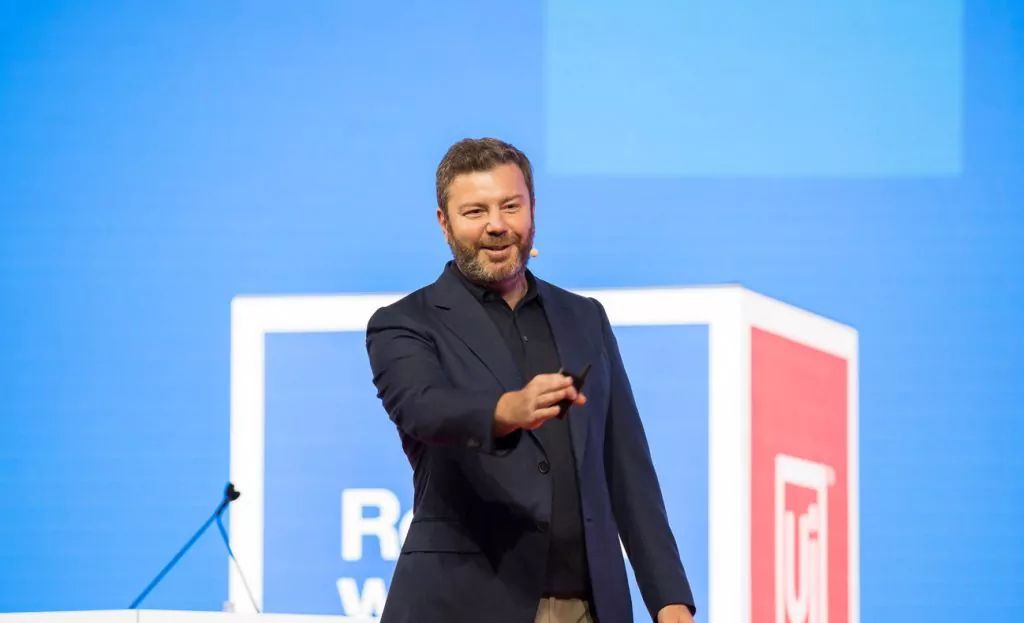
Daniel Dines, fondatorul UiPath, a afirmat că aplicația AI a reușit să finalizeze un proiect de automatizare pentru un mare producător de electrocasnice în doar trei ore, comparativ cu patru săptămâni, demonstrând astfel eficiența agenților de codare dezvoltați de companie, care acoperă întregul ciclu de dezvoltare și indicând necesitatea adaptării angajaților la colaborarea cu acești agenți în viitor. #DanielDines #UiPath #InteligentaArtificiala

hotnews.ro
Daniel Dines spune că aplicația AI a rezolvat în trei ore, în loc de patru săptămâni, un proiect al unui client
15574
George Buhnici May 25

Așa arată castraveții pe care ni-i vând bulgarii. Bravo, 🇧🇬! Poate ne explică guvernanții noștri de ce băgăm bani în tâmpenii și nu în propria securitate energetică? Cum vindem energie la prânz ca s‐o cumpărăm înapoi noaptea? Suntem atât de șmecheri încât ne vând vecinii curentul înapoi cu adaos de 700%. Am vrut să văd dacă e doar un mit urban sau o exagerare de Facebook. Din păcate, cifrele oficiale nu mint. Iată cum funcționează „arbitrajul” ăsta energetic, explicat pe românește: La prânz România produce masiv energie verde (panouri fotovoltaice, eoliene, plus sutele de mii de prosumatori). Pentru că rețeaua e inundată și NU avem unde să o stocăm, prețul prăbușește pe bursă. O exportăm vecinilor aproape degeaba (pe la un 50 €/MWh). Bulgaria s-a mișcat genial. A atras fonduri și a instalat sisteme uriașe de baterii (au depășit deja 2 GW putere instalată). La prânz, ei trag cu aspiratorul toată energia noastră ieftină și își încarcă bateriile. *Seara noi cumpărăm înapoi. Apune soarele, producția noastră de solar dispare, iar românii vin acasă și dau drumul la electrocasnice. Consumul explodează, intrăm în deficit. Bulgarii deschid robinetul la baterii și ne vând înapoi curentul. Prețul? Până la 250 €/MWh. O analiză recentă a Asociației Energia Inteligentă arată că, într-o singură lună, România a încasat de la bulgari vreo 5 milioane de euro pe energia trimisă ziua și le-a plătit înapoi **33,4 milioane de euro** pe cea importată seara. O diferență de aproape 7 ori pentru, practic, același curent! În timp ce noi ne-am mulțumit doar să umplem dealurile cu panouri (producție brută), vecinii de la sud au înțeles că în noua eră energetică nu câștigă cine produce cel mai mult, ci cine are capacitatea să *stocheze* și să vândă la momentul potrivit. Bulgaria a devenit oficial „Bateria Balcanilor”. Noi? Clienții lor fideli de la ora 20:00. #energieverde #BateriiBalcanilor #Romania

12234
Esther Lynch May 17
Irish trade unionist

Esther Lynch: Costurile ridicate ale locuințelor și salariile mici împing oamenii spre sărăcie și economia spre recesiune. Decalajul dintre chirii și salarii este complet nesustenabil. Dacă adăugăm și creșterea costurilor la energie și alimente, oamenii care muncesc sunt forțați să se împrumute pentru necesități și rămân practic fără venit disponibil — ceea ce face imposibilă economisirea pentru înlocuirea electrocasnicelor esențiale sau chiar pentru o vizită la dentist.

12603
Libertatea May 11

Brandul chinez de electrocasnice inteligente MOVA, fondat în 2024 și deja prezent în peste 30 de țări, își extinde oferta pe piața românească cu produse variate, de la aspiratoare robot și electrocasnice premium, la dispozitive pentru îngrijirea personală și echipamente pentru grădină și animale de companie. #MOVA #tehnologii #electrocasnice

www.libertatea.ro
Un brand chinez de electrocasnice inteligente intră pe piața din România
16213