WRLD

Search

#hydrogen
BFMTV 4d

EDF has reached an agreement to sell its subsidiary Hynamics to the French fund HY24, with the aim of supporting the creation of a Franco-British leader in low-carbon hydrogen by 2027. #HydrogèneBasCarbone #Energie #ConsolidationIndustrielle (translated)
www.bfmtv.com
EDF cède sa filiale Hynamics au fonds français HY24 pour "favoriser la création d'un champion français et britannique de l'hydrogène bas carbone"
3148
Wolfgang Anzengruber 7d

No one is waiting for us. We must be aware of this. "No one is waiting for us. We must be aware of this," says Wolfgang Anzengruber, Chairman of the Advisory Board of the Hydrogen Partnership Austria. #Wasserstoff #Energieinfrastruktur #Österreich (translated)

Der Druck beim Aufbau von Wasserstoffnetzen nimmt zu
kurier.at
3061
François Asselineau 🇫🇷 7d

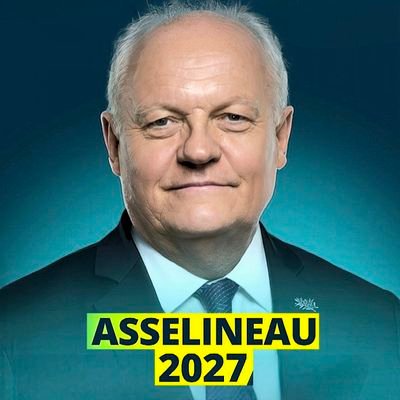
The publication featured a 7-minute video from François Asselineau-TV, which addressed a question raised during the live broadcast on September 30. It suggested that France could be energy independent thanks in part to nuclear power, oil in Guyana, white hydrogen in Alsace, and various mines. #Énergie #IndépendanceÉnergétique #France #FR (translated)

2950
Novinky 4w

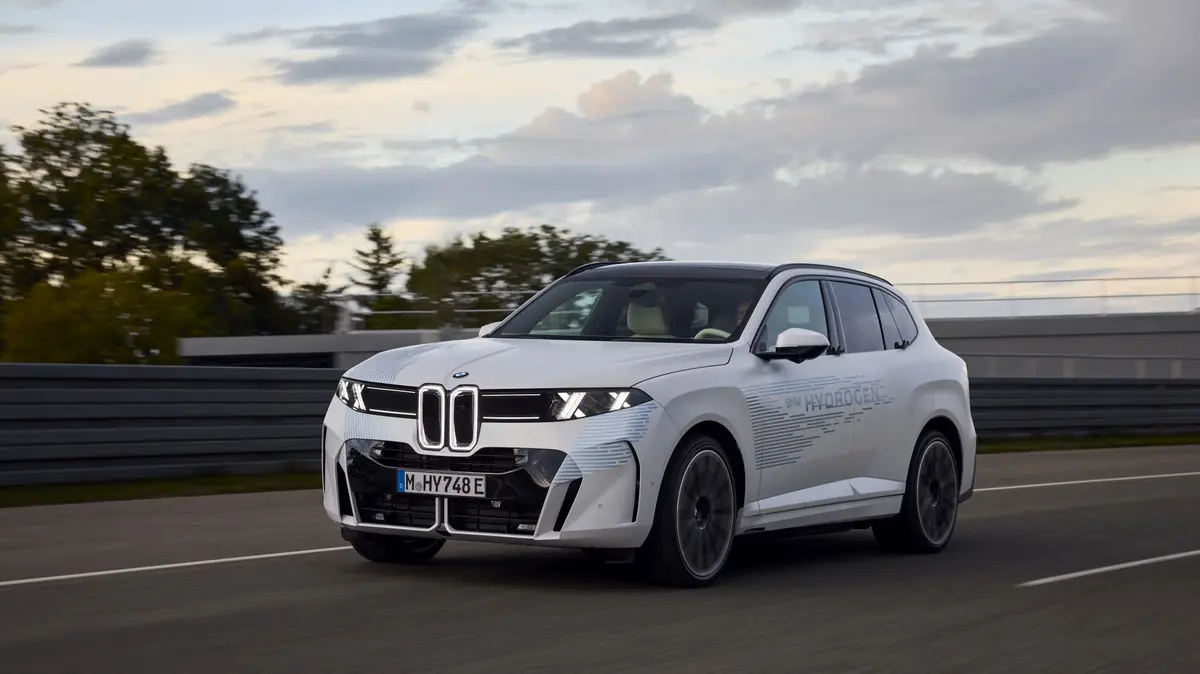
Německá automobilka BMW představila svůj vodíkový model iX5 Hydrogen bez maskování, který, ačkoliv nepředpokládá masový prodej, se vyznačuje designem podobným ostatním variantám řady X5 a nabízí dojezd až 750 kilometrů na jedno natankování, přičemž tankování trvá méně než pět minut. #BMW #iX5Hydrogen #vodíkovátechnologie

www.novinky.cz
Vodíkové BMW iX5 se ukázalo bez maskování. Tankovat má pět minut
7555
Gunther Fehlinger-Jahn 4w

🇪🇺💧 EU HYDROGEN FREEDOM ACTION PLAN — 10 POINTS FOR EUROPEAN ENERGY INDEPENDENCE Europe needs a serious hydrogen strategy connecting Norway, the North Sea, the Baltic, Central Europe, the Mediterranean and Ukraine into one integrated European energy system. My 10-point proposal: https://t.co/37ZCncevX6 #HydrogenStrategy #EnergyIndependence #EuropeanUnion #EU #NO #UA

La Libre.be Sep 3

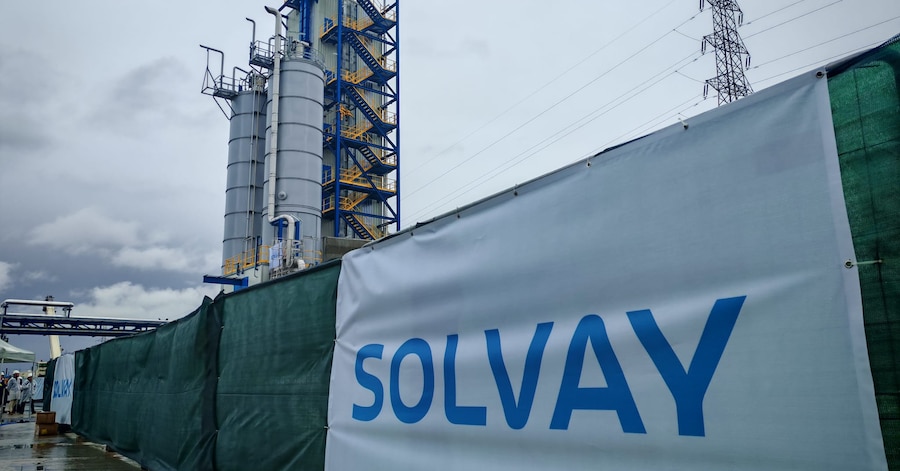
Solvay a annoncé qu'elle doublerait sa production de peroxyde d'hydrogène de qualité électronique à Taïwan d'ici fin 2026, un produit essentiel pour le nettoyage des circuits de semi-conducteurs dans un marché en forte croissance. #Semiconducteurs #Solvay #Taiwan

www.lalibre.be
Solvay double ses services aux producteurs de semiconducteurs à Taiwan
16412
Nick Stefanov Aug 17

Cold Beer and Hot Showers - Not Kilowatt-Hours All That Consumers Want The energy sector spends an extraordinary amount of time talking about generation, transmission, storage, flexibility, markets, tariffs, balancing, ancillary services, carbon emissions, batteries, hydrogen, demand response, electrification pathways, system costs, capacity mechanisms, investment signals, market design and regulation. All of these things matter. Some of them matter enormously. But there is a simple question that often disappears somewhere between the conference room, the policy paper and the technical model: What does the customer actually want? The answer is surprisingly simple. Most people do not wake up in the morning thinking about kilowatt-hours. They do not dream about capacity markets. They do not worry about frequency stability. They do not spend their evenings comparing balancing mechanisms. They want cold beer and hot showers. They want a warm home in winter and a cool home in summer. They want the lights to turn on when they press the switch. They want their phone charged, their food refrigerated and their car ready when they need it. In other words, they do not want energy. They want what energy allows them to do. That distinction may sound trivial, but it changes almost everything. For more than a century, the energy industry has been organized around the production, transportation and sale of energy itself. Electricity became measured in kilowatt-hours. Gas became measured in cubic meters. Fuel became measured in litres or tonnes. Markets, regulations and business models were built around those units. The customer, however, never experienced life in kilowatt-hours. The customer experienced comfort. Convenience. Mobility. Reliability. Security. The units used by the industry and the outcomes desired by the customer were never the same thing. For a long time, this mismatch was not particularly important. Energy was relatively scarce, flexibility was limited, and the dominant challenge was supplying enough fuel to satisfy demand. The system could afford to focus on production because production was the central problem. Today the situation is changing. Electrification is transforming energy systems around the world. Renewable generation is increasing rapidly. Batteries are appearing in homes, businesses and vehicles. Buildings are becoming smarter. Heat pumps are replacing boilers. Electric vehicles are becoming mobile storage assets. Customers are increasingly able not only to consume energy but also to store it, shift it, manage it and sometimes even sell it. As this happens, the most valuable question is no longer simply how much energy is produced. The more important question becomes: How well is energy aligned with what people actually need? A family does not care whether its water heater operates at noon or at two in the afternoon if hot water is available when someone steps into the shower. A homeowner does not care whether a battery charges at 1 p.m. or 3 p.m. if electricity costs less and reliability improves. An electric vehicle owner does not care when charging occurs as long as the vehicle is ready when needed. The objective is not the kilowatt-hour. The objective is the service. This is why many of the most important developments in modern energy systems are not really about producing more energy. They are about matching energy to the service required, at the right time, in the right place and in the right form. The technical term for this is often hidden behind complicated language. Experts discuss flexibility, demand management, dynamic pricing, distributed energy resources and system optimization. Consumers experience something much simpler. They experience agency. They experience the ability to save money without sacrificing comfort. They experience the ability to make choices. They experience the ability to benefit from technologies that work for them rather than asking them to work for the technology. This is where many debates become confused. Consumers do not want to be coordinated. They want agency. Good energy systems do not force people to behave differently. They make beneficial behaviour easier, more natural and more rewarding. The best systems do not rely on control. They rely on alignment. When the customer’s interest aligns with the system’s interest, remarkable things become possible. Demand shifts naturally. Storage becomes useful. Flexibility appears. Costs decline. Reliability improves. The customer does not need to understand the complexity underneath. Just as nobody needs to understand how the internet routes packets around the globe in order to send a message, nobody should need to understand wholesale electricity markets in order to enjoy affordable energy services. Success is not measured by how much complexity consumers are asked to absorb. Success is measured by how much complexity the system absorbs on their behalf. The future energy system will undoubtedly involve more digital technology, more electrification, more storage, more automation and more coordination. But none of those are the destination. They are merely tools. The destination remains exactly what it has always been. Cold beer. Hot showers. Comfortable homes. Reliable mobility. Affordable bills. Everything else is infrastructure. And perhaps that is the simplest way to understand the energy transition. People do not want kilowatt-hours. They want the life that kilowatt-hours make possible.

236
Jozef Síkela Aug 17

Clean energy. The goal is to turn Brazilian renewables into hydrogen, ammonia and green steel. Raw materials. I visited Viridis in Minas Gerais, where rare earths are to be refined, creating value in Brazil and strengthening Europe’s economic security. https://t.co/l1sM7loSK9 #CleanEnergy #Renewables #GreenTech #BR #EU

Jozef Síkela Aug 6

🔹 Namibia: HyIron, processing iron with green hydrogen on site 🔹 Greenland: graphite and molybdenum, crucial for European industry and defence Investing in local value means local industry and local jobs for our partners. Diversified supply for Europe. #Namibia #Greenland #SustainableIndustry #NA #GL

118
Samo Burja Aug 5

It seems oil and gas isn't actually a technologically mature industry; there are many new ways to mine fluids and gasses from beneath our feet. This is a good sign not just for hydrocarbons, but for mining hydrogen or developing geothermal. #EnergyInnovation #HydrogenEconomy #GeothermalEnergy #Nospecificcountrycodesarementionedinthetweet.

355
We Don't Have Time Jul 30

#India has launched its first hydrogen train between Jind and Sonipat, in Haryana. 🚆 Designed with a maximum speed of 110 kmph (and 75 kmph average speed), no air-polluting emissions are generated during the operation of this #hydrogen-powered train. https://t.co/sp2DRiO4qp #HydrogenTrain #SustainableTransport #CleanEnergy #IN

474
Jaf Jul 28

🇺🇸🇲🇦 Les USA subventionnent pour la première fois un projet au Sahara marocain. Il s'agit des études préliminaires pour un Projet geant d'Hydrogéne vert, d'un cout global de 4.5 MILLIARDS $ L'Ambassadeur US etait aujourd'hui à Laayoune pour signer l'accord 🤝 https://t.co/646iwkToNJ #Sahara #ÉnergieVerte #Investissement

14211
BFMTV Jul 21

Airbus a présenté au salon de Farnborough une nouvelle aile allongée et repliable, dont les essais en vol débuteront cette année dans le cadre du programme Aile de demain, visant à améliorer les performances des futurs avions pour une réduction de 20 à 30% de la consommation de carburant, tout en poursuivant le développement d'un avion à hydrogène pour une mise en service prévue en 2035. #Airbus #Aéronautique #Innovation

www.bfmtv.com
"On souhaite lancer un démonstrateur en vol d'ici la fin de l'année": pourquoi Airbus a conçu une aile qui se plie pour ses futurs avions
18974
La Libre.be Jul 15

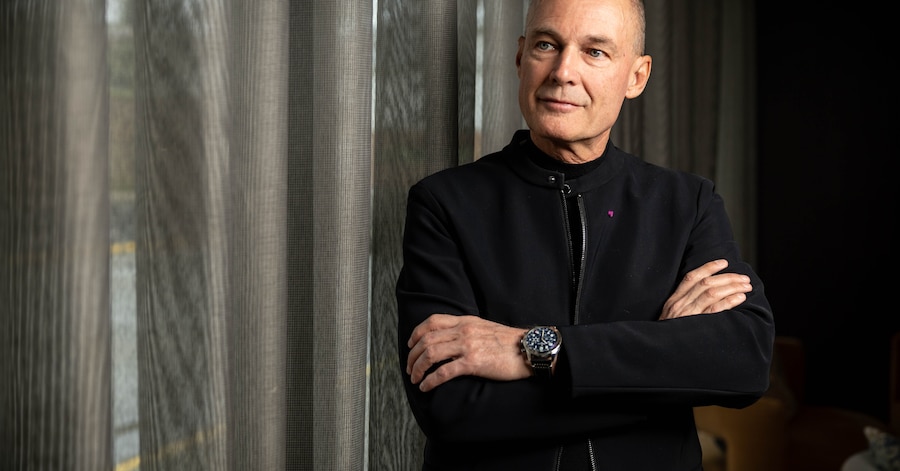
L'article présente le projet Climate Impulse de Bertrand Piccard et Raphaël Dinelli, soutenu par la Commission européenne, qui vise à réaliser le premier tour du monde sans escale et sans émissions à bord d'un avion alimenté à l'hydrogène vert d'ici 2030, tout en soulignant les enjeux technologiques et la nécessité pour l'Europe de devenir plus innovante dans le domaine de l'hydrogène. #ClimateImpulse #HydrogèneVert #AviationDurable

www.lalibre.be
"Les marchands de peur font déprimer la population"
17808
L
Le Soir Jul 15

Au port d'Anvers, une fuite de fluorure d’hydrogène sur un cargo a entraîné l'hospitalisation de 186 personnes, une enquête pénale a été ouverte et la circulation maritime a été perturbée. #Anvers #FuiteToxique #Santépublique

www.lesoir.be
Plus de 180 personnes envoyées à l’hôpital, circulation maritime perturbée… ce que l’on sait de la fuite de produits toxiques au port d’Anvers
11278
Postimees Jul 15

Kanada Saskatchewani lõuna-keskosas asuv MAX Power Mining käivitab Lawson Natural Hydrogen Complexis loodusliku vesiniku uurimiseks uue puurimisprogrammi, mille eesmärk on leida tõendeid piirkonna maapõues peituvast potentsiaalsest loodusliku vesiniku varust, mis võib muuta seda energiatüübiks globaalses energiatööstuses. #LooduslikVesinik #MaxPowerMining #Energiaprojektid

pmo.ee
Kanadas algab loodusliku vesiniku tööstuslik puurimine
16028
L
Le Soir Jul 15

Une fuite de fluorure d’hydrogène dans le port d’Anvers a conduit une personne aux soins intensifs et a intoxiqué 25 autres, entraînant l’évacuation de près de 150 personnes et la mise en place d'opérations de sécurité par les services d'urgence. #FluorureDhydrogène #PortDAnvers #SécuritéPublique

www.lesoir.be
Une personne aux soins intensifs après une fuite de produits toxiques dans le port d’Anvers
11279
L
Le Soir Jul 7

Airbus a annoncé la création d'une coentreprise avec MTU Aero Engines pour développer des moteurs à hydrogène électriques, visant à établir une avancée technologique dans le domaine des systèmes de propulsion à hydrogène pour l'aviation commerciale, bien que des défis économiques et techniques subsistent. #Hydrogène #Aviation #Airbus

www.lesoir.be
Avion à hydrogène: Airbus monte une coentreprise avec le groupe allemand MTU
17832