BETA nonprofit public democratic european moderated

Search

#impression
Actu Foot 21m

Actu Foot relayed, via AlbicelesteTalk, a text presented as Lionel Messi's last speech to the Argentine people. The player said he believed the time had come to retire from the national team, after 20 years of fighting for the jersey, and that distancing himself from the selection would hurt him greatly. In this speech, Messi thanked his teammates and the supporters, to whom he attributed an essential part of Argentina's successes. He recalled that the team had won the World Cup, the Copa América, and the Finalissima, and mentioned the dream fulfilled in 2022 of becoming world champions. He also called on Argentinians to continue supporting the national team during difficult times and said he would remain alongside the current players and those who would succeed them. He concluded by expressing his gratitude, pride, and peace. #Messi #Argentine #Football (translated)
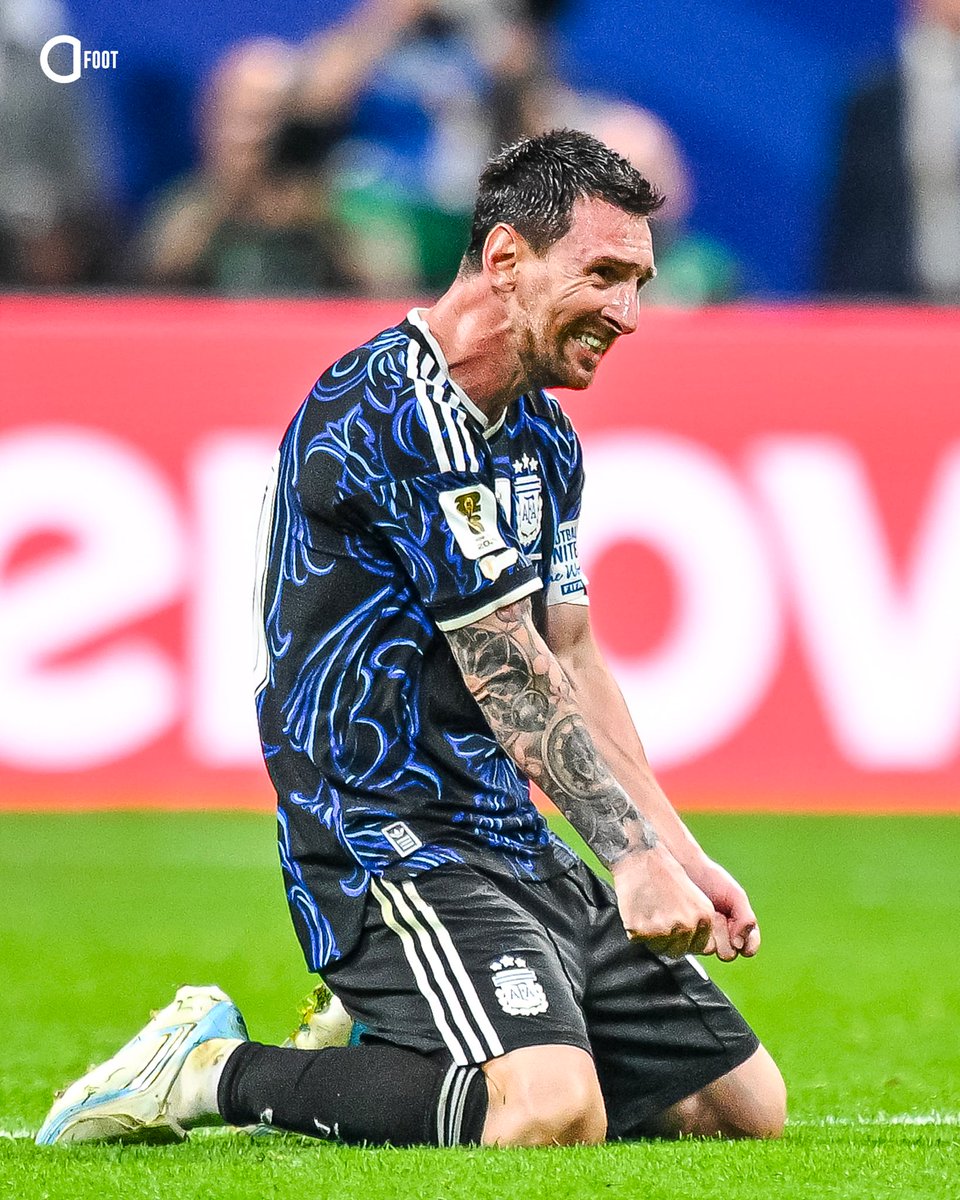

Instant Foot highlighted the large number of accredited people on the sidelines to follow what it presented as Messi's last match with Argentina, adding that their presence evoked that of spectators in the stands. https://t.co/AwgRTKN28q #Messi #Argentine #Football (translated)

Masian 6h

Masian estimated that Spain, even without being at its best level, hated losing, including against a team fighting for its survival in front of its home crowd. He added that they always seemed to find a solution, no matter the scenario. #Espagne #Football #Victoire (translated)

Actu Foot reported that Jérôme Rothen had strongly criticized Rayan Cherki, expecting more from him with the French national team. He believed that the player should not be placed on the same level as Kylian Mbappé, Ousmane Dembélé, and Michael Olise, and had stated that he was not fixating on him. Rothen also mentioned Cherki's comments about an exchange with Bettoni and his desire to come on to show what he could do. He wondered why the player had waited until the last 20 minutes of the match to show himself, after the first three matches. While acknowledging that there had been some good and some less good, Rothen judged that Cherki had not convincingly done enough to be an undisputed starter. #Cherki #Bleus #Football (translated)

The article reports that Japan has finally unveiled its impressive Type 25 missile after the military exhibition was postponed due to an earthquake. #Japon #Missile #ExpositionMilitaire (translated)

L’exposition militaire avait été reportée à cause d’un séisme : le Japon lève enfin le voile sur son impressionnant missile Type 25

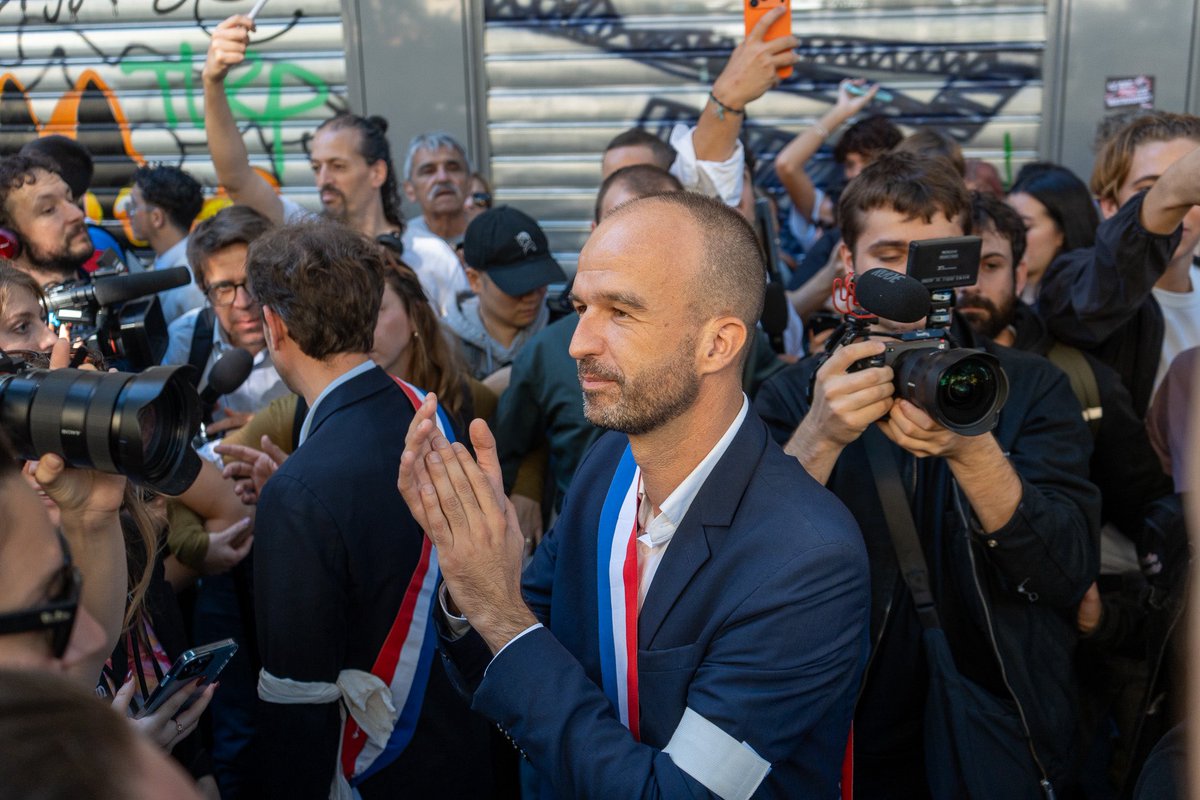
Manuel Bompard described the mobilization of youth this afternoon as impressive. He wrote that high school students were mobilizing everywhere to demand dignified study conditions and assured that they had his support. He called on the government to stop, in his view, provoking violence and to listen to them. https://t.co/ftmex6ktcD #Lycéens #Mobilisation #Éducation (translated)

Kultur 11h

Culture described as impressive a video attributed to France Info and wrote that "the world" was in Paris to defend the claims of the students' movement. https://t.co/v4FtrddHk2 #MouvementLyceen #Paris #Éducation (translated)

Mélenchon 2027 mentioned a large crowd in Paris and stated that young people were clearly calling for Macron's resignation. https://t.co/NTisnbpkC8 #Paris #Mobilisation #Jeunesse (translated)

The Mélenchon 2027 account shared images of a parade in Montpellier and indicated that more than 8,000 people had walked through the streets. The video came from ML Montpellier. https://t.co/nHavpfRGOl #Montpellier #France #Manifestation (translated)

E
Eric 15h

"We saw the missile come out of the water. It was impressive!" says Éric, a Breton who witnessed, from a café in Penmarc'h, the launch of a nuclear missile without a warhead off the coast of Finistère on the morning of Tuesday, October 6th. #Missile #Nucléaire #Finistère (translated)

"On a vu le missile sortir de l'eau. C'était impressionnant !", témoigne un Breton après un tir d'essai au large du Finistère
www.franceinfo.fr

A Breton testified about the impressive test shot of an unarmed nuclear missile off the coast of Finistère, assisted by President Emmanuel Macron. #Missile #Nucléaire #Finistère (translated)

"On a vu le missile sortir de l'eau. C'était impressionnant !", témoigne un Breton après un tir d'essai au large du Finistère

Drunzin stated that only those who did not teach would doubt her story. She claimed to have over ten years of experience in the classroom and still be impressed by what happened daily in a school. #Educação #SalaDeAula #Ensino (translated)

Brazil’s synthetic voters – when AI manufactures public opinion They look like ordinary street interviews. A reporter approaches a passer-by in a Brazilian square and asks a simple question: who will you vote for? A young voter explains why Luiz Inácio Lula da Silva deserves another term. An elderly woman says Brazil needs Flávio Bolsonaro because he represents political renewal and greater security. The locations look plausible, the microphones are visible and the answers sound much like the brief political opinions heard in television vox pops around the world. None of the people are real. Ahead of Brazil’s presidential election on 4 October, fact-checking organisation Aos Fatos identified at least 50 TikTok videos in which artificial intelligence was used to manufacture voters, reporters and apparently spontaneous political interviews. Together, the videos had accumulated around 7.4 million views by mid-August. Some promoted Lula, others Flávio Bolsonaro, while another group used synthetic characters to ridicule or stereotype supporters of one side. Aos Fatos found no apparent evidence linking the accounts producing the videos to either presidential campaign. The opinion poll that never took place The format is important. These were not conventional deepfakes in which a recognisable politician is made to say something he never said. Instead, the creators reproduced the visual language of the vox pop – the short street interview used by broadcasters and social-media creators to illustrate what ordinary people supposedly think. In pro-Lula videos, synthetic voters described themselves as beneficiaries of social programmes or credited the president with improving their lives. In videos supporting Flávio Bolsonaro, artificial interviewees associated him with political renewal, public security and fighting corruption. Other clips were openly hostile: AI-generated characters presented as poor or living in parts of Brazil’s north-east were shown in dirty clothes or run-down surroundings, declaring support for Lula because they supposedly preferred welfare payments to work. The deception is therefore subtler than fabricating a candidate’s statement. It manufactures something that political communication normally treats as evidence of public sentiment. A real vox pop may be unscientific, but the people interviewed at least exist. These videos created the appearance that identifiable social groups – young people, pensioners, welfare recipients or residents of particular regions – were spontaneously expressing political preferences when no such encounters had taken place. An electoral-law specialist interviewed by Aos Fatos described the technique as the fabrication of a “social fact that never occurred”. That captures the central innovation: AI is being used not merely to falsify political speech, but to manufacture the impression of grassroots opinion. Fifty videos, but not one proven network The available evidence does not support describing the 50 posts as a centrally controlled influence operation. Aos Fatos located them through TikTok searches and recommendations produced by the platform itself, then examined the accounts responsible for publication. Most had relatively small individual audiences, although their combined reach was substantial. The first examples identified by the investigation appeared as early as March 2026. Activity increased in June and was concentrated particularly in July and the first half of August as Brazil’s election calendar intensified. Some accounts specialised in AI-generated videos generally, including fabricated podcast-style material. Others were explicitly political or supportive of a candidate, but Aos Fatos found no apparent links between those profiles and the official Lula or Bolsonaro campaigns. That distinction is essential. The evidence demonstrates a common technique and a shared political environment, not a single command structure. Some creators may have been motivated by ideology, others by engagement or monetisation. Publicly available evidence does not establish who commissioned the individual videos or whether any coordination existed between the accounts. This decentralised model also creates a different enforcement problem from a traditional bot network. There may be no headquarters to expose and no infrastructure whose removal disables the entire operation. The format itself can be copied by anyone with access to inexpensive generative-video tools. When the algorithm mixes real and synthetic citizens Aos Fatos documented another important feature of the phenomenon: TikTok’s recommendation system placed AI-generated interviews alongside genuine street interviews. For a user scrolling quickly through the platform, the transition between an authentic citizen and an entirely fabricated one could therefore be almost invisible. In 18 per cent of the 50 videos analysed, there was no indication that the people shown had been generated using AI. After Aos Fatos provided TikTok with the videos, the company said it had removed all of them for violating its rules on edited and AI-generated media. TikTok said its policies require creators to identify synthetic content and prohibit manipulated media capable of misleading users about matters of public importance or impersonating genuine journalistic material. The issue extends beyond one platform. Factchequeado’s review of Brazil’s 2026 election campaign found that synthetic endorsements and other deepfakes had become one of the most visible forms of AI-assisted electoral misinformation, alongside fabricated candidate statements and invented scenes. Brazil already had rules for synthetic politics Brazil entered the campaign with unusually detailed electoral rules governing artificial intelligence. The Superior Electoral Court, the TSE, requires electoral propaganda using synthetic multimedia to disclose clearly that AI was used. More importantly for the fake-voter videos, its rules prohibit synthetic audio or video used to favour or harm a candidacy when it creates or alters the image or voice of a living, deceased or fictitious person. The difficulty is attribution and enforcement. When a synthetic video is published by an official campaign, responsibility can be relatively straightforward to investigate. When it comes from an apparently independent account with no demonstrated relationship to a candidate, lawyers interviewed by Aos Fatos said responsibility is more likely to fall on the individual creator, while imposing electoral sanctions on a campaign would require evidence of a connection. For the final 72 hours before the election and the 24 hours following it, the TSE has imposed additional restrictions on newly published or republished synthetic material involving candidates or public figures, reflecting the particular difficulty of correcting fabricated content immediately before voting. From deepfake politicians to synthetic electorates The Brazilian case illustrates a broader change in political manipulation. The first generation of electoral deepfakes concentrated on famous people: make a politician appear to say something damaging, or fabricate an endorsement from a celebrity. Synthetic vox pops reverse the perspective. The politician can remain completely authentic; it is the electorate around the politician that is fabricated. That changes the psychological proposition of the message. Instead of saying the candidate believes this, the video suggests people like you believe this. Age, clothing, accent, neighbourhood and social class can all be generated to construct an artificial constituency around almost any political claim. There is no evidence that the 50 Brazilian videos identified by Aos Fatos constitute a single centrally directed campaign, nor evidence that they changed voting intentions. What they demonstrate is a technique whose barrier to entry has become extremely low. AI no longer needs to forge the politician. #DISINFORMED #Episode14 #Brazil #BrazilElection2026 #Elections #ElectionDisinformation #ArtificialIntelligence #AI #GenerativeAI #SyntheticVoters #SyntheticMedia #AIAvatars #AIGeneratedVideo #VoxPop #FakeInterviews #Astroturfing #AIPropaganda #PoliticalDisinformation #InfluenceOperations #InformationWarfare #SocialMediaManipulation #TikTok #PublicOpinion #ManufacturedConsent #SyntheticPublicOpinion #DigitalInfluence #Deepfakes #ElectionIntegrity #TSE #AosFatos #FactChecking #OSINT #MediaManipulation #WRLD (translated)

Eleitores gerados por IA fazem campanha no TikTok e põem em xeque regra do TSE
Actu Foot 20h

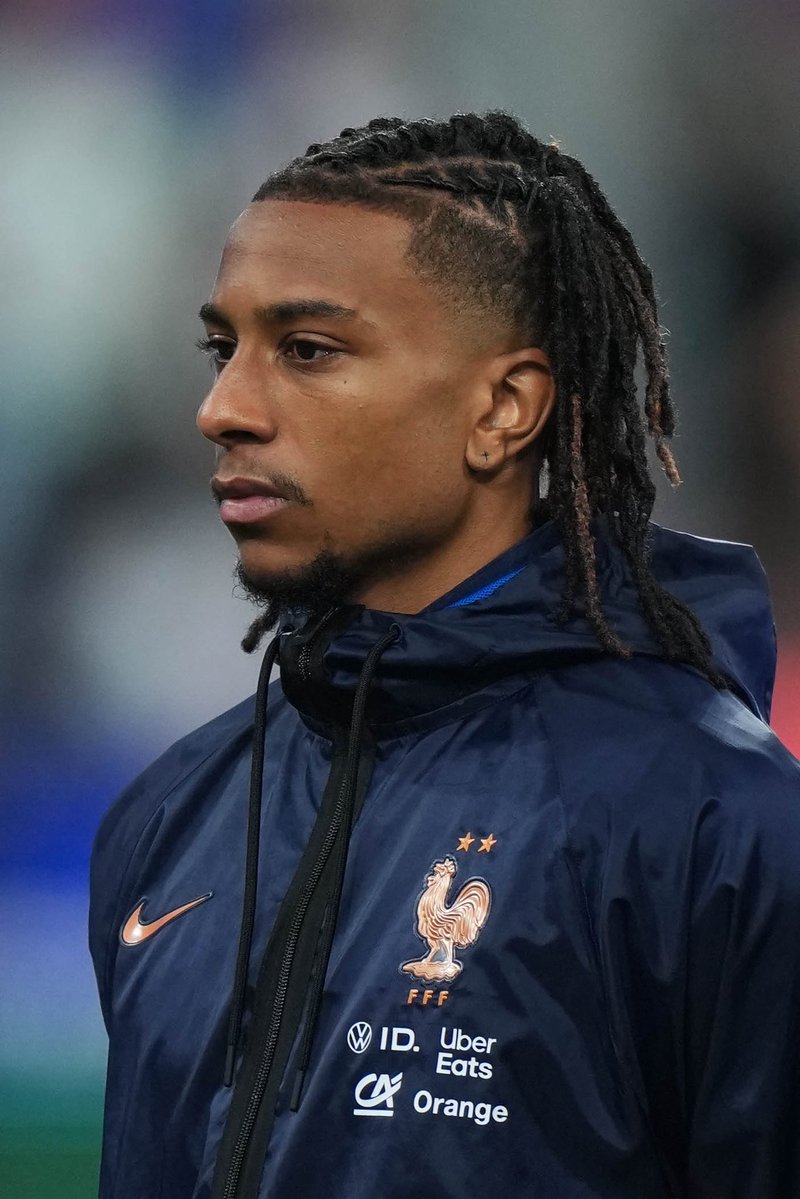
Actu Foot reported that Zinédine Zidane had described what Olise was doing as remarkable. Maghnes Akliouche had said that the player could do everything with the ball and could make a difference at any moment, emphasizing that he had scored again that day. Andy Diouf had described him as an extraordinary player, capable of creating significant gaps, while Leny Yoro had found it beneficial to play with him and impressive what he brought to the team in every match. #Football #Olise #Talent (translated)

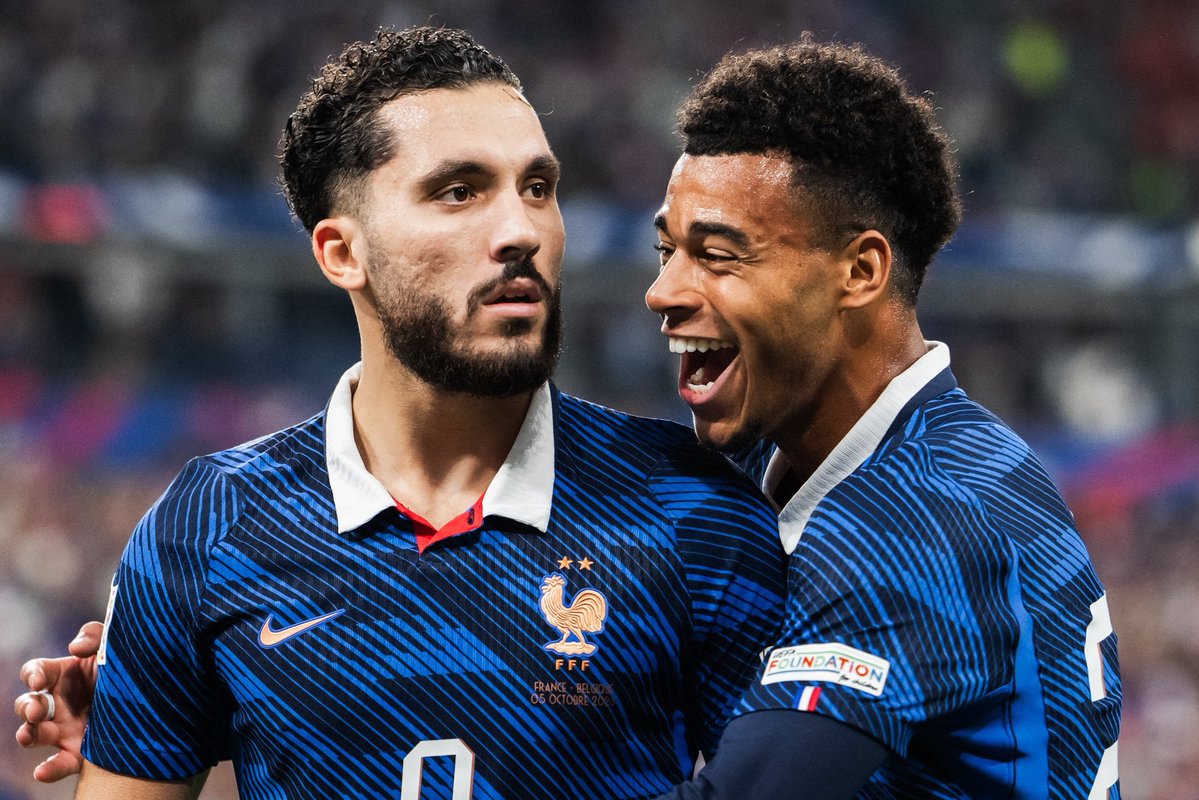
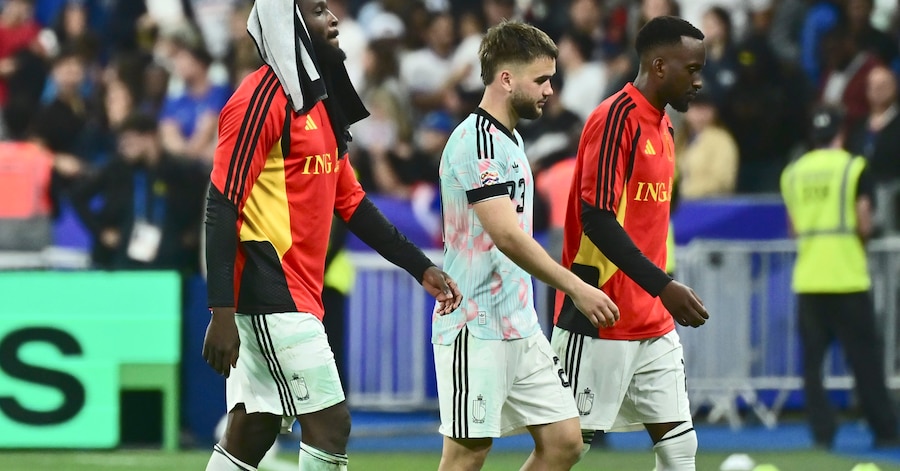
The media highlights that Belgium suffered a severe setback of 4-1 against France at the Stade de France, attributing part of the responsibility to coaching choices criticized by Mark Van Bommel and to the impressive depth of the French bench. #Belgique #France #football (translated)

"Adversaire trop fort", "Le banc a tout change", "Une vérité" : le verdict des médias après le K.O. de la Belgique contre la France
Perseus 2d

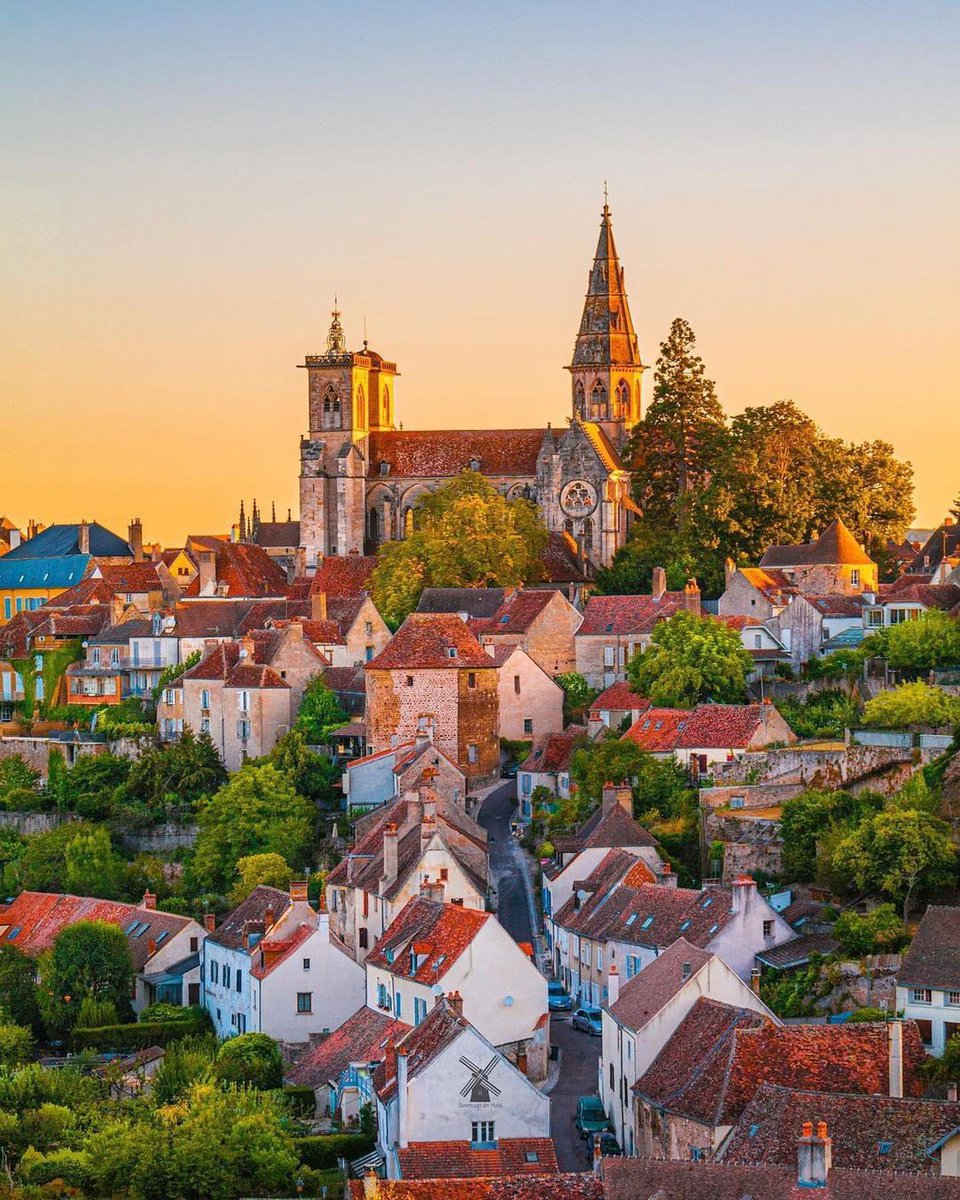
Perseus wrote that some people did not appreciate the scale and beauty of French monuments, and that France had many architectural jewels. https://t.co/xA8DVayNS8 #France #Architecture #Monuments (translated)

BFMTV 2d

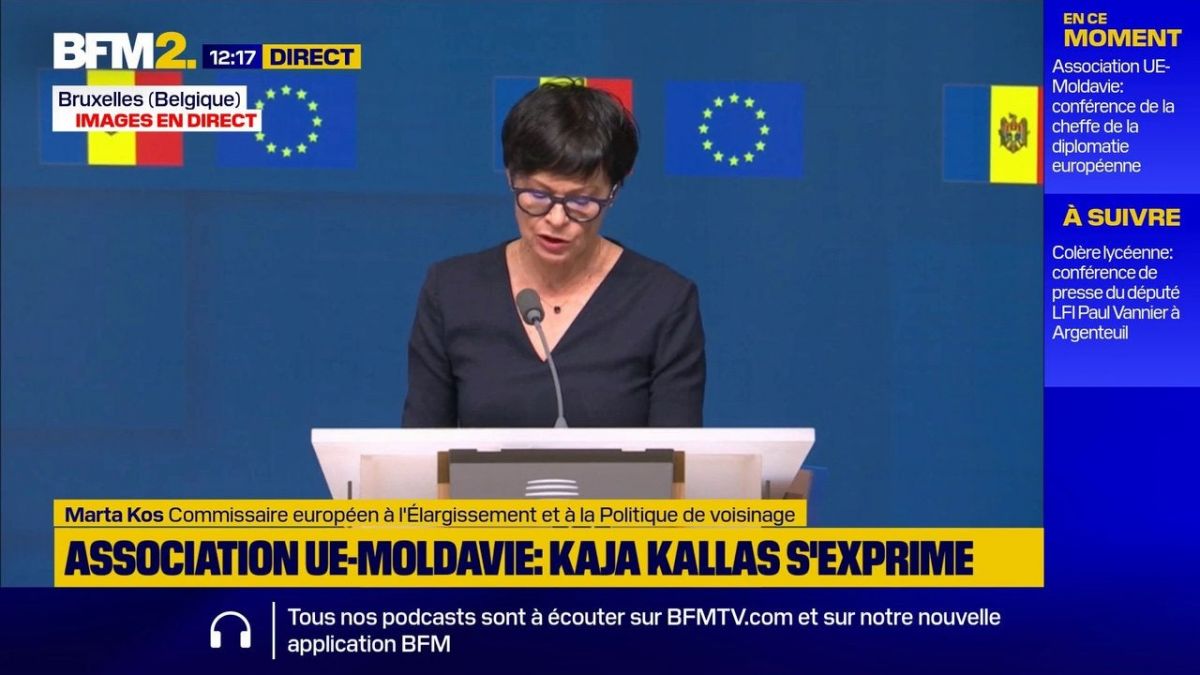
The Commissioner for Enlargement, Marta Kos, said that Moldova is approaching the European Union at an impressive pace, highlighting the country's progress in its membership process. #Moldavie #UnionEuropéenne #Élargissement (translated)

La Moldavie "se rapproche" de l'Union européenne "à un rythme impressionnant", souligne la commissaire à l'Élargissement

Actu Foot reported that Thomas Müller had named Michael Olise and Kylian Mbappé as the two players whose individual performances had impressed him the most for the Ballon d'Or. According to Müller, the Frenchman and his teammate in the French national team combined spectacular play with a real threat in front of goal, thanks to a mix of finesse and power. He added that a touch of magic characterized, in his eyes, a world player of the year. #BallonDor #KylianMbappé #Football (translated)

Zizi ♡ said he was impressed by the coincidence between 2.6 million followers and 2.6 million votes. He noted that not all followers voted for him and that many voters do not have social media or do not follow him, and stated that the coincidence could be marked in bingo. #coincidência #política #votação (translated)

Ricardo Almeida wrote that he had not yet realized the extent of PL's advance in the election. He stated that the party's bench in the Senate was almost the same size as the sum of the benches of the five largest parties in the Centrão and classified the result as impressive. #Política #Eleições2023 #Centrão (translated)